You want a rugged, standards-compliant Level 2 charger without premium bloat. Grizzl‑E pairs a NEMA 4 metal enclosure and 24‑ft J1772 with adjustable 16–40 A (up to 9.6 kW), UL 2594/2231 safety, and NEMA 14‑50 or hardwire install. The Smart model adds Wi‑Fi and OCPP 1.6J for scheduling and data export. At ~$329–$399, it undercuts many rivals. But does its real‑world performance and reliability justify the hype?
Key Takeaways
- MSRP $329–$399 with promos to $299; strong value for a 40 A UL‑certified Level 2, with OCPP on the Smart model.
- Rugged build: powder‑coated metal and cast‑aluminum NEMA 4 enclosure, stainless hardware; 24‑ft UL 62 cable with strain relief.
- Adjustable 16–40 A on 240 V (up to 9.6 kW); typically 34–38 miles/hour; built‑in safety protections and thermal derating.
- Flexible install: NEMA 14‑50 plug‑in on 50 A circuit or hardwired; NEC 625 compliant, serviceable terminals and clear labeling.
- 2025 updates: optional native SAE J3400 (NACS) cable, ISO 15118‑3 plans; Wi‑Fi OCPP 1.6J scheduling, load management, and data export.
What’s New for 2025 and Pricing Outlook
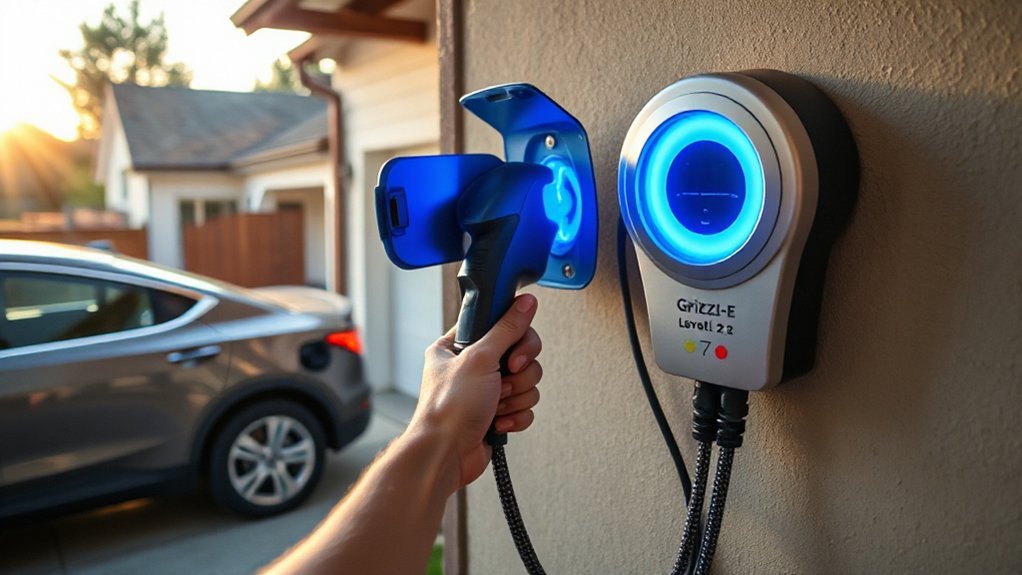
As SAE J3400 (NACS) standardization accelerates in 2025, expect the Grizzl‑E lineup to add a native J3400 cable option alongside J1772 while maintaining UL 2594/UL 2231 compliance and a 40 A (up to 9.6 kW on 240 V) rating. You should also see firmware revisions for smoother J3400 pilot signaling, ISO 15118-3 interoperability testing, and expanded utility rebate listings. Based on market trends and input costs, expect modest MSRP pressure. Copper, aluminum, and semiconductor pricing, plus exchange rates and tariffs, will steer production costs. UL file maintenance, cordset retooling, and dual-SKU logistics add 2–5% overhead. Net effect: street prices likely hold near $329–$399, with occasional promos to $299. Fleet and multi-unit orders may benefit from volume discounts as cable commonality reduces inventory complexity risk.
Design, Build Quality, and Weather Resistance
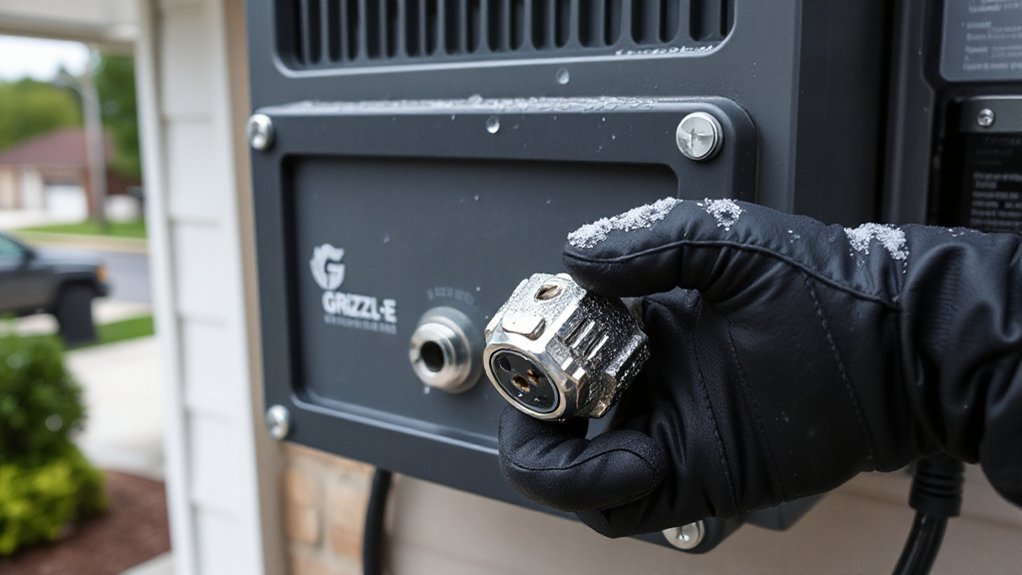
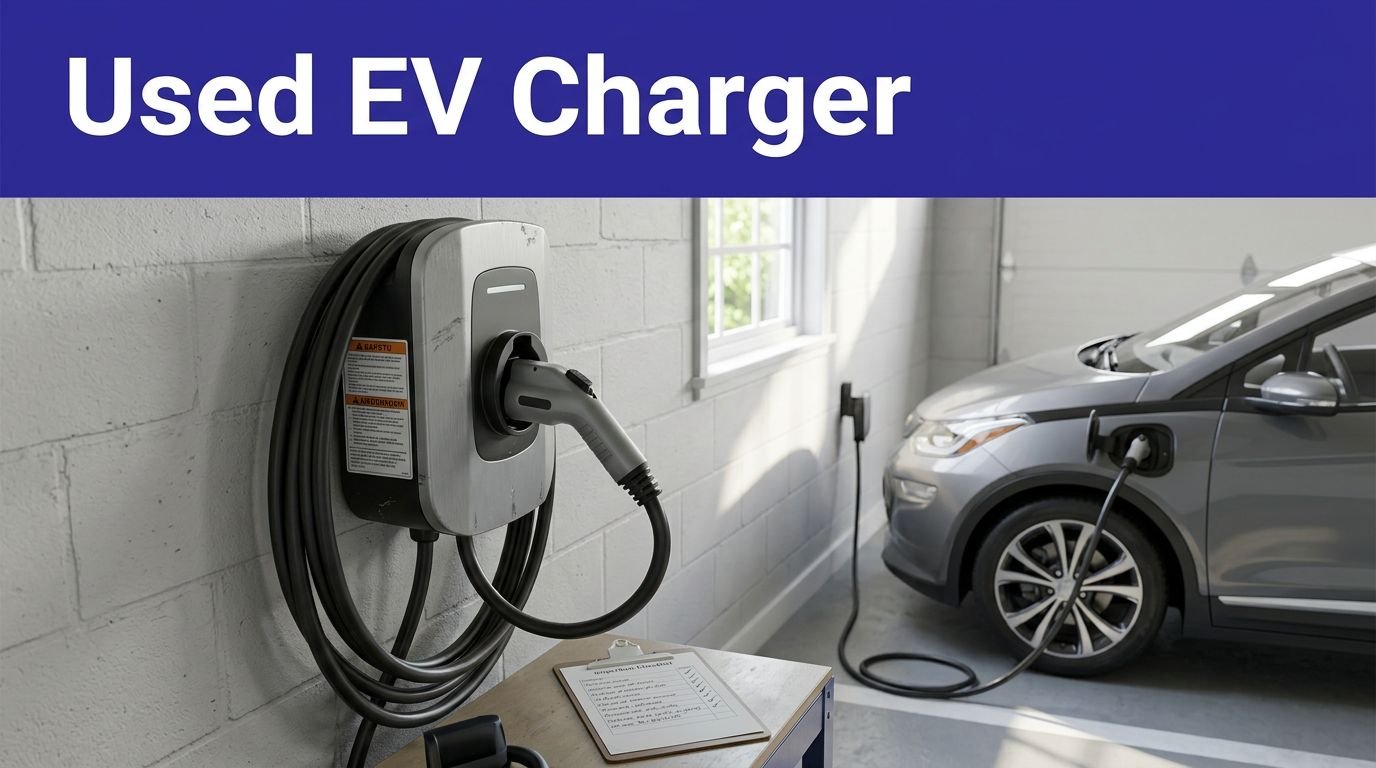
You get a thick‑gauge, powder‑coated metal enclosure with reinforced mounting points and stainless hardware, engineered for mechanical rigidity in fixed outdoor installs. The 24‑ft SAE J1772 cable is rated for 40 A continuous with an oil/UV‑resistant jacket and proper strain relief (compression gland and molded handle boot) to limit conductor fatigue from repeated bends. With NEMA 4 sealing and UL/cUL compliance (UL 2594, UL 2231, UL 50E), you can expect protection from hose‑directed water and windblown dust and stable operation around −30 °C to +50 °C.
Robust Housing Design
Cast‑aluminum housing anchors the Grizzl‑E’s design, delivering a NEMA Type 4 enclosure with gasketed seals and stainless fasteners for outdoor duty. You get a thick-wall chassis that resists flex, boosts impact resistance, and maintains seal compression through thermal cycling. The powder‑coat finish and sealed conduit entries mitigate corrosion and water ingress, aligning with UL 50E expectations and UL 2594 EVSE safety requirements. You’ll appreciate straightforward service access via a removable front plate and labeled terminals.
- Weather defense: NEMA 4 keeps out rain, hose water, and dust; venting avoids pressure differentials that strain seals.
- Structural integrity: ribbed casting spreads loads, protecting PCB standoffs and relay mounts during shocks.
- Fastener strategy: stainless hardware and thread‑locking reduce loosening from vibration per IEC 60068‑2‑6 guidance.
Cable Durability and Strain
Although enclosure robustness matters, the Grizzl‑E’s real‑world survivability hinges on a UL 62–listed EV cable and disciplined strain control. You get a thick, flexible jacket that resists kinks, maintains freeze flexibility, and preserves conductor integrity under repeated pulls. Molded boots distribute stress; the jacket’s abrasion resistance limits sheath damage. Strain relief hardware on the wall unit and holster encourages proper coiling, minimizing torque at the coupler per SAE J1772 handling guidance. Bend-radius labels help you coil consistently and protect conductor strands.
| Property | Standard reference | Assessment |
|---|---|---|
| Strain relief | UL 62, UL 2251 | Molded, stress-diffusing |
| Cold performance | UL 62 | Maintains flexibility at low temps |
| Surface wear | UL 62 abrasion | High durability |
Route it off ground and avoid tight loops to limit heat rise at 40 A.
NEMA 4 Weather Sealing
How well does the Grizzl‑E keep weather out? Its NEMA 4 enclosure meets UL 50E and CSA C22.2 ingress requirements, blocking windblown dust and hose‑directed water, and withstanding external icing. You can mount it outdoors without auxiliary covers. The powder‑coated aluminum housing, silicone perimeter gasket, and compression cable glands keep a continuous seal through thermal cycling and vibration resilience. Factory packaging protection prevents gasket nicks during shipment, preserving compression set.
- IP66‑equivalent performance: zero ingress under 100 kPa spray at 3 m for 3 min per face.
- Stainless fasteners and captive O‑rings hold 1.5–2.0 N·m clamp load after 500 h ASTM B117.
- Drip edges plus a pressure‑equalizing breather mitigate condensation; unused knockouts ship with sealed hubs.
This is protection beyond NEMA 3R.
Charging Speed and Real-World Performance
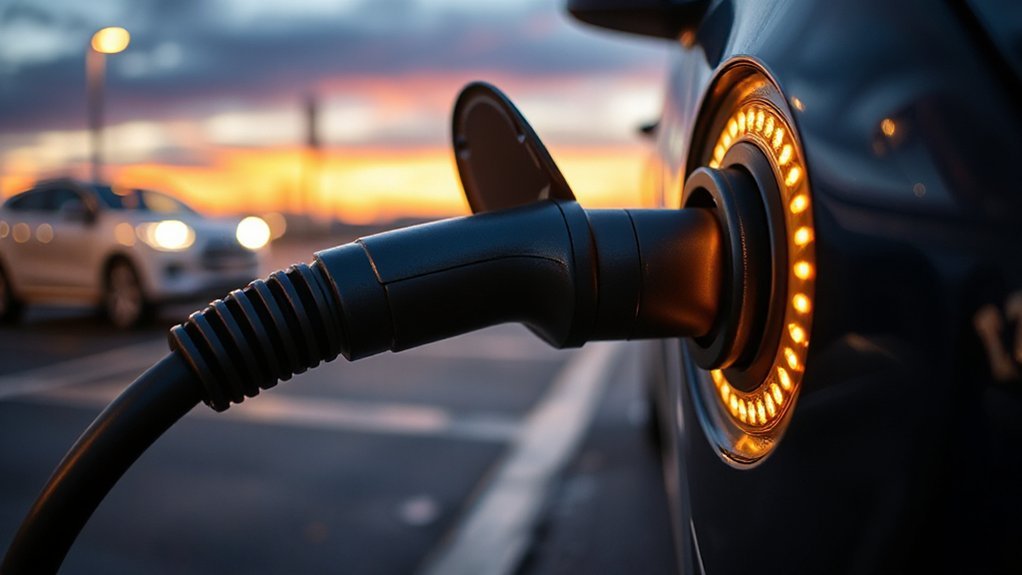
While the Grizzl‑E is a 240 V Level 2 J1772 EVSE adjustable to 16/24/32/40 A (up to 9.6 kW), real charging speed depends on your vehicle’s onboard charger and circuit sizing under NEC 625’s 80% continuous‑load rule (40 A output requires a 50 A breaker). You’ll see 3.8, 5.8, 7.7, or 9.6 kW at nominal 240 V, minus 3–7% conversion losses. If your car’s onboard charger is 7.2 kW, the 40 A setting won’t exceed ~7.2 kW. At 7.7 kW, most EVs add ~28–32 miles per hour; at 9.6 kW, ~34–38 mph, depending on efficiency. Ambient heat can trigger temperature throttling in the vehicle or cable to protect battery health, reducing current. You can dial amperage lower to match circuits or manage off‑peak windows.
Safety Certifications and Electrical Considerations
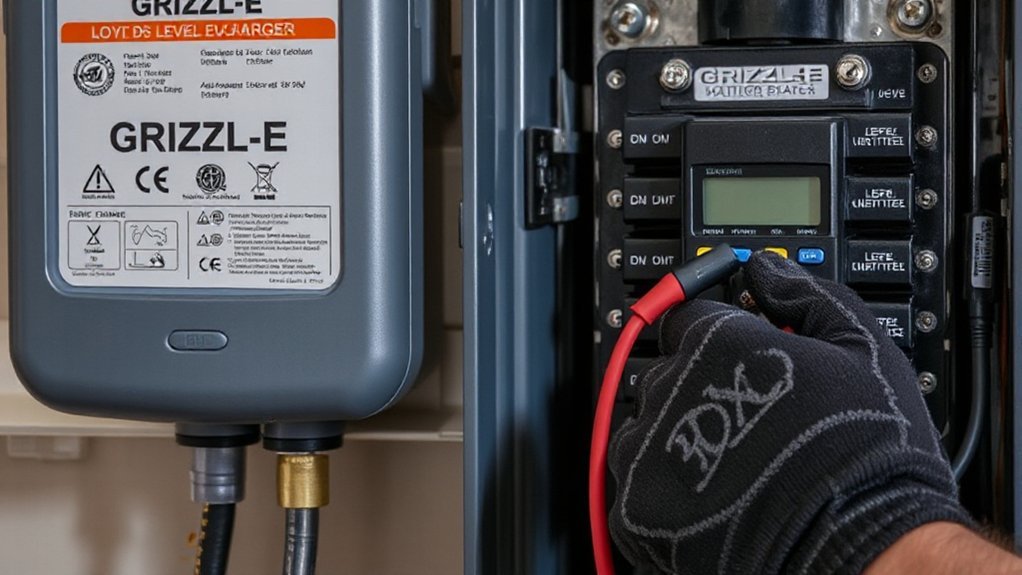
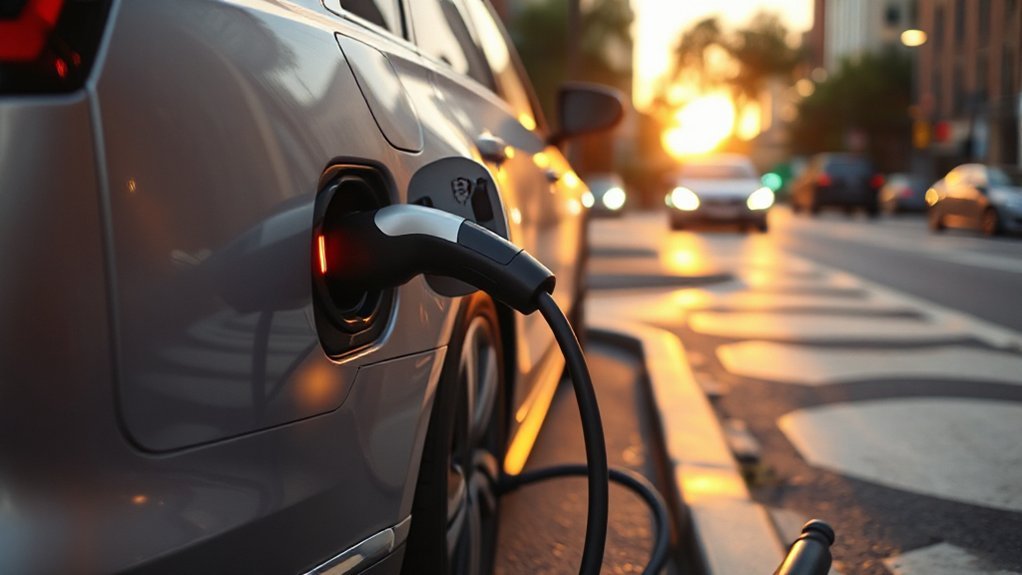

You can only achieve those current settings safely if the unit and installation meet recognized standards. The Grizzl‑E carries UL Certification to UL 2594 and UL 2231-1/-2, confirming ground fault protection, isolation, and surface temperature limits. It supports equipment ground monitoring, relay welding detection, and thermal derating. You’ll confirm NEC 625 compliance: treat EV charging as a continuous load; size the branch circuit at 125% of max current. Verify conductor ampacity, temperature ratings, and enclosure suitability (NEMA 4). Built-in Surge Protection helps guard against transients; pair it with a service-level SPD for layered defense.
Safe current settings demand UL-certified Grizzl‑E, NEC 625 sizing, proper conductors, NEMA 4, and layered surge protection.
- Confirm nameplate current, breaker size, and copper conductor gauge align.
- Validate GFCI trip level (20–30 mA) and auto self-test status.
- Check labeling, traceability, and ambient rating (e.g., -30°C to 50°C).
Installation Options: NEMA 14-50 Vs Hardwired
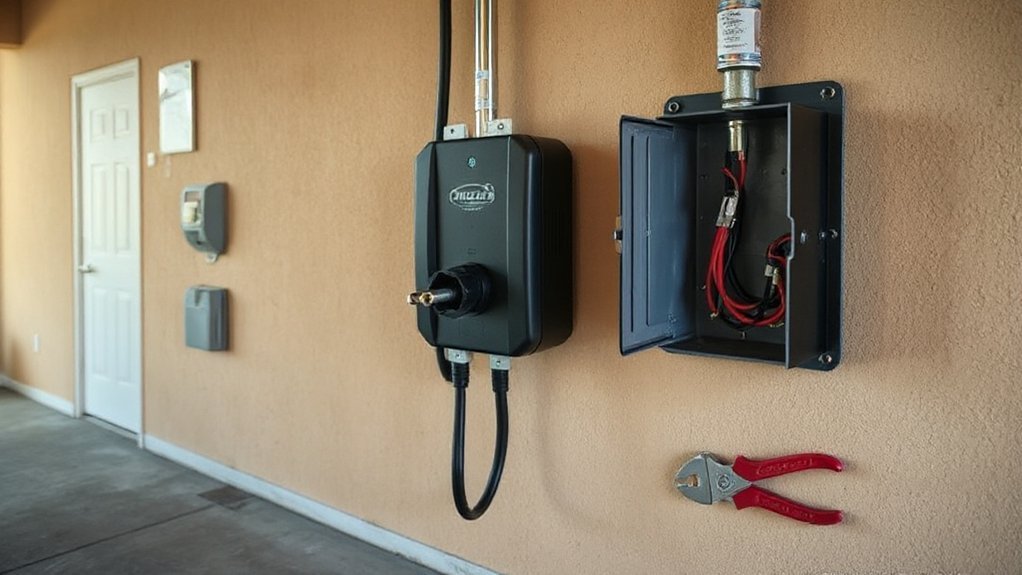
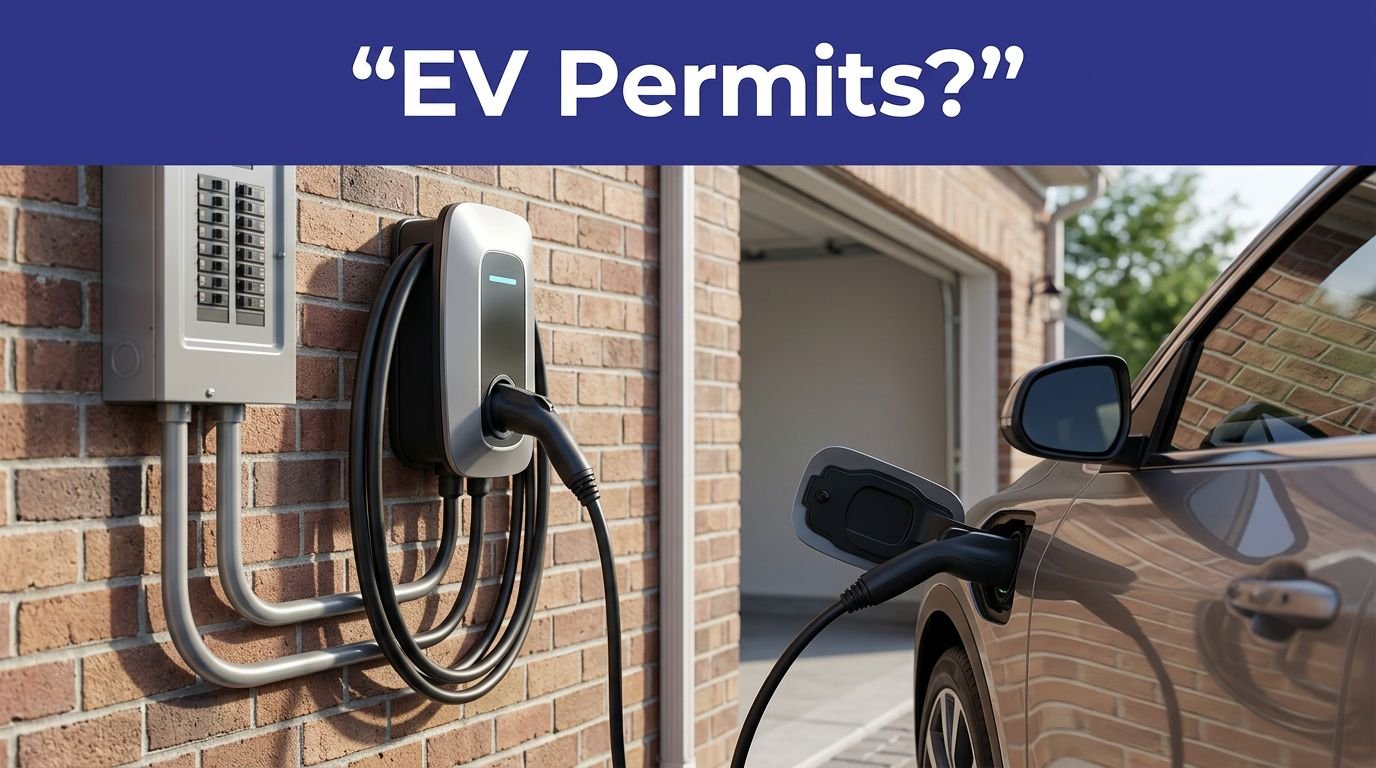
Because installation affects allowable current, code requirements, and reliability, choose between a NEMA 14-50 plug-in or a hardwired Grizzl‑E based on site conditions and standards. a 14‑50 on a 50A circuit limits continuous EV charging to 40A (NEC 125% rule); many jurisdictions also require GFCI protection on garage/outdoor receptacles, which can introduce nuisance trips. Hardwired units can be set to 48A on a 60A circuit and typically avoid GFCI breaker requirements, relying on the EVSE’s integral protection. Outdoor installs need in-use covers, wet‑location fittings, and corrosion‑resistant hardware. Verify conductor sizing (e.g., 6 AWG Cu THHN in conduit), proper torque, and equipment grounding. Pull permits, schedule inspection, and photograph terminations; it supports permit requirements and mitigates insurance implications and post-incident claims. Keep all documentation accessible.
Smart Features and App Alternatives Compared
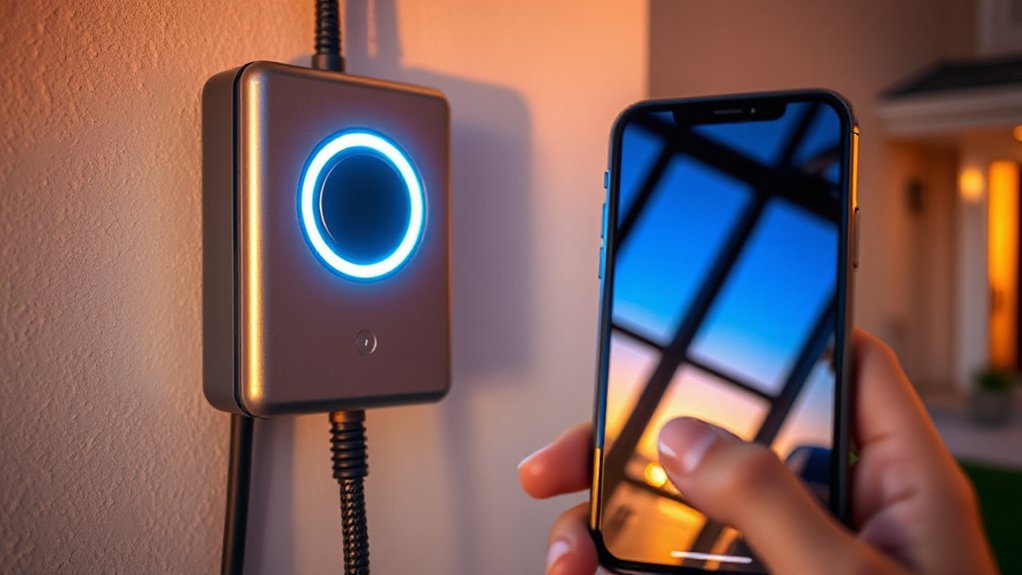
You assess connectivity and controls by comparing physical amperage settings with Wi‑Fi provisioning and verifying OCPP 1.6J support for remote start/stop and current limits. You evaluate scheduling and load management for TOU windows, amperage caps, and dynamic load sharing across multiple EVSE on a shared circuit in line with NEC 625 continuous-load guidance. You benchmark third‑party app integrations by confirming interoperability with OCPP backends and OpenADR demand response, plus exportable session data (kWh, timestamps) via API or webhooks.
Connectivity and Controls
How does the Grizzl‑E handle connectivity and control? You get two paths: the Classic relies on Local controls, while the Smart adds networked options. The enclosure keeps a tactile push-button and DIP switches for current setting, fault reset, and LED diagnostics. The Smart connects over 2.4 GHz Wi‑Fi and speaks OCPP 1.6J (JSON), letting you pair with vendor-neutral platforms for monitoring and Access control without lock-in. There’s no Ethernet or Bluetooth. Firmware updates are delivered OTA.
1) Configure: set 16/24/32/40 A via internal DIP switches; verify status using IEC 61851 state LEDs.
2) Secure: use holster/mount padlock points, OCPP user authorization, and GFCI/ground checks per UL 2594/2231.
3) Control: start/stop via app or platform, hard-reset locally, and manage connector locking with the holster latch.
Scheduling and Load Management
With OCPP 1.6J over Wi‑Fi, the Smart model turns connectivity into actionable scheduling and load control. You set start/stop windows, minimum SOC targets, and current limits per circuit. The charger enforces demand caps via local rules, enabling Peak Shaving and Load Shedding without a gateway. Dynamic pilot scaling (6–40 A) aligns with breaker ratings and NEC 625 continuous-load limits. You can stage multiple units under a master budget, prioritizing by timestamp or kWh remaining. Time-of-use logic shifts kWh into off-peak bands, while fallback timers preserve charge if comms drop. Firmware logs OCPP MeterValues, StatusNotifications, and triggers for audits. Local cache maintains session continuity.
| Feature | Spec/Behavior |
|---|---|
| Scheduling Windows | Start/stop to minute; TZ-aware |
| Load Management | Dynamic pilot; per-circuit cap |
| Compliance | NEC 625; SAE J1772 pilot range |
Third-Party App Integrations
Why settle for a single vendor app when OCPP 1.6J lets the Grizzl‑E Smart register with any compliant CSMS over secure WebSocket (TLS) and open up a wider ecosystem? You can pair it with platforms like ChargeLab, AmpUp, or Open‑Source OCPP backends to access analytics, demand response, and fleet controls.
- Interoperability: OCPP 1.6J profiles (Core, Smart Charging, Firmware) enable session start/stop, meter values at 1–60s intervals, and remote diagnostics across providers.
- Data portability: export CDRs, meter readings (Wh), and status events to BI stacks via webhooks, MQTT bridges, or REST APIs.
- Extensibility: Community plugins add ISO 15118 roadmap features, Home Assistant automations, utility rebates via OCPI, and custom tariffs.
You keep ownership of credentials and avoid cloud lock‑in and recurring fees.
Warranty, Support, and Long-Term Reliability
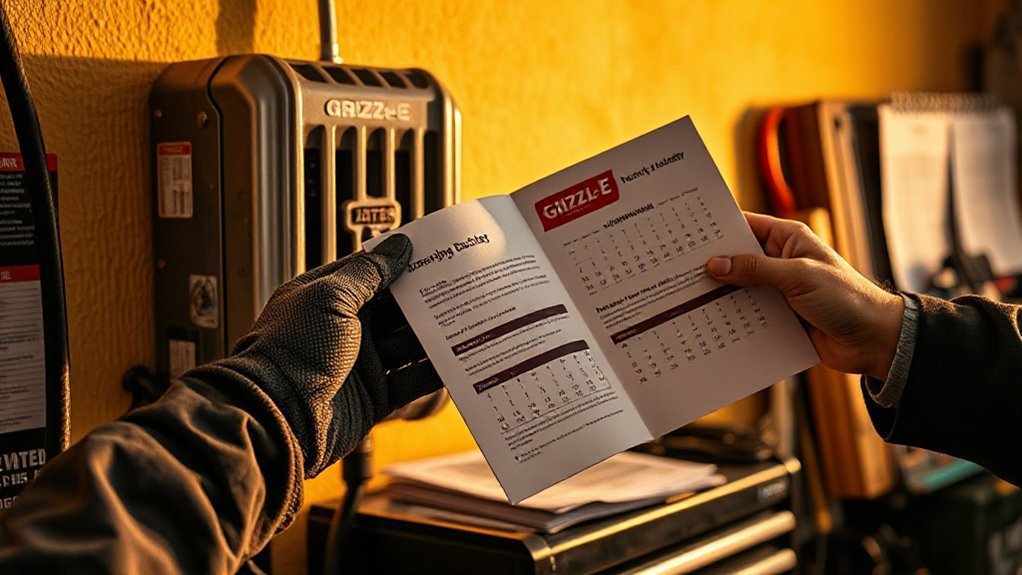
Although the Grizzl‑E keeps features minimal, its warranty and support posture is deliberately straightforward and anchored in recognized safety standards. You get a 3‑year limited warranty in North America, with clear transferability terms tied to the unit’s serial and original proof of purchase. The product is UL/cUL Listed to UL 2594 and UL 2231-1/-2 and built to NEMA 4 for outdoor duty, which materially reduces moisture and dust failures.
Support channels include email and phone, with pragmatic RMA procedures and parts availability for cables and faceplates, and online documentation. Long-term reliability stems from conservative thermal design and field-proven contactors. While the charger lacks onboard predictive maintenance, you can apply interval checks—connector wear, GFCI self-test verification, and enclosure seal inspection—aligned with NEC 625 maintenance guidance.
Conclusion
You steer a dependable ship, not a luxury yacht. Grizzl‑E’s NEMA‑4 hull, 24‑ft J1772 line, and 16–40 A (up to 9.6 kW) thrust move you efficiently, while UL 2594/2231 charts keep you in safe waters. Choose NEMA 14‑50 or hardwire berths, lock in Wi‑Fi/OCPP 1.6J navigation, and skip dealer subscription tolls. At ~$329–$399, you secure industrial durability, standards compliance, and stable performance—credible value when storms hit, and a pragmatic course for daily EV fueling duties.