An electric vehicle charger can look like it was designed by three committees that never met. One cable fits your car, another fits the station, ...
Your Complete Guide to Electric Vehicle Charging
An electric vehicle charger can look like it was designed by three committees that never met. One cable fits your car, another fits the station, ...
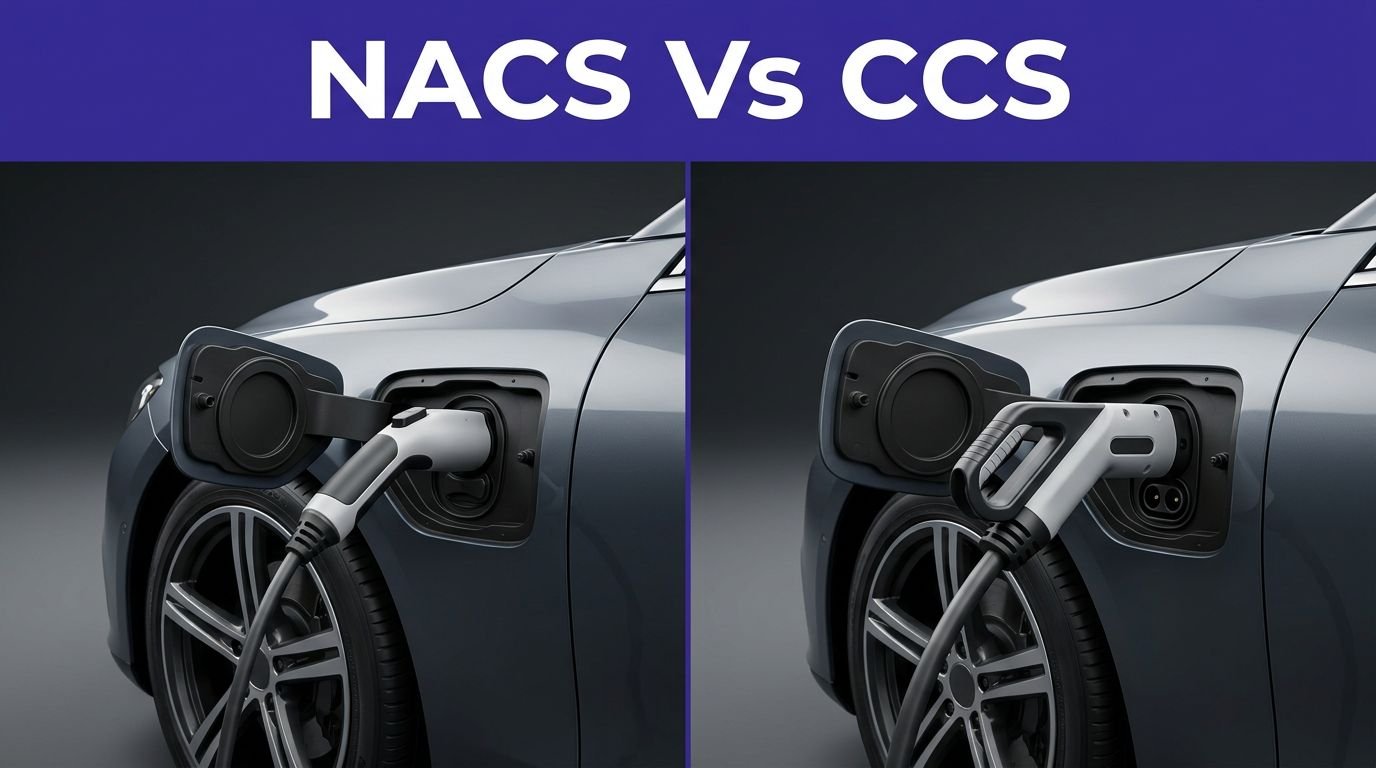
The plug on your electric vehicle can decide where you charge, how many adapters you carry, and whether your long-distance road trips end at a hi...
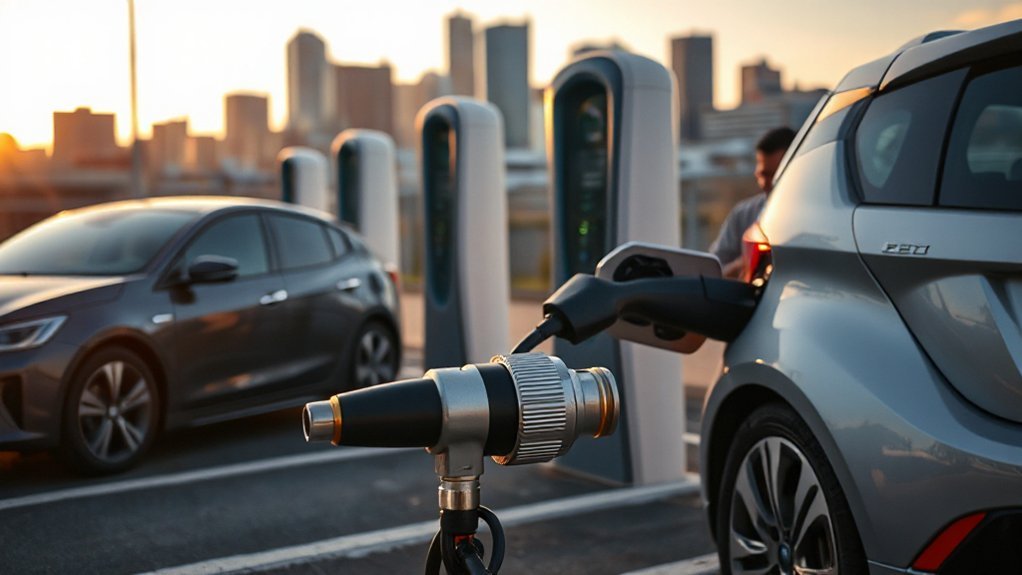
You navigate a maze of plugs, voltages, and protocols to charge reliably. AC (Type 1/J1772, Type 2, NACS) feeds onboard chargers; DC fast uses CC...
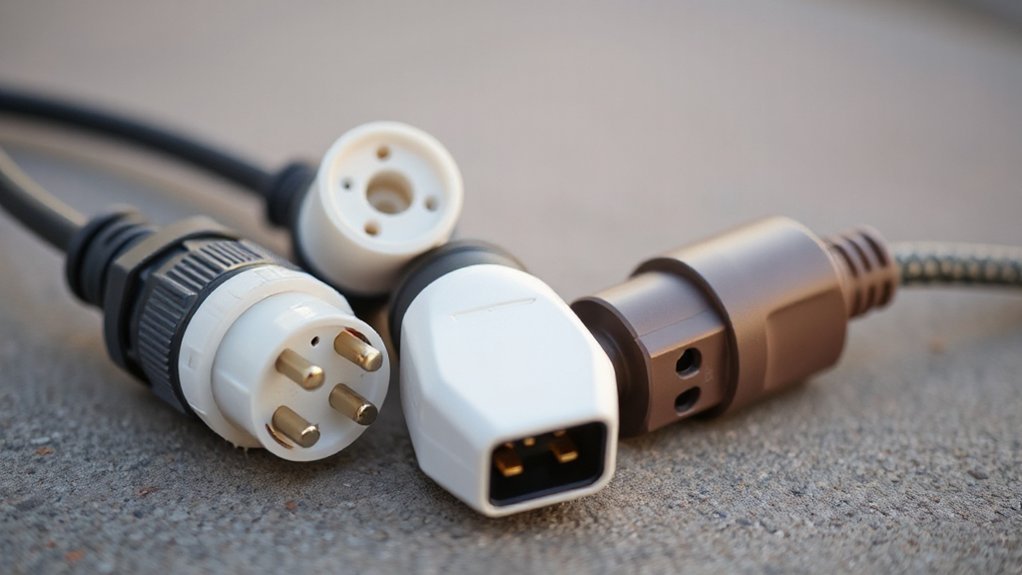
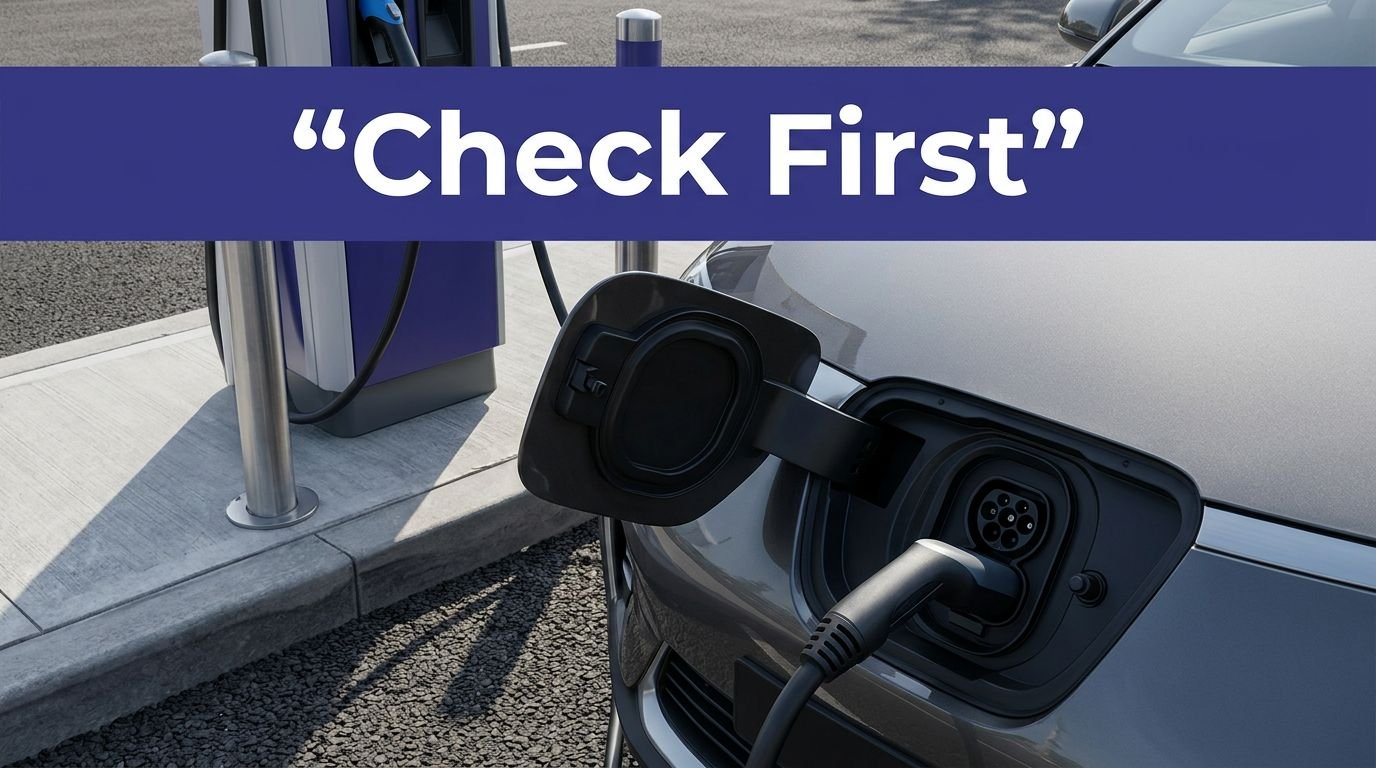
Every charger fits every EV—until it doesn’t. In 2025, compatibility still hinges on connector types (NACS, CCS1/2, Type 2, legacy CHAdeMO), AC v...
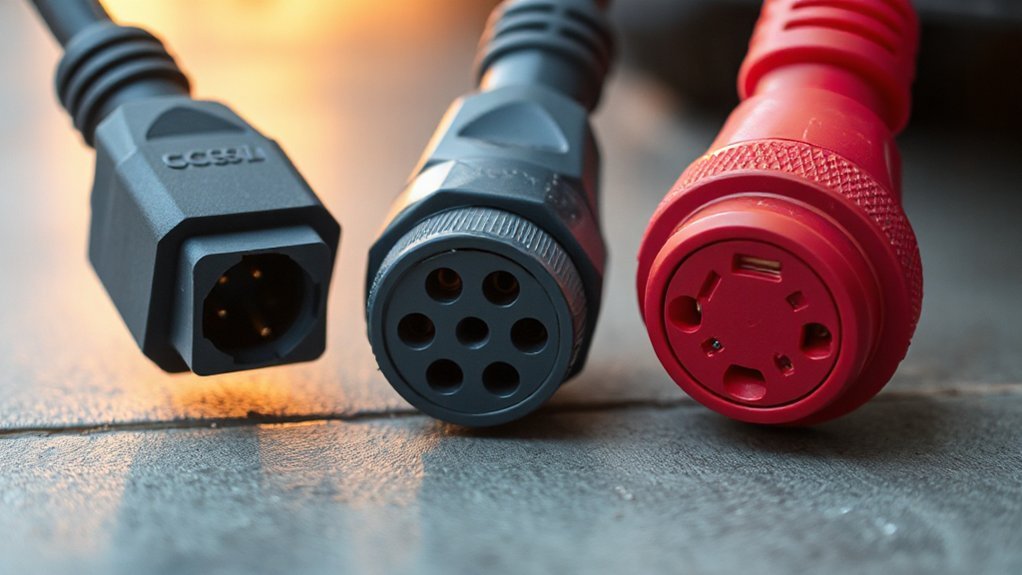
North America’s CCS1 meets Europe’s CCS2 while Japan’s CHAdeMO stands apart. You face different plugs, protocols, and limits. CCS1/2 use IEC 6219...
From USB‑C PD and Qi on your desk to CCS, NACS, CHAdeMO, and GB/T at the curb, you navigate a maze of connectors and protocols. You weigh ISO 151...
You’re choosing between two standards with real trade-offs: J1772 supplies up to 19.2 kW AC at 240 V, while NACS (SAE J3400) carries both AC and ...
Choosing a portable EV charger in 2025 means matching Level 1 or 2 (120/240V) to your circuit, verifying NEC 625 continuous‑load sizing, and conf...