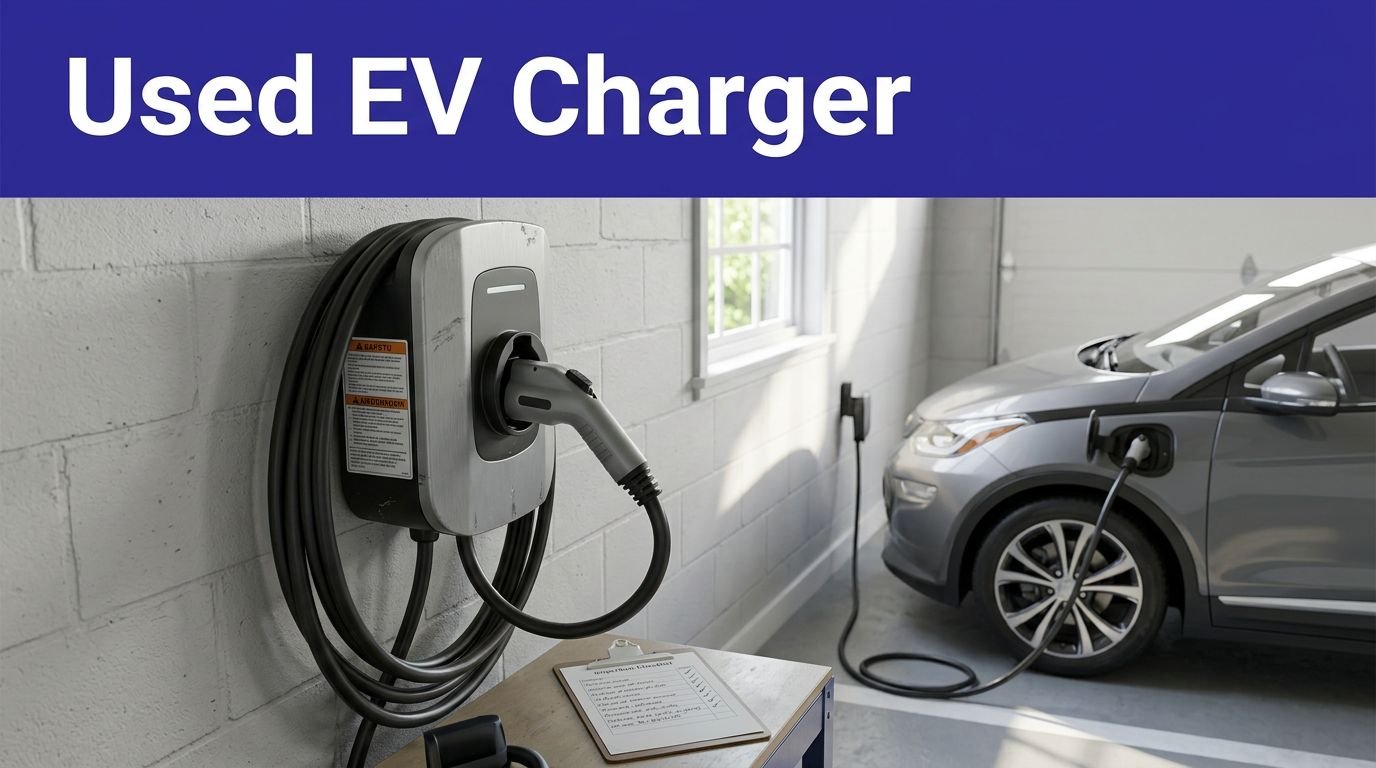
A used EV charger can save you real money with a worthwhile discount, but only after you weigh safety and setup risks. The difference usually com...
Your Complete Guide to Electric Vehicle Charging
A used EV charger can save you real money with a worthwhile discount, but only after you weigh safety and setup risks. The difference usually com...
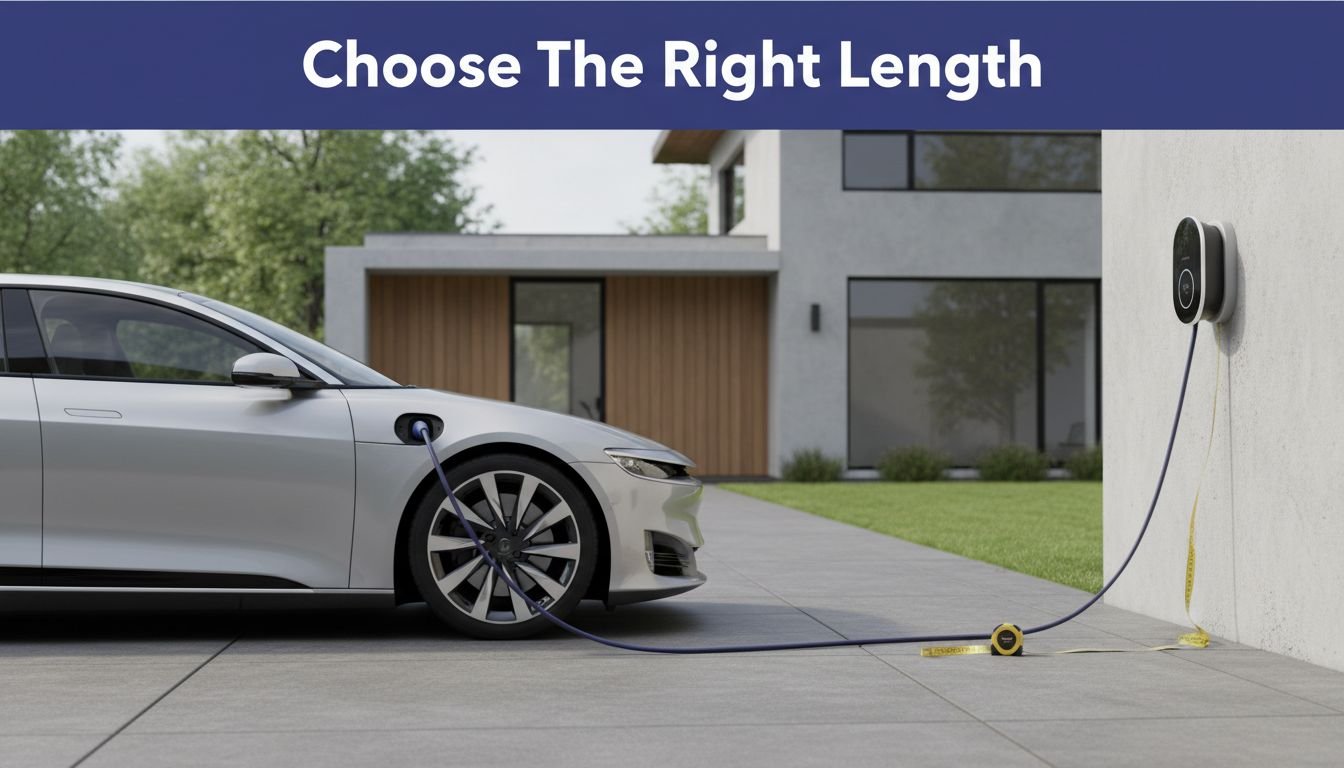
Choosing the right EV charger cable length sounds like a tape-measure job. Then you park nose-in, the charge port sits on the opposite fender, an...
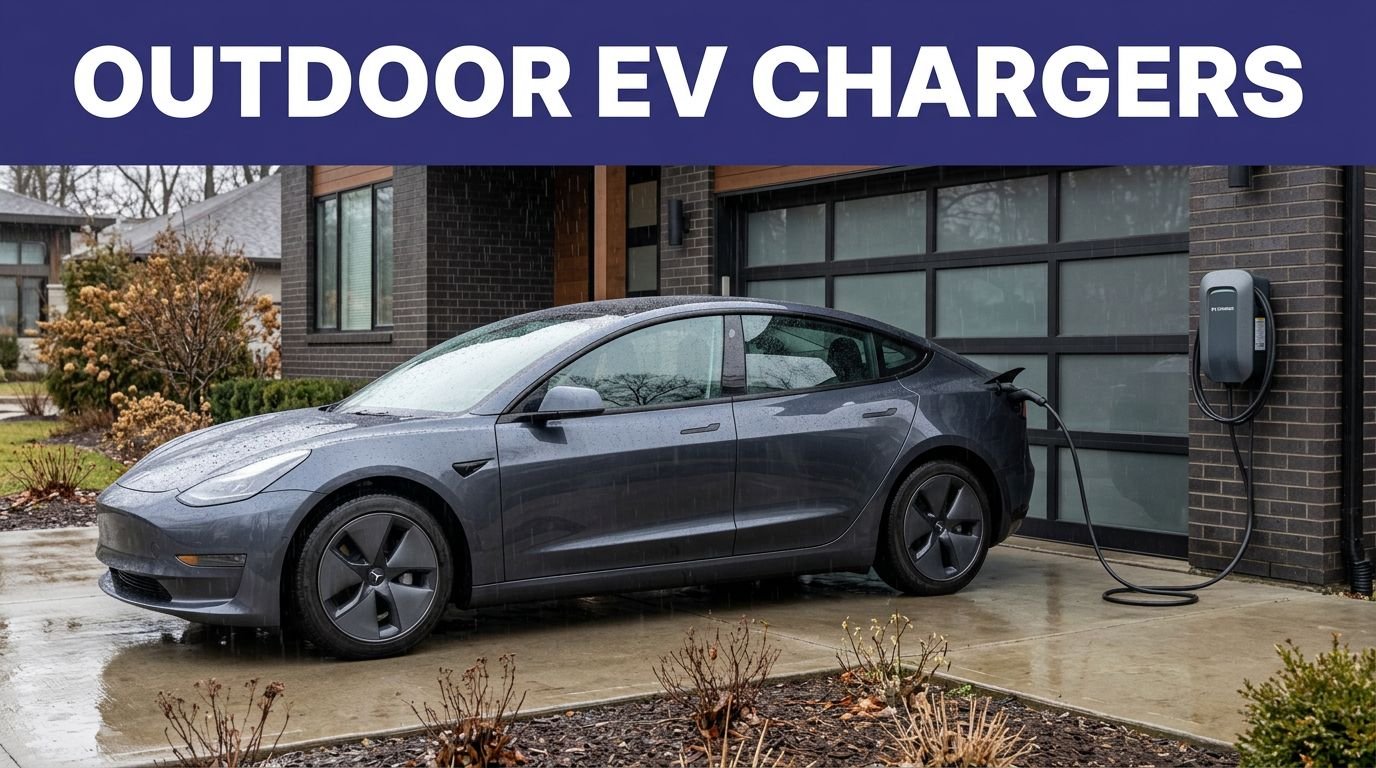
Rain doesn't ruin a properly installed electric vehicle charger. A bad receptacle, exposed cable, or overloaded electrical panel can ruin your Sa...
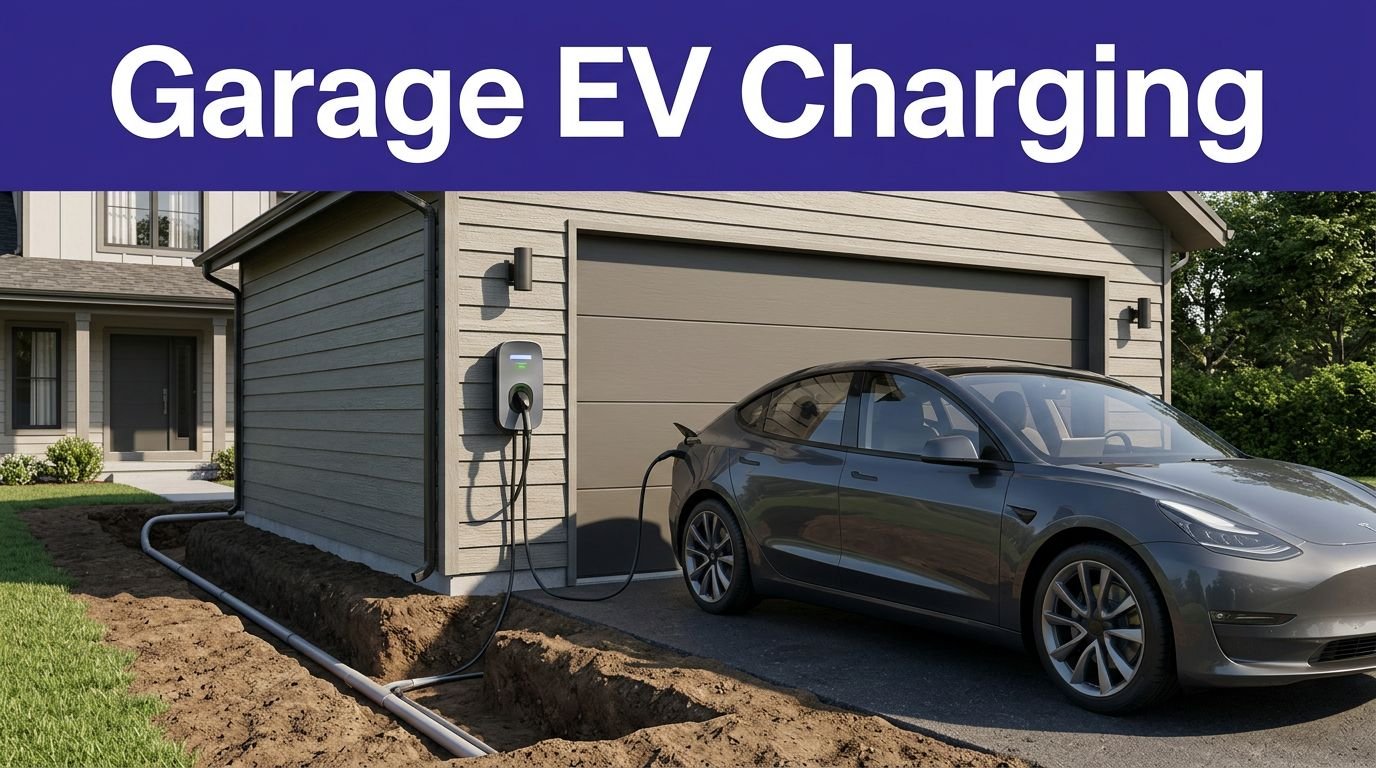
A detached garage EV charger sounds simple until you look at the gap between the house and the garage. Electricity has to cross that gap, usually...
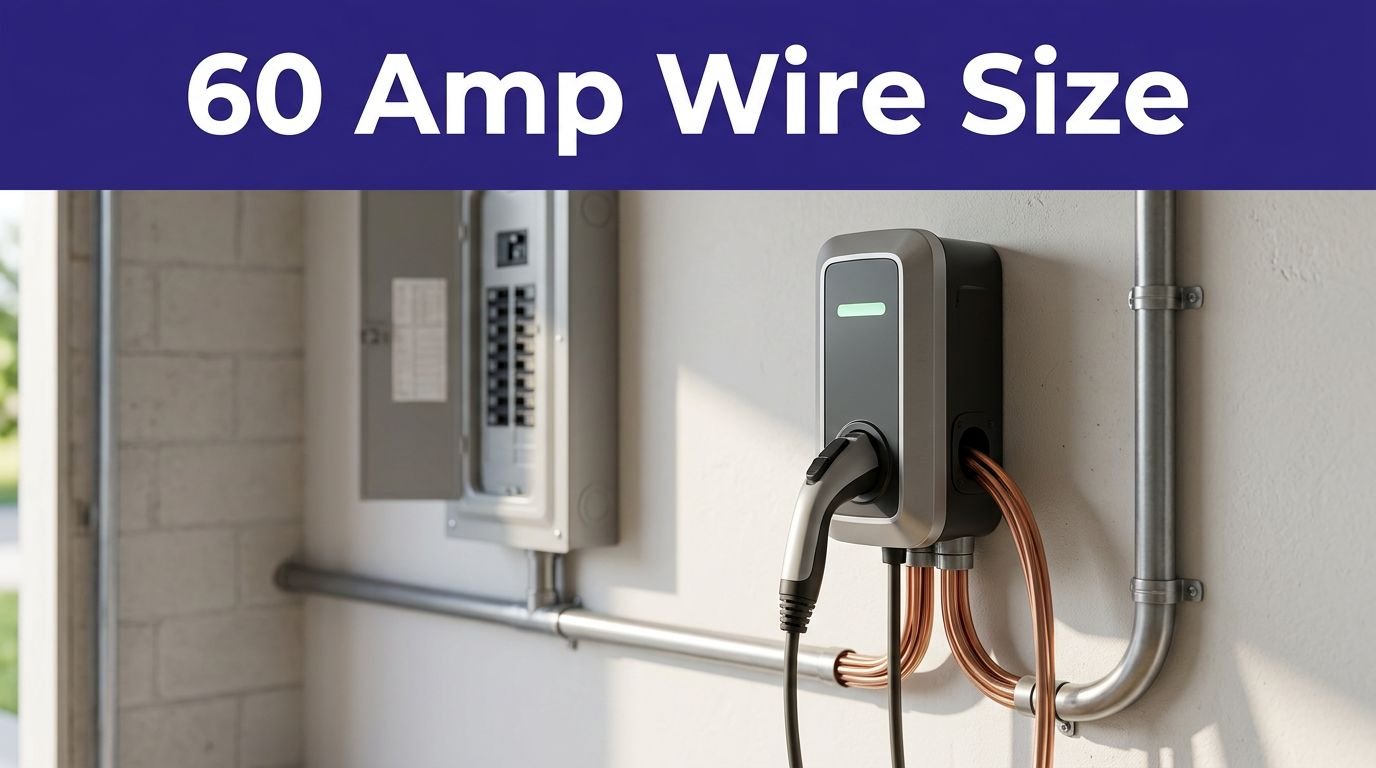
Determining the correct 60 amp wire size can feel complicated once you start looking at the requirements for a 60 amp breaker. It is common to he...
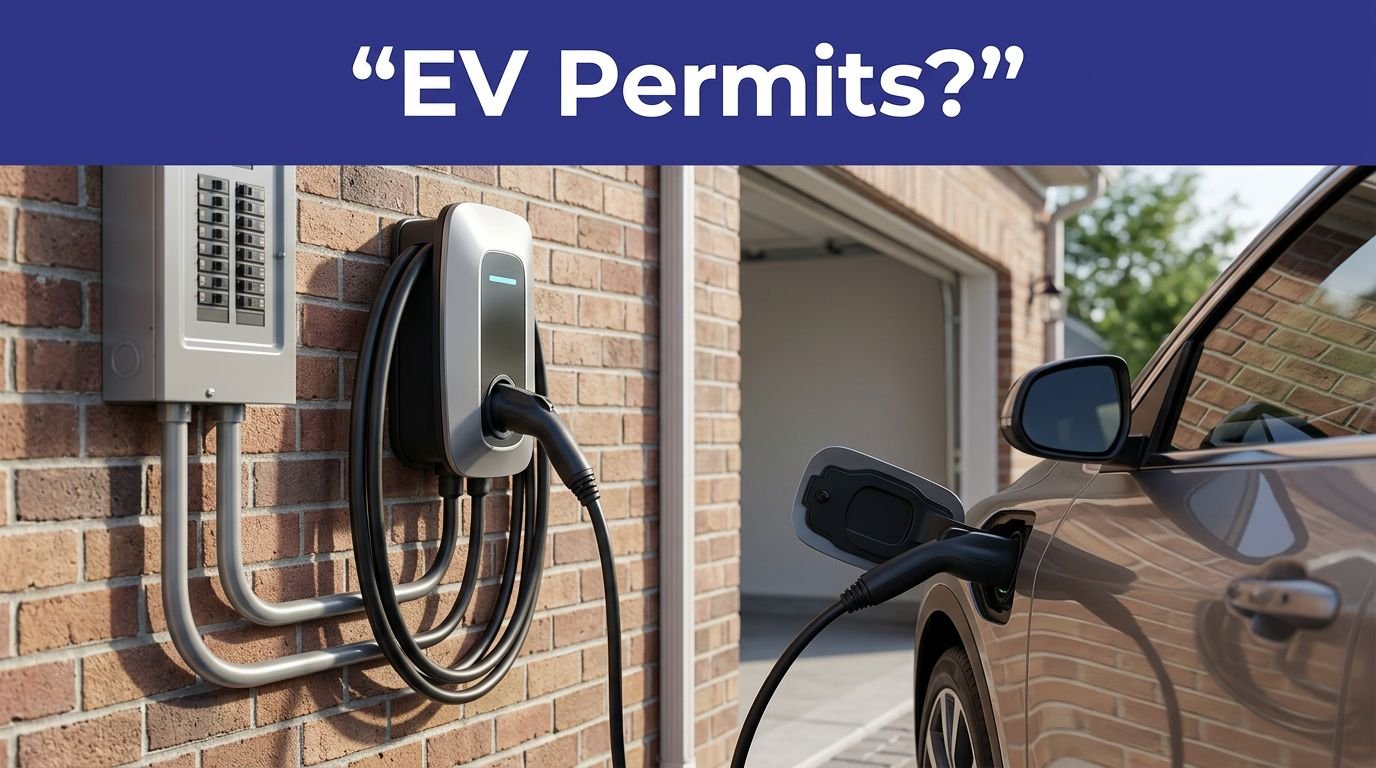
That new residential EV charger may look like a simple box, a cable, and a wall bracket. To the permit office, however, your new EV charging stat...
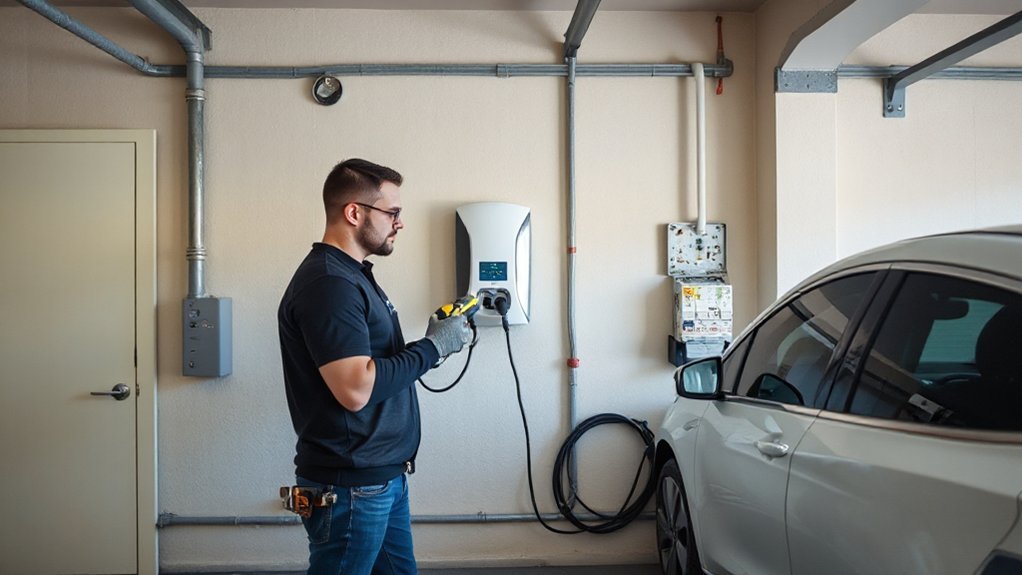
Installing an EV charger in your garage starts with safety and code compliance: assess your driving needs, choose Level 1 or Level 2, confirm ser...
Over 80% of EV charging happens at home, and a 240V circuit can cut charge time by 3–4x. You’ll choose NEMA 14-50 vs 6-50, verify panel capacity,...
Fast at-home charging meets strict electrical codes. You’ll match your Leaf’s onboard charger (3.3 or 6.6 kW) to an EVSE and circuit: 20–32 A on ...
One driver cut home‑charging time by about 30%—like opening a second checkout lane—after installing a 40A Level 2 at 9.6 kW. You’ll size it per N...