A 60 kWh recharge drops from ~6 hours at 11 kW to ~3 hours at 22 kW—if your onboard charger accepts 3×32 A. You’ll need the right OBC, three‑phase supply, and protection sized to IEC 61851 to actually see that gain. You also face higher install costs and potential demand charges without load management. So do you spec 22 kW for shorter dwell, or choose 11 kW for lower cost and simplicity?
Key Takeaways
- Many cars limited to 11 kW OBC; 22 kW only useful if vehicle, EVSE, and supply support 3-phase 32 A.
- Charging speed: 22 kW roughly halves AC dwell time versus 11 kW; e.g., 50 kWh 10–80% ~2 h vs ~3.6 h.
- Home overnight or workplace long stays: 11 kW (or single-phase 7.4 kW) suffices; short dwell/shared sites benefit from 22 kW.
- Electrical requirements: 11 kW needs 3×16 A; 22 kW needs 3×32 A, heavier wiring, protection, and often utility approval.
- Costs and tariffs: 22 kW hardware/installation cost 20–40% more and can increase demand charges without smart load control.
How AC Charging Works: Onboard Chargers, Phases, and Power Limits
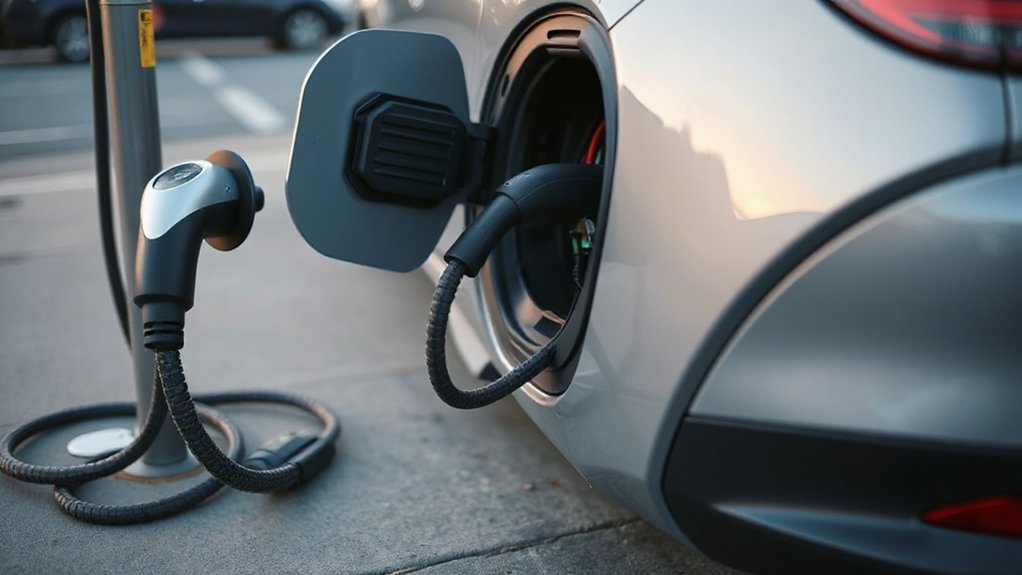
Why doesn’t an “11 kW” or “22 kW” AC label always deliver that power to your battery? AC charging passes grid AC through a cable and EVSE to your onboard charger (OBC), where Power electronics rectify and regulate DC into the pack. Available power equals phase voltage × current × number of phases × efficiency. With 230 V per phase (Europe), 16 A three‑phase yields ~11 kW; 32 A three‑phase yields ~22 kW, but OBC efficiency (≈94–97%) and thermal limits reduce net charge. Control protocols per IEC 61851 and ISO 15118 use a pilot PWM to negotiate allowable current and enforce site limits. If the supply is single‑phase or current‑limited, you’ll draw less. Temperature, grid sag, and balancing constraints can further derate power temporarily.
Vehicle Compatibility: 11 Kw Vs 22 Kw Onboard Chargers

Given that AC charge power is bounded by phases, current, and OBC limits, the vehicle’s onboard charger rating is the hard ceiling: an 11 kW OBC accepts up to 3×230 V×16 A (~11 kW), while a 22 kW OBC accepts up to 3×230 V×32 A (~22 kW), provided the EVSE, cable, and supply match. Validate phases, signaling, and component ratings before buying a 22 kW EVSE.
- OBC and phase support per IEC 61851; 11 kW units ignore >16 A; 22 kW needs 32 A.
- Connector/cable: IEC 62196-2 Type 2, 3-phase, 32 A; confirm EVSE, wiring, and grid can supply, and cable length meets voltage-drop constraints.
- Vehicle specifics: inverter compatibility, cooling capacity, firmware limits, and thermal derating can cap AC power, per conditions and SOC.
Real-World Charging Times for Common Battery Sizes
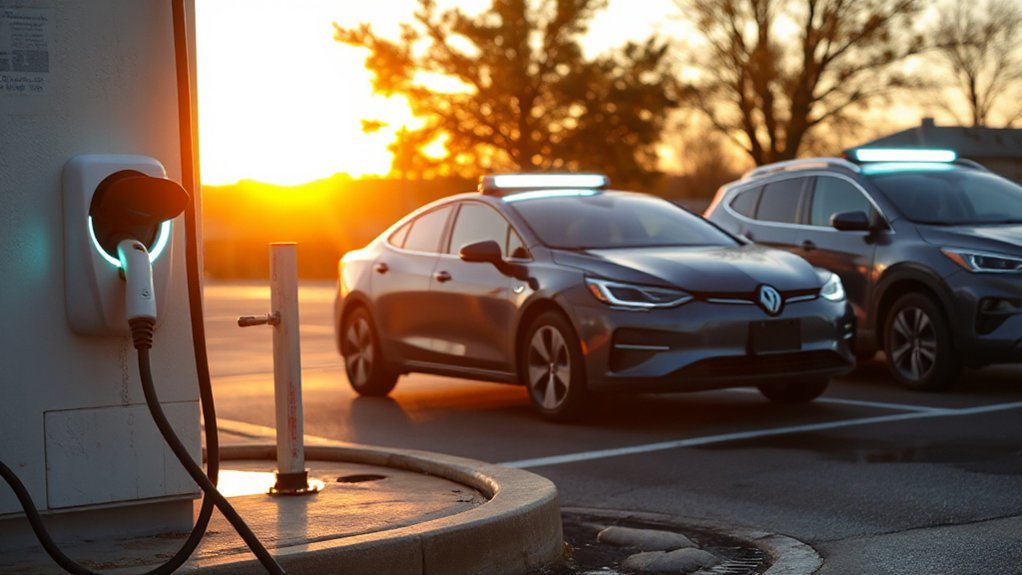
You estimate AC charge time by t = energy added / delivered power (IEC AC ratings) and apply a realistic 90–95% charging efficiency. For a 50 kWh pack, a 10–80% session (~35 kWh) takes about 3.6–3.9 h at 11 kW onboard (≈10 kW net) and about 1.8–2.0 h at 22 kW onboard (≈20 kW net) on three-phase supply. For partial top-ups, you’ll add ~10 kWh (~20%) in ~1.0 h at 11 kW and ~0.5 h at 22 kW, with variations from temperature, SoC limits, and supply constraints.
50 Kwh Pack Timing
Although 22 kW AC appears twice as fast as 11 kW on spec sheets, real-world charge time depends on usable battery capacity, the car’s onboard AC charger limit, the chosen state‑of‑charge window, and AC charging efficiency. Use this model: time = energy added / effective AC power, where effective power = min(station, onboard) × efficiency. Account for temperature effects, preconditioning overhead, and calendar aging that alters usable kWh and heat losses.
- 50 kWh pack, 10–80%: energy = 35 kWh. At 11 kW onboard, 92% efficiency → ~10.1 kW effective → ~3.5 h.
- 75 kWh pack, 10–80%: 52.5 kWh / 10.1 kW → ~5.2 h.
- 100 kWh pack, 10–80%: 70 kWh / 10.1 kW → ~6.9 h.
Verify ratings.
11KW Vs 22KW
| Pack (kWh) | Time: 11 kW vs 22 kW |
|---|---|
| 50 | ~4.9 h vs ~2.5 h |
| 75 | ~7.4 h vs ~3.7 h |
Verify your vehicle’s onboard limit (11 or 22 kW) and supply: single‑ or three‑phase availability governs what you’ll realize. Document assumptions to compare apples‑to‑apples across datasets consistently.
Partial Top-Up Durations
Because partial top-ups scale with energy added, estimate duration from the SoC window, not the full pack: time ≈ ΔkWh ÷ Pnet. Use net AC power at the inlet (charger output × efficiency). For planning, assume ~95% efficiency: 11 kW → ~10.5 kW, 22 kW → ~21 kW. Pair this with Trip segmentation and App reminders to leave on time.
- 60 kWh pack, 40–80% (Δ=24 kWh): ~2.3 h @11 kW; ~1.1 h @22 kW.
- 77 kWh pack, 20–60% (Δ=30.8 kWh): ~2.9 h @11 kW; ~1.5 h @22 kW.
- 100 kWh pack, 50–80% (Δ=30 kWh): ~2.9 h @11 kW; ~1.4 h @22 kW.
Check vehicle AC limits (e.g., 7.4 kW single-phase) to avoid overestimation. Cold batteries and shared circuits further reduce Pnet.
Home Electrical Requirements: Single-Phase, Three-Phase, and Upgrades
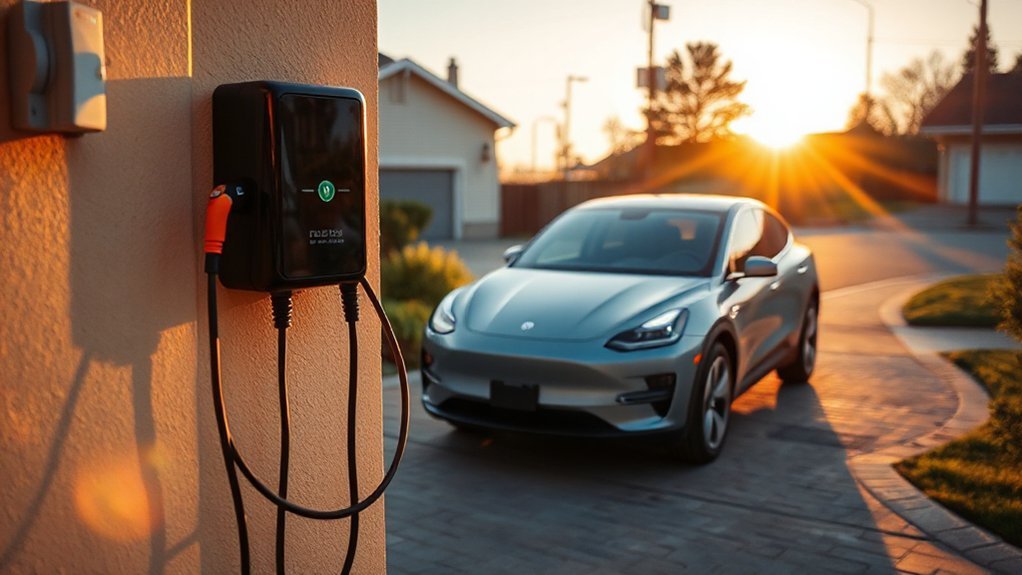
While 11 kW and 22 kW are both AC charging levels, the supply you need hinges on grid topology and service capacity. On single‑phase 230 V, you’ll usually cap near 7.4 kW (32 A). For 11 kW, you need three‑phase 400 V at 16 A/phase; 22 kW needs 32 A/phase and utility approval. Verify main breaker, phase availability, and diversity limits before upgrades. Perform Cable Sizing per IEC 60364 for voltage drop, ambient, and installation method. Schedule Safety Inspections: RCD Type A with 6 mA DC detection or Type B, correct earthing, and coordinated breakers. Label circuits clearly.
| Check | Spec |
|---|---|
| Service phases | 1Φ or 3Φ |
| Main rating | ≥63 A supply |
| Circuit | 3×16 A or 3×32 A |
| Conductor | 5×6–10 mm² Cu |
| Load control | EVSE load‑management |
Cost Breakdown: Hardware, Installation, Tariffs, and Demand Charges

You quantify hardware and installation costs for 11 kW vs 22 kW EVSE, including conductor size, breaker rating, panel capacity, trenching, and compliance with IEC 61851/IEC 62196. You model tariffs (flat, TOU, tiered) and, for commercial sites, demand charges based on 15‑minute peak kW, noting that a 22 kW unit can set a higher peak without controls. You compare total cost of ownership using load profiles and utility tariffs, and assess whether load management (OCPP, dynamic current limiting) mitigates demand charges.
Hardware and Installation Costs
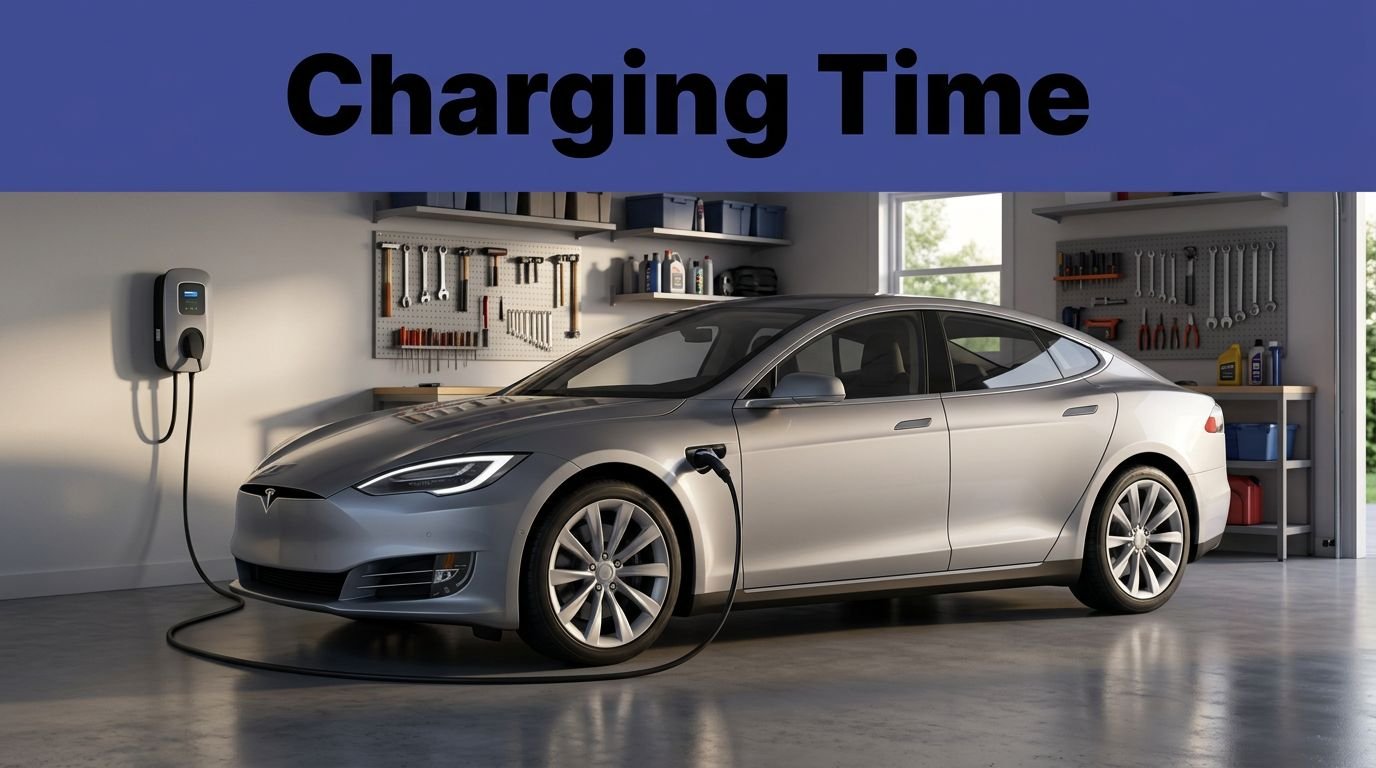

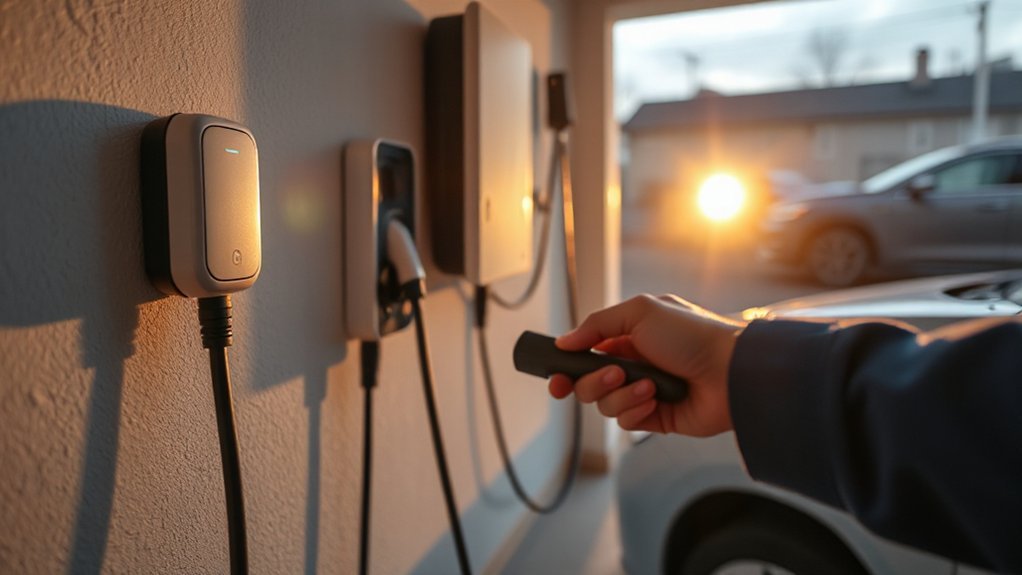
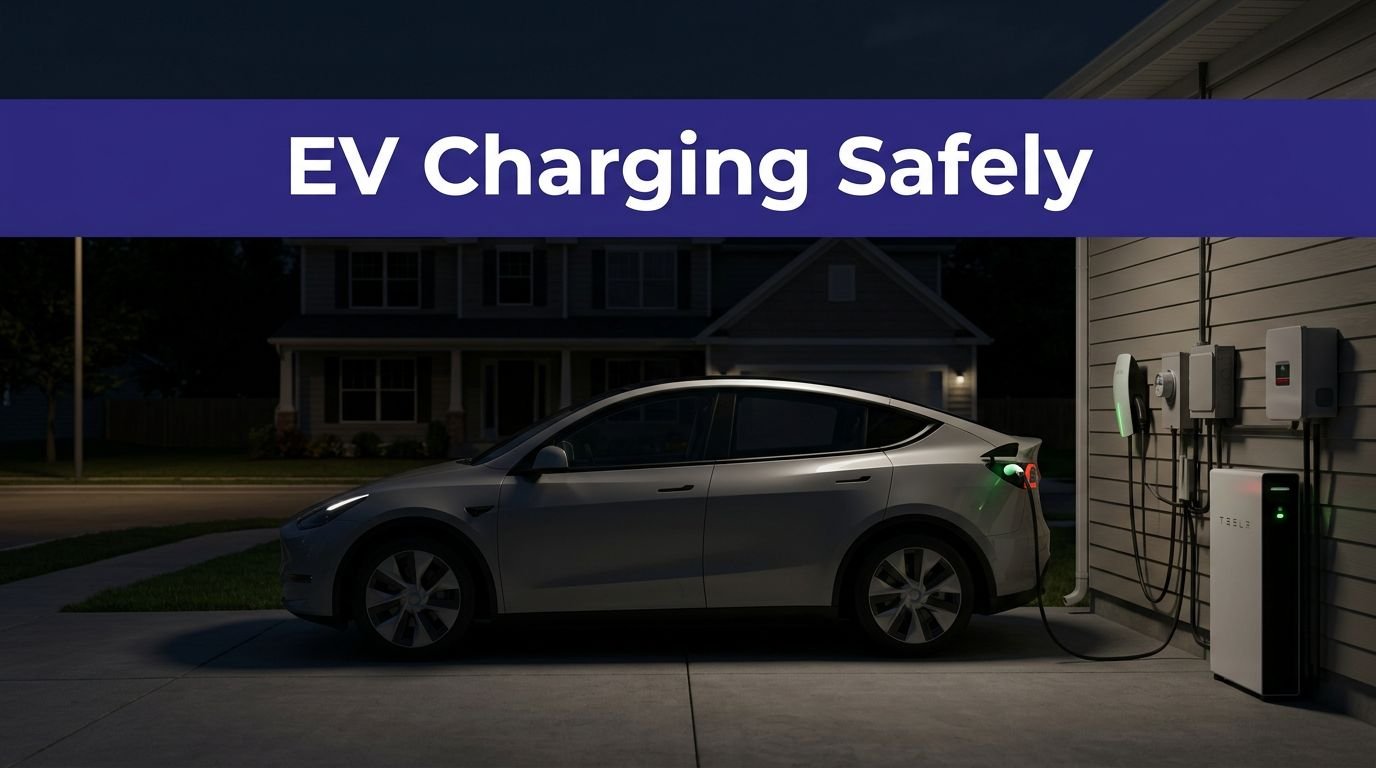
If you compare 22 kW to 11 kW AC charging, evaluate costs in four buckets: hardware, installation, tariffs, and demand charges. For hardware, a 22 kW three-phase unit often costs 20–40% more than an 11 kW model due to heavier contactors, larger relays, and thermal design. Installation typically scales with cable gauge, breaker size, and feeder length; upsizing from 3×16 A to 3×32 A raises materials and labor.
- Panel capacity: verify spare kVA, fault current, and RCD type A/B per IEC 61851; upgrades can dominate costs.
- Wiring: size conductors to IEC/NEC ampacity and voltage-drop limits; conduit and trenching drive variance.
- Site readiness: metering CTs, bollards, network backhaul, and load management improve Supply reliability and reduce rework; check Warranty implications when mixing components.
Plan accordingly.
Tariffs and Demand Charges
How do tariffs and demand charges shift the economics between 22 kW and 11 kW AC charging? With time‑of‑use tariffs, you pay per kWh; with demand charges, you pay for the month’s highest 15‑minute kW draw. A 22 kW circuit can set a higher peak and inflate demand charges versus an 11 kW circuit unless you implement load control. Using IEC 61851 current limiting, OCPP 1.6/2.0.1 charging, and ISO 15118 schedules, you can cap demand, align sessions to off‑peak, and monetize Demand Response events. Model blended costs: (energy rate × kWh) + (demand rate × billed kW). Run scenarios for diversified loads and coincidence factors. Prioritize Tariff Transparency, submetering, and interval data so you size feeders and select 22 kW or 11 kW rationally.
Use Cases: Home Overnight, Workplace Top-Ups, and Shared Parking
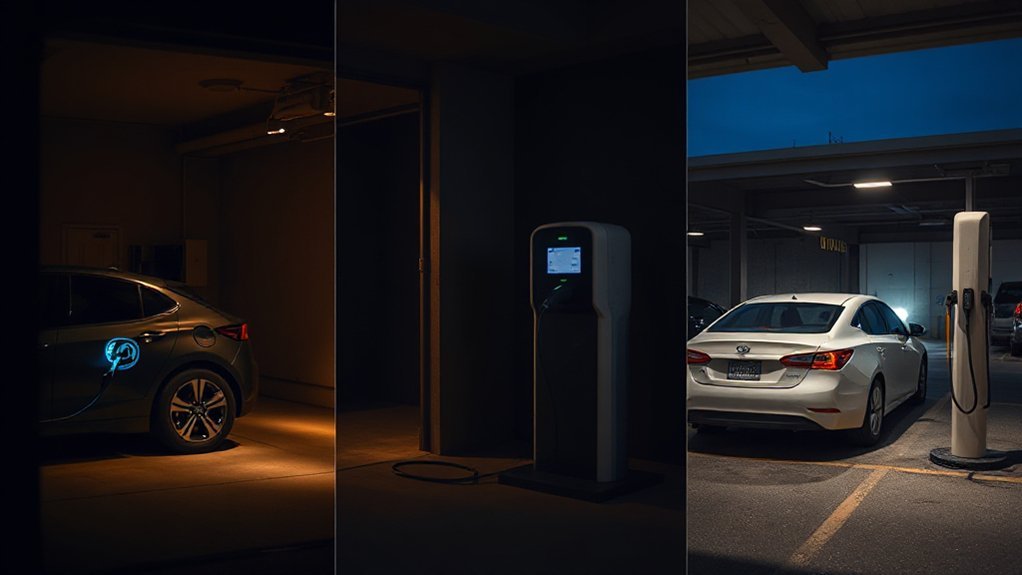
While both 11 kW and 22 kW AC chargers can meet daily needs, the best choice depends on dwell time, vehicle onboard charger limits, and site electrical capacity. At home, you usually sleep 7–9 hours, so 11 kW adds ~77–99 kWh (3-phase, 400 V), exceeding most daily energy use; 22 kW only helps if your car’s onboard charger supports 22 kW and you’ve got a short overnight window. At work, typical 4–8 hour stays suit 11 kW for predictable top-ups.
1) Home: prioritize load management, compliance with IEC 61851, and off-peak schedules.
2) Workplace: 11 kW across more ports improves throughput; add reservation systems and enforce user etiquette.
3) Shared parking: 22 kW suits short dwell, but verify capacity, cable ratings, and diversity factor.
Future-Proofing and Resale: When Stepping up to 22 Kw Pays off

Because short dwell windows and mixed EV fleets are becoming the norm, stepping up to 22 kW AC (3-phase, 400 V, 32 A per phase) can future‑proof your site and strengthen resale, provided you design to current standards.
Compared with 11 kW, 22 kW doubles AC throughput, cutting dwell time and increasing turn capacity.
Choose IEC 61851-1, IEC 62196 Type 2, OCPP 1.6/2.0.1, ISO 15118-ready hardware with MID metering.
Fit Type B RCDs, PEN fault protection, 6 mA DC detection, and surge protection.
Provision balanced phases, load control, and feeder capacity.
Note vehicle limits: many cars cap at 11 kW, yet vans, taxis, and future models use 22 kW.
Business case: higher utilization and suitability raise buyer appeal and liquidity, supporting a resale premium.
Conclusion
You should let your vehicle’s onboard charger set the ceiling: if it’s 11 kW (3×16 A), choose 11 kW; if it’s 22 kW (3×32 A) and you need turns, step up. Match supply: single‑phase favors 7.4 kW; three‑phase enables 11/22 kW. For long‑stay parking, 11 kW minimizes upgrades and demand risk. For workplaces or fleets, 22 kW halves dwell with load management. Future‑proof when utilization, tariffs, and capacity pencil out—like sharpening your knife before carving.