Like a well‑tuned orchestra, your e‑tron’s charge rates hinge on timing, temperature, and the standard you plug into. Expect ~9.6–11 kW on Level‑2 and brief ~120–170 kW peaks on CCS DC fast, tapering above ~60–70% SOC; 10–80% takes ~28–35 minutes when preconditioned. Use L2 for routine, DCFC for trips, target 20–80% SOC, schedule off‑peak TOU, and compare per‑kWh vs per‑minute—small choices can cut time and cost…
Key Takeaways
- DC fast peaks 120–150 kW (some Q8 e-tron ~170 kW); 10–80% typically 28–31 minutes; taper above ~60–70% makes stopping near 80% efficient.
- At home, use a UL-listed 40–48 A Level 2 EVSE (9.6–11 kW) for 20–34 miles/hour; hardwired 48 A requires a 60 A breaker.
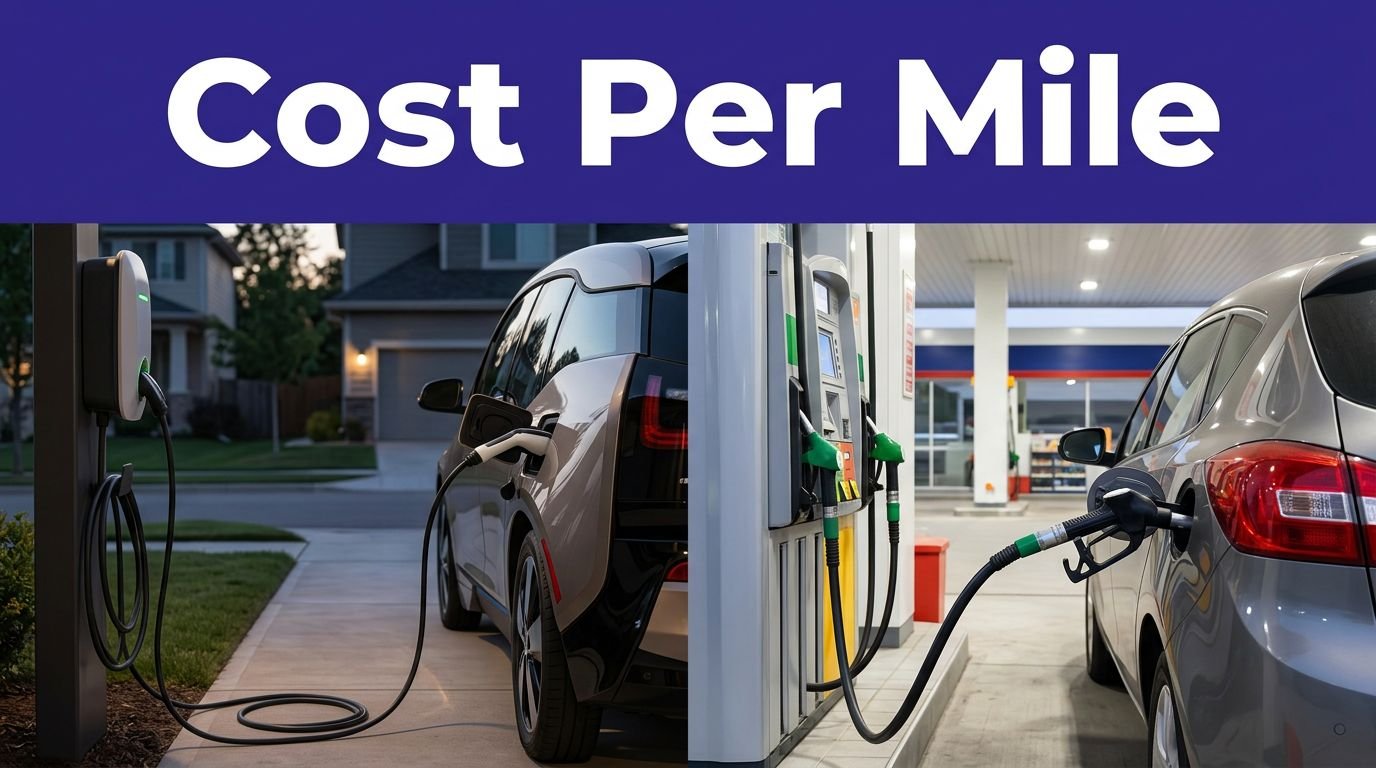
- Charging costs: home Level 1/2 about $0.10–$0.30/kWh; public DC fast $0.30–$0.60+/kWh plus session and idle fees.
- Schedule charging to off-peak TOU periods via myAudi or EVSE to cut costs; set current to 32–40 A to limit heat and losses.
- For battery health, keep daily SOC 20–80%, reserve DC fast for trips, and precondition near 20–25°C for best charge speeds.
Real-World Charging Speeds and What Affects Them
While the e-tron’s spec sheet cites peak charging power, your real-world rate hinges on system limits and conditions: most e-tron variants deliver 120–150 kW DC (up to ~170 kW on some Q8 e-tron trims) on CCS and roughly 9.6–11 kW AC via the onboard charger (model/year-dependent). You’ll hit peak only in the ideal SOC window (~10–55%) with a preconditioned battery. Ambient temperature drives thermal limits; target pack temps ~25–35°C. Cold slows lithium kinetics; heat triggers derating to protect cells. Altitude effects reduce air density, weakening convective cooling and shortening high-power sustain. Station variables matter: available site power, power-sharing, cable temperature, and voltage sag. Protocol behavior (ISO 15118/ DIN 70121) and charger firmware govern ramp rates and taper profiles. Grid frequency stability can also modulate.
Level 1 vs. Level 2 vs. DC Fast Charging
You’ll see a step-change in power: Level 1 (120 V, 12–15 A) ~1–2 kW, Level 2 (240 V, limited by the e‑tron’s 9.6–11 kW onboard charger), and DC fast (CCS, ~150 kW peak on most models). Expect energy prices to differ accordingly: home L1/L2 $0.10–$0.30/kWh vs. public DCFC $0.30–$0.60+/kWh, plus any idle or session fees. You’ll use L1 for occasional overnight top-ups, L2 for routine daily charging at home or work, and DCFC for time-critical or long-distance sessions targeting 10–80% SOC.
Charging Speed Comparison
Because charging speed dictates trip planning and home setup, compare Level 1, Level 2, and DC fast charging by power, connectors, and real-world rates on the Audi e-tron lineup.
Level 1: 120 V at 12–16 A (1.4–1.9 kW) via SAE J1772 EVSE; you can expect ~2–5 miles/hour. Level 2: 240 V at 32–48 A (7.7–11.5 kW) on SAE J1772; e-tron onboard chargers accept 9.6–11 kW, yielding ~20–34 miles/hour. DC fast: CCS Combo; early e-tron peaks at 150 kW, Q8 e-tron at 170 kW; 10–80% takes ~28–31 minutes, with average power ~95–120 kW due to taper and temperature.
Historical evolution explains AC/DC limits; a perception gap persists between peak ratings and sustained, real-world charge rates governed by SOC windows, battery thermal conditions, and station capability.
Costs and Use Cases
How do costs and ideal use cases differ across Level 1, Level 2, and DC fast charging for an Audi e‑tron?
Level 1 (120 V, ~1.4 kW) uses standard outlets; energy cost tracks your residential rate (~$0.12–$0.25/kWh). It suits <15 miles/day and dwell times.
Level 2 (240 V, 7–11 kW) is the workhorse: 0–100% in ~9–12 hours. Hardware and install: $1,200–$3,500; energy cost remains at your utility rate. It balances speed, battery longevity, and total cost.

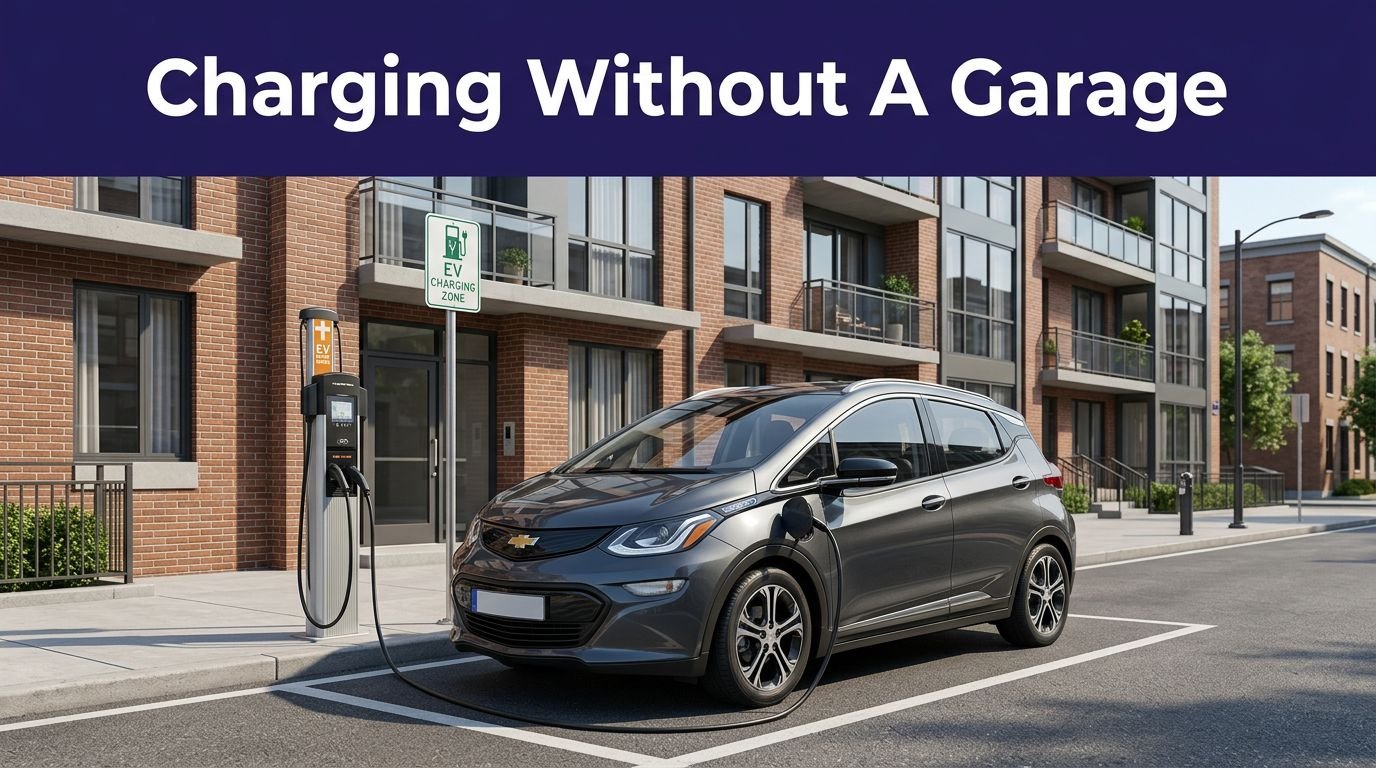

DC fast (up to 150 kW accepted) delivers 10–80% in ~30 minutes. Tariffs run ~$0.30–$0.60/kWh (plus idle/demand fees). Use for road trips, not routine charging, to limit aging and costs.
Documented home charging can stabilize Insurance premiums and support Resale value by showing lower risk and state-of-charge patterns.
Home Charging Costs, Rates, and Smart Scheduling
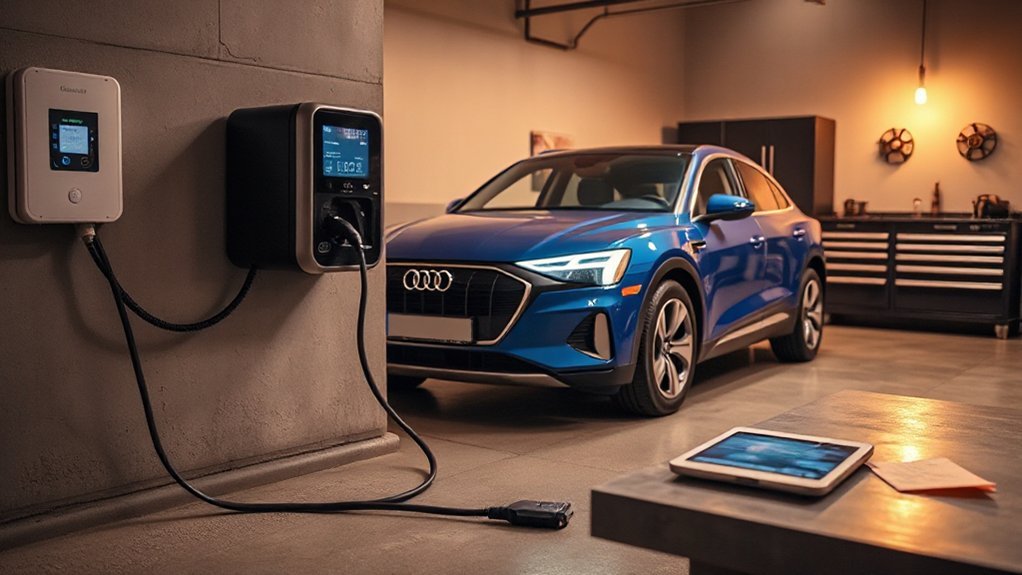
While your electricity tariff ultimately sets the price per kilowatt-hour, you can cut home charging costs on an Audi e-tron by aligning sessions with off‑peak Time‑of‑Use (TOU) rates and minimizing charging losses. Program charging windows in the myAudi app or your EVSE so the car draws power during the lowest TOU periods. Verify meter aggregation and TOU enrollment with your utility to prevent billing discrepancies. Set current to 32–40 A on a 240 V circuit to keep charger efficiency high and cable heating low. Avoid charging to 100% daily; target 60–80% to reduce taper time. Disable unnecessary preconditioning outside off‑peak. Track real kWh via utility meter, not charger app, and compare to onboard kWh to quantify losses (~8–12%) and optimize scheduling and cut costs.
Public Charging: Networks, Pricing, and How to Avoid Overpaying
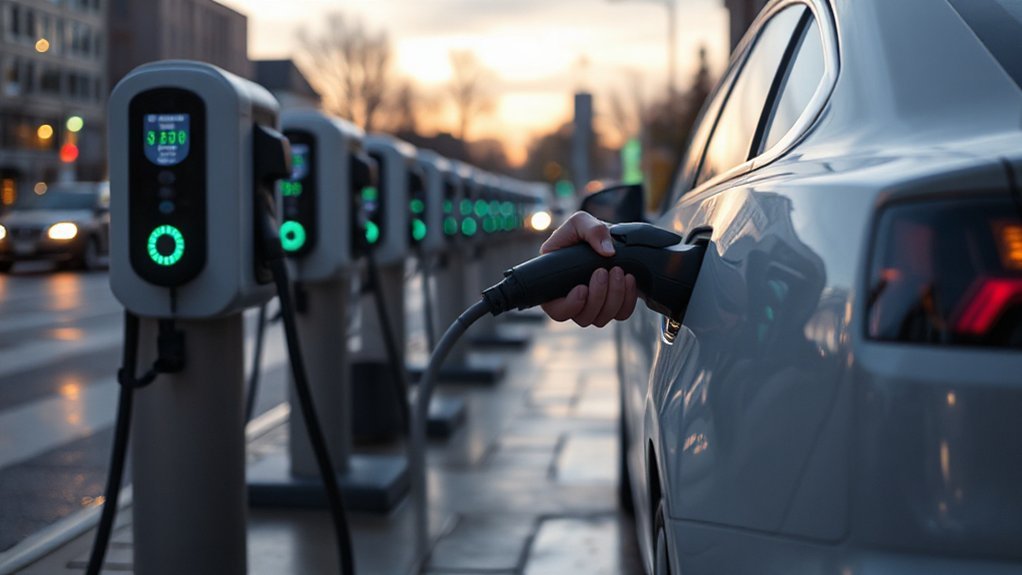
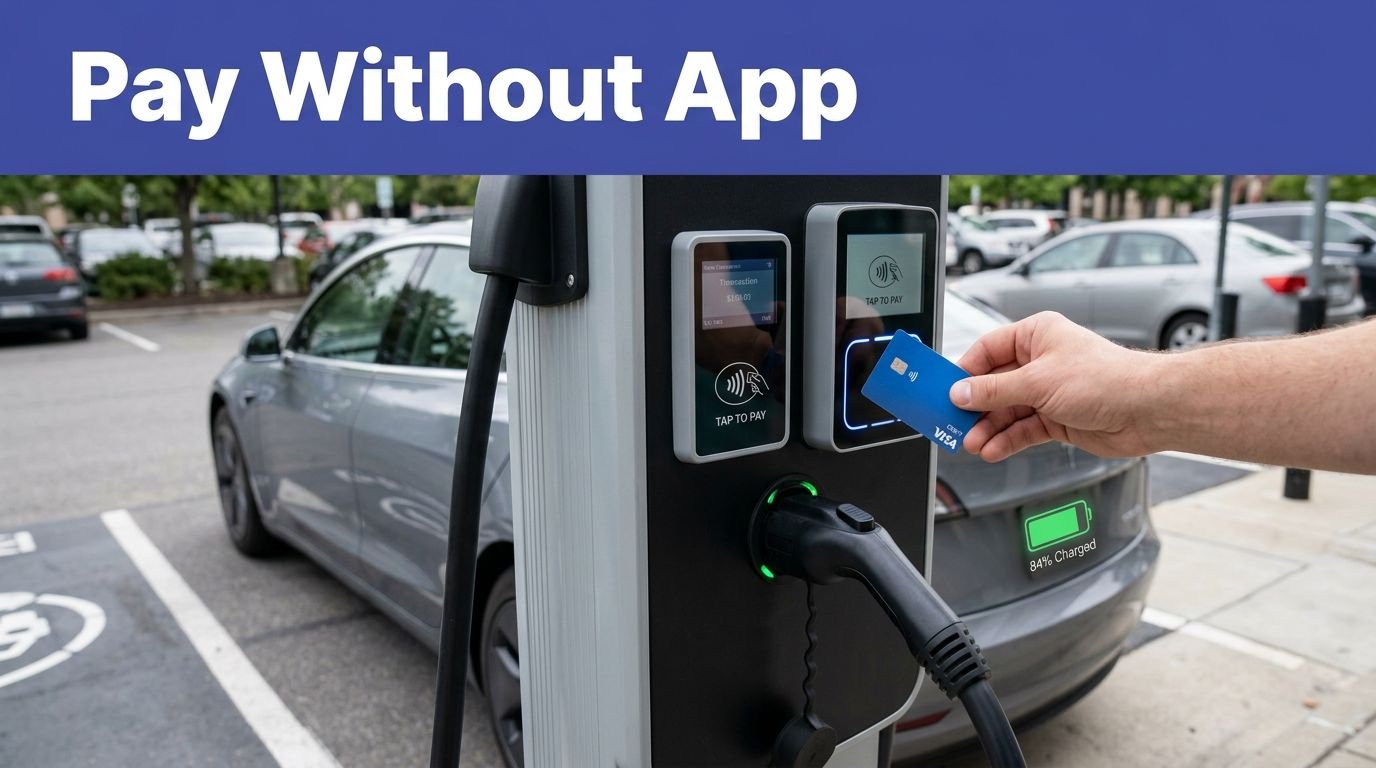
You evaluate CCS1 public network options—Electrify America, EVgo, ChargePoint, and regional providers—by connector availability, 150–350 kW power tiers, uptime, and per‑kWh vs per‑minute pricing. You check app pricing before arrival, include session fees and membership discounts, and pick a charger that matches the e‑tron’s peak DC rate to avoid paying for unused 350 kW capacity. You prevent idle fees by setting departure alerts, stopping around 80% SOC when taper starts, and unplugging promptly to avoid post‑session per‑minute charges.
Major Network Options
Where you plug in matters: the major public networks—Electrify America, EVgo, ChargePoint, Shell Recharge, Blink, and (where available) Tesla Supercharger with CCS/NACS access—differ in connector standards, DC power tiers (typical: 50, 150, 350 kW), and tariffs (per‑kWh vs per‑minute, plus session and idle fees). For your e-tron, target sites with CCS and ≥150 kW to align with its peak fast‑charge capability. Compare pricing (per‑kWh preferred for transparency) and check membership discounts. Leverage roaming agreements and app integrations (PlugShare, Chargeway, in‑car navigation) to access more stations with one account and authentication.
- Verify stall power is not shared between paired posts.
- Review network uptime metrics and user check‑ins.
- Prefer stations with longer cables for front‑left charge ports.
- Enable pre‑conditioning via route planning to hit charge rates.
Avoid Idle Fees
How do idle fees add up so fast? DC fast networks apply post-session charges once your Audi E‑Tron reaches target SOC or the grace window ends. Typical fees range $0.35–$1.00/min; at 10 minutes, $3.50–$10. You avoid them by monitoring SOC, setting a stop at 80%, and moving promptly after taper. Enable session alerts.
Before plugging in, verify Signage Clarity: posted rate per minute, grace period length (often 5–15 minutes), and time-of-day variations. Check Enforcement Policies: camera/ANPR monitoring, parking citation risks, or account auto-billing. Prefer sites that show real-time session end and countdown timers compliant with OCPP 1.6/2.0.1. Park to exit quickly, avoid blocking, and pre-stage payment. On road trips, plan buffers: arrive sufficiently low, charge to the next hub with 10–15% margin, then depart.
Best Home Chargers for Audi E-Tron and Installation Tips
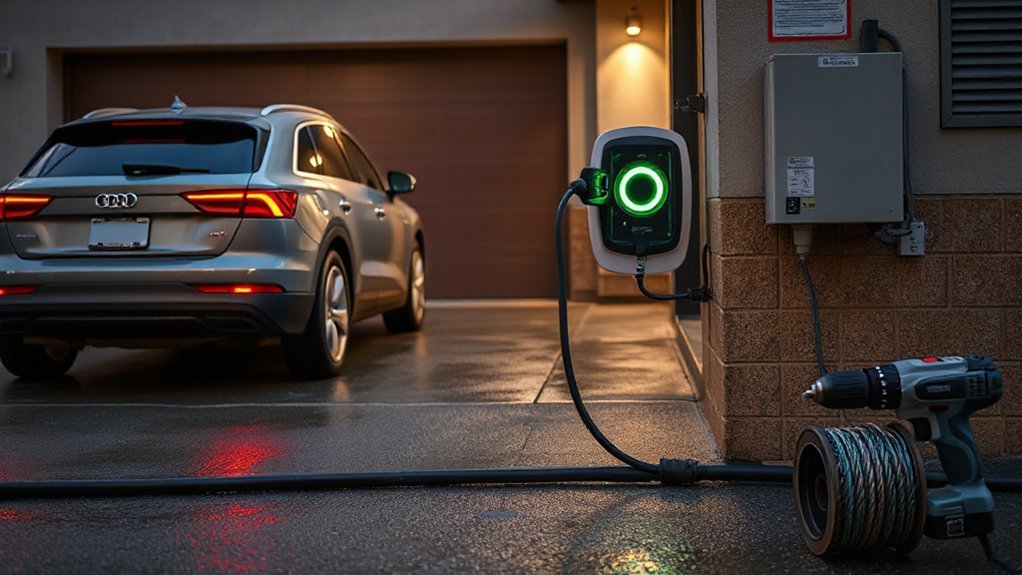
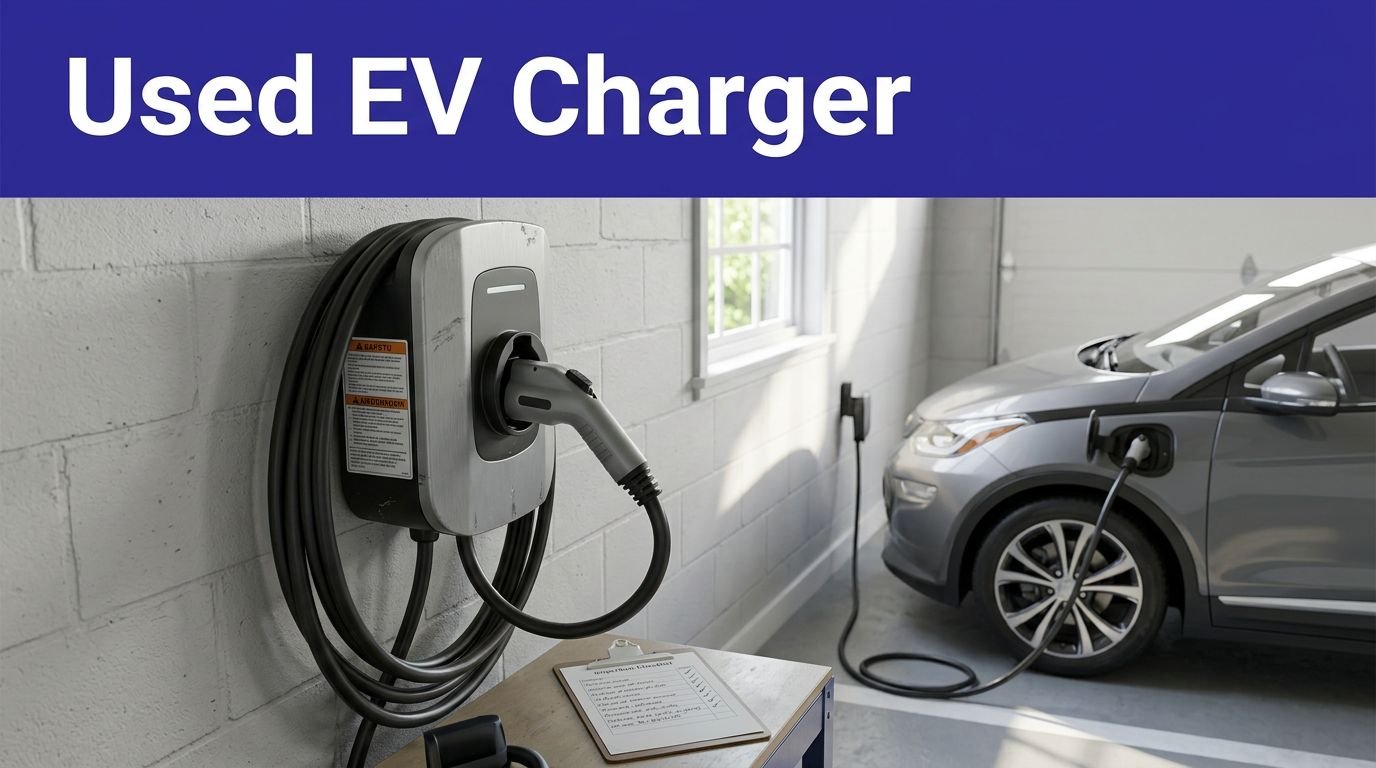
Prioritize a UL-listed, SAE J1772 Level 2 EVSE rated 40–48 A to match the e‑tron’s onboard AC charger and maximize home charging speed. Favor robust Cable management and enclosures that enhance Garage aesthetics.
- Choose hardwired 48 A (60 A breaker) for 11.5 kW, or 40 A on NEMA 14‑50 (50 A breaker) for 9.6 kW; apply NEC 80% continuous-load rule.
- Verify NEMA 3R/4 enclosure and 18–25 ft cable length.
- Require Wi‑Fi firmware updates, OCPP/ISO 15118 readiness, and accurate kWh metering (±1% if available).
- Confirm UL 2594/2231 listing and Energy Star; prioritize 240 V, copper conductors, and torque-labeled lugs.
Pull an electrical permit, perform load calculations (NEC 220), and place the EVSE within cord reach without tripping hazards and circuit labeling.
Battery Health, Charging Strategies, and Incentives
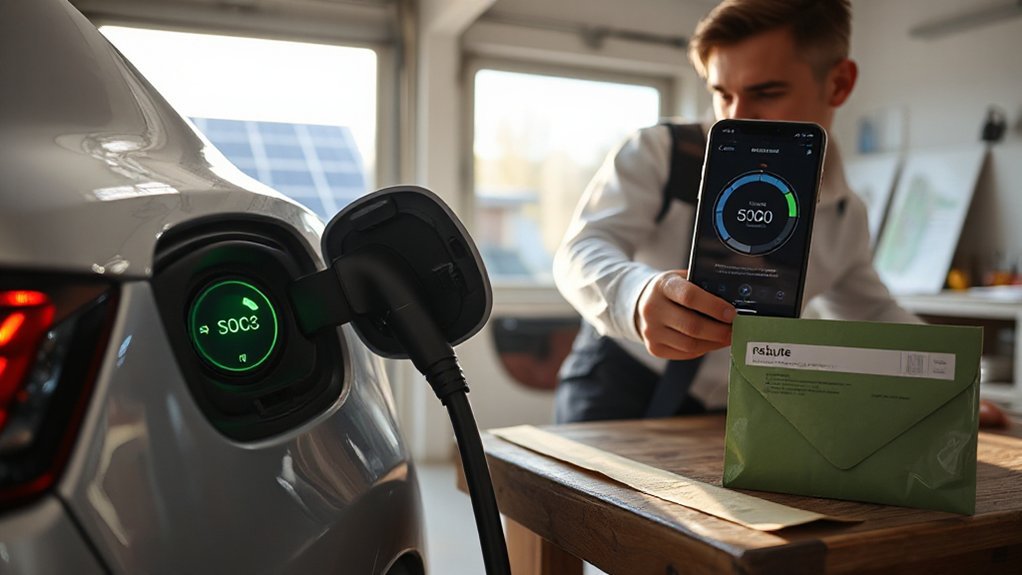
Although the e‑tron’s liquid‑cooled NMC pack and BMS minimize stress, you’ll preserve capacity by keeping daily SOC in the 20–80% band, avoiding extended dwell at 100% or near 0%, and reserving DC fast charging for trips.
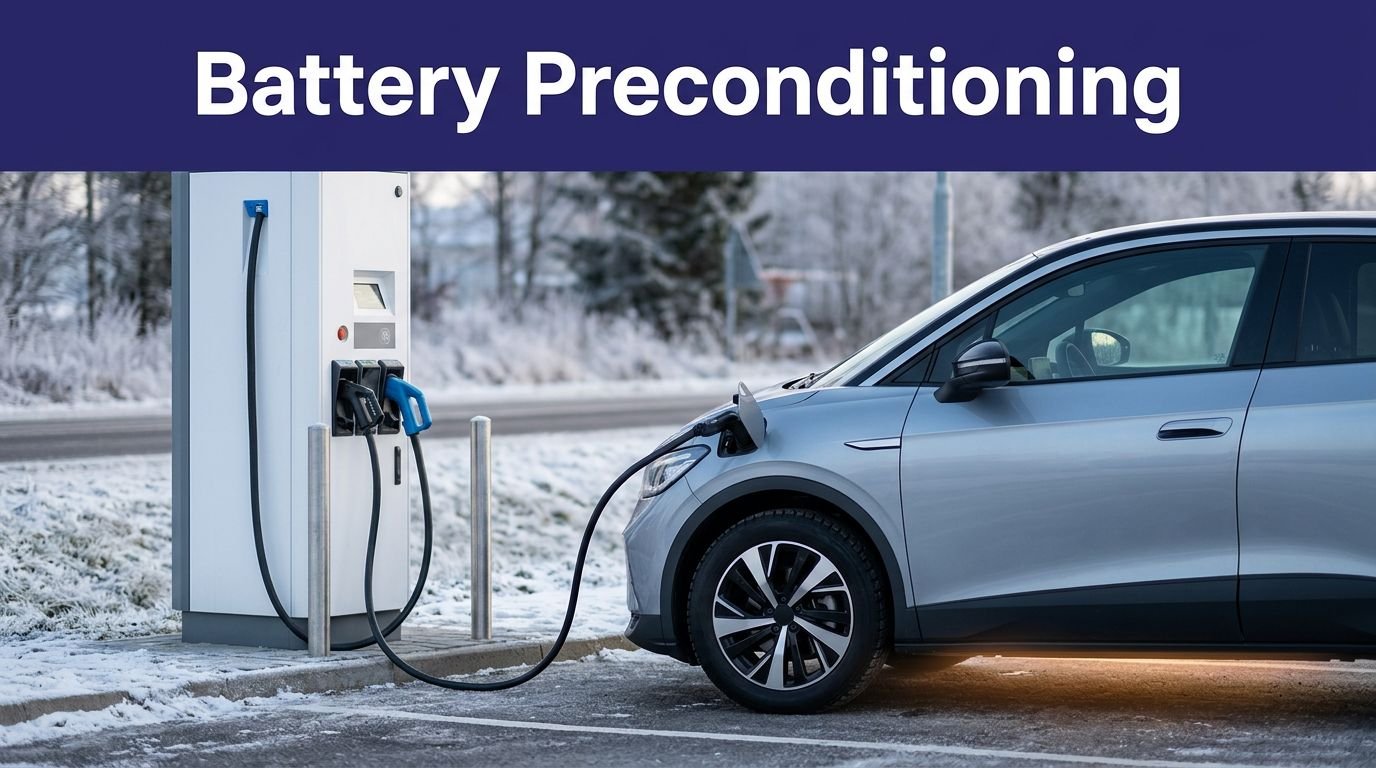
Target 0.3–0.7C AC charging (7–11 kW on-board) and precondition to 20–25°C; the pack’s thermal management prioritizes uniform cell temperatures and reduces impedance growth. Use CCS DC fast charging at ≤150 kW when needed; taper minimizes lithium plating above ~60–70% SOC. Schedule charging off-peak via SAE J1772 load management or ISO 15118, and enable charge limits in the MMI. Track state-of-health via OBD-II telemetry to verify degradation trends and warranty coverage thresholds.
Claim federal EVSE credits, stack state rebates, and join utility TOU programs for lower rates and payments.
Conclusion
You’ve got the data to charge smart. Use Level‑2 at 9.6–11 kW for daily needs; reserve 120–170 kW DC fast only for trips, precondition, and expect 10–80% in 28–35 minutes with taper above 60–70% SOC. Target 20–80%, schedule off‑peak TOU, and compare per‑kWh vs per‑minute pricing. Select a certified 48‑A EVSE and proper circuit per code. With disciplined habits, your e‑tron will refuel so efficiently it’ll feel like electrons are stampeding. Through your charge plan.