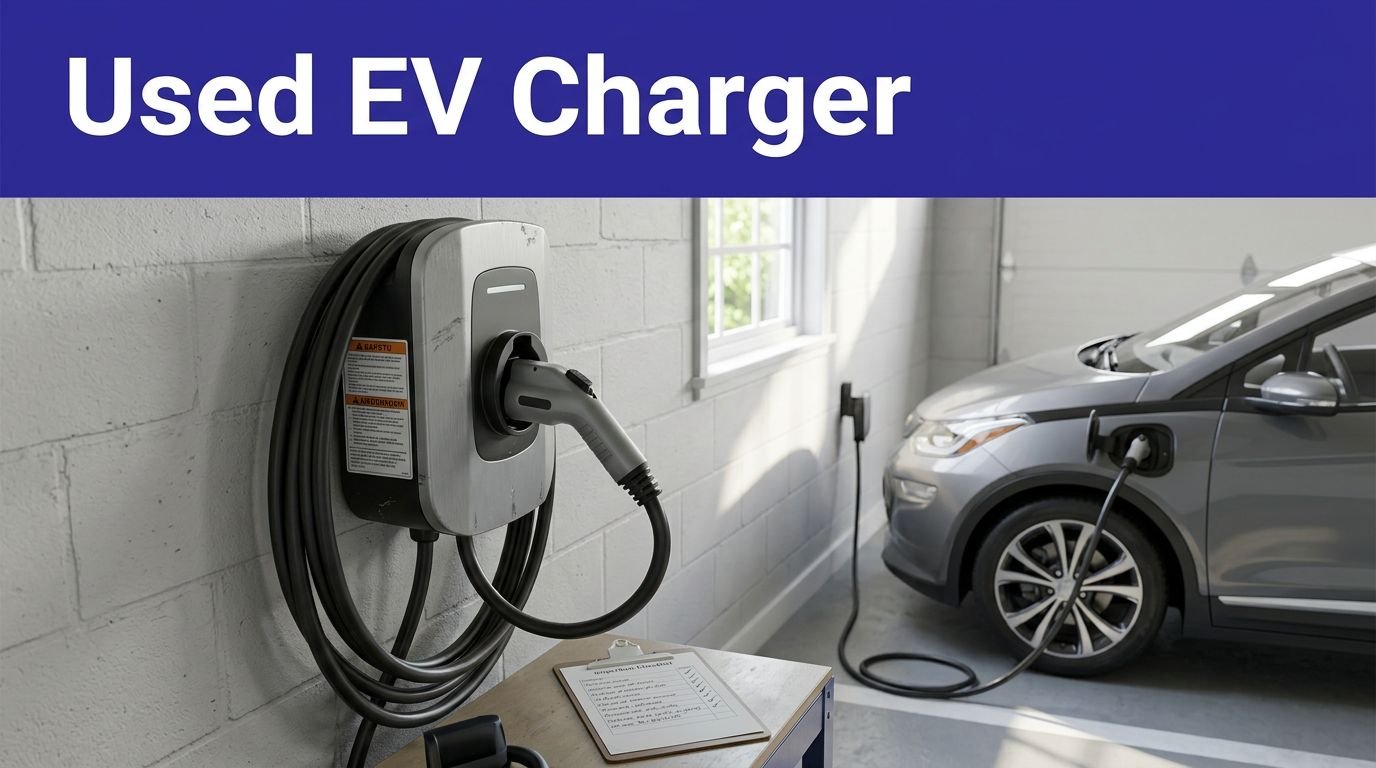
Like sizing a breaker to code, you’ll match your Hyundai Ioniq 5 or Kona to a 40–48 A Level 2 EVSE with J1772 (or NACS via a rated adapter). You’ll weigh hardwired 48 A on a 60 A breaker vs NEMA 14‑50, 18–25 ft cables, NEMA 3R/4 enclosures, UL/ETL, Wi‑Fi/OCPP, and load balancing. The nuances affect speed, safety, and rebates—so which setup fits your panel and usage?
Key Takeaways
- Ioniq 5 charges up to 48A; Kona 32–48A. Match EVSE amperage and size breaker per NEC 80% rule (48A EVSE needs 60A breaker).
- Hyundai uses J1772 for AC; to use Tesla/NACS wall chargers, buy a UL-listed 48A NACS-to-J1772 adapter.
- Choose NEMA 14-50 plug-in on 50A circuit for portability, or hardwired 60A to deliver full 48A for fastest Hyundai charging.
- Pick 18–25 ft cord, outdoor-rated NEMA 3R+ (ideally 4/4X), UV-resistant materials, and −30 to 50°C operating range.
- Favor UL 2594 EVSE with Wi‑Fi, OCPP, 15‑minute scheduling, dynamic load balancing, and per‑session kWh monitoring to optimize TOU savings.
How Many Amps You Really Need for Ioniq 5 and Kona
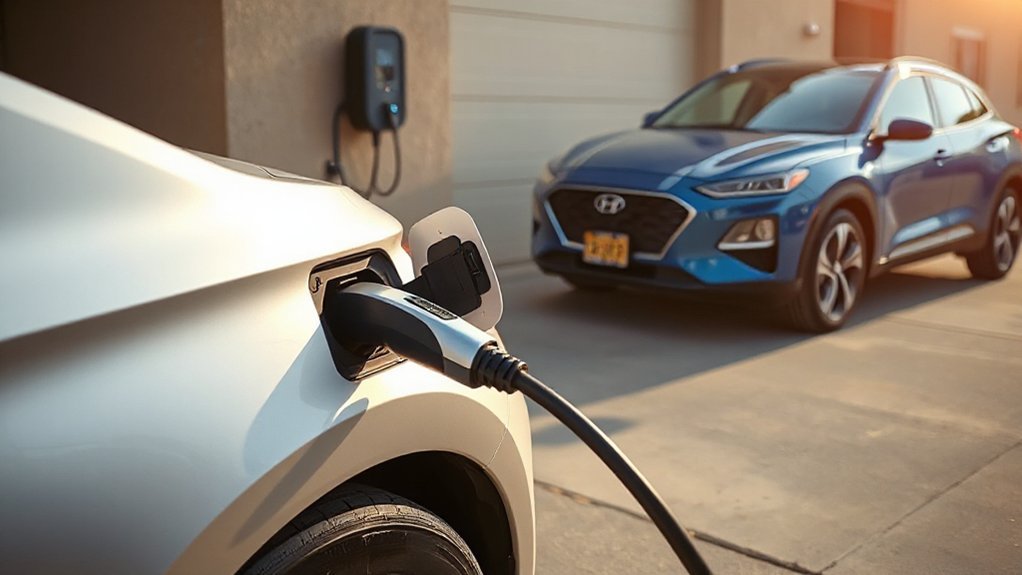
How many amps do you actually need for an Ioniq 5 or Kona? For AC Level 2 (J1772), match EVSE current to the onboard charger. Ioniq 5 accepts up to ~10.9 kW (≈48 A at 240 V). Kona Electric supports 7.2–10.8 kW depending on model year (≈32–48 A). Apply NEC 625 and the 80% continuous-load rule: a 48 A EVSE needs a 60 A breaker; 40 A needs 50 A; 32 A needs 40 A. Choose amperage by commute distance and dwell time. If you park 10–12 hours, 32–40 A typically restores 150–250 miles overnight. Daily short trips can use 16–24 A. For battery longevity, avoid routinely maxing current; moderate rates reduce heat while still meeting your energy budget. Verify circuit capacity and labeling.
Cable Length: Finding the Sweet Spot for Your Garage

Dial in the right cable length by balancing reach, code limits, and voltage drop. For residential Level 2, target 18–25 ft; NEC 625.17 caps EVSE output cords at 25 ft unless the unit’s listing includes a managed retraction system. Measure from the wall mount to the charge ports (Ioniq 5 rear-right; Kona front-left) along your typical parking path, then add 10–15% for routing around obstacles. Longer cords increase resistance and heat, slightly raising losses at 32–48 A; keep runs tidy and off the floor to minimize trip hazards. Choose units with a robust holster and coil storage or overhead management to meet strain-relief requirements. Mount the EVSE where the connector reaches without stretching, avoiding tight bends (<5× cable diameter). Label cord routing for safety.
J1772 Compatibility and NACS/Tesla Adapter Options
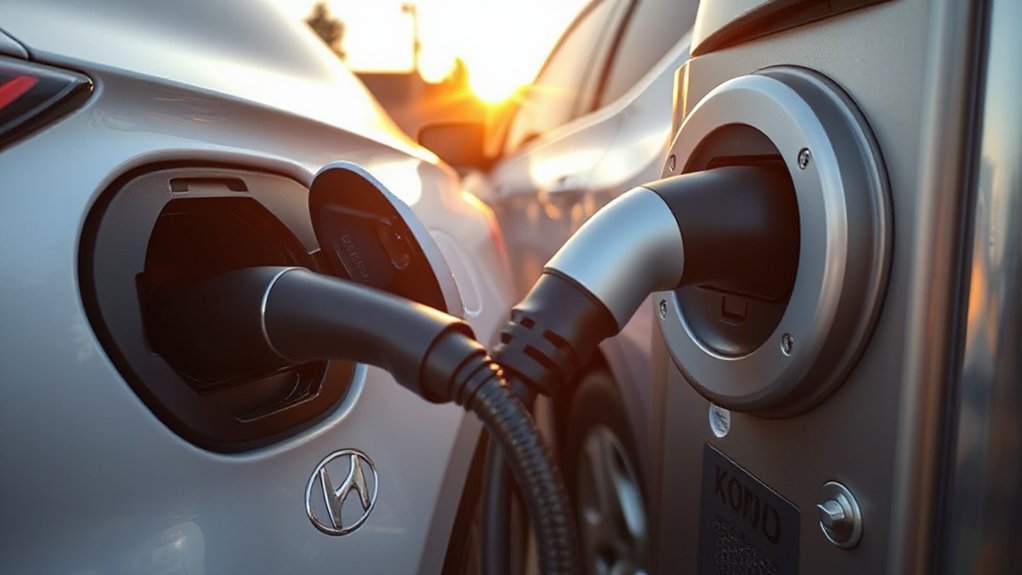
Most current Hyundai EVs in North America use the SAE J1772 (Type 1) inlet for AC Level 2 charging, so they natively mate with J1772 EVSEs and require a NACS-to-J1772 (“Tesla-to-J1772”) adapter to use Tesla/NACS wall or destination chargers. Verify the adapter’s continuous current rating (48A typical), UL/cETL listing, IP54+ ingress protection, and compliance with SAE J1772-2017 signaling. You’ll retain full pilot/ground-fault safety features, but no lock/unlock data exchange. For Adapter interoperability, confirm Tesla Gen 3 Wall Connector firmware supports third-party adapters. Track Connector evolution: some Hyundai models will add native NACS in future model years; until then, spec a robust adapter. Prefer compact, low-resistance designs overall.
| Parameter | Target |
|---|---|
| Max continuous current | 40–48 A |
| Ingress protection | IP54 or higher |
| Operating temperature | -30°C to +50°C |
Plug‑In NEMA 14‑50 Vs Hardwired: Which Setup Fits Your Home

You weigh installation cost and effort: a NEMA 14‑50 on a 50A dedicated circuit is typically lower‑cost and faster, while a hardwired EVSE per NEC 625 and the 80% continuous‑load rule may need permits and a disconnect. For max amperage, you’ll see plug‑in units limited to 40A continuous (≈9.6 kW at 240V), whereas hardwired units can deliver 48A on a 60A circuit (≈11.5 kW), aligning with Hyundai onboard chargers around 10.9 kW. For portability versus permanence, you get easy relocation and swap‑out with a 14‑50 plug, while hardwiring yields a fixed, weather‑tight install with fewer failure points.
Installation Cost & Effort
While both options deliver Level 2 charging, a plug‑in NEMA 14‑50 and a hardwired EVSE differ markedly in installation scope, code requirements, and total cost. Expect a dedicated branch circuit per NEC 625.40 and load calculations per NEC 220. A NEMA 14‑50 receptacle typically runs $300–$900 when the panel is nearby; conduit runs, GFCI requirements (NEC 210.8), and Permit Variability can lift totals to $1,200+. Hardwired units add a listed disconnect (NEC 625.43), whip connections, and often higher inspection scrutiny, yielding $700–$2,000 installs. If your service is constrained, panel upgrades add $2,000–$4,000. Factor Labor Sourcing: union or licensed electricians bill $90–$160/hr; travel and attic/crawl routing increase hours. Budget plan: permit + materials 25–40%, labor 60–75%, contingency 10%. Detached garages may require trenching and marking.
Max Amperage Capability
Beyond install costs, amperage headroom hinges on code limits and your Hyundai’s onboard charger. A NEMA 14‑50 receptacle is on a 50 A branch circuit, but NEC 625 treats EV charging as a continuous load, so the continuous rating is 80%: 40 A max output. Most plug‑in EVSEs thus cap at 32–40 A. A hardwired unit on a 60 A circuit can deliver 48 A continuous, matching many Level 2 models’ max. For Ioniq 5/6 and Kona (10.9–11 kW onboard), you’ll realize full AC power only at 48 A, 240 V (~11.5 kW). Account for derating factors: conductor temperature ratings, breaker type, ambient over 30°C, cable length, and voltage drop. Size wiring to 75°C terminals, #6 AWG Cu for 60 A, and verify capacity.
Portability Versus Permanence
Because the charging method drives installation, code compliance, and future flexibility, decide between a plug‑in NEMA 14‑50 EVSE and a hardwired unit by matching them to your load, site, and utility requirements. A 14‑50 receptacle on a 50 A breaker typically supports 40 A continuous per NEC 625/210. Hardwired EVSEs can deliver 48–80 A, simplify load management, and reduce nuisance trips. Plug‑in adds portability, aiding renter solutions and temporary installs; hardwired can boost resale value and qualify for rebates.
- Perform NEC load calculation and verify service capacity accurately (100/200 A).
- Confirm conductor size: 6 AWG Cu for 50 A; larger for 60–100 A.
- Check GFCI, AFCI, and local inspection requirements.
- Align amperage with Hyundai onboard charger and utility TOU/demand programs.
Smart Features to Look For: Wi‑Fi Apps, Schedules, and Load Balancing
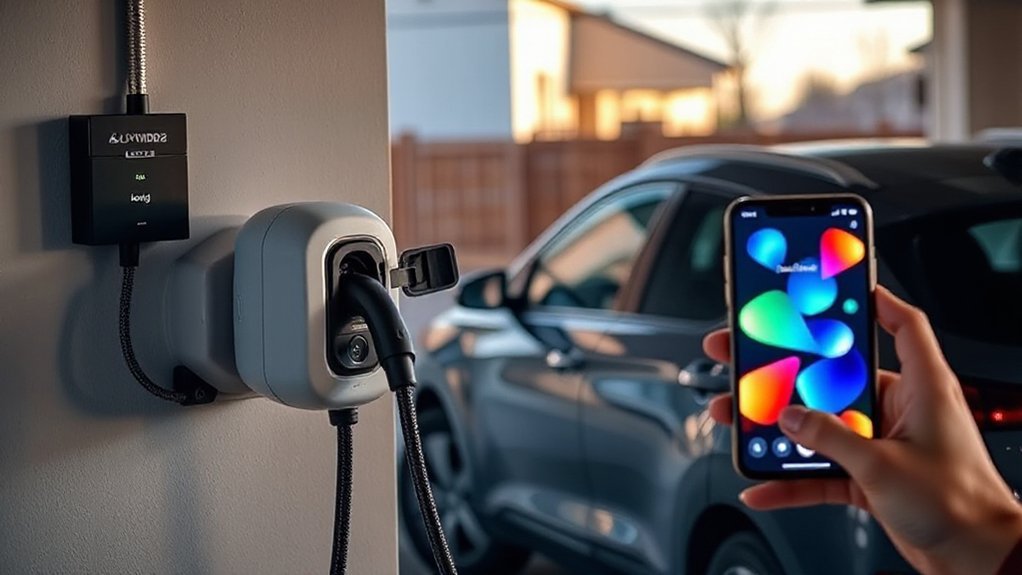
You should prioritize app-based controls that support OCPP 1.6/2.0.1, WPA2-secured 2.4 GHz Wi‑Fi, OTA firmware, and granular amperage/kW limits with session logs (kWh, time, cost). Use scheduled charge windows to match TOU rates (e.g., 11 p.m–7 a.m.) and honor the 80% continuous-load rule on a 40 A circuit per NEC 625. For multi‑EV homes, require dynamic load balancing that meters feeder current and allocates amps in real time (e.g., sharing 48 A across two ports) while maintaining SAE J1772 signaling integrity.
App-Based Controls
How do app-based controls turn a Level 2 charger into a smarter, lower‑cost way to charge your Hyundai? They give you telemetry, remote control, and standards-based interoperability. Look for Wi‑Fi/Ethernet apps with OCPP 1.6J/2.0.1 support, secure OTA firmware, and ANSI C12.20‑class metering for kWh accuracy within ±0.5%. You can set current limits per circuit, enable dynamic load balancing, and integrate alerts. Verify voice integration via Alexa/Google is local or uses tokenized APIs; evaluate privacy concerns, data retention, and encryption (TLS 1.2+).
- Real-time amperage, voltage, session kWh, cost.
- Per-user RFID/app access control, audit logs.
- Utility demand-response via OpenADR 2.0b.
- Fault diagnostics: GFCI trips, overtemp, ground loss.
Confirm UL 2594 and NEC 625 compliance, plus ISO 15118 readiness if you plan plug-and-charge with future Hyundai models.
Scheduled Charge Windows
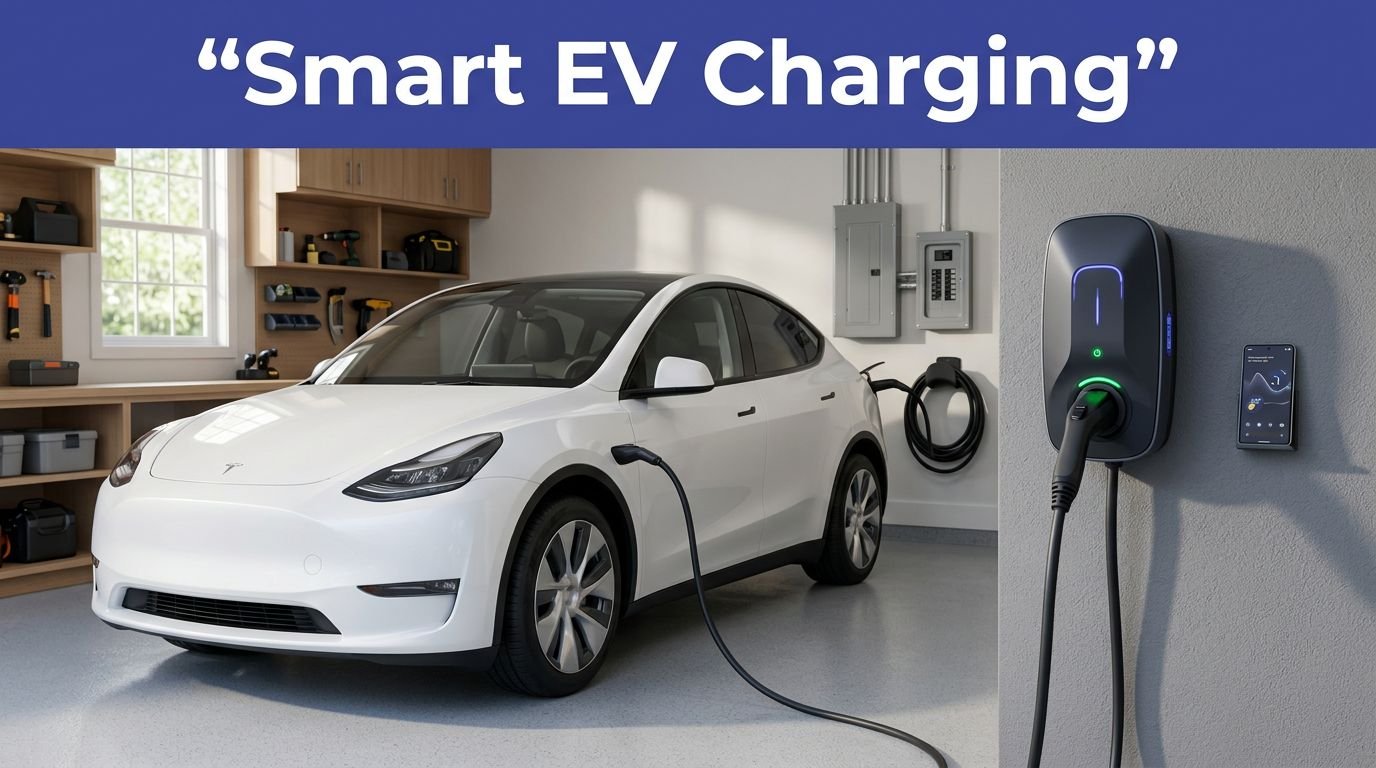
While Level 2 hardware sets the max amperage, scheduled charge windows in a Wi‑Fi/Ethernet app let you align sessions with off‑peak TOU pricing and panel limits to lower cost and peak load. For Hyundai Ioniq and Kona, configure start/stop times, weekday/weekend profiles, and SOC targets so charging finishes near departure—improving Battery Longevity. Validate time sync (NTP), UTC offset, and DST behavior to avoid drift. Specify 15‑minute blocks to match utility intervals. Confirm OCPP 1.6J, calendar exceptions, and kWh logs. Test Firmware Interactions: prioritize charger schedules and set the vehicle timer to “immediate” to prevent conflicts. Audit results against your utility bill.
| Feature | Spec | Note |
|---|---|---|
| Time granularity | 15 min | Mirrors TOU blocks |
| Min current | ≥6 A (SAE J1772) | Prevents dropouts |
| Time sync | NTP/UTC, DST | Avoids schedule drift |
Dynamic Load Balancing
Beyond scheduled windows, dynamic load balancing (DLB) allocates real‑time current across one or more Level 2 EVSEs so total draw stays within feeder, panel, or service limits during Hyundai Ioniq/Kona charging. You configure setpoints per NEC 625, monitor service amps, and let the controller modulate SAE J1772 pilot duty cycle so each car gets fair, safe current without tripping breakers. With Wi‑Fi/cloud apps, you visualize aggregate kW, prioritize vehicles, and cap demand charges. Maintain regulatory compliance, manage cybersecurity threats, and keep firmware updated.
- Set service ceiling (e.g., 80% of 200 A) and per‑circuit thresholds.
- Use CTs for live measurement and fail‑safe shedding on comms loss.
- Apply OCPP 1.6J/2.0.1 profiles for smart charging and auditing.
- Enforce WPA3, TLS 1.3, certs; disable UPnP and default creds.
Energy Monitoring, Utility Programs, and Time‑of‑Use Savings
Why track your charging data? With a networked Level 2 EVSE, you capture per‑session kWh, voltage, current, and power factor, enabling Billing Insights and Carbon Tracking. Use OCPP 1.6J/2.0.1 compatible chargers to export interval data (15‑minute granularity) and align it with utility smart‑meter reads. You’ll verify Hyundai Ioniq/Kona onboard charger efficiency, detect losses, and validate rate plans.
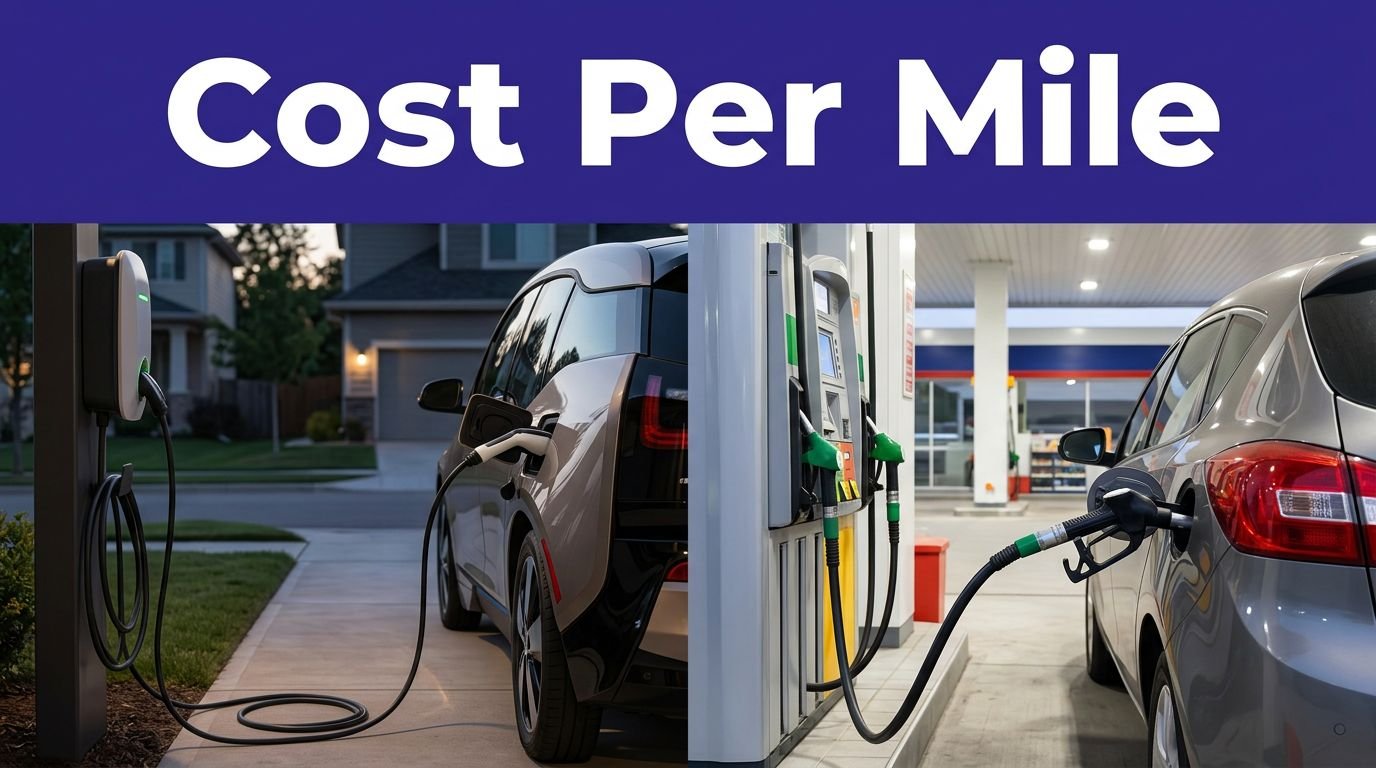
Enroll in utility programs such as TOU, EV‑only meters, and demand response. Set schedules so charging occurs during off‑peak windows (e.g., 11 pm–7 am), or when day‑ahead prices drop in dynamic tariffs. Automations using ISO‑15118 or OpenADR can pause/resume based on price signals. Track $/kWh, kWh/session, and cost per 100 miles. Expect 20–45% savings versus flat rates, depending on region and winter/summer differentials, and charger utilization metrics.
Weatherproofing, Durability, and Outdoor Mounting Tips

You should specify NEMA 3R minimum for outdoor Level 2 EVSE, and step up to NEMA 4/4X (IP66 equivalent) for wind‑driven rain, hose‑down, or coastal corrosion. Choose UV‑resistant enclosures and cable jackets verified to UL 746C or ASTM G154, with UL 94 V‑0 flammability and an operating range around −30 to 50°C. Mount on masonry or a rated pedestal with 316 SS hardware and raintight fittings; follow NEC 625 for wiring and clearances, set centerline 24–48 in above grade, add drip loops, and torque fasteners to spec.
NEMA Ratings Explained
How weatherproof should your Level 2 charger be for reliable outdoor use? Understand NEMA: Acronym Origins trace to the National Electrical Manufacturers Association; its Classification History defines enclosure types, ingress protection, and environmental performance. For outdoor Hyundai Ioniq and Kona charging, prioritize NEMA 3R minimum; NEMA 4 or 4X adds hose‑directed water resistance and corrosion protection. Verify gasketed doors, drain paths, and stainless hardware. Pair with a GFCI breaker per NEC 625, maintain drip loops, and mount above snow lines. Confirm enclosure label accuracy.
1) NEMA 3R: rain, sleet; ventilated; outdoor rated; economy choice.
2) NEMA 4: watertight against splashing/hoses; non-vented; sealed seams.
3) NEMA 4X: NEMA 4 plus corrosion resistance; good for coastal/salt.
4) NEMA 6/6P: limited submersion capable; rarely needed; higher cost.
Uv-Resistant Enclosures
Sunlight accelerates polymer embrittlement, coating chalking, and gasket decay, so specify enclosures and cords with verified UV resistance for outdoor Level 2 EVSE. Use housings rated per UL 746C (UV) or UL 50E Type 4X/3R UV; look for UVF1 marking. Prioritize Material selection: UV-stabilized polycarbonate or ASA over ABS, or powder-coated aluminum/stainless with salt-spray validation (ASTM B117). Require gaskets of UV-rated EPDM or silicone. For Color stability, request Delta E ≤3 after 1,000 h xenon-arc (ASTM G155) or QUV (ASTM G154). Choose cables marked “Sunlight Resistant” (UL 62) and EVSE certified to UL 2594, NEMA 3R/4X, or IP65+. Verify -30 to 50°C operation, drain paths, and weep holes to prevent moisture entrapment. Site units with shading and rear ventilation clearance to reduce thermal load.
Secure Exterior Mounting
While enclosure ratings set the baseline, secure exterior mounting ultimately governs weatherproofing and service life. You should mount Level 2 EVSE to rigid substrates, verify fastener pullout, and control water paths. Follow NEC 625, UL 2594, and local wind/snow load criteria. Use NEMA 3R/4X hardware and stainless 316 fasteners, with anti-seize to prevent galling.
- Foundations: Set steel posts in concrete with embedment ≥12 in, use epoxy-set concrete anchors rated >2,000 lbf shear; slope pads 1–2% for drainage.
- Backplates: Use 1/4-in aluminum or 12-ga steel; apply neoprene gaskets; seal penetrations with UV-rated silicone.
- Cable management: Provide drip loops, 18 in above grade; avoid tripping zones; add strain relief.
- Security: Install tamper-proof screws, lockable disconnects, and security cages; maintain 36 in working clearance at all times.
Safety Standards, Certifications, and Warranty Essentials

Because Level 2 EVSE interfaces with 240 V mains and your Hyundai’s high-voltage system, verify the unit is NRTL listed (not just “compliant”) to UL 2594 (EVSE) and UL 2231-1/-2 (personnel protection with 20 mA CCID), uses an SAE J1772 connector, and meets NEC Article 625 installation requirements. Prefer Certification Bodies such as UL, CSA, or Intertek (ETL) that perform Third Party Testing and factory surveillance. Confirm integrated GFCI/CCID, ground continuity monitoring, relay weld detection, and temperature derating. Look for NEMA 3R/4 enclosures, 105°C-rated conductors, and 60°C/75°C terminal ratings consistent with your feeder. Verify firmware supports IEC 61851/SAE J1772 signaling and load management. Demand a written 3–5 year warranty covering contactor, control board, cable, and inlet, with on-site replacement, surge tolerance specs, and MTBF.
Rebates, Incentives, and Ways to Cut Total Installation Cost
Before you pick a unit, map the full incentive stack and design choices that can offset 30–100% of Level 2 EVSE hardware and installation. Combine Federal Credits under IRC §30C, State Rebates, utility make-ready programs, and local permit fee waivers. Verify eligibility: UL 2594/2231, ENERGY STAR, required networking, and licensed install with NEC 220 load calcs.
- Claim 30% Alternative Fuel Infrastructure credit up to $1,000 residential; maintain Form 8911 records and itemized invoices.
- Use utility rebates for managed charging; enroll the charger’s OCPP/CTA-2045 features.
- Cut installation cost via 240 V NEMA 14-50 circuit if code-allowable, or load management (NEC 625.42) to avoid service upgrade.
- Schedule trenching/panel work with projects, obtain bids, and select shortest conduit runs per NEC 300 to reduce labor/material.
Best Charger Picks for Different Budgets and Electrical Panels
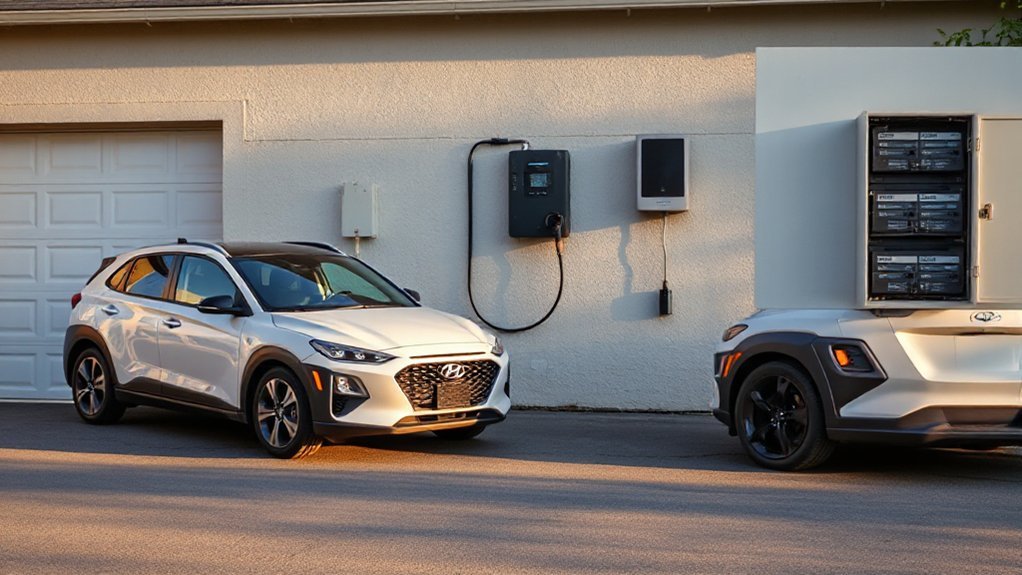
With incentives scoped, select a Level 2 EVSE that matches your Hyundai’s onboard charger (≈10.9 kW for Ioniq 5/6; 7.2–11 kW across Kona model years), your panel capacity, and your budget, size wiring per NEC. On 100A panels, a 32A EVSE (7.7 kW) on a 40A breaker, 8 AWG copper, maximizes headroom. On 125–150A panels, pick 40A (9.6 kW) on 50A, 6–8 AWG by run length. On 200A panels, choose 48A (11.5 kW) on 60A, 6 AWG. Apply NEC 625 continuous-load 125% sizing and voltage-drop ≤3%. Budget: value 32A Wi‑Fi units; mid 40A with load sharing; premium 48A with OCPP, RFID, NEMA 4X. Feature Tradeoffs: cord length, plug‑in vs hardwire, warranty. Eco Impact: load management reduces peaks, time-of-use scheduling shifts charging to cleaner grid.
Conclusion
You want peak charging, not folklore. Spec a 40–48 A Level 2 with J1772 (or NACS via rated adapter), hardwired 48 A on a 60 A breaker or 14‑50 at 40 A. Pick 18–25 ft, NEMA 3R/4 enclosures, UL/ETL listings, Wi‑Fi/OCPP, OTA, and load balancing to satisfy NEC 625 and your Ioniq 5/Kona. Then harvest rebates. Because nothing says cutting-edge like a smart, standards-compliant wall box quietly outpacing the myths at your local coffee meetup.