Like opening a modern fueling stop, you’re not just buying pumps—you’re buying power, permits, and proof of compliance. Expect roughly $90k–$160k for multi‑port Level 2 and $350k–$650k+ per DC fast dispenser, depending on hardware, trenching, transformer upgrades, and soft costs. Your final budget hinges on utility make‑ready, ADA/fire code, warranties, and network requirements you can satisfy—before you sign a lease or an agreement. Here’s what can swing six figures and how to control it.
Key Takeaways
- Level 2 hardware runs $700–$7,000 per port; installation is typically $3,000–$20,000 per port; total projects often $4,000–$15,000 per port.
- DC fast charging hardware costs $25,000–$150,000+ per dispenser; installation typically $80,000–$200,000 per dispenser, driven by utility upgrades and civil work.
- Soft costs (permitting, design, commissioning) add about 15%–25% to budgets and can extend schedules 4–12+ weeks.
- Recurring costs include network fees, payment processing, cybersecurity, maintenance, warranties/spares, and insurance; model electricity as a separate COGS line.
- Major cost drivers: trenching distance, available electrical capacity/service upgrades, ADA compliance, metering/spec certifications, warranties, and supply‑chain lead times.
Key Cost Drivers: Hardware, Installation, and Power
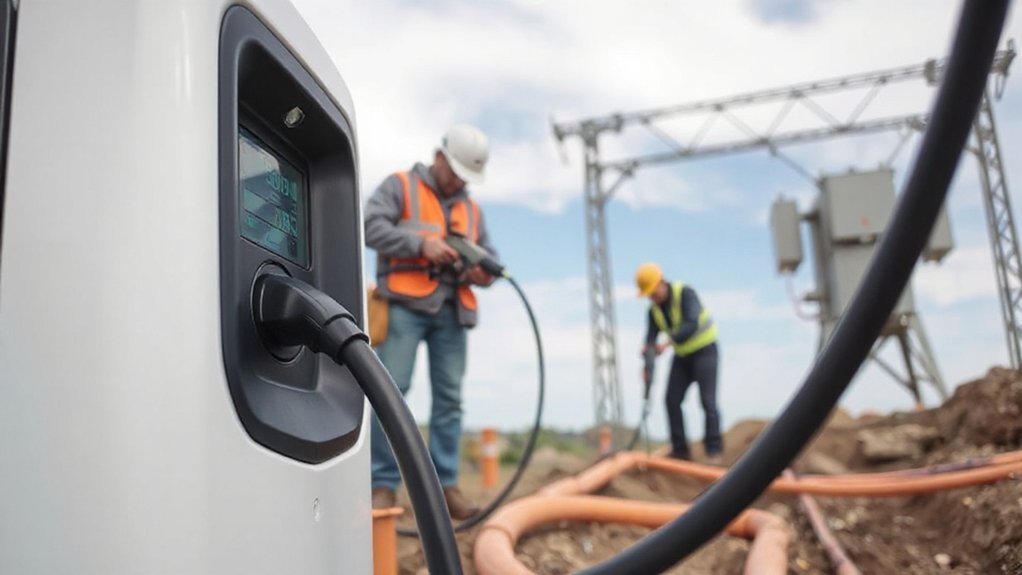
While hardware grabs attention, installation and power often dominate your budget and compliance roadmap. You’ll price chargers by connector count, network capability, metering accuracy, ruggedization, warranties, and spare parts. Installation drives labor and materials: site surveys, civil work, trenching, conduit, panels, switchgear, bollards, signage, ADA layouts, and weatherproof enclosures. Permits, inspections, utility coordination, and commissioning add time-risk you must schedule tightly. Power costs hinge on available capacity, transformer upgrades, load calculations, and demand-mitigation controls. Run an electrical study early to avoid redesigns. Strengthen inventory management to stage certified components, cut downtime, and meet traceability requirements. Fund training programs for installers and site staff so they implement code-compliant grounding, labeling, cybersecurity, and networking, reducing rework, penalties, and warranty disputes. Plan for ongoing maintenance and calibration.
Level 2 vs. DC Fast Charging: Typical Budget Ranges

You compare hardware cost ranges: Level 2 typically runs about $700–$7,000 per port, while DC fast chargers range roughly $25,000–$150,000+ per dispenser depending on kW, networking, metering, and certifications. You also model installation cost ranges: Level 2 often lands around $3,000–$20,000 per port, whereas DC fast projects run roughly $50,000–$250,000+ per site due to trenching, switchgear, make-ready, and utility upgrades. To stay compliant and avoid change orders, you account for permitting, ADA layout, NEC Article 625, utility interconnection, and commissioned acceptance testing in both scenarios.
Hardware Cost Ranges
Two hardware tiers drive your upfront budget for an EV charging franchise: commercial Level 2 and DC fast charging (DCFC). For Level 2, expect $1,200–$5,000 per port for networked wallboxes; pedestal dual‑port units typically run $3,000–$8,000. DCFC varies by power: 50–75 kW units land around $20,000–$45,000 per dispenser; 150–350 kW systems range $60,000–$180,000 depending on power modules and liquid‑cooled cables. Prioritize UL listings, OCPP compatibility, and revenue‑grade metering; those specifications influence price. Scrutinize Component sourcing and supply‑chain transparency to assess lead‑time risk and parts availability. Perform Warranty comparisons: Level 2 often includes 1–3 years standard, DCFC 1–2 years; extended coverage adds 5–15% to hardware cost. Evaluate spares kits, replaceable modules, and vendor uptime guarantees to protect total cost of ownership and long-term serviceability metrics.
Installation Cost Ranges
Most projects discover installation drives the swing in total budget. You’ll see Level 2 sites land roughly $4,000–$15,000 per port when trenching is light, panels have capacity, and permitting is straightforward. DC fast charging rises to about $80,000–$200,000 per dispenser, largely dictated by utility upgrades, switchgear, and civil work. Validate load studies, short-circuit ratings, and ADA layout early to avoid change orders. Coordinate with the utility on transformer lead times and make-ready incentives. Model soft costs—design, permitting, commissioning—at 15%–25%. Account for bonded contractors, safety plans, and higher insurance premiums. Capture basis for ITC, grants, and future tax depreciation.
- Trenching/boring length and surface restoration
- Service upgrades: transformer, switchgear, demand charges
- Permits, inspections, utility make-ready timelines
- Commissioning, networking, signage, ADA compliance
Verify prevailing wage triggers early.
Permits, Utility Upgrades, and Timelines That Affect Spend
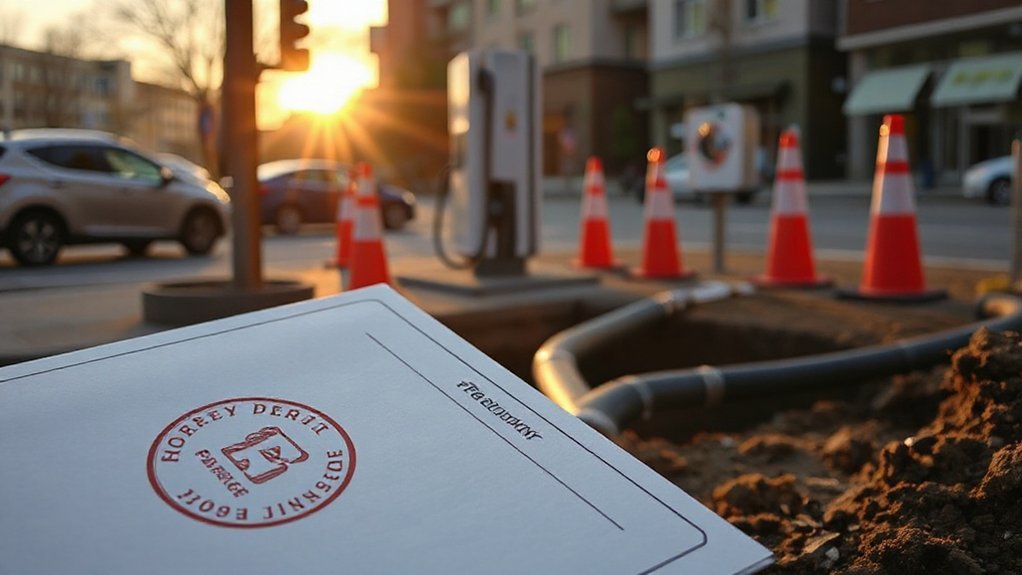
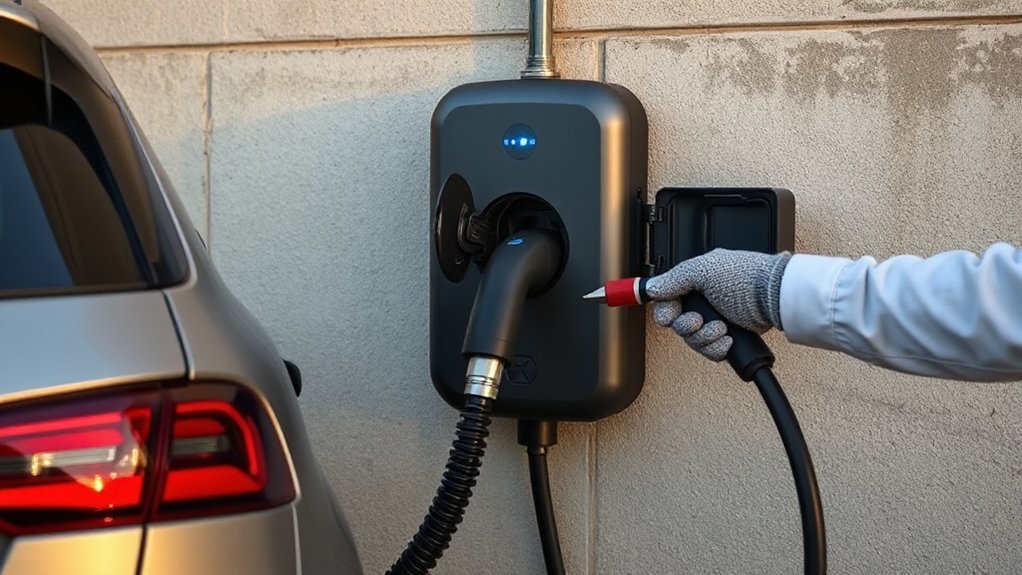
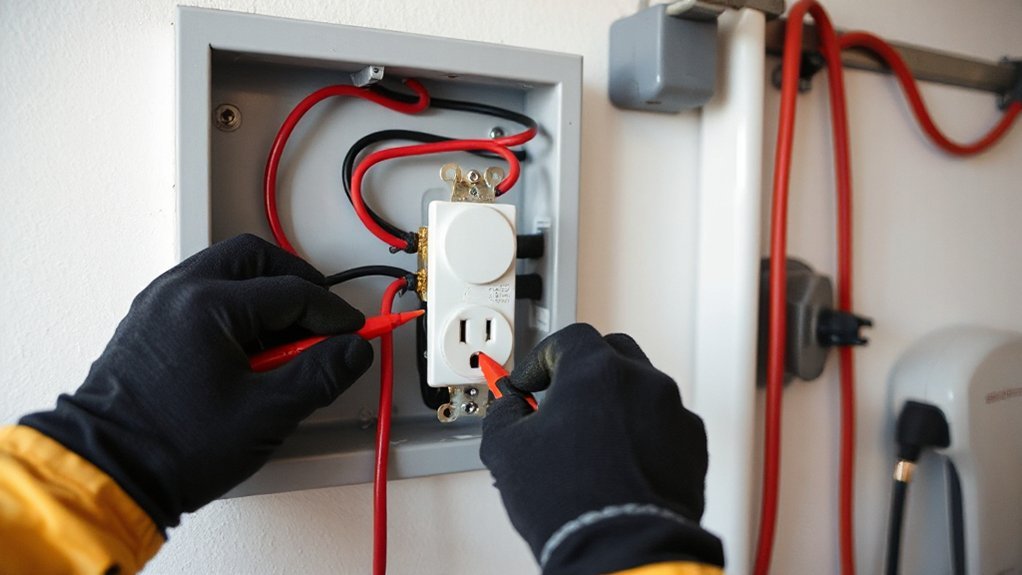
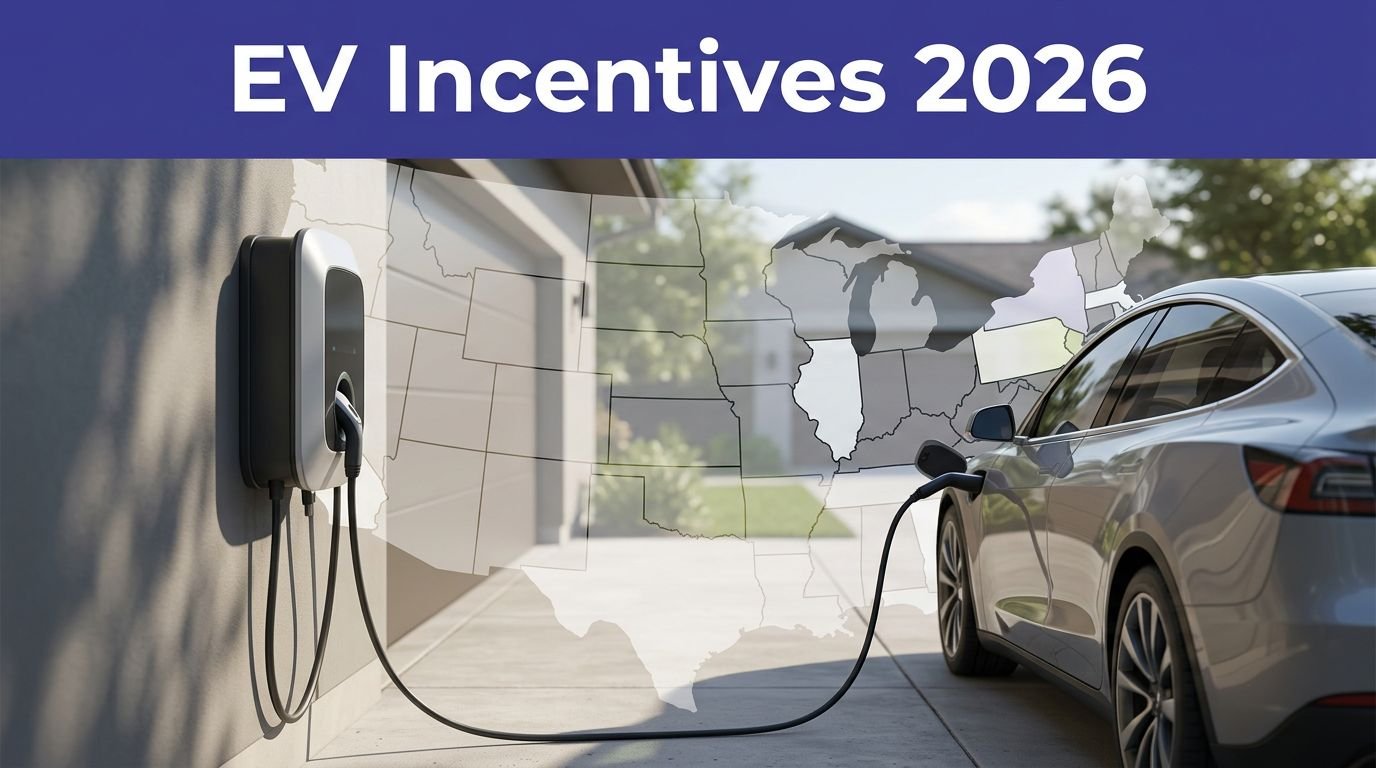

You should budget for permitting fees and realistic approval timelines, which vary by jurisdiction and trigger plan reviews, inspections, and ADA/fire code compliance. Assess whether utility service upgrades—new transformers, switchgear, or increased capacity—are required, and request a utility load study early to quantify costs. Account for construction and interconnection delays driven by utility queues, trenching or right-of-way approvals, and inspector availability, as these extend carrying costs and shift your in-service date.
Permitting Fees and Timelines
Before any charger goes live, permitting and utility coordination set the critical path—and the cost curve. You’ll navigate the AHJ for electrical, planning, building, fire, and accessibility approvals. Budget for application, plan-check, revision, and inspection fees; some locales add traffic-control or signage. Timelines span 4–12 weeks, longer with environmental or historic review. Pre-application meetings with agency contacts reduce resubmittals, while community engagement shortens hearings and avoids appeals. Lock a submittal calendar, track dependencies, and price delay risk into carrying costs. Coordinate with the utility on review windows and scheduling, but avoid scope creep.
- Typical fee stack: application, plan check, revisions, inspections.
- Timeline drivers: completeness, AHJ workload, public notice.
- Required drawings: site plan, one-line, load calcs, ADA details.
- Mitigation: pre-screening, parallel drafting, proactive comment logs.
Utility Service Upgrades
While permitting sets the clock, utility service upgrades often dominate the budget and schedule. You’ll scope new service capacity, transformer sizing, and feeder routes early, then request a utility design study. Expect cost drivers such as primary voltage extensions, pad‑mounted transformers, switchgear, and metering. Obtain easements, right‑of‑way approvals, and make-ready agreements; each adds review cycles and fees.
Model demand profiles to right-size kVA, future-proof conduits, and align with grid interconnection standards for safety and Grid resilience. Engage the utility’s make‑ready or rebate programs to offset capital. You’ll also budget for service disconnects, protection coordination studies, and load monitoring. Community engagement reduces siting risks and can streamline easements. Document everything: stamped load letters, fault current data, and as‑builts to satisfy compliance and utility record retention.
Construction and Interconnection Delays
With service capacity defined and utility designs in motion, the biggest risks shift to calendar friction: multi-agency permits, interconnection queues, material lead times, and outage scheduling that inflate carrying costs. You’ll face permit sequencing across zoning, building, fire, and electrical authorities, each with review windows and resubmittal cycles that push mobilization. You must lock utility interconnection windows early; missed slots trigger re-engineering and idle crews. Labor Shortages, change orders, and Weather Risks widen timelines and raise general conditions. Mitigate by pre-application meetings, code-conforming plan sets, and hold-points tied to inspections. Carry extra months of interest, site control, and security in your budget.
- Permit tracker with owner and sign-offs.
- Utility coordination matrix and deadlines.
- Procure long-lead gear and spares early.
- Weather and outage contingency float.
Recurring Costs: Network Fees, Maintenance, and Site Lease
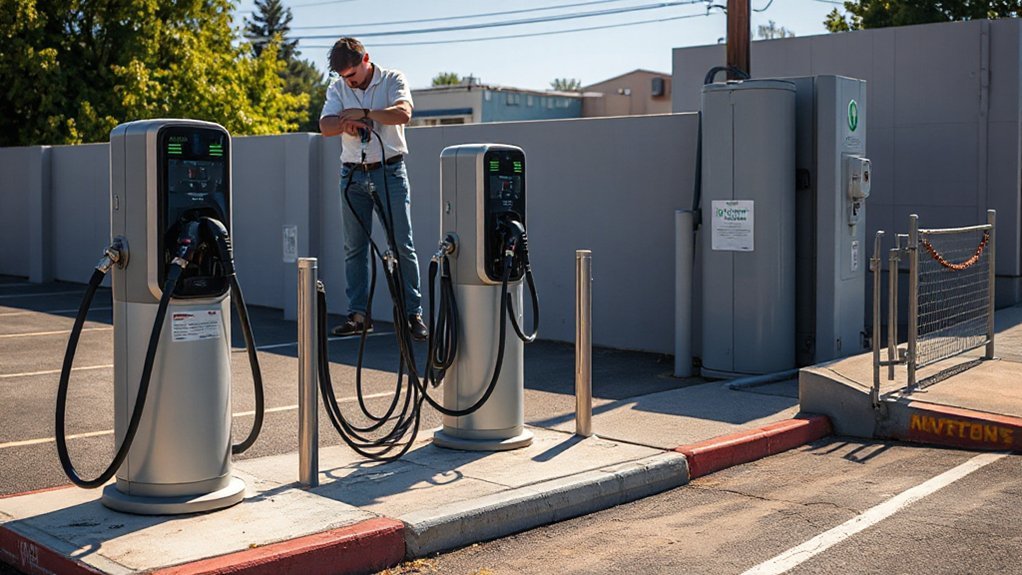
Every EV charging franchise carries three persistent cost centers: network fees, maintenance, and site lease. You’ll pay network fees for roaming access, software licenses, payment processing, cybersecurity, and uptime SLAs; benchmark them per-port and audit invoice accuracy monthly. Maintenance spans preventive inspections, parts, remote diagnostics, firmware updates, and emergency callouts; codify response times and vendor KPIs. Budget Insurance Premiums aligned to electrical, cyber, and general liability exposures, and require Staff Training for safe lockout/tagout and PCI compliance. Your site lease should define rent escalators, utility passthroughs, signage rights, easements, snow removal, and hours-of-operation. Model electricity as a separate COGS line. Track depreciation versus O&M to avoid misclassifying expenses. Build reserves for component failures and clarify warranty coverage and exclusions. Document meter reads and reconciliations.
Incentives, Grants, and Revenue-Sharing to Reduce Upfront Capital

How can you shrink cash outlay without tripping compliance wires? Leverage public incentives first, then structure revenue-sharing so partners co-fund hardware while you retain operational control. Map eligibility criteria line-by-line: location, utility territory, charger power class, prevailing wage, and Buy America provisions. Document cost basis to substantiate Tax Credits and avoid recapture. Align branding and data rights before accepting Corporate Sponsorships; confirm FTC endorsement rules and privacy statutes. Lock grant milestones into your EPC contracts to prevent slip-ups.
- Stackable incentives: federal ITC, state rebates, utility make-ready; sequence to avoid double-dipping.
- Municipality grants: tie awards to uptime SLAs, ADA access, and NEVI-compliant reporting.
- Host-site revenue shares: negotiated on kWh, dwell time, or parking validation; audit quarterly.
- Naming-rights sponsors fund hardware for signage and CSR metrics.
Financing Options and Sample Startup Budgets

Because capital structure determines control and risk, you should map financing options to your site mix and incentive stack before you price hardware. Prioritize lowest-cost capital first: utility make-ready, grants, and ITC transfer proceeds; then layer franchisee equity, sponsor loans, SBA 7(a)/504, equipment leases, and PACE for civil work. Compare fixed-rate debt vs revenue-based financing; stress-test DSCR at 1.35x under 30% utilization. Align covenants with host agreements and network uptime SLAs.
Sample budgets: Level 2, 4 ports—$90k–$160k all-in; finance 20% equity, 60% debt at 8%, 20% rebates/ITC. DC fast, 2 stalls—$350k–$650k; structure 25% equity, 50% debt, 25% incentives. Model O&M reserve (3% of capex), warranty gaps, merchant fees, and working capital. Incorporate Tax strategies and Exit planning from day one. Validate assumptions quarterly, independently.
Conclusion
You’ve seen the true drivers: hardware, installation, power, and time. Build scenarios for Level 2 versus DC fast, include trenching, transformer upgrades, permits, and soft costs. Quantify recurring network, maintenance, and lease fees. Pursue incentives, make‑ready aid, and revenue‑sharing; align financing to milestones. Validate codes, ADA access, utility interconnection, warranties, and SLAs—then phase procurement to limit risk. In short, measure twice, cut once, and you’ll launch compliant, capital‑efficient, scalable charging sites on time and budget.