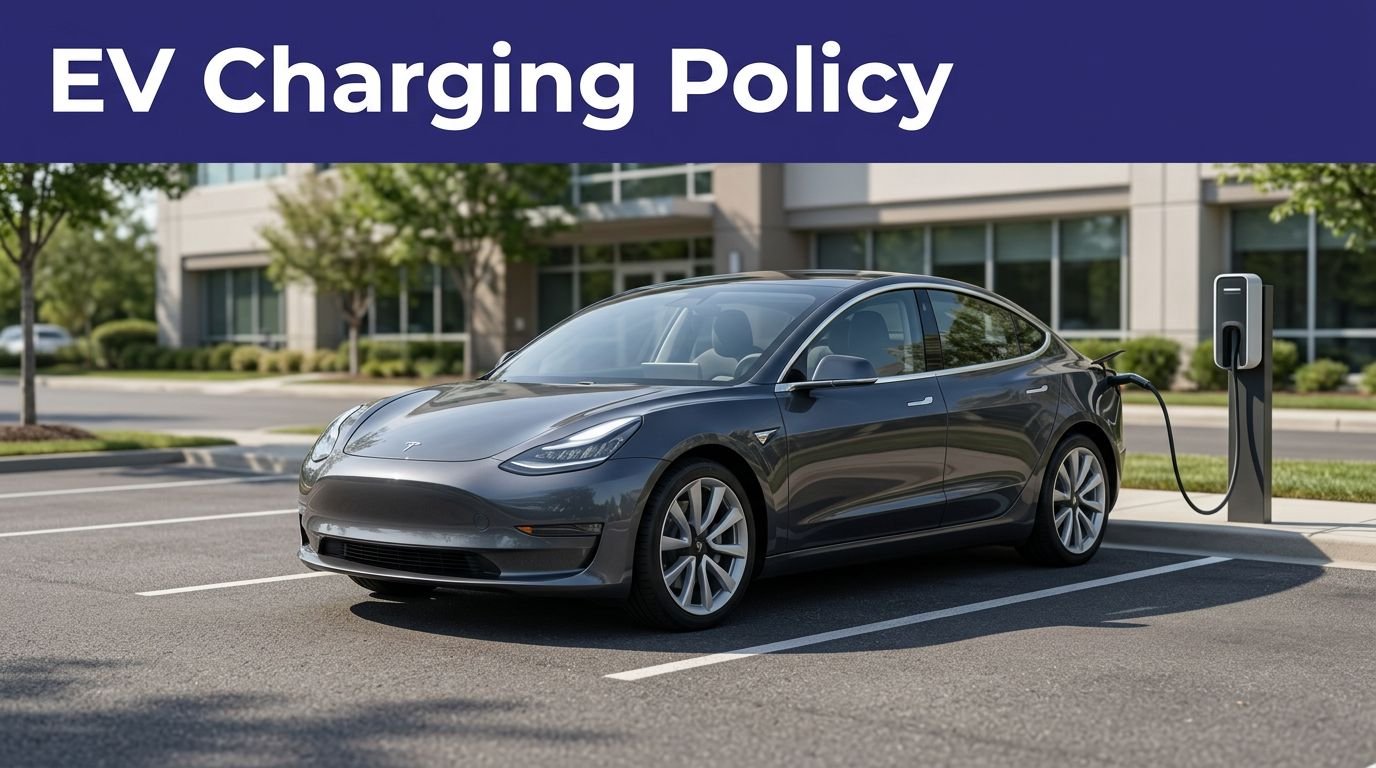
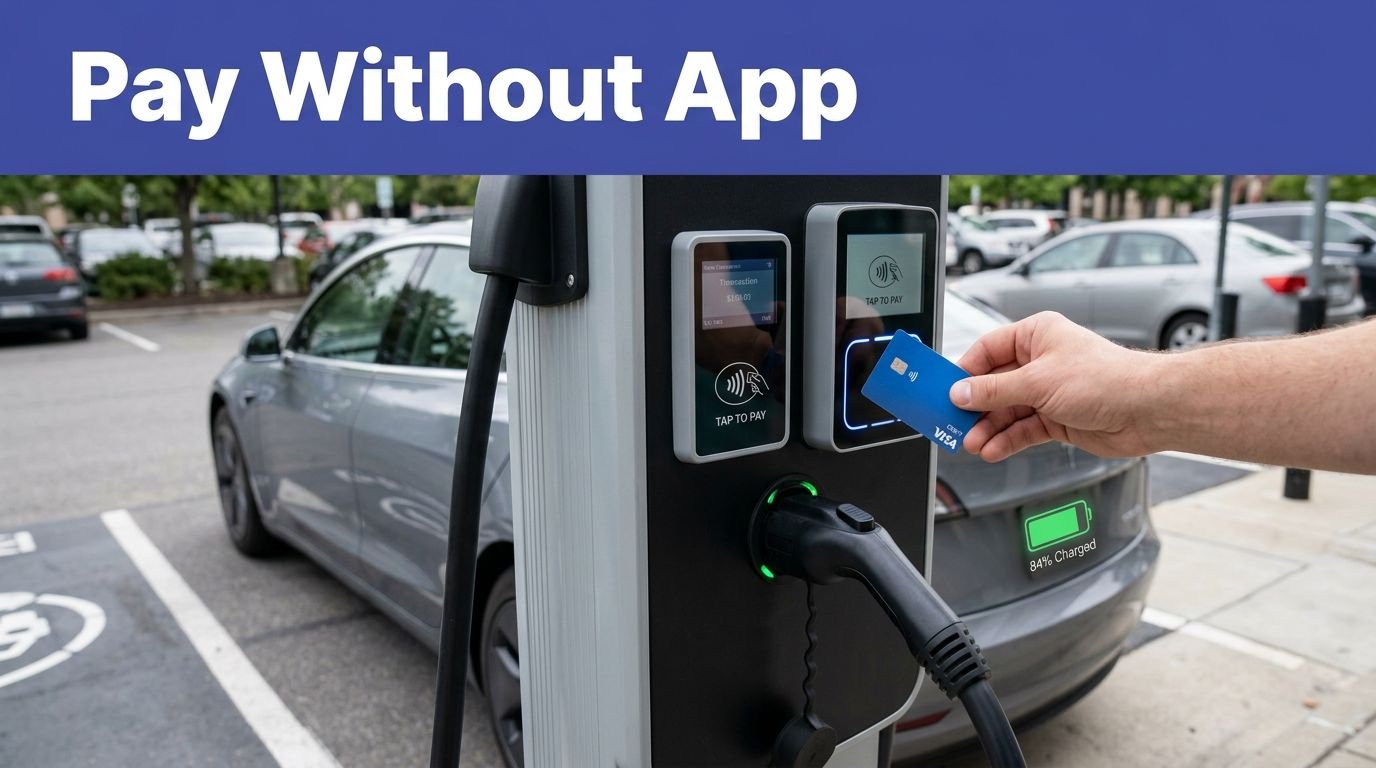
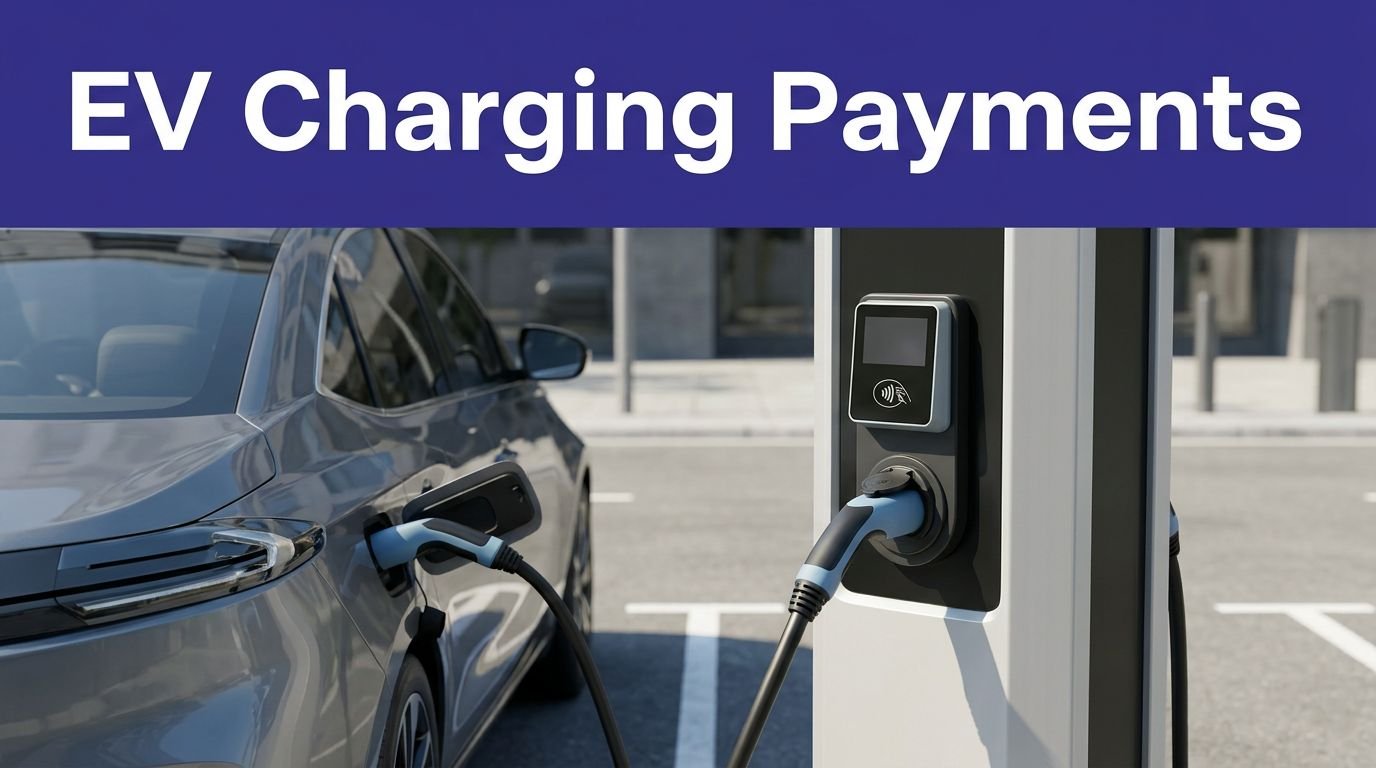
With NEVI-funded sites rolling out at Pilot/Flying J and GM’s network pivoting to BP Pulse and Tesla NACS, you face a shifting baseline. You’re weighing 12–18 month paybacks against 20–30% capex subsidies, 97% uptime SLAs, and 4–8% royalties that erode margins. Hardware reliability, utility interconnection timelines, and demand charges can break pro formas. You need franchises with audit rights, fleet contracts, and storage-ready designs—so which models still pencil when rebates step down and load spikes?
Key Takeaways
- Define evaluation framework: weighted criteria including unit economics, uptime, CAC, site host terms, franchisor stability; require audited uptime and meter-verified revenue.
- Compare L2 vs DCFC economics: CapEx ranges, utilization targets, pricing, margins; DCFC higher demand-charge risk; L2 simpler permitting, higher gross margins at mid utilization.
- Stress-test payback and sensitivities: model 50% throughput, +15% CapEx, demand charges; target sub-36-month payback; avoid franchises without transparent, auditable data.
- Assess operations and reliability: insist 99.5%+ uptime SLAs, MTTR < 24 hours, OCPP, open APIs, predictive maintenance, hot-swappable modules, cellular fallback, remote diagnostics.
- Evaluate power and deployment feasibility: interconnection timelines 12–36 months, utility rebates, make-ready costs, site design needs; secure installer SLAs ≤10 business days.
How We Evaluated EV Charging Franchises
How do you separate signal from hype? You start with comparable metrics and auditable data. We weighted unit economics (payback, IRR, margin volatility), network reliability (uptime, mean-time-to-repair), customer acquisition cost, site host terms, and franchisor stability. You’ll see Scoring transparency: each criterion carries a published weight, with sources cited and calculations reproducible. To control Reviewer bias, two analysts scored independently; a third reconciled variance above predefined thresholds. We adjusted for incentives risk, utility interconnect timelines, supply-chain exposure, and working-capital needs. We normalized results by market density and tariff structures, then stress-tested assumptions with sensitivity analyses. Finally, we excluded claims lacking meter-verified revenue or independently audited uptime, and we flagged legal actions, churn, or covenant breaches that threaten ROI. Plus franchisee support quality benchmark evidence.
Level 2 vs. DC Fast Charging: Business Models and Margins

You’ll weigh CapEx and site requirements: Level 2 often runs ~$5k–$15k per port with modest power upgrades, while DC fast charging can cost $80k–$200k+ per dispenser plus utility upgrades, demand-charge exposure, and permitting complexity. Utilization and throughput differ sharply—Level 2 averages 1–2 sessions/port/day at 6–10 hours each, whereas DCFC can see 10–20 sessions/day at 20–40 minutes, yielding far higher kWh but more volatility. Pricing and margins follow: Level 2 at $0.20–$0.35/kWh or session fees can net 40–60% gross margin at mid utilization, while DCFC at $0.35–$0.60/kWh may compress to 15–35% unless you secure TOU rates, managed demand, and strong co-location traffic.
CapEx and Site Requirements
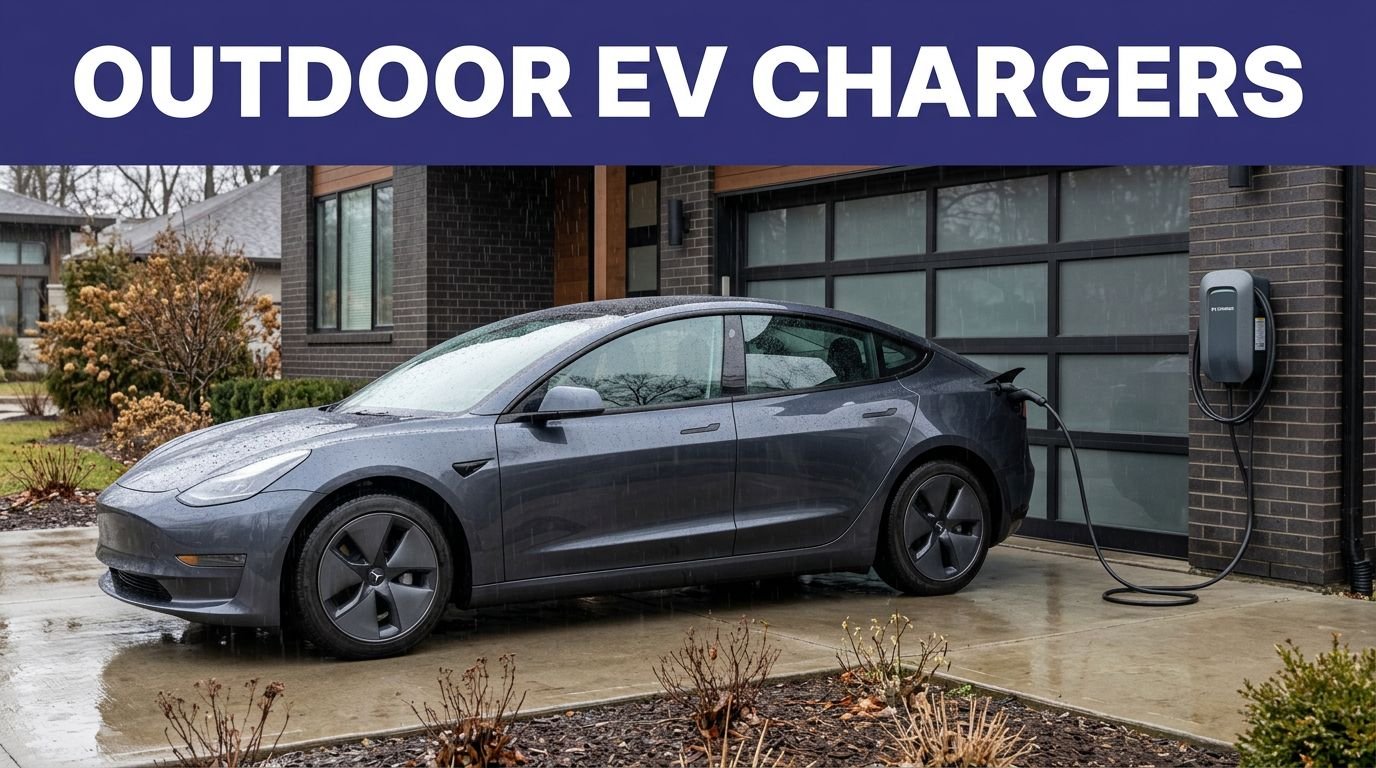
While both models can work, the CapEx and site profile diverge sharply between Level 2 (L2) and DC fast charging (DCFC), and that drives margins and risk. L2 typically costs $6k–$12k per port installed with minimal utility upgrades; DCFC often runs $120k–$250k per dispenser, plus $50k–$300k for switchgear, trenching, and make‑ready. You’ll vet power availability early: 208–240V single/three‑phase for L2 versus 480V three‑phase and dedicated transformers for DCFC. Plan permitting: ADA layout, setbacks, stormwater mitigation, and soil testing can add 5%–15% to budget. Small footprints (2–6 spaces) suit L2; DCFC demands pull‑through bays, bollards, canopies, and clear ingress/egress. Negotiate demand‑charge alternatives and utility rebates upfront. Choose sites with short conduit runs and co‑locate power rooms to compress timelines and safeguard ROI and reduce overruns.
Utilization Rates and Throughput
Why do utilization and throughput dictate your margin profile? Because idle chargers sink ROI, while fast turns concentrate revenue on fixed costs. Level 2 needs long dwell; you win near workplaces or hotels with stable temporal patterns. DC fast charging (DCFC) monetizes speed; you win on corridors with high turnover and grid capacity. Model sessions/day/port, kWh/session, minutes/occupancy, and queue dynamics. Target 15–25% utilization for L2 stability, 10–15% for DCFC breakeven, rising to 25%+ for strong returns. Validate feeder limits and co-location that expands throughput without cannibalization. Forecast seasonality, event spikes, and charger downtime to right-size ports and avoid stranded capital during local demand swings.
| Metric | L2 Target | DCFC Target |
|---|---|---|
| Sessions/port/day | 3–6 | 6–12 |
| Avg kWh/session | 8–16 | 20–40 |
| Avg minutes/session | 120–480 | 15–40 |
| Throughput kWh/port/day | 30–60 | 120–300 |
Pricing Models and Margins
Pricing locks in how utilization converts to cash flow. With Level 2, you typically earn via time-based or kWh rates, parking add-ons, and subscription tiers. Margins hinge on low power costs and longer dwell; at 20–30% utilization, you can clear 40–60% gross margin if demand charges are minimal. DC fast charging depends on kWh premiums, session fees, and bundled services (loyalty, fleet access). High power and demand charges compress margin; you’ll target 15–35% gross margin at 10–25% utilization, rising with managed charging and solar + storage.
Design pricing ladders: peak/off-peak, idle fees, fleet contracts, and memberships. Track CAC payback by site: ARPU per stall, churn, and station uptime. Stress-test against utility hikes, card fees, and warranty liabilities. Model incentives, taxes, and revenue-sharing clauses carefully.
Upfront Costs, Royalties, and Payback Timelines

You need a clear franchise fee breakdown—brand fee ($25k–$75k), site work, and hardware CAPEX (about $12k–$20k per L2 port; $120k–$250k per DC fast port)—so you can model total outlay. Map ongoing royalty structures (5%–8% of gross revenue or $0.02–$0.06/kWh) alongside network, software, and maintenance fees to your unit economics. Estimate payback timelines (L2: 5–8 years at 10%–20% utilization; DCFC: 3–6 years at 15%–30%) and run sensitivities for electricity prices, demand charges, and incentive variability.
Franchise Fee Breakdown



Three numbers matter most: upfront fees, ongoing royalties, and time-to-payback. Start by mapping Fee Allocation: franchise fee ($25k–$60k), territory rights ($5k–$20k), training and launch ($10k–$30k), and initial equipment deposits ($80k–$250k) for Level 2 vs. DC fast chargers. Validate working capital needs for 6–12 months of site leasing, utilities, insurance, and marketing. Demand Franchise Transparency: audited cost ranges, vendor margins, and who owns hardware, software, and data. Model cash flows using utilization assumptions (10–25% for Year 1), average session revenue ($6–$18), and gross margin after electricity and network fees (35–55%). Target payback under 36 months; stress-test at 50% of projected throughput and 15% higher capex. If the pro forma still beats your hurdle IRR, proceed; if not, walk. Document assumptions and require itemized invoices upfront.
Ongoing Royalty Structures
Building on the fee map, the real drag on returns often comes from royalty design. You should model percent-of-gross vs percent-of-net and minimum monthly floors. Usage volatility, card fees, and utility pass-throughs can skew “gross” definitions, so demand Royalty Transparency and precise exclusions. Push for declining tiers tied to kWh throughput, not top-line revenue, to preserve margins at scale. Insist on Audit Rights, capped marketing levies, and latency on fee increases. Ask whether software, networking, and support are bundled or billed separately; unbundled tech tolls behave like shadow royalties.
| Factor | ROI impact |
|---|---|
| Gross pct | Margin squeeze in cheap-power sites |
| Net pct | Needs tight expense rules |
| Flat fee | Predictable; weak in low volume |
| Tiered by kWh | Better take at scale |
Document waiver triggers.
Payback Period Estimates
While site, equipment, and grid-upgrade costs set the starting line, royalty design and demand charges determine how quickly you reach breakeven. Model payback by mapping capex ($150k–$600k per site), incentives (30% ITC or utility rebates), throughput (sessions/day, kWh/session), pricing ($0.30–$0.55/kWh), and take-rates. Subtract royalties (3%–8% of revenue), network fees, and demand charges that can swing monthly opex by 20%–40%. In moderate-traffic corridors, you’ll see 3.5–6.5 year paybacks; destination sites with high dwell and DCFC mix can compress to 2.5–4 years if incentives hit. Stress-test downside: 20% lower utilization can push payback past 8 years. Align with Investor behavior: favor franchises with capped royalties, demand-charge mitigation, transparent data access, and clear Exit planning options within 5–7 years. Prefer multi-site ramp schedules and conservative financing buffers.
Hardware Reliability, Network Uptime, and Software Ecosystems

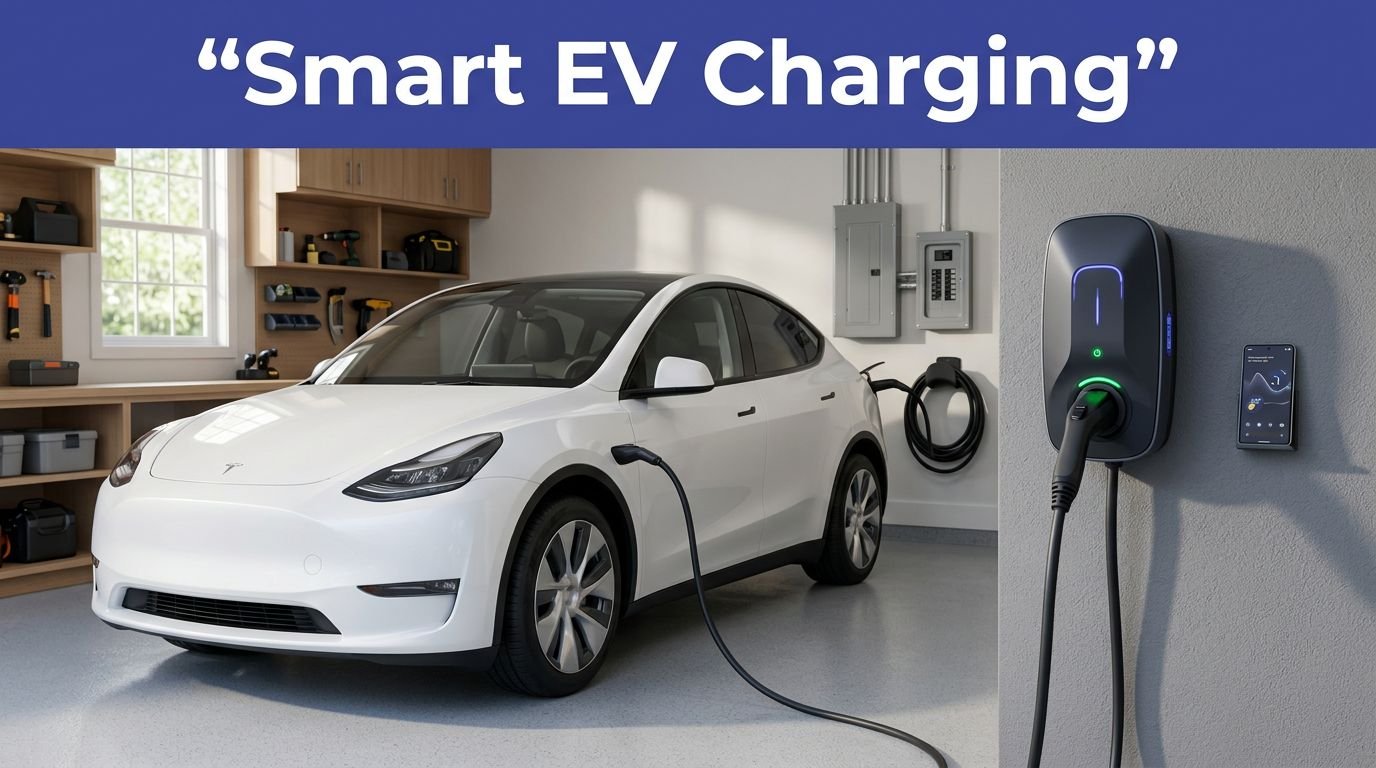
Because downtime directly erodes revenue, evaluate EV charging franchises on three pillars: hardware reliability, network uptime, and the software ecosystem. Prioritize MTBF data, 99.5%+ uptime SLAs, hot‑swappable modules, and remote diagnostics. Demand Predictive maintenance, parts logistics, and redundant comms to cut truck rolls. On software, require Open APIs, OCPP compliance, robust analytics, and easy CRM/PMS integrations to grow utilization and CAC efficiency.
| Risk | Signal | Emotion |
|---|---|---|
| ConnectorFaults | HighRMA | Frustration |
| SiteOutages | SLABreaches | Alarm |
| AppOrPaymentFailures | CrashLogs | Doubt |
| NoOpenAPIs | ClosedRoadmap | Constraint |
| WeakPredictiveAlerts | SparseTelemetry | Exposure |
Verify cellular fallback, power module derating behavior, and field-service SLAs with liquidated damages. Compare charger restart times, ghost-session rates, and payment authorization latency; each metric affects throughput and reputation. Favor platforms with role-based controls, firmware rollback, and audit trails. Your goal: resilient revenue per stall, minimal churn, and predictable OPEX. Reduce false alarms via thresholds.
Incentives and Financing: NEVI, Utility Rebates, and Tax Credits

Done right, incentives can cut your upfront and operating costs by 40–80% and pull payback forward by years, but only if you engineer for compliance and stack them cleanly. NEVI can fund up to 80% of eligible CAPEX if you meet eligibility criteria: Buy America components, 150 kW per port, 97% uptime, open payment, OCPP, and prevailing-wage. Utilities often cover make‑ready, offer demand‑charge relief, or pay per‑port rebates. The 30C tax credit delivers up to 30% (capped at $100k per dispenser) if you satisfy wage/apprenticeship and census‑tract rules; pair with 5‑year MACRS and 40% bonus depreciation in 2025. Use bridge financing or C‑PACE to match cash flows. Manage risk with airtight documentation, compliance reporting, milestone invoicing, and clawback‑aware contracts. Retain experienced grant counsel early.
Fleet, Site-Host Demand, and Ideal Locations

Where will predictable electrons meet predictable wallets? You target fleets first: delivery, rideshare, municipal, and private shuttles. They deliver repeat sessions, high utilization, and contracted revenue. Map depots and shift schedules, then size ports to dwell times. Aim for 30–50% weekday utilization in year one and >60% by year three to hit double-digit IRR. Use telematics and route optimization data to prioritize corridors and hubs. For site-hosts, court groceries, pharmacies, QSRs, hotels, and Class A offices with 45–90 minute average dwell. Favor parcels with high parking density, good lighting, and 24/7 access. Validate traffic counts, EV adoption within 10 miles, and nearby competition. Pilot two to four chargers, measure conversion and churn, then scale only where CAC-to-LTV exceeds 1:4. Document SLA compliance and uptime.
Interconnection, Demand Charges, and Policy Risks

Even with a strong pipeline, your IRR will hinge on interconnection timelines, demand-charge exposure, and shifting incentives. Model queue delays of 12–36 months; every quarter slip can shave 100–200 bps from project IRR. Stress-test tariff scenarios: DC fast sites can see 30–50% of OpEx from demand charges absent mitigation. Track Grid resilience upgrades, transformer lead times, and substation capacity. Underwrite policy volatility—NEVI rules, LCFS credits, and state make-readies—using downside cases. Flag Legal challenges around permitting, easements, and utility cost-sharing.
- Obtain utility pre-approval letters and firm upgrade estimates.
- Capex-add: on-site storage, managed charging, solar to clip peaks.
- Negotiate demand charge holidays or ratchets in tariff pilots.
- Build pro formas with P90 utilization and 20% capex overruns.
- Stage capital: notice-to-proceed only after executable interconnect and design.
Training, Installation Partners, and Multi-Unit Expansion

With interconnects and tariffs nailed down, speed to revenue hinges on how you train teams, structure installer partnerships, and replicate sites at scale. Standardize curricula, use onboarding gamification to cut ramp time 30–40%, and require safety certification to lower incidents and premiums. Track installs per crew-day, first-pass inspections, and punch-list closures within 7 days. Secure preferred installer networks with volume tiers, SLAs under 10 business days from permit to energization, and QA checklists. Co-market with EPC partners to reduce CAC 10–20%. For multi-unit growth, template site selection, BOMs, and utility pre-approvals; pre-negotiate switchgear and pedestals to avoid 12–20 week delays. Stage parts locally, centralize NOC support to keep MTTR below 24 hours, and tie bonuses to utilization, safety, and capex variance within ±5%.
Brand-by-Brand Comparison and Best Fits for 2025

How should you pick a 2025 partner when uptime, capex model, and demand-gen vary wildly by brand? Benchmark each franchise on verified uptime (>97%), site host acquisition cost, and revenue share. Favor networks with transparent SLAs, modular hardware, and proven utility interconnects. Model cash-on-cash returns under NEVI and non-NEVI scenarios, and discount rosy pipeline claims. Brand reputation and sustainability messaging should amplify outreach, but reliability and throughput drive unit economics.
Choose networks by verified uptime, transparent SLAs, and modeled returns—reliability and throughput trump branding.
- Prioritize DC fast chargers with 150–350 kW, low derate histories, and remote diagnostics.
- Compare capex-light leases vs ownership; stress-test payback at 30% lower utilization.
- Require published parts MTBF, swap times, and 24/7 field coverage.
- Validate demand-gen via fleet partnerships and app MAUs, not vanity PR.
- Seek API openness for POS, loyalty, and energy management.
Conclusion
You’re choosing a cash‑flow engine, not a logo. Prioritize franchises with declining royalties, 97%+ uptime SLAs (NEVI’s bar), and fleet contracts to stabilize utilization. Use 30C to cut capex by up to 30% (capped at $100,000 per charger) and stack utility rebates. Demand charges can erase margins, so insist on managed demand and solar+storage. If the franchisor can document <5‑year payback at conservative 8–10% utilization, you’re positioned to scale while containing risk and operating costs.