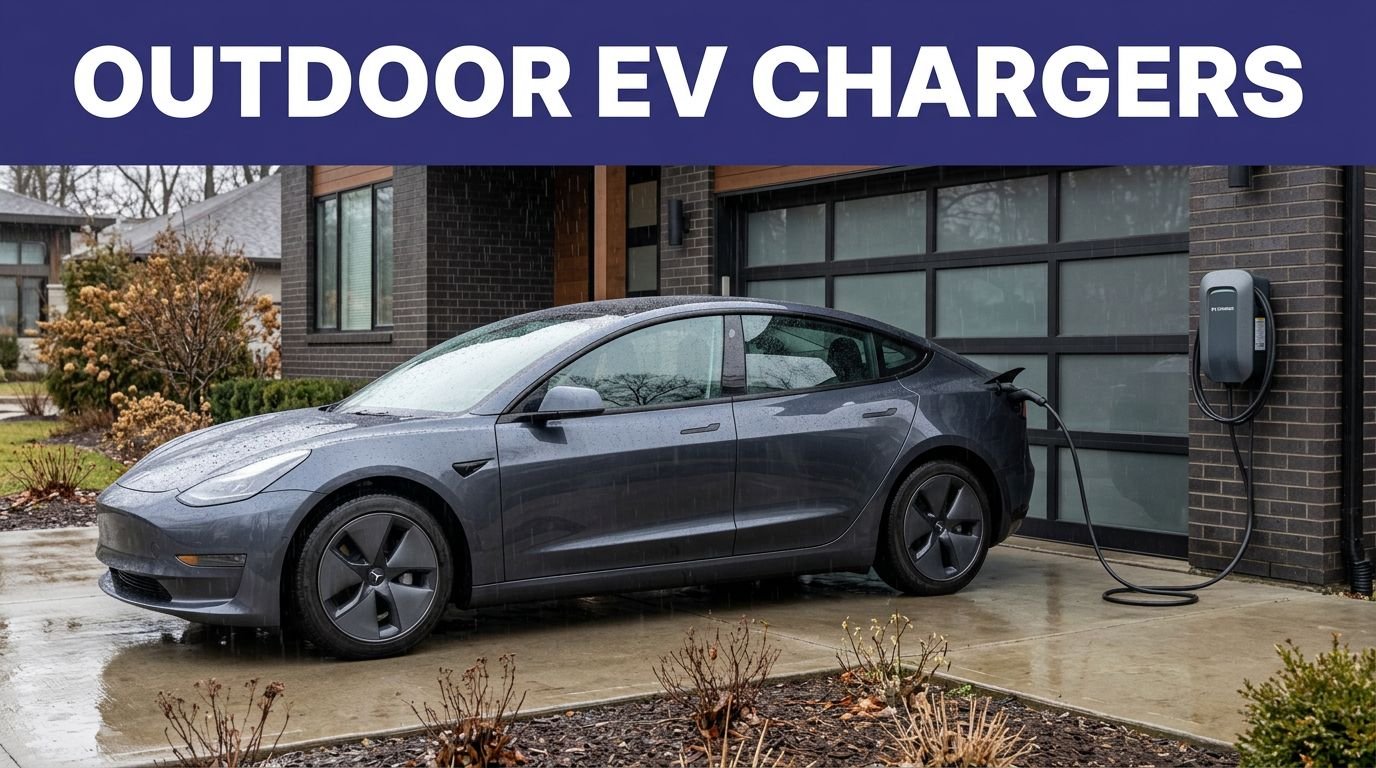
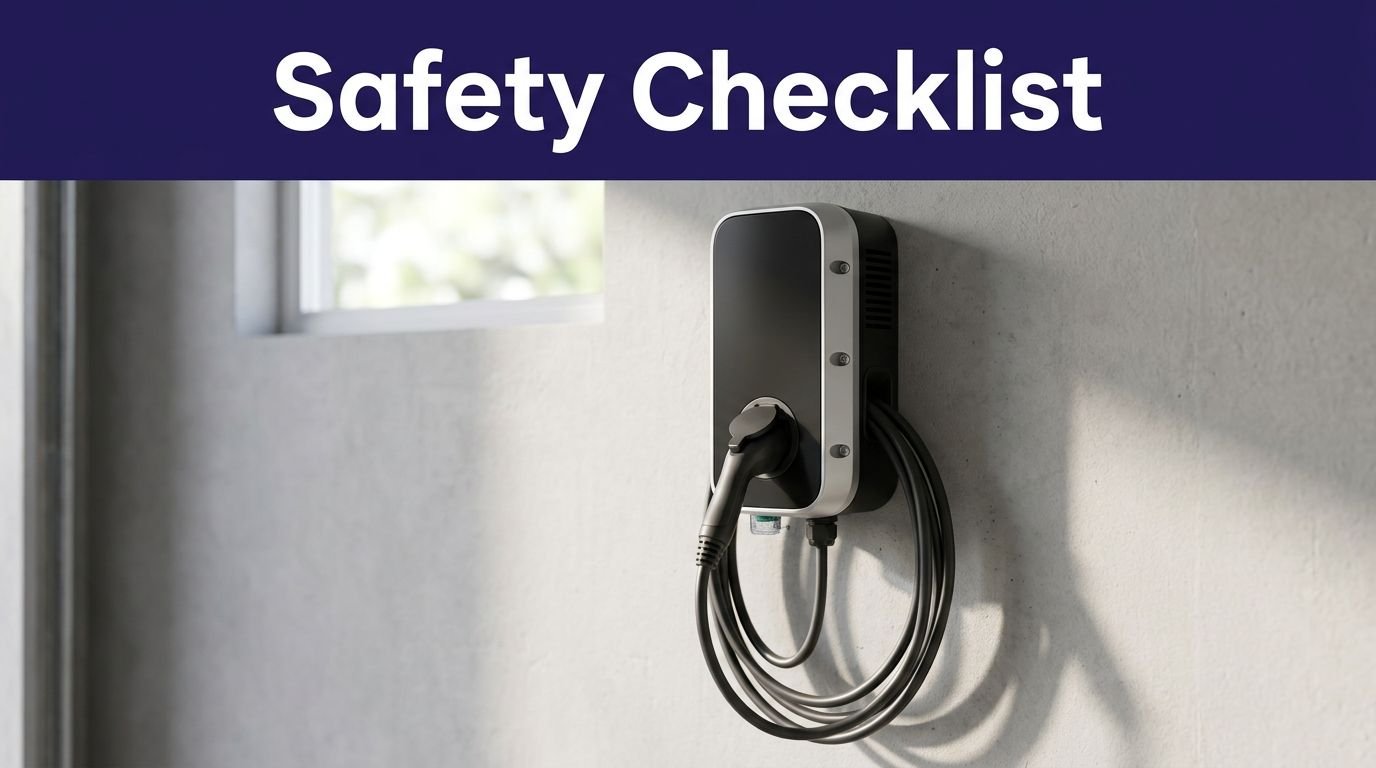
You probably don’t know that many hotel “EV‑friendly” listings are just 120‑V wall outlets or offline units. You need a method to filter for real Level 2 or DC fast options, confirm plug types, hours, and costs, and cross‑check reliability before you book. With a few tools and two quick calls, you can cut risk, protect your battery, and avoid surprise fees—so you don’t roll in late and find no usable port.
Key Takeaways
- Start on major booking sites filtering “EV charging,” then verify on hotel websites, Google Maps, and PlugShare with recent photos.
- Confirm connector types (J1772, CCS, NACS, CHAdeMO), kW ratings, and number of ports match your vehicle or adapters.
- Ask about pricing, access rules, authentication, reservations, idle fees, and request itemized charging charges and onsite support contacts.
- Plan routes anchoring hotel Level 2 overnight, with two nearby DC fast backups; keep 15–25% SOC buffer and precondition before fast charging.
- Follow etiquette and safety: move when charged, share cables, avoid hazards, use well-lit stations, and know international adapters and payment differences.
Where to Find Properties and Use the Right Filters
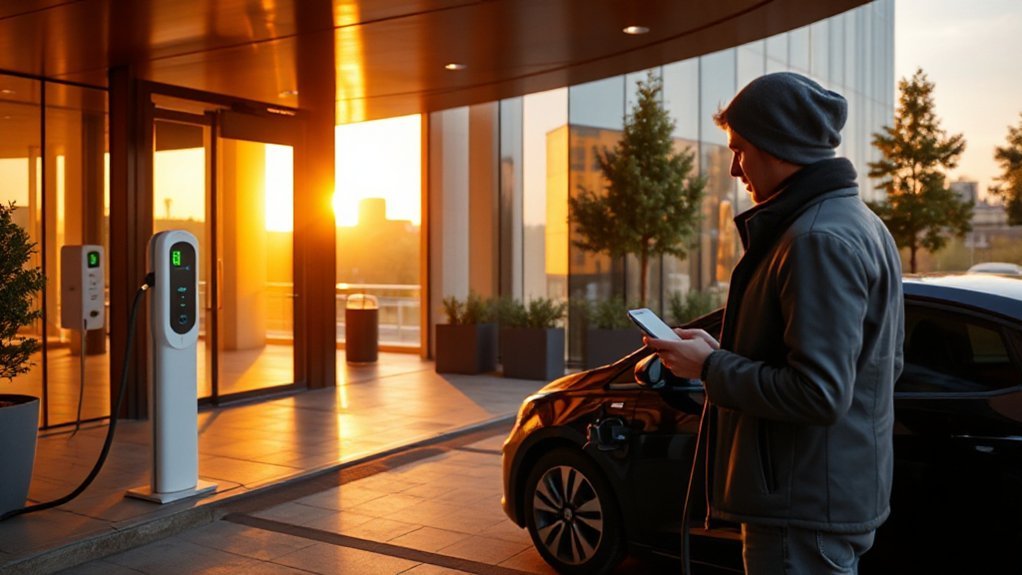
Where should you look? Start with major booking sites that tag “EV charging” as an amenity. Use platform comparisons across Booking, Expedia, and Airbnb to spot consistent listings, then confirm on hotel websites. Cross-check Google Maps and PlugShare to verify onsite status and recent user photos. For business trips, filter by walkability and transit to cut driving and emissions.
Apply smart filter strategies: select “EV charging,” “free parking,” and “onsite parking,” then sort by distance to your route or conference venue. Add sustainability badges (LEED, Green Key) to prioritize lower-impact stays. Read recent reviews for uptime mentions, fees, and access hours. Call the front desk to confirm availability on your dates. Save favorites in a map list to plan efficient charging stops and routes.
Understanding Charger Types, Speeds, and Plug Compatibility
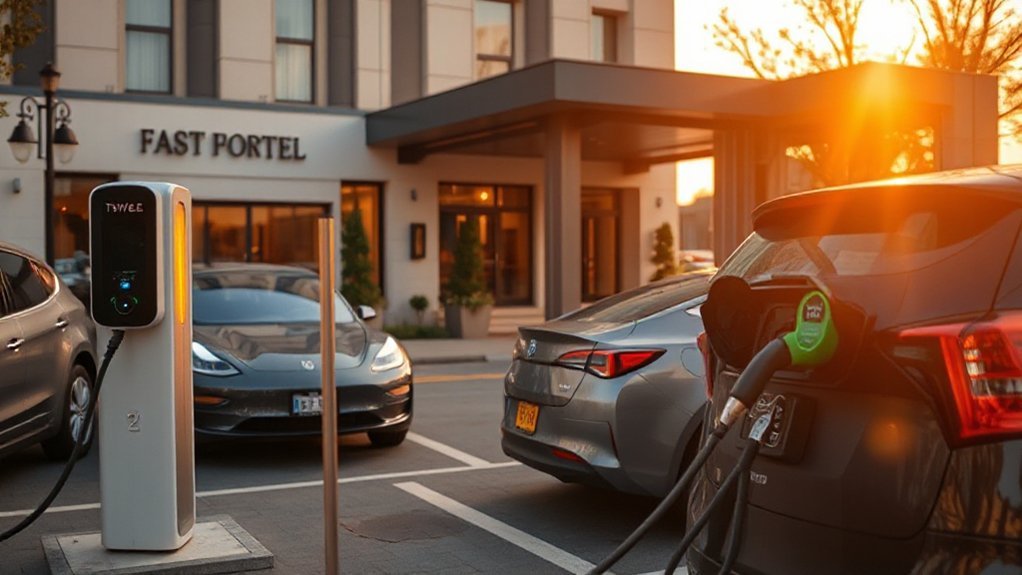
How do you quickly tell if a hotel’s charger will actually fit your car and your schedule? Start by checking Connector Standards. Most North American sites list J1772 for Level 2 and CCS or NACS for DC fast charging; CHAdeMO now appears mostly for older Leafs. Match the plug on your car or a reliable adapter you already own.
Check connector standards: J1772 for Level 2; CCS or NACS for DC fast. Match your plug.
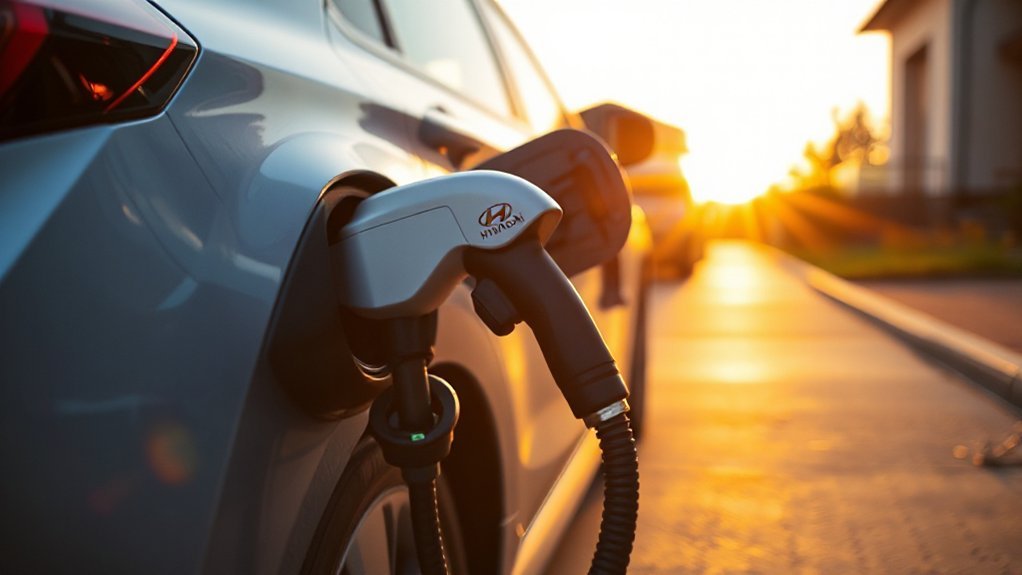
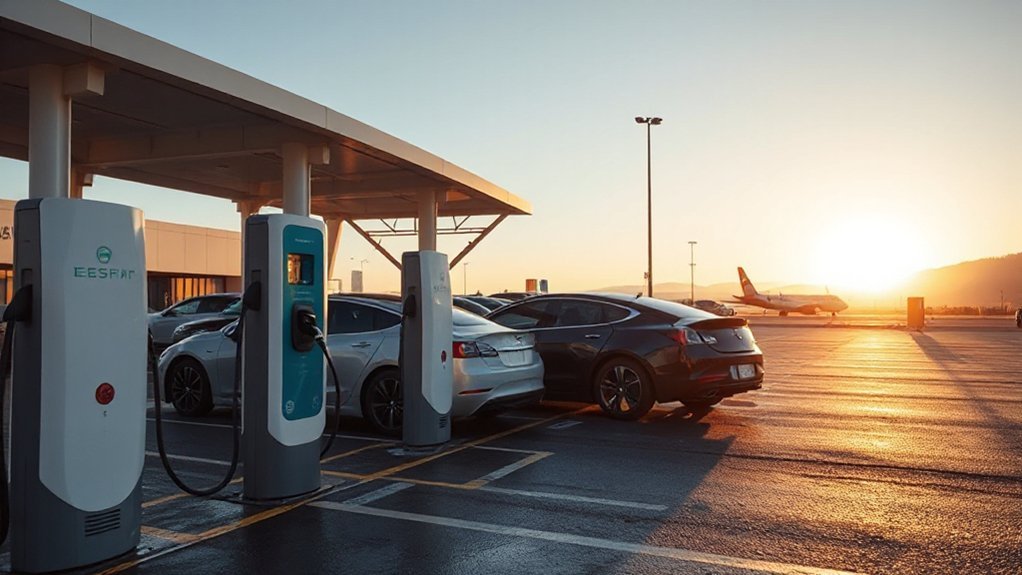

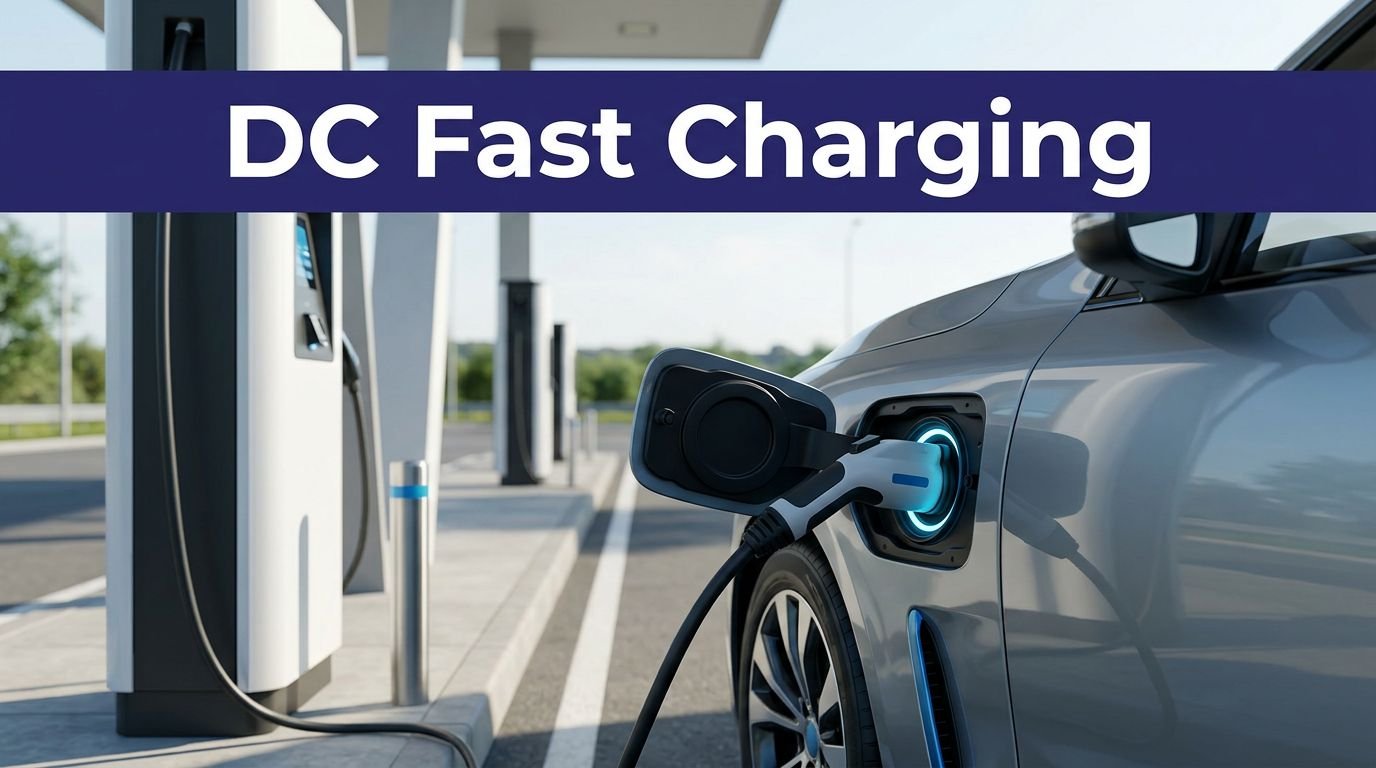
Understand Charging Speeds. Level 2 (6–11 kW) adds roughly 20–40 miles per hour, ideal for overnight. DC fast chargers vary widely (50–350 kW); your car’s max rate and state of charge limit what you’ll actually see.
- Confirm plug type per stall, not just site.
- Note kW ratings and number of ports to avoid bottlenecks.
- Prefer stations with uptime data and maintenance logs.
Costs, Access Rules, and Questions to Ask Before You Book
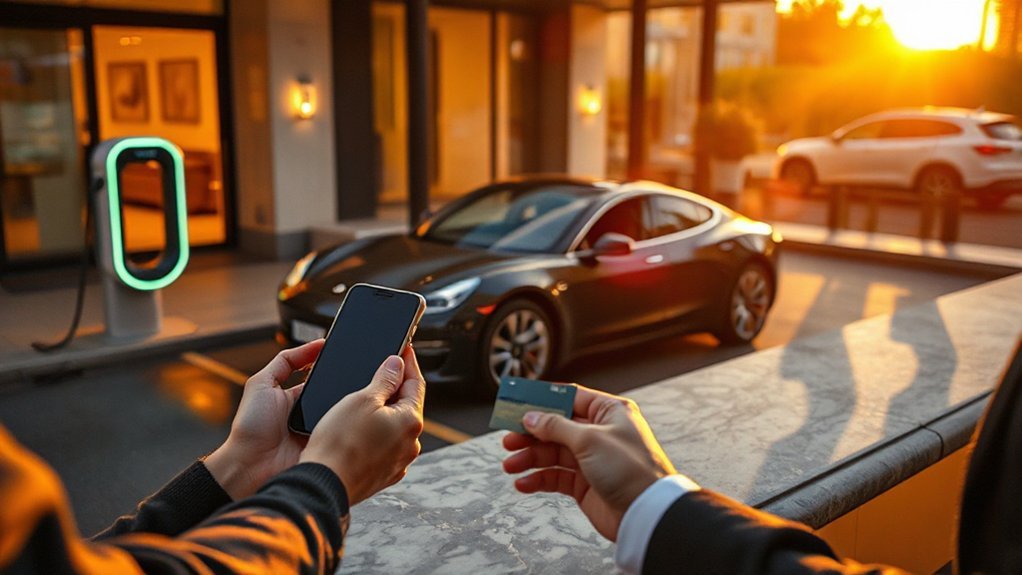
Before you book, nail down what it costs to plug in and who can use the ports. Ask if charging is free, bundled with parking, or metered per kWh or session. Favor Pricing transparency: posted rates, idle fees, and time-of-use details. Clarify access rules—guest-only, valet-only, or open to the public—and hours, authentication method (app, RFID, credit card), and maximum dwell time. Verify hardware counts so you’re not competing with internal fleets. Confirm ADA access and clear signage to reduce circling and emissions. Review Reservation policies: can you reserve a charger, time slots, or waitlists? Ask about penalties for overstays and procedures if a car blocks a port. Finally, request an itemized folio showing charging charges separately. Get contacts for onsite support during charging issues.
Trip Planning, Reliability Checks, and Backup Charging Strategies
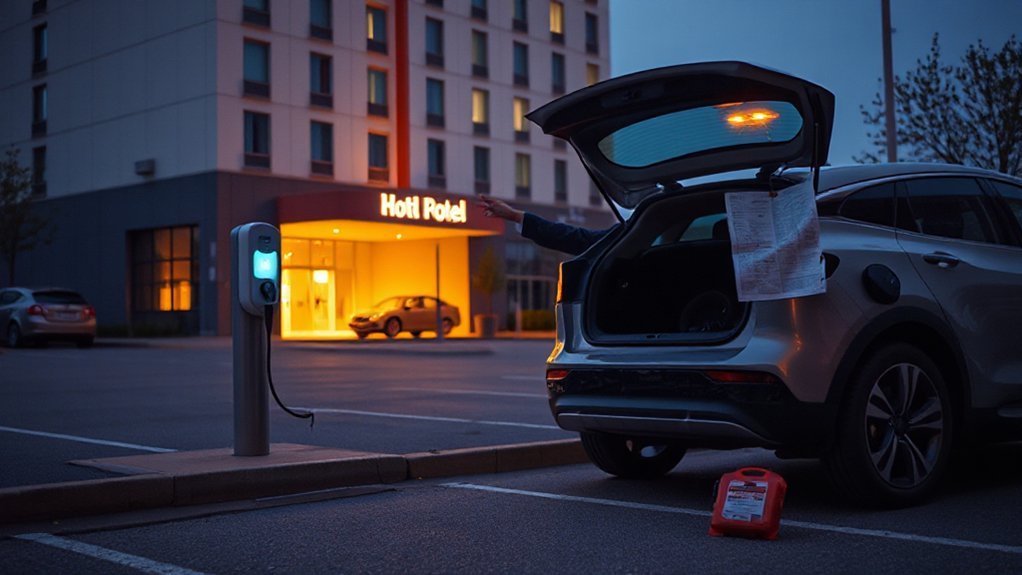
While hotel chargers can anchor your itinerary, plan your route around proven fast‑charging corridors and build redundancy. Use range budgeting to account for weather, elevation, and speed; keep a 15–25% state‑of‑charge buffer so detours don’t become emergencies. Verify reliability with app filters and recent check‑ins; favor stations with multiple plugs and high uptime.
- Cross‑check hotel chargers on two apps, then call the front desk to confirm access hours and port types.
- Do contingency mapping: add two DC fast alternatives within 10–30 miles of each stop, and save them offline.
- Precondition the battery before fast sessions and arrive between 10–40% to minimize dwell time and grid impact.
Log actual consumption versus estimates and refine future legs. Consistency reduces stress and emissions on every electric trip.
Etiquette, Safety Tips, and International Considerations
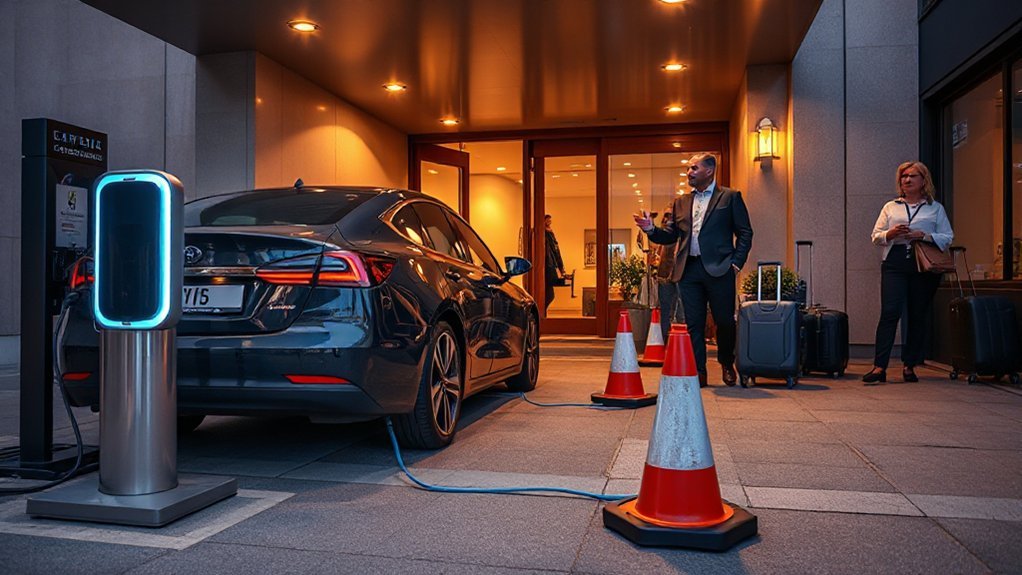
Beyond route redundancy and SOC buffers, courteous and safe charging keeps trips smooth and low‑impact. Practice Hotel courtesy: move when you reach your target, share cables, and free spots for overnight needs. Verify station ratings, lighting, and cameras; data shows illuminated sites reduce incidents.
| Focus | Evidence/Context | Action |
|---|---|---|
| Queue etiquette | Shorter dwell times increase throughput | Unplug at target SOC; leave note |
| Safety basics | NFPA and OEM guidance stress clear cord paths | Lay cords flat; avoid puddles |
| International plugs | Regions vary by standard and supply | Pack approved adapters; check voltage |
| Access/payment | Hotels may require registration | Register at desk; start session in app |
Know Emergency procedures: locate shutoffs, report damage, carry an ABC extinguisher. Abroad, confirm connectors, voltage, and payment rules; avoid unapproved adapters and tripping hazards.
Conclusion
You’re now equipped to book stays that keep your EV—and your trip—running smoothly. Use filters, verify plugs and access, and call to confirm details. Cross-check with PlugShare and Google Maps, and plan a fast‑charge backup. Availability’s rising: the U.S. already has over 60,000 public charging locations. Budget charge time, follow etiquette, and pack adapters abroad. Do this, and you’ll cut emissions, save money, and travel with confidence on every route safely, in any season, everywhere.