You want EV-friendly apartments that cut total cost of ownership, not add range anxiety. Start by filtering for on-site Level 2 chargers, transparent $/kWh, uptime above 95%, and assigned stalls. Confirm guest access, idle fees, metering, maintenance SLAs, and installation timelines. Compare charger-to-unit ratios, availability, and monthly cost against your commute radius and utility incentives. Then call leasing offices to test responsiveness—because the next step can save you hundreds.
Key Takeaways
- Use apartment listing platforms and maps with EV filters; search within your commute radius and verify on-site chargers and parking type.
- Rank candidates by chargers-per-unit, published uptime, access hours, and price per kWh versus nearby public stations.
- Call leasing offices to confirm ownership/maintenance, repair SLAs, pricing details (kWh rate, session/idle fees), and historical downtime.
- Ask about access controls, reserved spots, guest policies, ADA routes, and enforcement to ensure reliable availability and turnover.
- Estimate monthly charging costs and time saved versus public charging, and track options in a spreadsheet to compare ROI and reliability.
How to Search for Apartments With EV Charging Near You
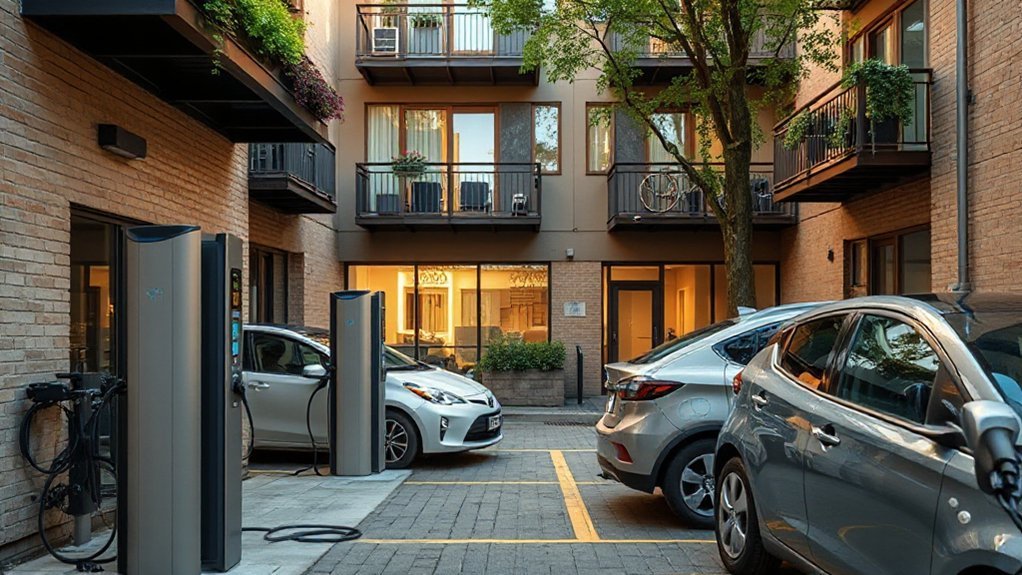
Where should you start? Use listing platforms and maps with EV amenities and apply precise Search Filters: on-site charging, parking type, and availability. Set a commute radius and rank properties by charger count per unit, uptime reports, and price per kWh. Call properties to test Landlord Responsiveness: note callback time, clarity on pricing, and maintenance SLAs. Verify costs against alternatives—public charging and fuel—calculating monthly savings and time avoided. Prioritize buildings that offer usage data or app-based access; data transparency predicts lower downtime. During tours, inspect signage, security, and stall turnover rules that prevent blocking. Negotiate incentives: reserved spots, discounted rates, or bundled electricity. Track options in a spreadsheet scoring cost, reliability, and responsiveness to maximize ROI and minimize range risk and scheduling conflicts avoided.
Must-Know EV Charging Terminology for Renters
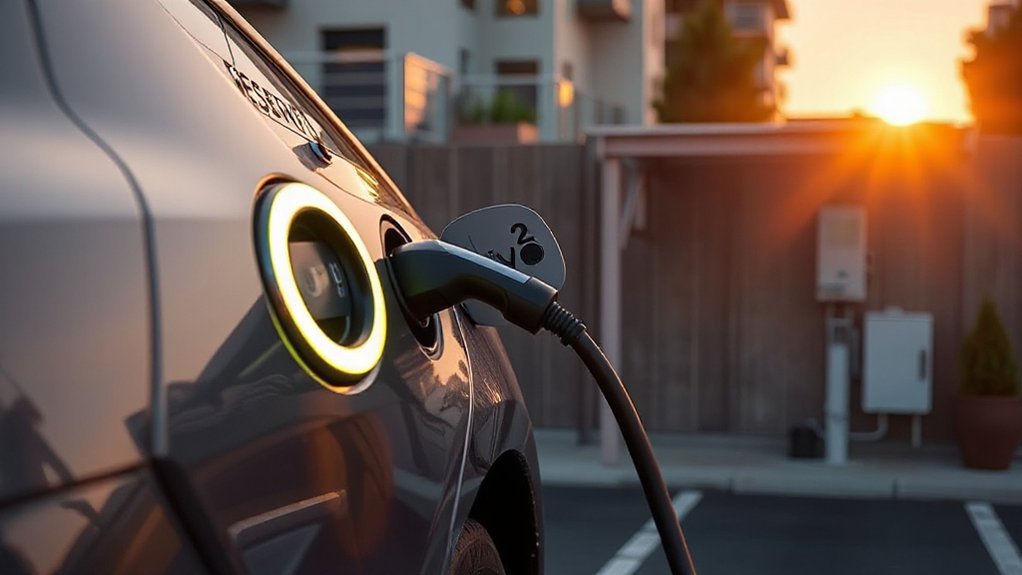
You need to distinguish kW (charging power, rate) from kWh (energy used) to forecast charge time and electricity spend. Understand charging levels: Level 1 ~1.2–1.4 kW, Level 2 ~6–11 kW typical, DC fast 50–350 kW; higher kW cuts hours but can cost more per session. Use your car’s battery size (kWh), charger kW, and utility $/kWh to model hours, nightly miles added, and whether a rent premium pays back via fuel savings.
Kw Vs Kwh
While the terms look similar, kW measures charging power (rate), and kWh measures energy (amount)—and this distinction drives your charging time and cost. You pay for kWh delivered; you wait based on kW available. For apartments, higher kW reduces dwell time but can raise demand charges and Grid Impact, affecting rent or fees. Estimate ROI: multiply battery capacity (kWh) by your typical state-of-charge gap to get energy needed; divide by the available kW to forecast session duration. Pair that with your utility’s $/kWh to project monthly spend. Battery Sizing matters too: larger packs buy range but increase kWh per session, amplifying costs if pricing is per kWh, and stressing circuits if peak kW isn’t managed. Ask property managers for kW, pricing model, and controls.
Charging Levels Explained
How do Level 1, Level 2, and DC fast charging translate into time, cost, and electrical load at an apartment? Level 1 (~1.4 kW on 120V) adds ~4–5 miles/hour, drawing 12A; it’s cheap, uses existing outlets, but requires overnight windows. Level 2 (6–11 kW on 240V) adds ~25–40 miles/hour, drawing 30–48A; expect $600–$2,500 per port installed, with energy at $0.12–$0.30/kWh. DC fast (50–150 kW) delivers 150–600 miles/hour but demands 3‑phase, costly upgrades, demand charges, and isn’t typical for apartments. Your ROI hinges on utilization: target 20–35% use to cover CapEx and maintenance. Follow Standards evolution (J1772, CCS, NACS) and use a clear Labeling guide: post kW, kWh rates, idle fees, and access hours so residents plan efficiently. Track uptime, session length, and revenue metrics.
Comparing Charger Types: Level 1 Vs Level 2 Vs DC Fast
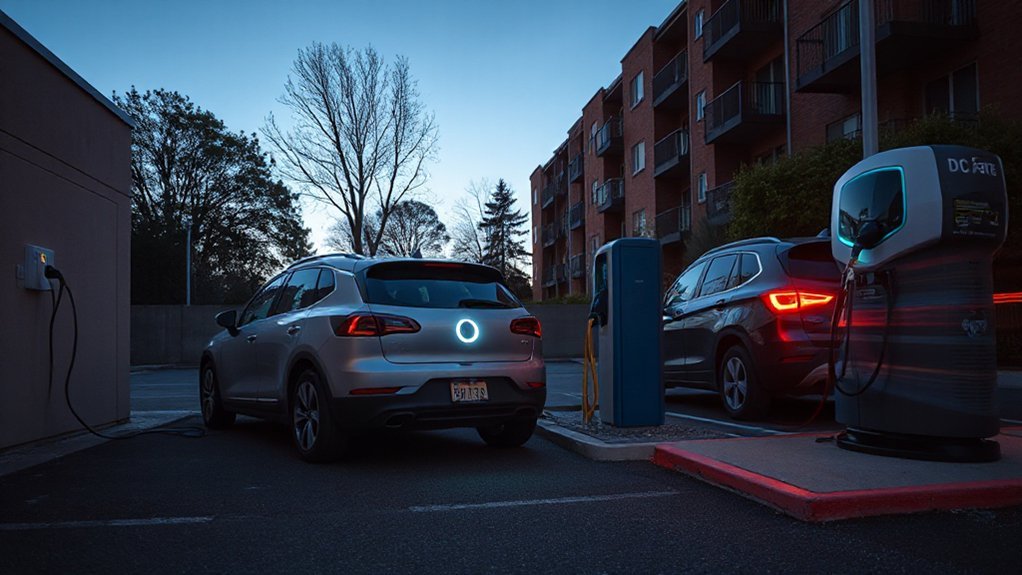
You’ll weigh charging speed against resident dwell time: Level 1 adds ~3–5 miles/hour, Level 2 delivers ~20–40 miles/hour, and DC fast can add 100–200 miles in 20–30 minutes. You’ll model capex and installation: Level 1 can use existing 120V outlets ($0–$200), Level 2 needs 240V circuits and hardware (~$1k–$7k per port installed), and DC fast often runs $40k–$120k+ with potential utility upgrades. You’ll target ROI by matching utilization, demand charges, and rebates—L2 typically optimizes $/kWh delivered and turnover, L1 supports overflow and overnight needs, and DC fast only pencils out with public access or premium pricing.
Charging Speed Comparison
Why do charging speeds matter in apartments? Speed sets turnover, availability, and resident satisfaction. Level 1 delivers ~1.4 kW, adding 3–5 miles/hour—fine for overnight dwellers but limits stall throughput. Level 2 supplies 7–11 kW, adding 25–40 miles/hour, balancing dwell times with space utilization. DC fast provides 50–350 kW, restoring 20–80% in 20–30 minutes, maximizing throughput but stressing grids and vehicles. Faster power raises pack temperatures; monitor ambient temperature and state-of-charge windows to reduce battery aging. Model demand: if drivers average 30 miles/day, one Level 2 port can serve 6–10 vehicles nightly; Level 1 serves 1–2. DC fast suits transient use and peak catch-up. Match speed to dwell profiles, queue lengths, and reliability targets to optimize ROI and uptime. Track usage data to refine allocation.
Cost and Installation
While every apartment property has unique electrical constraints, the cost curve generally scales steeply from Level 1 to Level 2 to DC fast—and so does installation complexity. Level 1 uses existing outlets: $200–$500 hardware per port, minimal install; good for overnight, low-capex pilots. Level 2 runs $600–$1,200 hardware and $2k–$7k install, driven by panel upgrades and trenching; load management can trim 20–40%. DC fast demands $30k–$80k hardware and $20k–$100k install, often with utility upgrades. Permit timelines: Level 1 (0–2 weeks), Level 2 (2–8 months), DC fast (3–12+ months). ROI: $0.20–$0.35/kWh revenue; Level 2 reaches 3–6 year payback at 10–25% utilization; DC fast needs 35–40% or incentives. Prioritize Installer vetting, OCPP networks, rebates (30–70%), SLAs, warranties. Verify metering, pricing controls, and uptime monitoring dashboards, analytics.
Access, Hours, and Uptime: Evaluating Reliability On-Site
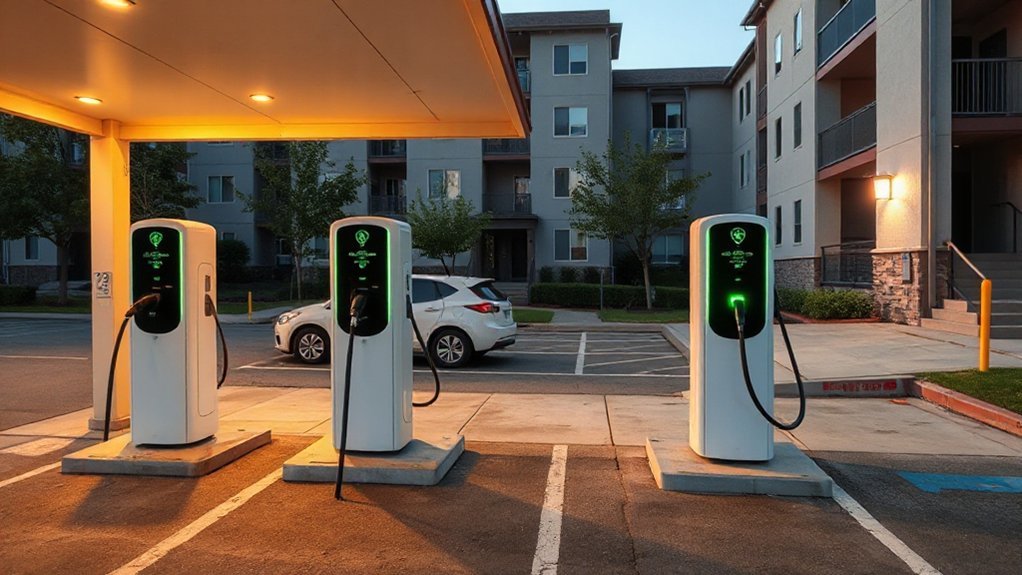
How reliably can residents plug in when it matters? You assess access, hours, and uptime like critical infrastructure. Prioritize 24/7 availability, secure entry, and real-time status data. Require a documented Maintenance schedule and Network redundancy so single-point failures don’t sideline drivers. Track uptime monthly; 99% equals <7.3 hours down per month per port, which protects resident satisfaction and lease renewal.
Assess like critical infrastructure: 24/7 secure access, real-time status, redundancy, 99% uptime safeguards residents.
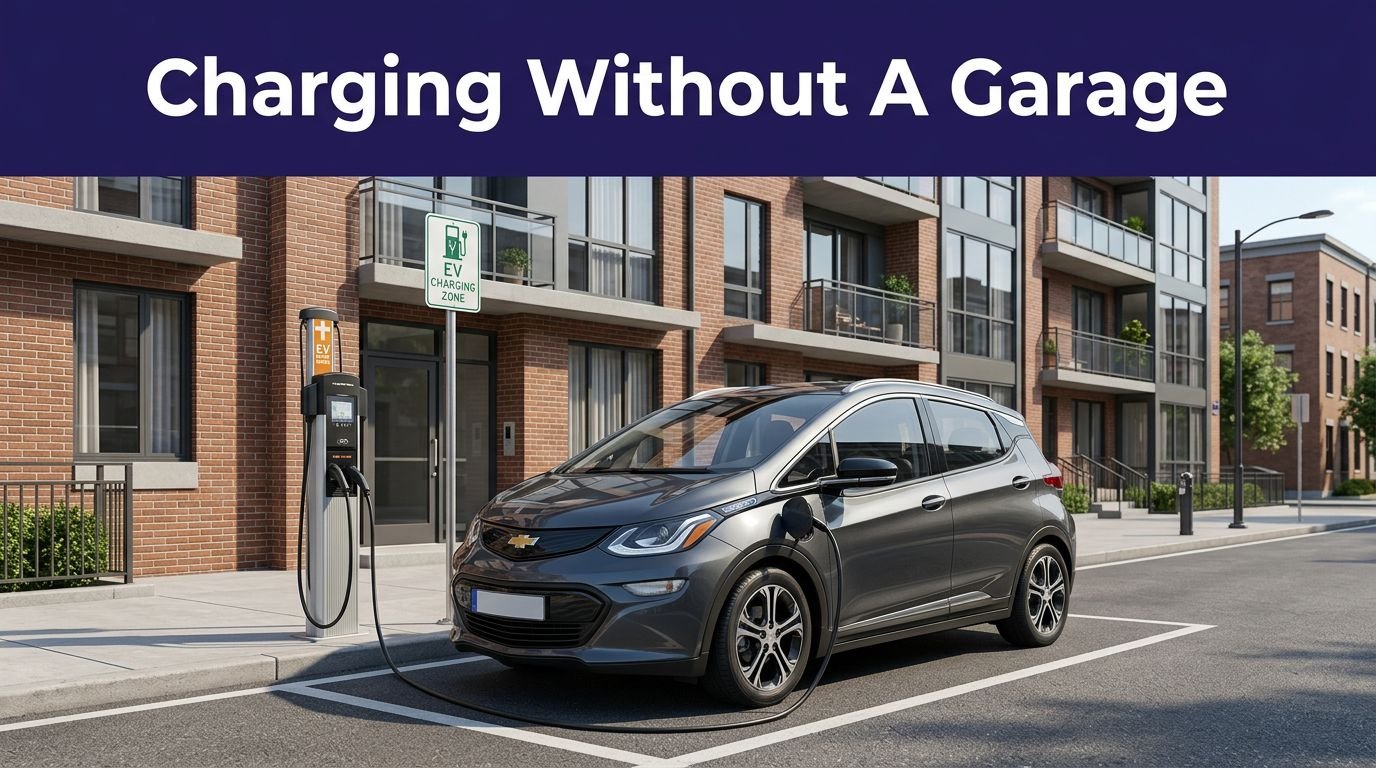

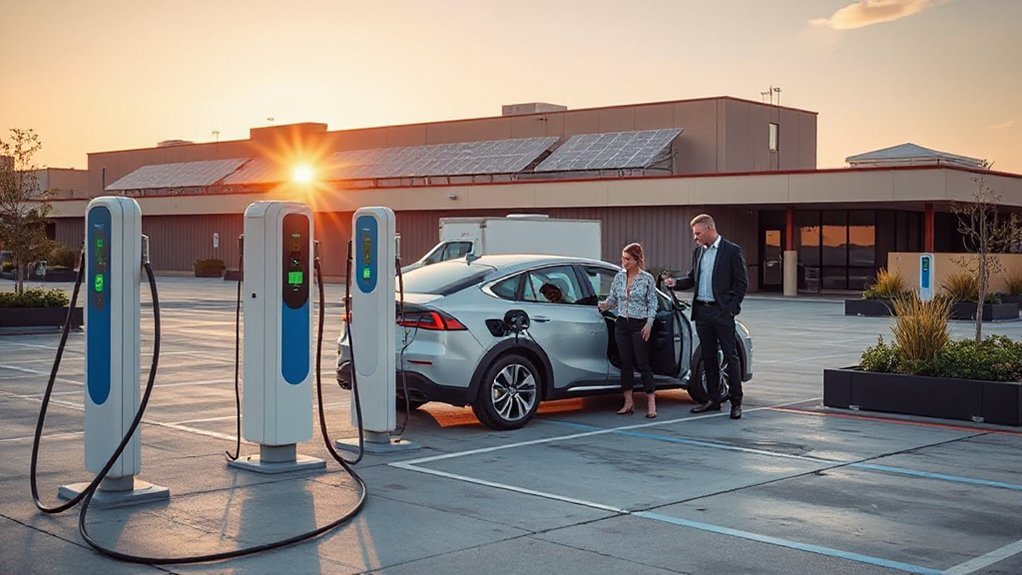

- Access controls: Use key fob or app credentials, visitor policies, and ADA routes. Measure average queuing time and peak occupancy to size ports.
- Hours and operations: Enforce clear rules for dwell time, towing, and alerts. Monitor charger utilization versus parking turnover.
- Uptime assurance: Demand SLAs, remote diagnostics, spare-part inventories, and on-site swap capacity. Audit incident response time and first-time fix rate.
Pricing, Billing, and Utility Rate Plans to Watch

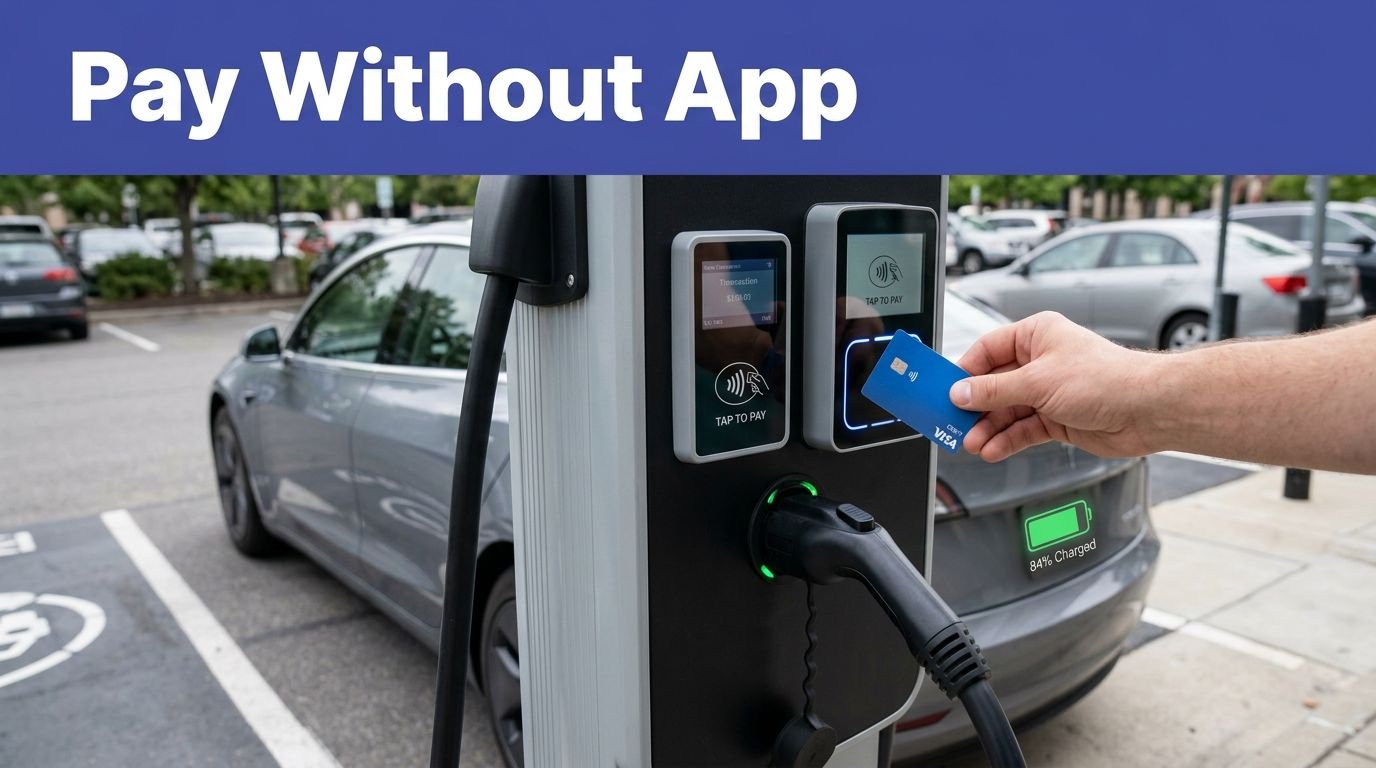
When you price EV charging, tie resident rates to your utility tariff and expected utilization so cash flow stays positive under TOU windows and demand charges. Build a cost stack: energy (¢/kWh by TOU), demand ($/kW), networking, O&M, and capital recovery. Then model sessions per port, dwell time, and charging speed to set per-kWh or per-session pricing that hits target IRR. Use rate optimization: shift charging to off-peak with scheduled start and price signals; add demand limiting to cap kW spikes. Publish billing transparency: show kWh, time, fees, and taxes on receipts. Audit utility EV-specific tariffs, demand charge holidays, and make-ready credits. Reconcile collections monthly, compare margin per kWh to pro forma, and adjust prices quarterly. Track occupancy, turnover, and elasticity for ROI.
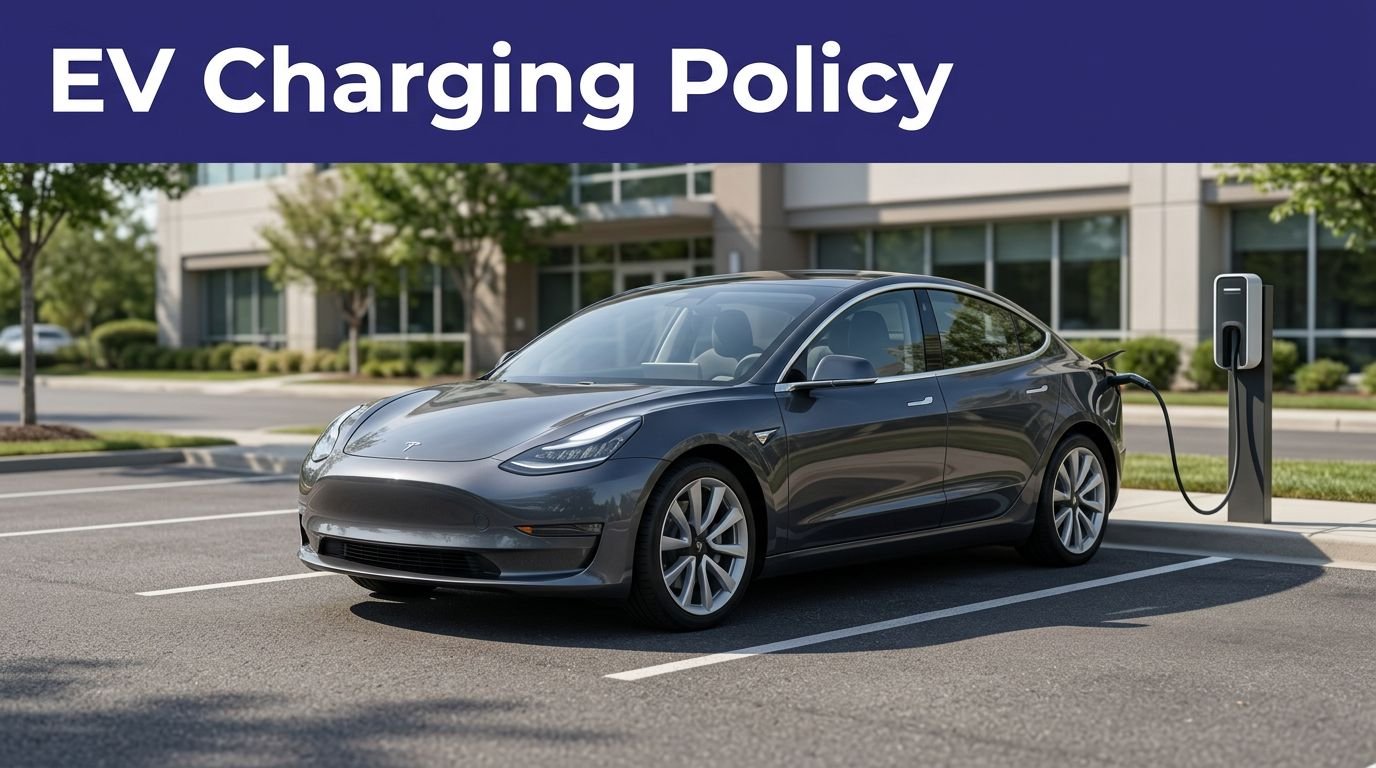
Parking Policies, Reserved Spots, and Guest Charging Rules
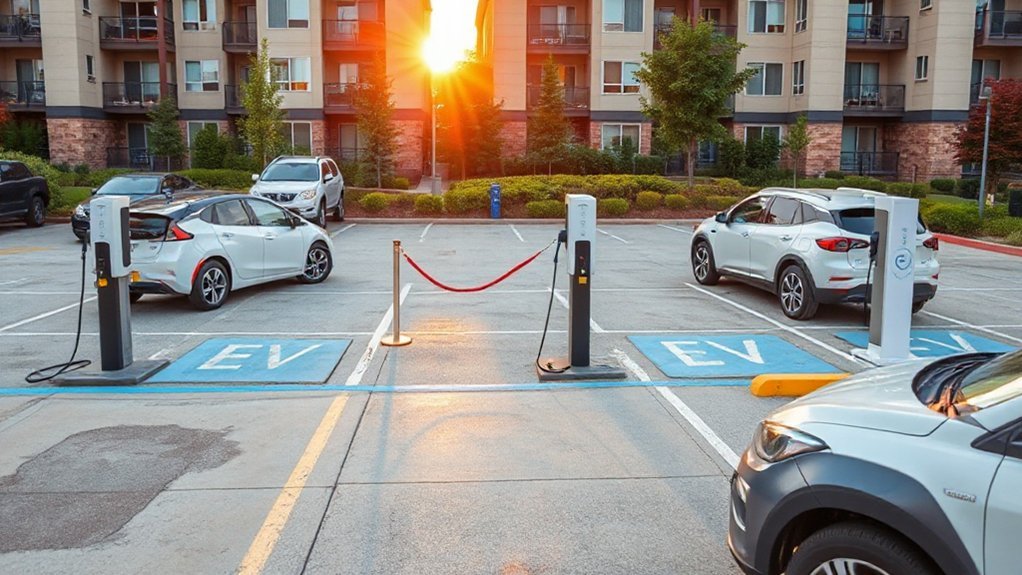
Pricing only works if parking rules sustain the utilization you modeled, so set policies that convert stalls into predictable, billable hours. Treat EV bays like revenue assets: cap dwell time to match charge rates, rotate access, and monetize idle overstays with clear Enforcement penalties.
Turn EV bays into revenue assets: enforce dwell caps, rotate access, monetize idle overstays.
- Reserve a baseline of stalls for residents during evening hours, then open them to guests overnight. Use data from charger session logs to adjust the ratio monthly, targeting 60–80% utilization without queuing.
- Enforce time limits with tiered fees after charging completes. Post Signage requirements at eye level and in-app; ambiguity erodes ROI faster than capacity.
- Designate guest charging windows and require registration. Verify plate numbers, limit concurrent sessions, and disable roaming at capacity to protect resident access and core revenue.
Questions to Ask the Leasing Office Before You Sign
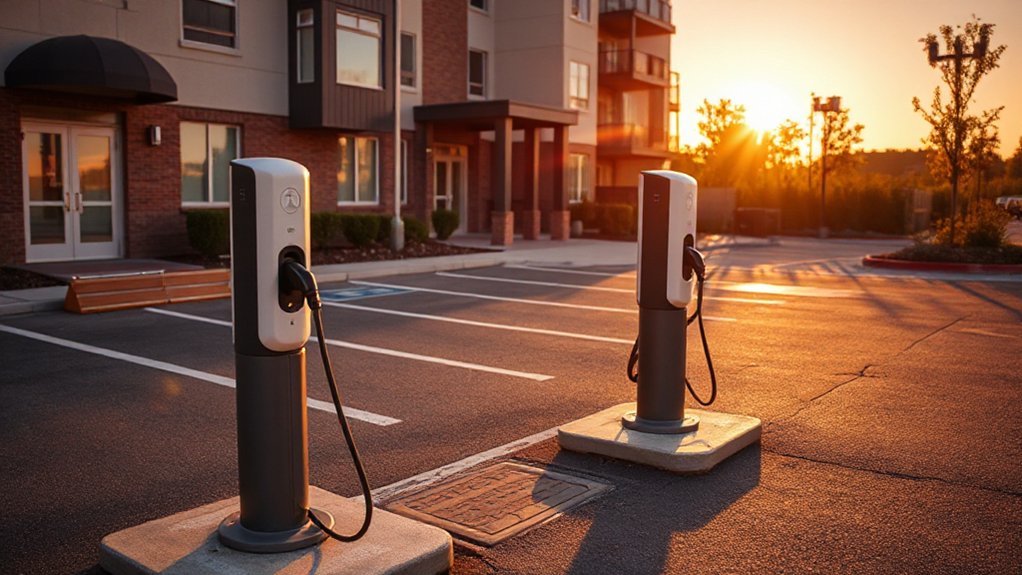
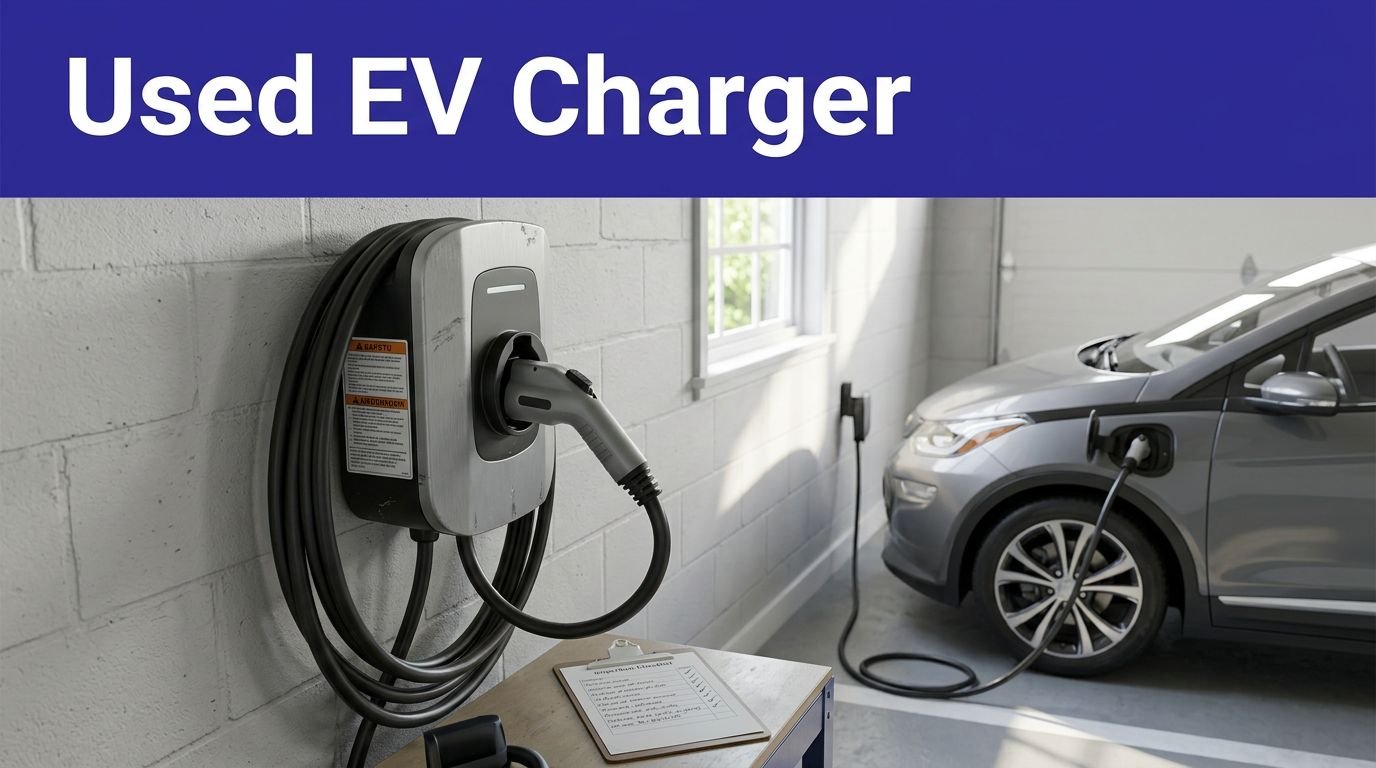
Why probe now? Because misaligned expectations erode EV charging ROI. Ask who owns and maintains the chargers, the SLA for repairs, uptime targets, and historical downtime percentages. Confirm the Approval Process for installing or assigning a charger, required permits, and average lead times. Clarify pricing: kWh rate, session fees, idle penalties, and how rates adjust with utility tariffs. Verify metering accuracy, billing dispute steps, and data access for monthly usage.
Test scalability: number of ports per unit today, funded expansions, and power capacity headroom (kW). Request the queuing policy during peak hours. Review Liability Coverage: damage to vehicles, trip hazards, and grid events—what’s insured, what’s yours. Finally, require termination terms, relocation options, and remedies if promised infrastructure slips. Document responses in writing before signing.
Incentives, Rebates, and Tax Credits That Lower Costs

Done right, incentives, rebates, and tax credits can slash EV charging capex 40–80% and push payback into the 3–5 year range.
Stack incentives to cut EV charging capex 40–80% and hit 3–5 year paybacks
You’ll stack utility make-ready funding, state rebates, and federal credits to compress upfront cash and boost IRR.
Model scenarios before you apply; programs are first-come, capped, and time-bound, so speed matters and documentation must be tight.
- Utility incentives: make-ready covers 60–100% of panel, trenching, and conduit; demand-charge holidays stabilize year-one OPEX.
- State rebates: per-port awards ($1,500–$6,000) plus bonus tiers for low-income or MUDs; some add kWh performance payments.
- Federal credits: Section 30C offers up to 30% on hardware and installation in eligible tracts; pair with accelerated depreciation (5-year MACRS/168(k)).
Track stackability rules, prevailing-wage thresholds, and caps to avoid clawbacks later.
Practical Tips to Ensure Charging Works With Your Daily Routine

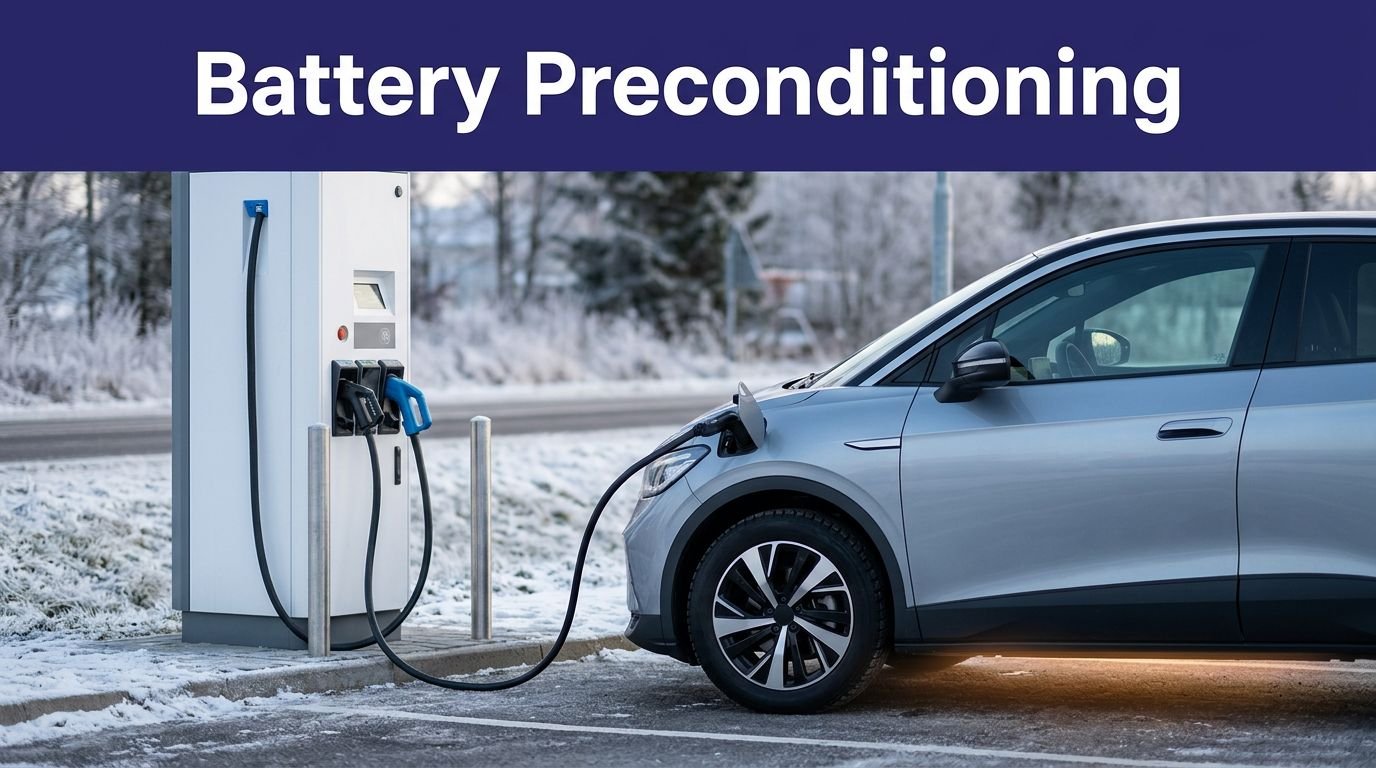
After you secure incentives and credits, focus on daily operations that convert capex into utilization and NOI. Set a predictable charging window aligned with off‑peak TOU rates; aim for 6–10 p.m. plug‑in and midnight–6 a.m. charge. Use Evening Prep: park near assigned ports, check connector health, and schedule start times. Optimize Battery Habits: target 20–80% state of charge, precondition before departure, and avoid daily 100% unless trips demand it. Reserve ports when offered, enable alerts, and move your car within 15 minutes of completion to increase turns per stall. Track KPIs weekly: sessions per port, kWh per session, uptime, and energy cost per kWh. Use load management features to cap demand spikes and protect NOI. Audit idle fees to discourage squatting and boost turnover.
Conclusion
You’re not just hunting an address; you’re optimizing a charging ecosystem. Picture lit stalls, meters ticking at $0.18/kWh, uptime north of 98%, and a five-minute walk from your door. Score options by ports per unit, hours, assigned-stall certainty, and SLAs. Call, verify, and model costs against your commute and utility rates. Choose the property that delivers dependable electrons, lower TCO, and time savings—so every night your car drinks, and every morning your ROI wakes charged.