You need specialty EV chargers when standard Level 2s won’t meet duty cycles, uptime targets, or site conditions. Think DC fast (100–350 kW) from ABB, Tritium, Delta, Tesla; bidirectional V2G/V2H from Fermata, Nuvve, Wallbox; ruggedized NEMA 4X from FLO, Beam; workplace load-sharing from ChargePoint, Enel X, EVBox; and portable 120/240 V from Grizzl‑E. We’ll map OCPP, cybersecurity, payments, and TCO to each use case next—if performance matters.
Key Takeaways
- Specialty EV chargers meet nonstandard operational, regulatory, and UX requirements; think NEC/UL/ISO compliance, revenue-grade metering, cybersecurity, power quality, and ADA accessibility.
- Key hardware categories: DC fast (100–350 kW), bi-directional V2G/V2H, ruggedized NEMA 4X/IP66, workplace/MUD Level 2, and portable 120/240 V units.
- Leading brands: ABB, Siemens, Delta, Tritium, BTC Power, Tesla for DC fast; Fermata, Nuvve, Wallbox, BorgWarner/Rhombus for bi-directional.
- Ruggedized and workplace standouts include FLO, ABB, Beam Global; ChargePoint, Enel X Way, Blink, and EVBox dominate dual‑port Level 2.
- Priority software features: OCPP 1.6/2.0.1, ISO 15118 Plug&Charge, 99.5% uptime SLAs, secure firmware lifecycle, PCI/EMV payments, and remote diagnostics.
What Makes an EV Charger “specialty
Why does a charger qualify as “specialty”? You label it specialty when it meets nonstandard operational, regulatory, or user-experience requirements with measurable performance. It follows NEC, UL 2594/2202, ISO 15118/OCPP, and delivers ≥99% network uptime with certified revenue-grade metering (ANSI C12.20). You verify cybersecurity (TLS 1.2+, signed firmware, SBOM), and resilient power quality (THD <5%, EMI compliance). You design for place-specific constraints: compact footprints, cable management, ingress control, and vandal deterrence. Design Aesthetics matter: coherent materials, lighting, and wayfinding that match brand guidelines and urban codes. Accessibility Features are explicit: ADA reach ranges, tactile labels, 48–122 cm operable parts, 1:48 slopes, and audible/visual prompts. You require utility integrations for demand response, open APIs, and transparent diagnostics with MTTR targets. Add field-service workflows, lifecycle audits.
Hardware Categories: DC Fast, Bi-Directional, Ruggedized, Workplace/MUD, Portable
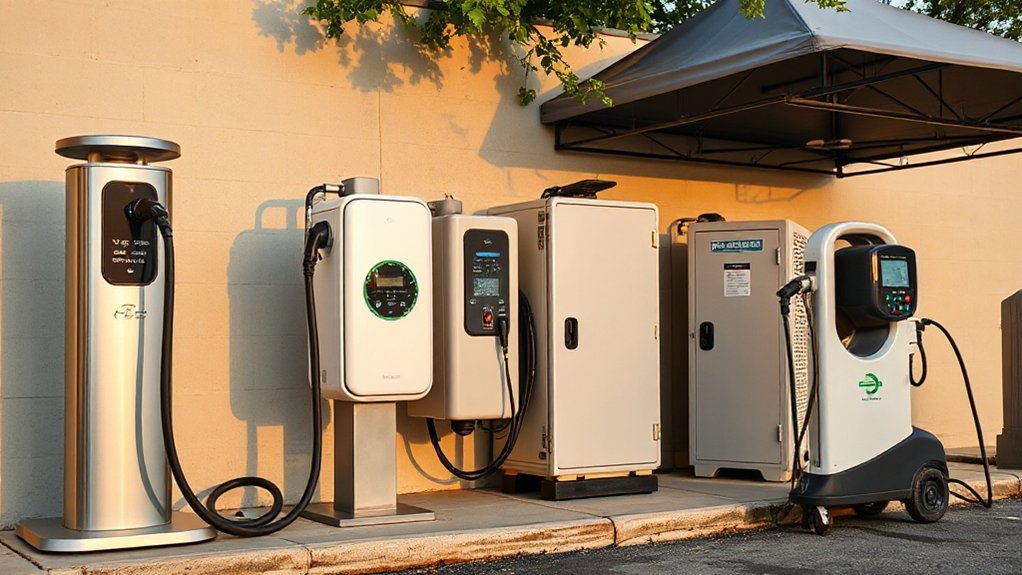
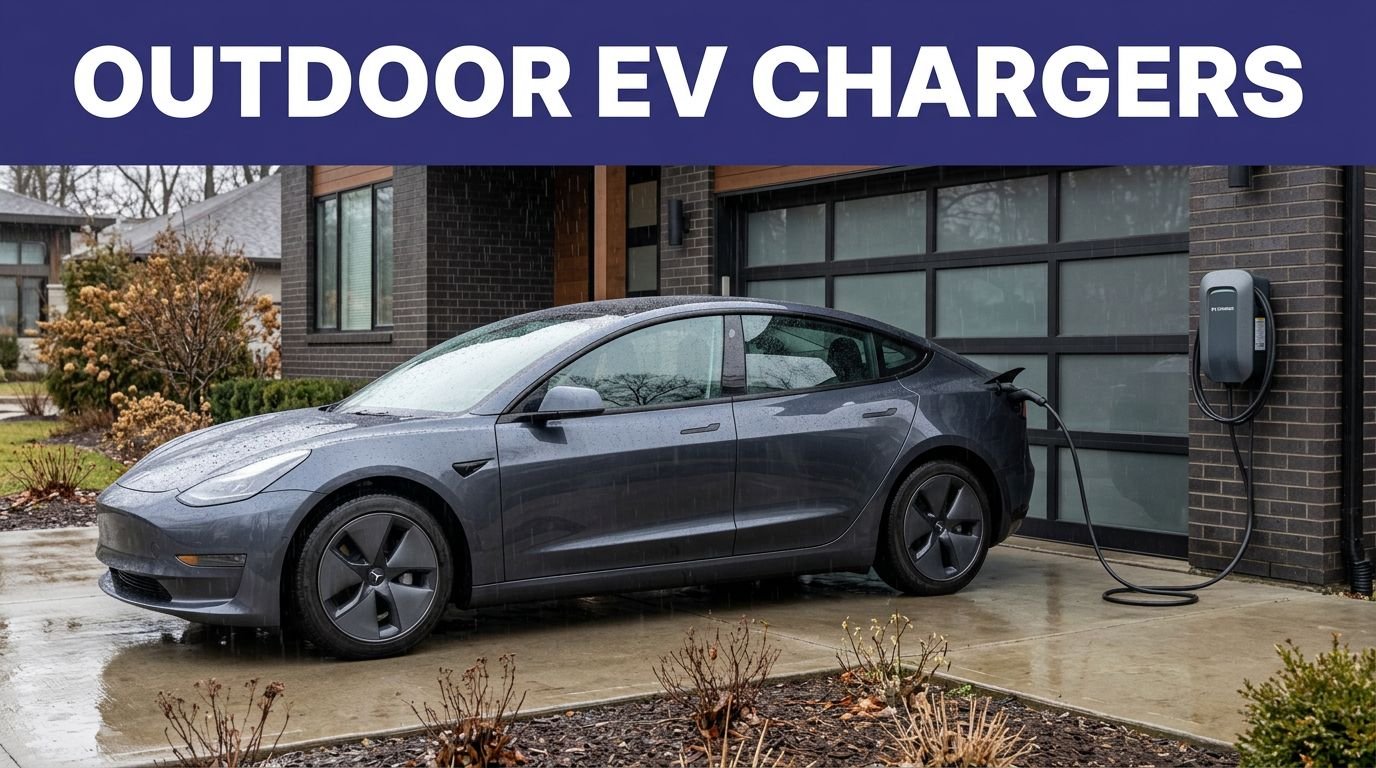
Although site goals differ, you’ll select from five hardware classes with clear technical envelopes. DC Fast: 100–350 kW, 400–1,000 V, CCS1/CHAdeMO/NACS per Connector Standards, liquid-cooled cables, strict Thermal Management for >95% uptime. Bi-Directional: 7–25 kW AC or 10–60 kW DC, UL 1741 SA/IEEE 1547 compliant, V2G/V2H, islanding detection, metering to 0.5% accuracy. Ruggedized: NEMA 4X/IP66 enclosures, -30 to +50°C operation, vandal-resistant housings, surge protection Type 1/2, cable retractors. Workplace/MUD: 7–19 kW Level 2, dual ports, RFID/OCPP 1.6/2.0.1, load sharing, NEC Article 625 compliant, cable management for 5–8 spaces. Portable: 1.4–9.6 kW, 120/240 V, interchangeable adapters meeting Connector Standards, GFCI, 20–40 ft cables, 32–40 A. Across categories, specify derating curves, duty cycle, preventive Thermal Management. Validate grounding, bonding, and fault clearance per AHJ requirements strictly.
Leading and Emerging Brands to Watch

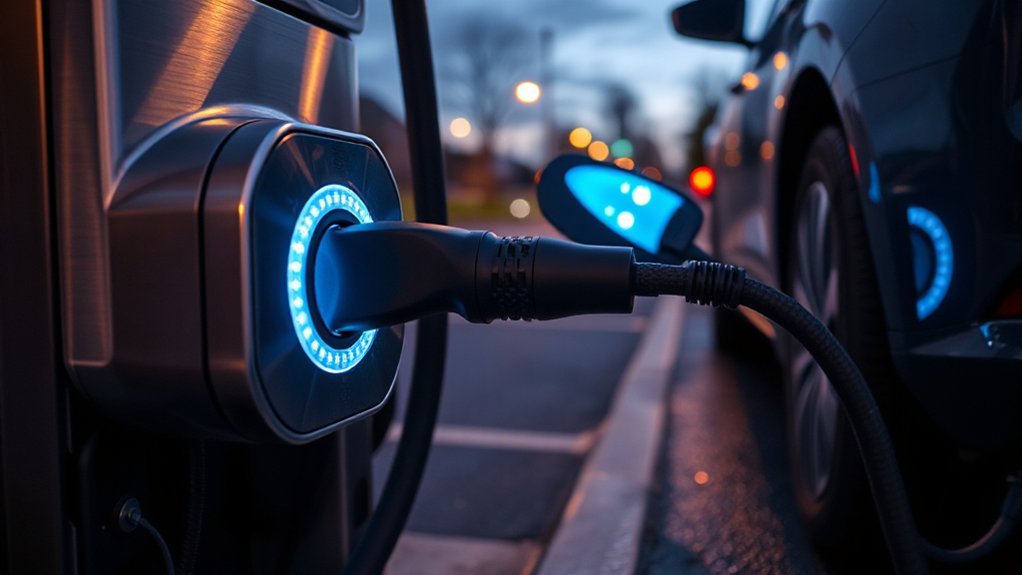
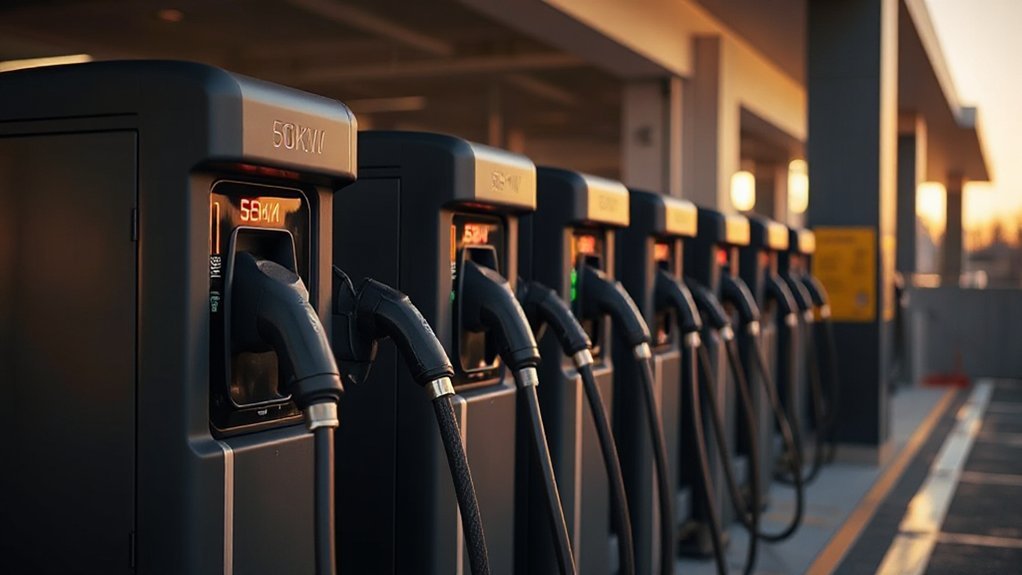

Cut through the noise by focusing on makers that consistently hit code, reliability, and protocol marks across the five hardware classes: ABB, Siemens, Delta, Tritium, BTC Power, and Tesla lead DC fast with 100–350 kW, liquid‑cooled 400–1,000 V stacks, ISO 15118 Plug&Charge, and >97–99% uptime targets; Fermata Energy, Nuvve, Wallbox (Quasar), and BorgWarner/Rhombus anchor bi‑directional with UL 1741 SA/IEEE 1547 certifications and utility‑grade metering; FLO, ABB, and Beam Global (EV ARC) stand out for ruggedized NEMA 4X/IP66, -30 to +50°C, and surge Type 1/2; ChargePoint, Enel X Way (JuiceBox/Pro), Blink (SemaConnect), and EVBox dominate workplace/MUD with dual‑port L2, OCPP 1.6/2.0.1, load sharing, and NEC 625 compliance; Grizzl‑E, Emporia, Lectron, and Tesla cover portable 120/240 V, 32–40 A with GFCI and adapter sets. Venture funding.
Key Software and Network Features: Uptime, OCPP, Load Management, Cybersecurity, Payments

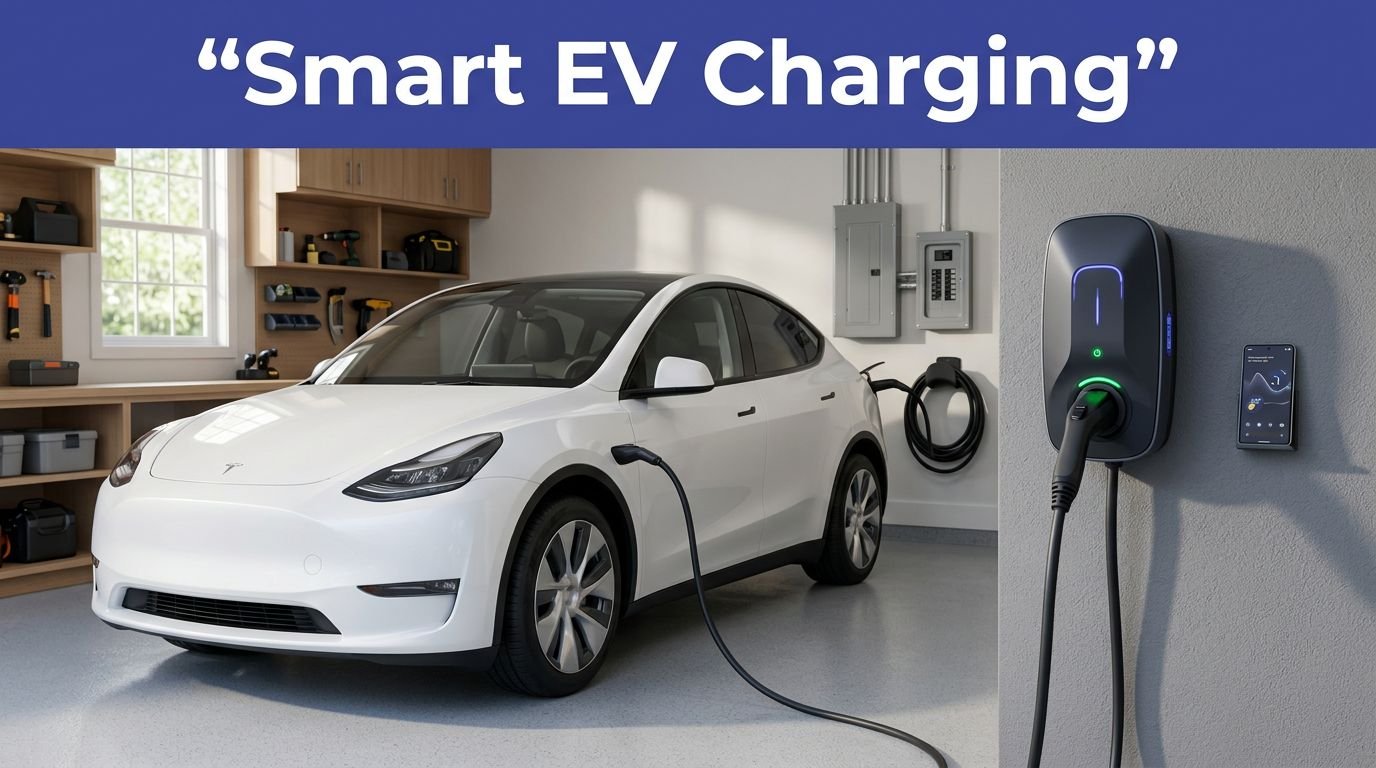
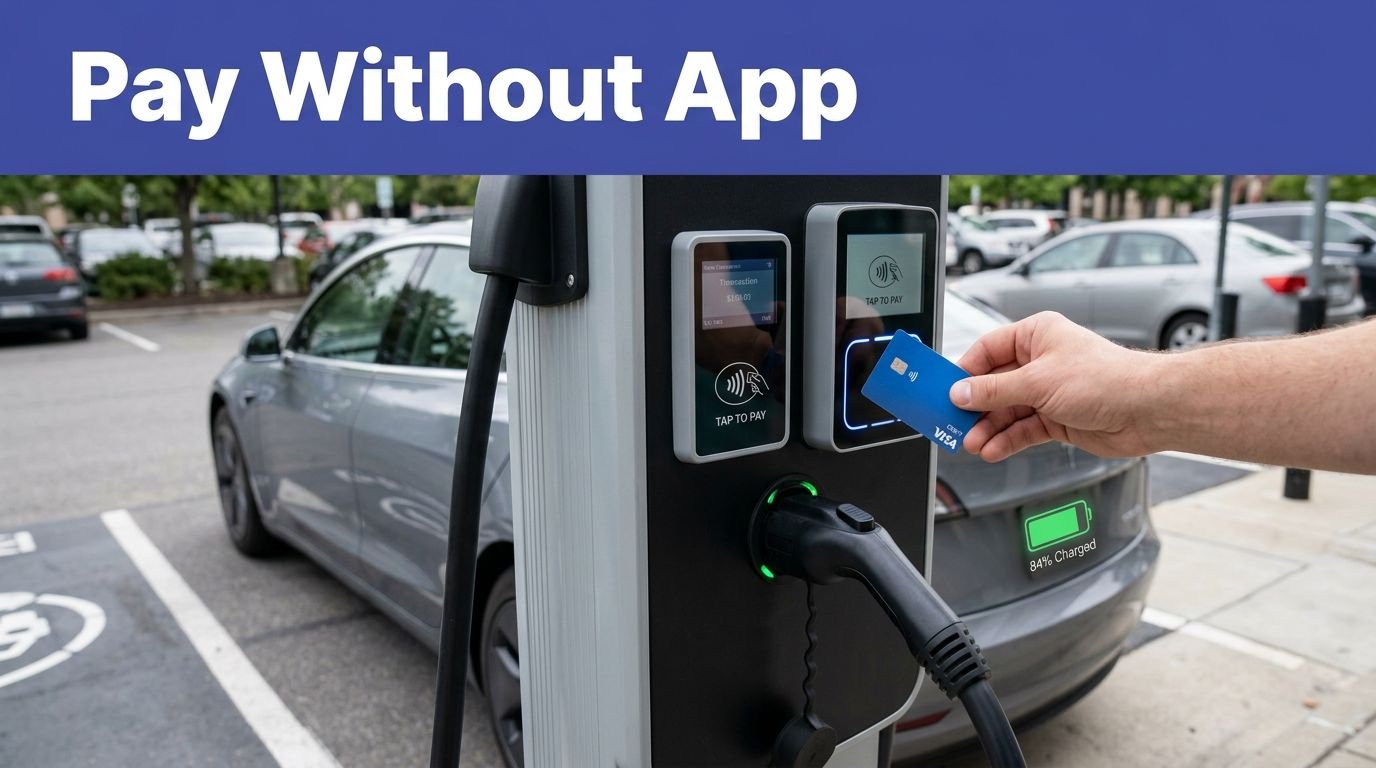
Hardware leadership only matters if the network stack delivers measurable uptime, open protocols, secure updates, and compliant payments. You should target 99.5%+ uptime, validated by API logs, not marketing claims. OCPP 1.6/2.0.1 guarantees vendor-neutral control, roaming, smart charging, and telemetry. Prioritize cryptographically signed Firmware Updates, staged rollouts, and rollback safety. Use Remote Diagnostics to resolve faults without truck rolls, lowering MTTR and OPEX. Enforce role-based access, TLS 1.2+, HSM-backed keys, and vulnerability scanning. For payments, require PCI DSS, EMV, tokenization, and offline-queue resilience. Implement load management that respects feeder limits, demand charges, and ISO signals.
- Uptime SLA: 99.5%+, MTTR < 4h
- OCPP interoperability: profiles, certifications
- Secure lifecycle: signed updates, SBOM, CVE patching
- Payment stack: PCI, EMV, OCPI roaming
- Grid-aware control: dynamic limits, phase balancing
Matching Use Cases to the Right Technology
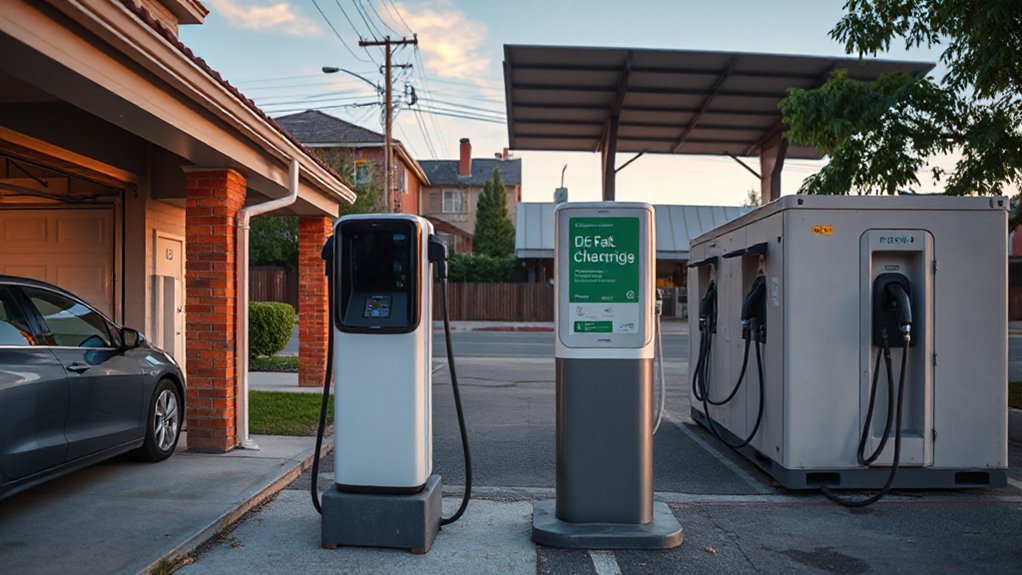
Which charger you deploy depends on duty cycle, dwell time, grid capacity, climate, and revenue model—then map those constraints to power class, connector, and network stack. For depot fleets with 8–10 hour dwell, specify networked Level 2 at 11–19 kW per port and align ports with your charging cadence and operational workflows. Route-based delivery with 30–60 minute turns benefits from 50–150 kW DC, modular power so you can right-size per vehicle class. Highway corridors and demand-charging revenue models justify 150–350 kW, liquid-cooled cables, and simultaneous charging. Match connectors to fleet composition: CCS1 and NACS today; retain limited CHAdeMO where legacy usage persists; plan MCS for heavy-duty. Account for climate by selecting heaters, IP ratings, and derating curves to maintain throughput in heat and cold.
Installation Pitfalls, Incentives, and Total Cost of Ownership
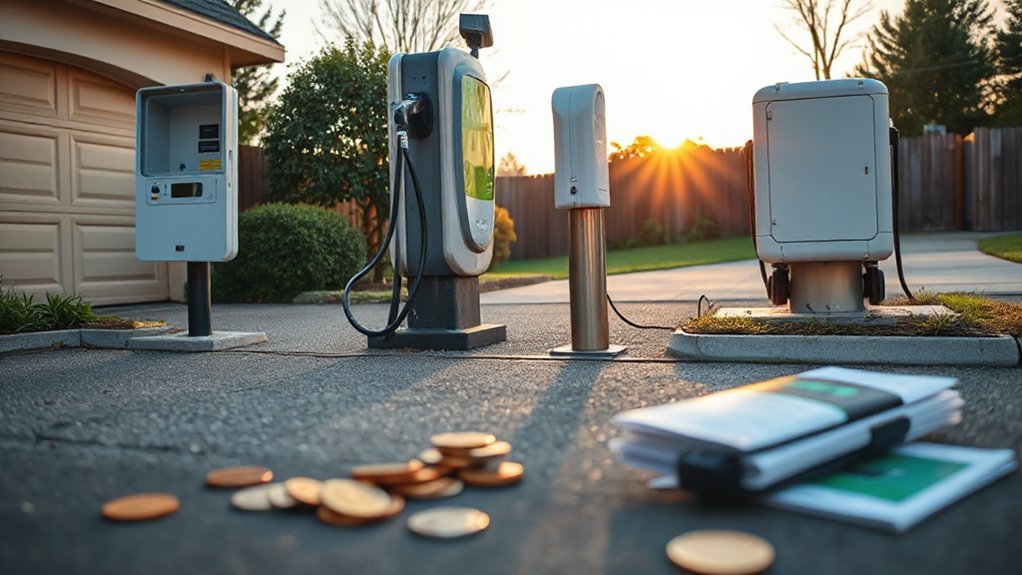
Even with the right charger spec, projects slip when you underestimate permitting, utility interconnection, and civil work. Budget for trenching, switchgear, network setup, and load studies; small misses cascade into months.
Small misses on permitting and utilities cascade into months—budget trenching, switchgear, and studies.
- Timeline: 6–12 weeks design, 4–10 weeks utility review; Permit Delays add 2–8 weeks.
- Grid capacity: transformer upsizing can add $25k–$150k and new demand charges.
- Site work: asphalt/concrete restoration averages $45–$85/ft; ADA paths drive scope.
- Incentives: Rebate Complexity, clawbacks, and prevailing-wage rules demand metering and documentation.
- Ongoing costs: $300–$1,200/port/yr networking, 1–3% failure rate, 97–99% uptime targets.
Model total cost of ownership over 10 years using energy tariffs, demand charge holidays, and utilization. You’ll cut surprises, protect margins, and deploy faster. Track warranties, spare parts, and SLAs to forecast downtime risk and service spend accurately.
Conclusion
You’ve seen how specialty EV chargers align with use cases: 100–350 kW DC fast for corridors and fleets, V2G/V2H for grid value streams, NEMA 4X ruggedized for harsh sites, workplace load-sharing Level 2s, and portable 120/240 V units. Prioritize OCPP, >97% uptime SLAs, certified metering, and secure payments, robust cybersecurity, and thorough commissioning. Match brands to needs—ABB/Tritium/Delta/Tesla, Fermata/Nuvve/Wallbox, FLO/Beam, ChargePoint/Enel X/EVBox, Grizzl‑E. Verify NEC/UL compliance and incentives to cut TCO. Remember: measure twice, cut once.