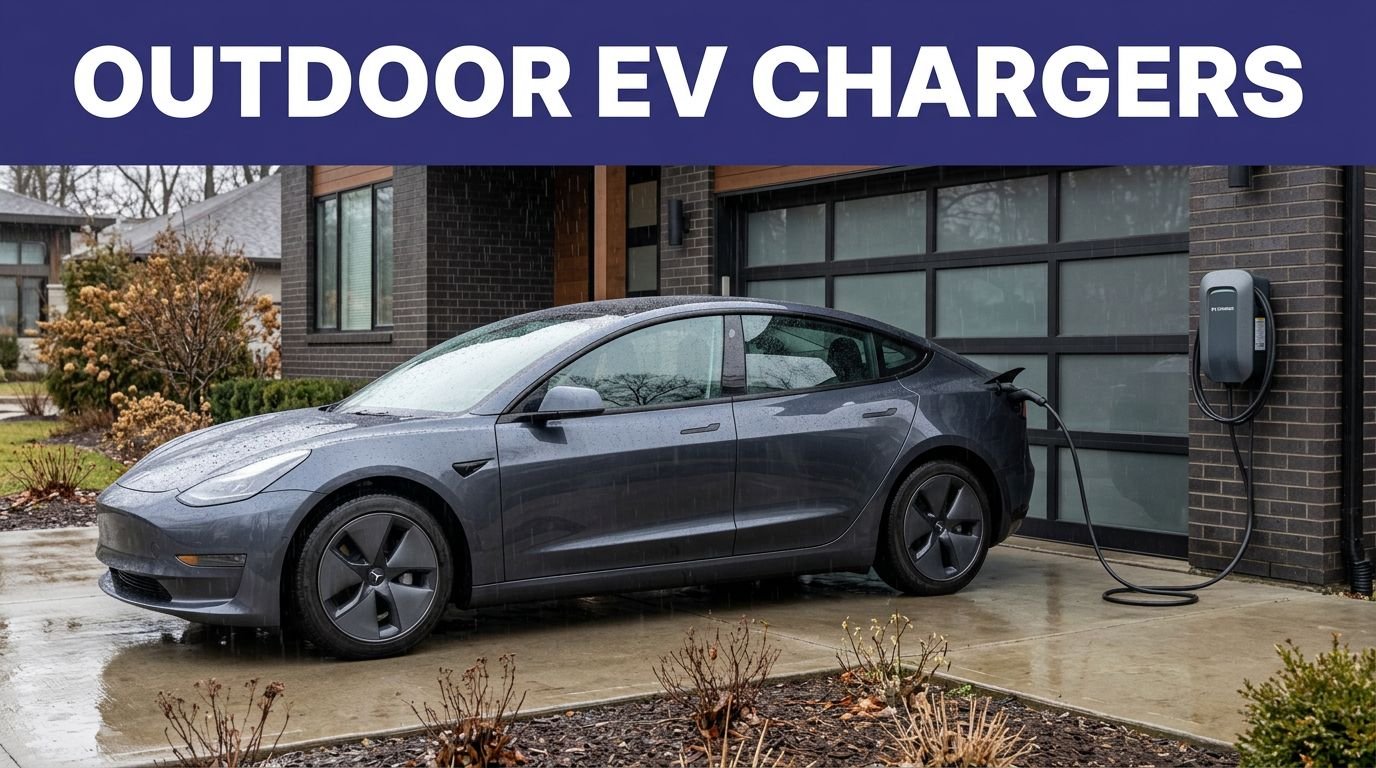
If you want a UK‑compliant home charger that prioritizes safety and control, you’ll weigh Rolec’s PEN‑fault protection, Type A RCD with 6 mA DC monitoring, MID metering, and OCPP support against rivals. You’ll also consider OZEV alignment, load balancing, solar integration, and how the app handles smart tariffs. Installation practices, enclosure durability, and total cost of ownership matter too. But is Rolec’s package truly the most robust choice for your site conditions?
Key Takeaways
- Broad hardware range with strong safety: AC 7.4–22 kW and DC options, integral PEN protection, Type A RCD with 6 mA DC, and surge protection.
- Reliable real‑world performance: ~7.0–7.4 kW single‑phase and 11/22 kW three‑phase, with sensible thermal throttling and vehicle‑BMS‑led tapering.
- Smart controls suit prosumers and fleets: OCPP, RFID, MID metering, scheduling, price/carbon triggers; app is functional but less slick than Hypervolt/Wallbox.
- UK‑ready compliance and integration: BS 7671/OZEV aligned, no earth rod needed, dynamic load balancing via CT clamps, decent solar mode though Myenergi excels.
- Strong value and support: typical install £850–£1,200, three‑year warranty, solid service network; best for flexibility, not absolute top for consumer UX.
What Rolec Offers in 2026: Models, Specs, and Features
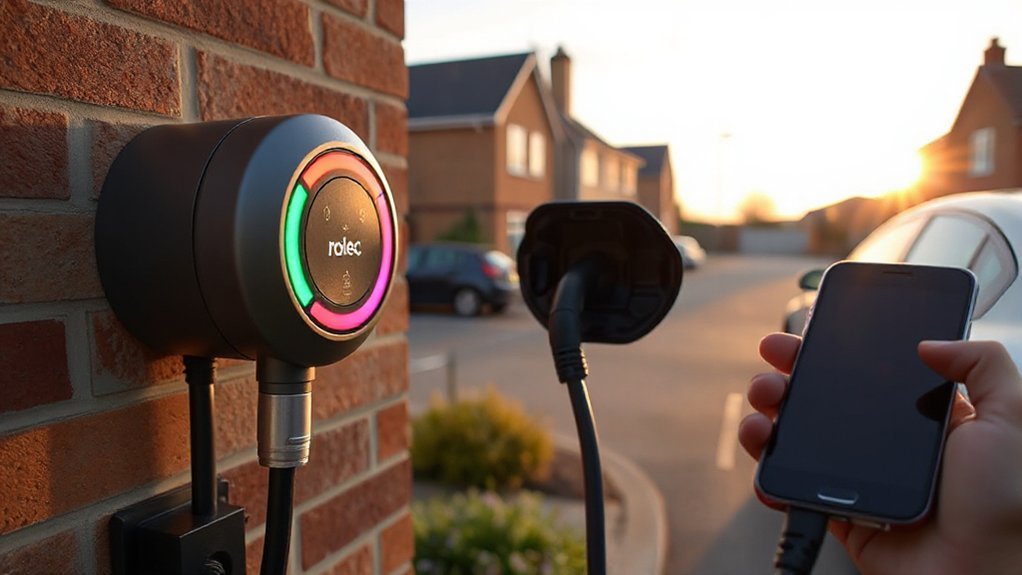
While prioritizing compliance and electrical safety, Rolec’s 2026 lineup spans home, workplace, public, and rapid charging, with AC units in 7.4 kW single-phase and up to 22 kW three-phase, plus DC rapid options in the UltraCharge range. You get BS 7671:2018+A2 compliance with integral PEN fault protection, Type A RCD with 6 mA DC monitoring, surge protection, and load management. AC models support 1P 32 A and 3P 32 A, with OCPP back‑office, RFID, and MID‑approved metering for cost recovery. Enclosures meet IP54–IP65 and IK10, with thermal sensing and lockable sockets for safe operation. Solar PV and time‑of‑use scheduling reduce grid impact. UltraCharge DC units add CCS support, dynamic power sharing, and cabinet-level isolation. Design aesthetics and accessory ecosystem support compliant, site-specific installations across.
Real‑World Charging Performance and Reliability
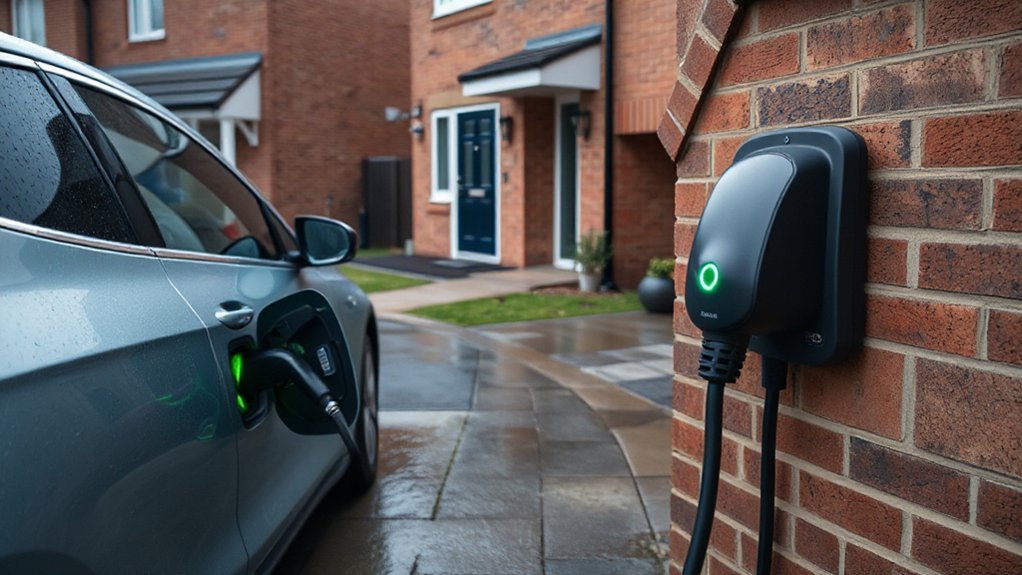
In practice, you’ll see stable, standards‑compliant power delivery that’s usually constrained by the vehicle rather than the post: 7.0–7.4 kW on 230 V single‑phase and up to 11/22 kW on three‑phase where the onboard charger allows, with automatic taper when the BMS requests it. Rolec units maintain currents within IEC tolerances, trip RCDs, and handle PME/PEN faults. Thermal throttling engages under heat or poor ventilation, protecting contacts and cabling. Weatherproof enclosures limit connector corrosion, but you should inspect, clean, and keep caps closed. Cable relief and CT sensing preserve performance.
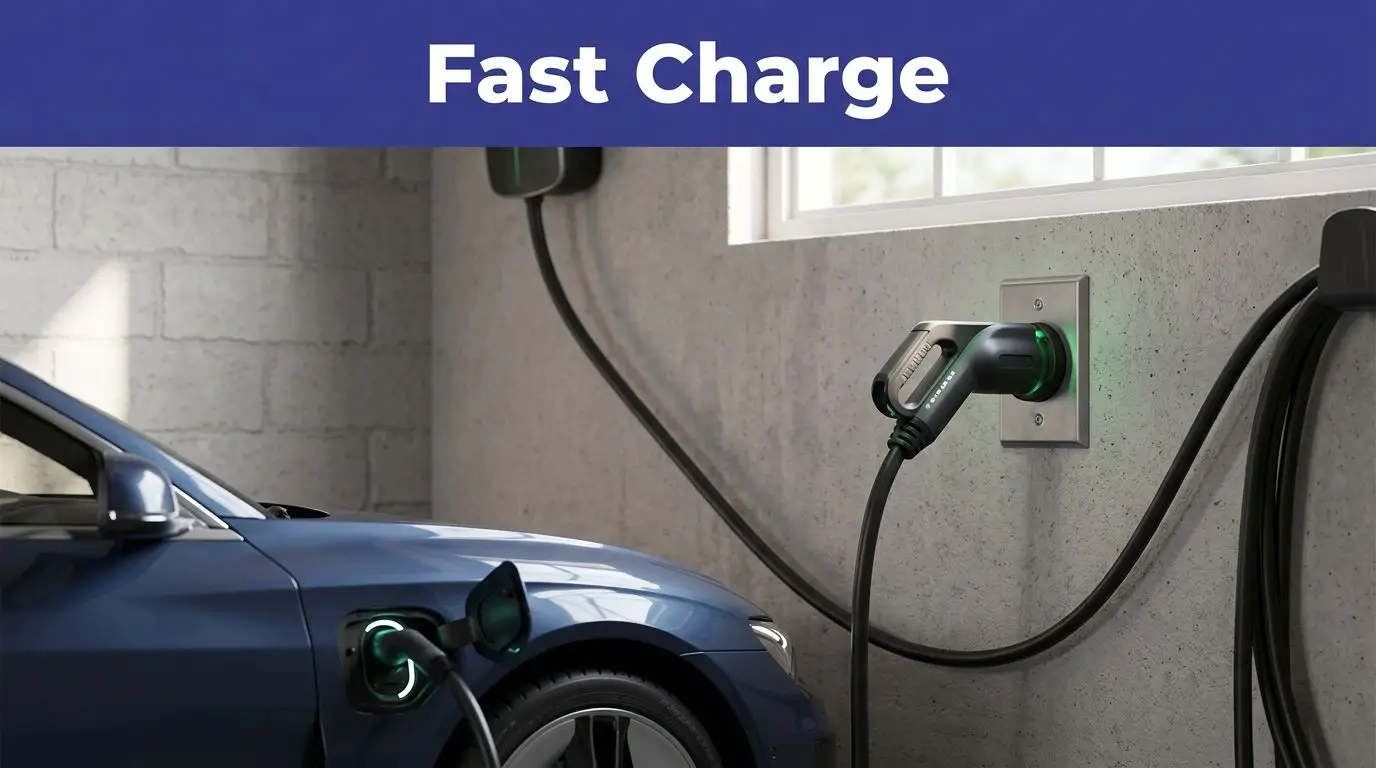
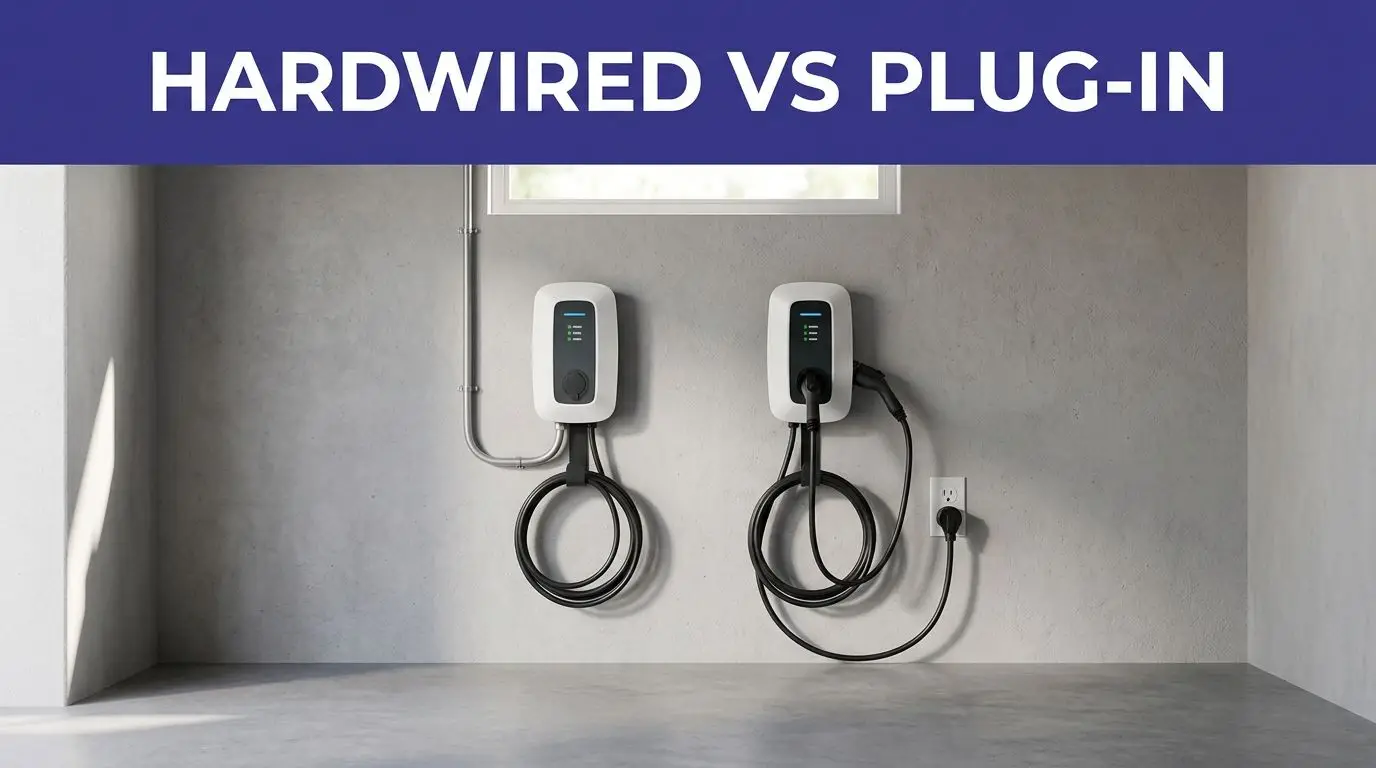
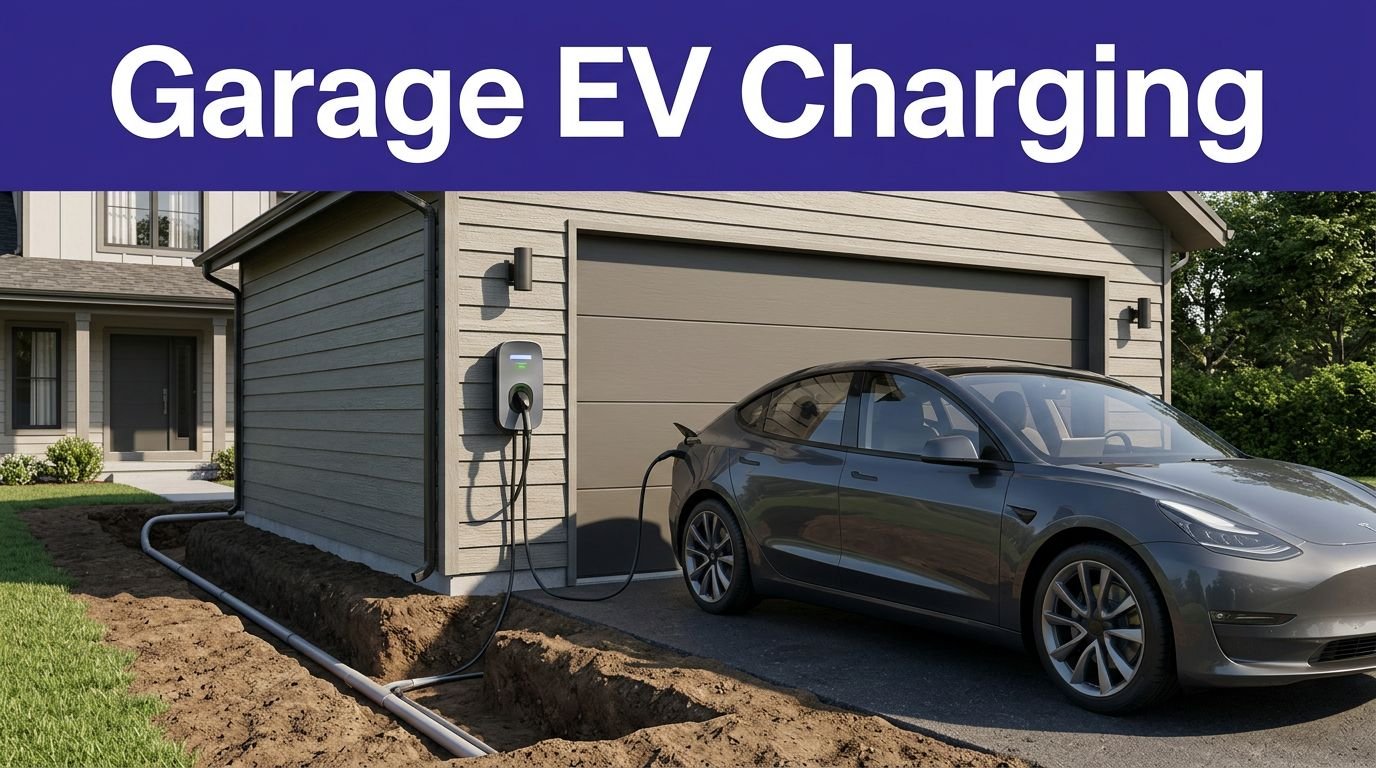
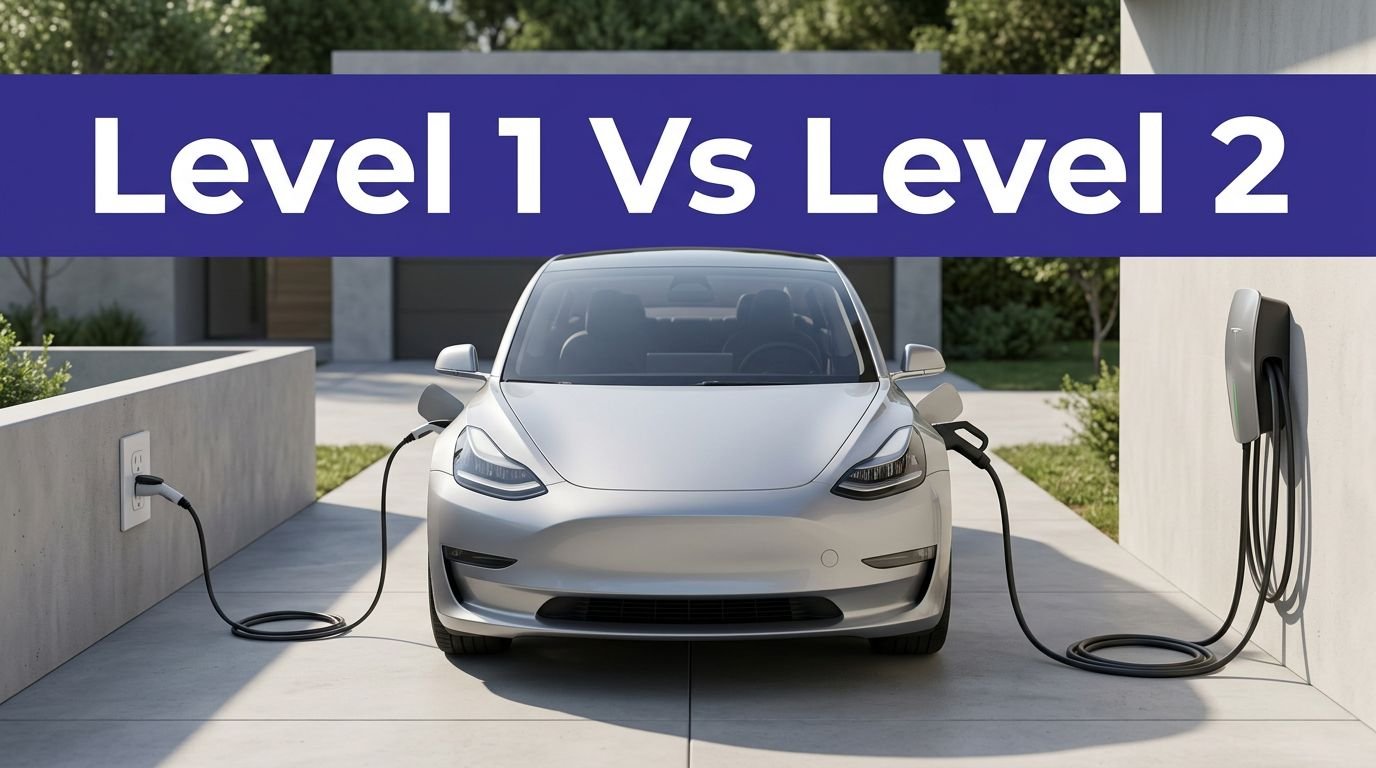
Stable, standards‑compliant charging: 7 kW single‑phase, up to 22 kW three‑phase, with smart taper and protection.
- Verify earth and loop impedance annually; tighten terminations to manufacturer torque.
- Clean pins; apply approved dielectric grease to mitigate connector corrosion; replace damaged seals.
- Log uptime and fault codes for diagnostics.
Smart Controls, Tariffs, and App Experience
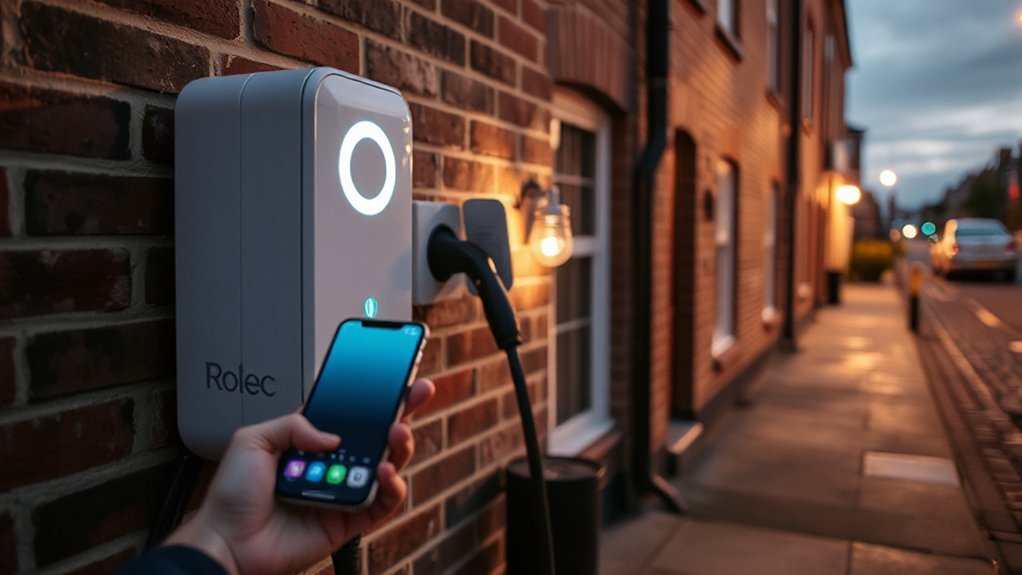
How does Rolec’s smart stack handle scheduling, tariffs, and safety interlocks? You set charge windows by weekday, align them to supplier time-of-use tariffs, and cap amperage per session. The app validates schedules against grid availability and vehicle SOC to prevent overruns. You can enable price-triggered starts, carbon-intensity preferences, and a hard stop before peak. Safety interlocks pause on PEN fault notifications and resume only after self-checks. The app enforces role-based access, MFA, and local PIN start to protect data privacy. Firmware updates are signed and applied with rollback safeguards. Accessibility options include high-contrast mode, screen-reader labels, and large-tap targets. Exportable session logs, cost estimates, and notifications support accurate billing, parental controls, and guest access without exposing personal identifiers or sensitive home energy metrics online.
Safety, Compliance, and Home Integration (OZEV, Load Balancing, Solar)
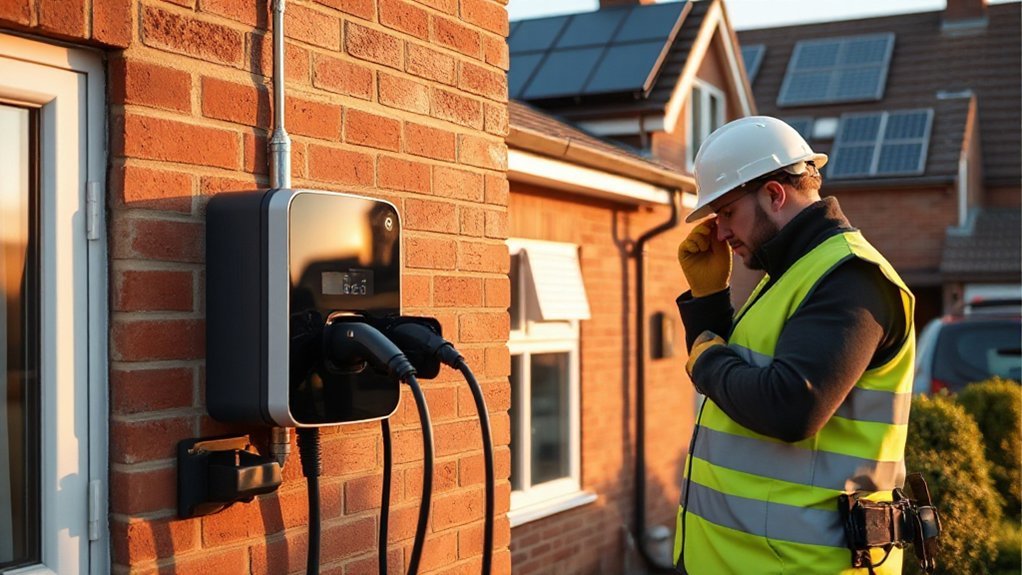
Beyond app controls, Rolec’s hardware and installer tooling target UK compliance and safe integration at the supply. You get OZEV-approved models with integrated PEN-fault protection, satisfying earthing requirements without a separate earth rod. Dynamic load balancing monitors your main fuse and throttles charge current to prevent nuisance trips. Solar-aware modes prioritise surplus generation, exporting zero when configured, and respecting G99/ENA guidance.
- Fault protection: Type A RCD with 6 mA DC sensing, PEN detection, and surge protection devices aligned to BS 7671.
- Cable management: fireproofing measures, IP-rated glands, correct CPC sizing, and isolation within a lockable, clearly labelled switch.
- Grid coordination: CT clamps verify import limits; schedules and max kW caps adapt to heat pumps and induction loads to maintain headroom safely.
Installation, Costs, and Ownership Experience in the UK
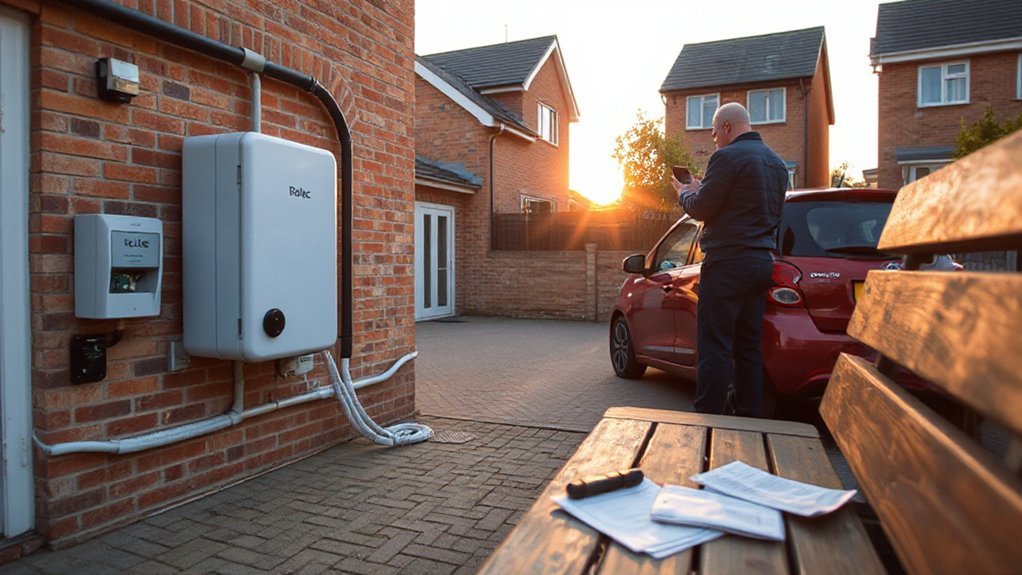
While the tech feels straightforward, a compliant UK install starts with a load assessment and earthing check, then proceeds under BS 7671 (Amd. 2), Part P notification, and the ENA EV/HP DNO process (notify or seek prior approval if the supply or service is constrained). You’ll commission on a dedicated circuit with appropriate RCD/RCBO, PEN-fault protection, SPD where required, and accurate CT-clamp placement for load management. Prioritise installer vetting, proof of calibration, and a clear commissioning report.
Costs hinge on cable length, consumer unit capacity, SPD/RCBO additions, isolator, bonding upgrades, civil works, and any DNO fuse or service alterations. For ownership, test RCDs, review logs, apply firmware updates, and keep a maintenance schedule: quarterly visual checks, annual functional tests, tightened terminations, updated documentation records.
Price, Warranty, and How Rolec Compares to Ohme, Pod Point, Hypervolt, Wallbox, Myenergi
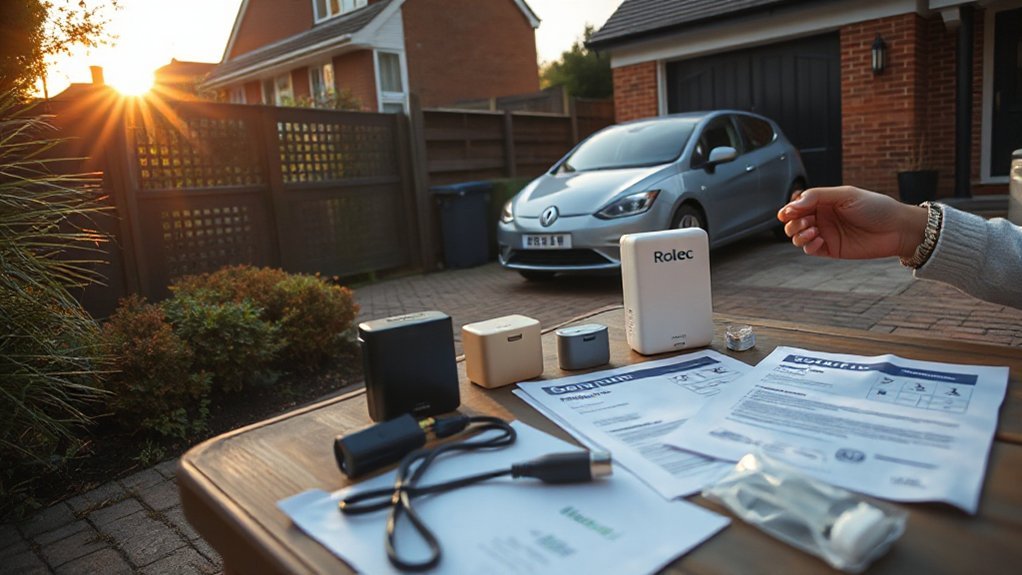
Most UK buyers will weigh headline price against warranty terms and mandatory safety features: Rolec’s home units (QUBEV Smart, Zura) generally sit £400–£800 hardware-only, with typical installed totals £850–£1,200 depending on scope and BS 7671 additions. You’ll get a 3‑year warranty, PEN fault protection, load management, and OCPP. Against Ohme and Pod Point, Rolec is more configurable, less app‑centric. Hypervolt and Wallbox favor sleeker UX; Myenergi leads PV integration.
Rolec: £400–£800 hardware, £850–£1,200 installed; 3-year warranty, PEN protection, configurable vs app-led rivals
- Compliance: PME protection, Type A RCD with 6 mA DC monitoring, smart‑charging regs, and CT clamp support reduce risk and extras.
- Warranty and Service Network: Rolec’s presence aids parts turnaround; rivals vary regionally.
- Total value: Competitive TCO and flexible accessories can support Resale Value, though Ohme’s tariffs and Myenergi’s eco‑modes may outweigh for some homes.
Conclusion
You can treat Rolec as a belt‑and‑braces workhorse: 7–22 kW, MID‑metered, OCPP‑smart, and steady in all weather. It wraps PEN‑fault protection, Type A RCD with 6 mA DC monitoring, OZEV compliance, load balancing, and solar support into a tidy, serviceable box. Installers find it straightforward; owners see predictable bills and solid uptime. With competitive install costs and a warranty, it’s squared up well against Ohme, Hypervolt, Pod Point, Wallbox, and Myenergi—safety first, value close behind.