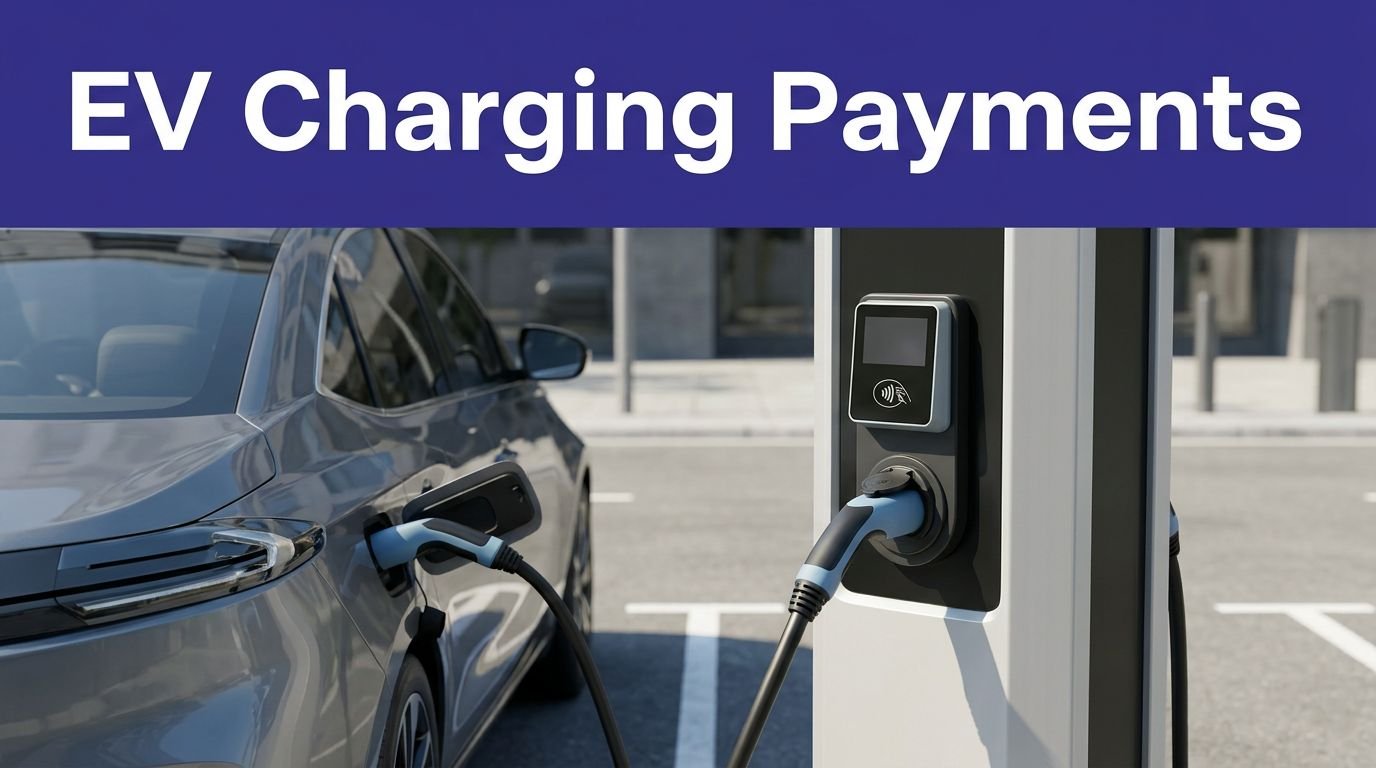
You’ve got three distinct EV charging options to plan around: Kbli’s 350 kW liquid‑cooled DC fast with ISO 15118 Plug & Charge, KBP’s 150 kW dual‑port plus 11–19 kW AC L2, and SJMC’s redundant 250 kW stacks with battery buffering for stable delivery. All share transparent pricing, uptime metrics, and interoperable payments. To pick the best stop, you’ll want specifics on locations, access hours, peak windows, and idle fees next.
Key Takeaways
- Kbli: 350 kW liquid‑cooled DC fast chargers with ISO 15118 Plug & Charge; utility‑partnered; dynamic load sharing; limited CHAdeMO.
- KBP: 150 kW dual‑port DC pedestals plus 11–19 kW AC Level 2; OCPP 1.6J interoperable; PPP ownership; commuter and fleet focused.
- SJMC: redundant 250 kW DC stacks, hospital‑affiliated, ADA‑compliant bays, battery‑buffered peak shaving for high reliability on a medical campus.
- Unified features: app/RFID/credit card payment, transparent uptime metrics, proactive maintenance SLAs, on‑site solar/RECs, demand‑response, lifecycle carbon reporting.
- Wayfinding and policy: precise entry/stall IDs, confirmed access hours, dwell/idle fee enforcement, after‑hours security contacts, and evidence capture for disputes.
What Each Site Offers: Kbli, KBP, and SJMC
While they all deliver electrons, Kbli, KBP, and SJMC serve distinct charging use cases. You’ll see Kbli prioritize high-throughput DC fast charging: 350 kW cabinets, liquid-cooled CCS, limited CHAdeMO support, dynamic load sharing, and ISO 15118 Plug & Charge. KBP emphasizes balanced fleets and commuters with 150 kW dual-port pedestals, robust AC Level 2 at 11–19 kW, and OCPP 1.6J interoperability. SJMC targets reliability and medical-campus visitors with redundant 250 kW stacks, ADA-compliant bays, and battery-buffered peak shaving. Across sites, you get unified pricing via app, RFID, or credit card, transparent uptime metrics, and proactive maintenance SLAs. Ownership structure differs—utility-partnered at Kbli, PPP at KBP, and hospital-affiliated at SJMC—shaping tariffs. Sustainability initiatives include on-site solar canopies, RECs, and demand-response participation, and lifecycle carbon reporting.
Locations, Access Hours, and Parking Rules
Building on those capabilities, you need to know where to plug in, when you can access the bays, and what parking rules apply at each site. Map each location precisely: entry points, floor level, and stall numbering. Confirm access hours, including after-hours policies for gates or security checkpoints. Review enforcement: maximum dwell, idle fees, and towing triggers. Evaluate Lighting standards and Signage clarity to reduce wayfinding time and improve safety. Document operator contacts for access exceptions.
- Verify lot ownership and EV designation in municipal GIS; some “public” bays are private after local business hours.
- Note ADA-adjacent stalls and clearance for vans; avoid blocking ramps.
- Check payment zones: parking meter vs charging session; both may apply.
- Capture evidence: photos of signs, bay IDs, and time-of-entry.
Charging Speeds: AC Vs DC Fast Options
How do AC and DC fast charging differ in power delivery, connectors, and battery impact? You evaluate flow paths: AC feeds an onboard charger (3.3–22 kW); DC fast bypasses it and drives the pack at 50–350 kW. Higher voltage and current slash dwell time but elevate heat flux; you depend on Thermal management to stabilize cells and limit Battery degradation. For routine, low-rate replenishment, choose AC for efficiency and grid friendliness. For travel, use DC to recover range quickly. State of charge dictates profiles: push harder at low SOC, then taper above ~60–70% to preserve lifespan and maintain safety margins.
| Factor | Note |
|---|---|
| Path | AC onboard; DC direct |
| Typical rate | AC 3.3–22; DC 50–350 |
| SOC response | Fast early; taper |
| Heat/aging | High C-rate heat; manage wear |
Connector Types and Vehicle Compatibility
Which connector your EV supports dictates where you can plug in, what power levels you can draw, and which communication protocols enable charging. You’ll encounter J1772 (Type 1) for North American AC, Type 2 for Europe, and NACS gaining traction across regions. For DC fast charging, CCS1/CCS2 dominate, while CHAdeMO and GB/T persist in specific markets. Verify your inlet, onboard charger limits, and adapter availability. Prioritize safety standards compliance and firmware interoperability to guarantee international compatibility and reliable handshakes.
- Map your routes to connector availability; avoid incompatible sites and downtime risks.
- Confirm CCS or NACS support for peak kW your battery accepts.
- Use certified adapters; check heat, latch force, ingress protection ratings, certifications.
- Keep software updated; ISO 15118 features improve authorization and load control.
Pricing, Subscriptions, and Idle Fees
While rates vary by network and region, you’ll usually pay a mix of energy, time, and access fees. You face per-kWh pricing where permitted, or per-minute tiers when Regulatory frameworks restrict energy billing. Some plans add monthly subscriptions that reduce session fees or enable peak/off-peak differentials. Fast DC sites often impose idle fees once charging tapers; you avoid them by moving promptly after reaching target SOC. Operators may pass through demand charges; Tax incentives can offset capital costs and stabilize tariffs.



Expect location-based pricing, peak surcharges, and grace periods. Some networks cap session costs; others bill parking separately, especially at urban hubs and airports and campuses.
| Component | Typical structure |
|---|---|
| Energy | kWh-based or minute tiers |
| Access | Session, membership, roaming surcharges |
| Idle | Per-minute after grace period |
Apps, RFID Cards, and Payment Tips
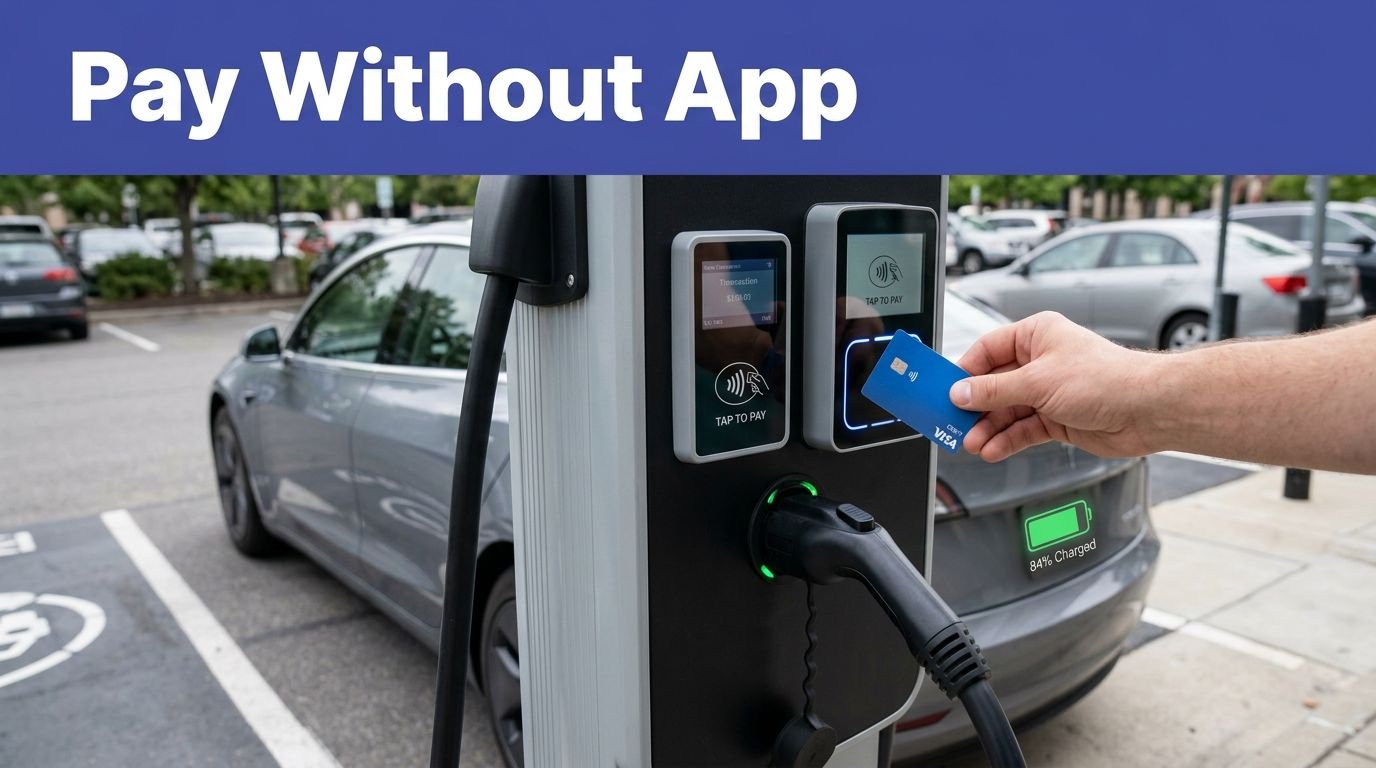
You install a core set of charging apps to locate stations, confirm connector compatibility, view live availability, and compare tariffs. You order, activate, and link network RFID cards to your accounts and payment methods, then test tap-to-charge to avoid failures when cellular service is weak. You cut costs by enabling membership rates, charging off-peak, applying promo credits, and auditing receipts for session and rounding fees.
Essential Charging Apps
How do you pay and authenticate across fragmented charging networks? Start by consolidating with roaming-capable apps that aggregate CPOs and eMSPs, expose live status, pricing, and connector types, and let you trigger sessions from your phone. Prioritize platforms with strong Security features and clear Data privacy policies. Verify support for plug-and-charge (ISO 15118), app-based QR activation, and fallback to RFID without revealing setup steps. Compare fee structures—session, per-kWh, idle—and currency support.
- Assess coverage breadth, especially DC fast corridors, reliability scores, and station uptime telemetry.
- Check payment rails: network wallets, cards, Apple/Google Pay, and offline authorization tolerances.
- Inspect receipts: itemized kWh, time, taxes, and idle penalties, plus export to expense tools.
- Control privacy: minimal telemetry, opt-outs, tokenized identifiers, and transparent retention windows.
Run pilot charges.
RFID Card Setup
Why carry an RFID card when apps already start most sessions? You need a fallback that authenticates fast, even when networks lag or phones die. Order a card from your network, link it in the app, then verify the UID matches the card profile. Perform reader calibration on home and workplace chargers: update firmware, set field strength, test read distance, and check anti-collision performance with multiple cards nearby. Enable encryption management: require mutual authentication, rotate keys per session, and disable legacy insecure modes. In the app, assign vehicle profiles to the card, set access controls, and enable lost-card revoke. At the station, tap once, wait for beeps/LED, confirm session ID in the app, and audit logs for anomalies. Document procedures and train backup users.
Cost-Saving Payment Tips
With the RFID card configured, cut charging costs by choosing the right payment method and tariff on each network. Compare app pricing against RFID rates; some operators add session fees in apps but honor cheaper kWh tiers with cards. Enable auto-top-ups to avoid declined starts and idle fees. Use off-peak schedules and utility programs for time-of-use alignment and energy arbitrage opportunities.
- Audit each provider’s fee stack: per-kWh, per-minute, session, parking, and idle.
- Favor roaming hubs that aggregate networks; they waive activation and support tax incentives.
- Preauthorize sufficient balance; low holds throttle charging speed or block DC fast sessions.
- Track receipts and kWh in a ledger; reconcile to spot billing errors and optimize routes.
Leverage loyalty tiers, employer reimbursements, and credit cards with EV-centric rewards.
Peak Times, Queues, and Availability Strategies
When demand clusters around commute windows, weekends, and holiday travel, stations hit peak loads that trigger queues, longer dwell times, and reduced apparent availability. You mitigate this by modeling arrival rates, session lengths, and charger mix, then tuning dispatch. Apply queue forecasting to predict wait-time distributions and flag congestion thresholds. Use dynamic pricing and session caps to flatten peaks. Implement priority allocation for low‑SOC or time-critical users, anchored to verifiable telemetry. Stagger software updates and maintenance outside peaks to preserve capacity. Calibrate minimum start SOC for fast chargers to avoid taper-heavy sessions blocking throughput. Monitor connector utilization, faults, and abandonment rates in real time. Publish reliable availability APIs, and align signage with live status to reduce circling and improve station-level throughput and user satisfaction.
Real-World Use Cases and Trip-Planning Tips
Although road trips, daily commutes, and fleet duty cycles differ, the planning workflow follows the same logic: quantify energy demand, match it to reliable infrastructure, and time stops to your vehicle’s charging curve. You’ll translate route distance, elevation, temperature, and payload into kWh, then select charging sites that meet connector, power, and uptime requirements. For trips, target arrival SOC near 10–20% and depart around the peak taper point. For fleets, standardize dwell windows and rotate assets. Always model weather impacts and include emergency preparedness.
- Benchmark Wh/mi using recent telematics; add headroom for HVAC and grade.
- Cross-check station reliability via multiple apps and recent check-ins.
- Pre-authorize payment, verify idle fees, and set SOC alarms.
- Carry adapters, fuses, tire kit, and a contingency Level 1/2 plan.
Conclusion
You optimize charging by matching site capability to need: you use Kbli for 350 kW Plug & Charge sprints, you choose KBP for 150 kW turns or 11–19 kW AC, you rely on SJMC’s redundant 250 kW with buffered peaks. You plan with transparent pricing, interoperable auth, and uptime data; you execute with wayfinding and SLA-backed reliability. Result: faster sessions, predictable costs, minimal queues—whether you’re routing a fleet, topping up daily, or planning medical-critical stops.