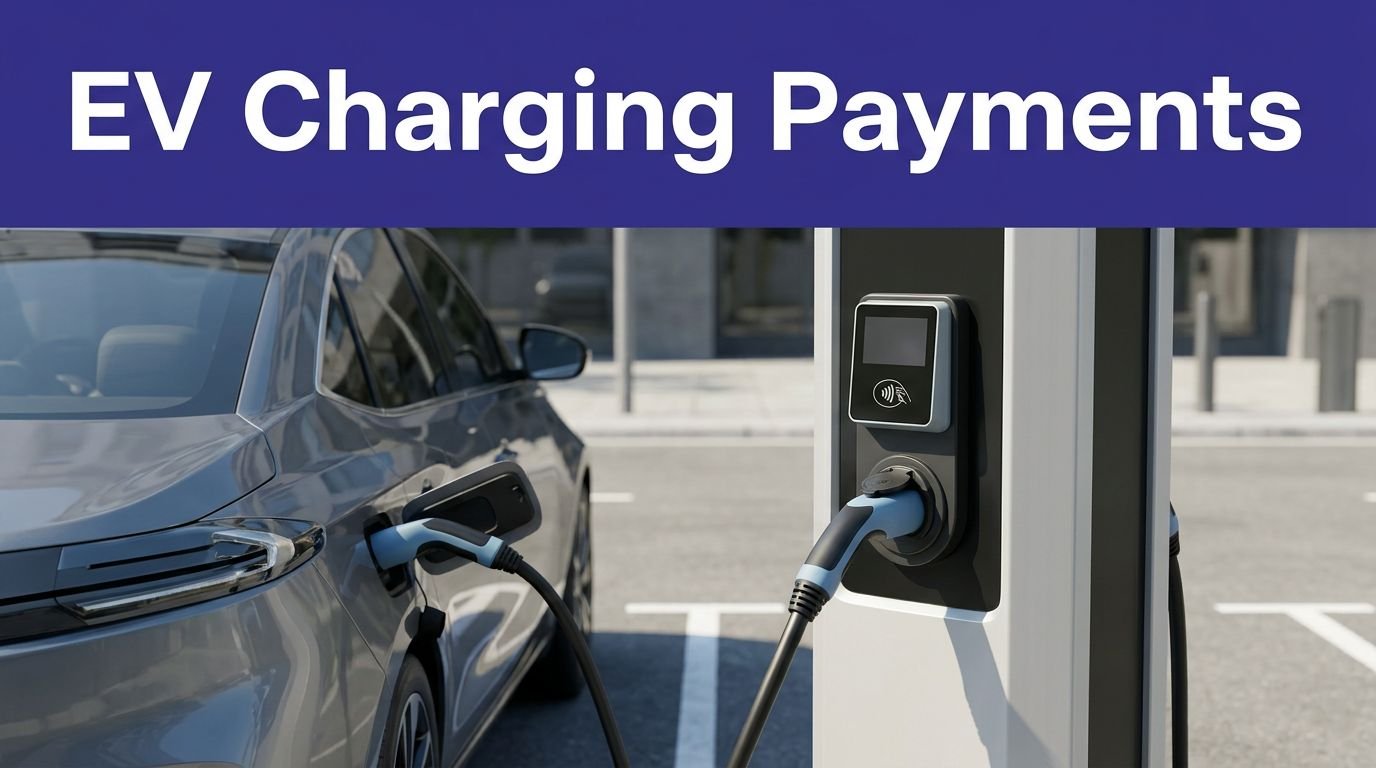
Like picking the right lane on the Autobahn, your charging choice sets how fast and far you go. You’ll see simple, cheap home options and much faster public stations. I’ll outline costs, speed, and practical trade-offs—because the best pick for your routine might surprise you.
Key Takeaways
- Level 1 uses a 120V household outlet, adding about 3–5 miles of range per hour, ideal for overnight or low-mileage drivers.
- Level 2 uses a 240V circuit (often 40–50A), recharges many times faster and is best for daily drivers at home or work.
- Level 3 (DC fast) delivers 50–350 kW DC for rapid charging on highways and travel routes, designed for quick stops and long trips.
- Level 2 installations require a qualified electrician, permit review, and may qualify for incentives; Level 1 needs minimal setup.
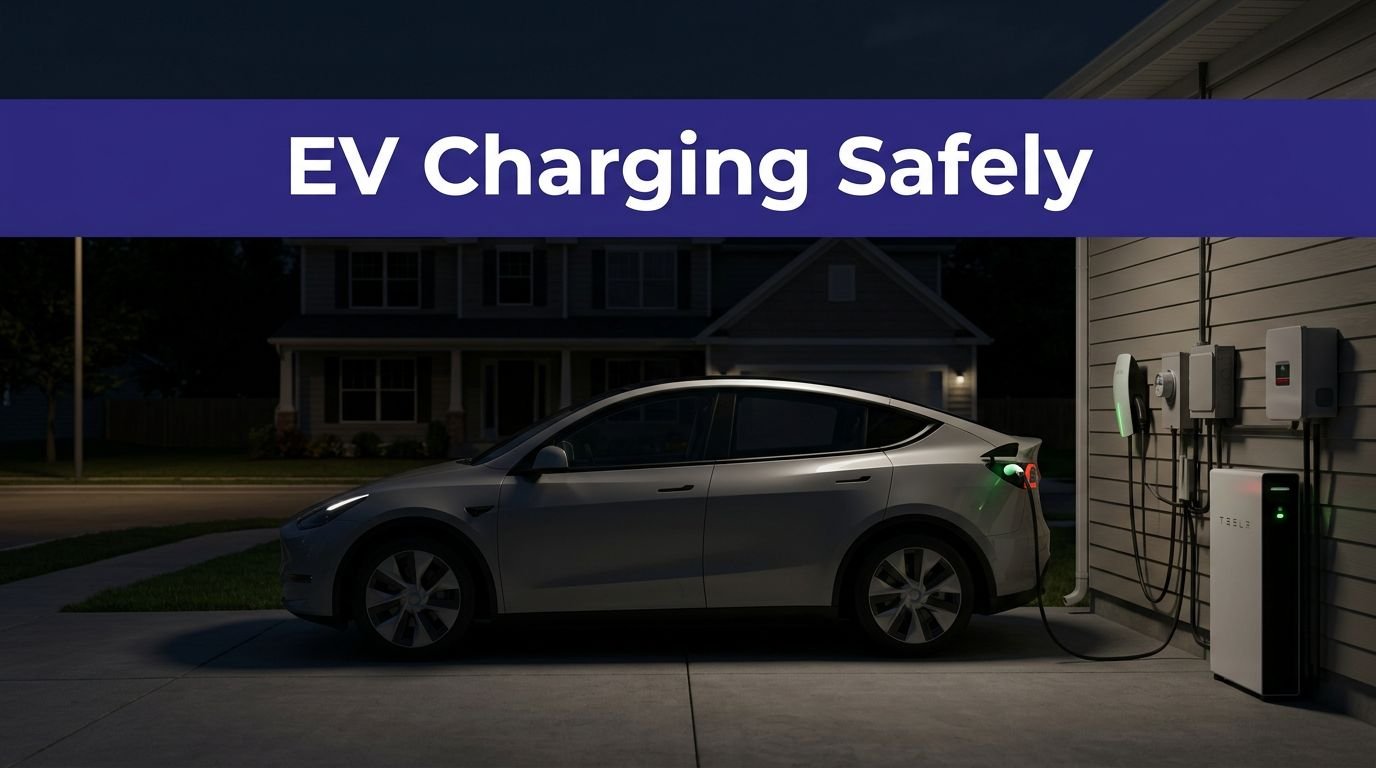
- Observe safety: avoid unapproved adapters or extension cords, monitor charging and battery temperature, and follow manufacturer instructions.
Understanding Level 1: Home Charging, Speed, and Costs
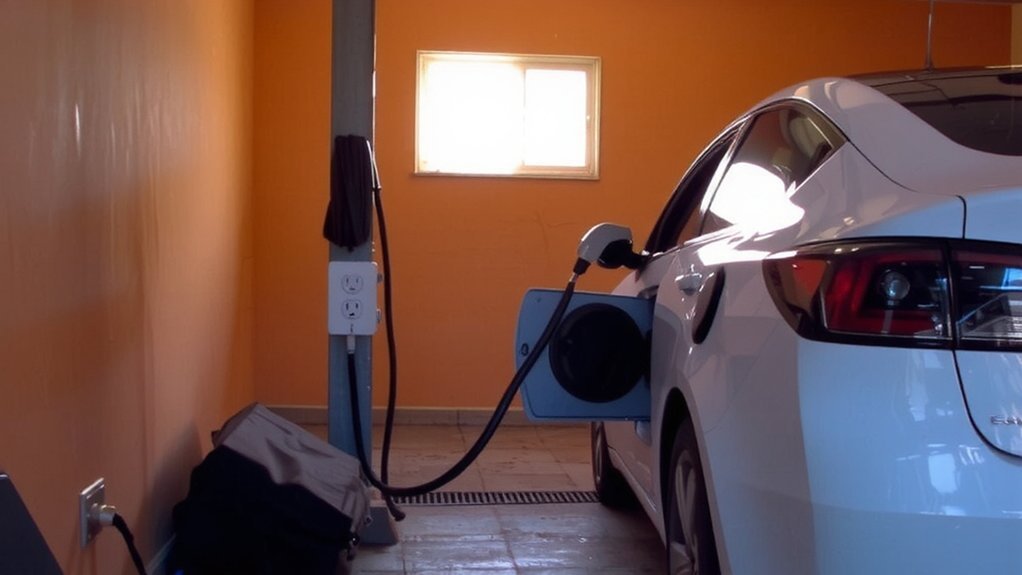
When you plug an EV into a standard 120-volt household outlet (Level 1), it adds roughly 3–5 miles of range per hour, so it’s best for overnight or low-mileage drivers. You’ll use the vehicle’s portable onboard charger and a basic cordset; don’t use extension cords or adapters that aren’t rated for continuous EV charging.
Check the outlet and circuit capacity before regular use, and have a licensed electrician inspect older wiring. Monitor charging sessions and ambient temperatures; stop charging if you smell burning or the outlet feels hot.
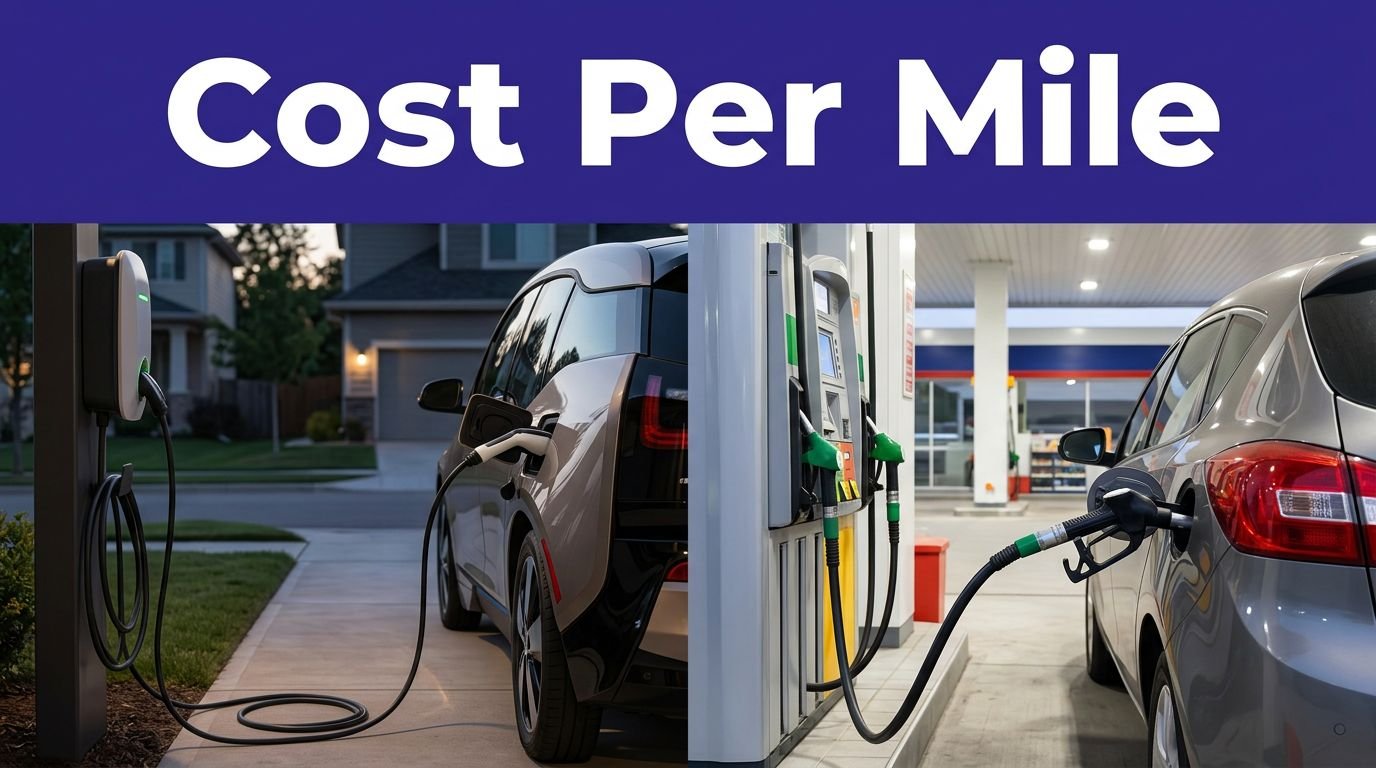
Level 1 charging is low-cost and simple—calculate cost by multiplying your utility’s kilowatt-hour rate by the EV’s kWh per mile—but expect slower replenishment compared with higher-power stations. Keep a fire extinguisher nearby and follow manufacturer instructions.
Understanding Level 2: Workplace and Home Upgrades
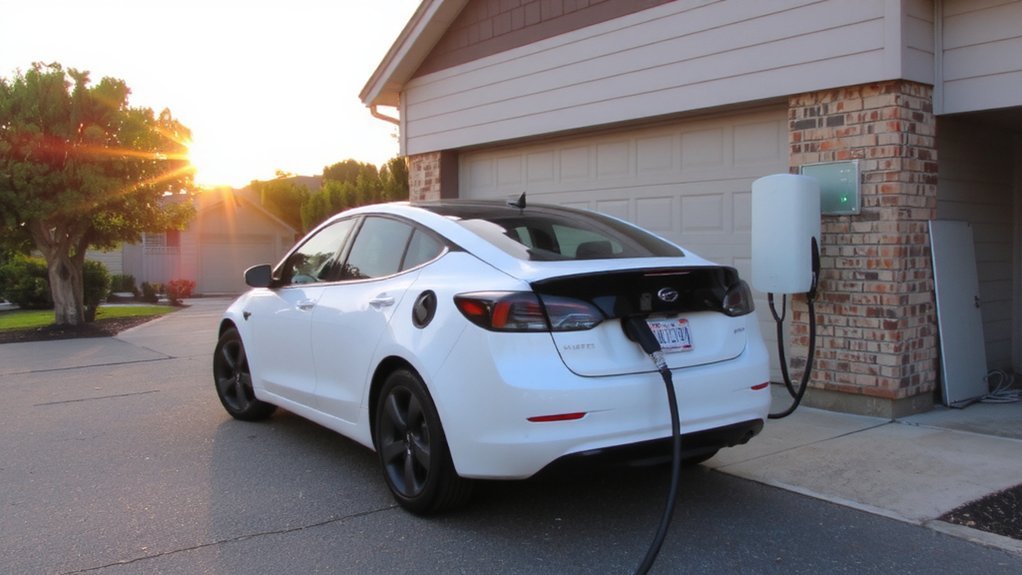
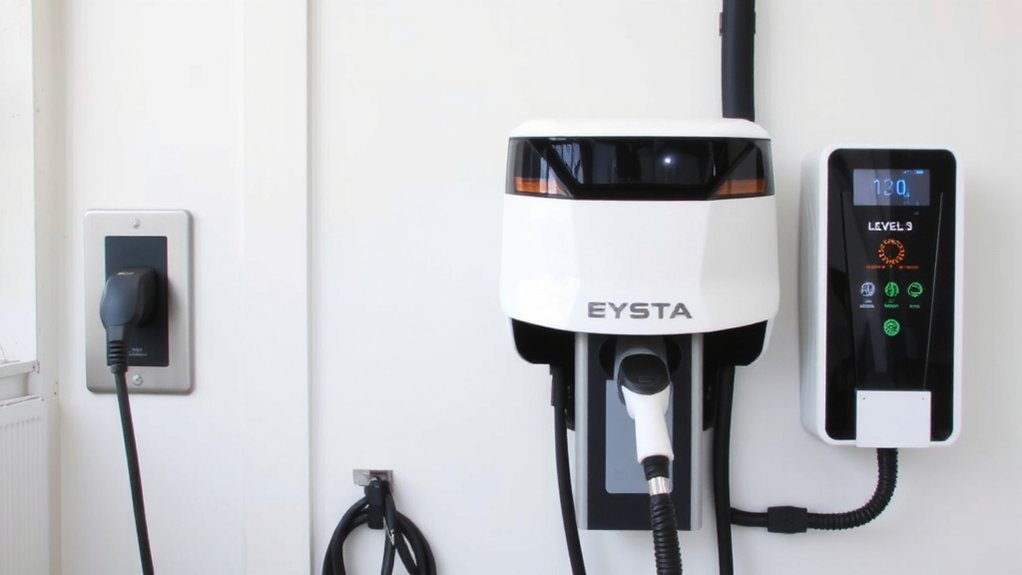
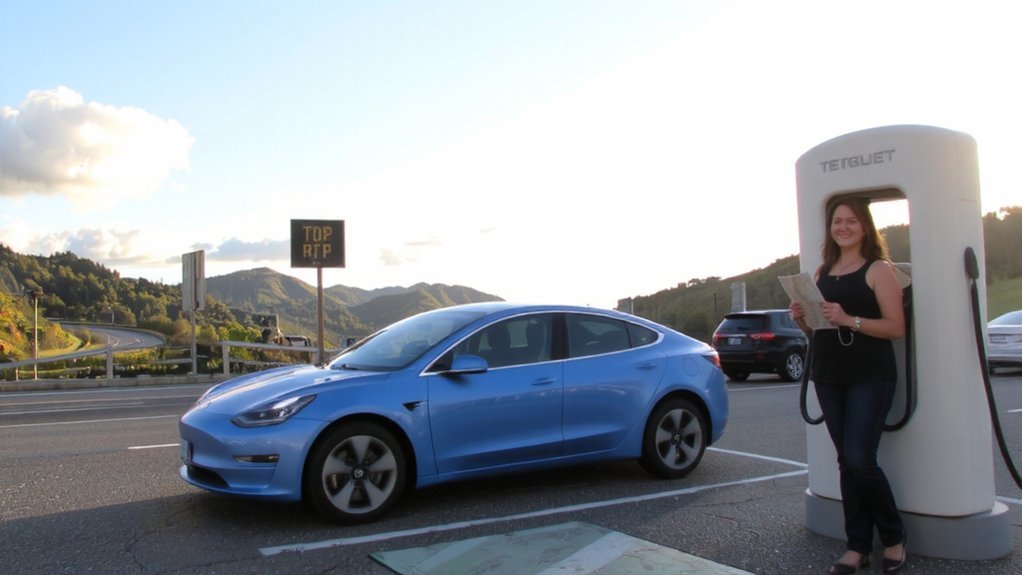
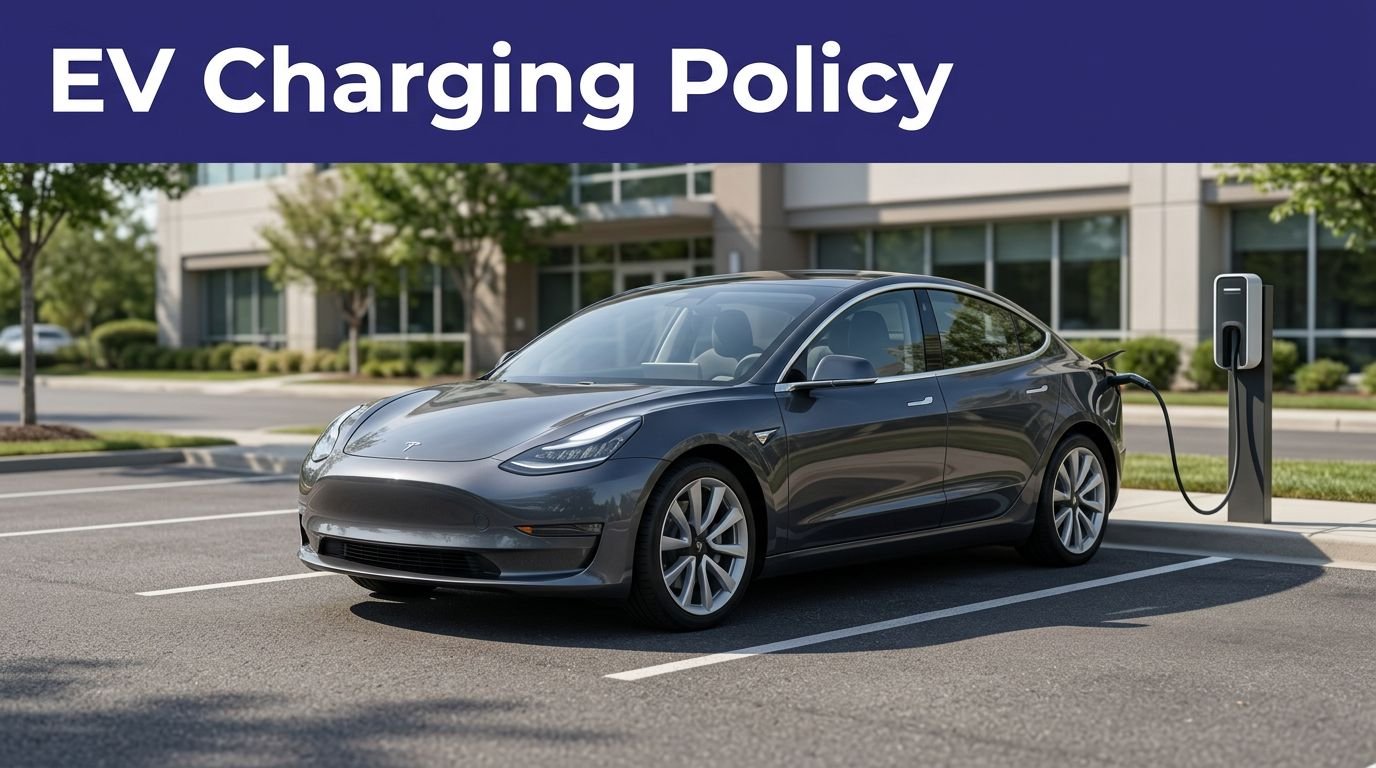
Because Level 2 chargers run on 240‑volt circuits, they recharge much faster than Level 1 and make practical sense for daily drivers at home or at work. You’ll want a qualified electrician to assess your panel capacity, add a dedicated 40–50 amp circuit, and install a compatible outlet or hardwired unit.
Pull permits and follow local codes so installations meet safety standards and inspections. Choose a charger with proper weatherproof rating, cord length, and locking features for workplace use, and mount it at a safe height with clear signage.
Consider smart charging to schedule off‑peak sessions and monitor energy. Check for available incentives or rebates to offset costs, and keep documentation for warranty and maintenance. Inspect connections periodically and report any damage promptly.
Understanding Level 3 (DC Fast Charging): Public Stations and Road Trips
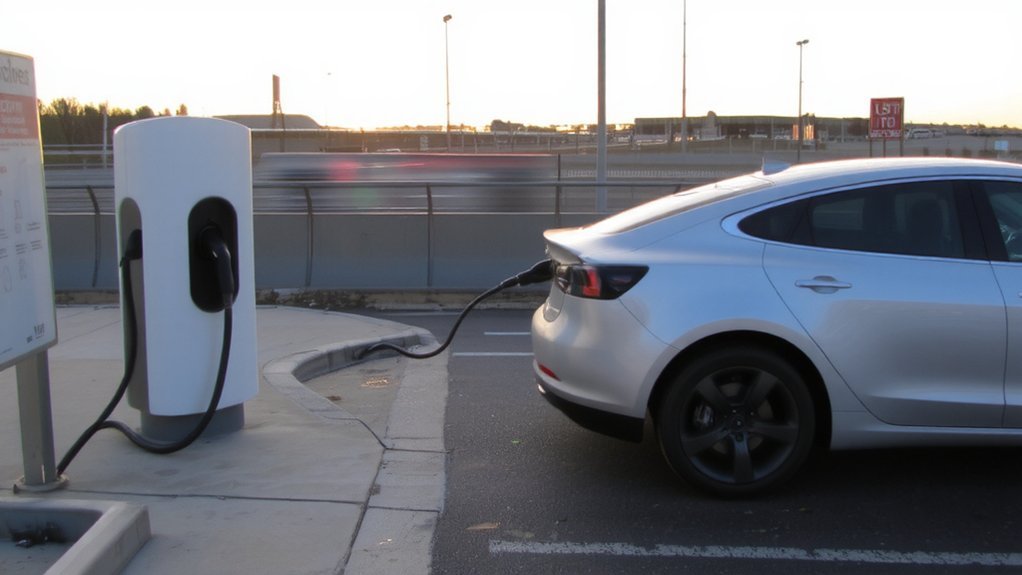
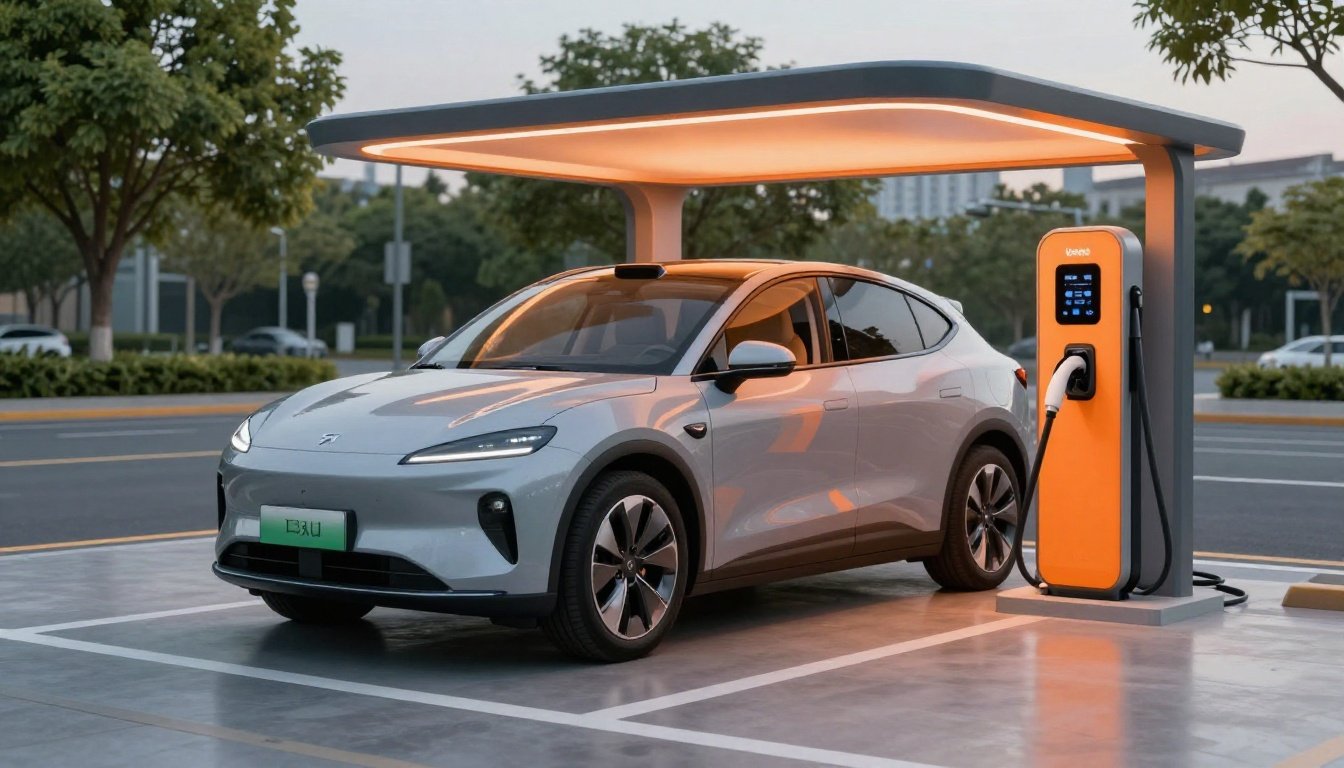
Level 3, also called DC fast charging, delivers high‑power direct current that tops up an EV far faster than Level 2—typically from about 50 kW up to 350 kW. You’ll find these chargers at highway corridors, travel plazas, and some urban hubs; they’re designed for quick stops and long trips.
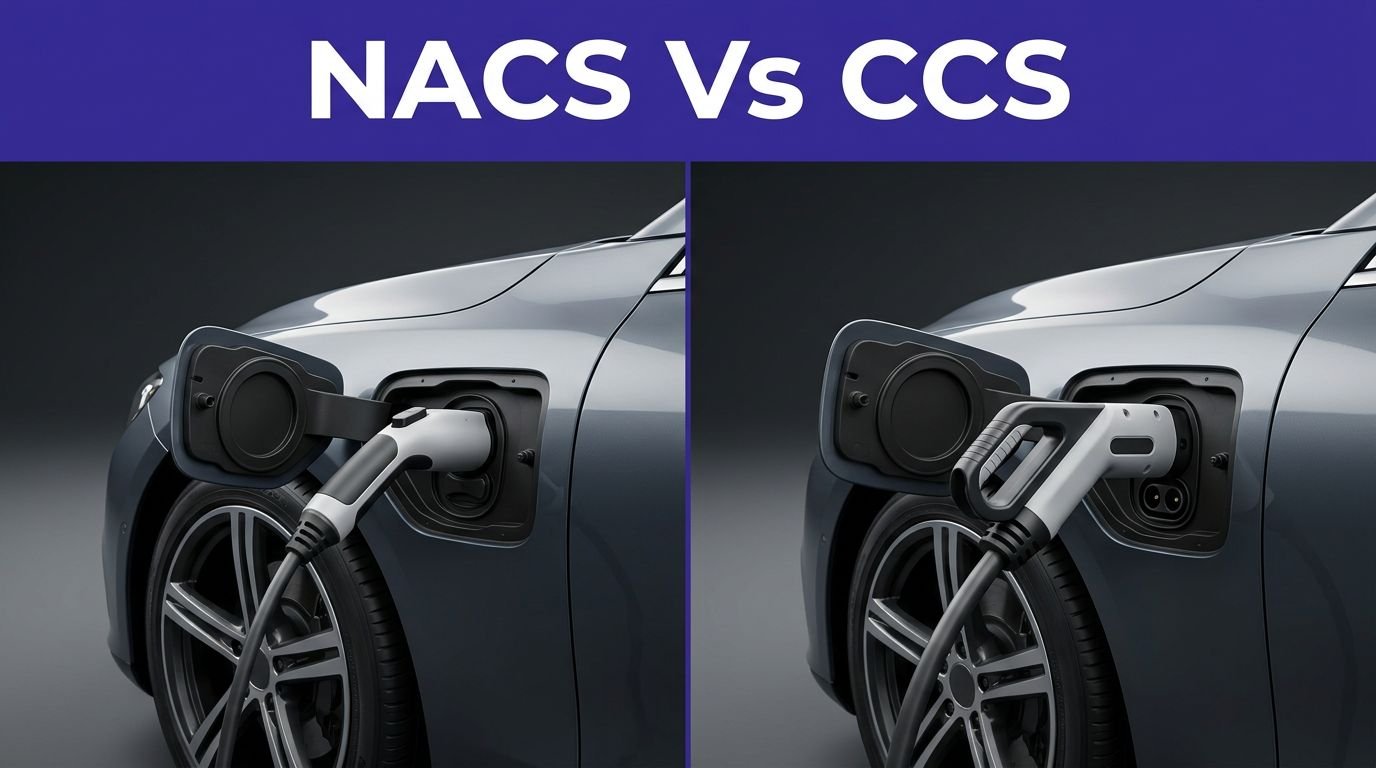
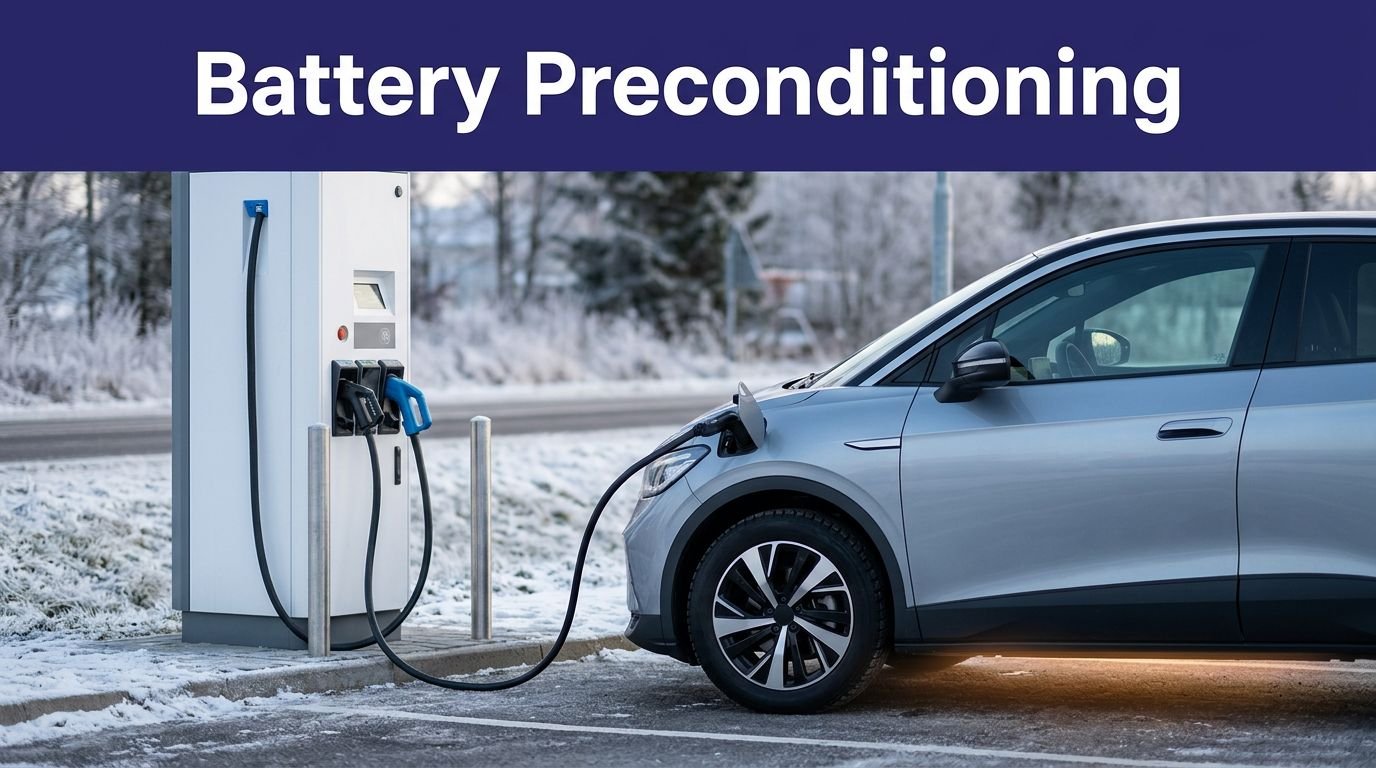
Use them to add range efficiently, but follow safety basics: keep cables clear, avoid touching connectors during faults, and monitor battery temperature. Plan stops around charger availability and parking rules. Consider connector types and vehicle charging curves to estimate time.
Typical tips:
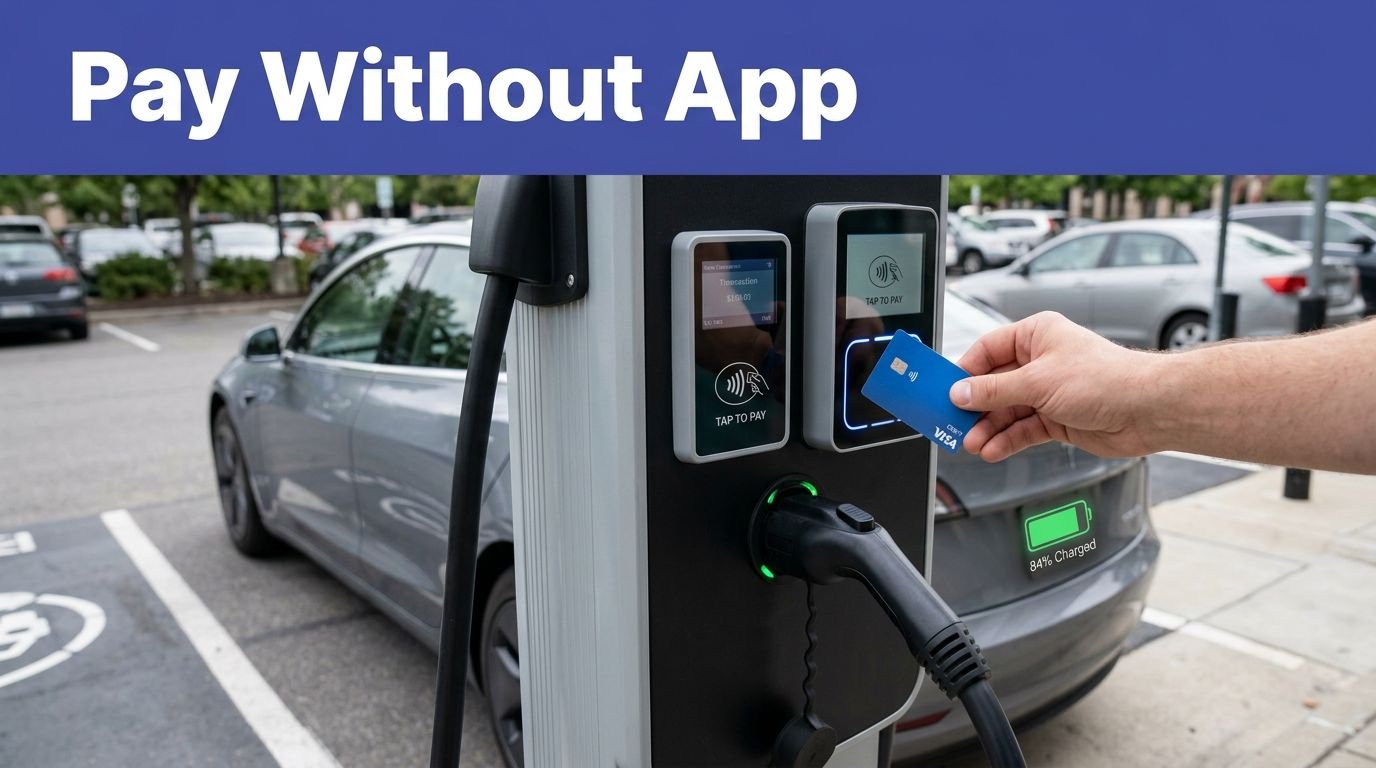
- Verify charger compatibility and payment method.
- Park safely, keep others clear, and watch for hot components.
- Limit frequent high‑power sessions to protect battery health.
Carry a charged phone always.
Conclusion
Now that you know the differences, pick the charger that fits your life: Level 1 for overnight ease, Level 2 for faster daily top-ups, and Level 3 for quick road trips. You’ll save time and hassle when you match charging to use. Remember one striking stat: Level 1 adds just 3–5 miles per hour, while Level 3 can deliver 50–350 kW. Choose wisely, plan your installs, and you’ll enjoy smoother EV ownership and save money.