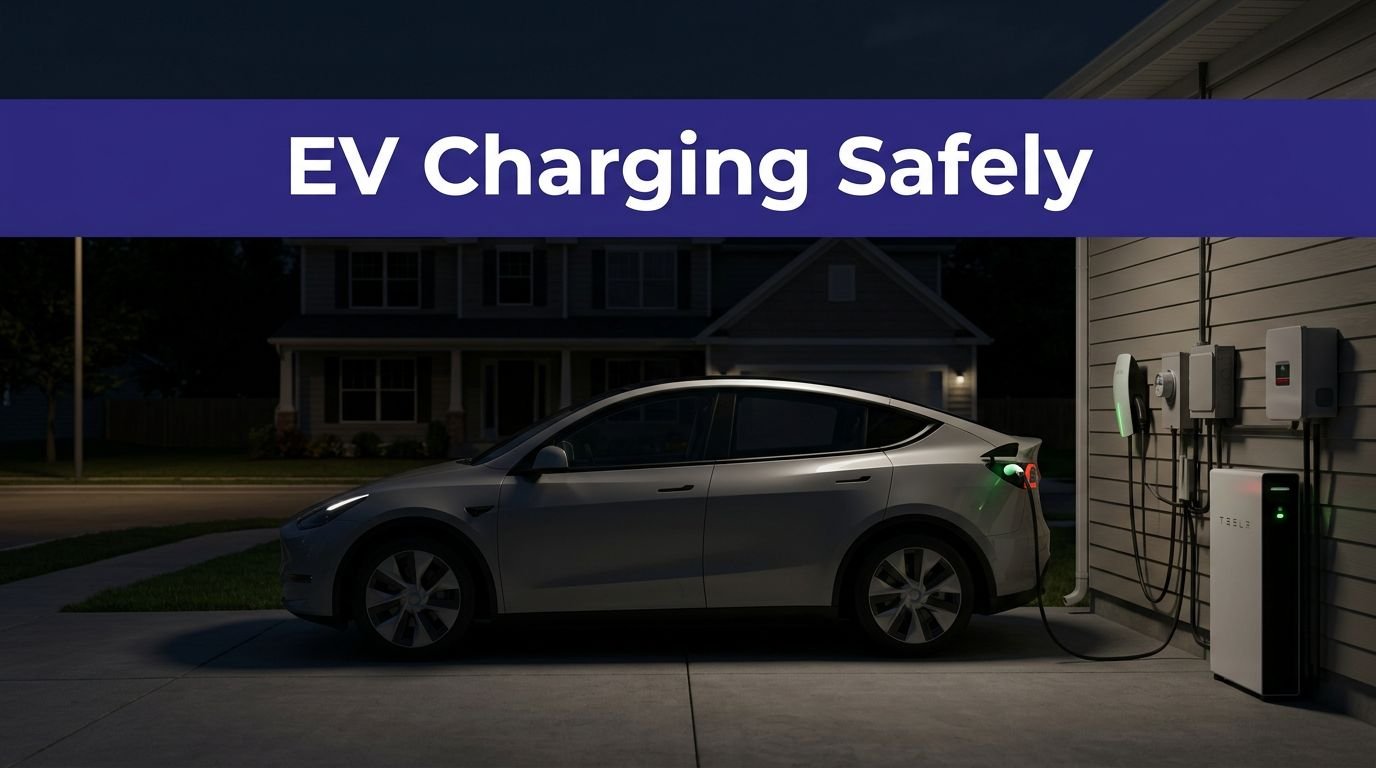
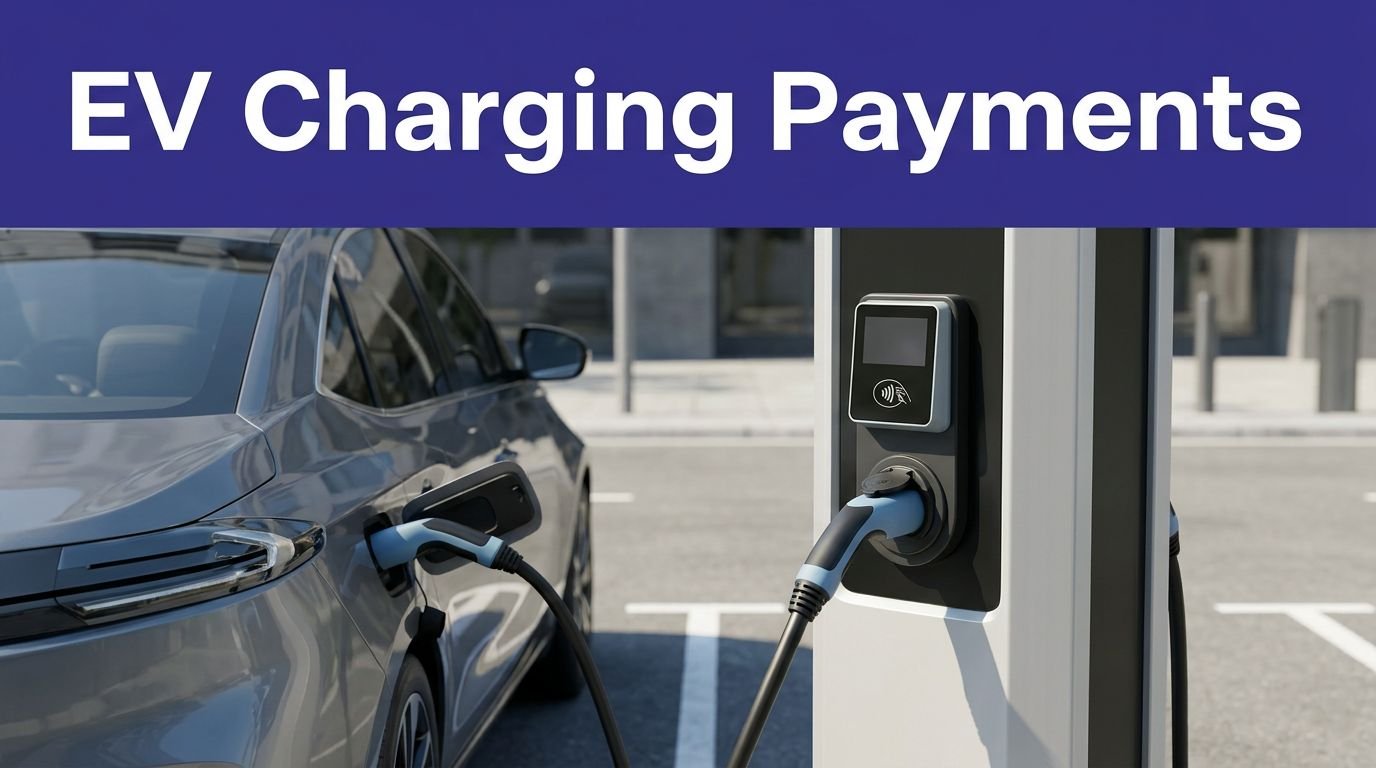
You’ll get the most from your EV when you match charging habits to your driving and climate. Don’t charge to 100% every day and avoid deep discharges when you can. Small, frequent top-ups are often better than letting the battery run low. Keep going—next you’ll see simple schedules, cold‑weather tweaks, and when fast charging’s okay.
Key Takeaways
- Charge when the battery falls to about 20–30% and stop around 80% for daily use to maximize battery longevity.
- Nightly Level 1 or scheduled Level 2 top-ups restore range for short commutes without stressing the pack.
- For long trips, plan charging stops every 150–250 km and top to about 80% using DC fast chargers as needed.
- Avoid routine 100% charges and frequent DC fast charging; reserve full charges and fast charging for trips or emergencies.
- Use timed/off-peak charging and your car’s 80% limit setting to save cost and prolong battery life.
How Charging Frequency Affects Battery Life

You don’t need to charge your EV every night — doing so, especially to 100%, can speed up battery wear over time. You should aim to keep the battery between about 20% and 80% state of charge when practical, since staying near extremes stresses lithium‑ion cells.
Topping up small amounts is gentler than repeated deep cycles, and many cars include buffers or let you set a charge limit to protect longevity. Use Level 2 charging for routine fills when available; reserve DC fast charging for occasional needs because high currents and heat increase wear.
Avoid leaving the battery at very low SOC for long periods, and follow your vehicle’s battery management advice to maintain safety and maximize service life. Check updates regularly for safety. Modern EVs commonly offer about 400 km of range, so 400 km easily covers most daily driving needs.
Recommended Charging Schedules by Range and Driving Pattern
For short commutes, keep your battery between 20% and 80% and top up nightly with Level 2 charging to cover typical 20–60 mile days.
If you regularly drive long distances, charge near 100% before highway trips, use DC fast charging to ~80% during stops, and don’t leave the pack at 100% for long.
Adjust how often you charge by trip length, season (more in cold weather), and available public chargers.
Occasional full charges help recalibrate the battery management system and limit battery degradation.
Short Commute Schedule
Although most modern EVs deliver far more range than short daily drives, you don’t need to charge to 100% every night; instead, top up when the battery falls to about 20–30% and stop around 80% to preserve battery life. The U.S. average commute is about 40 miles/day. For typical commutes of 20–60 miles, a nightly plug-in on Level 1 or timed Level 2 charging will easily restore needed range.
If you park for several days, keep charge at 60–80% to avoid deep discharge. Use off-peak scheduling or smart chargers to save cost and reduce grid strain. Skip frequent DC fast charging for routine use.
Monitor battery temperature in cold climates and increase top-ups as needed. These habits keep your range reliable and your battery healthier. Check manufacturer guidance and follow safety practices.
Long-Range Driver Plan
Short-commute routines—nightly top-ups and 20–80% targets—work well around town, but long-range driving calls for a different schedule. If you drive a 400–800+ km EV, charge every 300–400 km for convenience and longevity; on trips over 500 km, plan stops every 150–250 km.
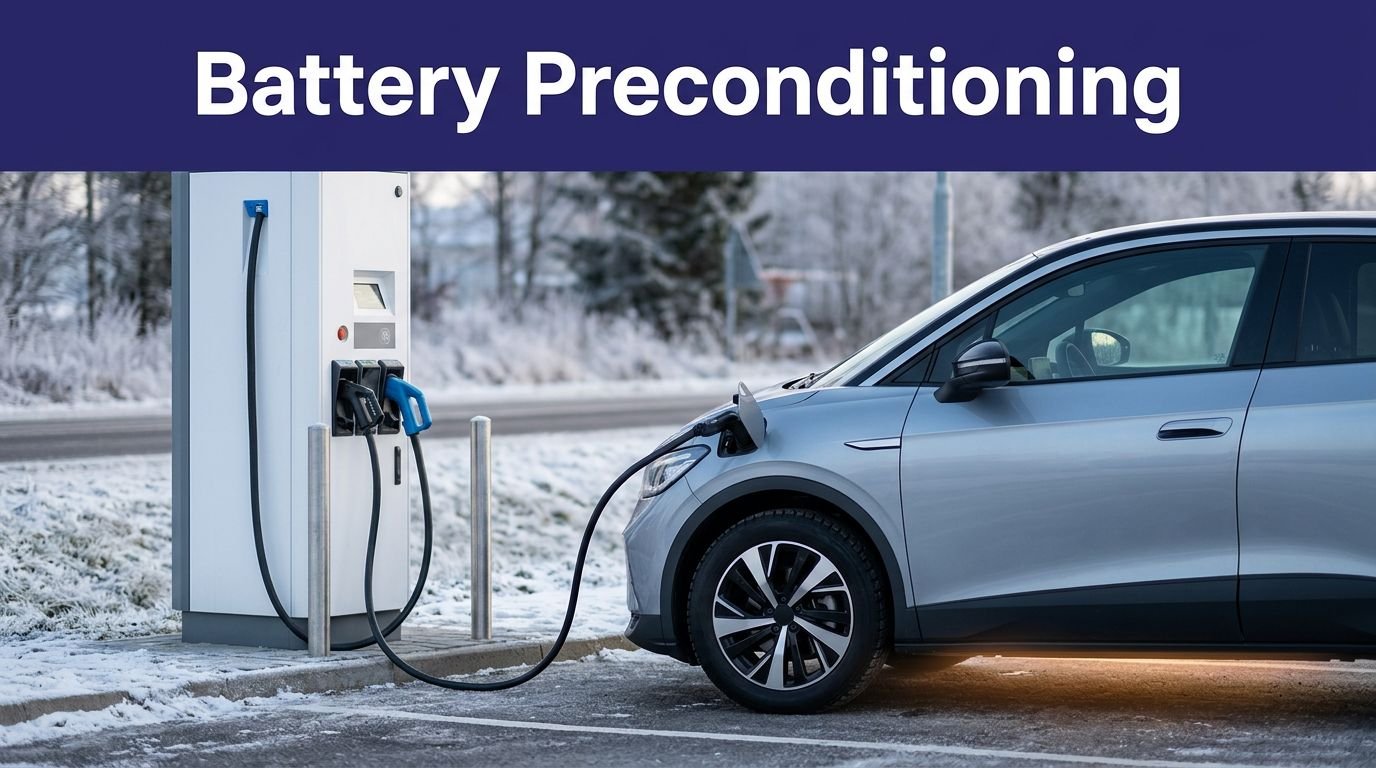
Keep charge between 20% and 80% routinely, only topping past 80% when you need maximum range. Precondition the battery before fast charging, especially in cold weather, to speed sessions and protect cells. Use DC fast or ultra‑rapid chargers on highways to shorten downtime, and favor partial fills to 80% for fastest charging.
Maintain a 20–30% buffer before departure, use route apps to reserve chargers, and schedule charges during meals or breaks for safety and efficiency. Check weather and adjust stops when needed. Modern DC fast chargers can add significant range in as little as 20 minutes.
Best Practices for Daily, Weekend, and Long-Distance Charging
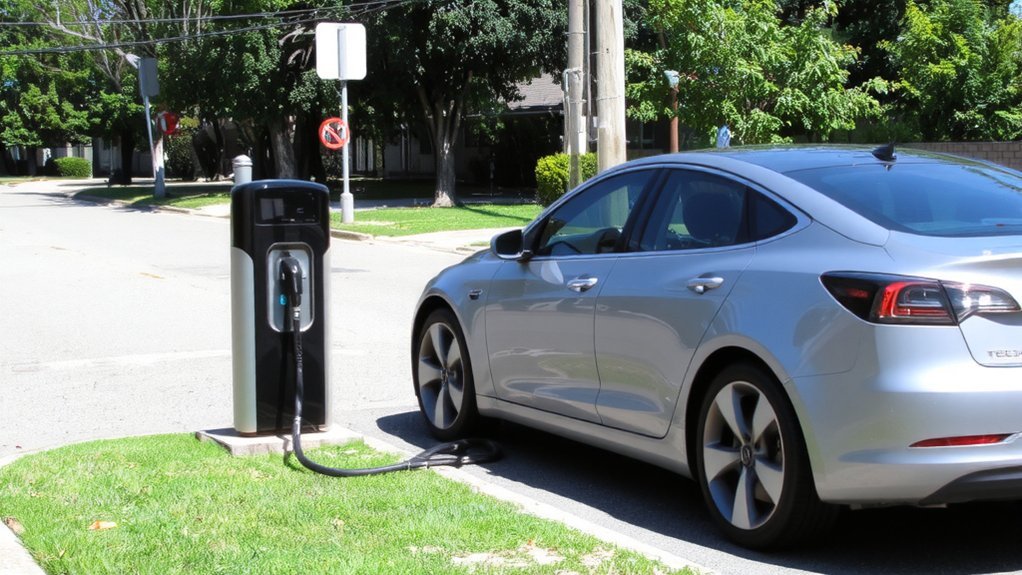
For daily charging routines, keep your battery between 20% and 80% and use Level 1 or Level 2 charging based on your commute to balance convenience and battery health. Following the 80/20 rule helps prolong battery life.
On weekends, top up to around 60–80% during off‑peak hours and do occasional full charges when you’ll need extra range.
Before long trips, charge to 100% and plan stops at DC fast chargers, aiming to top up to about 80% during stops to save time and reduce battery stress.
Daily Charging Routine
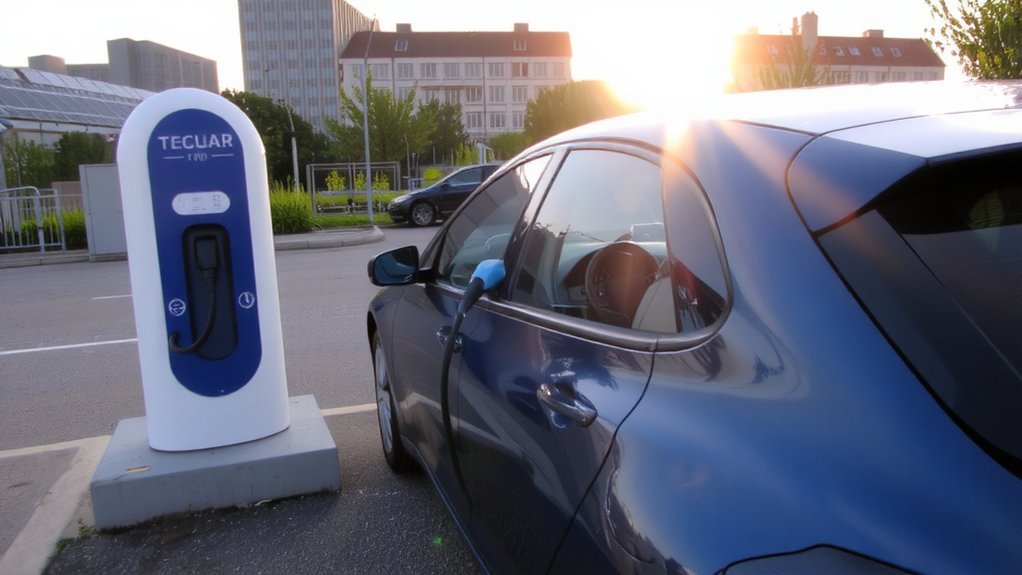
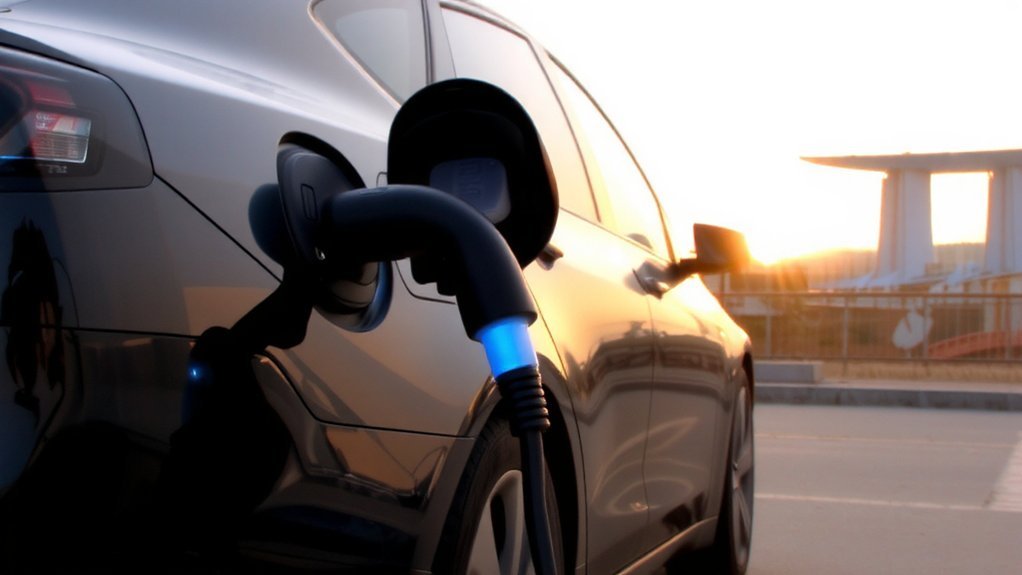
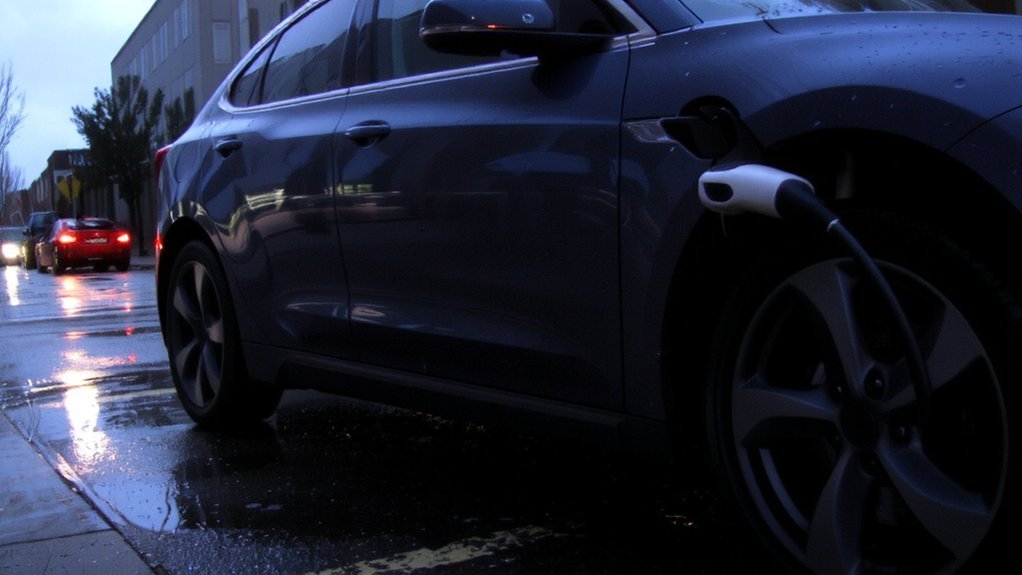
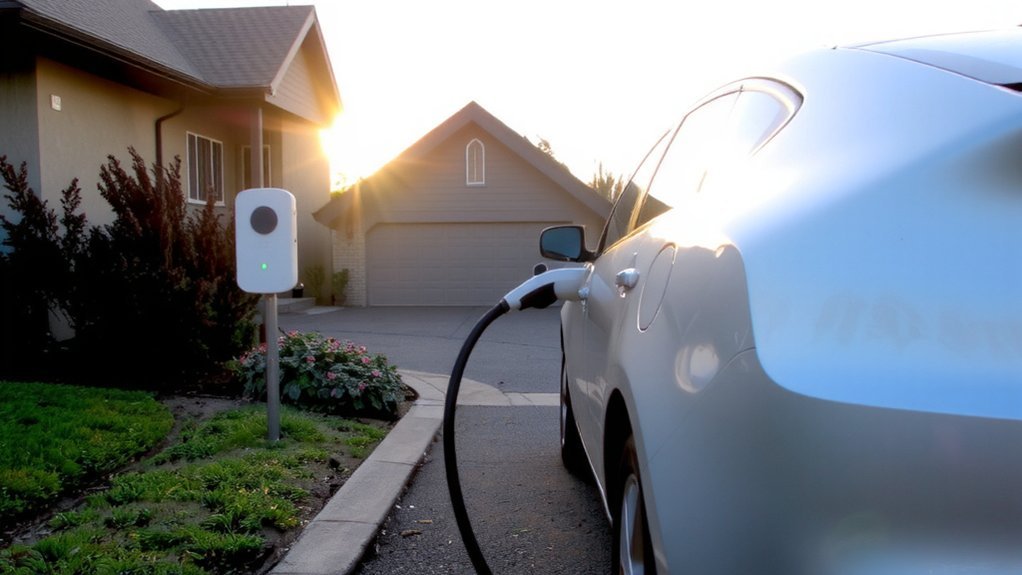
When you plan your daily charging routine, aim to keep the battery between about 20–80% and charge to 100% only before long trips that need the extra range. You should avoid letting the pack fall below 10–20%, start recharging around 30%, and stop near 80% for safety and longevity. Use your vehicle settings or app to automate an 80% limit and prefer Level 1 or Level 2 charging at home or work; Level 1 suits overnight low-mileage top-ups, Level 2 gives faster daily fills. Don’t rely on DC fast charging except for long trips or emergencies. Plug in after short drives rather than deep-discharge cycles, avoid charging immediately after hard driving, and follow your manufacturer’s daily-charge guidance. These steps will help preserve battery safety. Keep in mind that charging habits directly impact EV battery lifespan and performance.
Weekend Top-Ups
If you mostly do short daily trips, plan a weekend top-up to about 80% and only charge to 100% when you need the extra range for a longer outing; this keeps the battery healthy and ready. Typical electric cars offer ranges of 150–500 km, so plan top-ups accordingly.
Schedule charging during off‑peak weekend hours to lower costs, or sync with solar production if available.
If you use the car infrequently, top up to 60–80% to avoid deep discharge, and do an occasional full charge to help BMS calibration, then drive soon after. Avoid leaving the battery at 100% for days.
In cold weather consider a higher weekend target and precondition before driving.
Use weekend checks to install updates and confirm tire pressure and charging equipment integrity for safe, reliable operation.
Keep charging habits conservative and monitored.
Long-Distance Charging Strategy
Most drivers plan charging stops like fuel breaks: use route apps or your car’s nav to map chargers every 100–150 miles, pick fast chargers when practical, and identify backups at each stop.
On the road, you schedule stops every 2–3 hours, align them with rest, food, or stretching, and avoid running your battery to empty. Aim to charge to about 80% during fast fills to stay efficient; use two shorter stops rather than one long one. Remember that charging is fastest between 10% and 80% (10–80%).
Activate Plug & Charge where supported, carry app credentials or RFID backup, and know pricing models. Secure the connector firmly, monitor charging speed trends, and promptly switch posts if a stall occurs.
Drive smoothly and use cruise control to maximize your range and safety for a safer trip.
Home Charging Versus Public and Workplace Options
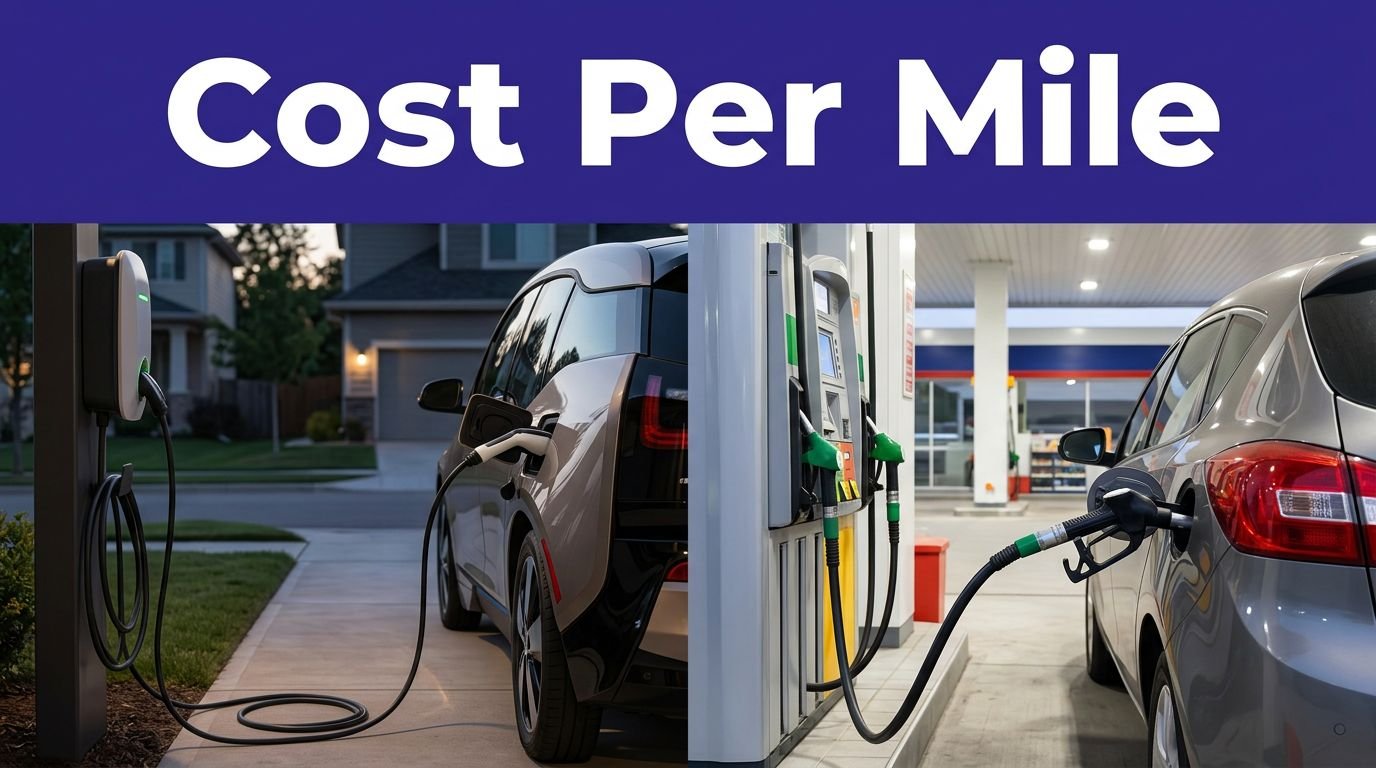
While home charging suits daily routines by letting you plug in overnight and wake up with a full battery. Level 1 and Level 2 differ in speed, with Level 2 charging much faster than Level 1. You’ll get 3–5 miles per hour from Level 1 or 20–30 miles per hour from a Level 2 residential unit, and off‑peak rates usually lower your cost. Install a dedicated circuit and station ($500–$1,500) and keep equipment maintained for safety.
Public Level 2 chargers (12–40 mph) are great for short top‑ups while errands; DC fast chargers give 150–200 miles in 20–30 minutes for long trips but cost more. Workplace Level 2 charging extends your range during the day and employers may subsidize fees.
Use smart scheduling, avoid deep discharges below 20%, and aim for 80% daily to protect battery health. Monitor cables and connections regularly.
Charging Strategies for Cold Climates and Infrequent Use
Beyond choosing between home, workplace and public chargers, you’ll need different charging habits in cold weather and for a vehicle that’s driven infrequently. In cold climates expect 10–20% range loss, slower charging, and longer fast-charge sessions; charge to 100% more often when needed, and schedule preconditioning while plugged in to warm battery and cabin. Always precondition the EV 30–45 minutes before driving to warm the battery and improve performance, which is especially important in subzero conditions.
Use regenerative braking or short drives to raise pack temperature before charging, and prefer DC fast charging in extreme cold to warm cells faster. For infrequent use, keep state of charge between 60–80% and charge every few weeks, avoid long storage at 100% or very low levels, and perform occasional full charges to recalibrate the BMS. Schedule charging off-peak and monitor SOC to guarantee safe readiness and prevent battery damage.
Charger Types, Standards, and Where to Find Them
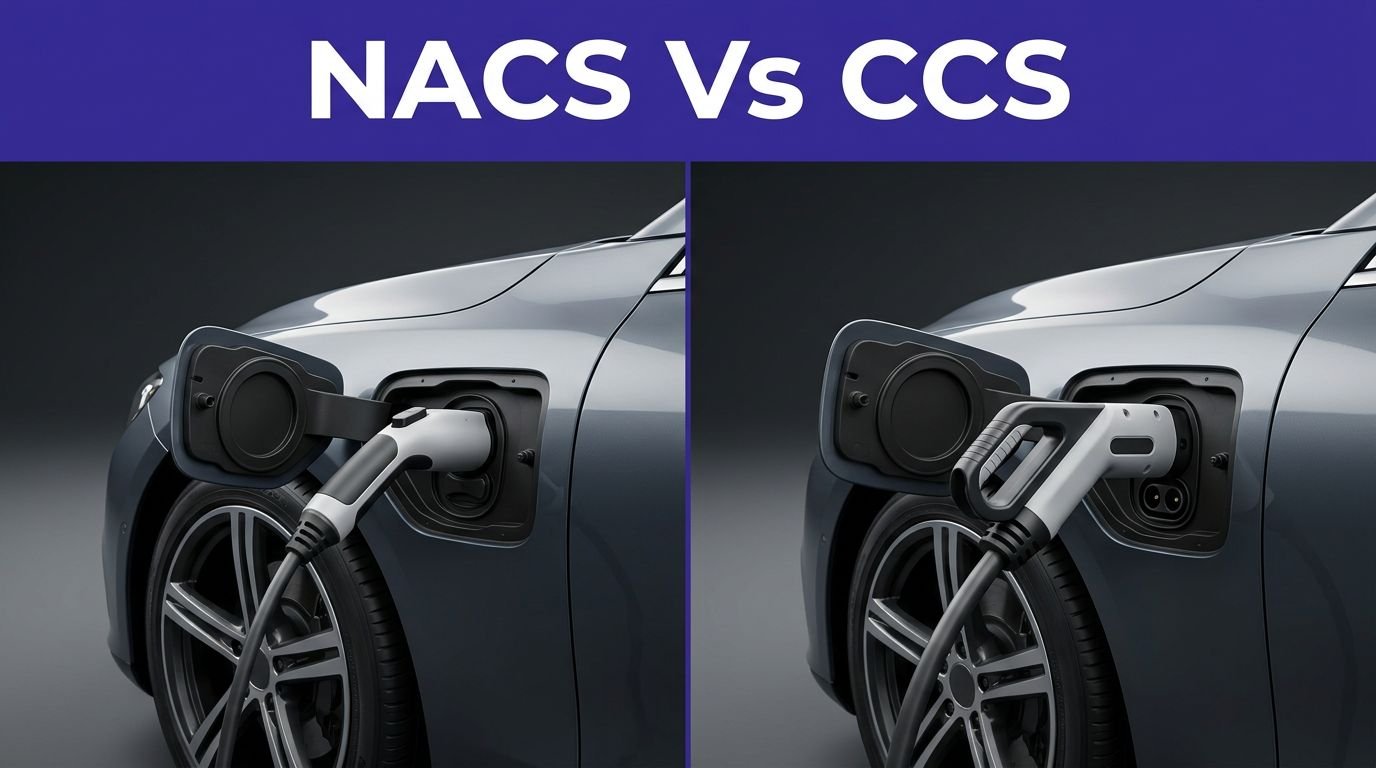
Get to know the different connector types, power levels, and networks so you can plug in where and when you need to. You’ll encounter CCS1 (most non‑Tesla in North America), CHAdeMO (less common), and J3400/NACS (Tesla’s SAE‑standardized connector now widely adopted). Federal guidelines require CCS1 availability at funded stations, so expect stations to include it CCS1.
Know the connector types—CCS1, CHAdeMO, and J3400/NACS—so you can plug in anywhere
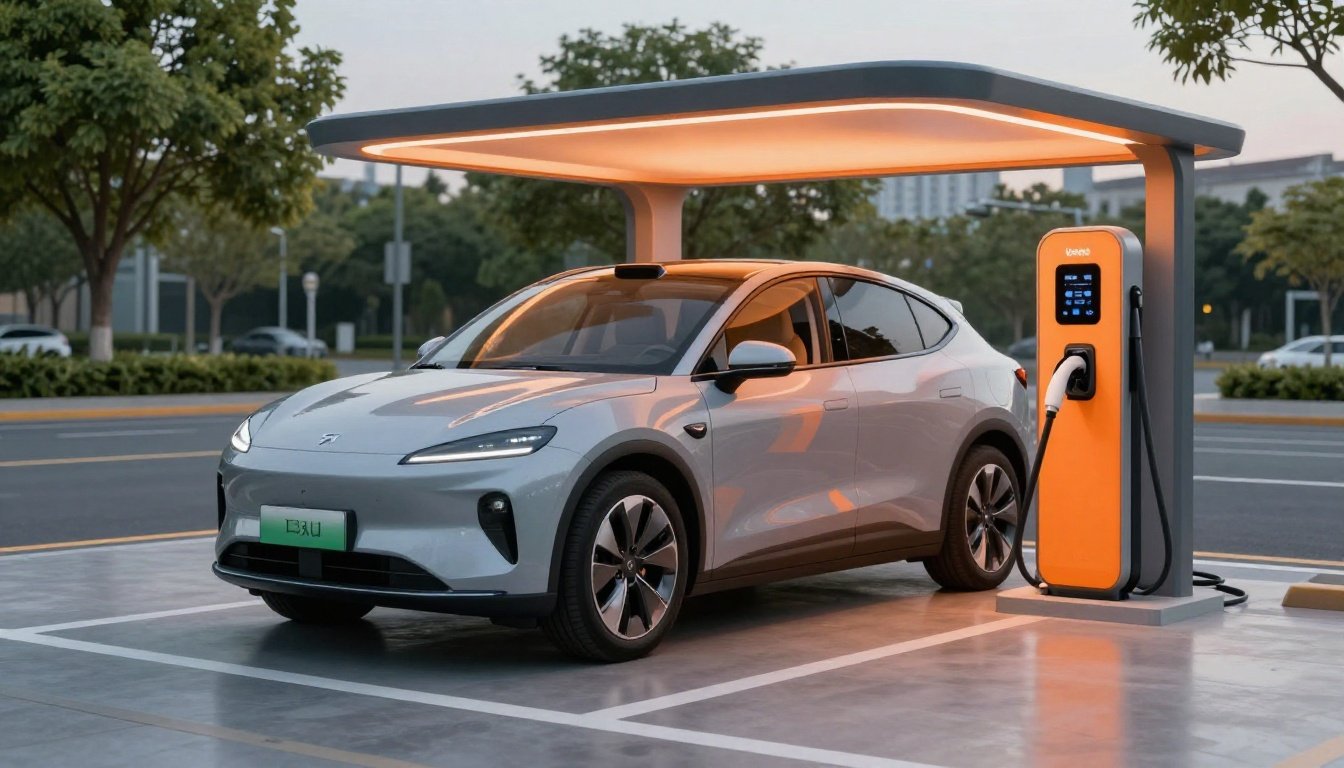
Level 1 and Level 2 AC chargers cover home and workplace needs; DC fast chargers and Superchargers deliver 50–350 kW for rapid fills on trips.
Follow federal and UL safety rules: use certified equipment, emergency shutoffs, surge protection, and proper circuit installation. Stations must offer multiple connectors or adapters—carry an adapter if needed.
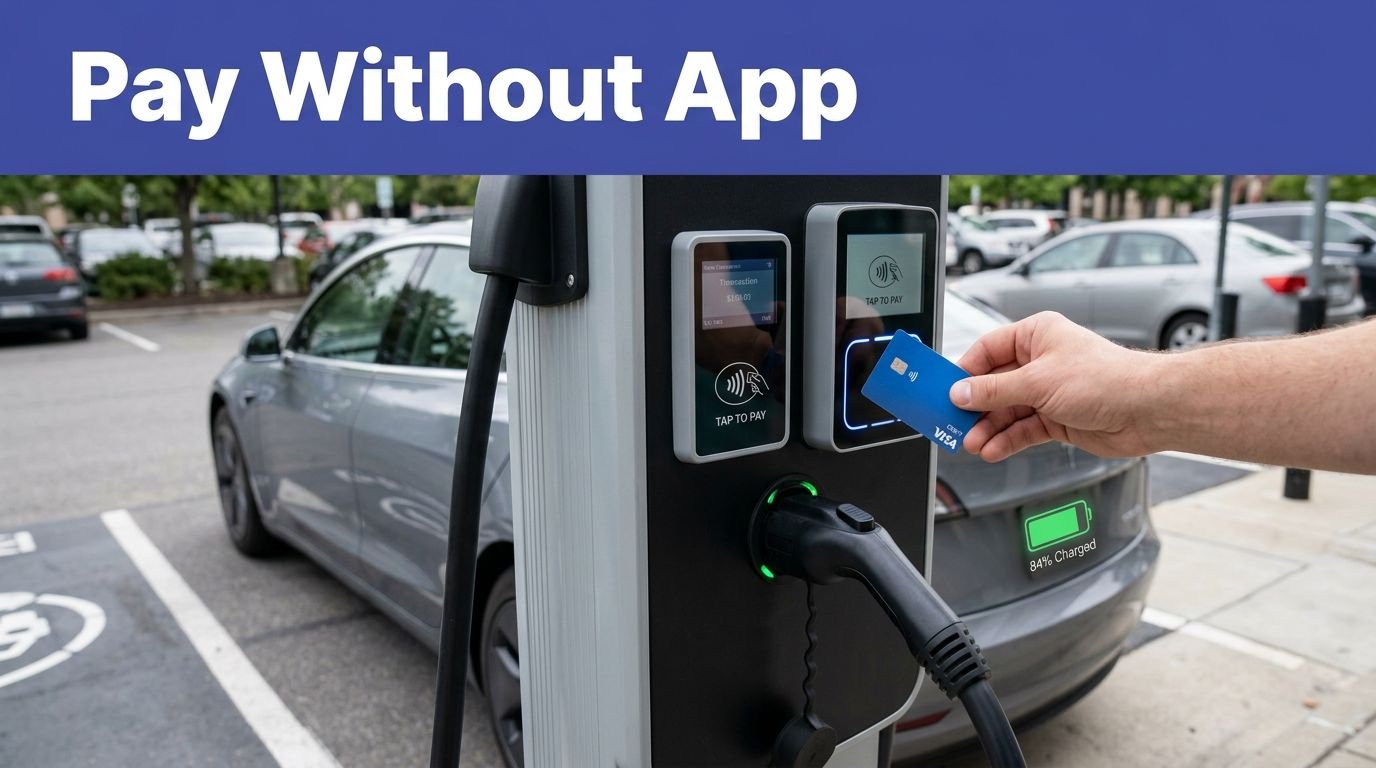
Use reputable network apps to find stations, check real‑time uptime, and authenticate/pay safely. Prioritize certified installers and reliable networks to reduce risk. Plan routes and precondition battery for safer faster charging.
Conclusion
You’ve got this: charge regularly but avoid 100% unless you need the range. Keep daily top-ups between about 20–80%, use Level 2 at home or work, and save DC fast charging for long trips or emergencies. In cold climates or when you drive rarely, charge a bit more often and monitor state of charge. Follow these simple routines and your battery will stay healthier than a superhero’s cast-iron heart for many, many, many years indeed.