Like a weathered map, old EV myths mislead you. You’ll see that fast chargers, home installs and range anxiety aren’t what they used to be, and the specifics matter for cost, convenience and daily use. Stick around—you’ll want to know which claims still hold.
Key Takeaways
- Fast DC charging doesn’t inherently ruin batteries; manufacturers manage charging curves and limit fast charging to protect battery health.
- Charging to 80% for routine stops is recommended, because charging speed slows and battery stress increases above ~80%.
- Home Level 2 charging is affordable for most, with typical installation costs between about $1,200 and $2,000.
- Public fast-charger availability is expanding—around 60,000 DC fast charger ports are in service or planned by mid-2025.
- EV range and charging tech have improved: average range ~293 miles and many vehicles accept 150–270+ kW peak charging.
How Fast Can EVs Really Charge?

How fast can an EV charge? You’ll see DC fast chargers from 15 kW to 350+ kW (some stations are developing 1000 kW), and charging to about 80% typically takes 20–60 minutes depending on station and vehicle. The fastest 300 kW chargers can hit 80% in about 20 minutes for compatible cars, but station output and your vehicle’s acceptance rate both limit speed.
Older EVs may accept ~50 kW; newer models up to 270 kW. Acceptance falls as the battery fills, especially past 80%, so you’ll charge fastest early on. For safety and battery health, target 80% for routine stops; charging 80–100% is much slower and stresses the battery, so reserve it for long trips.
Always follow charger instructions and monitor temperatures closely, carefully. Also remember that battery size affects how long a charge takes.
Home Charging: Costs, Installation and Savings
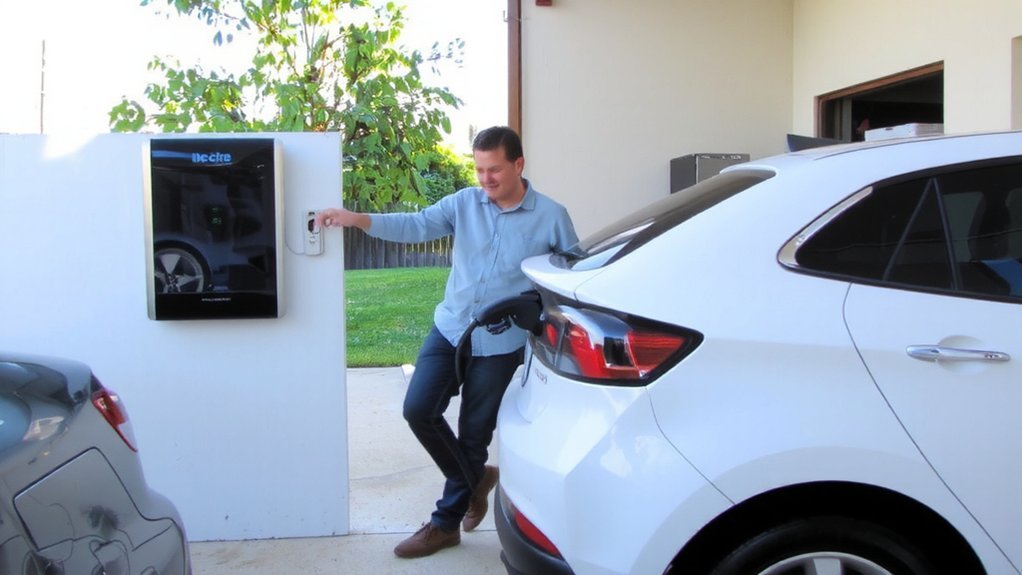
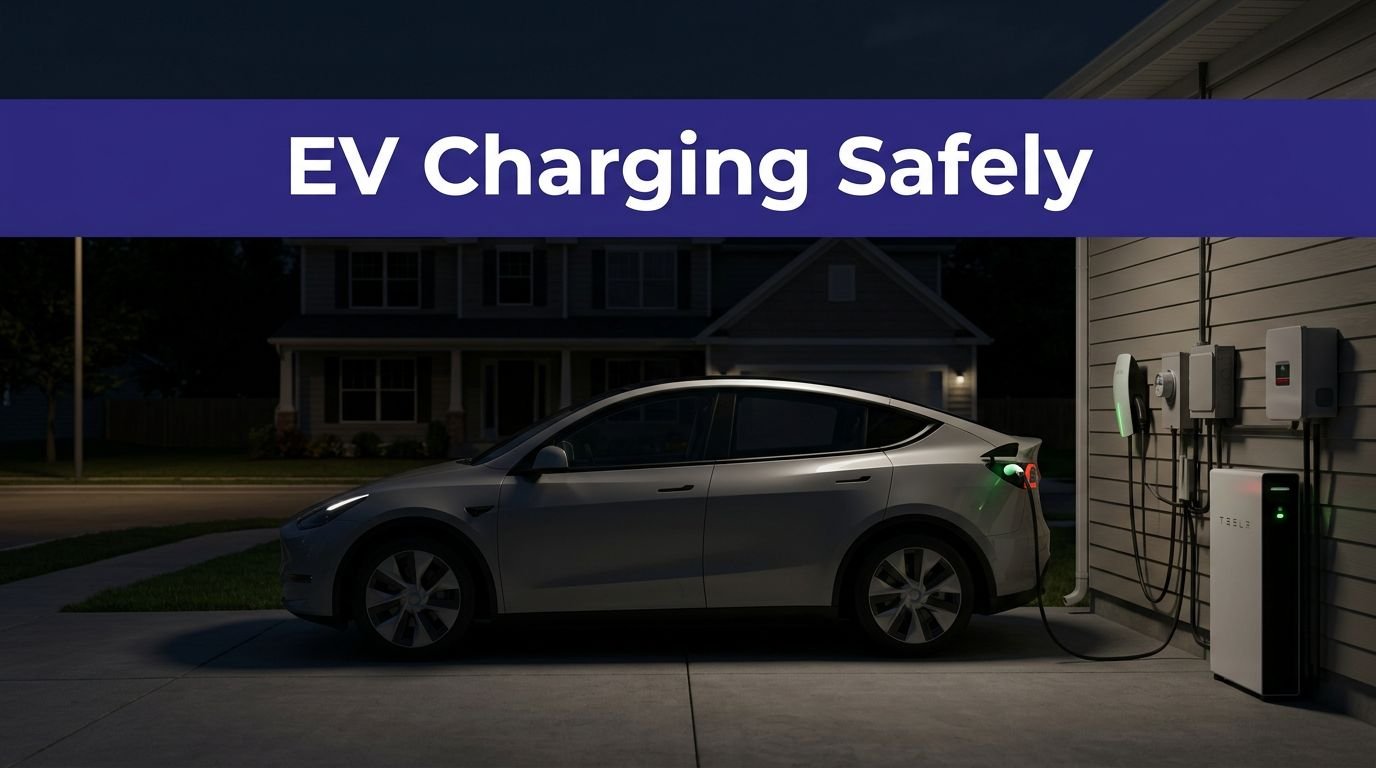
Getting a home EV charger is often the most convenient and cheapest way to charge, but upfront costs and installation needs vary widely depending on your panel, distance to the parking spot, and desired charger features. Typical total installation and hardware costs range widely depending on complexity and location of your parking spot, with an average cost often cited between $1,200 and $4,000. If you have an existing 240‑volt outlet, expect $300–$800; typical installs run $1,200–$2,000.
Complex jobs with panel upgrades, trenching or weatherproofing can exceed $2,500–$4,500. Basic Level 2 units cost $400–$800; smart or premium chargers $600–$2,000. Electrician labor is often $400–$1,500; permits add $50–$500. Panels under 150 amps may need upgrades ($1,300–$3,500).
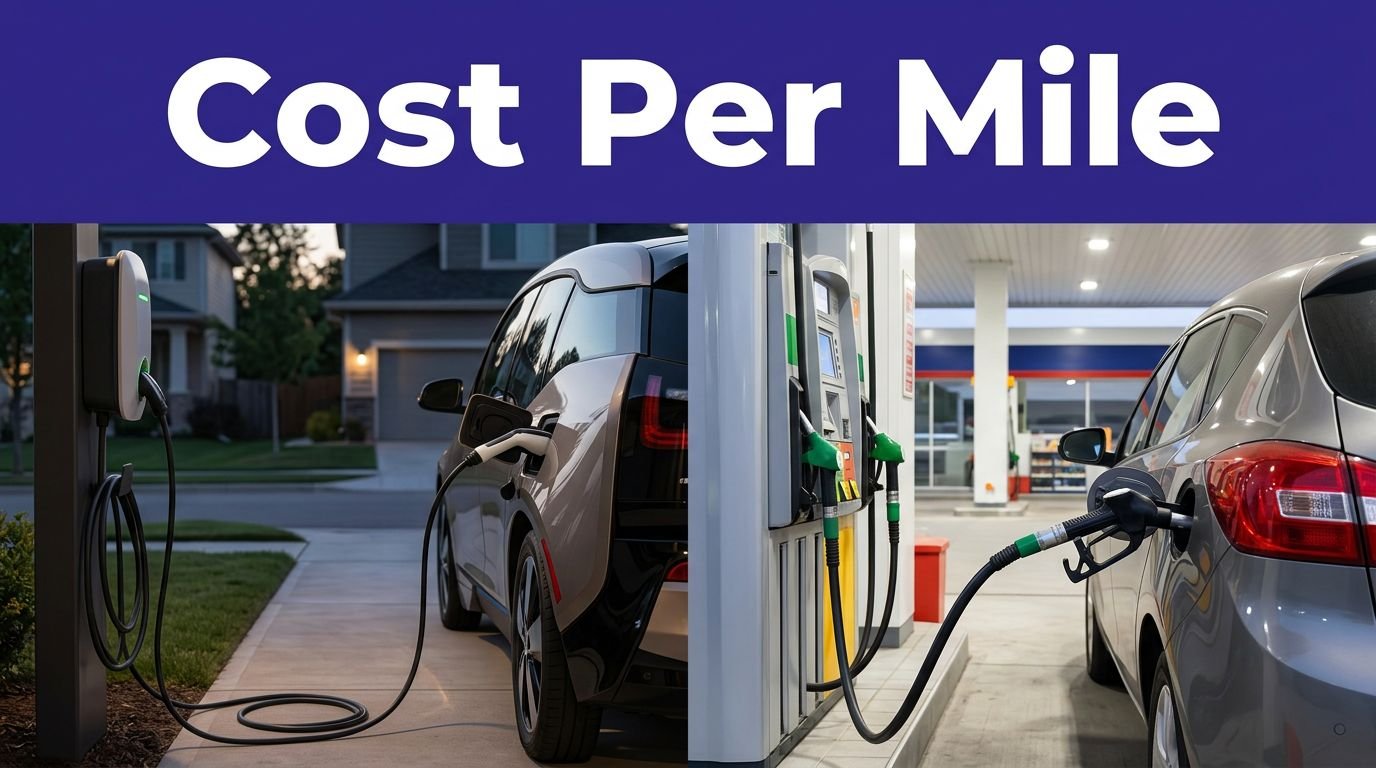
Charging at home averages about $0.17/kWh or roughly $60/month, and federal 30% credits plus local incentives can cut net costs. Don’t DIY—use licensed pros for safety and code compliance. Plan permits and document work for warranty protection.
Public Fast Chargers: When They Make Sense
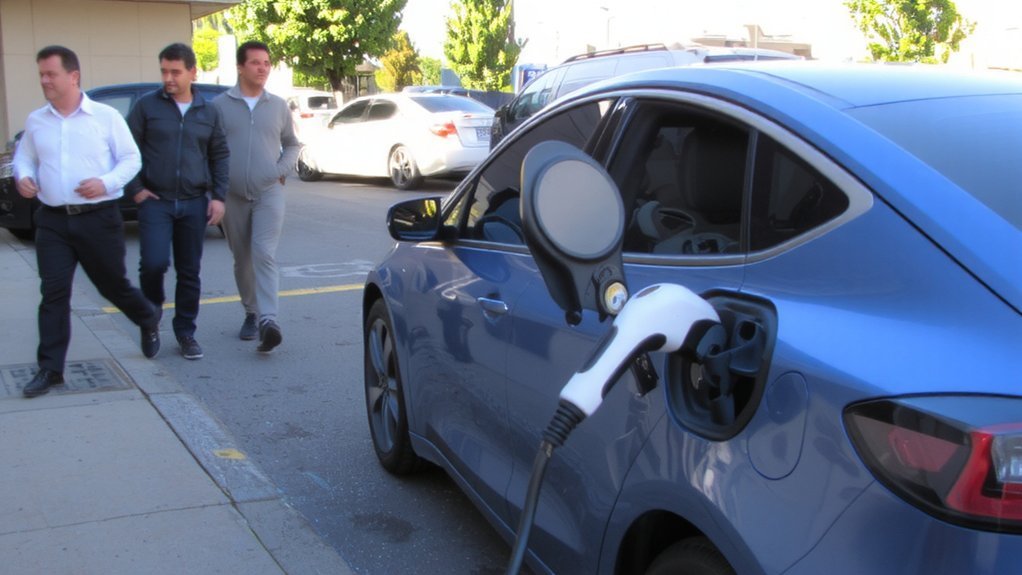
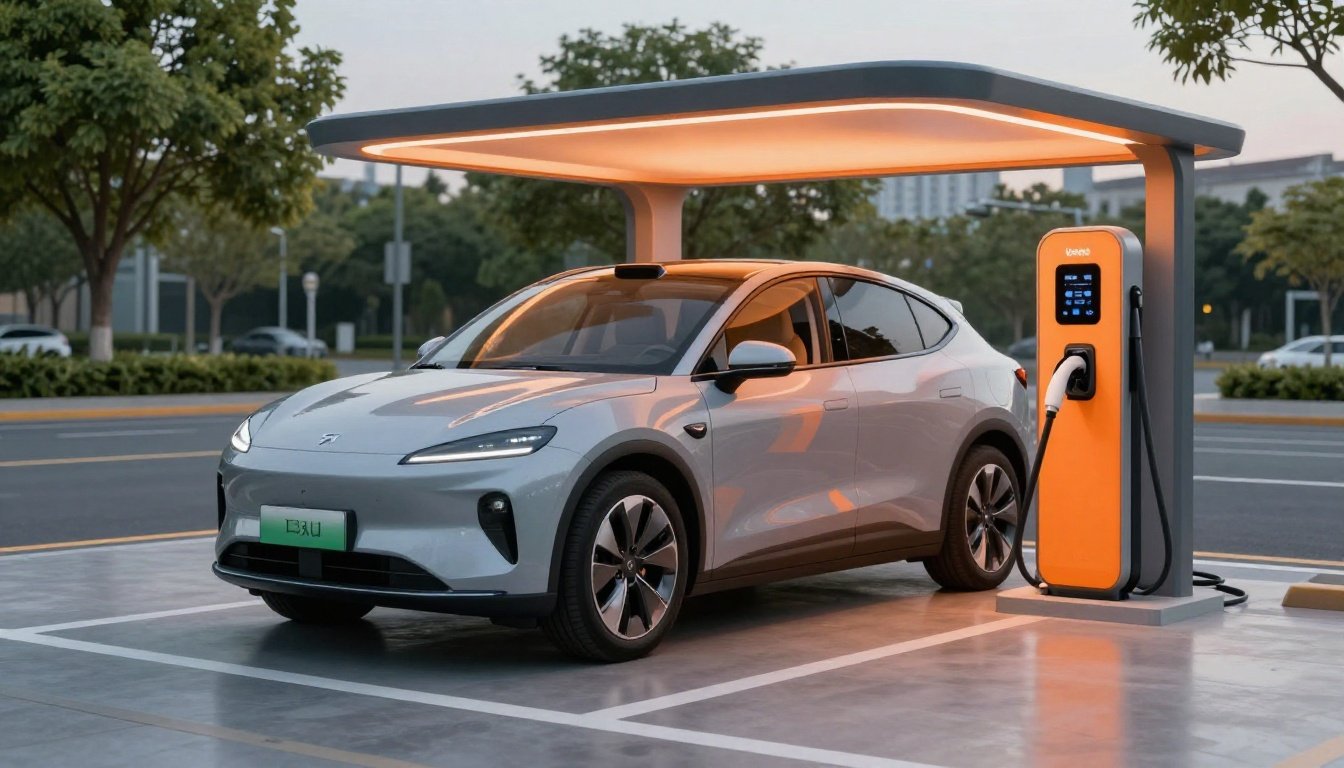
Practicality often makes public DC fast chargers the best option when you don’t have home charging or you need a quick refill on a long trip. You should rely on public fast chargers if you lack dedicated parking, face long regional routes, operate fleet or rideshare vehicles, or need equitable access in underserved areas. about 60,000 ports were in service or coming online as of mid‑2025, and networks added thousands of new high‑power ports in the first half of the year.
Public DC fast chargers are the practical choice when you lack home charging or need quick top-ups.
Use chargers at high-traffic, well-lit locations and confirm availability before arrival to stay safe and reduce downtime.
- Apartment or condo residents without home charging
- Long-distance travel requiring rapid top-ups
- Fleets, taxis, and ride-share quick turnarounds
- Equity-focused sites serving underserved communities
- High-traffic hubs that supplement home and workplace charging
Plan charges proactively, monitor station status, and prioritize safety while charging. Carry emergency kit and promptly follow operator instructions during each session.
Is Range Anxiety Still a Problem in 2025–2026?
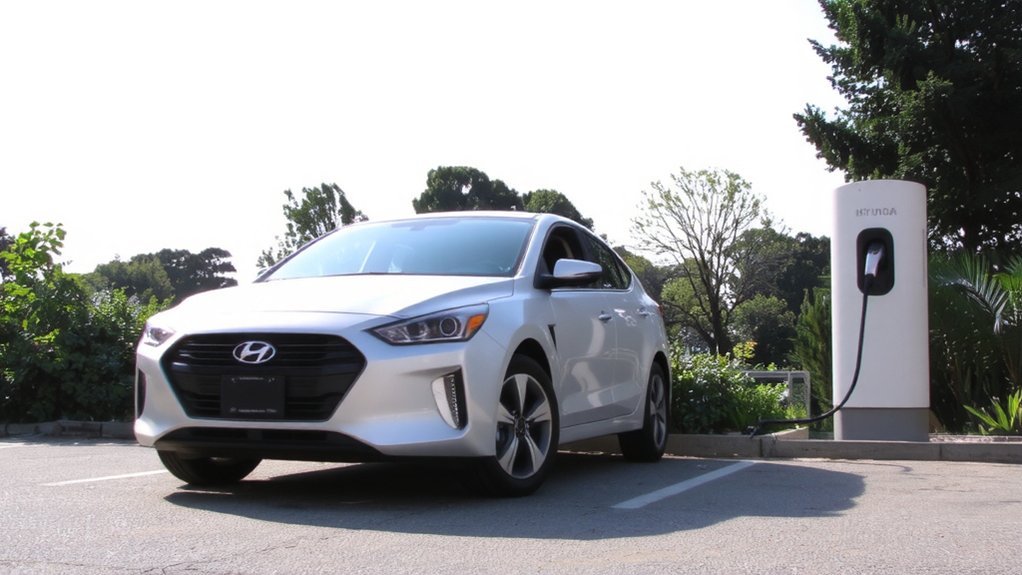


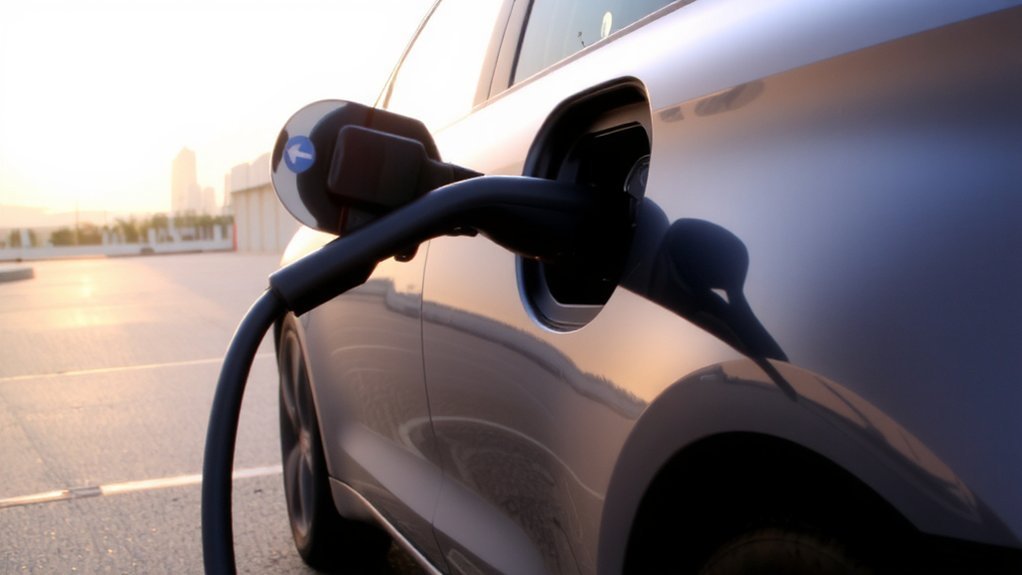
About 55% of U.S. adults in mid‑2025 still fear running out of charge while driving. You should know that this anxiety persists even though average EV range reached about 293 miles and many models accept 150–350 kW charging, letting you add 100–200+ miles in roughly 18–20 minutes. The worry is often cognitive — people picture being stranded more than reality supports — and it disproportionately deters potential buyers, with about 63% citing charging fears when considering an EV. You can reduce your risk and stress by planning routes, using charging-preconditioning features, and relying on typical trip patterns that match EV capabilities. Addressing cost and repair concerns through clear information will further ease safety-related hesitation toward EV adoption. Talk to dealers and owners for reassurance. Battery energy density has improved markedly, reaching over 300 Wh/kg by 2025 and enabling greater driving ranges.
Real State of Charging Infrastructure and Accessibility
You’ll see charger coverage expanding quickly—fast ports are on track to top 100,000 by 2027—but public stations remain unevenly distributed. Most charging happens at home or work, so if you have off-street or employer access your daily needs are usually covered.
If you depend on public fast chargers, especially in central US regions, urban rentals, or disadvantaged communities, you’ll still face gaps that policy and investment need to close.
Industry data show a 23.3% QoQ rise in newly opened ports in Q2 2025.
Charger Coverage Today
By 2025 the U.S. has stepped up DC fast charger deployment dramatically, but coverage is still uneven: You can now rely on many major corridors, yet rural and some central regions lag. Nationwide, DC fast chargers now make up roughly 25% of public ports. Higher‑capacity 250+ kW chargers are growing, cutting stop times and improving safety by reducing roadside waits.
Still, charging deserts persist and equitable siting is needed to protect longer trips and vulnerable communities. Networks track uptime and repair outages, but you should plan routes where support is dense.
- Corridor coverage improved, especially near interstates.
- Rural and Midwest gaps create safety and access risks.
- 250+ kW chargers reduce dwell time and congestion.
- Network reliability has improved but outages occur.
- Strategic siting needed to serve low‑income and remote areas.
Plan ahead; carry an emergency kit.
Home and Workplace Charging
Home and workplace charging still handle the bulk of daily EV needs, with Level 2 stations—most homes at roughly 7.2 kW and commercial installs up to 19.2 kW—delivering about 25 miles of range per hour and making overnight top‑ups routine. Addressing the charging infrastructure gap is critical to accelerating EV adoption globally.
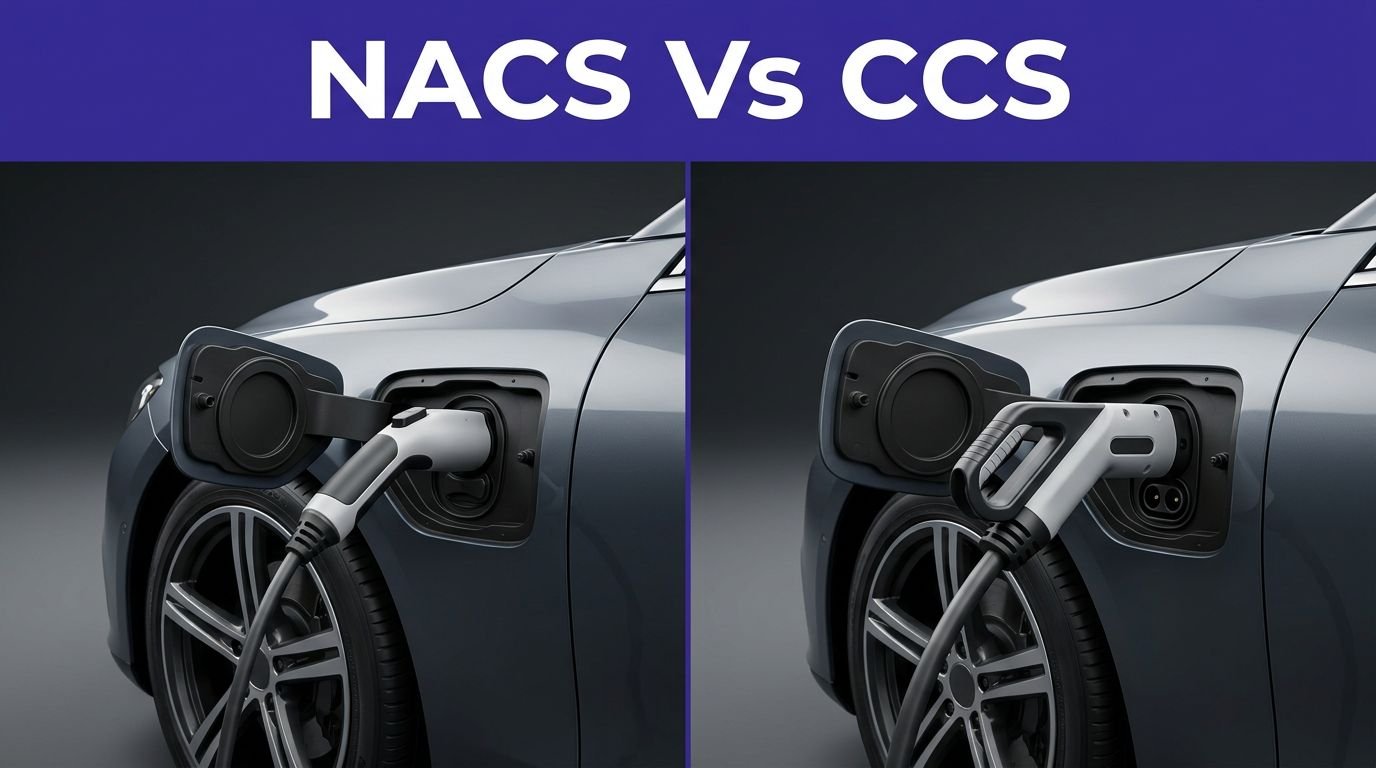
You can rely on Level 2 at home, work, and many public lots for predictable, safe charging: J1772 compatibility covers all US EVs (Teslas use an adapter), and equipment supports 240V residential and 208V commercial wiring.
Installations include smart controls for scheduling, load management, and integration with renewables, improving safety and grid friendliness.
Still, renters and multifamily residents often lack access, so expanding workplace and public Level 2 ports is essential to guarantee equitable, secure charging for everyone.
Follow certified installers and local codes.
Common Misconceptions About Charging and Vehicle Use
Although people often blame fast chargers for killing EV batteries, modern battery-management systems and design choices mean occasional rapid charging does little harm unless you do it constantly. You can rely on home Level 2 charging for daily needs and use DC fast or ultra-rapid chargers for trips. Most EVs have robust BMS protection that regulates temperature and charging speed to protect longevity.
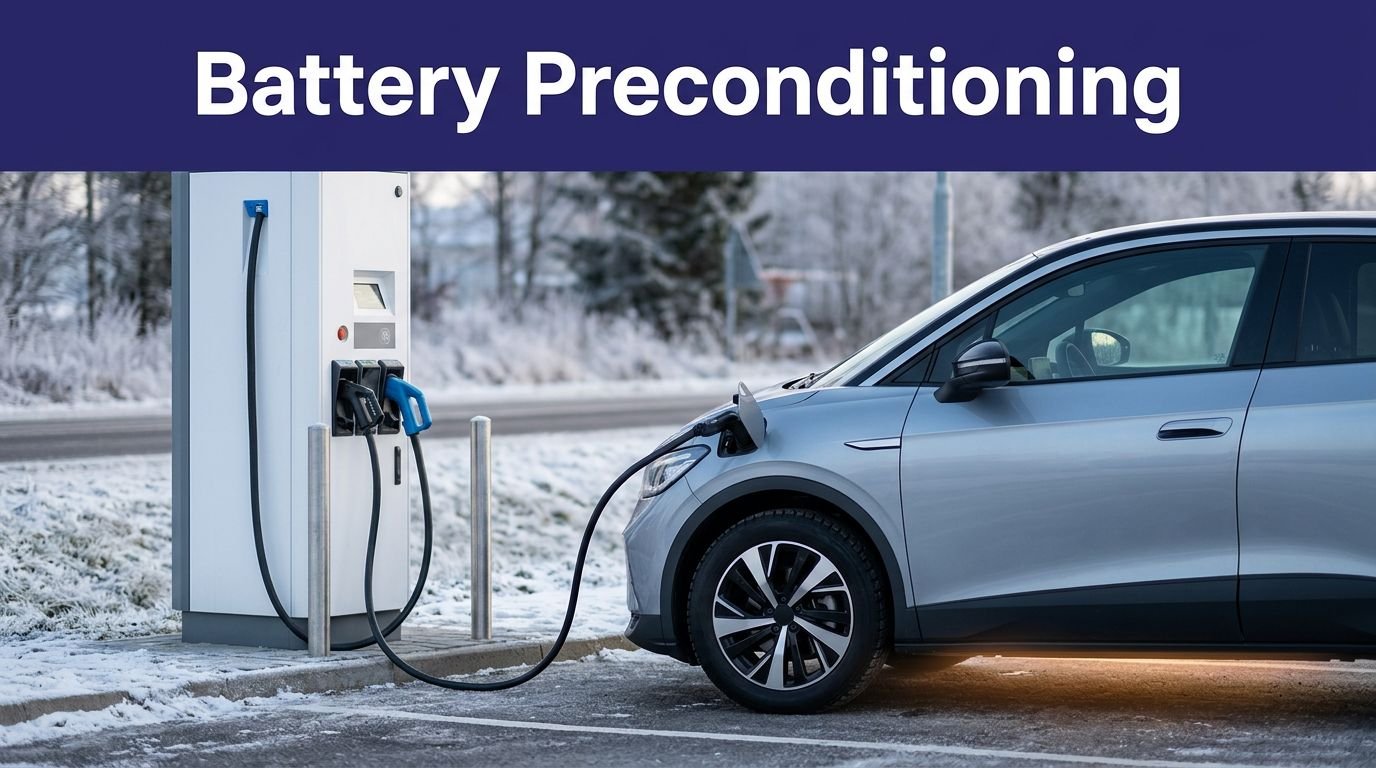
Charging gear is weather-sealed and tested, so charging in rain or snow is safe, though you shouldn’t charge during storms. Public networks are growing, and apps help you find chargers and reduce wait times.
- Use Level 2 overnight to preserve battery health.
- Limit frequent DC fast charging when possible.
- Trust IP-rated equipment in wet conditions.
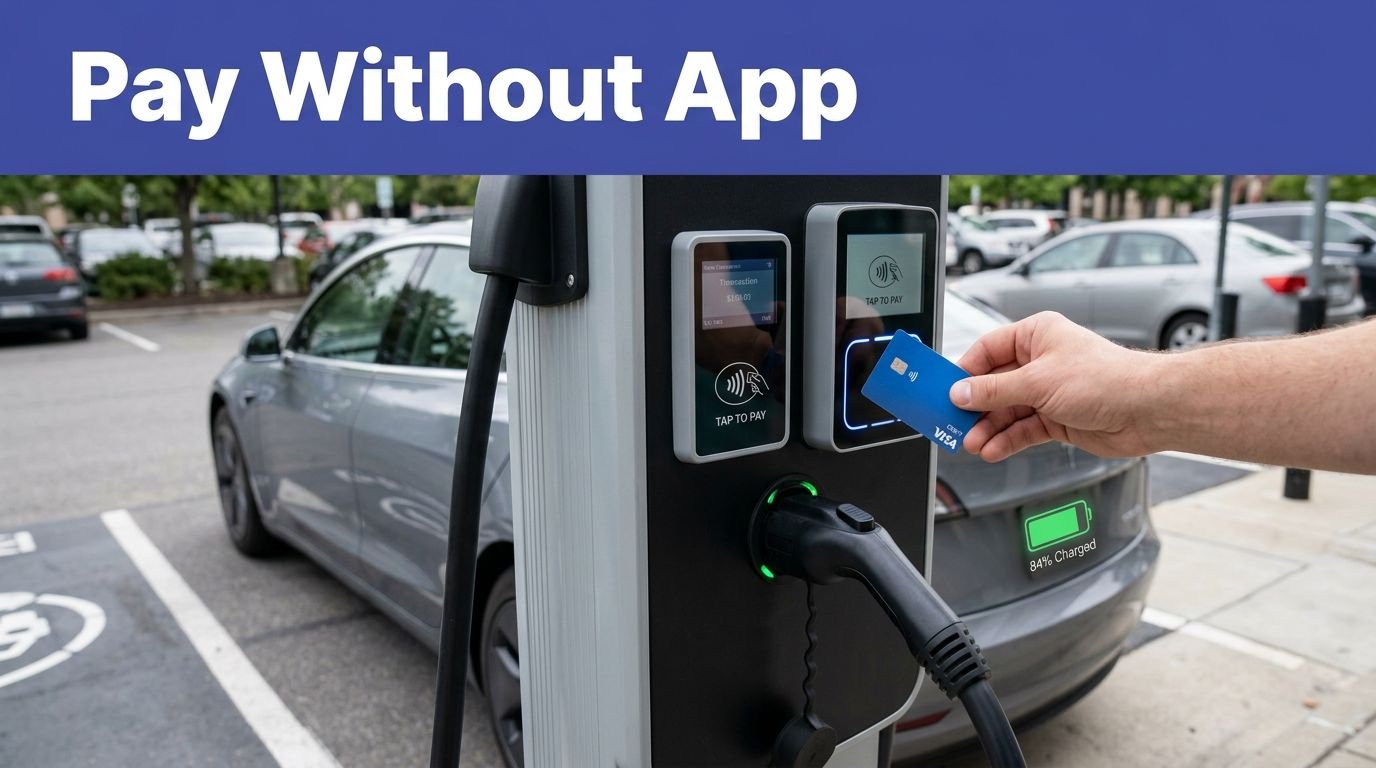
- Plan trips using apps to avoid charging stress.
- Expect most daily driving needs met at home.
Follow manufacturer guidance for results.
Conclusion
You’ve seen myths crumble: chargers humming, screens blinking as batteries gulp watts, and home plugs smoothing overnight routines. You might still hesitate—what if a road trip stalls? But public stations now dot the map, and fast chargers refill range before coffee cools. Keep topping to 80% for daily life; use high-speed feeds for trips. Picture the highway at dusk—no panic, just your EV charging, ready to go, and you breathe easier, the miles ahead unfold.