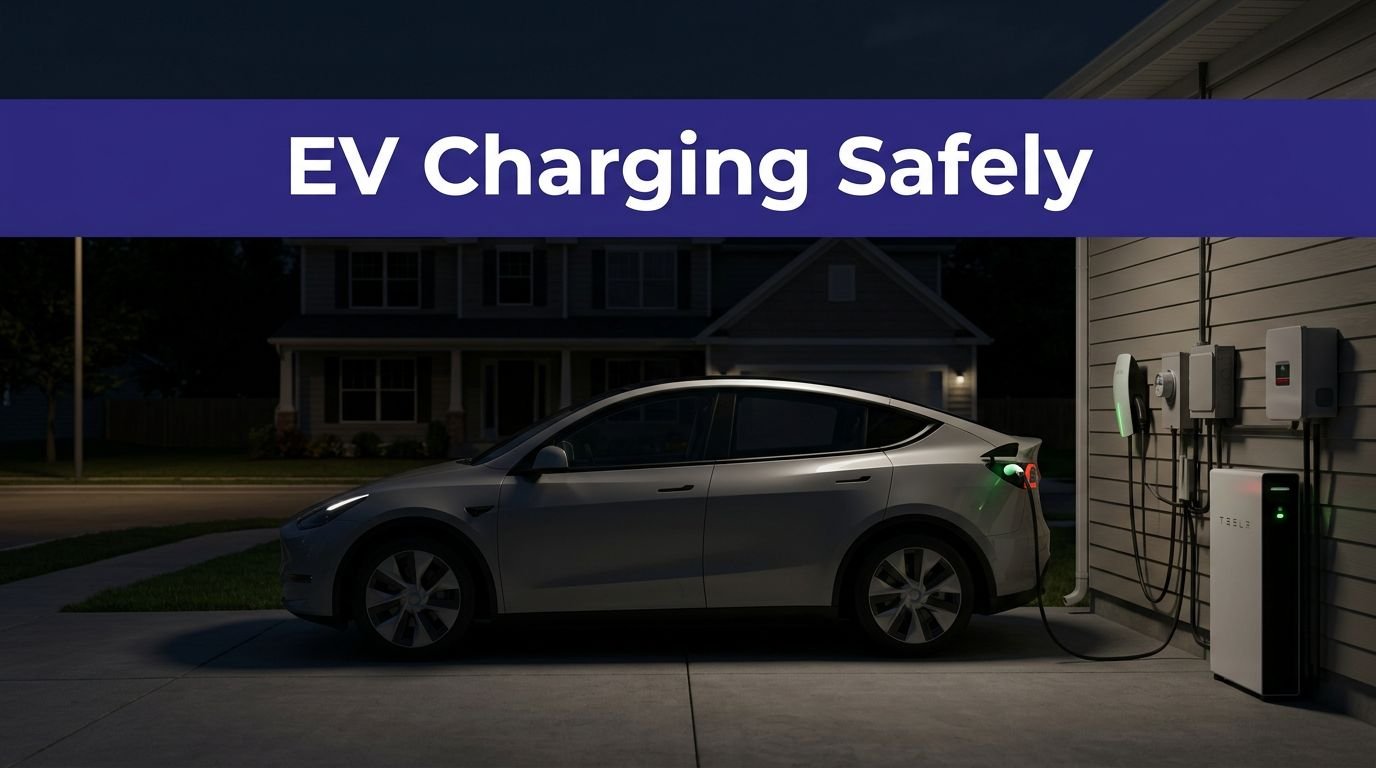
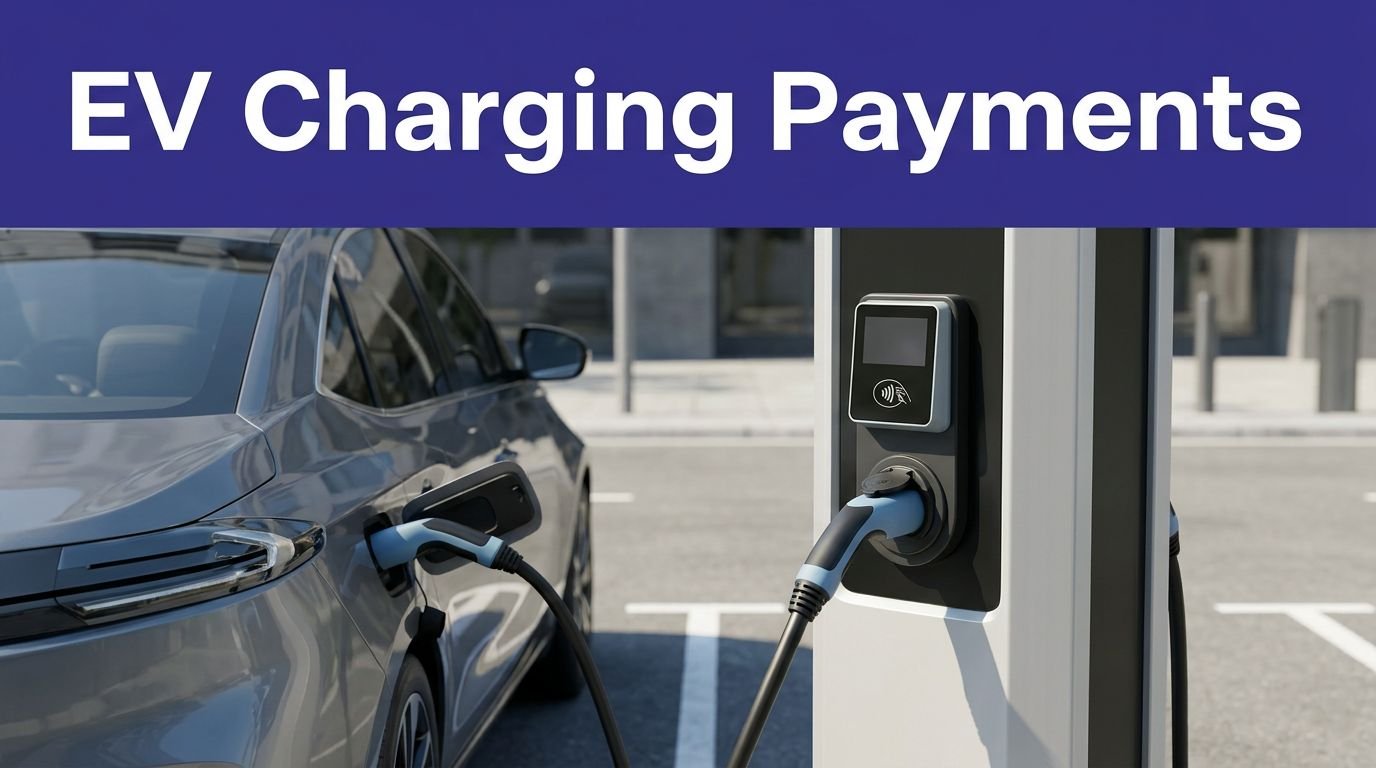
You can often get a Level 2 home charger installed with little or no cost if you know where to look and how to stack incentives. You’ll learn how the federal 30% tax credit, state and utility rebates, and low‑income programs interact. You’ll also see the required paperwork and deadlines. Keep going to find the exact steps that make installation free.
Key Takeaways
- Check income-qualified and local programs offering full-cost rebates up to $3,500–$4,000 and point-of-sale credits.
- Contact your utility and apply for instant rebates ($100–$600) and ENERGY STAR incentives before purchase.
- Pre-apply for state and municipal grants and get written pre-approval to secure full reimbursement.
- Use the federal tax credit (30% up to $1,000) plus state/utility rebates to potentially cover 100% of costs.
- Hire a licensed electrician, obtain permits and final inspection, and retain invoices/serials for rebate claims and audits.
How the 30% Federal Tax Credit Can Cover Your Home Charger
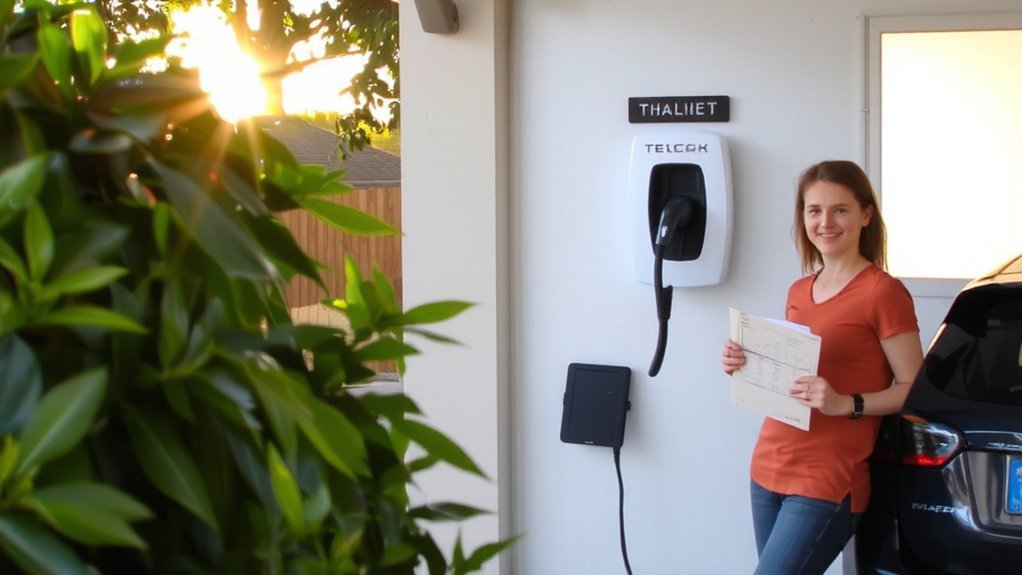
The federal tax credit can cover up to 30% of your home EV charger purchase and installation costs — capped at $1,000 — if you install new equipment at your primary residence in a qualified census tract and place it in service before June 30, 2026. Act quickly because the Home EV Charger Credit (Section 30C) ends on June 30, 2026.
You can claim the credit on IRS Form 8911 for the tax year when the charger becomes operational, but remember it’s non‑refundable so you’ll need tax liability to benefit fully.
Only new equipment at your primary home qualifies; keep receipts, invoices, and proof of residence.
Have a qualified installer meet all local safety codes for panels, conduit and wiring to protect your household. Proper installation speeds charging, adds value, and reduces risk when done right.
Check IRS guidance.
Finding State and Utility Rebates to Pay for Installation
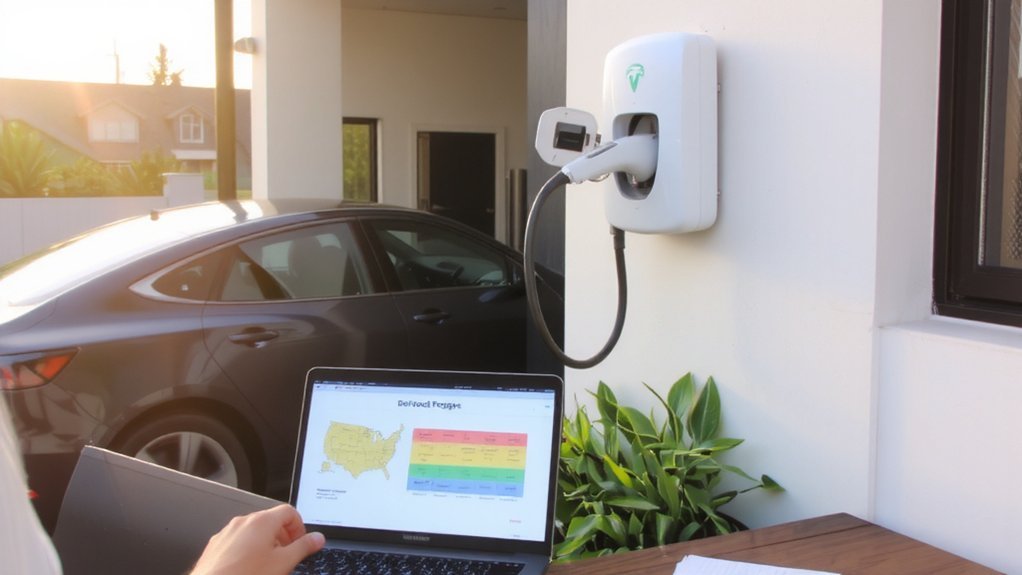
After you claim the federal credit, check state and utility rebate programs to cover the rest of your installation costs. Many states offer direct rebates for Level 2 charger installations—typically $100–$1,000—and some utilities add $100–$600 instant rebates. You can also claim the federal Home Charging Station Tax Credit for purchase and installation. In places like Arizona, Kansas, Washington and Louisiana utilities offer $200–$500 for ENERGY STAR Level 2 chargers; some require Wi‑Fi. Expect one rebate per household, product-list requirements, and application windows (often ~80 days). You’ll need an itemized invoice, model number, and proof of utility service; some programs process discounts at purchase, others reimburse afterward.
Income-qualified programs can boost assistance. Watch program deadlines, funding caps, and any data‑sharing or future participation requirements so your installation stays compliant and safe. Contact your utility before you install to verify eligibility.
Local Co-op and Municipal Incentives That Fully Offset Costs

If you live in California, local co‑op and municipal programs can often wipe out your EV charger costs—you’ll find rebates from about $250 up to $1,000 (Alameda Municipal Power, Silicon Valley Power, Roseville, Pasadena, Anaheim) and special offerings like SMUD’s $200 credit or PG&E’s limited free residential charging options. Also, the Communities in Charge program can provide up to $8,500 per charger for qualifying sites.
Check your local utility and co‑op: many (Alameda, Anaheim, Roseville, Silicon Valley, Pasadena, Riverside, Modesto) offer Level 2 rebates typically $250–$1,000. Some co‑ops require membership; programs often require a licensed electrician, permit sign‑off, and proof of hard‑wired installation. Apply before you install to avoid denied claims.
Follow installation standards, use a certified installer, and keep receipts and permits to guarantee safe, compliant work and full rebate reimbursement. Contact your utility for exact steps and timelines.
Special Programs for Low-Income and Environmental Justice Communities
You can also tap federal, utility, and nonprofit programs that specifically help low‑income and environmental justice communities. You’ll find tax credits that reduce installation costs, including options where tax‑exempt entities can get direct pay, simplifying rebate access.
Utilities like PNM offer income‑qualified customers rebates up to $3,500 for installations and $750 for chargers, plus vehicle and e‑bike discounts at participating dealers. Contractors often provide full‑service installations so you don’t have to manage safety details alone.
Tribal and NGO initiatives, such as Communities in Charge with GRID Alternatives, supply substantial per‑port payments and bonus funds on tribal lands, plus technical assistance for project planning, contractor coordination, and grant applications. Use these combined supports to secure safe, properly installed charging in underserved areas and reduce barriers. PNM also offers a point‑of‑sale rebate of up to $4,000 for income‑qualified customers when purchasing or leasing a new or used electric vehicle.
Eligibility Rules: New Equipment, Installation Locations, and Census Tracts
You’ll need brand-new, depreciable chargers whose original use begins with you to meet the equipment requirement. Installations must sit in qualifying low-income or non-urban census tracts as defined by the IRS/30C—use the IRS or Argonne tools to verify. The federal tax credit helps make EV charging installations more affordable for property owners.
State and utility programs may be more flexible on location, but always confirm site ownership or lease and the program’s geographic rules.
New Equipment Requirement
Because the 2026 NEC raised GFCI protection to a five‑milliamp trip threshold, new EV charger installations have to meet stricter safety and equipment standards—built‑in CCIDs, listed EVSE, specified cord lengths and mounting heights, and, for Level 3 units, adherence to heavier commercial rules—to qualify for rebates and tax credits. Also, the 2026 NEC’s qualified person requirement is expected to end most DIY EV charger installations and require licensed electricians for many installs.
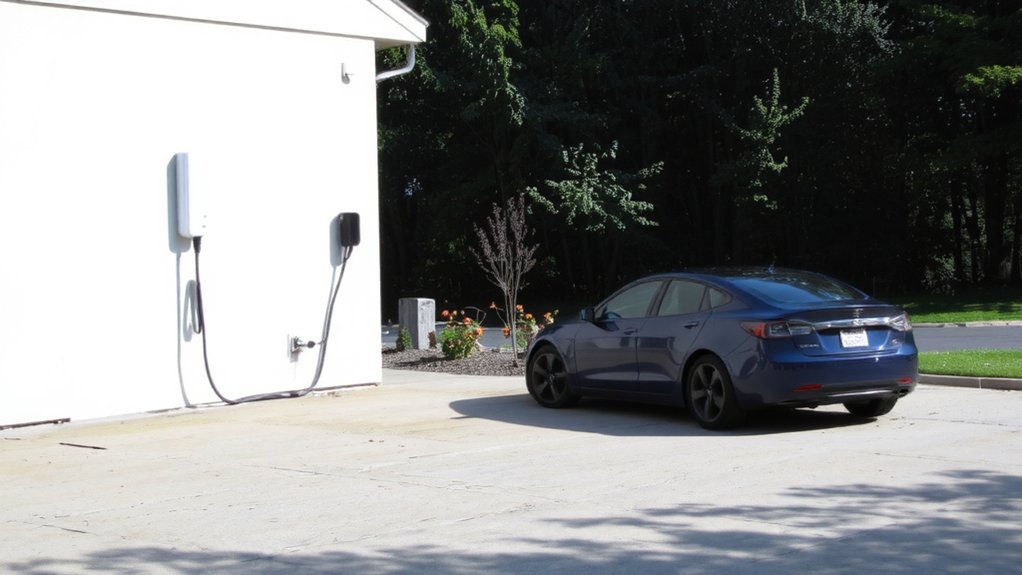

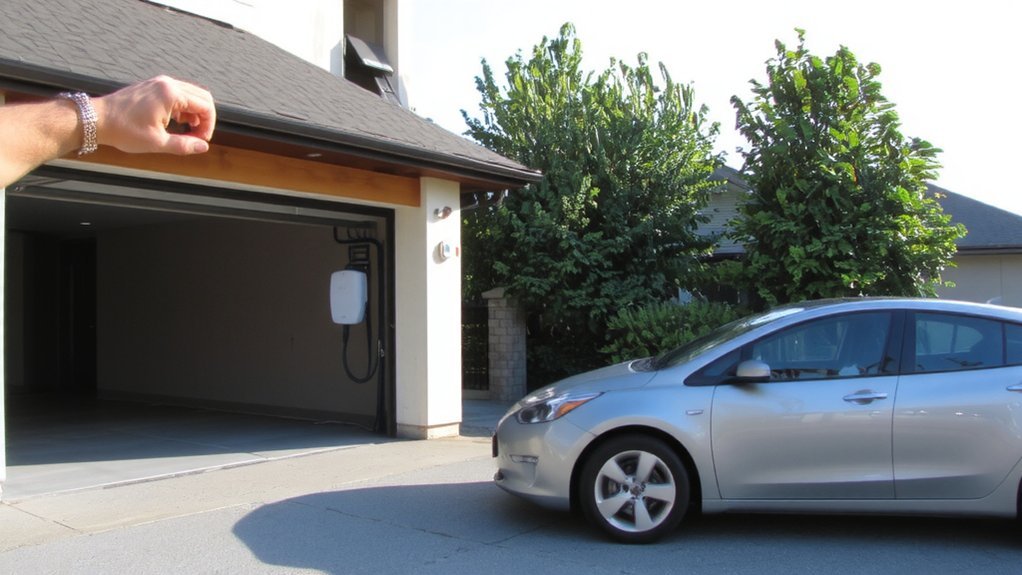
You must install EVSE with built‑in CCIDs and listed components, avoid bypassing protections, expect redundant ground‑fault measures. Cord limits matter: Level 1/2 charging cords max 25 ft unless a cable management is used; portable cords and stationary cords follow the 12‑inch/6‑ft rules and 6–15 ft ranges when GFCI is at the plug. Place indoor units ≥18 in and outdoor ≥24 in above grade. New, compliant equipment and labor are required for incentive approval.
Eligible Locations and Tracts
If your planned installation sits in an eligible low‑income or non‑urban census tract, it can qualify for the federal 30C credit and many utility or state rebates—whether you’re an individual, business, nonprofit, government entity, or multifamily owner. You must verify tract status as of January 1, 2023, or updates using IRS or DOE mapping tools. For example, eligible sites can receive a $3,500 per port rebate for networked Level 2 EV charging station ports for government, multifamily, nonprofit and school customers.
Guarantee you have legal authority to install and an utility account if required. Follow prevailing wage/apprenticeship rules to access multiplier benefits and caps. Confirm the charger sits at the property where vehicles charge and document association with use for safety and compliance.
- Check tract maps and utility territory.
- Confirm ownership or permission to install.
- Verify service agreements and permits.
- Document jobsite safety and labor compliance.
Documentation You Need: Receipts, Forms, and Timelines
You’ll need to gather receipts, invoices, and proofs of installation and residence to support rebate and tax credit claims. Complete required forms (like IRS Form 8911 and utility or state applications) and keep copies of everything you submit.
Watch deadlines—installations must meet the eligible date windows and you must file claims in the correct tax year or you’ll be disqualified. Also note that the program may cover up to 100% of eligible out-of-pocket installation costs.
Receipts, Invoices, Proofs
One clear, organized file of receipts, invoices, and proofs makes applying for rebates and surviving audits far easier. EV charger installation typically involves mounting and connecting the charging station to your home’s electrical system and usually requires permits and a licensed electrician. You’ll gather itemized receipts showing charger price, parts, labor, permit fees, and invoices listing installer name, license, and contact.
- Itemized receipts and proof of payment
- Manufacturer specs, serial numbers, photos/diagrams
- Signed contract, load calculations, warranty/certificates
- Permit approval and final inspection certificates
Keep date-stamped originals and secure digital copies; some programs require originals. Retain records for audits—commonly three to five years—and log communications with installers and inspectors for safety verification. Include electrical load calculations, evidence of GFCI protection and breaker/wire sizing to confirm NEC compliance and safe operation and installer credentials.
Forms, Deadlines, Filing
Because rebate and tax programs each set different forms, deadlines, and proof requirements, you should treat documentation and timing as part of the project scope from day one. Gather IRS Form 8396 for individual federal credits and, if you’re a business, check Form 3468 applicability.
The tax credit provides up to 30% of the cost (up to $1,000) for installing an EV charger at a home.
Download state or utility applications and any pre-approval forms before work starts. Keep receipts, commissioning reports, photos, proof of address, census-tract verification, and utility account matches.
Note the federal in-service deadline of June 30, 2026, and file the credit on next year’s Form 1040 with Schedule 3. Watch program-specific submission windows (90 days–6 months) and first-come funding limits.
File online when possible, sign affidavits correctly, and meet all deadlines to stay compliant and safe, and retain copies for records.
Combining (Stacking) Federal, State, and Utility Incentives
Combining federal, state, and utility incentives can slash—or in some cases eliminate—your EV charger installation costs by layering the IRA’s 30% tax credit (capped at $1,000 for homes and $100,000 for businesses) with state programs like California’s CALeVIP and local utility rebates. You should confirm eligibility, documentation, and safety standards early so installs meet IRA labor and construction rules and local permitting. California’s program includes a $55 million incentive fund for EV fast chargers. Prioritize programs targeting low‑income, tribal, or high‑poverty areas for extra funding and safer community access. Coordinate utility TOU enrollment if required and choose certified equipment and qualified installers to protect occupants and property. Keep detailed records for audits and future maintenance.
- Stack federal tax credit + state grant.
- Add utility rebate; check TOU rules.
- Verify labor, permits, equipment standards.
- Target priority-community bonuses.
Step-by-Step Application Process to Get a Free Installation
After you’ve identified which federal, state, and utility incentives to stack, follow a methodical checklist to secure a no‑cost installation: First, confirm eligibility — guarantee your charger is a Level 2 ENERGY STAR certified smart charger, your property type qualifies, and you have required municipal permits or written waivers. Collect invoices, serial numbers, and proof of payment.
Confirm eligibility, gather invoices/serials, and ensure a Level 2 ENERGY STAR smart charger and permits
Second, get at least three licensed electrician quotes, verify licensing and program compliance, and choose a contractor experienced with rebate rules.
Third, submit complete applications via official portals, upload quotes, paid invoices, photos, permits, and any income or vehicle documents, and respect purchase/install timing.
Finally, complete licensed installation within program timeframes, keep final invoices and photos, and notify the program as required. Maintain safety by following electrical codes, permits. PSE&G reviews documents and conducts engineering evaluation, and the process typically takes up to three months.
Common Pitfalls and Tips to Maximize Your Rebate Success
Often, applicants miss straightforward requirements that cost them rebates, so start by verifying your charger model on the program’s Approved Product List, securing any required pre‑approval or permits, and confirming timing rules before purchase or install. You must fill applications completely, provide accurate income and charger specs, and submit claims promptly to avoid funding cutoffs. Keep installers coordinated and wait for required inspections.
- Verify charger on APL and confirm technical features (data reporting, demand response).
- Get written pre‑approval and permits before work begins.
- Document receipts, inspections, permits, and communications for audits.
- Check stacking rules and track all incentives for tax and compliance.
Follow these steps to protect safety, compliance, and your rebate eligibility. Inspect wiring and grounding for safe operation. In California, these programs often lead to significant savings on installation costs.
Conclusion
You’ve done the due diligence: dig through federal, state, and local details, document receipts, and double-check deadlines so you don’t miss free funding. You’ll save markedly, secure safer setups, and swing savings into clean commutes by stacking credits and rebates. Stay steady, start steps early, and seek special programs if you qualify. With smart strategy and simple submissions, you’ll snag a seamless, subsidized charger installation and enjoy electrified, economical driving for years to come ahead.