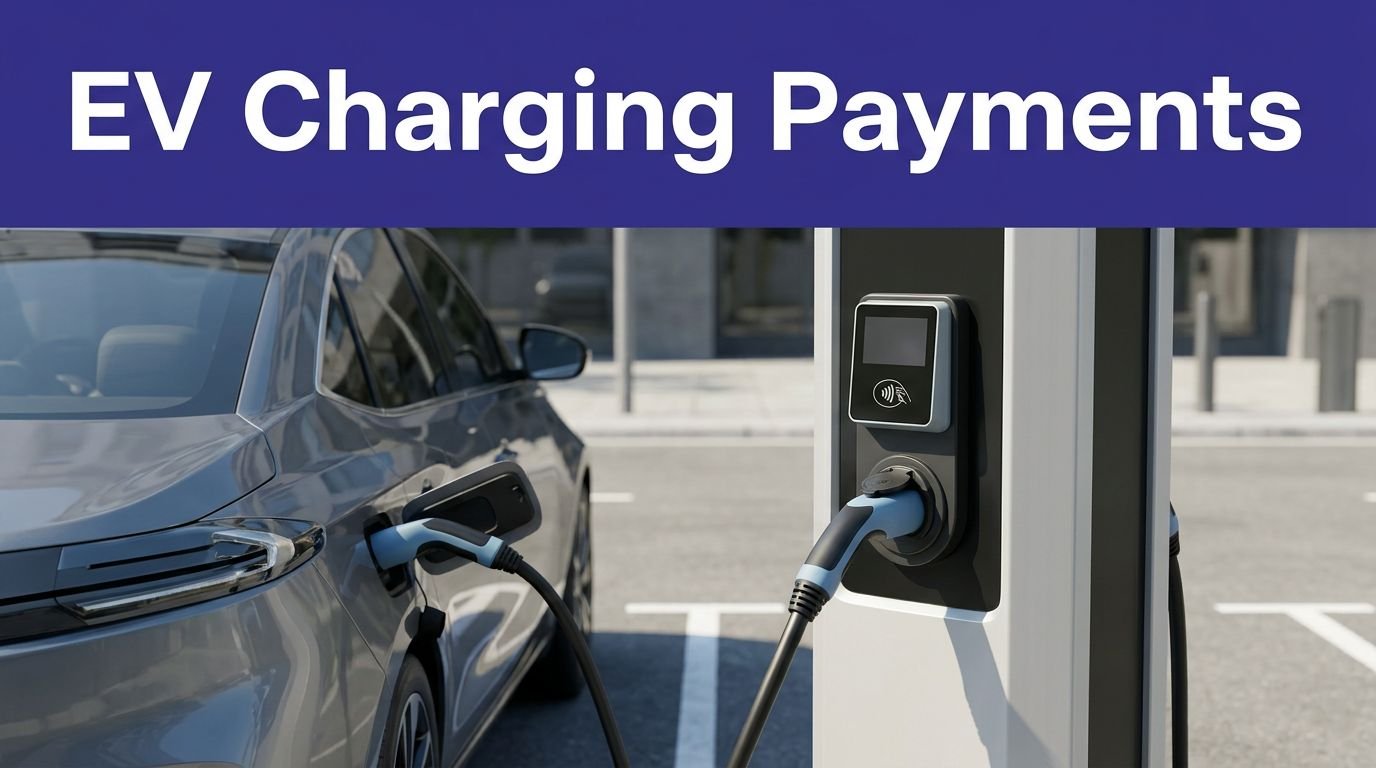
It feels like every parking lot in America now has a charger. You need a network that’s reliable, fast, and where you actually drive. This comparison cuts through market share, charging speed, coverage, and real-world uptime — so you’ll see which operators perform, which are expanding fastest, and why that matters next time you’re on the road.
Key Takeaways
- Tesla Supercharger leads U.S. fast charging with the largest, most reliable network and ~55% market share (30,767 ports, 2025).
- Electrify America and ChargePoint follow as top public DC providers, offering broad CCS/NACS compatibility and nationwide coverage.
- EVgo and Blink focus on urban fast-charging growth, convenience locations, and expanding 150–350+ kW ultra-fast deployments.
- Network choice depends on vehicle plug compatibility, station reliability, charging speed (250+ kW availability), and app/payment convenience.
- Rural gaps and underserved communities remain, so prioritize networks with dense local coverage and cross-network roaming for long trips.
Top DC Fast-Charging Networks and Market Share
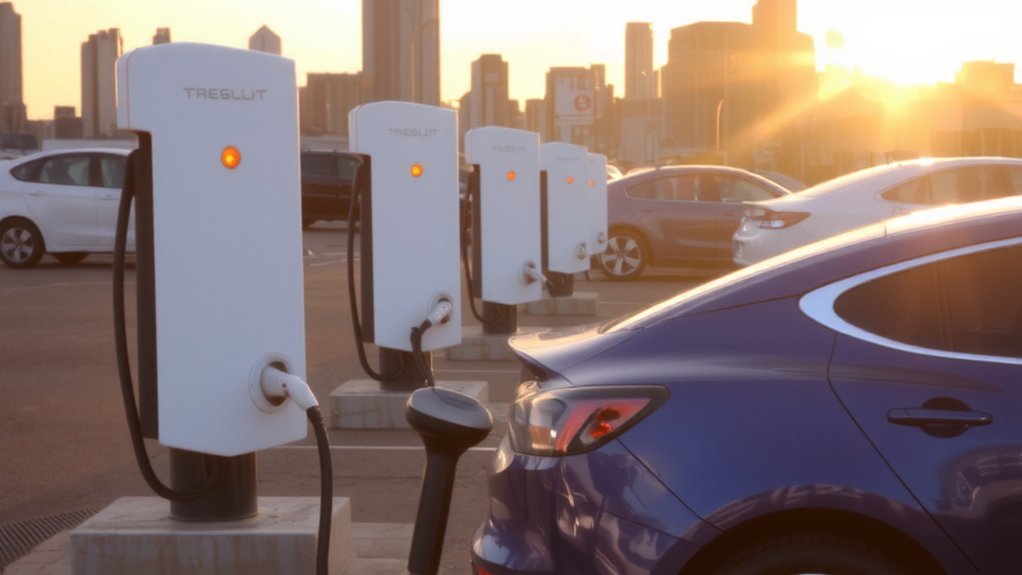
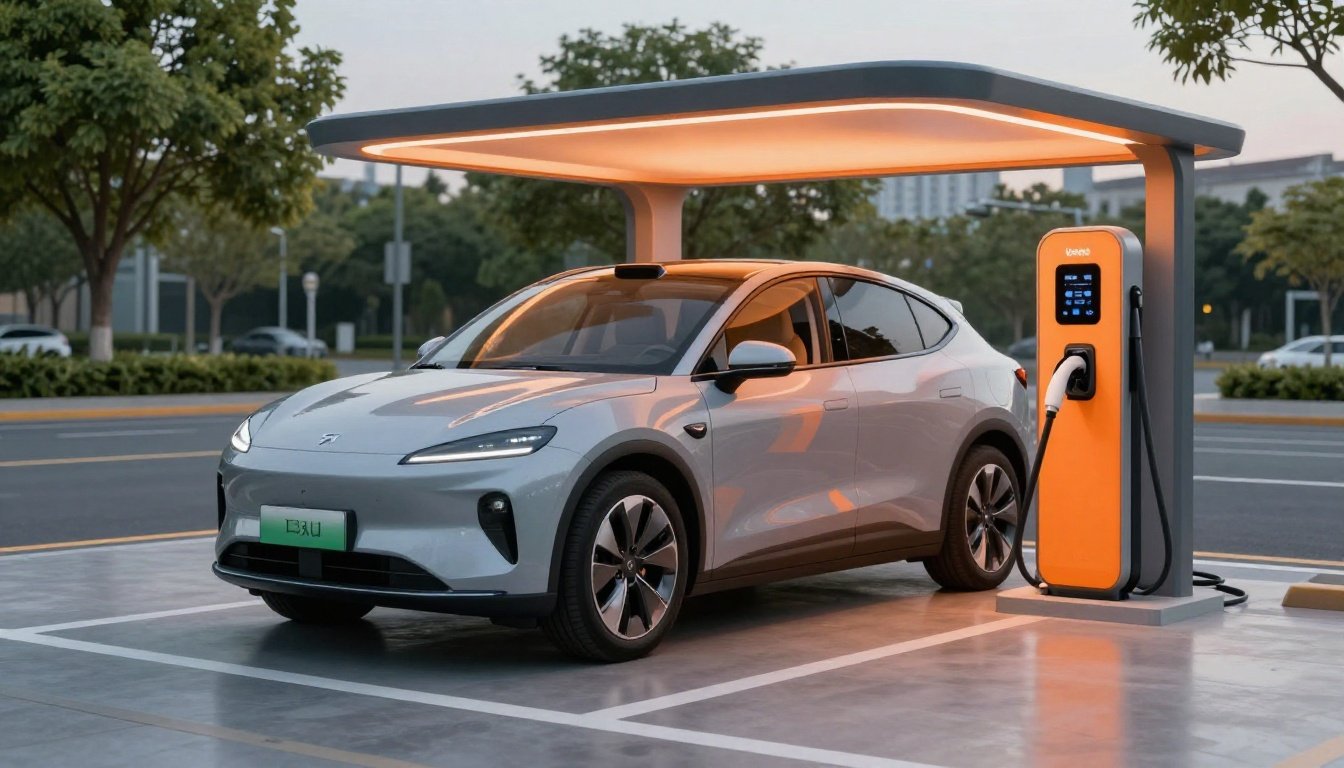
While the US DC fast-charging market’s growth has scattered new players across highways and city centers, a handful of networks dominate capacity: Tesla leads with 30,767 Supercharger ports (55.2% market share) and standardized, reliable stations featuring many 8+ port sites and rising 250+ kW chargers. You’ll find Electrify America second with 4,799 ports (8.6%), expanding strategic sites funded by the Volkswagen settlement. ChargePoint follows with 4,249 DC ports (7.6%), growing via new stations and upgrades across public and private locations.
EVgo is among the fast-growing top operators, focusing on convenient retail and service-area sites and rapid deployments. Overall, the US had about 55,750 DC ports in May 2025; larger multi-port stations and high-power chargers improve safety and predictable access as networks scale for drivers. Industry reports also indicate that Tesla dominates much of the fast-charging landscape.
Best Level 2 Charging Providers for Urban and Destination Charging

For urban and destination charging, Level 2 networks prioritize durability, user convenience, and flexible payment or access control—so you’ll want a provider that matches your site’s traffic, vehicle mix, and budget. ChargePoint leads with the largest North American network, durable hardware, cloud monitoring and robust reporting for safe, high-traffic sites, though upfront costs are higher.
Tesla Destination Charging delivers high utilization and tight vehicle integration for Tesla owners; non‑Tesla users need adapters and sites require Tesla approval. Blink offers flexible payments, solar options and scalable deployments for retail and workplace locations. FLO focuses on weather‑resistant equipment, reservations and renewable energy integration.
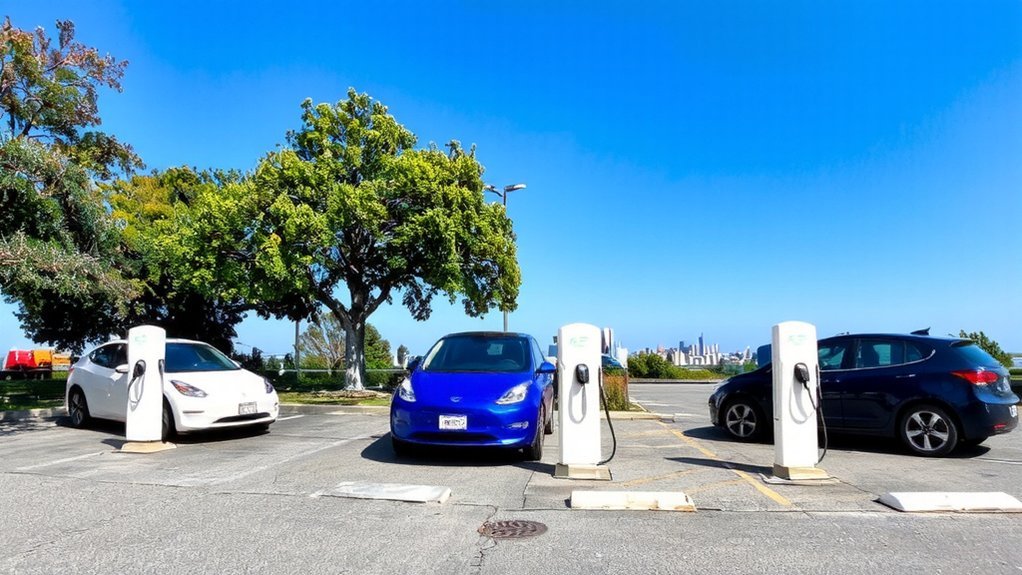
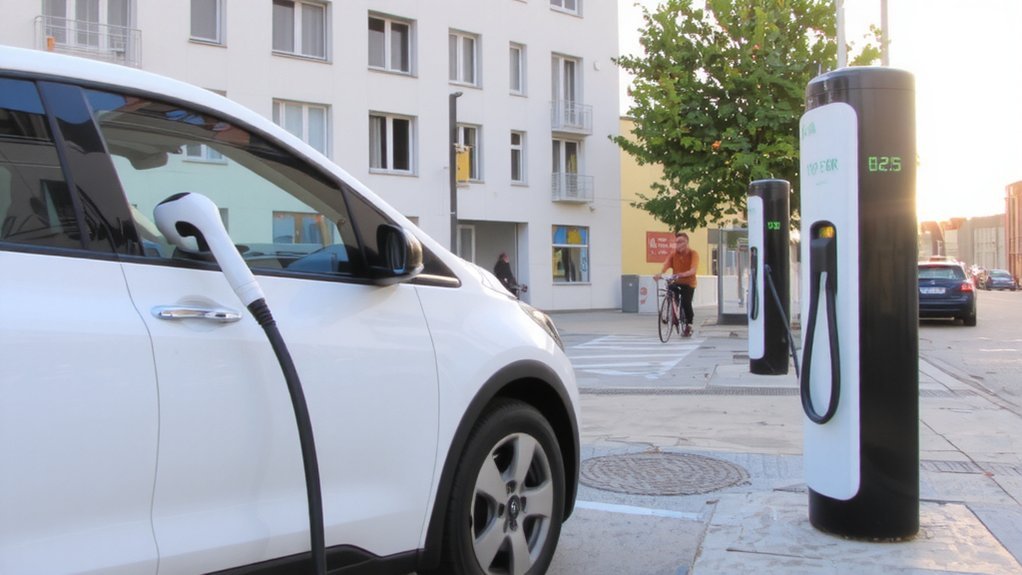
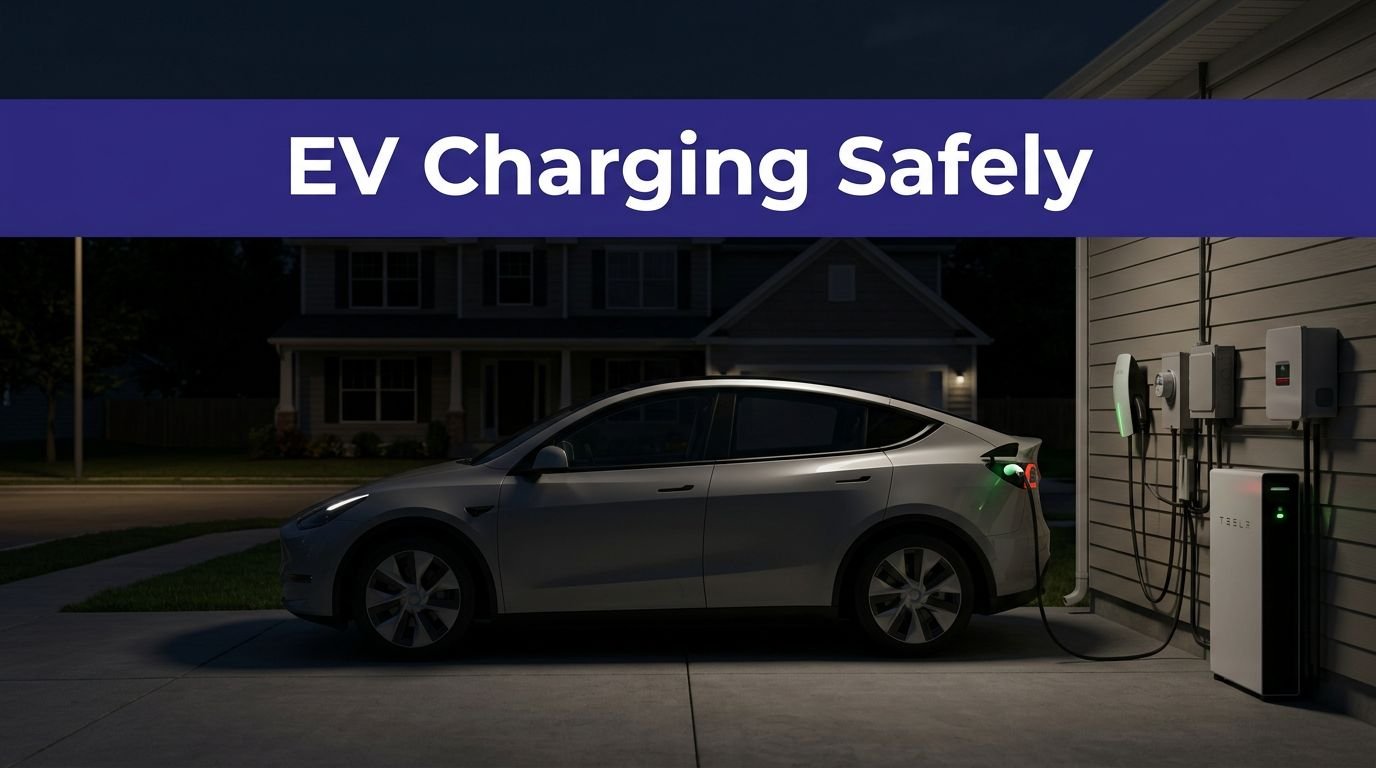
Retail chains like Shell Recharge and Casey’s are adding Level 2 options at convenience and destination stops, expanding safe public availability. Home chargers operate at 240V, which is typical for overnight Level 2 charging at residential sites.
Charging Speed, Standards, and High-Power Deployments
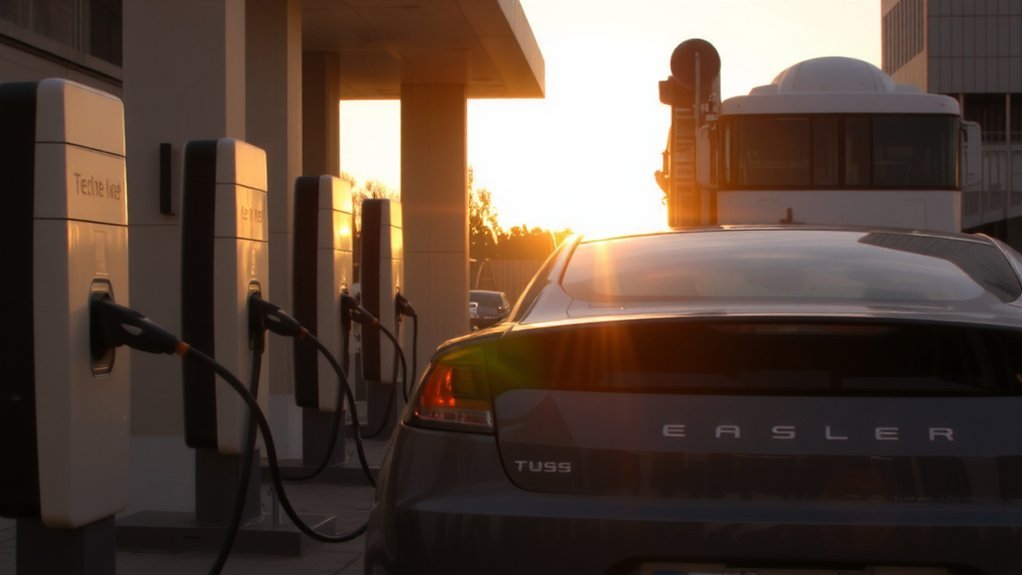
As fast-charging networks scale, you’ll notice charging speeds, connector standards, and megawatt-class deployments reshaping where and how EVs charge. DC fast charging can refill most BEVs to 80% in 20 minutes to an hour, while Level 2 and Level 1 chargers remain for overnight and emergency charging.
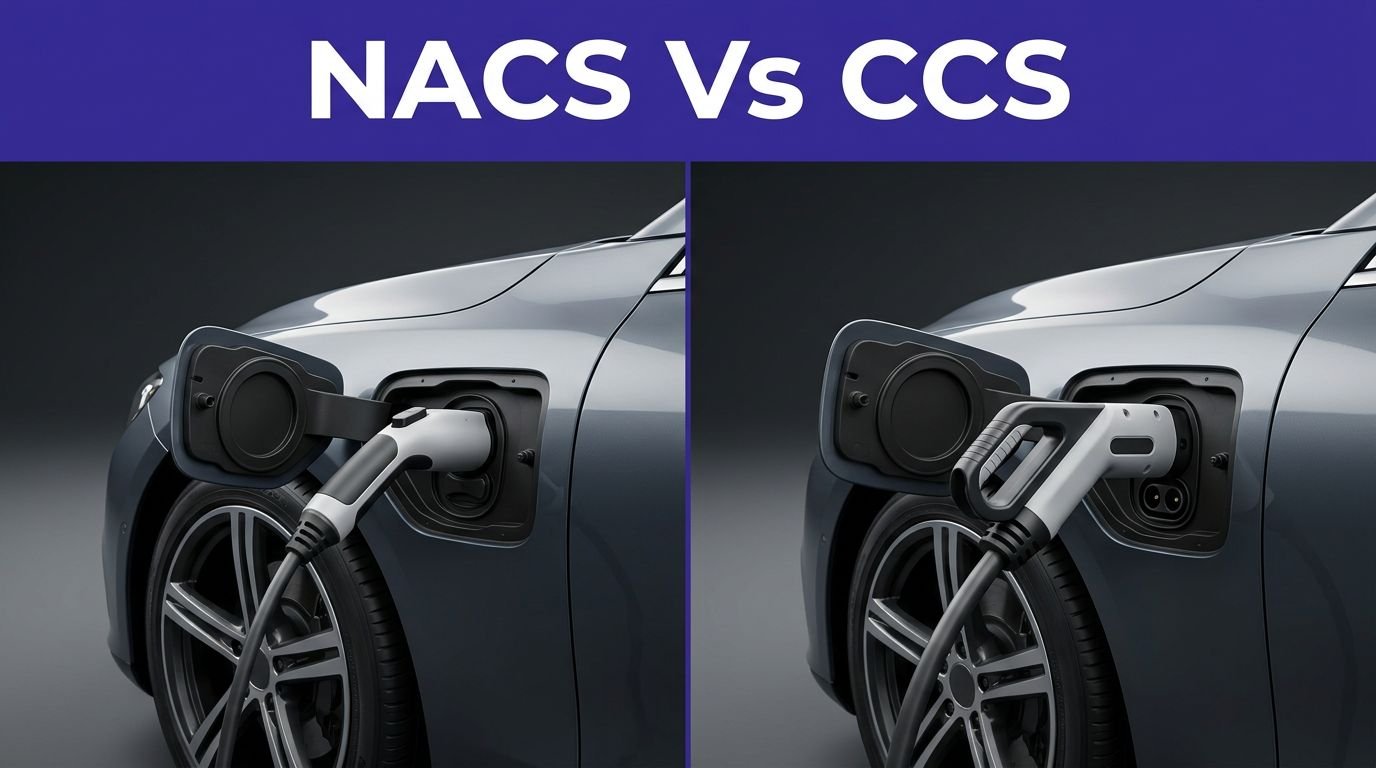
Ultra-fast stations (500 kW+) and liquid-cooled cables let you charge safely at high power; 800V vehicles cut 10–80% times under 20 minutes. NACS (J3400) is becoming dominant, supporting up to 1 MW in a compact port, while CCS1 persists across much of the fleet.
Megawatt charging systems for commercial vehicles are piloted for 2025–2026. Operators balance peak noon–7pm demand, safety protocols, and pricing to keep high-power deployments reliable and secure for you. Monitor status apps before charging. In Q2 2025 the share of 250+ kW chargers increased sharply to 38%.
Network Coverage, Accessibility, and Real-World Reliability
Fast charging and new standards change how quickly you can top up, but where and how often you can find a working charger shapes everyday EV ownership. The Biden-Harris Administration recently announced $521M in grants to accelerate deployment across 29 states. You’ll find over 230,000 public ports nationwide (October 2025), concentrated in California (70,000+), Washington, Florida and Texas, with about 1,000 new chargers added weekly.
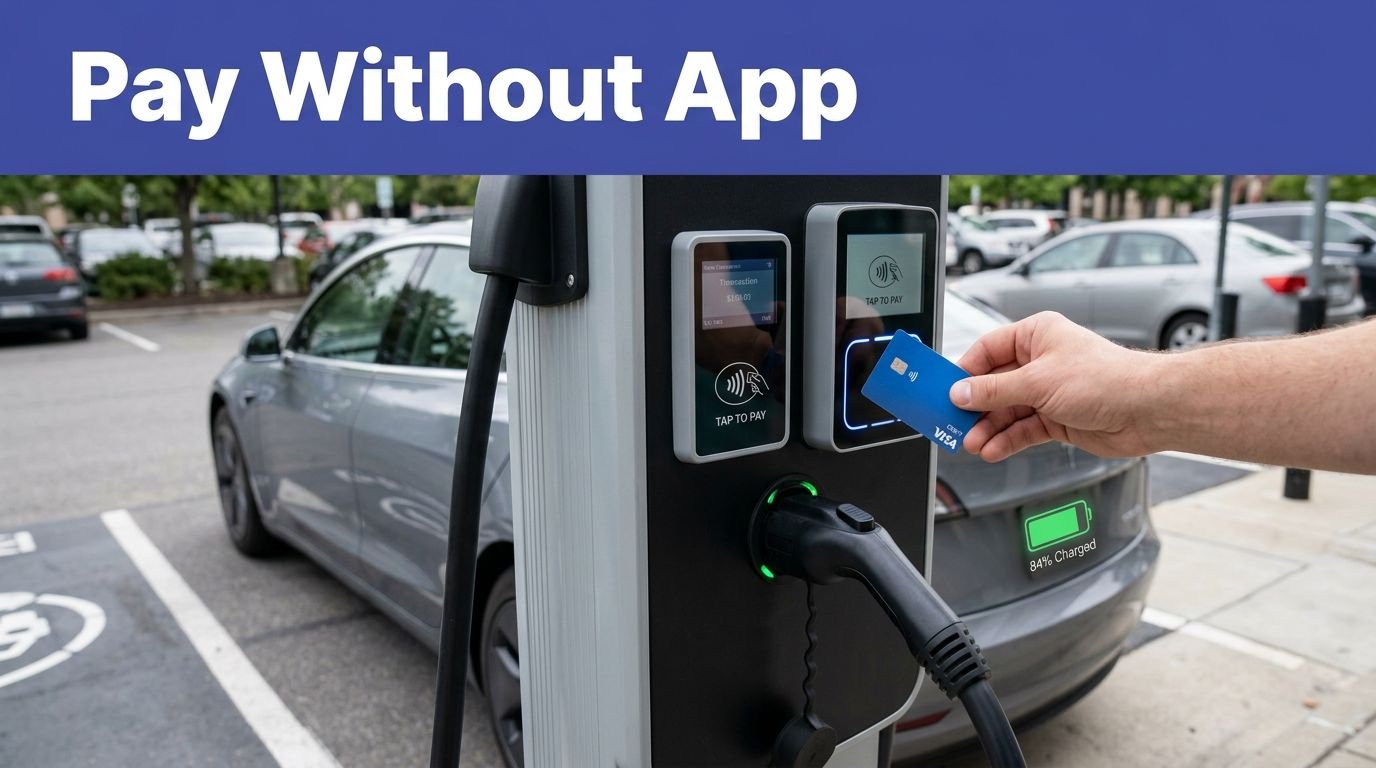
Yet there are 31 vehicles per public charger, so networks must grow to meet demand; NREL estimates roughly 1,000,000 more public chargers needed by 2030. You can access Level 2 and DC fast chargers via apps or onsite payments, but multiple apps may be required. Established operators like ChargePoint and Tesla show strong reliability.
Still, gaps remain in rural and underserved communities; plan routes and charging stops for safety and peace of mind.
Emerging Players, Retail Partnerships, and 2025–2026 Growth Outlook
Several new and expanding networks are reshaping where you’ll charge, with rapid rollouts from players like Blink and Ionna (which added about 40 ports in June 2025 to reach 182 ports) and new offerings such as WEX EV Depot targeting fleets and private sites. Retail partners like Walmart and travel centers are adding chargers, and networks are adopting NACS and CCS1 to boost safety and interoperability. Forecasts show nearly 20% CAGR through 2026 and 16,700 fast ports in 2025; you’ll have more options but should choose sites with solid uptime and maintenance records. Tesla’s Supercharger network continues to grow, now spanning more than 65,000 connectors globally.
- Check uptime and maintenance.
- Prefer mixed-plug stations.
- Use well-lit, monitored retail sites.
- Pick providers with easy payment.
- Keep backup routes for safety.
Plan at verified stations and expect rapid expansion into 2026.
Conclusion
You’re standing at the EV charging crossroads: Tesla dominates like a lighthouse, Electrify America and ChargePoint map broader routes, and fast-risers such as EVgo, Blink, and emerging players push the pace. You’ll want a mix of reliable fast charging, dense Level 2 coverage, and retailer partnerships to keep range anxiety at bay. Plan routes, favor networks with high uptime and standards compatibility, and expect rapid expansion through 2026—your charging options are getting stronger every mile.