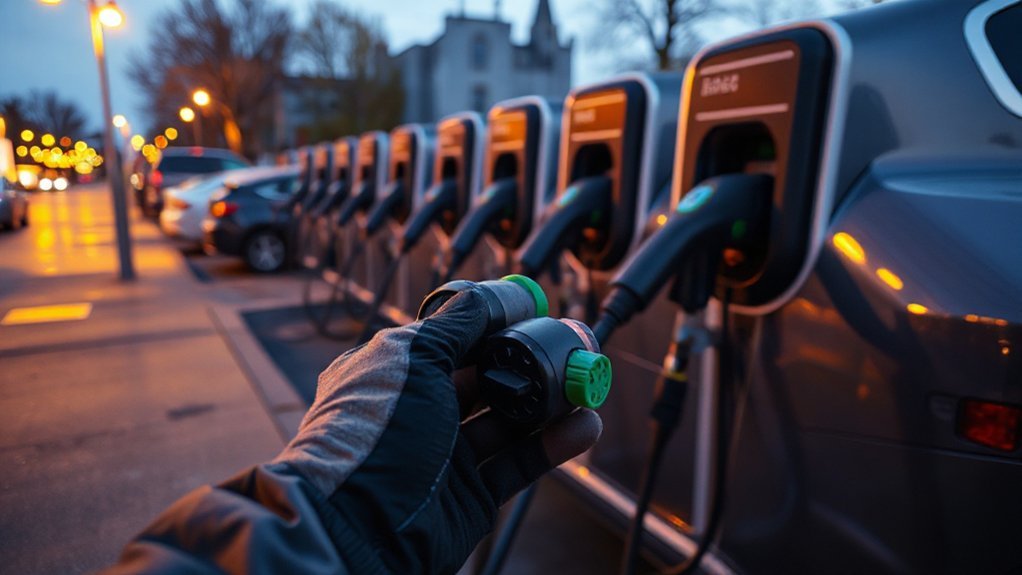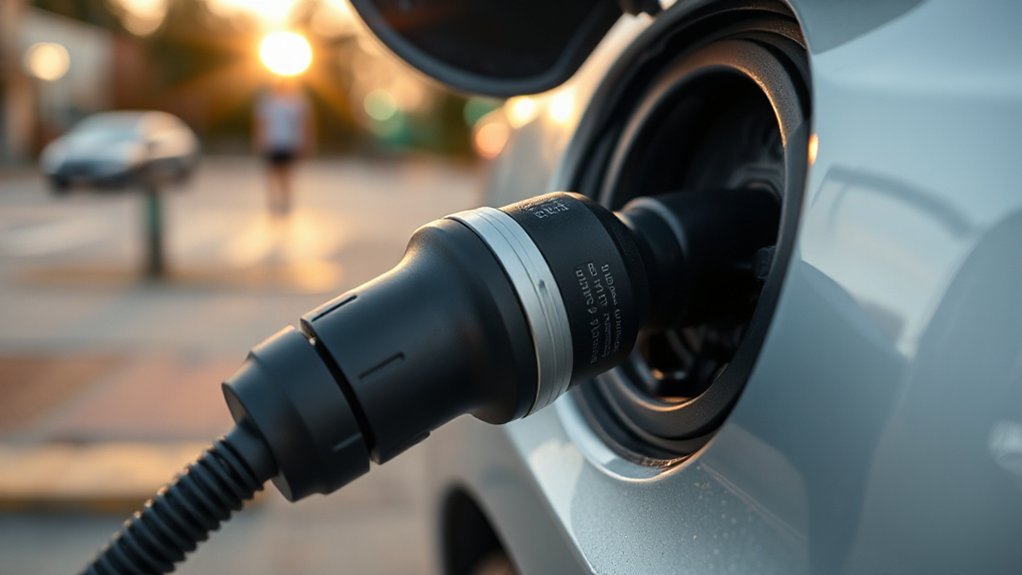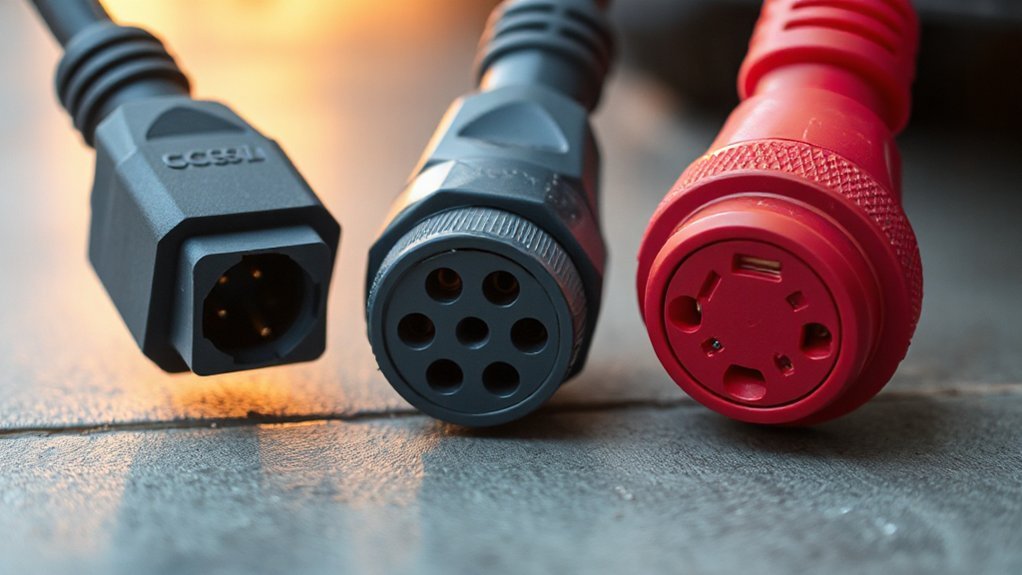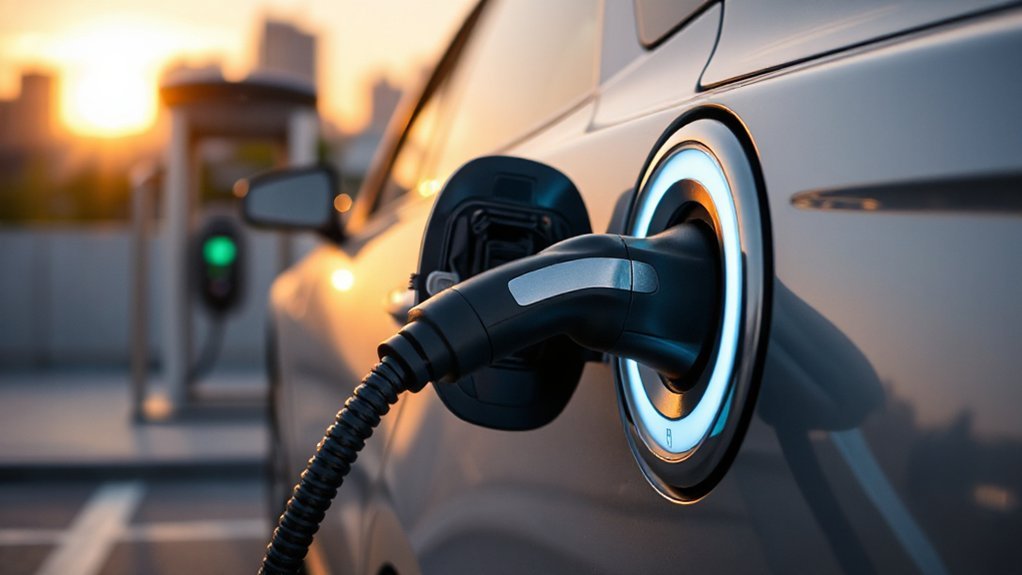
Every charger fits every EV—until it doesn’t. In 2025, compatibility still hinges on connector types (NACS, CCS1/2, Type 2, legacy CHAdeMO), AC v...
Your Complete Guide to Electric Vehicle Charging
Every charger fits every EV—until it doesn’t. In 2025, compatibility still hinges on connector types (NACS, CCS1/2, Type 2, legacy CHAdeMO), AC v...
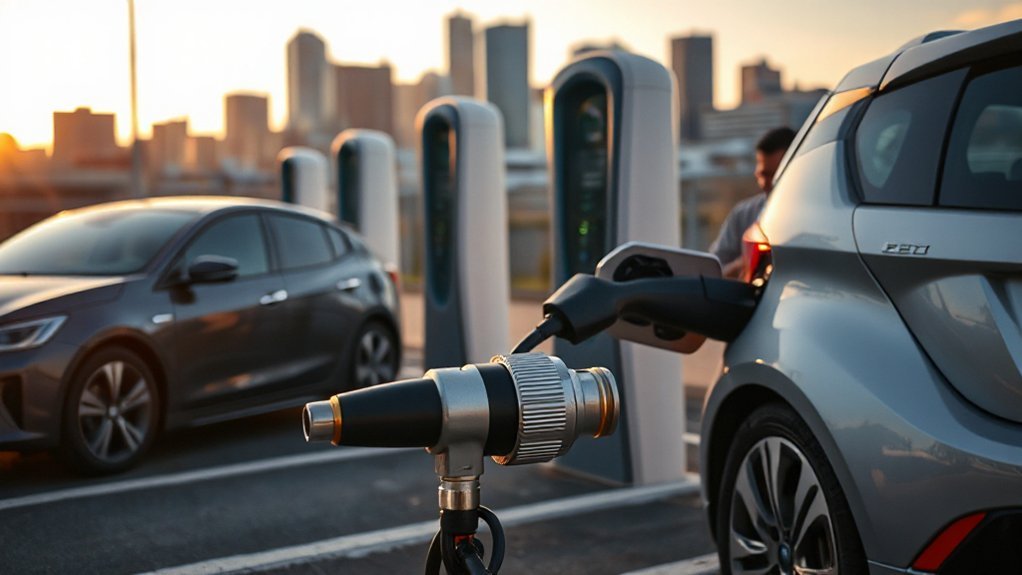
You arrive in an Ioniq 5 at a Tesla Supercharger: can you plug in, negotiate ISO 15118, and pull 230 kW on an 800 V pack? Universality hinges on ...
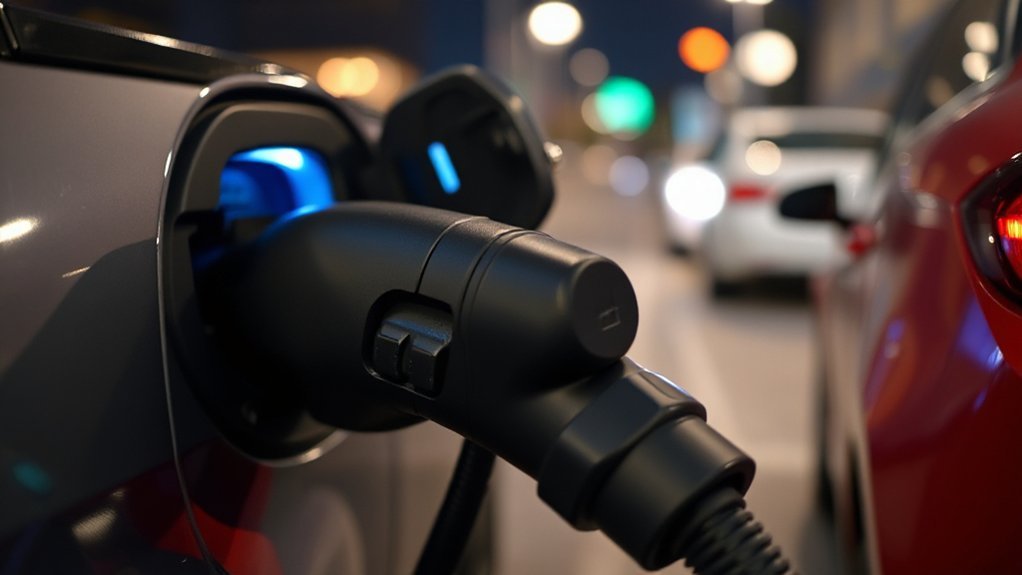
If you drive an EV, you’ll meet the Combined Charging System (CCS)—a single inlet that handles AC Mode 3 and high‑power DC using CCS1 or CCS2. It...
North America’s CCS1 meets Europe’s CCS2 while Japan’s CHAdeMO stands apart. You face different plugs, protocols, and limits. CCS1/2 use IEC 6219...
You probably don’t know CCS1’s control pilot and proximity pins actively arbitrate DC current alongside J1772 AC pins, enabling up to 1000 V with...
You use the Combined Charging System (CCS1) to charge at up to ~1000 V and ~500 A, combining the SAE J1772 AC interface with two DC pins. The con...
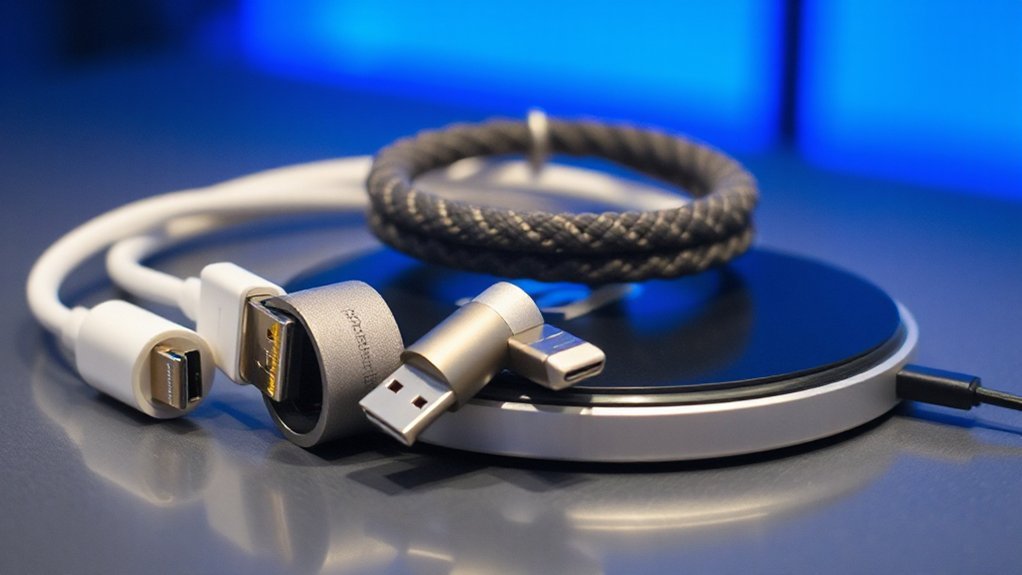
From USB‑C PD and Qi on your desk to CCS, NACS, CHAdeMO, and GB/T at the curb, you navigate a maze of connectors and protocols. You weigh ISO 151...
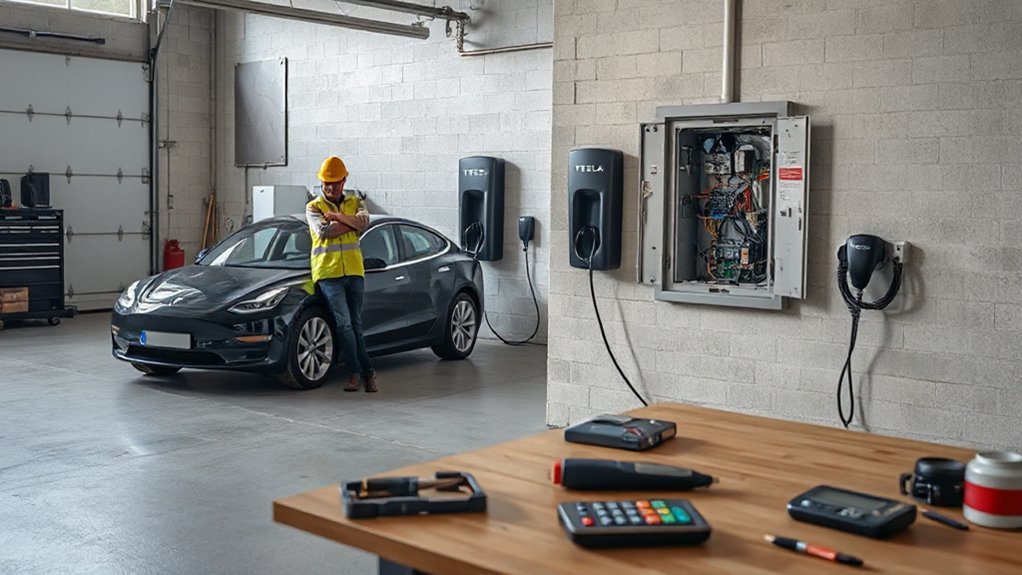
You want reliable, code‑compliant home charging without surprise costs. Should you use Tesla’s Mobile Connector for low upfront spend, or a hardw...
Homeowners report total installed costs ranging from about $700 to $4,500 for a Tesla Wall Connector. You’ll pay $475–$595 for the hardware, then...
If you’re planning a Tesla Wall Connector in 2025, expect total installed costs from about $525 to $6,500, driven by hardware, electrician labor,...