
After a night of coastal rain, a Wallpod kept charging—IP65 and IK10 make it a weatherproof workhorse. You choose 7.4 kW single‑phase or 22 kW three‑phase, socketed or tethered Type 2, with OCPP 1.6J, RFID/app control, and optional 4G. Built‑in Type A RCD with 6 mA DC monitoring and dynamic load balancing help you stay compliant and protect your supply. But choosing the right spec, install method, and tariff integration can save more than you think…
Key Takeaways
- Offers 7.4 kW single-phase or 22 kW three-phase charging with Type 2 socket or tethered lead options.
- Smart features include OCPP 1.6J backend, Wi‑Fi/Ethernet/optional 4G, RFID access, and Rolec app for scheduling and authentication.
- Built for robustness: IP65, IK10, Type A RCD with 6 mA DC monitoring, overcurrent, surge protection, and temperature derating.
- Supports dynamic load balancing and grid-friendly operation to protect main fuses and comply with BS 7671 and IEC 61851.
- Installation requires a dedicated 32 A circuit, certified commissioning, testing records, and routine maintenance with firmware updates.
Key Features and Specifications
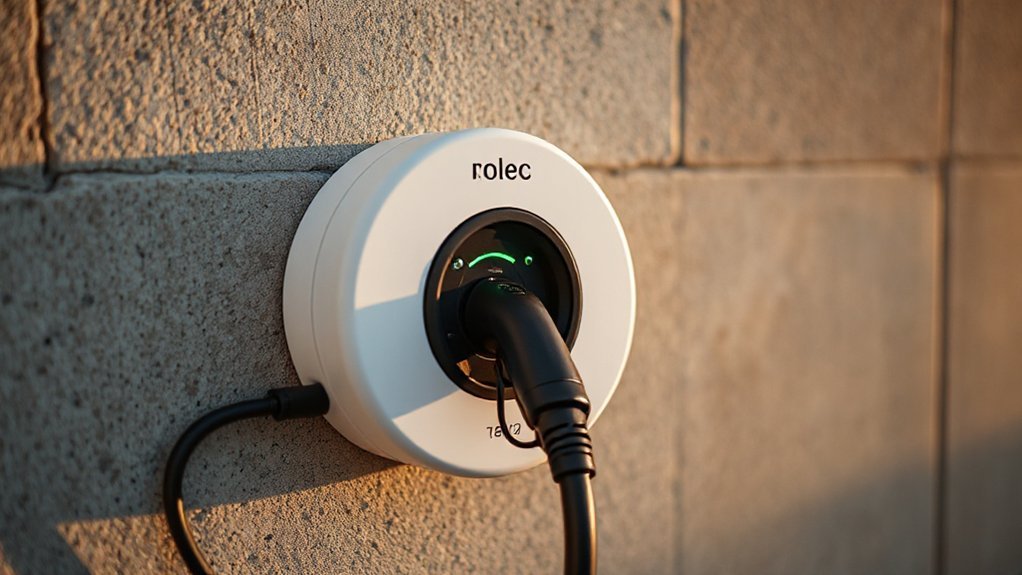
In typical configurations, a Rolec EV charger delivers 7.4 kW (single-phase, 32 A) or 22 kW (three-phase, 32 A) via Type 2 socket or tethered lead, with smart control over Wi‑Fi/Ethernet (and optional 4G), RFID access, and OCPP 1.6J for backend integration. You get robust ingress protection (IP65) and impact resistance (IK10), a clear display interface for status, tariffs, and fault codes, and built-in protection: Type A RCD with 6 mA DC monitoring, overcurrent, surge, and temperature derating. The unit supports dynamic load balancing, PME/PEN fault detection for no-earth-rod installs, and scheduled charging. It’s compliant with IEC 61851 and BS 7671, including EV charging regulations. Options include MID‑approved metering, solar diversion, and lockable isolation. You can commission it safely via app or web portal.
Tethered Vs Socketed: Choosing Your Wallpod
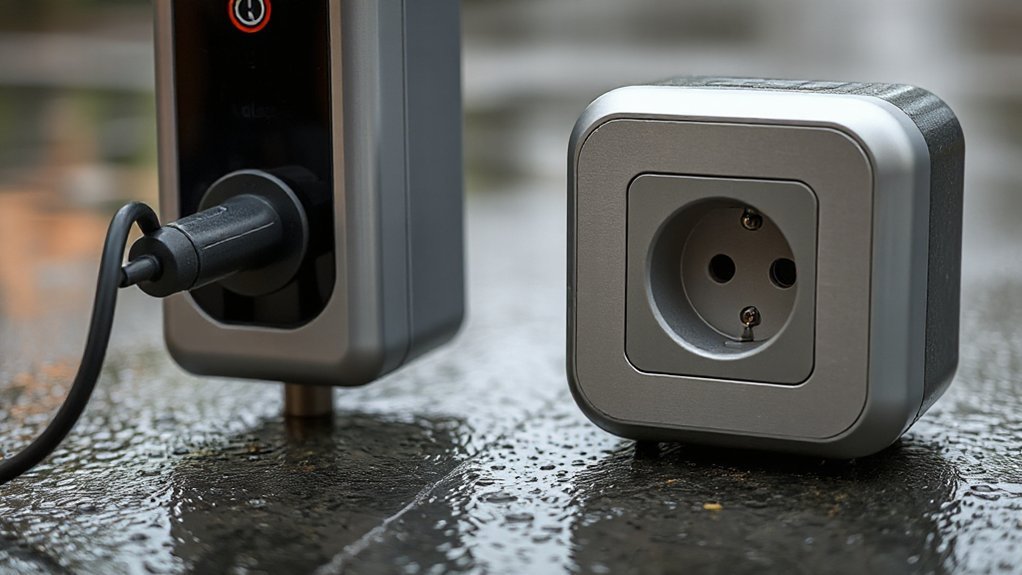
You’ve seen what the Wallpod offers; now choose how you connect—tethered lead or Type 2 socket. Tethered gives fastest plug-and-go, fewer touchpoints, less wear, ideal for daily charging. Socketed maximizes compatibility across vehicles, useful for fleet or visitors, and can enhance resale value. Both support lockout features, weatherproof enclosures, and safe load control. Choose based on parking routine, cable management, and user convenience.
| Option | Practical Take |
|---|---|
| Tethered | Fixed cable, quickest starts |
| Socketed | Bring-your-own-cable flexibility |
| Security | Integrated latch/lock deters cable theft |
| Durability | Sealed connectors, UV-stable housings |
| Future-proofing | Socket suits vehicle changes |
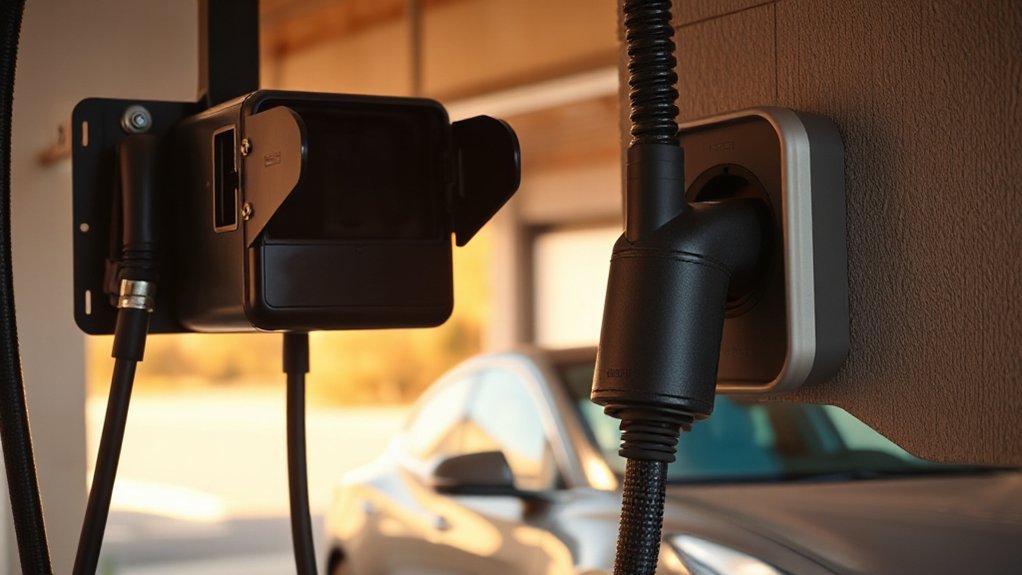
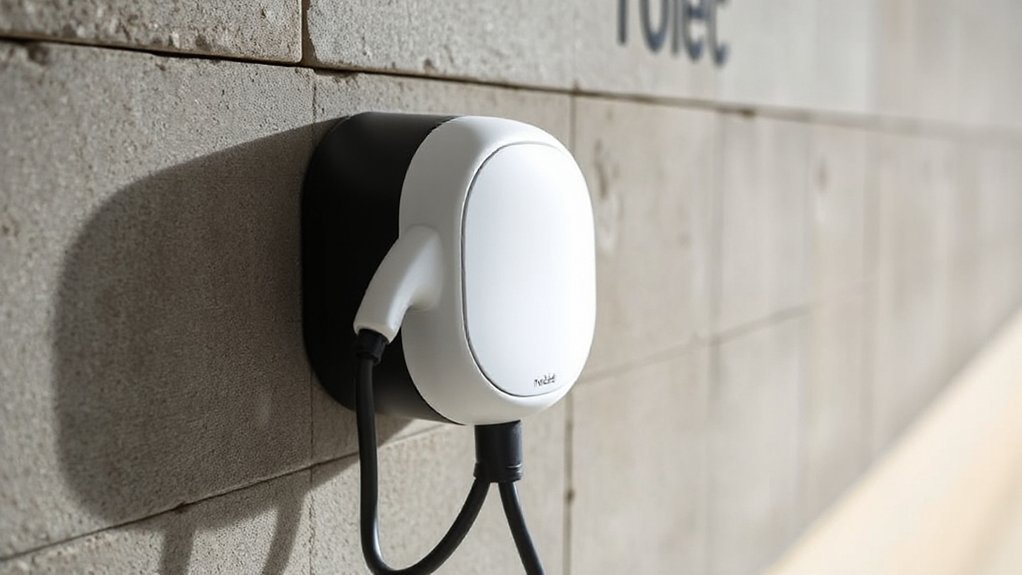

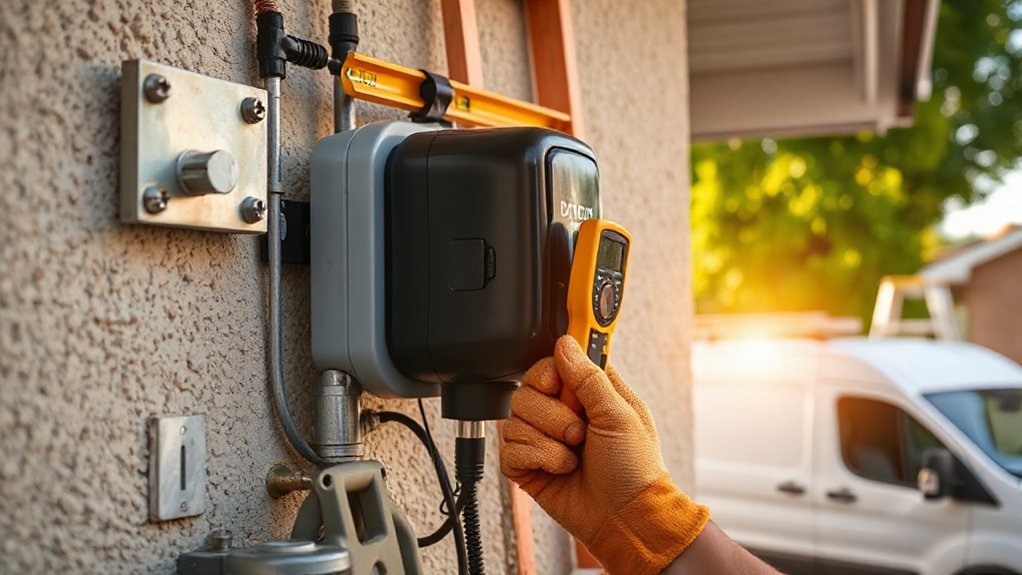
For safety, stow cables off the ground, inspect connectors, and keep ratings matched to your EV and lead. Prefer tethered for busy schedules; choose socketed when versatility, sharing, and portability matter most to you.
Installation, Compliance, and Grants
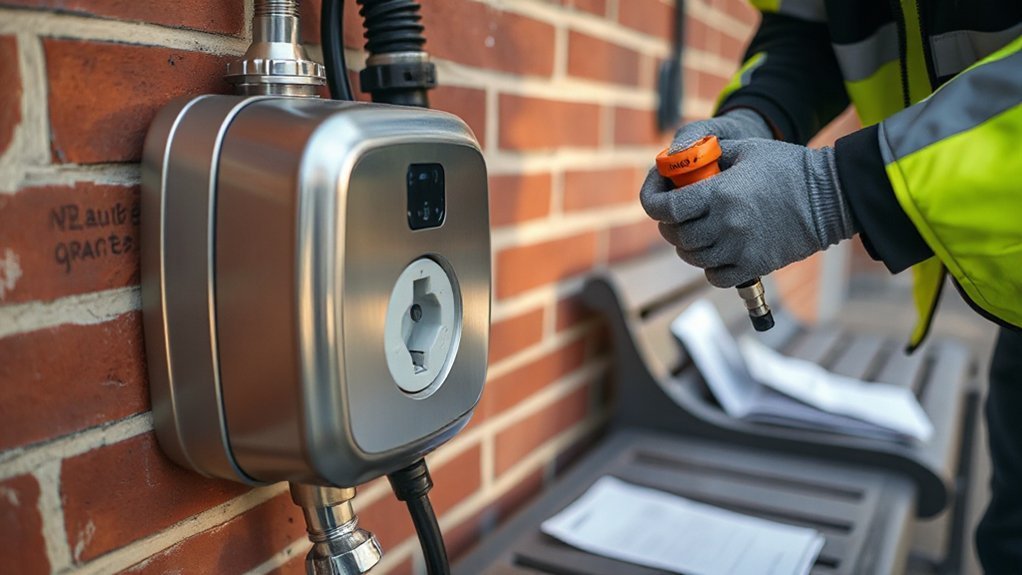
Before commissioning a Rolec WallPod, confirm a qualified electrician can install it to current regs: size a dedicated circuit (typically 32 A), verify earthing and PEN fault protection, and provide correct residual/DC leakage protection. You must document load assessment, isolation points, bonding, and surge requirements. Confirm Installer certification covers EVSE and local code. Obtain a Permit application where required and notify the utility if service upgrades or maximum demand change. Mount between 0.75–1.2 m, IP-rated for location, with mechanical protection for cables. Test Zs, R1+R2, insulation, and RCD trip times, then issue commissioning records and labels.
- Evidence of ownership; off-street parking; hardware.
- Keep Installer certification, test sheets, invoice.
- Submit Permit application, grant forms pre-install.
- Retain commissioning certificate, warranty; plan inspection.
Smart Charging, Apps, and Energy Tariffs
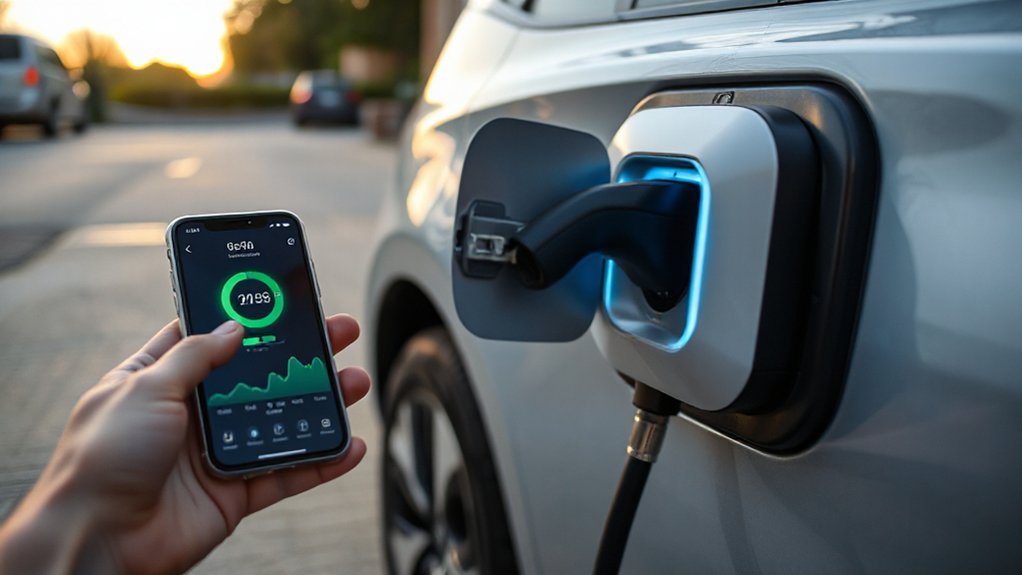
How do you turn a WallPod into a grid‑friendly, low‑cost charger? You pair the unit with Rolec’s app, enable smart charging, and authenticate users. Set schedules aligned to off‑peak energy tariffs or dynamic pricing signals, and the controller modulates current within BS 7671 limits, respecting load‑balancing and earthing requirements. Use API integrations with your supplier to track real‑time rates, then apply minimum state‑of‑charge and departure times to avoid range risk. Configure RFID or app-based authorisation, two‑factor login, and encrypted firmware updates to protect data privacy and prevent unauthorised starts. Activate load curtailment when your home approaches main fuse ratings, and verify RCD/PME protections remain active. Keep the vehicle connector dry, inspect cables before each session, and monitor alerts. Document settings and review grid events.
Cost, Warranty, and Maintenance Tips
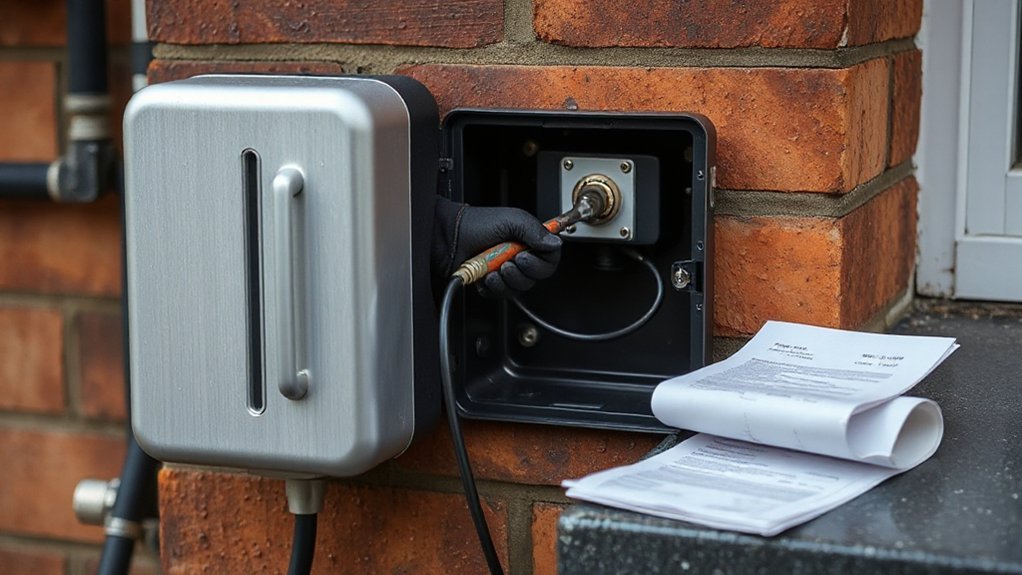
Smart features that cut your tariff only pay off if the charger stays reliable, compliant, and economical over its life. Budget for hardware, installation to current wiring regulations, and a dedicated circuit with RCD/RCBO protection. Factor connectivity and load management accessories. Compare total cost of ownership; an extended warranty can mitigate repair risk if it includes parts, labor, and onsite response.
Smart savings stick only if your EV charger stays compliant, reliable, and cost-effective over its lifetime.
- Schedule service intervals: annual visual inspection, torque checks, RCD test button, and earth fault verification.
- Keep firmware current; validate each update restores OCPP/app functions and safety interlocks.
- Clean vents and sockets; replace worn seals; inspect cable strain relief and Type 2 latch.
- Log errors, nuisance trips, and temperature alerts; escalate to a qualified electrician; document compliance.
Retain receipts and test records for warranty.
Conclusion
You wrap up confident: the Rolec Wallpod delivers dependable, code‑compliant charging in 7.4 kW or 22 kW, with socketed or tethered Type 2. It’s IP65/IK10 tough, guarded by Type A RCD with 6 mA DC monitoring, and smart via OCPP 1.6J, RFID, and Wi‑Fi/Ethernet/4G. With dynamic load balancing, safe commissioning, and maintenance tools, you’ll meet codes and tariffs, claim grants, and manage costs—like steering a well‑trimmed vessel through changing electrical and energy seas with certainty.