You can cut charging time dramatically by aligning with your car’s charging curve: arrive at 10–30% SoC, precondition to ~25–40°C, and target a h...
Your Complete Guide to Electric Vehicle Charging
You can cut charging time dramatically by aligning with your car’s charging curve: arrive at 10–30% SoC, precondition to ~25–40°C, and target a h...
You could wait an eternity—or just minutes—for a charge, depending on the math you use. You’ll estimate time by SOC change × usable kWh ÷ realist...
Like pacing a marathon, your charge rate starts fast then tapers—e.g., a 150 kW session often averages ~90 kW to 80%. With this calculator, you i...
Think of your charging choice as the gearbox for your EV operations: pick the wrong ratio and you waste energy. With ENGIE you get dense urban si...
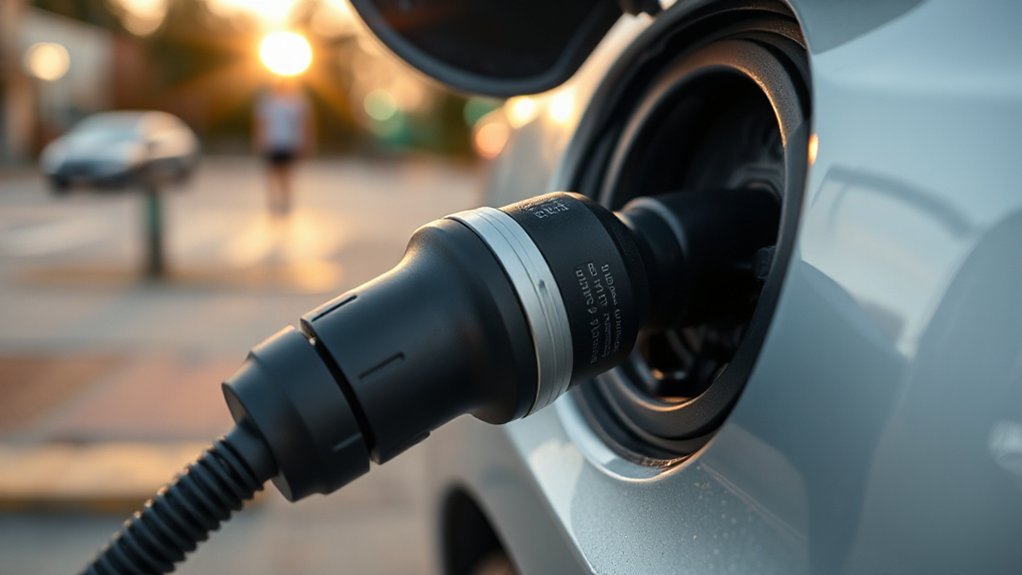
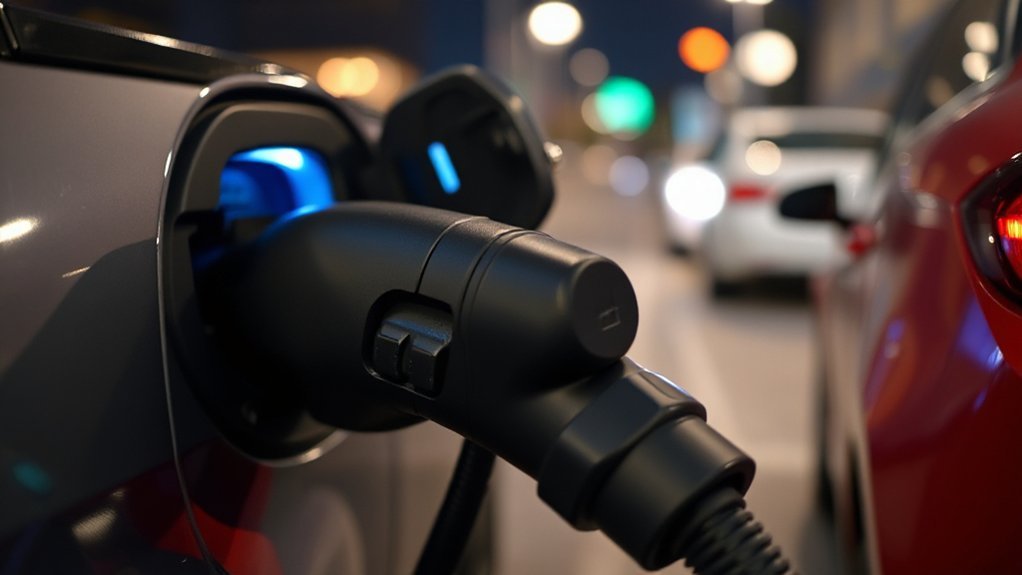
If you drive an EV, you’ll meet the Combined Charging System (CCS)—a single inlet that handles AC Mode 3 and high‑power DC using CCS1 or CCS2. It...
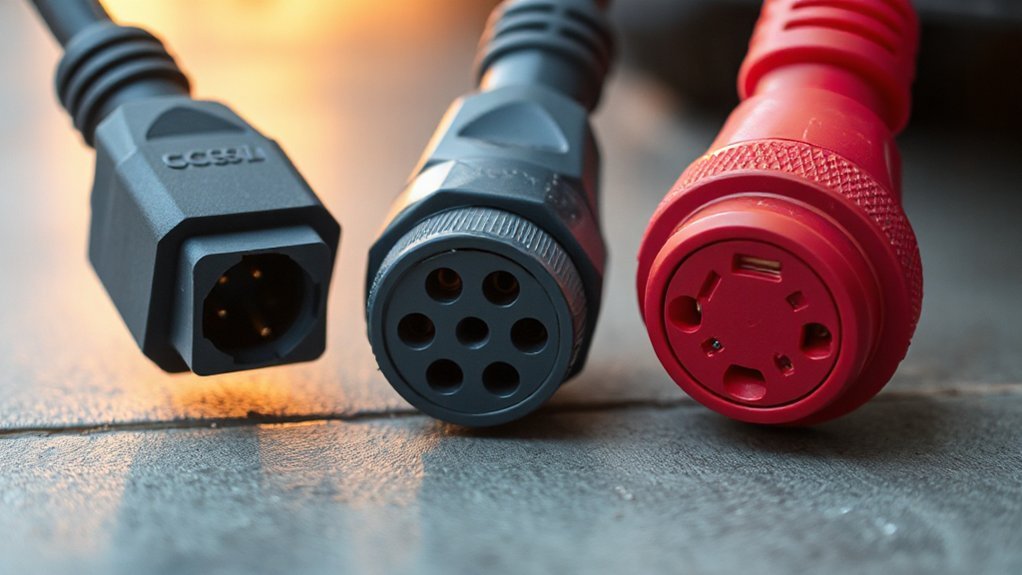
North America’s CCS1 meets Europe’s CCS2 while Japan’s CHAdeMO stands apart. You face different plugs, protocols, and limits. CCS1/2 use IEC 6219...
You use the Combined Charging System (CCS1) to charge at up to ~1000 V and ~500 A, combining the SAE J1772 AC interface with two DC pins. The con...
Pick the right capacity, choose efficient standards, and manage heat safely. You’ll cut weight, charge faster, and extend battery life—if you siz...
Thinking about Level 3 at home in 2025? You’ll face equipment and install costs often in the tens of thousands, possible 400 A or three‑phase ser...
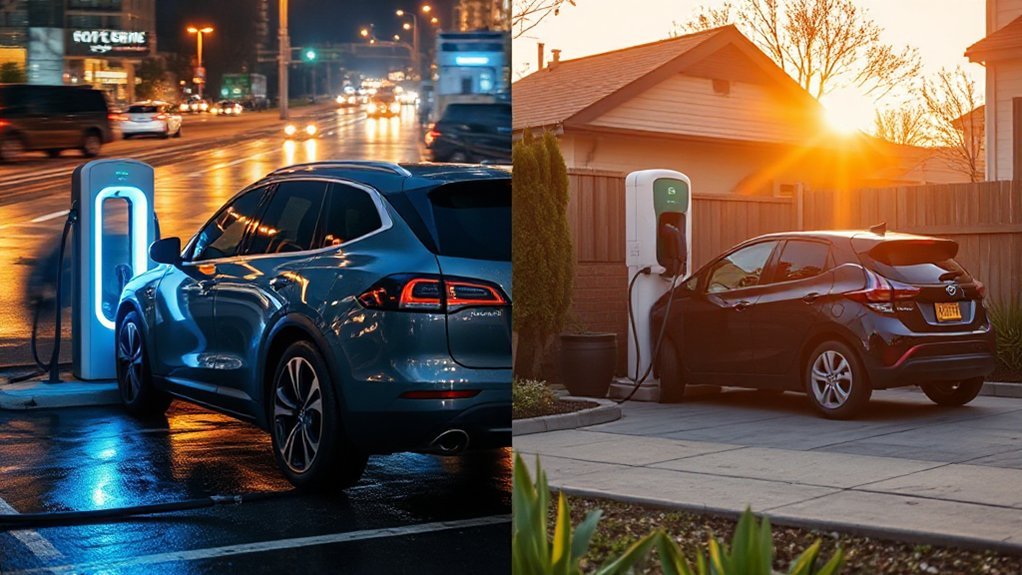
Think of EV charging like plumbing: a 7.2 kW Level 2 tap versus a 150 kW Level 3 fire hose. You’ll weigh AC Level 2 (SAE J1772/IEC 61851, ~6–11 k...