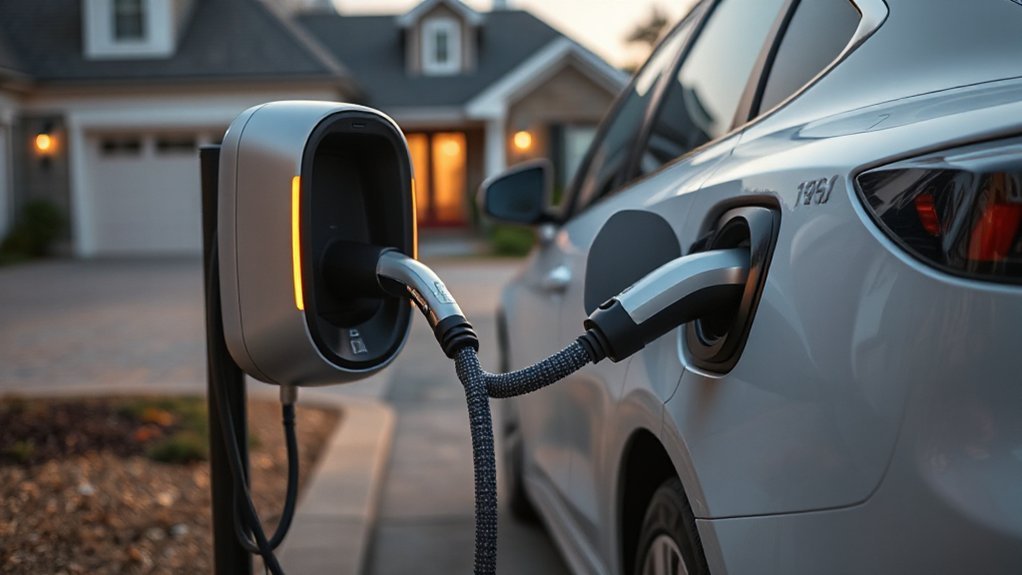
You want to know if a 7 kW home charger is enough. On a 240 V/32 A circuit it delivers ~7.2–7.4 kW, typically adding 18–30 miles per hour, but on...
Your Complete Guide to Electric Vehicle Charging
You want to know if a 7 kW home charger is enough. On a 240 V/32 A circuit it delivers ~7.2–7.4 kW, typically adding 18–30 miles per hour, but on...
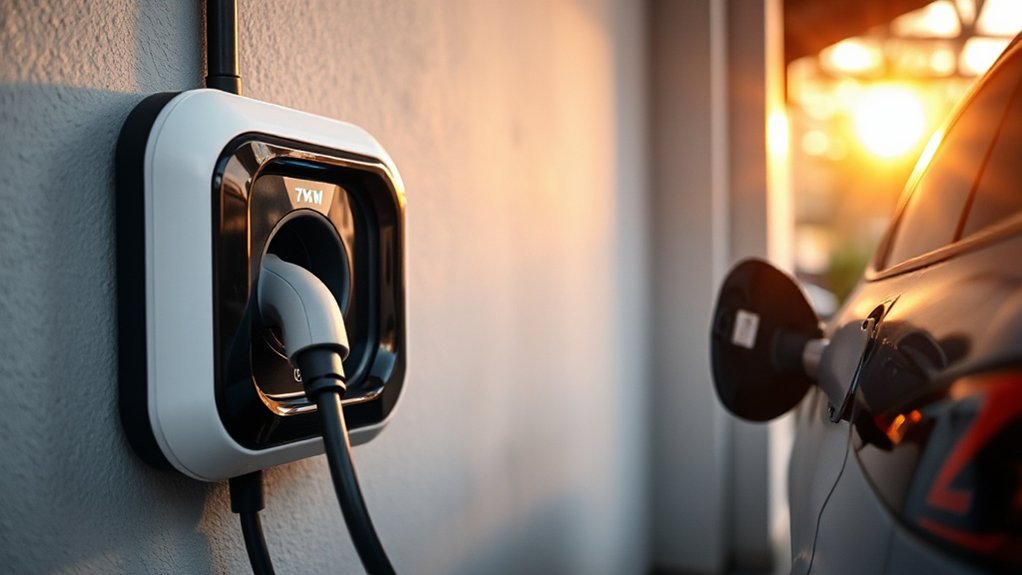
You’re considering a 7 kW home charger: a single‑phase 230–240 V EVSE delivering ~32 A continuous (typically on a 40 A breaker). It restores most...
A 60 kWh recharge drops from ~6 hours at 11 kW to ~3 hours at 22 kW—if your onboard charger accepts 3×32 A. You’ll need the right OBC, three‑phas...
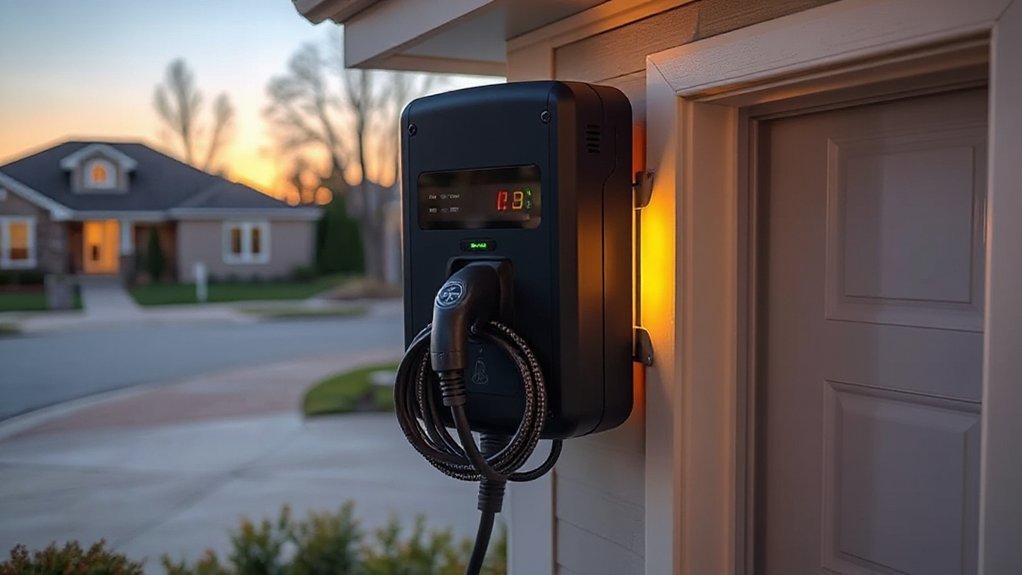
You want a rugged, code-compliant Level 2 charger that’s simple to install and safe to operate. Grizzl‑E delivers a NEMA 4 aluminum enclosure, 20...
You want a rugged, standards-compliant Level 2 charger without premium bloat. Grizzl‑E pairs a NEMA 4 metal enclosure and 24‑ft J1772 with adjust...
You don’t need DC fast charging for daily use—Level 2 at 240 V supplies 3–19 kW via SAE J1772/IEC Type 2 to your onboard charger, with IEC 61851 ...
You size a solar EV charger by your driving and local sun: convert miles to kWh (typical EV 250–350 Wh/mi plus ~10% charging losses), divide by p...
In California, a 6 kW rooftop PV array routinely offsets 25–30 EV miles per day when paired with a Level 2 EVSE. You’ll convert PV DC to AC throu...
Thinking about Level 3 at home in 2025? You’ll face equipment and install costs often in the tens of thousands, possible 400 A or three‑phase ser...
You can install a Level 3 (DC fast) charger at home, but it’s rarely practical. These 50–350 kW systems demand three‑phase service, major switchg...