You might not know Zappi’s built‑in PEN‑fault protection can legally replace an earth rod—only when commissioned to BS 7671 and IEC 61851 with th...
Your Complete Guide to Electric Vehicle Charging
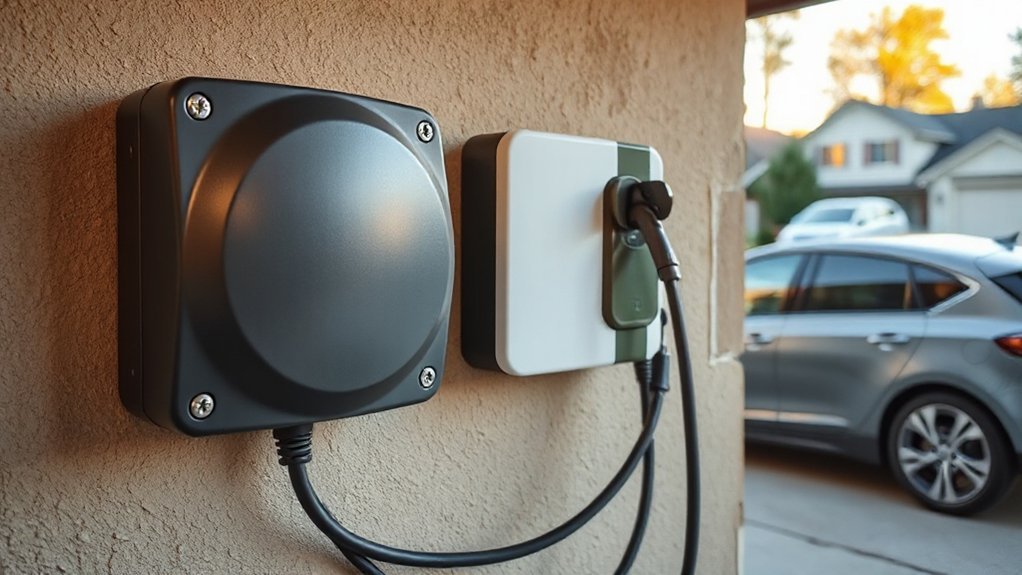
You might not know Zappi’s built‑in PEN‑fault protection can legally replace an earth rod—only when commissioned to BS 7671 and IEC 61851 with th...
You probably don’t know that Hypervolt and Zappi approach compliance with IEC 61851 and UK OZEV rules differently, which affects safety features ...
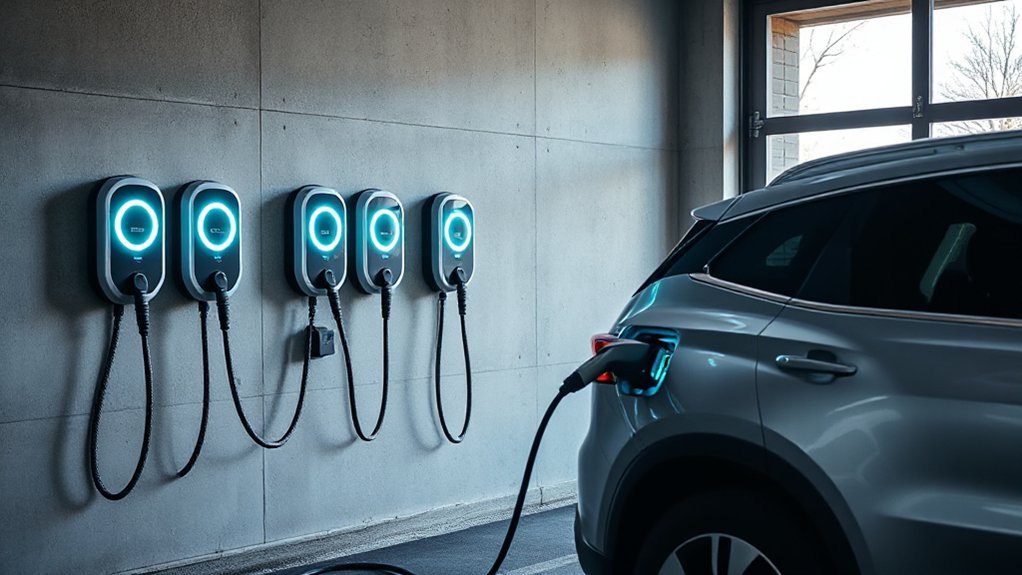
You get a weather‑sealed, UV‑stable enclosure with conformal‑coated PCBs, 6–32 A modulation, and stable 1 s ramping up to 7.4 kW. Provision over ...
Picture a charging network that breathes with the grid as you scale homes, workplaces, fleets, and public sites. You use right-sized, interoperab...
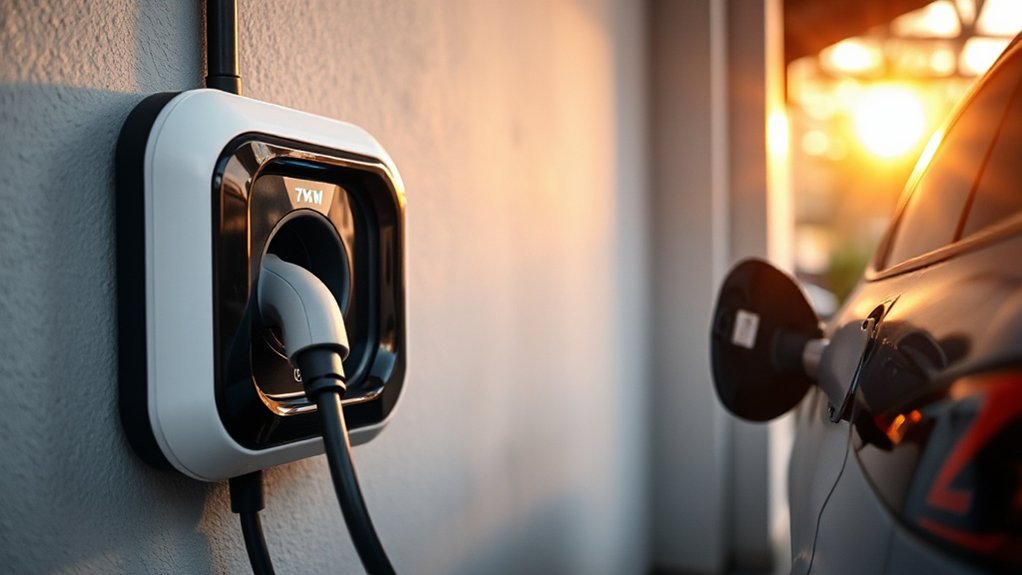
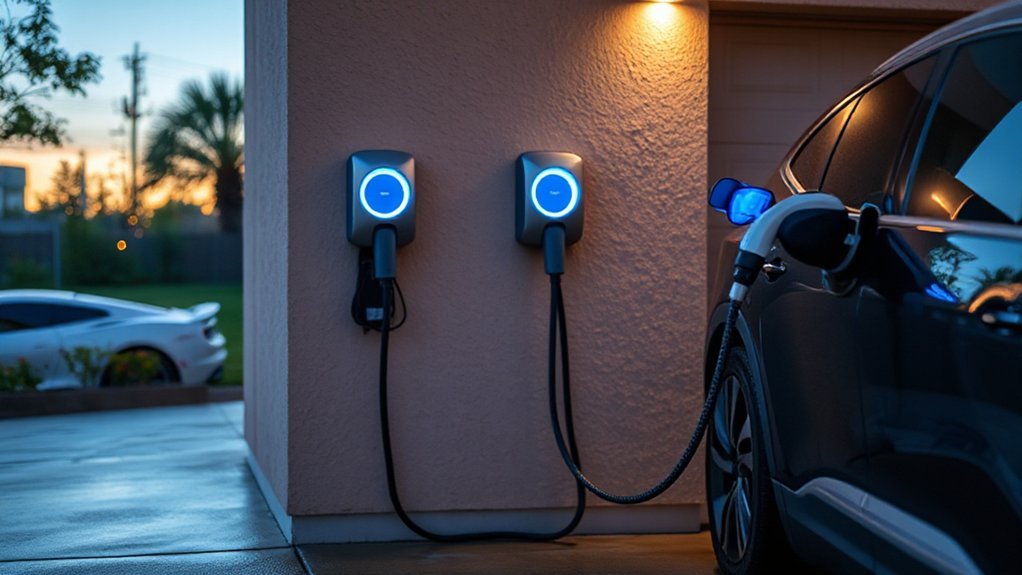
You’re considering a 7 kW home charger: a single‑phase 230–240 V EVSE delivering ~32 A continuous (typically on a 40 A breaker). It restores most...
Picture three-phase power humming at 400 V, 32 A per phase, pushing up to 22 kW into your EV. You cut 60–100 kWh battery charge times to ~3–5 hou...
In our 2025 lab, 6 of 9 units sustained ≥11.5 kW at 240 V for 30 minutes—a key indicator of thermal stability. You’ll compare UL/ETL listings, NE...
If you’re picking a 40‑amp home EV charger in 2025, you’ll want UL/cUL listings, a 50 A circuit, proper conductor sizing, and weather‑rated enclo...
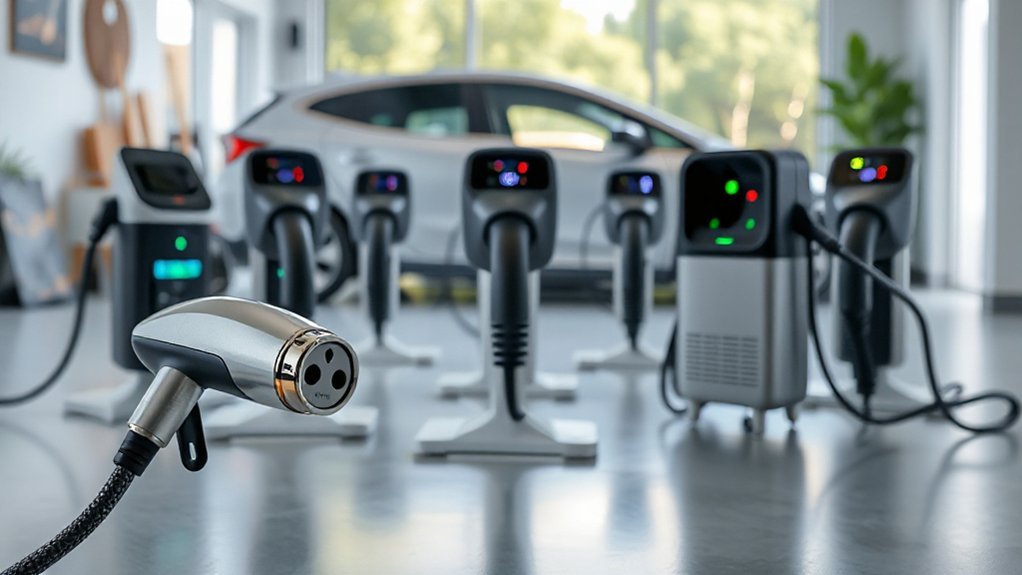
You want a J1772 Level 2 charger that matches your breaker, panel capacity, and usage—not hype. Compare amperage (16–50 A), enclosure ratings (NE...
It’s lightning-fast yet sips the grid: you deliver 50 kW (≈125 A at 400 V), adding ~35–45 kWh in 45–60 minutes. You use active PFC and >96% effic...