
You want a Level 3 EV charger that’s safe, code-compliant, and cost‑effective. Buy from OEMs, certified distributors, or turnkey installers to verify NRTL listings, valid warranties, and proper commissioning. Hardware price hinges on kW, connectors, and enclosure; software and cellular add recurring fees. Installation often costs more—power upgrades, trenching, permits, utility interconnection. Incentives and demand management can help—next, how to budget and choose vendors without costly surprises…
Key Takeaways
- Buy through OEMs, certified distributors, or turnkey installers; avoid marketplaces unless NRTL-listed with verified serials and manufacturer authorization.
- Hardware pricing varies by kW, ports, cooling, UL/CSA listings, enclosure rating, and vandal resistance; confirm UL 2202/2231, FCC, NEC 625 compliance.
- Software/platform fees add cost: OCPP networking, access control, payments, telemetry, remote diagnostics, plus recurring subscriptions, cellular data, roaming, and firmware licensing.
- Installation costs hinge on power capacity, trenching/civil work, permits, and commissioning tests; budget both hard and soft costs with documentation deliverables.
- Check utility capacity and tariffs; demand charges can dominate—model 15‑minute peaks and mitigate with load management, staged power, storage, or DR; seek incentives.
Where to Buy: Manufacturers, Distributors, Installers, and Programs
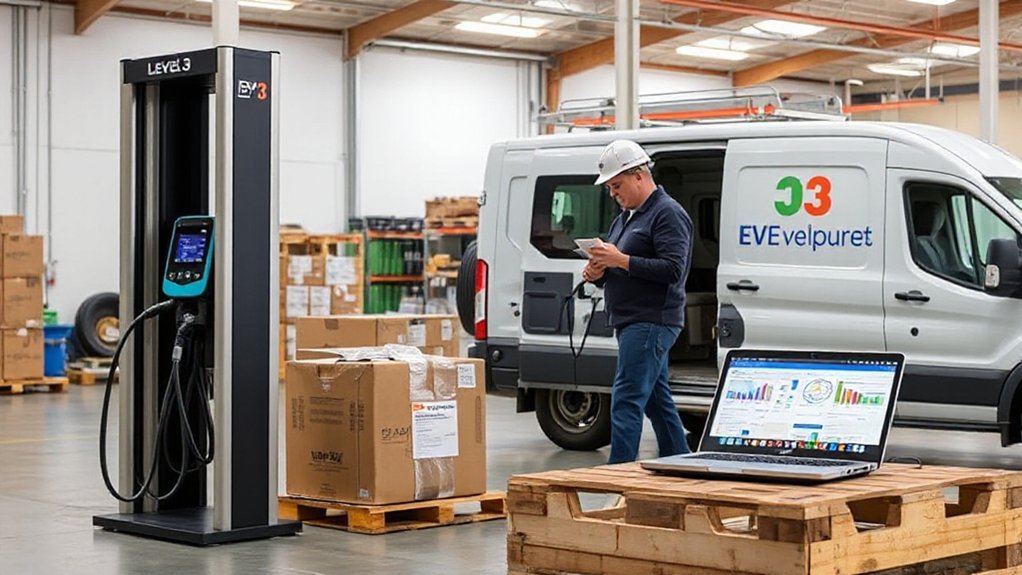
Because Level 3 (DC fast) chargers are high‑power electrical equipment, source them through manufacturer‑authorized channels—OEM direct, certified distributors, or turnkey installers—to maintain listings, warranties, and code compliance. Buy directly from the OEM when you need a specific model, firmware image, or factory‑commissioned startup. Work with Regional distributors for stocking, logistics, and verified serials. Choose turnkey installers when you need site assessment, stamped drawings, permits, and commissioning under NEC, UL, and utility interconnection rules. Vet Online marketplaces carefully; only purchase units listed by NRTL, with intact tamper seals and traceable provenance. Confirm the seller is manufacturer‑authorized in writing. Use utility or state rebate programs that require approved vendor lists; they reduce risk and verify that equipment meets program specifications. Require COI, licensed electricians, and as‑built documentation.
Hardware, Software, and Service Plan Pricing
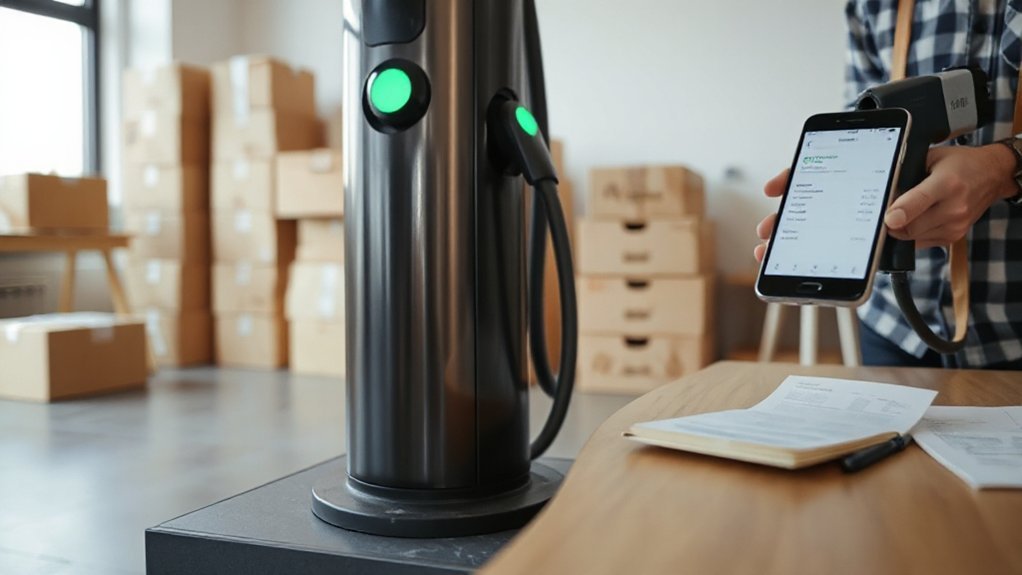


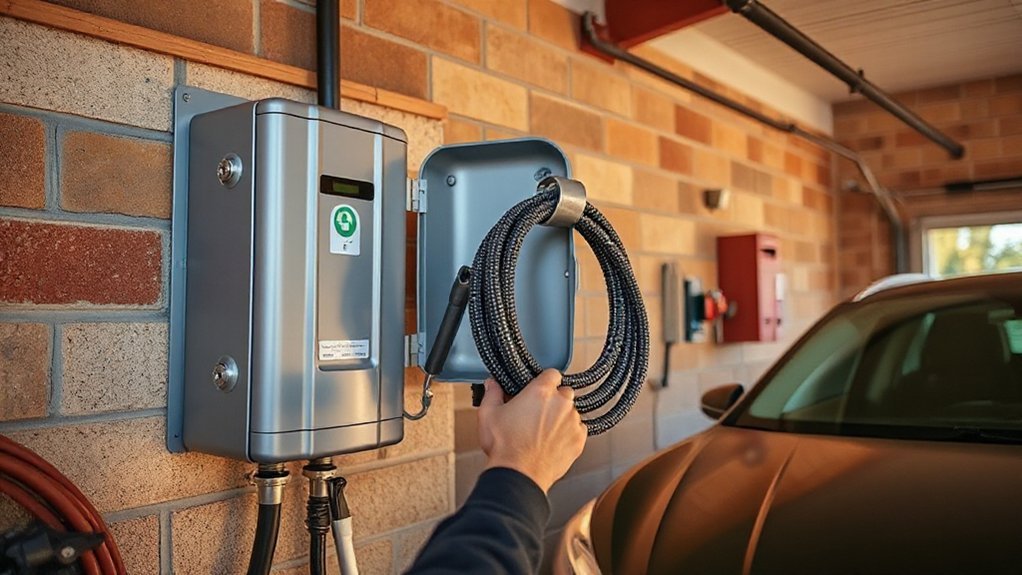

Break down total cost of ownership into hardware, software, and service so you can compare bids on equal terms. For hardware, price varies by kW rating, simultaneous ports, liquid-cooled cables, UL/CSA listings, NEMA enclosures, and vandal-resistance. Confirm compliance with UL 2202/2231, FCC, and NEC Article 625 labeling. For software, compare OCPP compatibility, networking, access control, payment processing, driver app features, telemetry, and remote diagnostics. Identify recurring fees: platform subscription, cellular data, roaming, and Firmware Licensing. For service, scrutinize uptime SLAs, preventive maintenance, spare parts stocking, response times, and on-site labor rates. Clarify Warranty Extensions, coverage limits, consumables, and advance replacement. Specify cybersecurity patch cadence, encryption, and audit logs. Require itemized pricing, term lengths, cancellation rights, and performance credits. Define escalation paths and reporting metrics.
Installation Cost Drivers: Power, Civil, Permits, and Commissioning
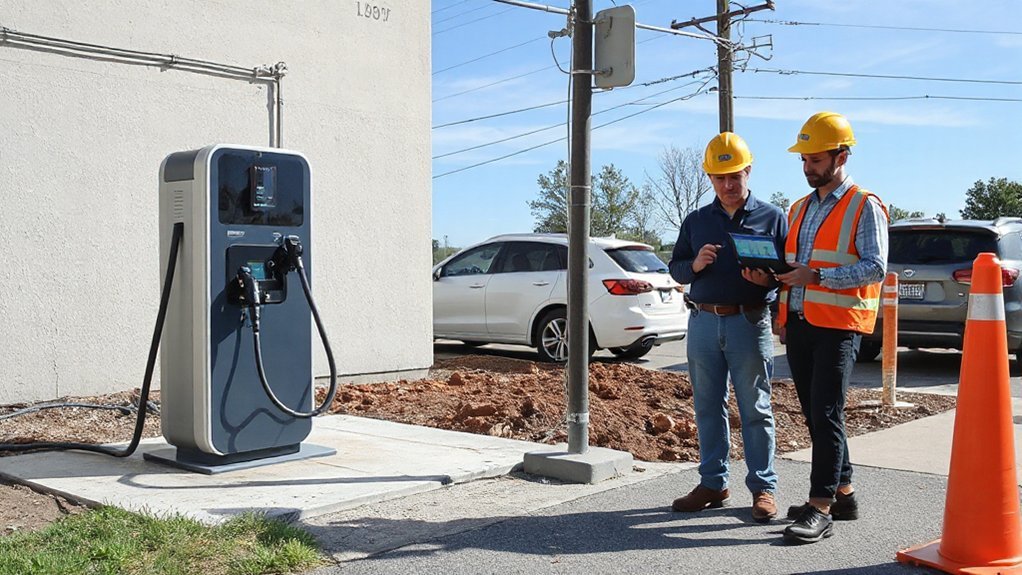
You’ve compared hardware, software, and service; now installation drives the real project budget and schedule. Your major cost drivers fall into power, civil, permits, and commissioning, each with distinct code and safety requirements.
- Power: Specify conductor sizes, overcurrent protection, and grounding per NEC Articles 110, 250, and 625. Minimize cable routing length, maintain working clearances, and verify short-circuit ratings to match available fault current.
- Civil: Trenching depth, conduit encasement, bollards, ADA layout, and soil conditions dictate labor and materials. Plan drainage, slab thickness, and corrosion protection near de-icing salts.
- Permits and commissioning: Obtain electrical, building, and fire approvals, including site plans and load calcs. Schedule pre-pour inspections, torque and insulation-resistance tests, EVSE firmware/config, and functional safety checks with documented results, labeling, and as-built documentation.
Utility Upgrades, Demand Charges, and Incentives
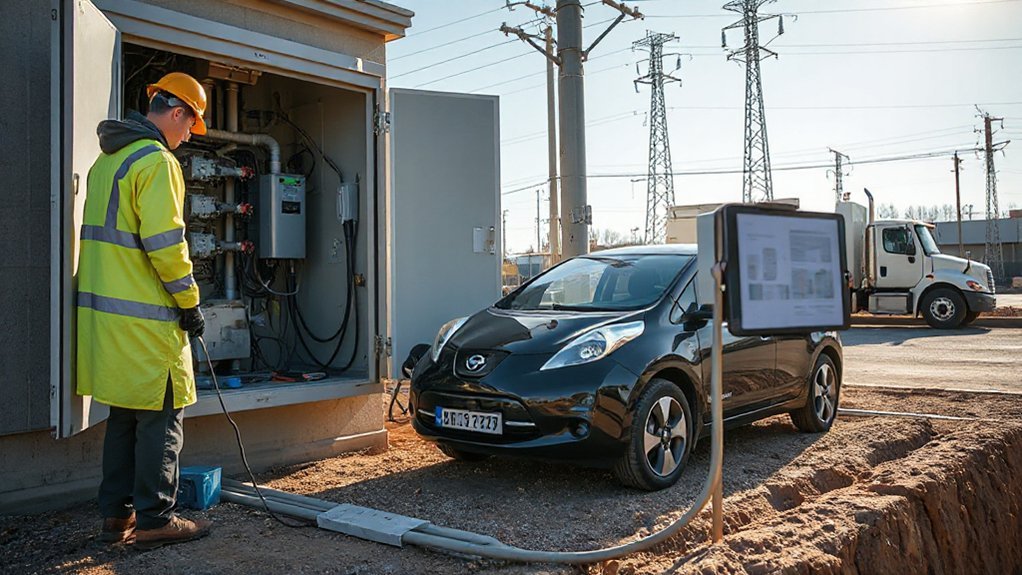
Although site work sets the pace, your grid connection and tariff will dictate both feasibility and operating cost for Level 3 EV chargers. Confirm available capacity, short-circuit duty, and transformer ownership; size switchgear to NEC and utility interconnection rules. Demand charges can exceed energy costs; mitigate with load management, staged power, storage, and Demand Response. Model 15‑minute intervals and verify protective device coordination. Seek make‑ready programs, rate riders, and tax credits; practice Incentive Stacking without double‑dipping.
| Item | What to verify | Why it matters |
|---|---|---|
| Service voltage | Matches charger spec | Avoid derating/faults |
| Max kW demand | Tariff calculation window | Controls demand charges |
| CT/PT placement | Utility metering standard | Accurate billing |
| Export limits | Backfeed restrictions | Safe storage dispatch |
Submit load letters early; coordinate outages to maintain commissioning and safety.
Budgeting Steps and Vendor Selection Checklist

Because costs cascade from utility to commissioning, build a defensible budget and a vendor checklist that align with code, safety, and uptime requirements. Map hard costs (service upgrades, switchgear, trenching, pedestals), soft costs (design, permits, commissioning), and costs (network, warranties, demand charges). You’ll integrate Timeline Planning with utility lead times and AHJ review windows.
- Scope and design: define kW per dispenser, redundancy, connector mix (CCS/NACS), NEC Article 625 compliance, short-circuit ratings, fault coordination, bollards, ADA paths, lighting, cybersecurity.
- Vendor due diligence: UL-listed equipment, ISO 15118 features, OCPP support, MTBF data, parts logistics, 24/7 remote diagnostics, safety training, references; verify bonding/insurance.
- Contract Review: fixed vs unit pricing, liquidated damages for delays, uptime SLAs, commissioning protocols, as-builts, spare parts, change-order rules, warranty terms, utility interconnection responsibilities.
Conclusion
You’ve got this. Buy from OEMs, certified distributors, or turnkey installers with NRTL listings and commissioning. Avoid mystery marketplaces. Budget hardware, software, cellular, and service plans, then model installation drivers: power capacity, trenching, civil work, permits, interconnection. Coordinate utility upgrades, demand charges, and incentives. Specify listed enclosures, certified connectors, and code-compliant grounding and protection. Use a vendor checklist and firm quotes. Done right, your Level 3 rollout will be safer than Fort Knox—and as reliable.