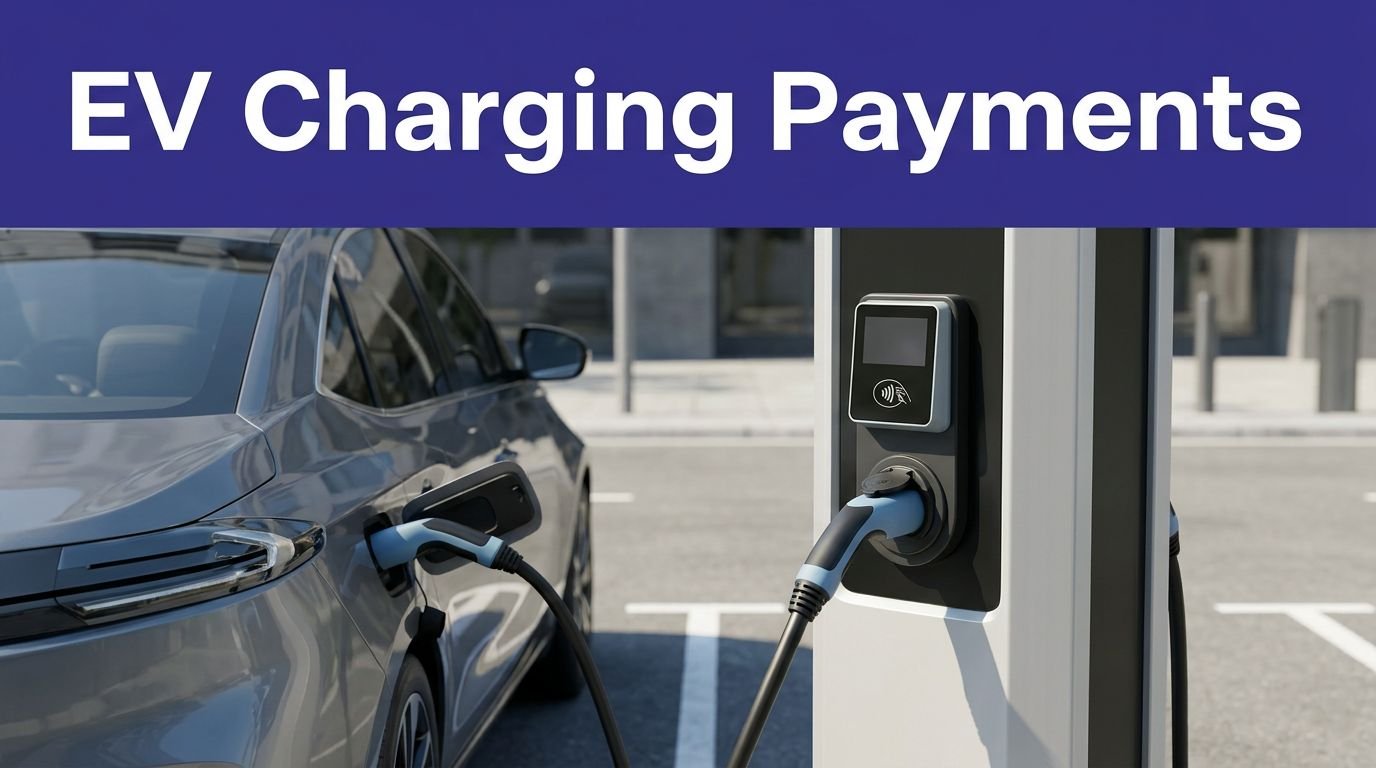
You assess Blink’s multi‑region network of Level 2 and modular DC fast chargers with in‑app discovery, real‑time port status, pricing, and reservations. It supports OCPP 2.0.1, OCPI roaming, and ISO 15118 Plug & Charge; tokenized payments and revenue‑grade metering; NEVI‑aligned uptime SLAs, remote diagnostics, OTA, dynamic load management, and utility integrations. The question is how these translate to throughput, TCO, and SLA compliance at your sites—and what the data reveals next.
Key Takeaways
- Blink operates a public EV charging network with Level 2 and DC fast chargers across North America and select international locations.
- Use the Blink app to find stations, see real-time availability, pricing, connector types, and start a session via QR, RFID, or in-app authorization.
- Supported connectors include J1772 (Level 2), CCS, and CHAdeMO; NACS availability varies by site and vehicle compatibility.
- Pricing varies by site and may be per kWh, per minute, session fees, and idle fees; payment supports cards and mobile wallets.
- Blink also sells home and commercial chargers, with residential Level 2 units up to 19.2 kW and networked fleet/host solutions.
The Blink Network at a Glance

How does Blink’s network stack up at a glance? You’ll see a multi-region footprint across North America and select international markets, visualized via a Coverage map that updates in near real time. Sites cluster along interstates and urban cores, with Charger density aligned to travel demand and grid capacity. You can filter by connector—CCS1, CHAdeMO, J1772—and power tiers from Level 2 to DC fast. Roaming uses OCPI; station management follows OCPP, enabling interoperability and granular telemetry. Uptime targets meet or exceed 97% where NEVI rules apply, with fault codes and session records exposed in-app. Pricing displays per kWh or per minute, per jurisdiction. You authenticate via app or RFID, monitor utilization, and plan stops with SOC-aware routing. EVSE diagnostics and firmware updates occur OTA.
Home and Commercial Charging Hardware
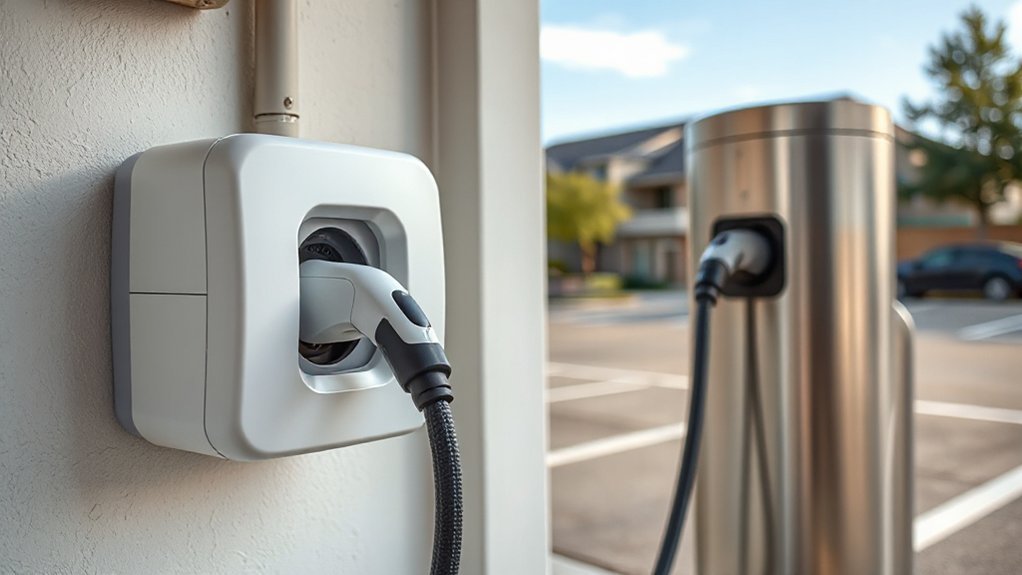
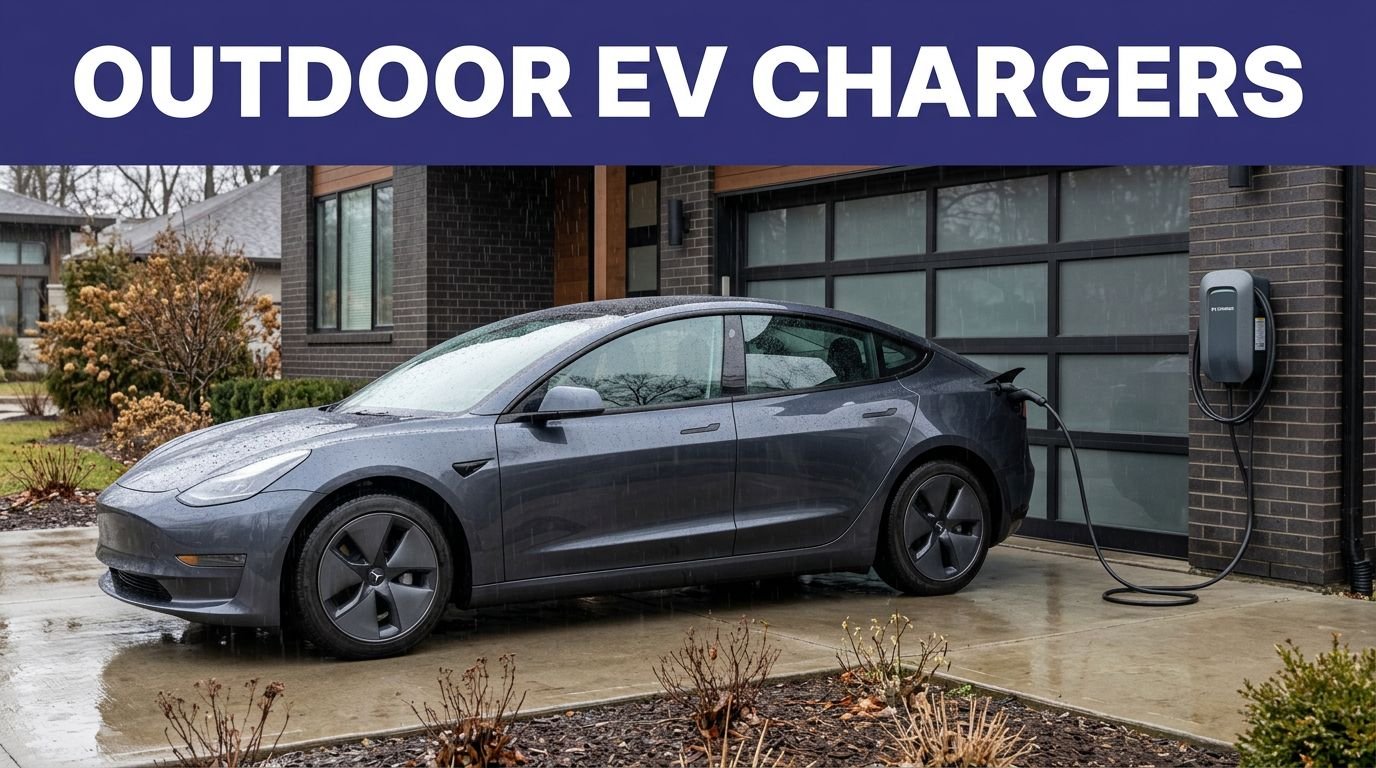
Home-and-commercial charging hardware in Blink’s portfolio spans UL 2594/2231-certified Level 2 EVSE for 120/240 V single-phase and 208/240 V commercial panels, plus DC fast chargers engineered for 400–1000 V battery systems. You’ll spec units by power level, site electrical capacity, and Connector Standards. Residential Level 2 delivers up to 19.2 kW; commercial pedestals and wallboxes scale with load management, OCPP, and revenue-grade metering. For DC, you’ll target 50–360 kW modules with liquid-cooled cables and robust Thermal Management to sustain duty cycles.
- Input: 50/60 Hz, 100–277 V AC L2; 480 V AC three-phase to rectifiers for DC.
- Outputs: SAE J1772, CCS1, NACS; CHAdeMO legacy optional.
- Environmental: NEMA 3R/4, IK10, -30 to 50 °C, 95% RH non-condensing.
- Safety: GFDI, insulation monitoring.
- Security: OCPP, TLS, signed firmware updates.
Finding, Starting, and Paying With the Blink App

You find nearby stations with geolocation and filters for connector (J1772/CCS1/CHAdeMO), power (kW), pricing, and live availability from OCPP-based status feeds. You start a session by scanning the charger’s QR code or selecting the port in-app, then authorizing so the EVSE energizes. You pay with a stored card or wallet via PCI DSS–compliant processing, and the app logs kWh, time, cost, and tax for export.
Find Nearby Stations
Wherever you are, the Blink Mobile App uses device GPS and network telemetry to surface nearby EVSE supporting SAE J1772 (Level 2), CCS, and CHAdeMO, with real-time port status, power ratings (kW), and pricing rules (per kWh, per minute, session and idle fees). You filter by connector, minimum kW, open status, pricing model, ADA accessibility, and lighting safety to assess site suitability.
- View OCPP-reported availability, including plug-level telemetry and fault codes.
- Sort by predicted dwell time using historical utilization curves.
- Inspect site metadata: curb cut widths, stall dimensions, and slope compliance.
- Compare utility demand windows, posted hours, and parking restrictions.
- Validate amenities: restroom access, canopy coverage, and camera presence.
Save favorites and set geofenced alerts for new assets nearby.
Start Session and Pay
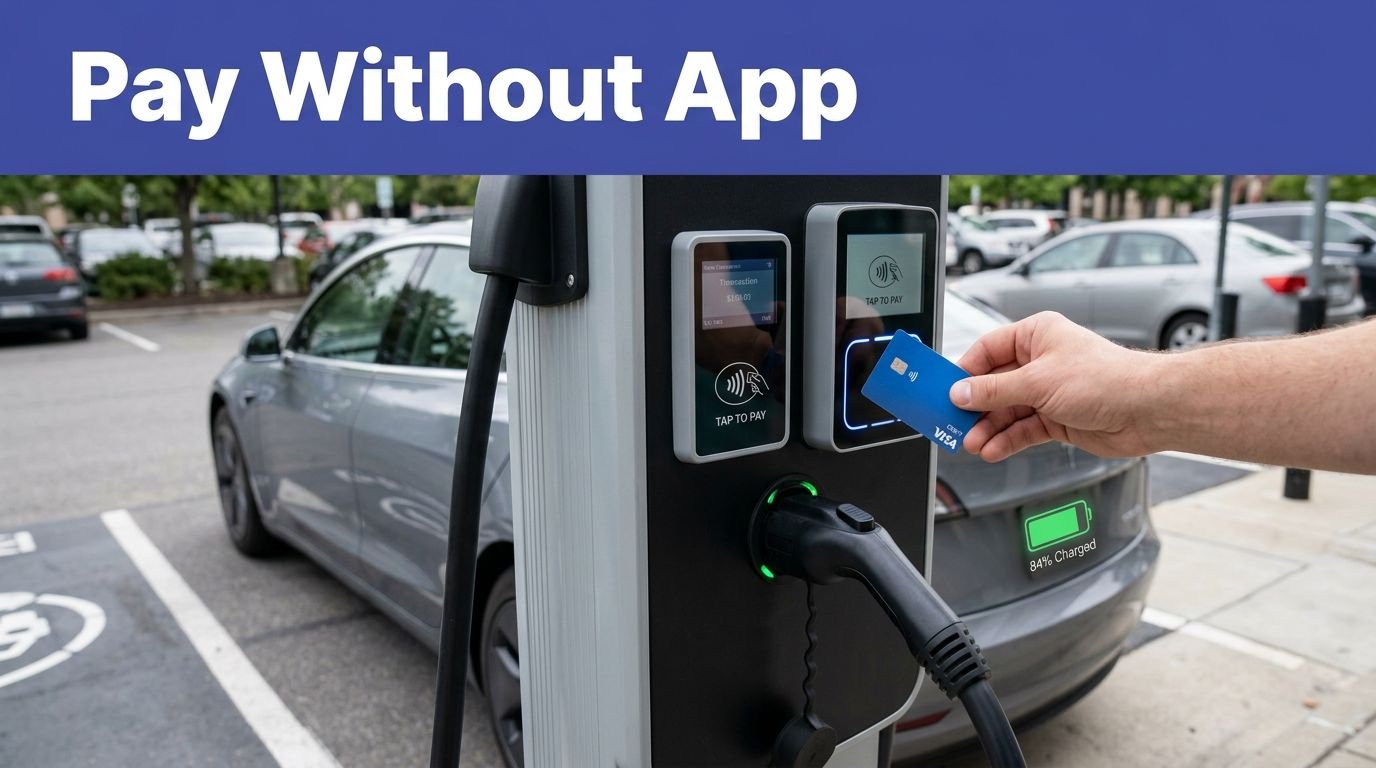
After selecting a compatible, available port, initiate and pay directly in the Blink app via QR scan, station ID entry, or NFC/RFID; then connect the J1772, CCS, or CHAdeMO handle. Verify the connector rating matches your vehicle’s onboard charger, review the posted tariff (per kWh, per minute, or idle fees), and authorize. The app uses tokenized cards and PCI-DSS compliant payment security, with optional Apple Pay/Google Pay. A small preauthorization hold may apply until the meter finalizes. Monitor live power, voltage, and kWh delivered; you can stop anytime. When complete, disconnect per SAE/JEVS sequence. The app logs session IDs, timestamps, energy, and cost for receipt management. Download PDF/CSV, email receipts, or enable automatic monthly summaries for expense reporting. Integrate reimbursements with fleet management exports.
Reliability, Uptime, and Support
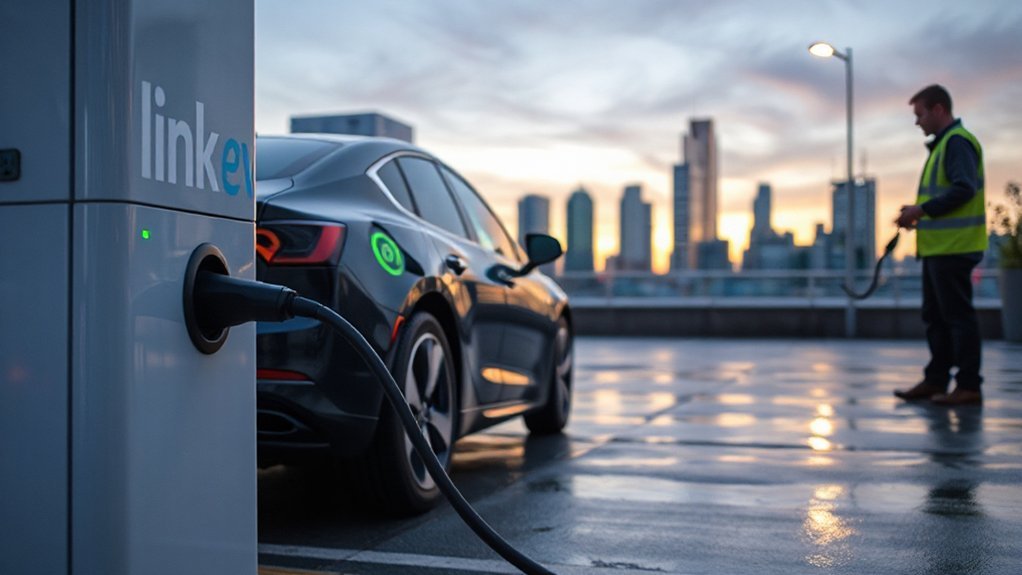
Consistently, reliability hinges on hardware and network availability engineered to meet defined benchmarks, including the NEVI 97% DC fast charger uptime requirement and clear session-success targets. You instrument chargers for Remote diagnostics, enforce Response SLAs, and verify performance with transparent telemetry.
Reliability demands engineered availability: meet NEVI 97% uptime, instrument diagnostics, enforce SLAs, verify via transparent telemetry.

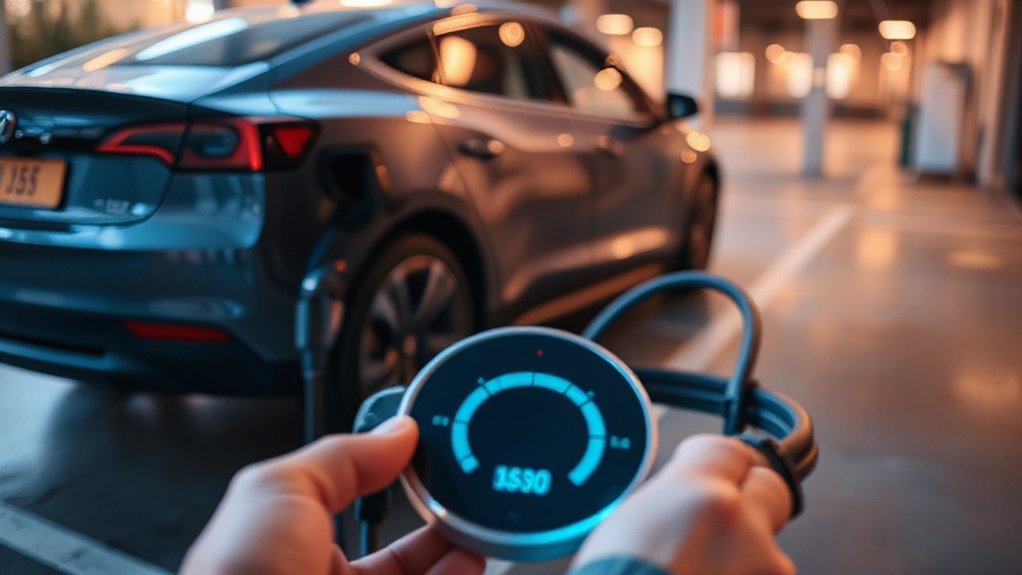
- Monitor OCPP heartbeats, fault codes, and session logs; auto-recover via safe reboots and firmware rollback.
- Validate payment, ISO 15118 Plug & Charge, and OCSP status to reduce start-fail events below 2%.
- Track MTTR under 4 hours, and mean sessions between failures, aligning alerts to ITIL incident tiers.
- Schedule preventive maintenance by connector cycles, thermal margins, and contactor wear indices.
- Publish uptime by site and connector, audited to NEVI definitions, excluding force majeure and utility outages.
Document root causes and continuously tune alert thresholds.
Partnerships for Workplaces, Multifamily, and Fleets
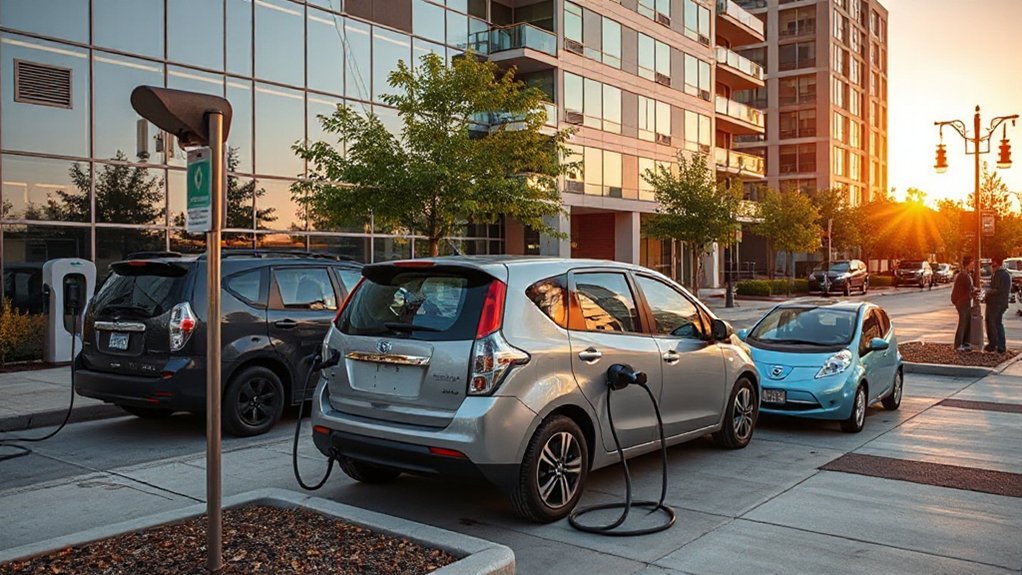
While site needs differ, we structure partnerships with employers, multifamily owners, and fleet operators around interoperable standards, utility-aligned design, and measurable KPIs. You’ll get hardware certified to OCPP 1.6/2.0.1, ISO 15118 readiness, smart load management, and UL/NEC-compliant installations coordinated with make-ready programs. We model demand profiles, feeder capacity, and dwell times to size ports, choose L2/DC ratios, and stage phased deployments. Our process drives stakeholder alignment: utility, IT, facilities, parking, and sustainability. We codify SLAs for uptime, response times, firmware cadence, cybersecurity controls, and data access via APIs. You receive portal-based analytics, SSO, role-based permissions, and fleet telematics integration. We deliver driver training, signage packages, and ADA-conformant layouts to minimize mis-parking and maximize throughput. For workplaces, reservation rules and access groups reduce peak congestion.
Revenue and Sustainability for Property Owners

You can monetize charging stations with kWh-based, TOU, and idle-fee pricing backed by OCPP 1.6/2.0.1, OCPI for roaming, and revenue‑grade metering (ANSI C12.20) for auditable billing. Use ISO 15118 Plug & Charge, smart load balancing, and demand-charge management while tracking utilization rate, revenue per port per day, and cost per kWh to optimize ROI. You can stack green incentives and credits, including IRS §30C Alternative Fuel Refueling Property Credit (subject to prevailing wage and eligible census tracts), LCFS/CFP credits in CA/OR/WA using metered kWh, NEVI and utility rebates, and GHG Protocol–aligned Scope 2 reporting.
Monetizing Charging Stations
Monetize EV charging by aligning pricing, utilization, and grid costs to maximize NOI and shorten payback.
Use OCPP-compliant hardware to enable dynamic pricing, load management, and open roaming. Set kWh, session, and idle fees based on demand curves, dwell time, and demand charges. Leverage Advertising Revenue on screens and apps, and drive Data Monetization via anonymized session analytics.
- Implement TOU-aware tariffs with ISO 15118 plug-and-charge to reduce friction and increase conversion.
- Prioritize uptime >98% through diagnostics, spares, and SLAs; revenue scales with reliability.
- Offer tiered memberships and fleet rates; optimize CAC:LTV with CRM integrations and roaming settlements.
- Monetize curbside and retail dwell with sponsored content, Wi‑Fi offload, and cross-merchant offers.
- Use dashboards tracking kWh/sess, occupancy, RPM, and gross margin; iterate with A/B pricing tests.
Green Incentives and Credits
Because incentives can reshape project economics, pursue federal, state, utility, and market-based credits that reduce capex and add recurring revenue, provided your hardware and data meet compliance standards. Specify OCPP 1.6/2.0.1, ISO 15118, and revenue-grade metering (ANSI C12.20) to qualify for Federal Rebates, LCFS, NEVI, and utility make-ready funds. Verify uptime SLAs and cybersecurity (NIST CSF) to maintain eligibility. Use automated reporting to aggregate kWh, sessions, and CO2e avoided for Carbon Offsets and REC issuance.
| Program | Key requirement |
|---|---|
| Federal Rebates | Buy America, NEVI uptime, ADA access, C12.20 meters |
| Utility incentives | Demand management, TOU response, site load studies |
| Carbon Offsets/RECs | Verifiable CO2e, chain-of-custody, registry issuance |
Stack incentives legally; avoid double counting. Use aggregators, set floors, hedge volatility. Maintain auditable records and warranties for 10 years.
Scalability and Renewable Energy Integration

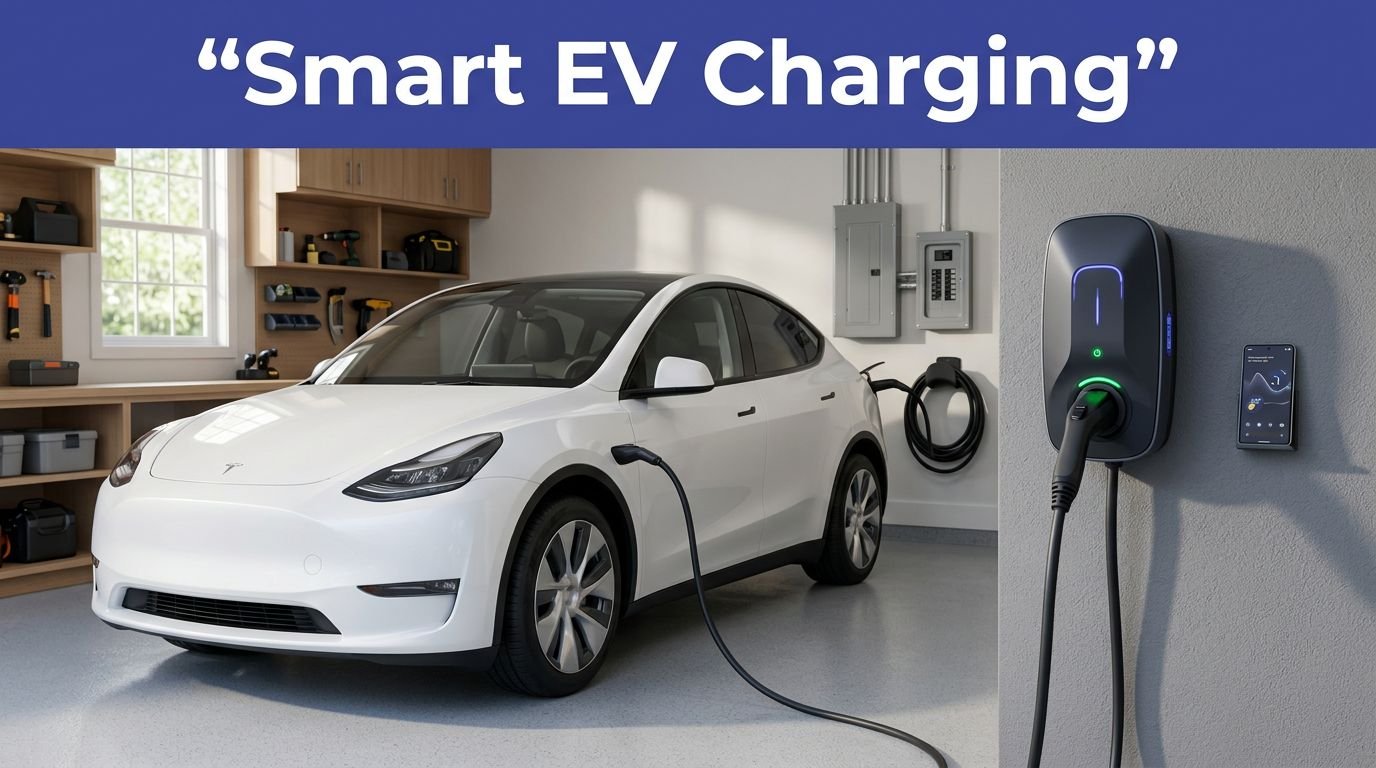
While DC fast-charging sites can exceed 1 MW aggregated load, scalable Blink deployments hinge on standards-based control, modular power architecture, and renewable/storage coupling. You orchestrate assets with OCPP 2.0.1, ISO 15118‑20, and OpenADR 2.0b to optimize queues, pricing, and grid services. Modular 30–60 kW power blocks scale to 350 kW per dispenser, buffered by battery storage and PV. Microgrid integration, IEEE 1547/UL 1741 SB compliance, and energy forecasting minimize demand charges and interconnection friction.
- Dynamic load management aligns charger setpoints with feeder capacity constraints.
- Storage dispatch follows solar forecasts, TOU tariffs, and OpenADR events.
- ISO 15118 Plug&Charge and V2G enable bidirectional, authenticated transactions securely.
- IEEE 2030.5 gateways support utility DERMS integration and islanding controls.
- NEC 625 layouts standardize protection, cable management, and uptime monitoring.
What’s Next for Blink and the EV Ecosystem
How will Blink extend today’s standards-driven platform to the next wave of interoperability and scale? You’ll prioritize open protocols—OCPP 2.0.1, ISO 15118-20, OCPI 3.0—to enable roaming, plug-and-charge, and secure firmware. You’ll deploy real-time telemetry, edge authentication, and PKI to reduce latency and fraud. With Policy Evolution accelerating incentives and reliability mandates, you’ll align SLAs to SAE J2954/NEVI metrics. You’ll analyze Consumer Behavior with session-level KPIs to optimize pricing, uptime, and siting across urban DCFC and depot fleets.
| Pillar | Standard/Signal | 2026 Target |
|---|---|---|
| Interoperability | OCPP 2.0.1, OCPI 3.0 | 98% roaming success |
| Reliability | NEVI uptime metric (≥97%) | 99.5% charger uptime |
You’ll scale V2G via IEEE 2030.5 and OpenADR, enabling grid services and demand flexibility. You’ll integrate cybersecurity baselines (ISO 21434, IEC 62443) and automated conformance testing everywhere.
Conclusion
You came for electrons, not acronyms—yet you win both. With OCPP 2.0.1, OCPI roaming, and ISO 15118 Plug & Charge, you start sessions, tokenize payments, and hit NEVI‑aligned uptime targets. Revenue‑grade metering, OTA updates, and dynamic load management keep costs predictable and kWh auditable. Utility integrations shift load to low‑carbon hours; modular DC and Level 2 scale as demand rises. Ironically, the less you notice Blink, the more standards are working—for fleets, workplaces, and corridors.