If you drive an EV or plan to, you’ll want to understand Tesla’s Supercharger system and how it’s evolved for 2025–2026. You’ll learn what the different V-generations do, how V4’s 1000V architecture pushes power, and what that means for range and compatibility—plus why some non-Tesla vehicles now get access—so keep going to see the implications.
Key Takeaways
- Tesla Supercharger is Tesla’s high-speed EV charging network, with 7,800+ sites and nearly 74,000 stalls worldwide (2025 figure).
- Supercharger hardware ranges V1–V4: V3 delivers 250 kW, V3+ ~325 kW, and V4 up to 500 kW per stall.
- V4 uses a 1000V architecture, enabling up to 500 kW per stall and support for 400–1000V battery packs.
- Cabinets deliver up to 1.2 MW aggregated power, dynamically allocating capacity across up to eight stalls for peak charging.
- Backward-compatible with older Teslas, Superchargers use firmware limits, real-time communication, and cooling to ensure safe, efficient charging.
Overview of the Tesla Supercharger Network
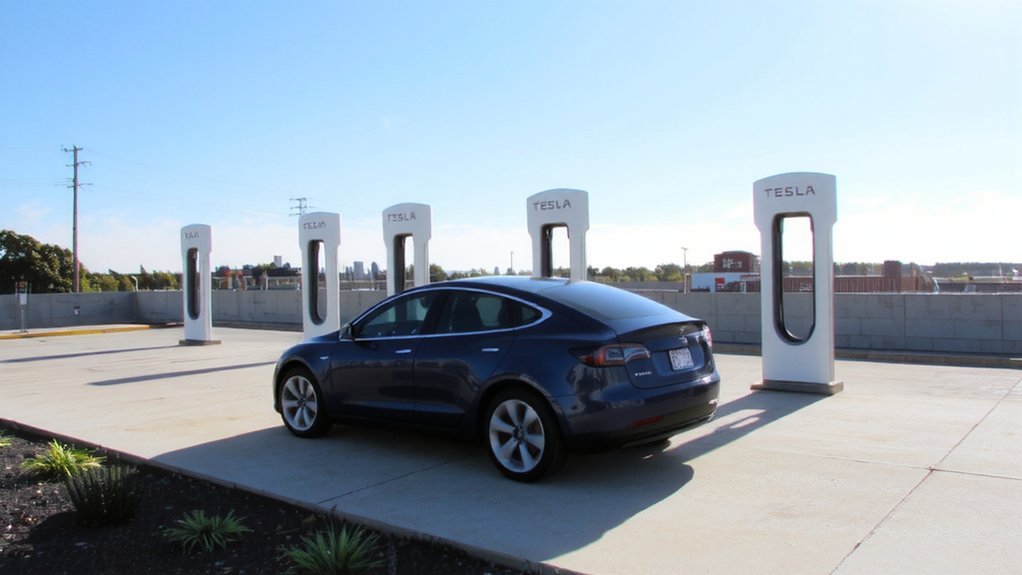
More than 7,800 Supercharger sites with nearly 74,000 stalls worldwide make Tesla’s network one of the largest fast‑charging systems, and it kept growing rapidly in 2025—expanding 18% overall and adding 3,500 stalls in Q3 alone. Tesla’s V4 Superchargers can deliver up to 500 kW per stall, enabling even faster top‑up charging for compatible vehicles.
Tesla’s Supercharger network: over 7,800 sites, nearly 74,000 stalls, 18% growth in 2025
You’ll find sites placed along major routes and near amenities so you can charge safely and plan stops with confidence. The mix of large hubs and smaller stations gives coverage for long trips and local needs, with about one new stall opening every hour in North America.
Superchargers can add roughly 200 miles in about 15 minutes, and battery preconditioning speeds charging. Broader NACS adoption is opening access to non‑Tesla EVs, improving interoperability and network utility for all drivers.
Always follow on‑site instructions and regularly monitor charging for safety.
Supercharger Hardware Generations: V1 to V4

You’ll see how Superchargers evolved from V1’s paired 90–120 kW stalls to V3’s 250 kW single-stall design and V4’s up-to-500 kW (and 1.2 MW for Semi) architecture. Notice the shifts in cabling, cooling, cabinet density and voltage support — V3 brought liquid-cooled cables and per-stall power, while V4 adds higher-voltage compatibility, more dispensers and native NACS/payment options. That evolution changes which cars charge fastest and how sites share power, so check a station’s hardware and your vehicle’s max rate for best results. For example, a single V4 power electronics cabinet can supply up to 1.2 MW to one vehicle like the Tesla Semi.
Evolution: V1 Through V4
Tesla’s Supercharger hardware has moved from the original V1 stalls (90–120 kW with paired, shared power) through V2 and Urban variants to V3’s 250 kW, no-power-sharing design and V4’s 325 kW-plus, NACS-native stations—each generation cutting charge times, easing power limits, and improving cooling and cross‑vehicle compatibility. As of 2025, Tesla’s Supercharger network has expanded to over 50,000 stations worldwide.
You’ll see how V1 started Tesla’s fast‑charging rollout with paired stalls that shared power, then V2 raised per‑stall output and became widespread.
Urban Superchargers offered compact, single‑stall cabinets for city sites at lower power for safer, accessible installs.
V3 introduced thin, liquid‑cooled cables and removed sharing to simplify use.
V4 brought longer cables, NACS connectors, and hardware ready for higher rates while keeping operator and user safety central to station design and deployment.
Follow posted instructions and precautions.
Power and Architecture Changes
How did Supercharger power and architecture evolve from V1 to V4? You’ll see steady increases in per‑stall power, safer thermal handling, and smarter distribution.
V1 and V2 used centralized power cabinets with paired stalls that shared power (90–150 kW per stall), standard DC cables and no liquid cooling, so shared use reduced speeds.
V3 moved to per‑stall 1 MW cabinets, liquid‑cooled thinner cables, dynamic distribution and up to 250 kW, improving throughput and reducing thermal risk.
V3+ raised amperage and cooling to about 325 kW.
V4 introduces higher‑voltage architecture and designs for up to 500 kW per stall, longer NACS cables, Magic Dock and optimized power sharing to support faster, safer charging as infrastructure scales.
They are part of a high-speed charging network for Tesla vehicles.
You should follow posted safety instructions and monitoring closely.
Compatibility and Vehicle Support
As Supercharger power and architecture moved from V1 to V4, vehicle compatibility expanded to match — early V1/V2 stalls mostly served Tesla cars at lower peak rates and shared power between stalls, while V3’s per‑stall power and liquid‑cooled cables opened much higher sustained rates for a wider set of models. V4 cabinets enable higher capacity, delivering 500-kW charging and supporting up to eight stalls per cabinet.
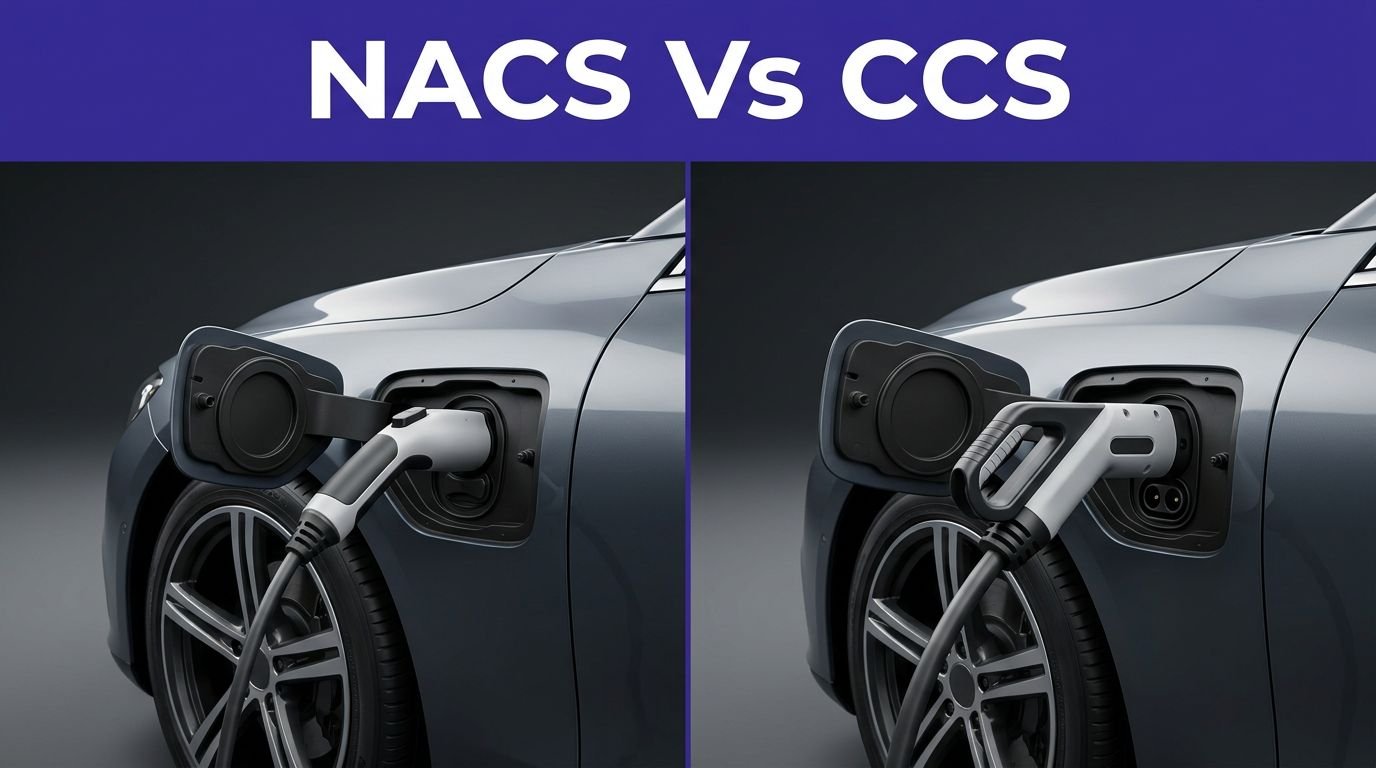
You can charge vehicles with battery voltages from about 400 V up to 1000 V at V4 sites, enabling passenger EVs and heavier platforms like the Semi. V4 adds native NACS and supports CCS1/CCS2, longer cables, and higher peak output for compatible cars while maintaining backward compatibility with older Teslas.
Firmware safety limits, real‑time communication (ISO 15118/CAN), and cooling prevent unsafe currents and guarantee charging stays within vehicle and site limits for your safety.
How V4 Works: 1000V Architecture and Power Delivery
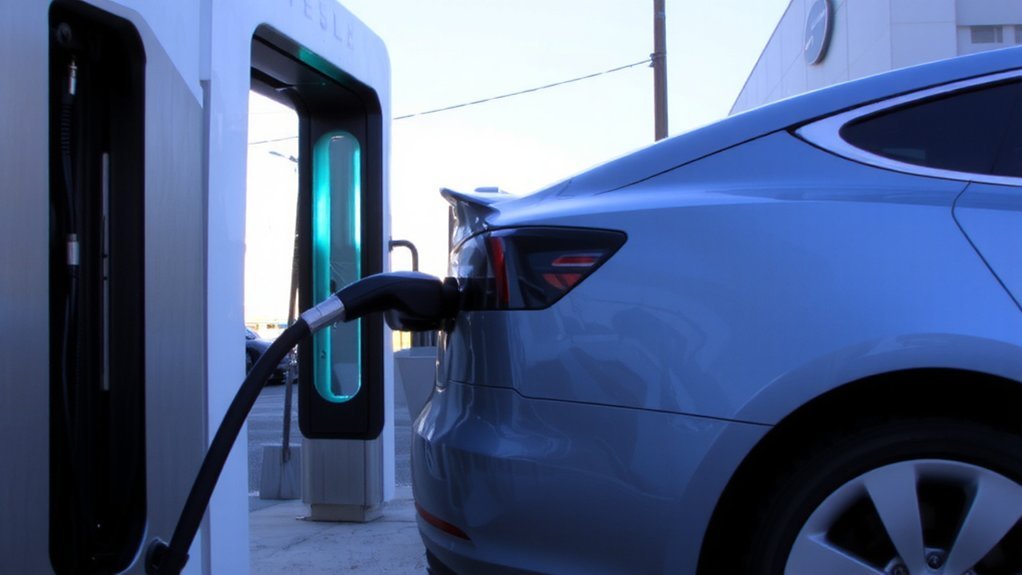
You’ll see V4 moves to a 1000V architecture so chargers can support batteries from about 400V up to 1000V with reduced current and smaller components.
Tesla routes up to 1.2 MW through modular cabinets, delivering up to 500 kW per stall and dynamically splitting power across stalls to maximize density. That means high‑voltage EVs like the Cybertruck and Semi can charge much faster, while older 400V cars still charge safely within their voltage and current limits. In many sites, the system can deliver up to 500 kW to a single stall.
1000V System Architecture
Why does Tesla push a 1000V architecture? You get higher efficiency because at the same power level the system reduces current, cutting resistive losses in cables and connectors. That lets Tesla use thinner, lighter cables and smaller power electronics, which lowers heat and improves safety when you plug in.
V4 supports 400–1000V batteries, so it works with current models and future vehicles like Cybertruck or Semi, enabling up to 500 kW per stall and aggregated cabinet outputs up to 1.2 MW. Advanced SiC-based power electronics raise power density and thermal performance, reducing operational temperatures and prolonging component life. Tesla plans V4 Cabinet deployments to begin in 2025, and the system can deliver up to 1.2 MW aggregated output per cabinet. Dynamic power allocation and modular hardware let the system safely manage multiple stalls while maintaining fast, reliable charge sessions. Built-in monitoring and fail-safes protect you and equipment daily.
Power Routing and Density
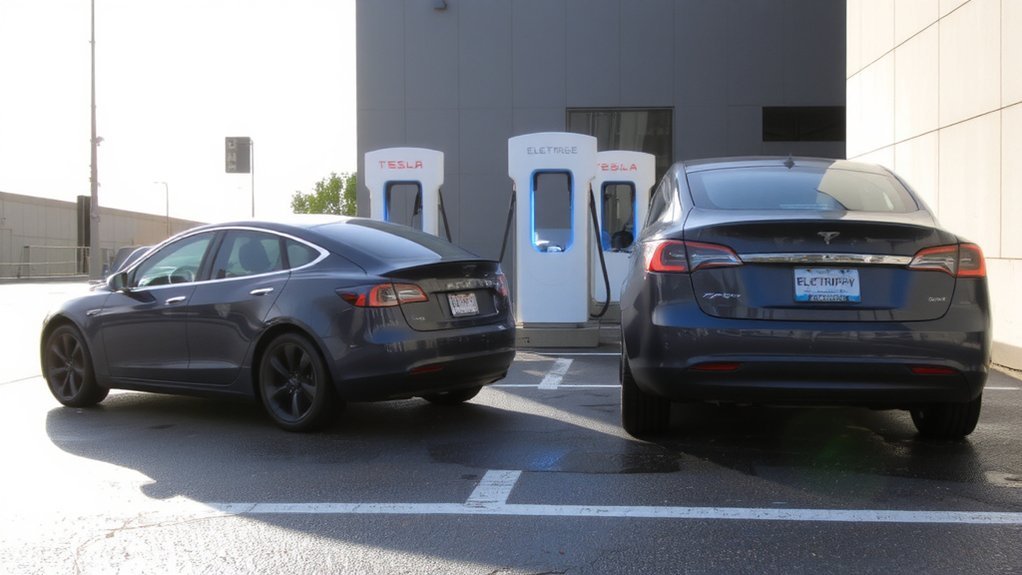
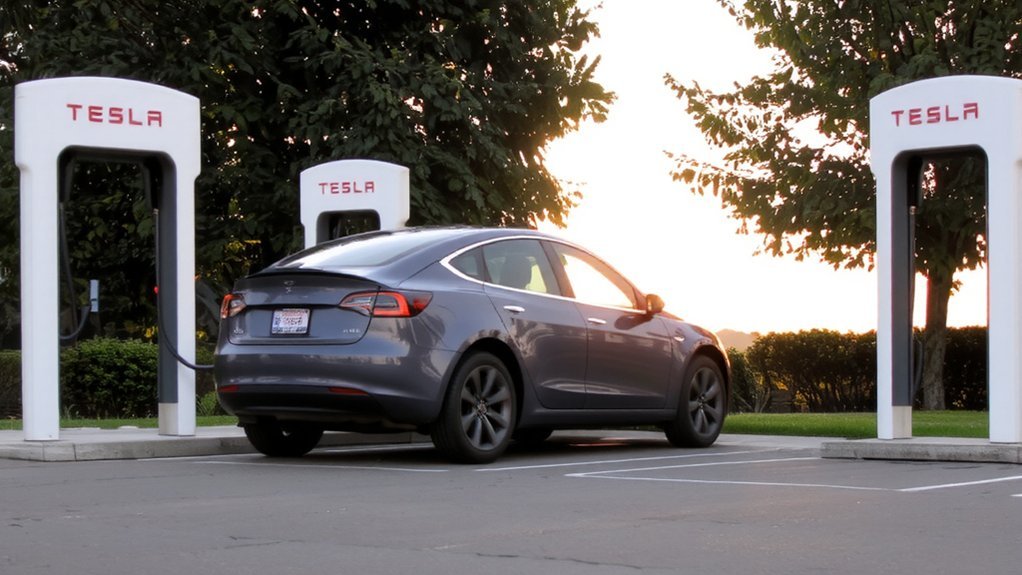
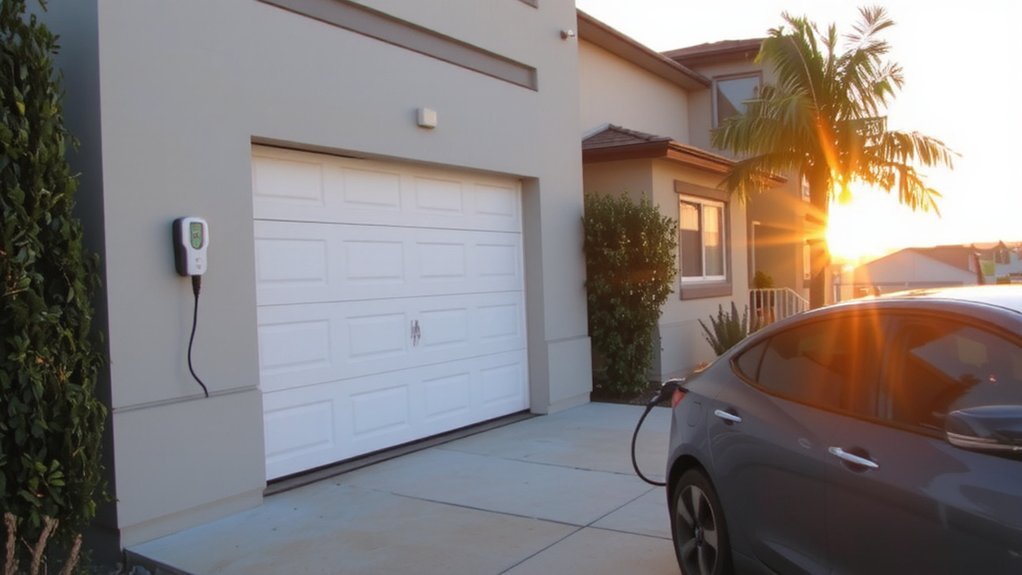
Each V4 power cabinet delivers up to 1.2 MW and can feed up to eight stalls, dynamically sharing that capacity to give light-duty vehicles up to 500 kW per stall or a dedicated 1.2 MW for heavy-duty MCS charging. The V4 cabinet offers 3x power density, enabling more charging capacity in a smaller footprint.
You’ll benefit from a 1000 V architecture that converts AC directly to the pack voltage, cutting losses and eliminating intermediate DC-DC stages so equipment runs cooler and safer.
The cabinet’s control electronics balance load across up to eight dispensers, allocating power where needed while respecting site and cable limits. Higher voltage means lower current for the same power, reducing heat and allowing smaller, lighter components.
Modular, high-density cabinets let you scale installations more quickly and cost-effectively without compromising operational safety and meet industry regulatory standards.
Vehicle Compatibility and Limits
Because V4 uses a 1000 V architecture, it supports a broad range of vehicles from ~400 V passenger cars up to 1000 V heavy-duty packs and can dynamically allocate high power where the vehicle can accept it.
You’ll see up to 500 kW per car stall for 800 V vehicles like the Cybertruck and roughly 250 kW for current Model S/3/X/Y in North America.
The cabinet can also deliver up to 1.2 MW for heavy vehicles such as the Semi by using higher voltage and modular amps.
Communication via ISO 15118/CAN negotiates safe voltage, current, and temperature limits in real time, and safety systems monitor and stop charging if parameters exceed limits.
The stations also support modern communication standards such as ISO 15118 for Plug & Charge and enhanced functionality.
Non‑Tesla CCS2 or NACS vehicles will be supported too. Follow manufacturer guidance.
Charging Speeds, Limits, and Real-World Performance
Although peak rates can reach 325 kW on V4 Superchargers, actual charging speeds depend on your vehicle’s pack size, state of charge, temperature, age, and firmware, so power typically tapers as you approach 80% SOC.
In practice, newer Superchargers can add about 200 miles in 15 minutes under ideal conditions, but real-world sessions vary: 10–55% SOC often sustains over 110 kW for roughly 15 minutes, adding 100+ miles.
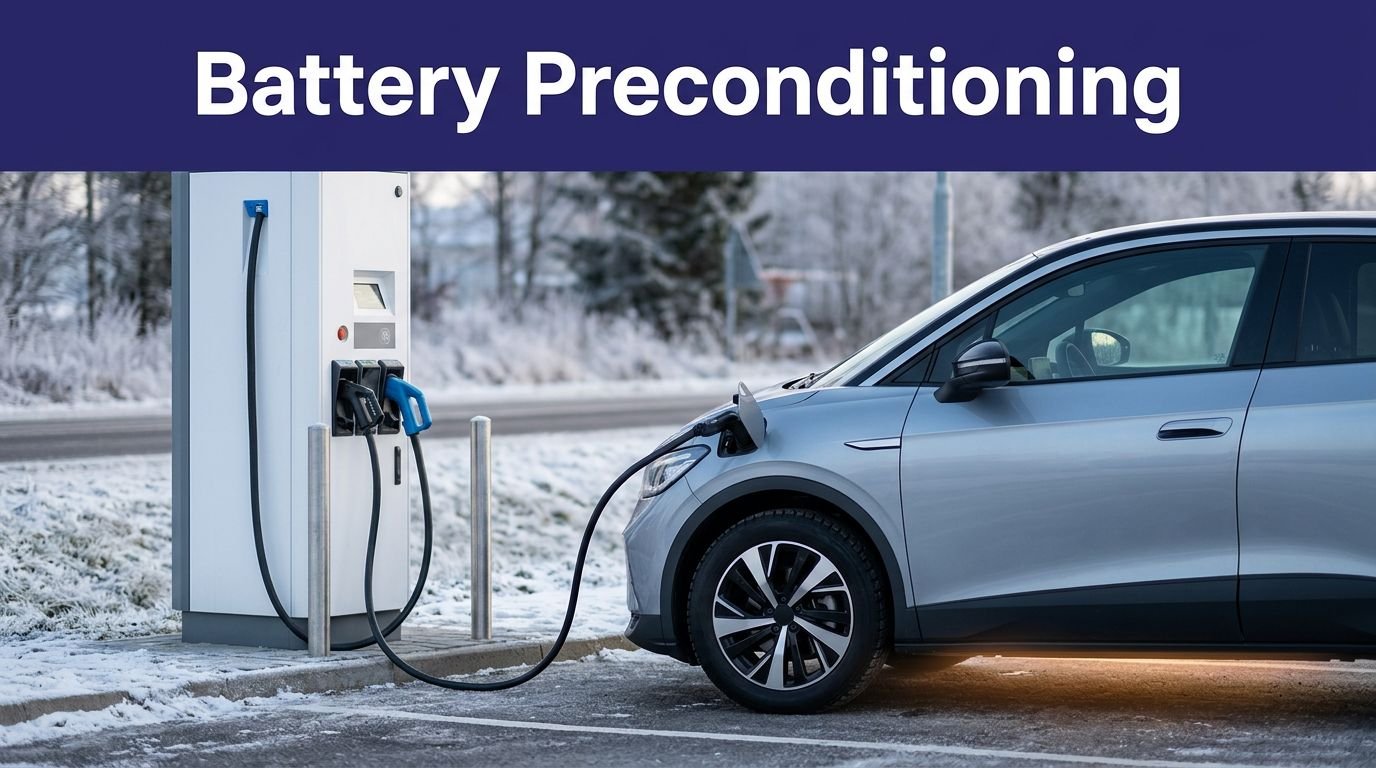
Battery preconditioning can boost charging speed by up to 25%, and cold ambient temperatures will cut peak power unless thermal management runs.
For safety and battery longevity, plan stops under 80% for short top-ups—typical highway charging stops last 15–25 minutes and align with nearby amenities.
Monitor charging rate and firmware notices to avoid limitations or delays.
Vehicle Compatibility, NACS Adoption, and Cross-Brand Access
The Tesla Supercharger network is opening to select non‑Tesla EVs in 2025, but you’ll need a vehicle with a NACS port or a certified adapter and the Tesla app to find, access, and pay at designated stations. Only certain models from participating manufacturers will be eligible initially, and access is limited to designated Supercharger sites in North America.
If your car still uses CCS, get a manufacturer‑certified adapter — BMW, MINI, Toyota, and Volkswagen are providing or planning adapters for existing models. Use only certified adapters to maintain safety and charging integrity; uncertified solutions can risk damage or hazards. Charging rate may vary by vehicle and adapter.
Tesla’s phased rollout aims to expand compatibility, so check your manufacturer and the Tesla app before you travel.
BMW is introducing a manufacturer‑certified BMW-Tesla adapter to let many of its EVs use selected Superchargers.
Deployment Strategy, Site Design, and Amenities
How is Tesla scaling its Supercharger network to meet rising EV demand? You’ll find rapid expansion — nearly 74,000 stalls across 7,800 sites by October 2025, with 3,500 stalls added in Q3 alone — targeted to high‑growth regions like the USA, China, Australia, India, and South Korea. In Q3 2025 Tesla added 3,500+ stalls to the network to accelerate coverage in key regions.
Tesla prioritizes corridors and urban centers, concentrating sites where adoption and incentives are strongest. V4 sites support up to 500 kW per passenger stall and 1.2 MW for the Semi, and larger locations now commonly feature eight or more stalls to improve throughput.
Many Superchargers sit near retail, dining, and services, offering restrooms, Wi‑Fi, seating, and shaded parking so you can charge safely and comfortably during stops. You should plan routes using the app to avoid congested stations ahead.
Installation Costs, Modular Cabinets, and Scalability
You’ll face substantial upfront costs for site preparation, electrical infrastructure, utility interconnection, and equipment, but Tesla’s modular V4 cabinets and compact posts speed installation, simplify maintenance, and let operators scale capacity in standardized 4‑stall increments—from lower‑power urban posts to multi‑megawatt highway or fleet sites (up to 1.2 MW for Semi)—helping control labor and commissioning expenses while matching local demand. Tesla’s V4 system can share up to 1.2 MW across multiple dispensers.
You’ll benefit from 16 swappable power trays per V4 cabinet that simplify repairs and limit downtime, and AC‑to‑DC conversion at pack voltage increases efficiency and peak output. Compact posts reduce real estate needs and improve safety by minimizing high‑voltage exposure.
You can add cabinets and posts incrementally to match demand, but plan for utility upgrades and interconnection fees at high‑power locations and secure permitting early.
User Experience: Payments, App Integration, and Station Info
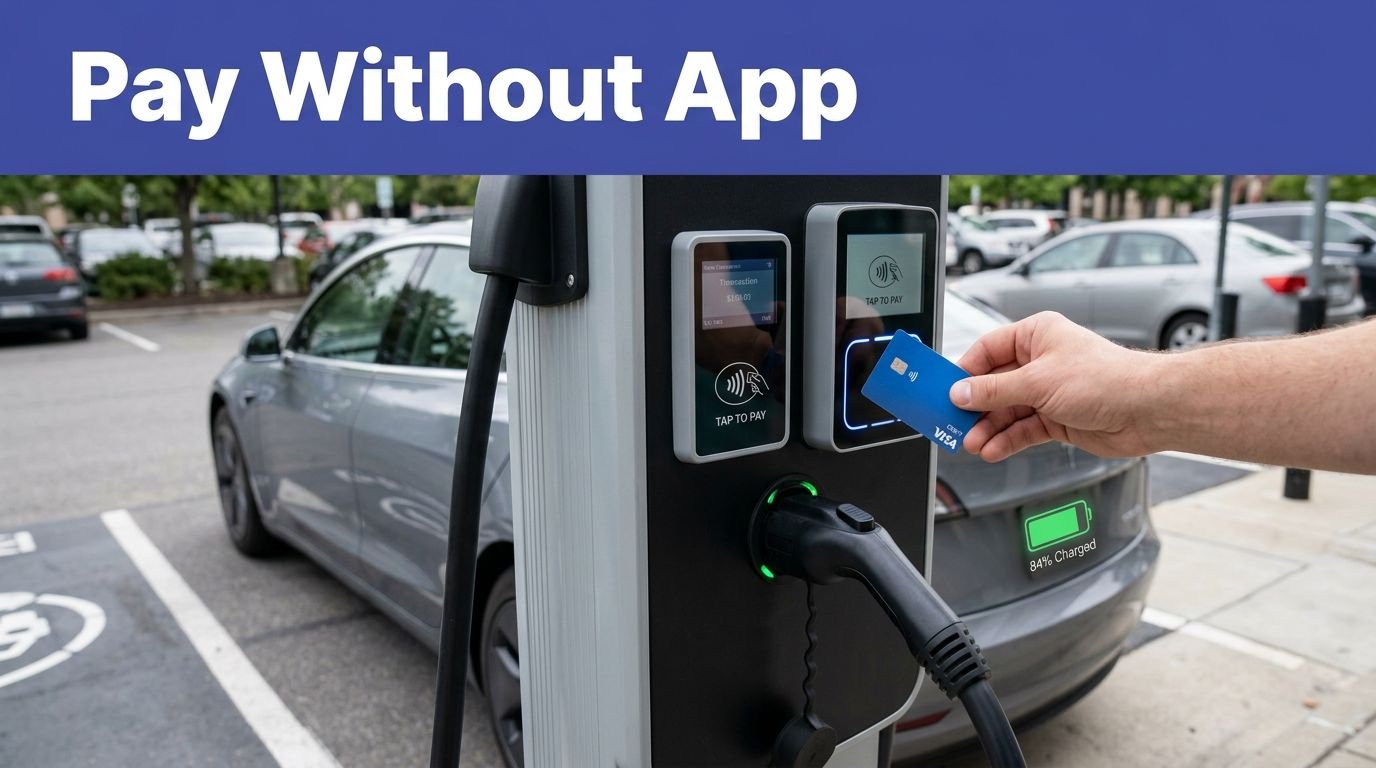
When you plug into a Supercharger, billing is automatic through the Tesla app tied to your payment method, and the app also starts/stops sessions, shows real‑time charge speed and time-to-full, and displays nearby amenities and stall availability. You’ll see per‑kWh or session estimates—typically about $0.25–$0.40/kWh and $6–$50 depending on battery size, state of charge and conditions—and can pay unpaid balances via the app.
The app integrates station location, live availability, estimated maximum power (V3/V4 up to ~250 kW), and trip planning to minimize wait times. Non‑Tesla EVs use NACS adapters and must authorize and pay through Tesla’s app; full third‑party Plug & Charge isn’t universally available yet. Tesla also offers promotional credits for eligible trades. Always monitor charging and park safely while sessions run. Tesla is advertising 2,000 free Supercharger miles to some buyers when they trade in a gas or hybrid vehicle.
Future Outlook: Heavy-Duty Charging, Network Growth, and Innovation
Scaling up, Tesla’s Supercharger network is evolving into a high‑power, multi‑brand system that serves both passenger cars and heavy‑duty trucks. You’ll see V4 hardware delivering up to 1.2 MW per stall for trucks and 500 kW peaks for compatible cars, with sites piloted in California and Nevada.
Higher voltages (up to 1,000 V) and denser V4 cabinets—supplying eight stalls each—speed charging while reducing infrastructure footprint. Tesla targets logistics hubs and corridors, improving long‑haul safety by minimizing detours and charge uncertainty.
Network growth is rapid: 74,000+ stalls across 54 countries and prioritization of urban and highway density. Multi‑brand NACS adoption and virtual queue testing aim to cut wait times and keep operations predictable and safe for all users. Monitor sites and follow posted safety protocols. The network now spans over 74,000 stalls in 54 countries.
Conclusion
You’ll see Tesla Superchargers as symbols of both rapid progress and everyday convenience: ultra-fast 500 kW V4 power standing beside a simple pull-up stall. You’ll plug in and expect highway-speed charging, yet also rely on familiar app taps and amenities. You’ll witness future-focused 1000V engineering while appreciating practical site design. The network’s scale feels revolutionary and routine at once, and you’ll benefit from both extremes every time you charge and you’ll keep moving forward daily.