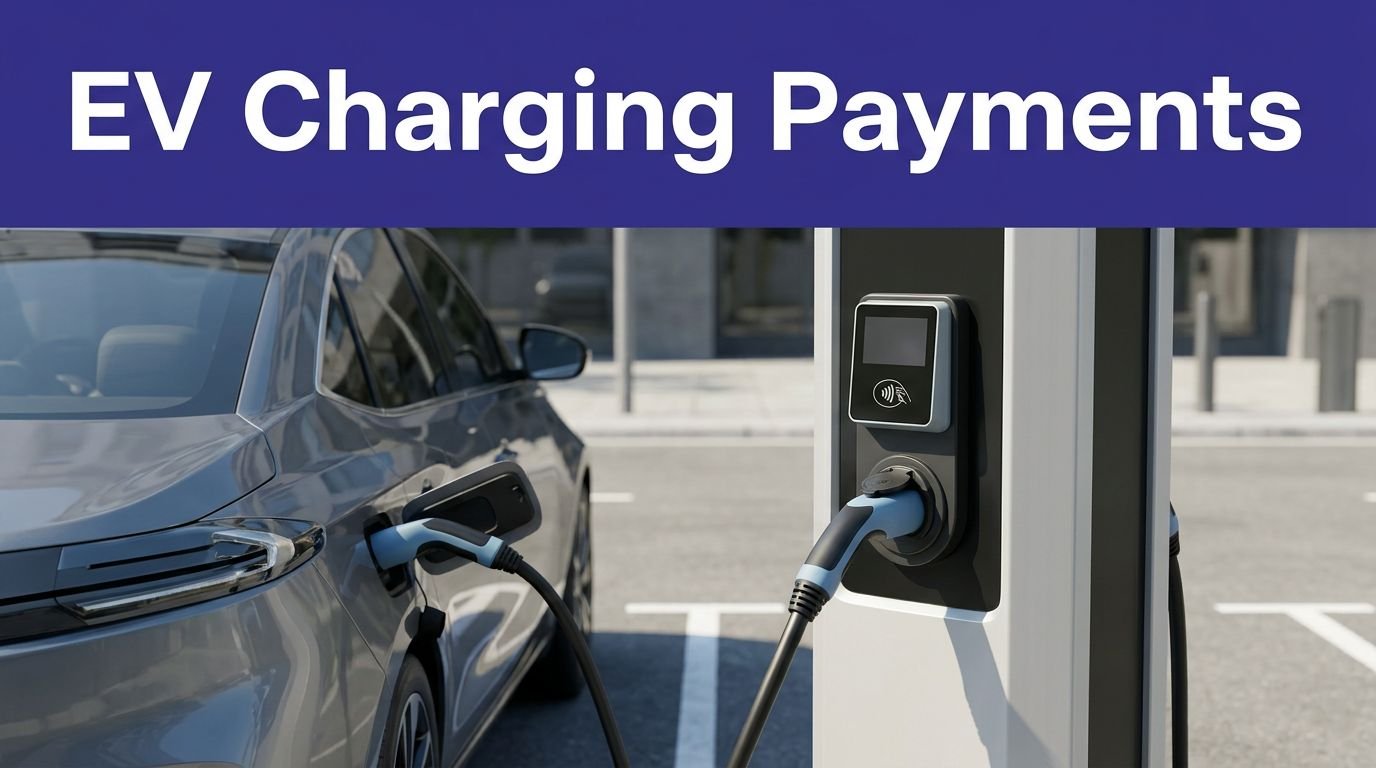
Imagine you pull up to a highway fast charger, scan the QR code, and the app won’t accept your card. You need to know the common payment options—RFID, network apps, contactless cards, Plug & Charge—and how pricing works. You’ll learn practical steps to avoid failures and pick the most cost- and time-efficient option, so you won’t get stuck at the charger.
Key Takeaways
- Use operator apps, RFID cards, or contactless credit/debit/NFC to start and auto-bill sessions at most public chargers.
- Per‑kWh billing is fairer for energy used; per‑minute or idle fees discourage overstaying after charge completes.
- Plug & Charge (ISO 15118) and EMV open payments let you authenticate and pay automatically without apps or cards.
- Aggregator apps and multi‑network RFID/cards simplify access, centralize billing, and reduce the number of operator accounts.
- Always carry a backup payment method, check reader connectivity, and keep screenshots/receipts for disputed transactions.
Common Payment Methods at Public Chargers
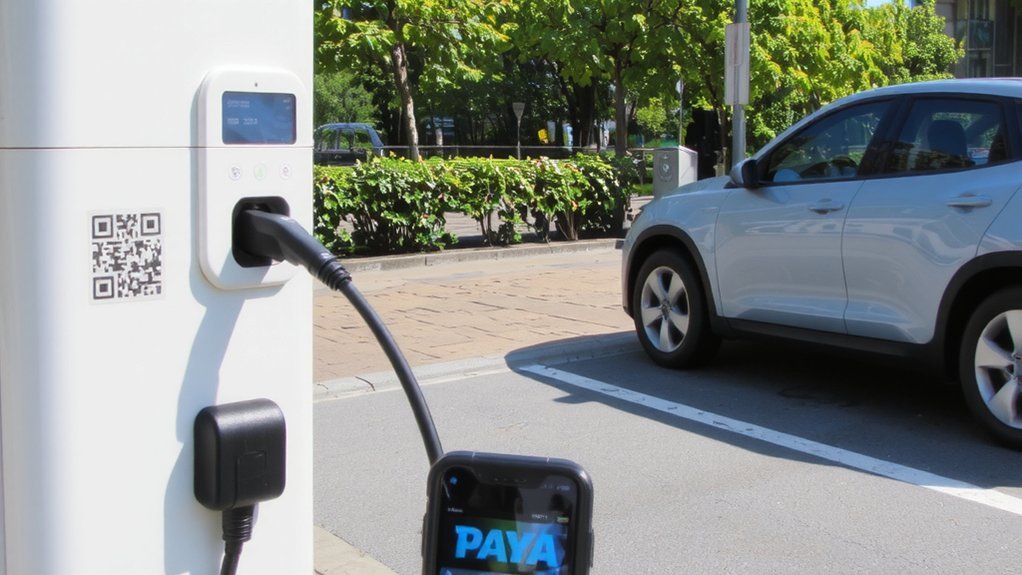
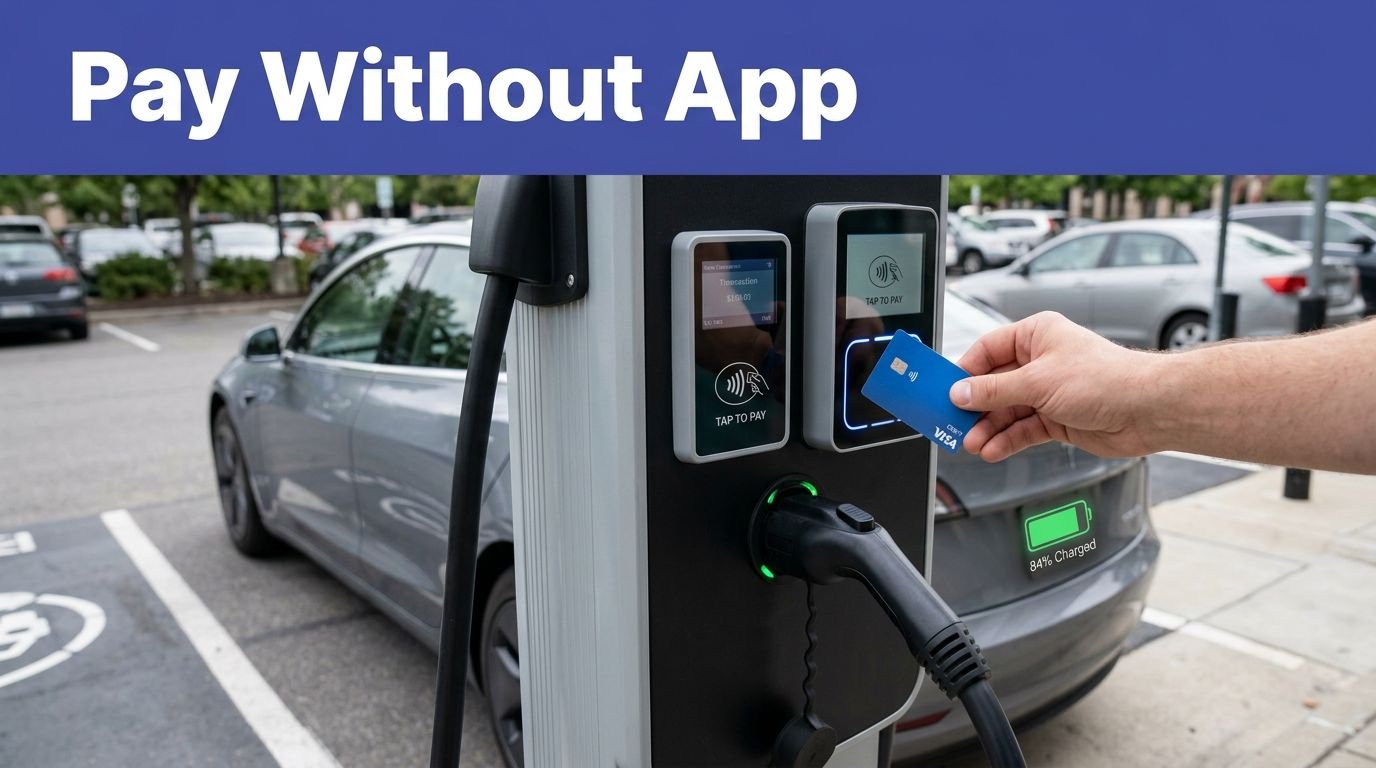
A charging pedestal usually gives you several ways to pay: RFID cards for fast network-specific access, operator mobile apps that locate stations and bill you automatically, and increasing support for credit/debit cards (now required on many high‑power EU chargers). Many drivers also use multi-network cards to access multiple operators with a single payment method.
You’ll find RFID cards quick and secure, using ISO 14443 for safe authentication; they’re ideal if you stick to one network, though they can limit flexibility.
RFID cards (ISO 14443) provide fast, secure access—perfect for one‑network users, but limiting flexibility
Operator apps help you find chargers, start and stop sessions remotely, and handle billing automatically, but you may need several apps.
Credit and debit cards offer on-the-spot convenience for occasional users, though card readers can fail more often.
Plug & Charge and contactless options are emerging to reduce touchpoints and improve safety; guarantee your vehicle and station are compatible.
Pricing Models: per Kwh Vs per Minute and Memberships
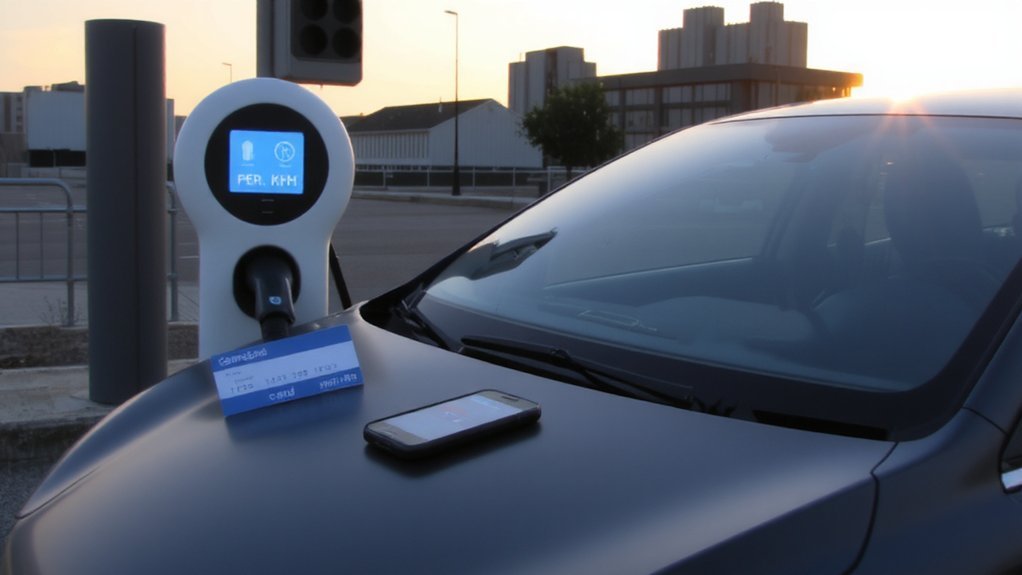
Once you’ve chosen how to authenticate—RFID, app, card or Plug & Charge—you’ll also need to pick a pricing approach, because how you’re billed can change what charging actually costs and how long you’ll want to stay plugged in.
Level 2 chargers typically cost between $1 and $10 per hour, making them a common workplace option.
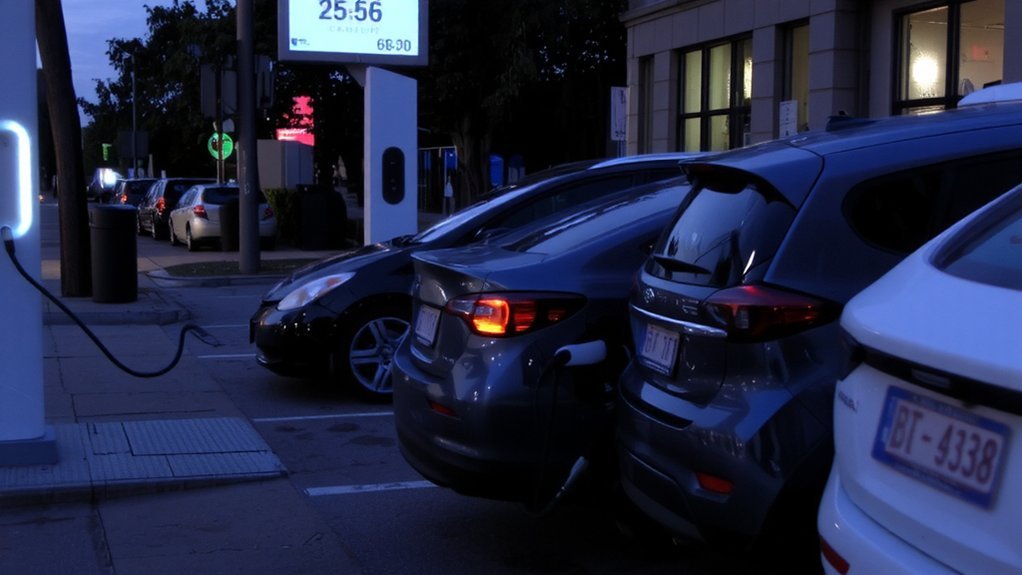
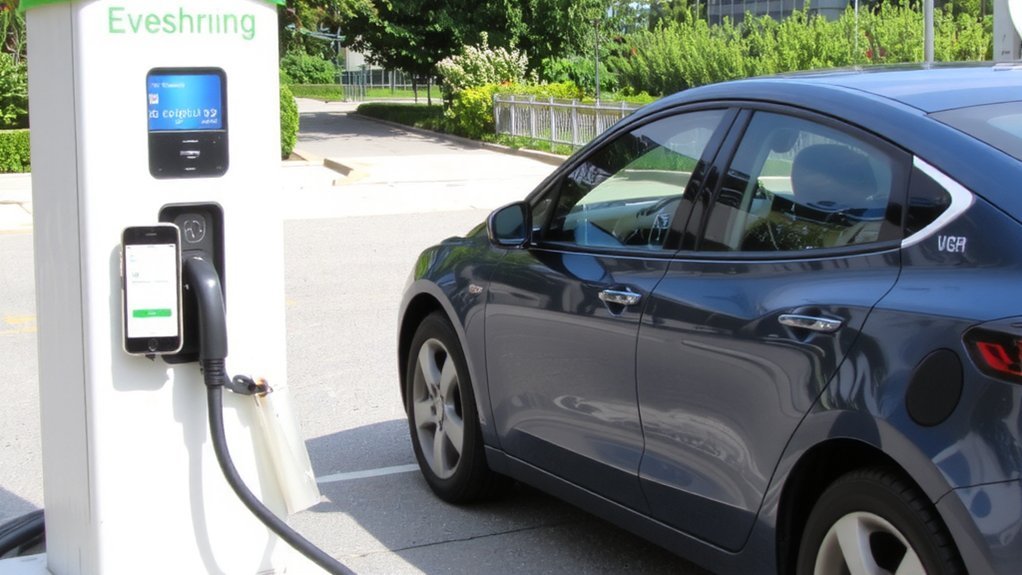
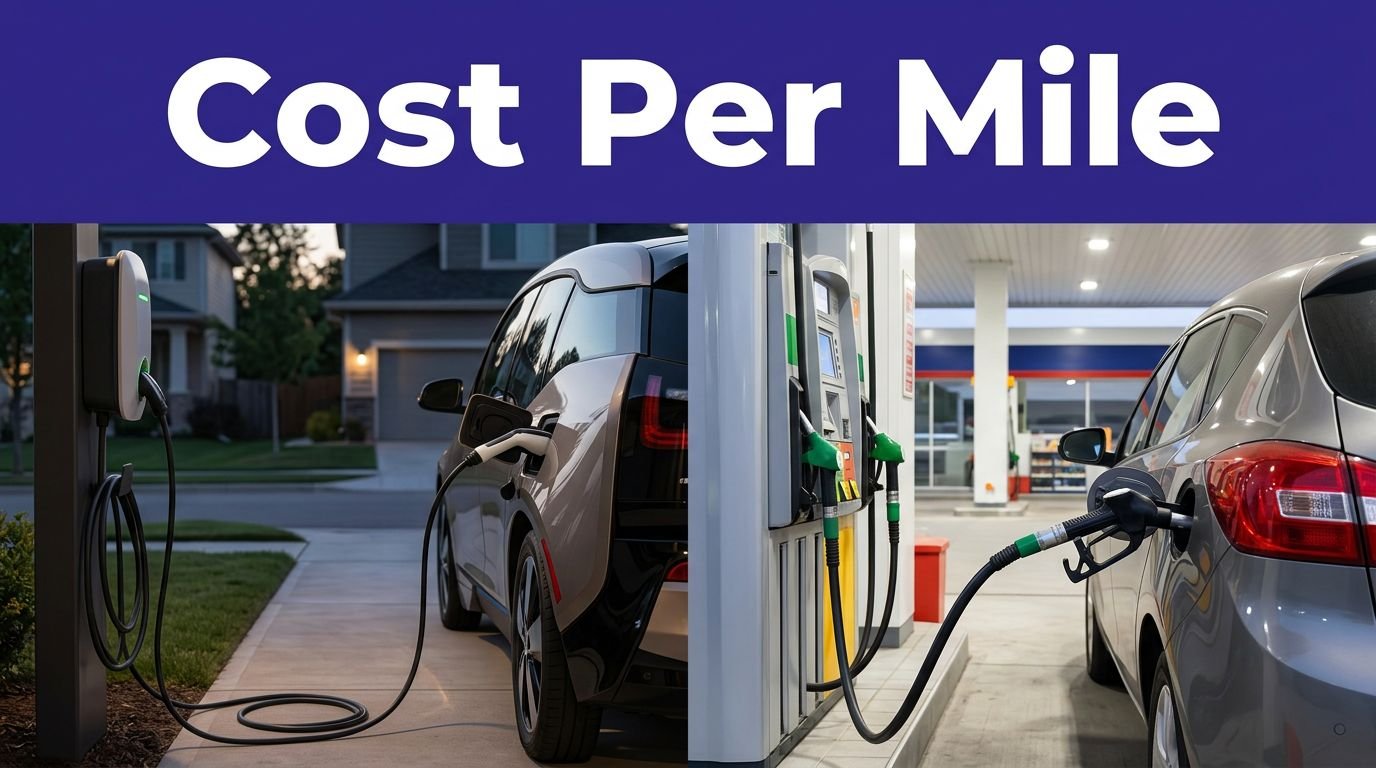
Per-minute billing charges by session time (e.g., $0.45/min) and speeds turnover by discouraging lingering after full charge, but it can feel unfair when EVs differ by battery size and charging rate.
Per‑kWh billing charges for actual energy consumed and is generally fairer; expect roughly $0.20–$0.25/kWh for Level 2 and $0.40–$0.60/kWh for DC fast charging.
Memberships or flat subscriptions lower per-session cost for frequent users.
Hybrid models mix per‑kWh with post-charge time fees to balance fairness and availability.
Always follow station guidance and move once charging completes.
Using Apps, RFID, NFC and Plug & Charge
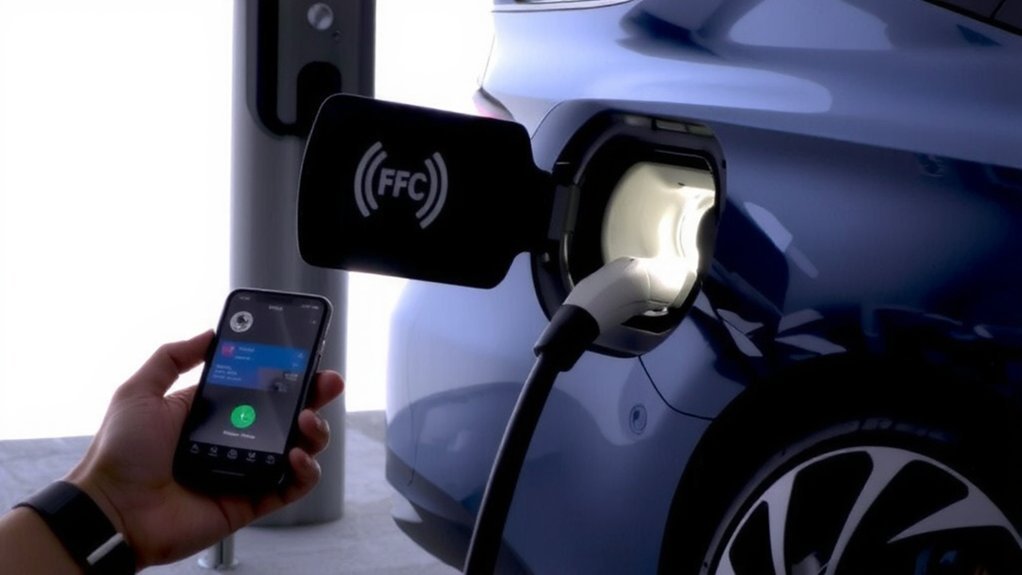
Three common ways you’ll authenticate and pay at public chargers are mobile apps, RFID cards, and NFC/Plug & Charge—each offers different tradeoffs in speed, interoperability, and reliability. You can use network apps (Electroverse, ChargeHub, Electrify America) to locate stations, start sessions, and get digital receipts; aggregator apps reduce the need for multiple accounts, and allow linked cards or wallets (expect some receipt delays up to 72 hours).
RFID cards let you tap to start sessions instantly, suit fleets, and provide centralized billing and portal-based spending oversight. NFC/contactless (cards or mobile wallets) gives fast, tap-to-pay convenience across networks. Plug & Charge (ISO 15118) automates authentication via vehicle certificates when compatible, removing user interaction for the safest, simplest experience. You should confirm compatibility before relying solely. Pricing is determined by charger location, plan, and maximum power level, and real-time pricing is available in the app or at the charger.
Handling Payment Failures and Best Practices
Despite apps, RFID, NFC and Plug & Charge making authentication easier, payment failures still leave drivers stuck at the charger. You should prepare: carry a backup card or app account, check expiry dates, and keep network-dependent options in mind when traveling rural routes where connectivity is weak. Survey results show Tesla leads U.S. public charging satisfaction, which may influence choice of stations.
If a transaction declines, step back from the charger, document the screen, and try a different method to avoid blocking the bay. Operators should use weatherproof terminals, reliable connectivity and clear user interfaces to reduce errors, but you can help by reporting faults immediately and using chargers with transparent pricing and card options.
Prioritize stations with strong uptime records to stay safe and avoid being stranded. Keep emergency contact numbers handy. Always carry a portable charger too.
Emerging Payment Technologies and Interoperability
As EV networks expand, emerging payment technologies are removing friction and letting you pay seamlessly across stations: EMV SRC and Plug & Charge link your card or vehicle to a standardized charging certificate (ISO 15118-MO) for automatic authentication, while eRoaming and unified platforms (for example, Nayax-style cloud solutions) let a single account, card, or mobile wallet work across multiple operators. They are intended to improve access and convenience to support mass EV adoption. They’re designed to reduce touchpoints, secure payments, and let you charge with minimal contact while operators manage sessions safely.
- Plug & Charge: automatic authentication via ISO 15118-MO — plug, authenticate, charge.
- EMV SRC/open payments: use linked card or wallet across networks without accounts.
- Unified cloud and eRoaming: one account, real-time status, and centralized security.
Check receipts and station status to stay safe and avoid disputes.
Conclusion
You’ve got plenty of options — cards, apps, RFID, NFC and Plug & Charge — so you can pick what feels easiest. Pricing varies, but smart choices and a backup payment method keep you moving. If a charger acts up, stay calm and use the network app or another station. As technology matures, payments will get simpler; you’ll just tap or drive in, and the rest will sort itself out with minimal fuss and confidence.