If you drive an EV regularly, you’ll want to know whether a charging membership actually saves you money and hassle in 2025–2026. Plans can cut per‑kWh costs, add Plug&Charge and priority access, but they vary by network, speed and travel patterns — so you’ll want to compare the details before deciding.
Key Takeaways
- Memberships typically lower per‑kWh and waive session/idle fees, saving frequent public chargers money versus pay‑as‑you‑go rates.
- Best value for long‑distance drivers, daily urban commuters, fleet managers, or anyone using DC fast chargers regularly.
- Network reach and charger type matching your routes determine actual savings—coverage gaps can negate membership benefits.
- Evaluate per‑kWh/minute rates, session limits, priority access, Plug&Charge support, app reliability, and cancellation terms before joining.
- Use memberships for regular charging patterns and keep 1–2 PAYG backups for rare routes or crowded/remote stations.
How EV Charging Memberships Work
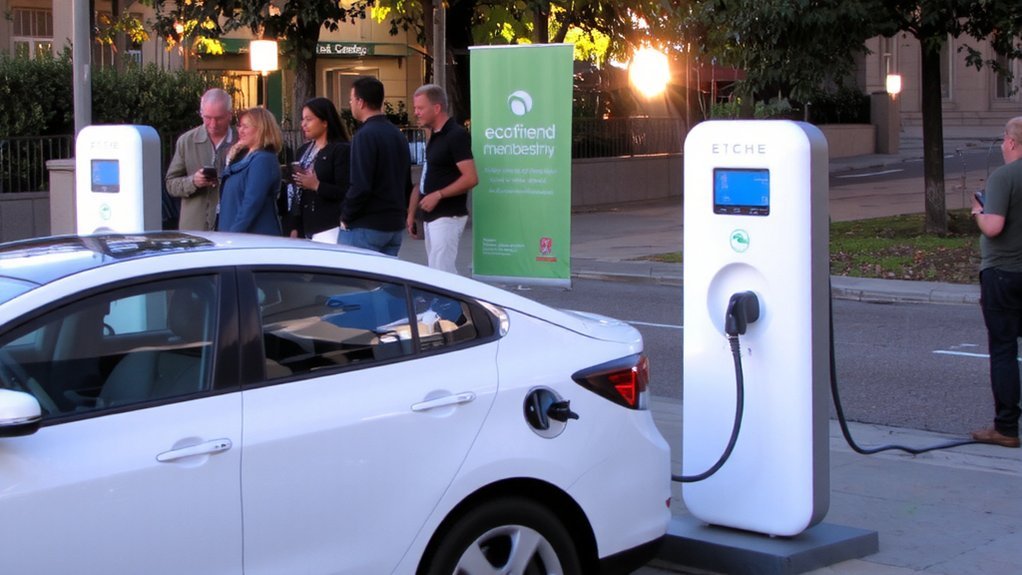
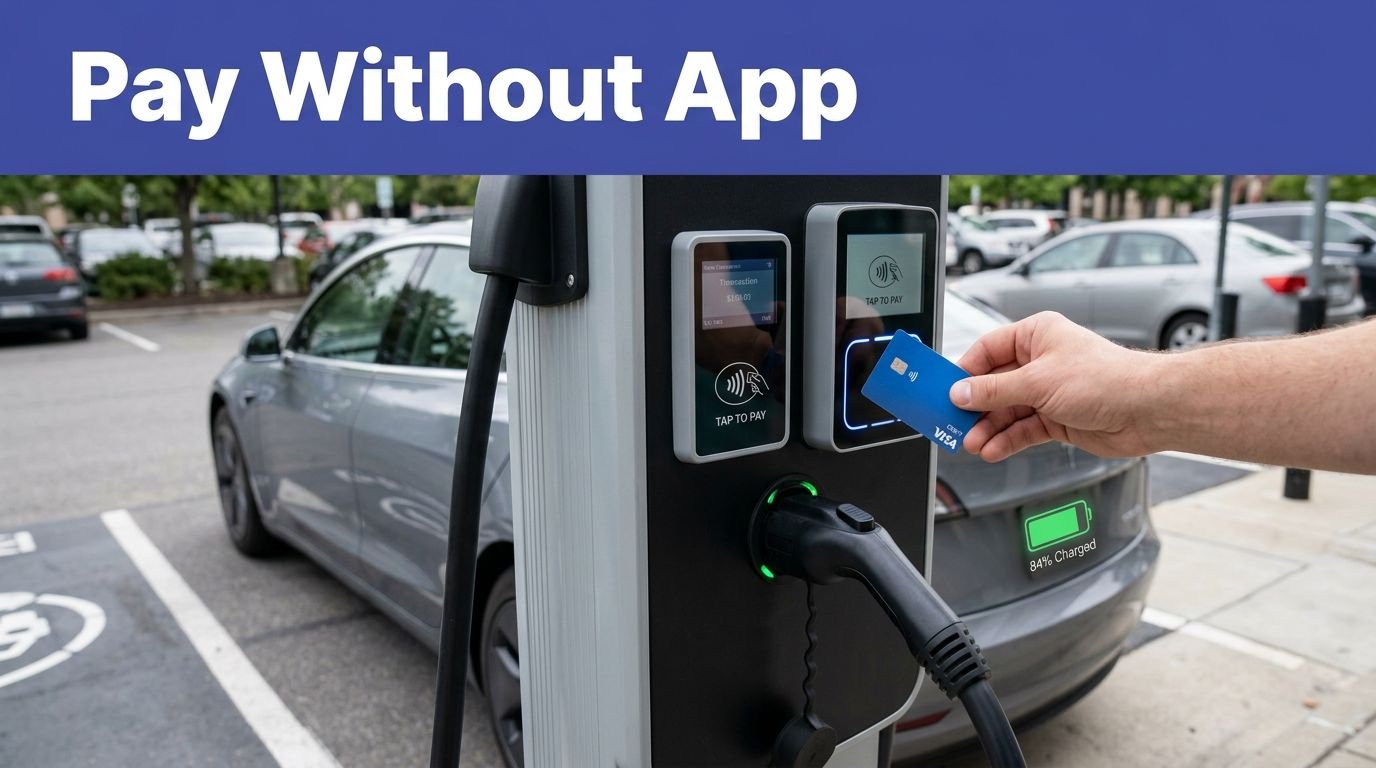
Because you want predictable access on the go, EV charging memberships work like subscription services that give you entry to thousands of public chargers nationally or regionally. You enroll in monthly or annual plans that often auto-renew, using an app or RFID card to identify yourself and pay securely at stations.
Tiers — basic, premium, unlimited — control which stations and charging speeds you can access, and memberships can include priority access, reserved spots, or off‑peak perks to reduce range anxiety. Networks integrate real‑time availability, station maps, and charging status so you can plan safe routes and avoid crowded sites.
Fleets and road‑trippers get tailored or short‑term options, while customer support and loyalty rewards add reassurance during trips. Many plans give access to thousands of charging stations nationwide. You’ll stay informed, connected, and safer on every charge. Consistently.
Cost Comparison: Memberships Vs Pay-As-You-Go
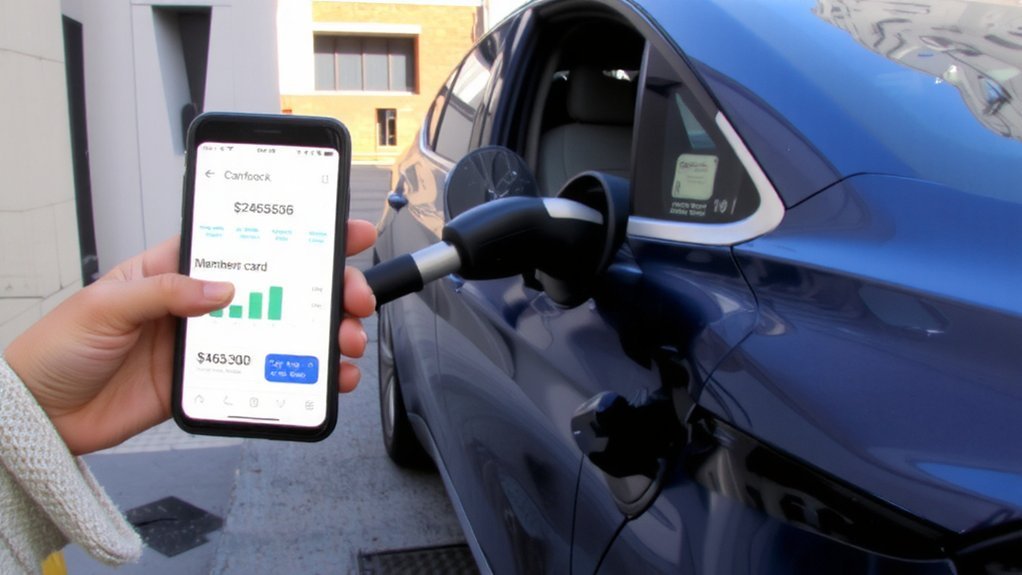
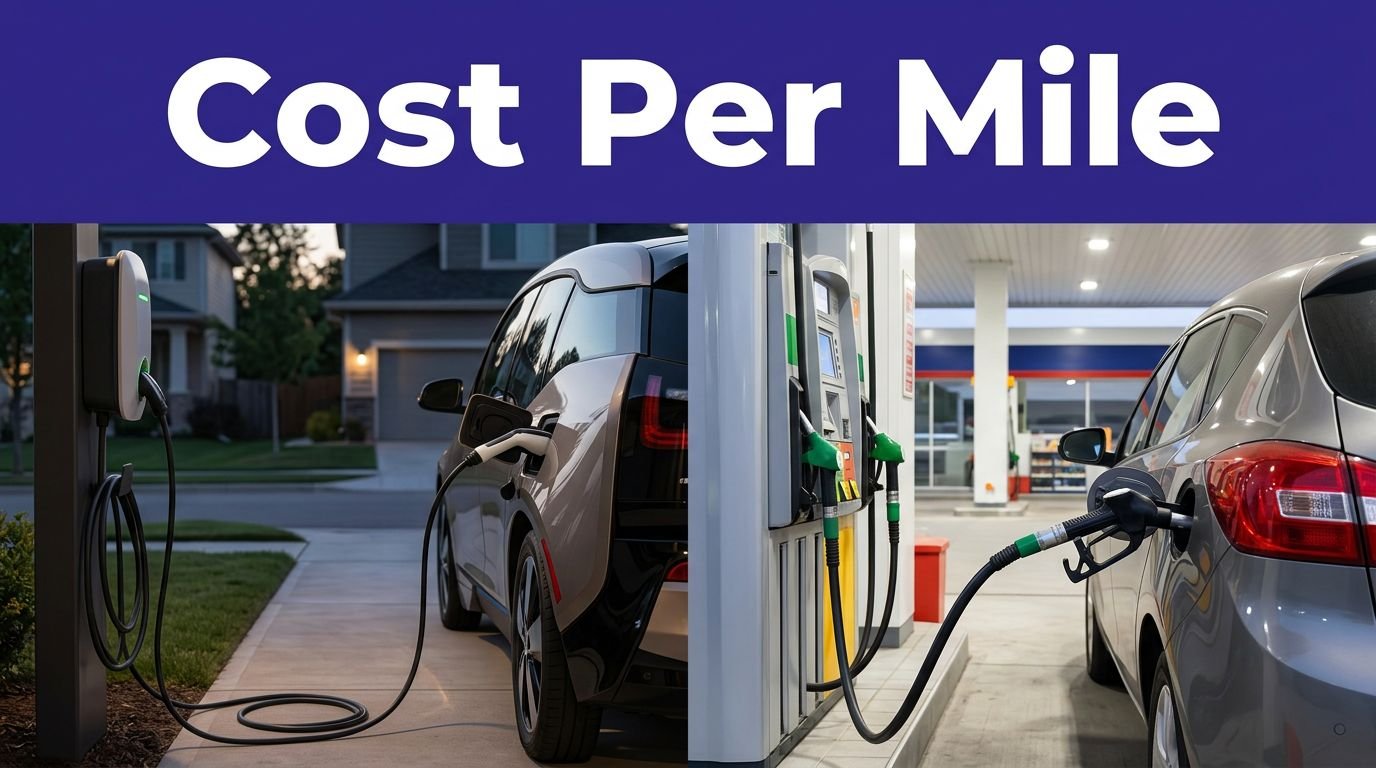
Now that you know how memberships grant access and features, the next question is cost: memberships usually cut the per‑kWh price and roll in or waive session and idle fees, while pay‑as‑you‑go (PAYG) leaves you paying higher per‑kWh rates and occasional per‑session charges.
Also remember that many EV owners rely on Level 2 home charging, which affects how often you’ll use public chargers.
Compare typical rates: PAYG DC fast charging often runs $0.38–$0.50/kWh in 2025; memberships can drop that to about $0.30–$0.40/kWh, trimming 10–30%.
If you charge frequently on public fast chargers, a $20 monthly plan can save roughly $15–$22 monthly and lower annual costs from roughly $1,540–$2,300 to about $1,200–$1,800. For sporadic users, PAYG avoids fixed fees.
Always check network coverage, idle and session policies, and your charging patterns to stay safe and avoid unexpected charges, and factor in home charging rates too.
Who Should Join — Driver Profiles That Benefit

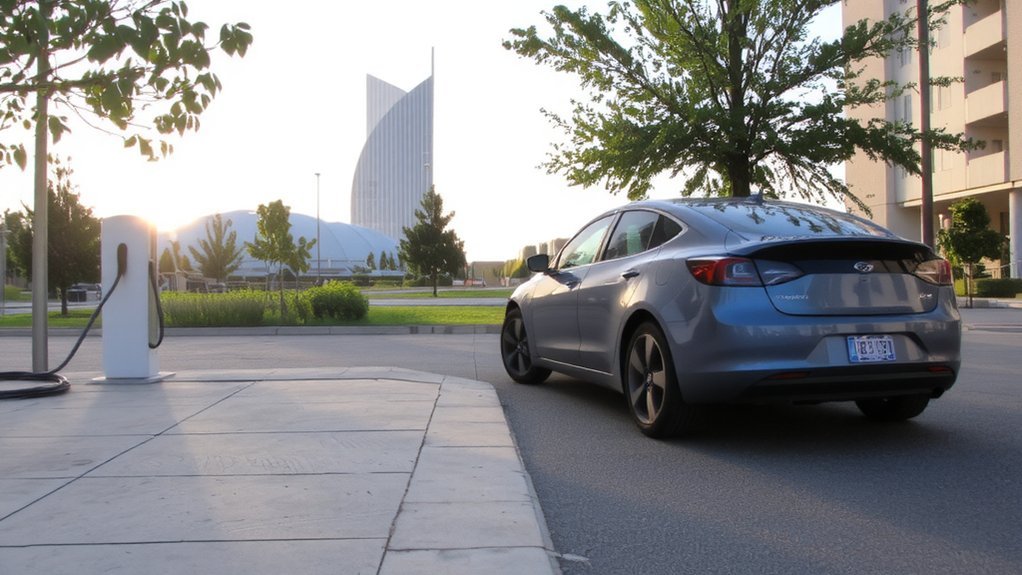
When you regularly rely on public chargers, a membership will often cut your per‑kWh cost, remove session or idle fees, and add conveniences that matter most to specific driver types.
If you’re a frequent long‑distance traveler, Pass+ or PlusMax can save 25–30%, give priority access, Plug&Charge and reduce range anxiety on cross‑country trips.
Urban commuters benefit from lower daily rates, no session fees, thousands of city stations and off‑peak discounts for safe overnight charging.
New EV owners get included plans and Plug&Charge to simplify first months. Some manufacturers also include Complimentary Ultra-Fast charging or extra membership benefits when you buy a qualifying vehicle.
Occasional road trippers can use pay‑as‑you‑go with occasional membership discounts and app locators.
If you manage fleet vehicles, bulk subscriptions, predictable billing and reserved slots improve safety and operational reliability.
Choose based on mileage, risk tolerance, and budget.
Network Reach and Regional Considerations
How far you can go on a membership often comes down to where chargers are—and they’re unevenly distributed. You’ll find dense, high-speed networks in coastal and affluent urban corridors, while rural and Midwest areas remain sparse.
Tesla still hosts many stalls, but NACS adoption gaps and limited roaming mean non-Tesla users may face access issues at some high-capacity sites. Industry forecasts expect about 16,700 ports to open in 2025. Expect apps or cards to be required; carry backup payment options and maps.
Station density affects safety: crowded urban sites can cause wait times, and remote gaps increase range risk, so plan conservative margins. Reliability’s improving, yet outages and regional maintenance differences persist.
Membership value depends on whether your regular routes overlap with that network’s reliable coverage. Reassess if coverage doesn’t match your travel patterns.
Choosing the Right Plan and Practical Tips
Sort through membership options by matching them to your typical routes, charging frequency, and preferred charger types—this lets you see whether the monthly fee is justified by per-kWh or per-minute discounts, free-session allowances, and priority access. Estimate monthly mileage and how often you’ll need Level 2 versus DC fast chargers, since per-kWh billing tends to be fairer and per-minute can cost more if your vehicle charges fast. Check geographic coverage, app features, cancellation terms, and any free kWh or session credits. Use memberships for regular commuters or long trips; occasional users usually save with pay-as-you-go. Prioritize plans that offer safety info, real-time availability, and clear billing to avoid unexpected charges and to keep your charging routine reliable and secure. Reassess annually as needs change, safely. Many drivers keep two to three cards to cover most needs, using one universal card, one specialized card, and a no-commitment backup.
Conclusion
Look at your driving habits, charging frequency, and local charger availability to decide if a membership pays off. If you often top up at public fast chargers and drive long distances, a plan will probably save you money and time; if you mostly charge at home or rarely use public stations, stick with pay-as-you-go. Think of memberships like a gym membership — as useful as a key when you actually use it on long trips.