
You want a UL-listed Level 2 EVSE with a NEMA 3R/4X enclosure, hardwired to 240 V on a dedicated circuit—typically a 40 A unit on a 50 A breaker. Use copper conductors sized per NEC, proper grounding/bonding, and mount within cord reach. Prioritize load sharing, scheduled charging, utility integration, and firmware updates. For outdoor use, consider a disconnect. Commission, test, and document—or risk nuisance trips and hazards; here’s how to choose.
Key Takeaways
- Choose UL-listed, 40–48A EVSE; 40A on 50A breaker is common, 48A needs 60A breaker and proper conductor gauge.
- Prefer hardwired, NEMA 3R for garage, NEMA 4/4X outdoors; add an exterior-rated disconnect for hardwired outdoor installations.
- Ensure smart features: automatic load sharing, OpenADR/utility integration, Wi‑Fi, over-the-air firmware updates, scheduling, dynamic amperage control, and alerts.
- Verify NEC compliance: dedicated 240V circuit, load calculation, copper THHN/THWN-2 conductors in conduit, proper grounding and bonding, and GFCI where required.
- Commission thoroughly: torque lugs, test fault protection, check plug temperature if receptacle-fed, measure current and temperatures, re-torque terminations after 30 days.
Level 2 Home EV Charger Installation
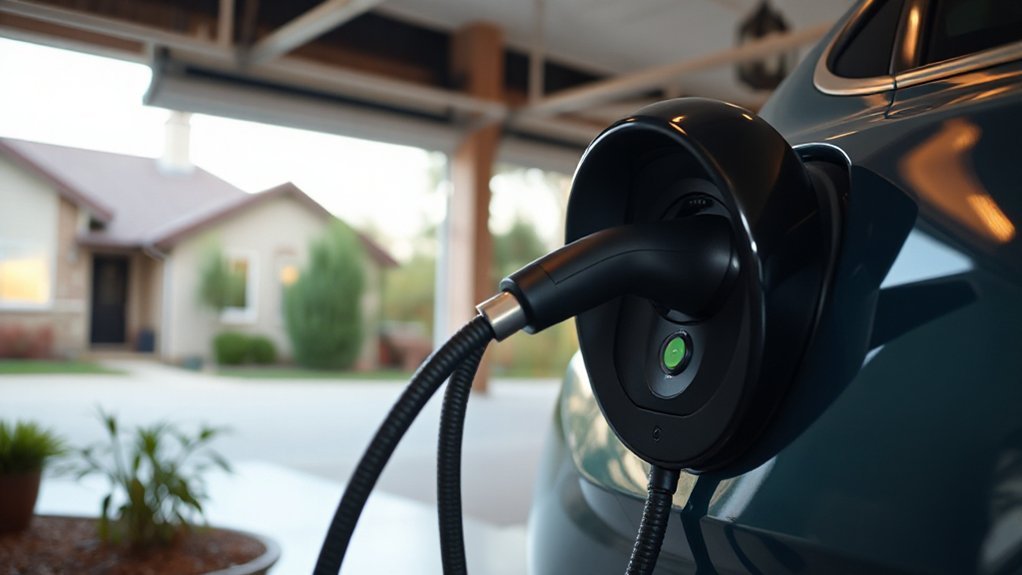
A home Level 2 EV charger delivers faster charging via a 240 V dedicated circuit and must comply with local code and NEC 625. When you choose the best home charger, size the circuit correctly, confirm panel capacity, and verify all equipment carries a UL listing. Most drivers benefit from a 40 A EVSE on a 50 A breaker, hardwired for continuous duty. If you need more power, consider a 48 A unit on a 60 A breaker, but confirm conductor gauge, temperature ratings, and terminations match the nameplate.
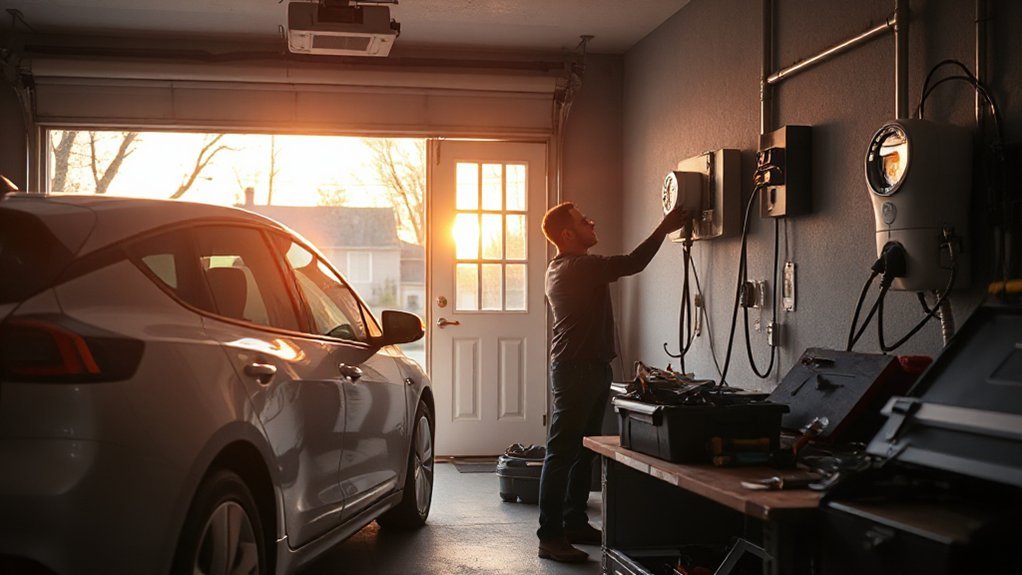
Level 2 EV charging: dedicated 240 V circuit, UL-listed equipment, 40A EVSE on 50A breaker.
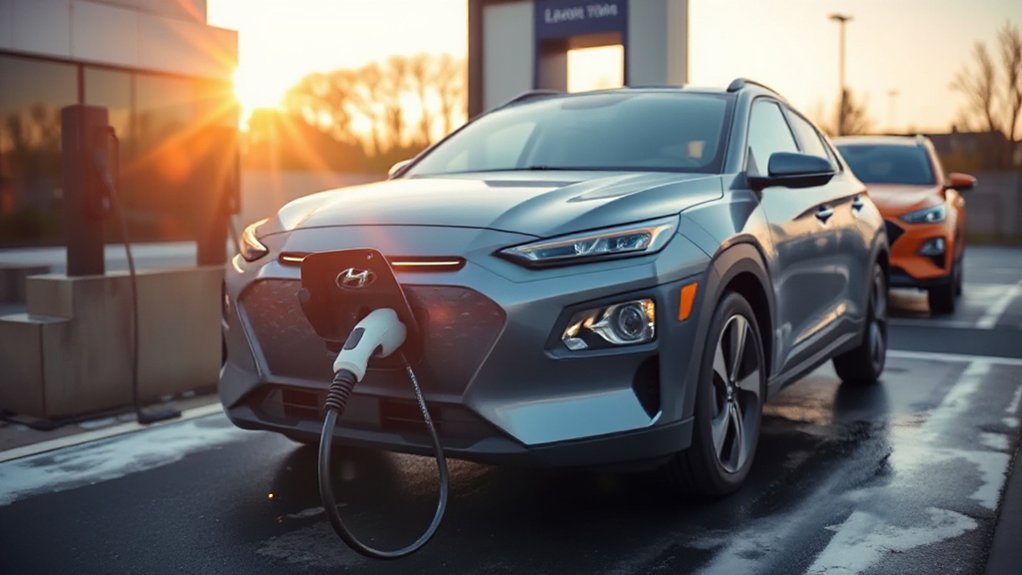
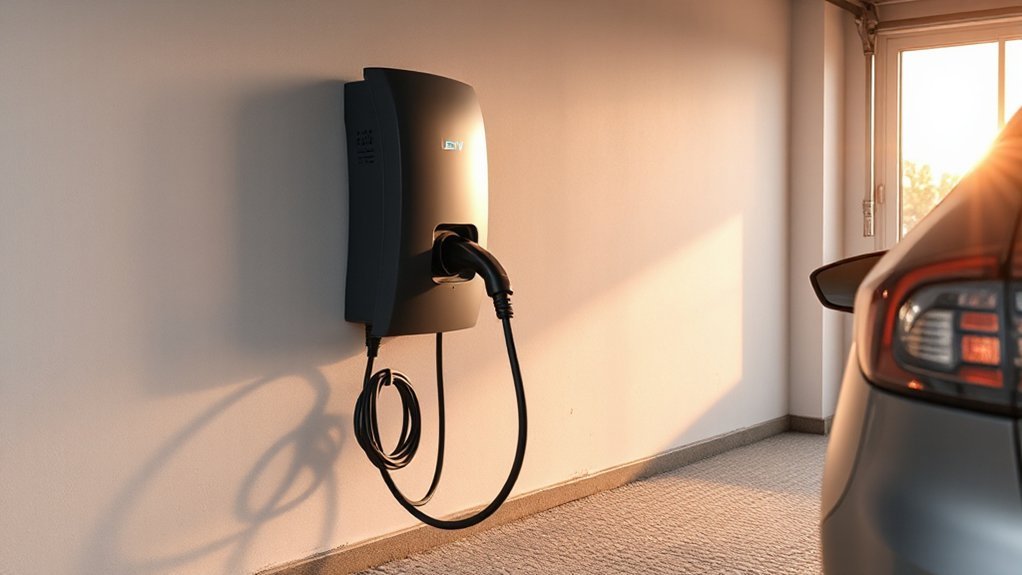
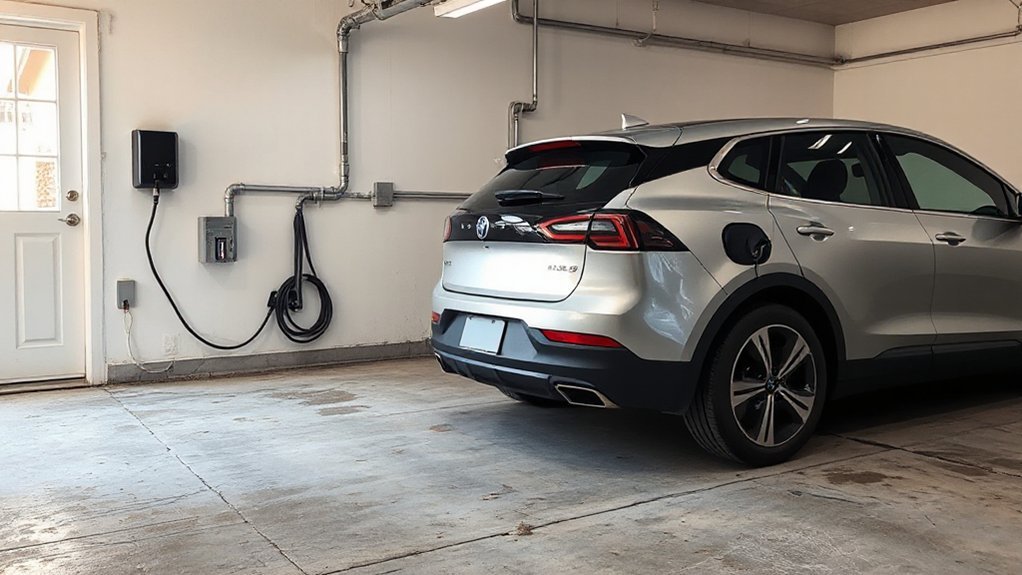
Perform a load calculation per NEC 220 to prevent service overloads. If your main is constrained, use a load management device listed for service equipment, or schedule charging during off-peak hours through Smart features. Consult your AHJ on permitting and required disconnects.
Select a charger with a NEMA 3R or better enclosure for garages, and NEMA 4 or 4X for outdoor mounting. Use copper conductors, THHN/THWN-2 in conduit, sized for the breaker and temperature column. Torque lugs to manufacturer specs, support the cable to prevent strain, and maintain working clearances per NEC 110.26.
For receptacle-fed EVSE, install a NEMA 14-50 with an in-use cover, GFCI protection where required, and verify plug temperature under load. For hardwired units, use an exterior-rated disconnect if outdoors. Bond grounding conductors properly, isolate neutrals in subpanels, and test fault protection before first use.
Prioritize safety certifications, thermal derating logic, and ground monitoring. A best-in-class charger offers automatic load sharing across multiple ports, OpenADR or utility integrations, and Wi‑Fi or Ethernet with firmware updates. Choose models with lockable holsters and cable management to reduce trip hazards and connector wear.
Use these Installation tips: plan conduit routes with minimal bends; keep EVSE nozzles 18–48 inches above finished floor; mount within cord reach of the charge port; label breakers; and photograph conductors before cover closure. Verify voltage, phase, and polarity before commissioning.
During setup, enroll the charger’s app and enable Smart features like scheduled charging, peak avoidance, dynamic amperage, and alerts for ground faults or overtemperature. Set a charging limit that fits your daily range needs to reduce heat and panel load. Back up settings to the cloud.
Finally, verify charging performance with a clamp meter and infrared scan after a full session. Record amperage, conductor temperatures, and breaker surface temperature. Re-torque terminations after 30 days. With correct sizing, careful installation, and robust connectivity, you’ll have the best home charger delivering safe, reliable power.
Conclusion
You’ve now got a clear path: select a UL-listed EVSE in a NEMA 3R/4X enclosure, hardwire it on a dedicated 240 V circuit (40 A EVSE on a 50 A breaker), size copper conductors per NEC, and verify grounding and bonding. Mount within cord reach, add an outdoor-rated disconnect if exposed, and commission, test, and document. Treat the system like a torque wrench—precise, calibrated, and safe—so daily charging stays reliable, efficient, utility-ready, and code compliant.