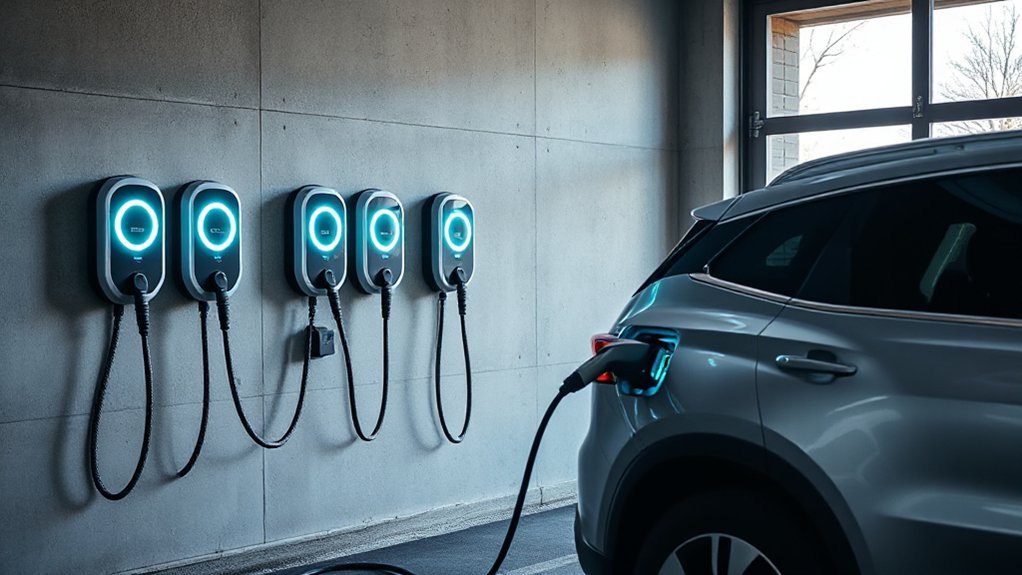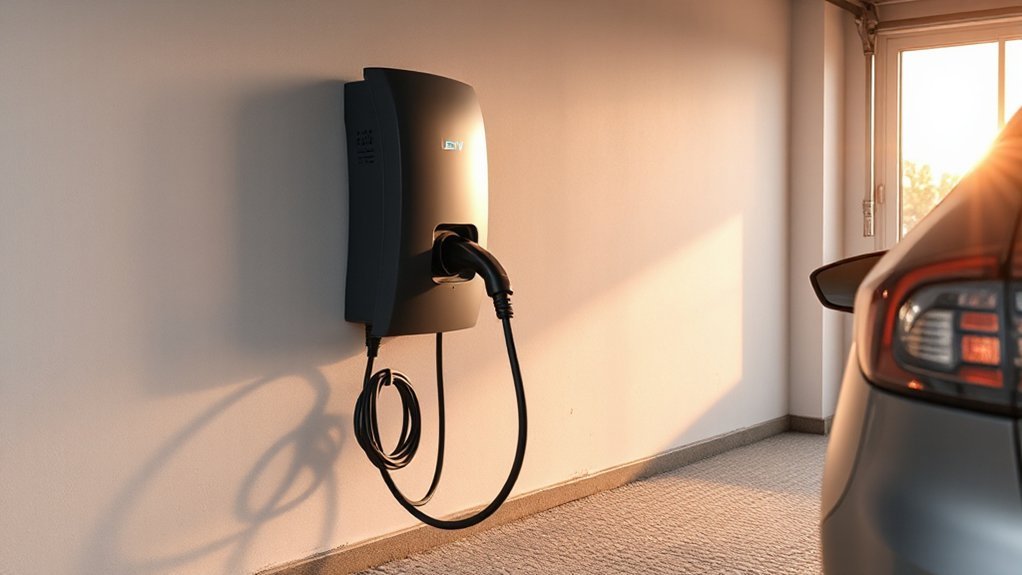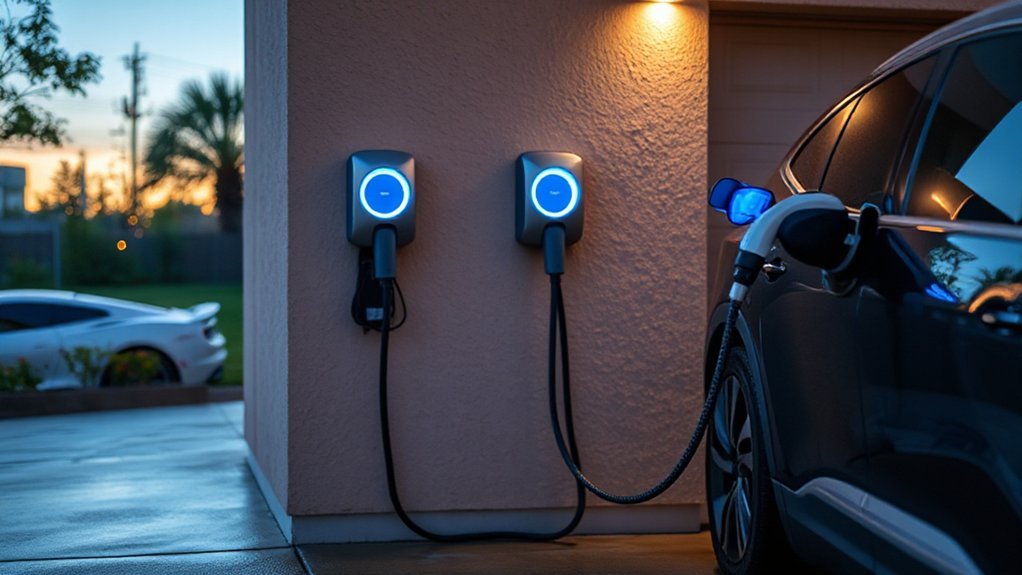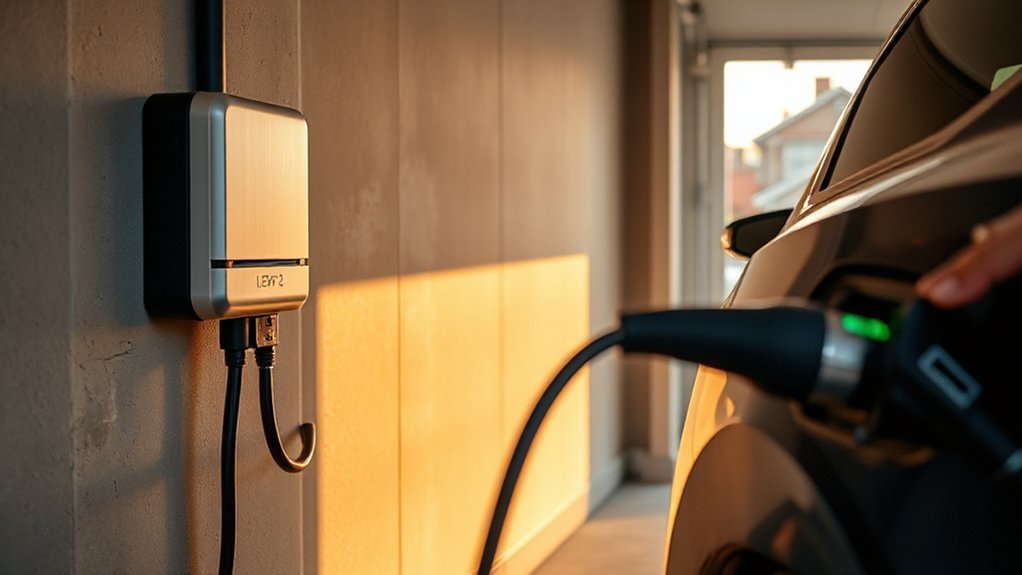
When topping up becomes a regular chore, you’ll want a Level 2 charger that’s safe, code‑compliant, and future‑ready. You’ll match 240 V capacity...
Your Complete Guide to Electric Vehicle Charging
When topping up becomes a regular chore, you’ll want a Level 2 charger that’s safe, code‑compliant, and future‑ready. You’ll match 240 V capacity...
You probably don’t know your EV’s onboard charger—not the wall unit—sets your real AC charging speed. Start by matching max output to that rating...
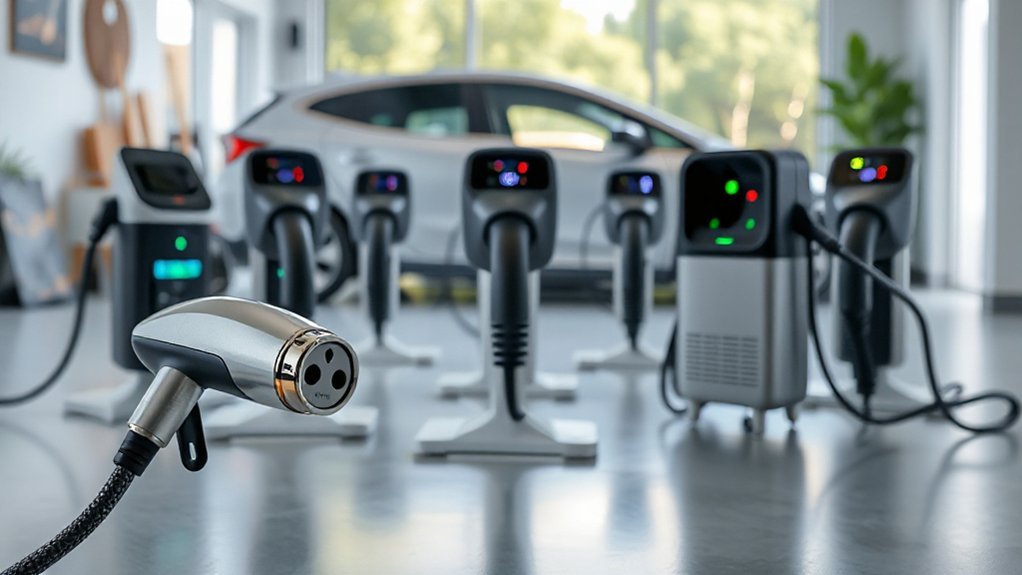
In our 2025 lab, 6 of 9 units sustained ≥11.5 kW at 240 V for 30 minutes—a key indicator of thermal stability. You’ll compare UL/ETL listings, NE...
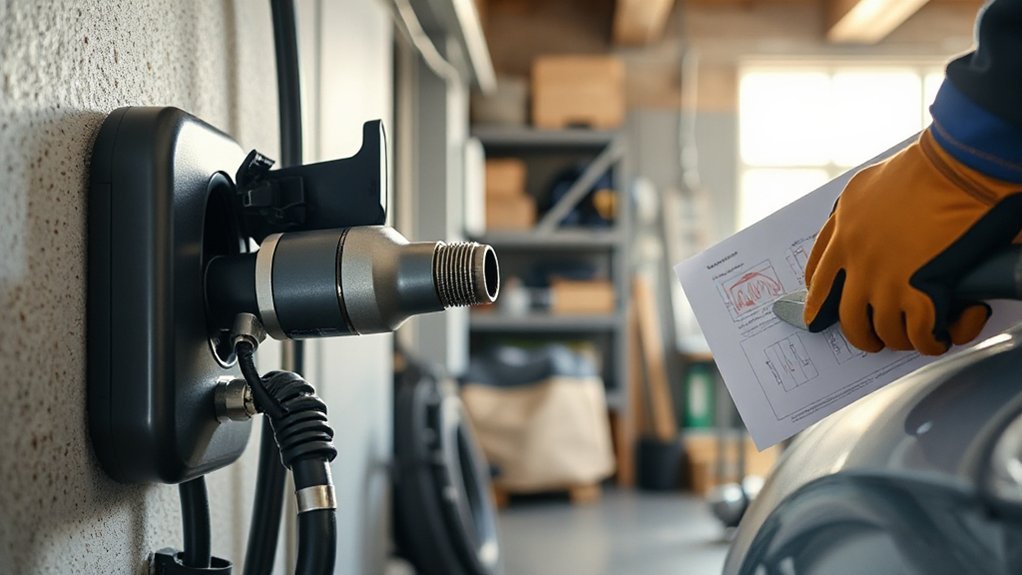
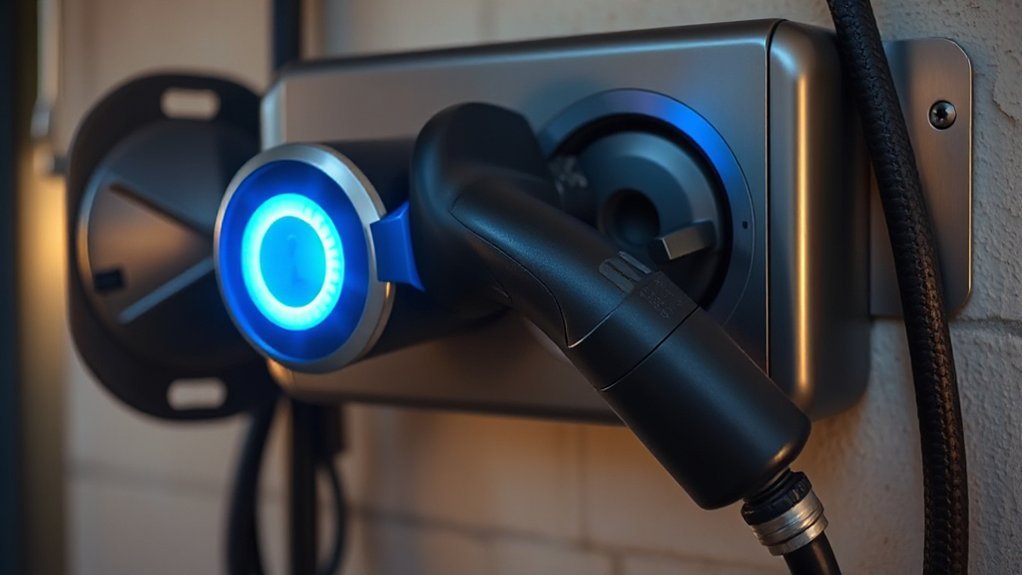
You want a UL-listed Level 2 EVSE with a NEMA 3R/4X enclosure, hardwired to 240 V on a dedicated circuit—typically a 40 A unit on a 50 A breaker....
Here’s a twist: a “40A charger” typically runs on a 50A circuit to satisfy the NEC 80% continuous-load rule. You’ll weigh your EV’s onboard charg...
If you’re picking a 40‑amp home EV charger in 2025, you’ll want UL/cUL listings, a 50 A circuit, proper conductor sizing, and weather‑rated enclo...
Quick miles, strict code: a 40‑amp Level 2 adds about 25–35 miles/hour at 240 V, but it requires a dedicated 50 A breaker and 6 AWG copper under ...
One driver cut home‑charging time by about 30%—like opening a second checkout lane—after installing a 40A Level 2 at 9.6 kW. You’ll size it per N...
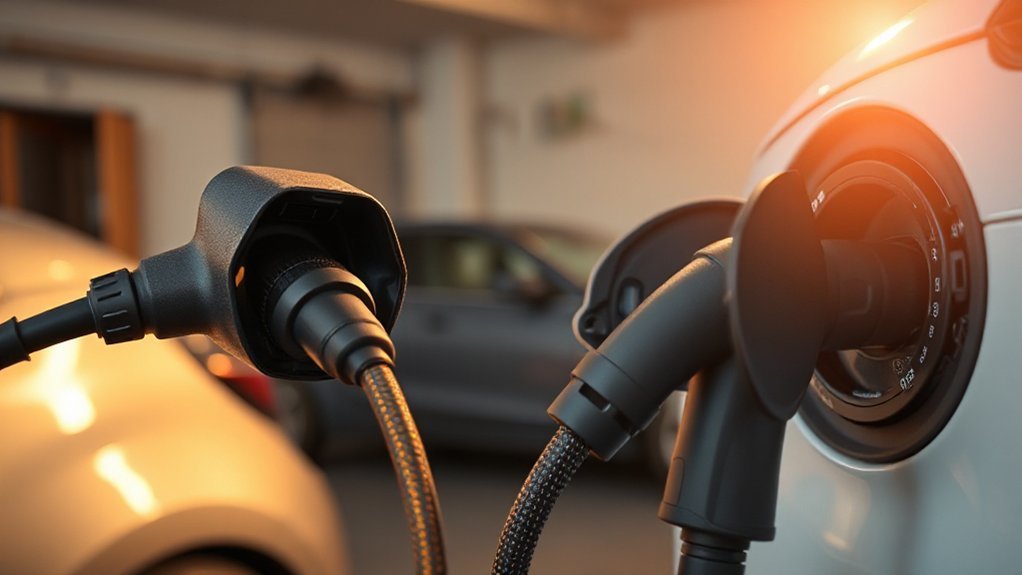
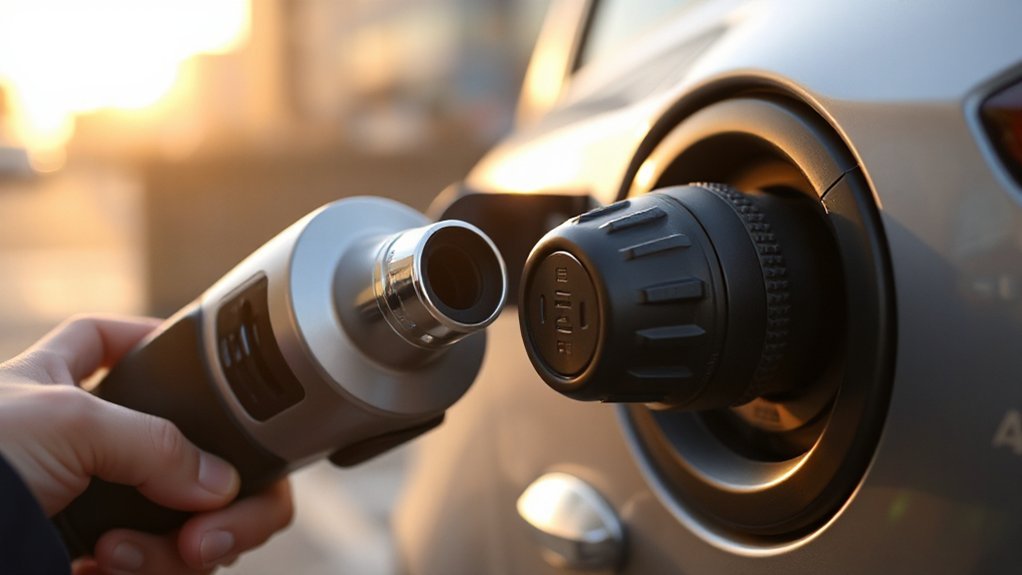
You’re choosing between two standards with real trade-offs: J1772 supplies up to 19.2 kW AC at 240 V, while NACS (SAE J3400) carries both AC and ...
You want a J1772 Level 2 charger that matches your breaker, panel capacity, and usage—not hype. Compare amperage (16–50 A), enclosure ratings (NE...