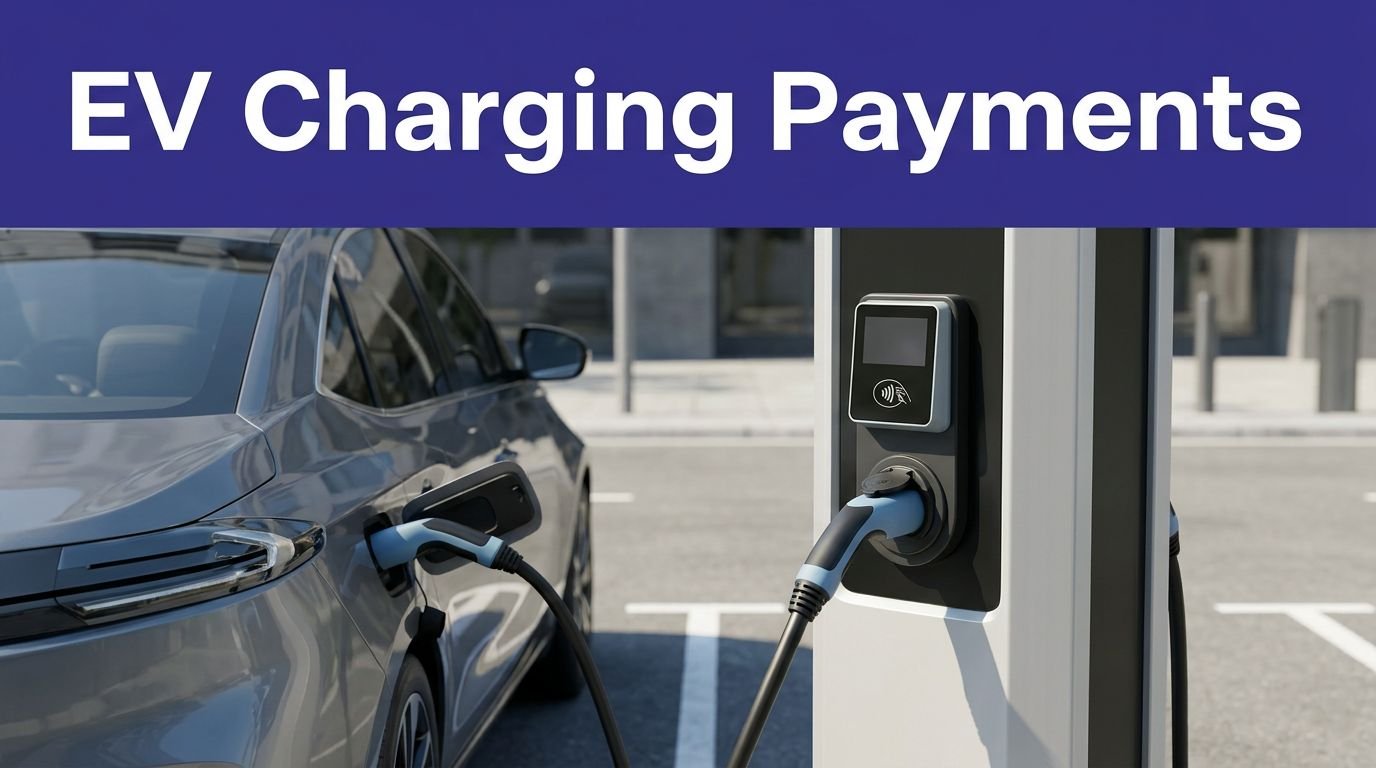
A used EV charger can save you real money with a worthwhile discount, but only after you weigh safety and setup risks. The difference usually comes down to hardware condition, electrical compatibility, account ownership, and total purchase cost.
Buying a pre-owned charger makes sense when you inspect the hardware and verify the seller’s claims before paying. Most electric vehicle owners are evaluating a Level 2 EV Charger for home charging, technically called EVSE, as part of a home charging station. A second hand purchase can cost less than a manufacturer-supported product, so include available incentives in the total calculation.
This post may contain affiliate links. If you make a purchase through these links, I may earn a small commission at no extra cost to you.
Key Takeaways
- A used EV charger can be a good value only when its hardware condition, safety certification, electrical compatibility, account ownership, and total cost are verified.
- Inspect the connector, cable, strain relief, enclosure, model label, mounting hardware, and certification marks before paying.
- Match the charger’s amperage and installation method to your EV, home electrical service, circuit breaker, wiring, and local code requirements. A 48-amp charger generally requires a dedicated 60-amp circuit.
- For smart chargers, confirm that the seller has removed the unit from their account and that the manufacturer supports ownership transfer or a factory reset.
- Compare the real savings after installation, missing parts, taxes, incentives, warranty value, and return protection—not just the listing price.
Is a pre-owned EVSE safe to buy?
Yes, a second hand EVSE can be safe when its history is documented. Age alone isn’t the problem. The problem is unknown history and missing safety certification. Some equipment incentives also require listed products.
A charger that lived on a protected garage wall is one thing. A charger that spent two years outdoors with a cracked connector, a missing cover, and a seller saying “it worked last summer” is another thing entirely.
The main risks with a secondhand unit
Online listings create several problems. You may receive the wrong amperage, a unit with hidden water damage, or a charger that still belongs to someone else’s smart-home account.
You may also get:
- A damaged J1772 or NACS connector
- A cut, repaired, overheated, or undersized cable
- Missing mounting hardware or interchangeable plugs
- A counterfeit or unlisted charging unit
- No return option and no usable return or coverage protection
- Software features locked to the previous owner
That last one surprises people. The charger can power on perfectly while the app behaves like a nightclub bouncer saying, “You’re not on the list.”
Refurbished isn’t the same as merely used
A charger restored by its manufacturer should have a documented inspection process, a defined return policy, and clear warranty terms. A peer-to-peer unit usually has none of those things.
That label isn’t a magic word, though. Ask who refurbished it, what was replaced, whether it was load-tested, and how long you have to return it. If the listing can’t answer those questions, treat the unit as used equipment with a nicer adjective.
Inspect the hardware before you buy
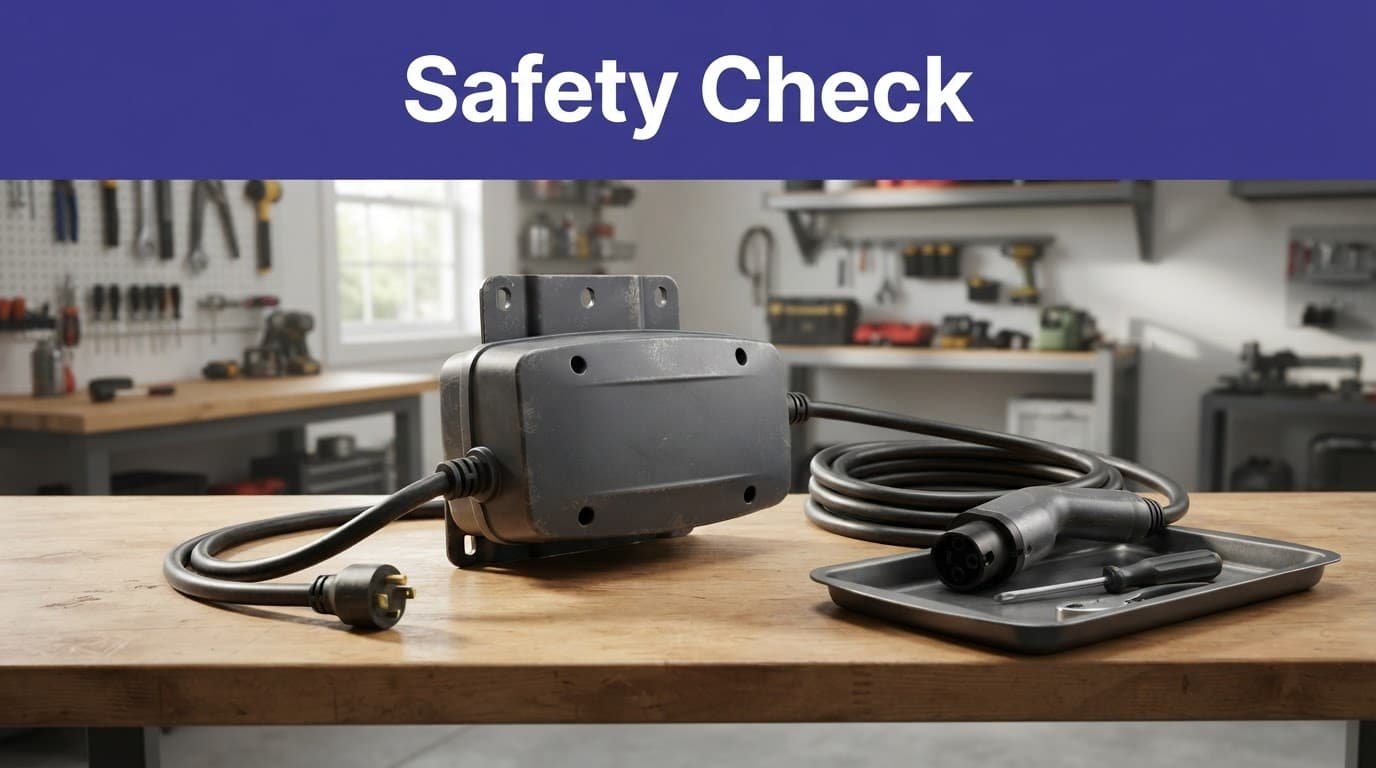
Ask for clear photos that identify the exact electric vehicle charger being sold. Include the complete EVSE, both sides of the connector, the charging cable, the nameplate, and the mounting bracket for the charging station. Blurry photos aren’t evidence of condition. They’re evidence that the seller has discovered portrait mode.
Examine the J1772 or NACS connector
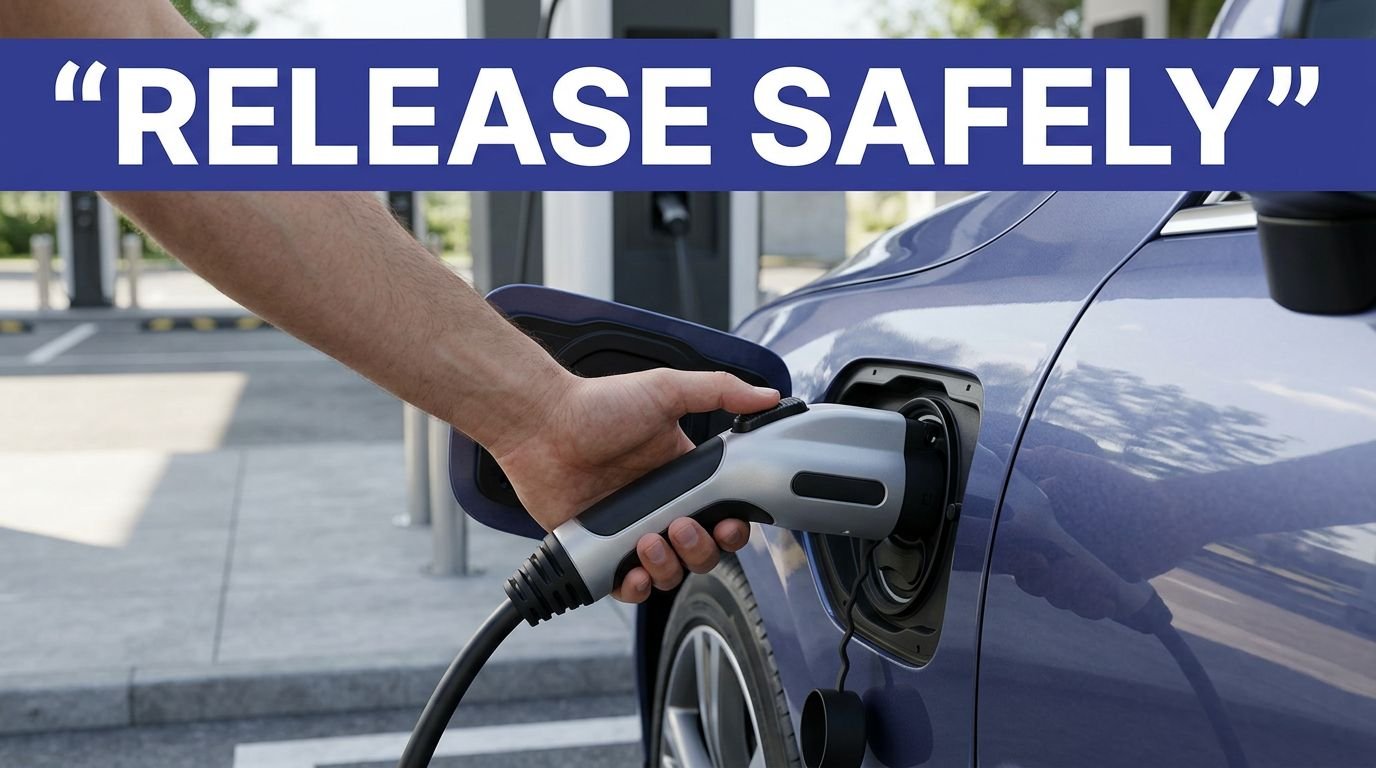
On a J1772 connector, the metal pins should be straight, clean, and evenly seated. Look for black marks, pitting, green corrosion, melted plastic, recessed pins, and a loose locking latch. Heat discoloration around the pins is a serious warning, not a cosmetic flaw.
NACS connectors have different physical geometry, but the same logic applies. Check for cracked plastic, damaged contacts, a loose button or latch, and signs that the connector has been dragged across concrete.
Check the cable, strain relief, and enclosure
The charging cable should enter the connector and charger body without sharp bends, cuts, swelling, or exposed insulation. Flex it gently, but don’t twist it like you’re opening a stubborn pickle jar. You are checking for damage, not conducting a stress test.
Check the cable strain relief where the cord enters the charger. Inspect the housing for cracks, missing screws, warped plastic, corrosion, and evidence of water entering the unit. If the strain relief is loose or split, internal conductors may have experienced movement and stress.
Make sure the serial number and model label are still present. The EVSE label helps confirm the charger’s output, certification, wiring instructions, firmware support, and eligibility for equipment incentives. A missing label makes it harder to verify the charging equipment.
Don’t open the enclosure unless you’re qualified to work on electrical equipment. A powered EVSE is not the place for amateur archaeology.
Verify certification, model details, and warranty
A low price doesn’t compensate for EVSE that was never tested for safe EV charging or backed by safety certification. The UL Solutions EV charging standards guide identifies standards for electric vehicle charging, including ANSI/UL 2594 for EV supply equipment, UL 2231-1 and UL 2231-2 for personnel protection, and UL 2251 for EV plugs, receptacles, and couplers.
Look for a recognized safety listing
Look for a UL listing or another recognized certification mark printed on the charger’s housing. Match the mark to the exact model number, then verify both against the manufacturer’s documentation. Don’t stop at a seller writing “UL certified” in a listing title; the model label, certification, and documents should agree for the charging equipment you’re considering.
A charger with a recognized Nationally Recognized Testing Laboratory listing, such as UL or another accepted certification mark, is a safer starting point than a generic unit with impressive claims and no traceable documentation. Some incentives also require listed equipment.
Inspect an adapter separately. UL identifies UL 2252 as the standard covering this type of product, but physical fit doesn’t prove electrical safety, especially for J1772-to-NACS or NACS-to-J1772 models.
Read the warranty terms before treating coverage as valuable
Used-equipment coverage often doesn’t transfer automatically. Emporia’s published coverage for its Smart Home EV Chargers lasts three years from delivery after the original retail purchase, with protection tied to the original purchase terms. Ask Emporia, or any other manufacturer, whether coverage follows the serial number or the original buyer.
The Emporia coverage information also explains that labor, diagnosis, removal, installation, and transportation costs aren’t covered. Even remaining warranty protection may not pay for an electrician to remove a failed charger from your wall.
Save the listing, receipt, serial number, and seller messages. If the coverage language is unclear, assume you are buying without manufacturer support.
Match the charger to your EV and electrical service
A Level 2 EV Charger has to match two systems: the electric vehicle’s onboard AC charging capability and your home’s electrical service. For home charging, getting only one right is how people end up with a very fast charger that their car politely ignores.
Confirm connector and output ratings
Most North American Level 2 home chargers use either a J1772 plug or an NACS plug. Your vehicle inlet determines which one you need, although an approved accessory may provide another option.
Then check the EVSE’s amperage. A 48-amp charger at 240 volts can deliver about 11.5 kW, but your vehicle may accept less. A lower onboard AC limit doesn’t make the charger unsafe. It simply means the car sets the pace.
Ask for the exact model number, maximum current, input voltage, plug type, cable length, and power rating. Also confirm whether the unit is plug-in or connects directly to the panel. “It charges EVs” is not a specification sheet.
Before buying, check whether local incentives require specific equipment or approved electrical work.
A 48-amp charger needs a 60-amp circuit
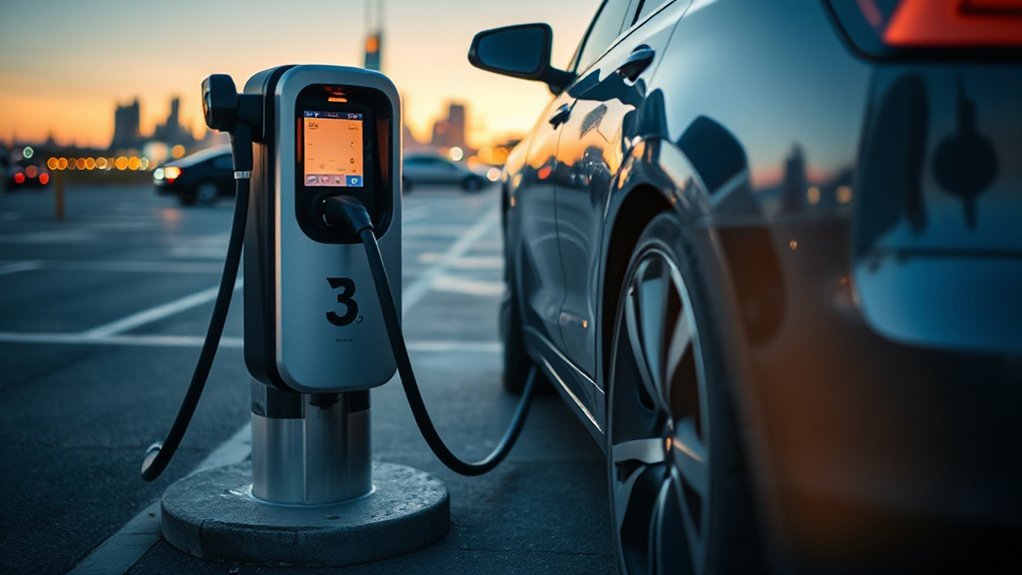
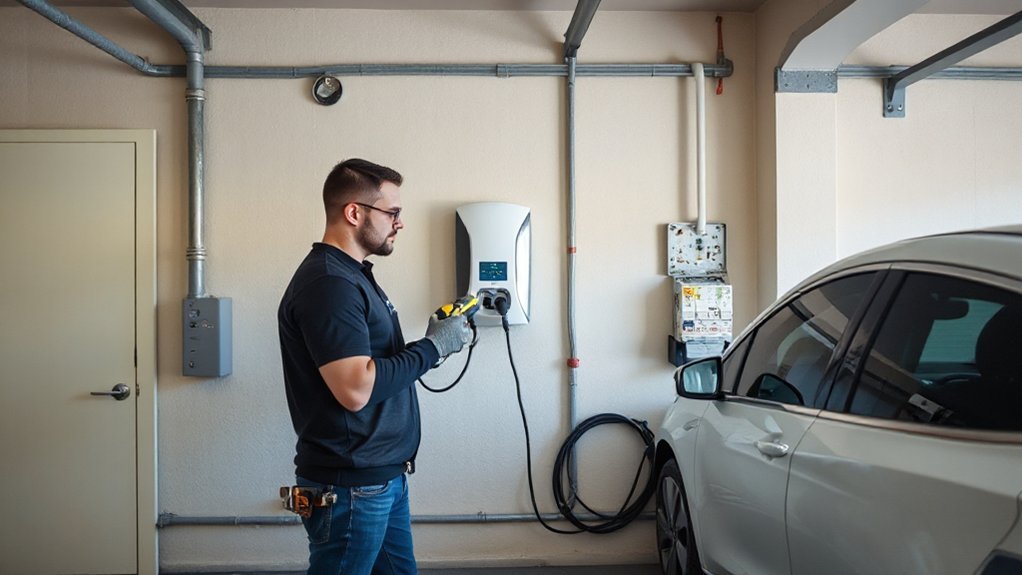
A 48-amp Level 2 charger is a continuous load. Under standard NEC sizing practice, the branch circuit is sized at 125% of the continuous load. That calls for a 60-amp, two-pole circuit breaker for a charger configured to draw 48 amps.
The breaker is not a volume knob. Using a 48-amp charger on an existing 50-amp circuit and hoping nobody notices isn’t a clever shortcut. The EVSE configuration must match the circuit, wiring, breaker, panel capacity, and disconnect requirements.
Have an electrician inspect the installation point before you buy the unit. A bargain charger becomes less charming when the panel needs upgrades.
NEMA 14-50 or hardwired installation?
A NEMA 14-50 is a 50-amp receptacle, not a promise that every 50-amp charger can use it at full power. This distinction causes a steady stream of garage arguments and at least a few suspiciously warm wall outlets.
These Level 2 EV Charger examples include a 40-amp plug-in unit and a 48-amp hardwired unit.
| Configuration | Typical continuous charging limit | Main consideration |
|---|---|---|
| 50-amp plug-in receptacle | 40 amps | Requires the correct receptacle, wiring, breaker, and protection |
| 48-amp EVSE | 48 amps | Usually uses a dedicated 60-amp circuit |
| Lower-output unit | Depends on setting | Must match the configured current and circuit capacity |
Plug-in charging is convenient
A NEMA 14-50 setup eases replacement and lets you take a portable EVSE with you. Configure the plug-in unit for a maximum 40-amp continuous draw on a properly installed 50-amp circuit. Check the charging cable for cuts or heat damage before use.
The receptacle should be industrial-grade and firmly mounted. A loose outlet can heat under long charging sessions. Avoid using an old range outlet, a cheap adapter, or an extension cord to make the installation work.
Under NEC 625.54, EV charging receptacles rated 50 amps or less generally require GFCI protection in jurisdictions using the applicable code edition. The National Fire Protection Association’s NFPA 70 information is useful, but your local authority having jurisdiction controls the adopted code. Some incentives also require a compliant, permitted installation.
Hardwiring supports higher output
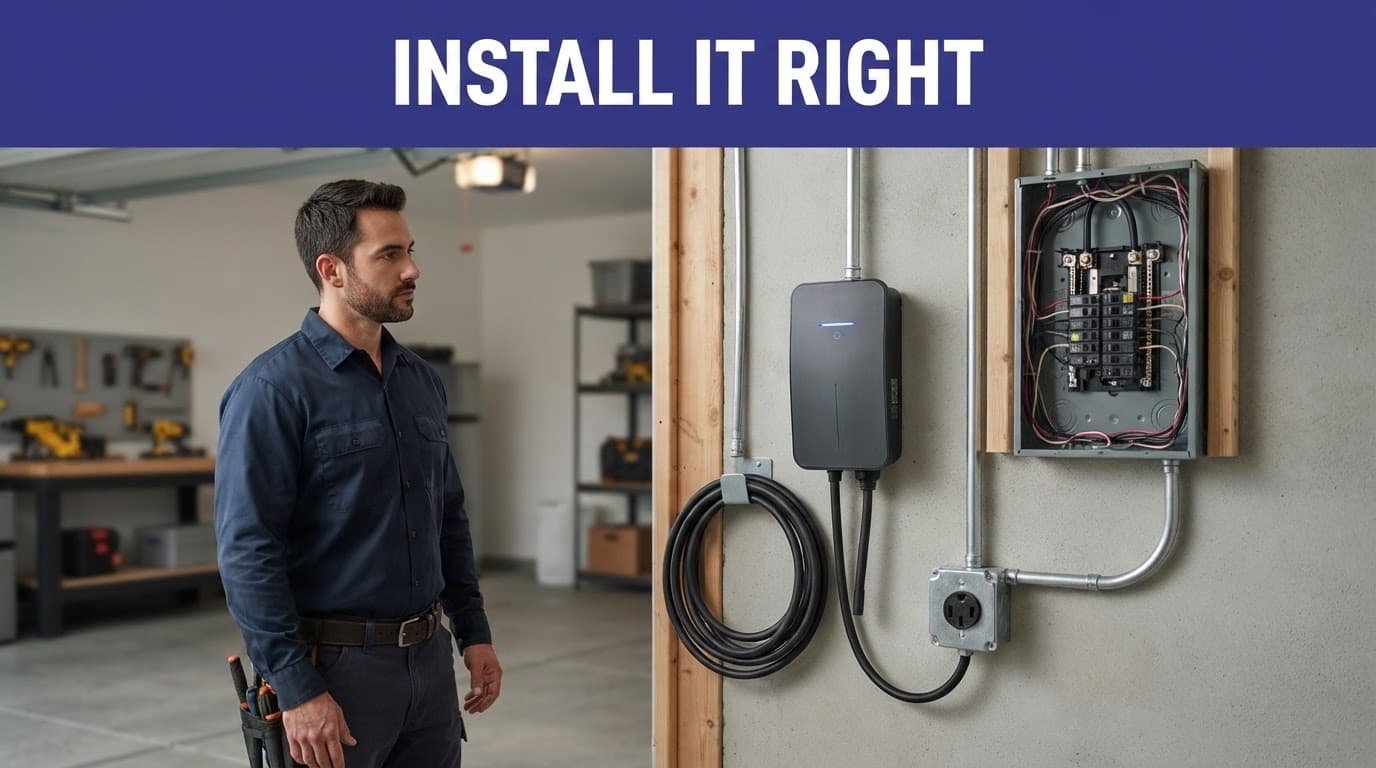
Hardwiring removes the plug and receptacle from the charging path. It is often the cleaner choice for a 48-amp unit, provided the charger is listed for direct connection and the circuit is installed correctly.
Direct-connected equipment doesn’t automatically escape every protection or electrical rule. Follow the manufacturer’s instructions and local requirements. If a GFCI breaker trips repeatedly, don’t keep resetting it until the charger “gets over its mood.”
Possible causes include moisture, cable insulation damage, incorrect neutral-ground wiring, an incompatible circuit breaker, cumulative leakage, or a faulty charger. Repeated trips need diagnosis, not a larger breaker.
Check smart features and account ownership
A smart charger adds scheduling, energy monitoring, load management, firmware updates, and remote control. Those connected features also give a used unit another way to become annoying.
Can a locked smart EVSE be reset?
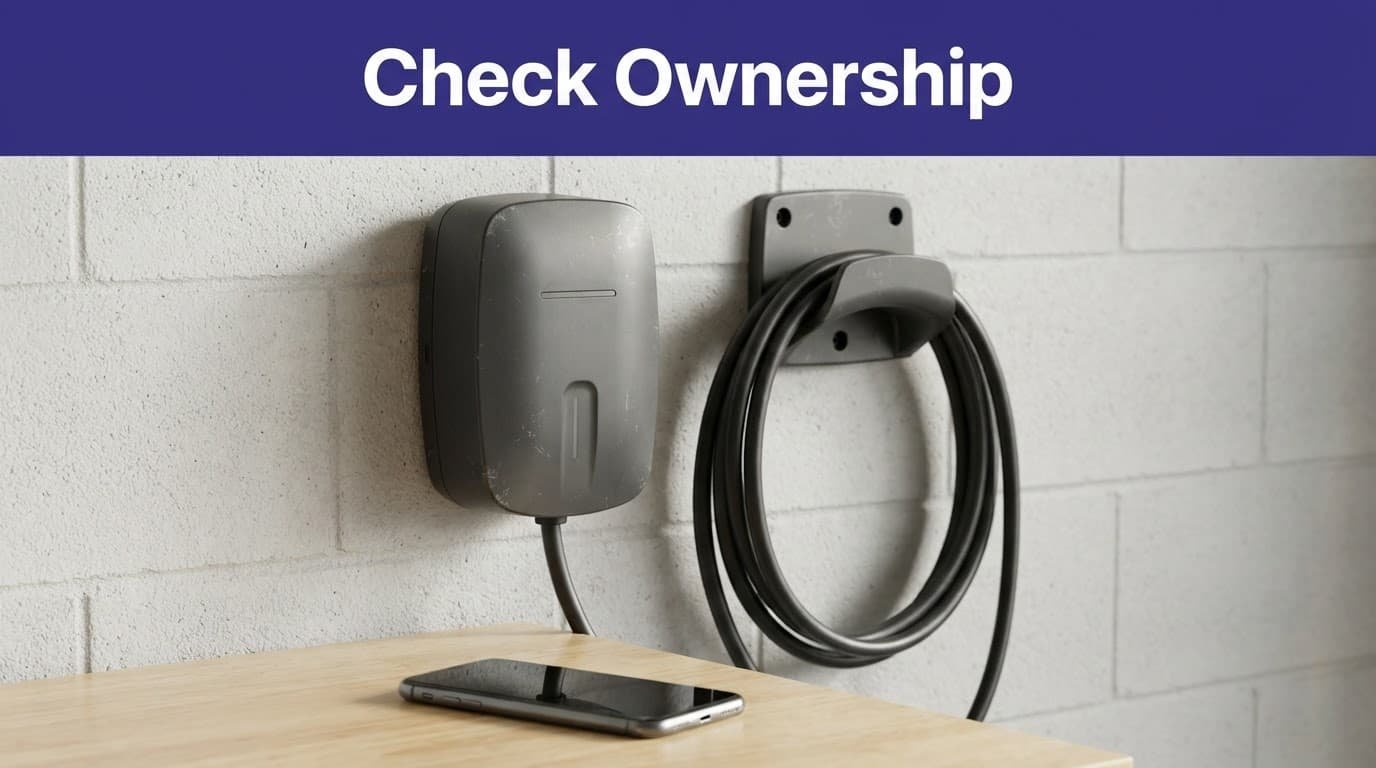
Sometimes, but the answer depends on the brand and model. A factory reset may clear local settings without transferring ownership in the manufacturer’s cloud service. A connected charging station may still be tied to another account. An EVSE may need the previous owner to remove it from an account, or the manufacturer to verify the transfer.
Before buying, ask the seller to:
- Remove the charger from their app or fleet portal.
- Perform the manufacturer’s documented factory reset.
- Provide the serial number and model number.
- Confirm whether the EVSE can provide basic charging without Wi-Fi.
- Send a screenshot or video showing that the unit is no longer assigned to their account.
Don’t accept “you can probably reset it” as a warranty. That sentence has purchased a lot of sadness.
ChargePoint provides Home Flex support and troubleshooting for ownership and setup questions. Contact the manufacturer before payment if the app status is central to your decision.
Decide whether you need smart features at all
A used smart charger with a dead Wi-Fi module may still provide basic charging, but you shouldn’t pay a premium for hardware that works like a basic wall unit.
Ask whether you need solar surplus charging, energy reports, load sharing, or time-of-use scheduling that qualifies for utility incentives. If your car already handles charging schedules, a reliable non-smart unit may be better for home charging.
Compare the savings with the risk
As of August 2026, Emporia’s current new-retail pricing is listed at $449. A dated U.S. pre-owned example sold for $309, a $140 discount, or about 31%, before installation, taxes, and incentives.
That saving is meaningful. It isn’t an automatic bargain.
A manufacturer-refurbished listing, such as Emporia’s refurbished Classic Level 2 charger, can offer a better balance than a mystery second hand EVSE from a local marketplace. Prices and stock change quickly, so compare the current refurbished price with the new price on the same day.
Before purchasing, calculate:
- Charger price, shipping, and sales tax
- Missing brackets, plugs, adapters, or cable holders
- Electrician labor and any panel or receptacle work
- The value of a return period and remaining manufacturer coverage
- Current federal tax credits, utility programs, and local incentives
Don’t count current incentives until you confirm the eligibility rules. Some programs care about installation date, location, charging equipment certification, or whether electrical work is included.
A pre-owned unit should be clearly cheaper after these costs. If it saves $60 but has no return policy, no remaining coverage, and a questionable connector, that discount may not justify the risk. The seller isn’t offering a bargain. They’re asking you to become the repair department.
Final Safety Checklist
Before handing over your money, confirm that:
- The model number and current setting match your vehicle and circuit plan.
- The charger carries a recognized certification mark, and its UL listing and model match the manufacturer’s documentation.
- The J1772 connector or NACS plug has no bent pins, heat damage, cracks, corrosion, or loose latch.
- The charging cable and strain relief are intact.
- The unit includes its mounting hardware and required plug or terminal cover.
- The seller provides a serial number and proof of purchase when available.
- The manufacturer confirms warranty coverage and account-transfer terms.
- Your electrician approves the circuit, breaker, receptacle, GFCI protection, and installation method.
- You confirm that federal or utility incentives and tax credits still apply to the purchase.
- You verify local incentives before treating the price as a bargain.
- You have a return window long enough to test the charger.
Never connect questionable equipment to your home wiring just to see what happens. Have the setup checked, follow the manufacturer’s instructions, and stop immediately if the charger, outlet, cable, or connector becomes hot, discolored, damaged, or repeatedly trips protection.
Frequently Asked Questions
Is it safe to buy a used EV charger?
A used EV charger can be safe if its history is known and the unit has recognized safety certification. Avoid equipment with damaged connectors, heat or water damage, missing labels, questionable repairs, or no return protection.
What should I inspect on a used EV charger?
Check the J1772 or NACS connector for bent pins, corrosion, cracks, melting, and a loose latch. Also inspect the cable, strain relief, enclosure, serial number, model label, mounting hardware, and included plugs or covers.
Can I use a 48-amp charger on a 50-amp circuit?
A 48-amp charger is a continuous load and generally requires a dedicated 60-amp, two-pole circuit under standard NEC sizing practice. The charger configuration, breaker, wiring, panel capacity, and installation method must all match, so have an electrician review the setup.
Can a used smart charger be transferred to a new owner?
Sometimes, but a factory reset may not remove the charger from the previous owner’s cloud account. Ask the seller to remove it from their app or fleet portal, complete the documented reset, and confirm account-transfer requirements with the manufacturer before paying.
Is a refurbished EV charger better than a used one?
A manufacturer-refurbished charger usually offers more reliable inspection records, return terms, and warranty coverage than a peer-to-peer unit. Still, verify who performed the refurbishment, what was replaced, whether the charger was load-tested, and how long the return period lasts.
Conclusion
A pre-owned charger is worth considering when its safety, electrical fit, ownership status, and price make sense together. The lowest sticker price isn’t always a real discount after repairs, electrical work, or account issues. Check available incentives before finalizing the comparison.
Inspect the unit, verify its model details, and confirm who controls its account. A secondhand unit can be a smart buy, but only when the apparent savings survive contact with the wall, electrical review, and ownership checks.