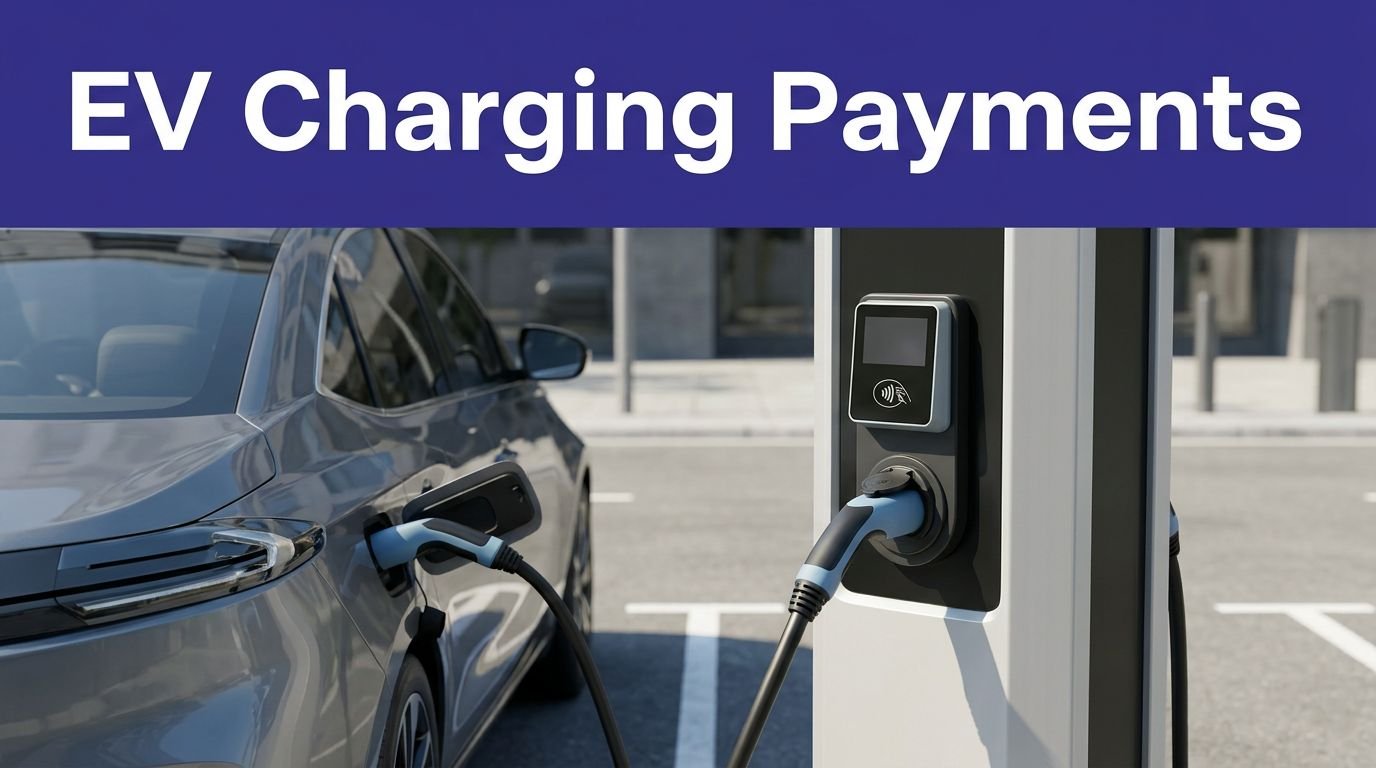
A home EV charger for old wiring can feel like a simple buy for your older home, but then the panel door opens and the whole mood changes. Outdated wiring, a small service panel, and not much spare power can turn a fast EV charger into the wrong charger for the residential property.
So before we shop by brand, price, or app features, we need to shop by what the residential property can handle. That’s how we keep charging safe, steady, and way less stressful.
Key Takeaways
- Get a licensed electrician evaluation first: Check your panel capacity, wiring condition, and available space before buying—older homes with 100-amp panels or knob-and-tube wiring need this to avoid fire hazards and costly upgrades.
- Choose a Level 2 charger with adjustable amps: Dial it down to 24-32 amps to fit tight panels, adding solid overnight range without stressing old wiring; top picks like Emporia Pro or ChargePoint Home Flex shine here.
- Prioritize smart features like load management: These automatically slow charging during high house loads (e.g., dryer or AC), helping skip panel upgrades and keep things safe and steady.
- Budget for full install costs and rebates: Expect $900-$5,500 total depending on wiring needs, but grab the 30C tax credit (up to $1,000) and local perks before June 2026.
- Safety over speed: Look for UL/ETL certifications, proper grounding, and hardwired installs if needed—ignore red flags like warm outlets or flickering lights.
Start by checking what your home wiring can handle
A charger is only as good as the panel behind it. If the house wiring is old, packed, or already working hard, we need that full picture first.
Older homes often have smaller service panels with limited electrical capacity, older circuit breakers, and wire runs that were never meant for an EV, including knob and tube wiring that poses fire hazards. That doesn’t mean home charging is off the table. It means we match the charger to the house, not the wish list.
Why a 100-amp panel changes the choice
A lot of older homes still have a 100-amp panel, compared to a modern 200-amp panel. That’s where charger speed can hit a wall.
EV charging counts as a steady load. In plain terms, we don’t want a charger pulling near the panel’s edge for hours. A 40-amp charger usually needs a 50-amp dedicated circuit. In a 100-amp home, that can leave too little room for the oven, dryer, AC, or water heater.
Think of it like an old suitcase. We can still pack it, but we can’t sit on it and force the zipper closed.
What a licensed electrician should check during the home evaluation
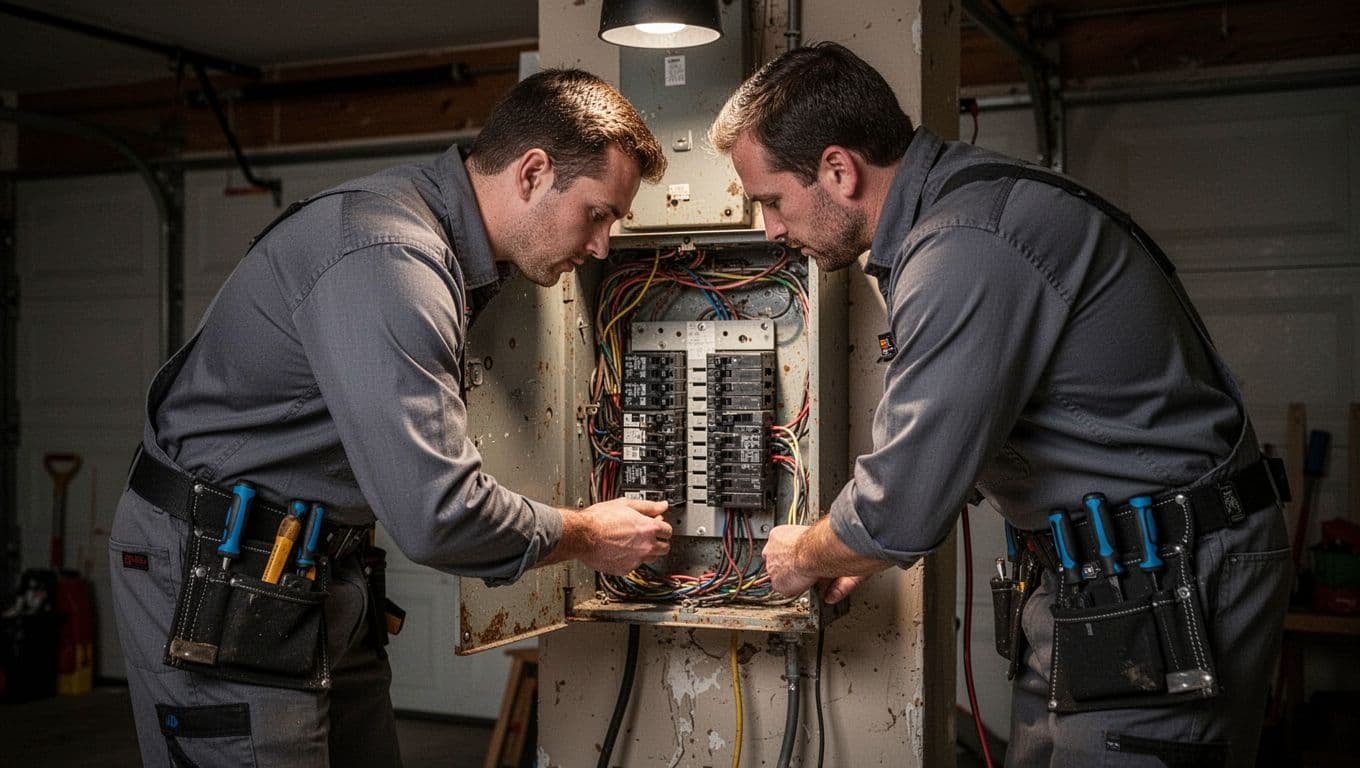
This part is not guesswork. A licensed electrician should check the electrical system’s capacity, panel space, circuit breaker size and condition, wire condition, grounding, and whether the home can take a new dedicated 240-volt circuit.
They should also look for heat marks, double-tapped circuit breakers, loose connections, and rust or age damage inside the panel, all potential fire hazards. If the panel is full, they may talk about a subpanel, load management device, or a full service upgrade.
> Fast charging sounds great. A safe panel matters more.
Pick a charger that fits the home, not just the car
Most of us don’t need the fastest EV charger sold online. We need one that adds enough range overnight without pushing old wiring too hard.
Why Level 2 chargers are the best middle ground
Level 1 charger uses a standard wall outlet. It’s slow, often adding only a few miles per hour. That can work for very light driving, but it drags if we drive much each day.
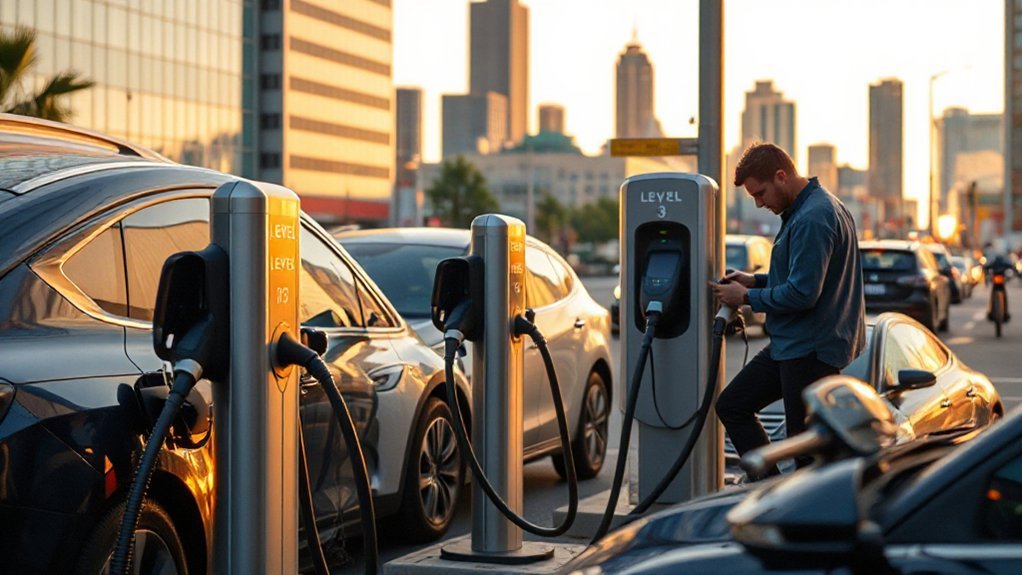
Level 2 charger is the sweet spot for most homes. It uses 240 volts for improved charging speed and can add enough charge overnight for daily use, even at lower amp settings. DC fast chargers are not a normal home option. They need far more power than most houses can give.
Why adjustable amps matter so much
This is where older homes get breathing room. A Level 2 charger with adjustable amps lets us dial the charge rate down to fit the house.
Starting at 24 to 32 amps often makes far more sense than jumping to 48 amps. That respects the 80 percent rule for continuous charging loads on old circuits. The slower setting still gives solid overnight charging, and it can save us from a panel upgrade. Good 2026 picks for homes with tight service include the Emporia Pro, ChargePoint Home Flex, and Tesla Universal Wall Connector because they can be set to lower output.
### Plug-in or hardwired, which works better here
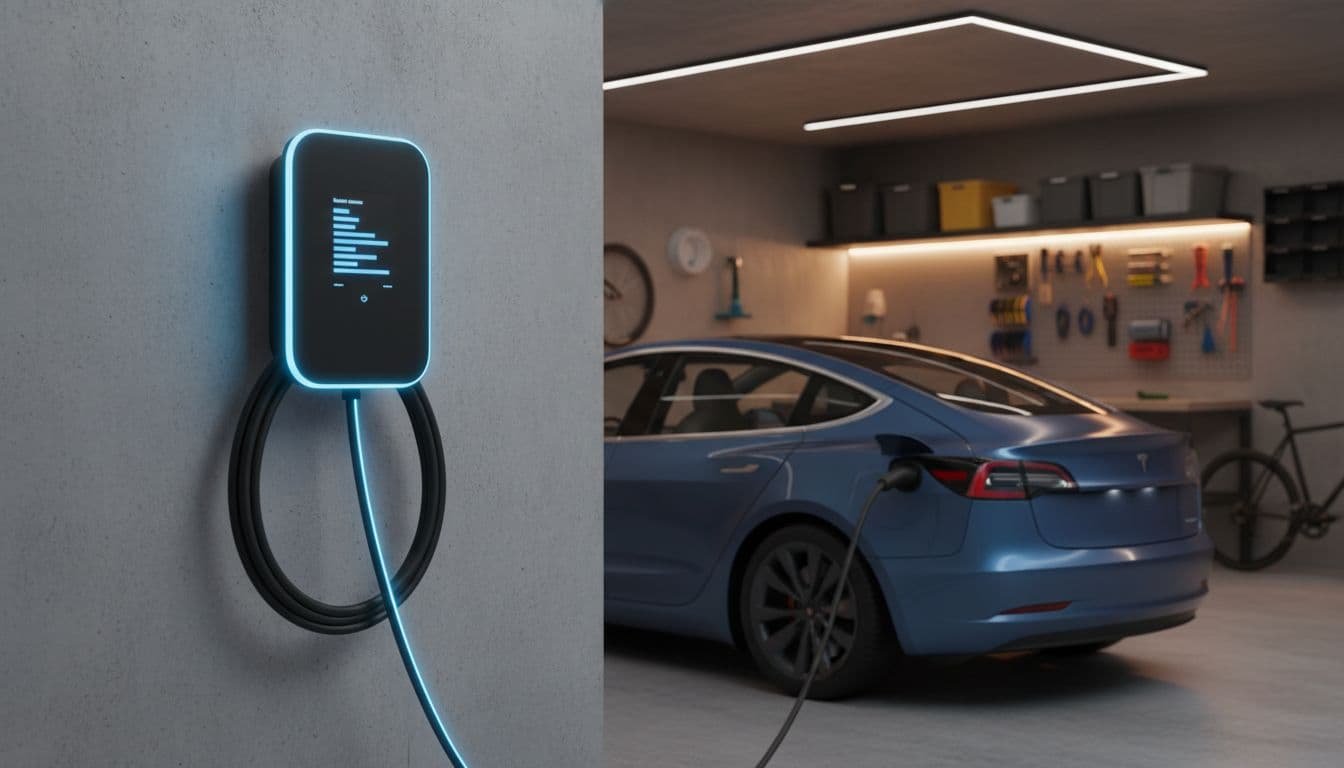
A plug-in EV charger can be easier if we already have the right 240-volt outlet. A NEMA 14-50 setup is common, but the outlet and breaker still need to match the load. Proper wire gauge is essential for safe installation.
Hardwired chargers are often the cleaner pick in older homes. There is no plug connection to heat up, and electricians can size the circuit for the exact charger setting. If the wiring is old or the install is outdoors, hardwired often feels like the safer call.
Look for smart features that protect old wiring
The flashy app stuff is not the point. The best smart features lower stress on the house.
Load management and power sharing

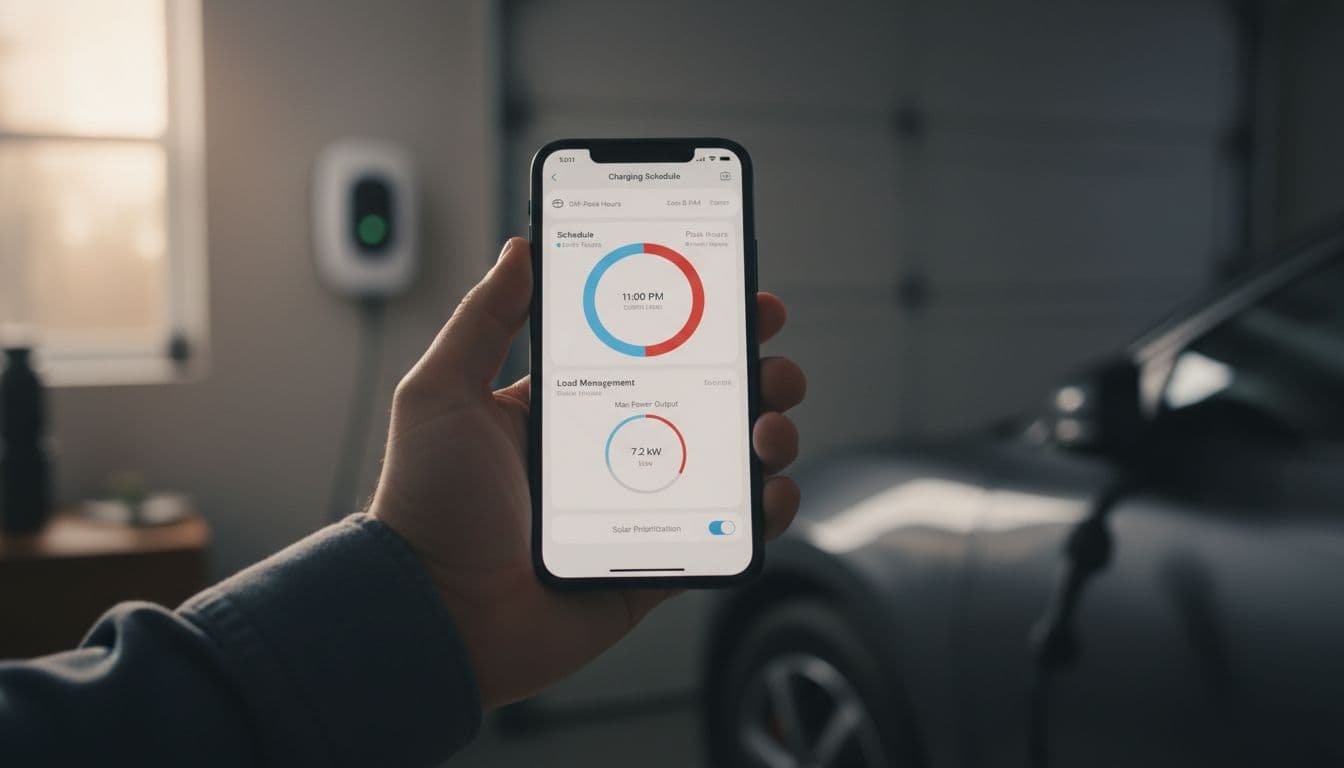
Load management lets the charger back off when the rest of the house needs power. So if the dryer, oven, and AC are all on, creating a high electrical load, the charger can slow down instead of pulling full power and tripping a breaker.
That can make a huge difference in an older home. In some cases, it can help us avoid a full panel upgrade.
Scheduling charging for off-peak hours
Scheduling is simple, but it helps. We can set charging for late night, when the house is quieter and rates may be lower.
That means less strain during busy evening hours, and sometimes a smaller power bill too.
## Compare the total cost, not just the charger price
The charger box is only part of the bill. Old wiring can add labor, permits to meet building regulations, and panel changes.
Here is a quick planning view for 2026:
| Setup | Typical total cost |
|---|---|
| Basic Level 2 EV charger install, no major panel work | $900 to $2,300 |
| Older home with 100-amp panel, common range | $2,500 to $5,500 |
| Load management add-on instead of full electrical panel upgrade | $1,500 to $3,000 |
| Full electrical panel upgrade alone | $1,300 to $4,500 |
The big cost jumps usually come from panel work, long wire runs, or outdoor installs.
What installation costs can look like with old wiring
A basic smart EV charger often costs $400 to $800. An electrician visit to check the house may cost $100 to $250. If the install is simple, labor, wire, breaker, permits, and building regulations compliance can land around $500 to $1,500.
If the home needs an electrical panel upgrade, the price climbs fast. That’s why it pays to get quotes before we buy the EV charger.
How rebates and tax credits can lower the bill
As of April 2026, the federal 30C tax credit still gives 30% of EV charger and install costs, up to $1,000. It ends June 30, 2026. The charger must be new, installed at a main home, and the home must be in an eligible census tract.
State and utility perks may stack on top, so we should check those before we spend a dollar.
Choose safety first, then speed
In an older house, slower can be smarter. A lower-amp Level 2 EV charger often gives all the charging we need without stressing the system.
Safety signs we should not ignore
Warm outlets, tripped breakers, dimming or flickering lights, buzzing at the panel, and cracked old equipment are all red flags. Check grounding too, as it is a critical safety feature in old systems. If we see any of that, the house may need rewiring after a pro review before charging starts.
Certifications and install details that matter
Buy a charger with a trusted safety mark that meets safety standards, such as UL or ETL. Use proper breaker protection, outdoor-rated gear if the charger sits outside, and pull permits to ensure code compliance with the National Electrical Code where local code calls for them.
A neat install matters too. Good cable routing, the right breaker size, and solid grounding are not extras.
Frequently Asked Questions
Do I need an electrician to check my home before installing an EV charger?
Yes, it’s the smartest first step for older homes. A pro will inspect panel capacity, breaker condition, wiring hazards like heat marks or double-taps, and if a new circuit or subpanel is needed. This keeps charging safe and avoids surprises that could trip breakers or spark fires.
What’s the best EV charger for a house with a 100-amp panel?
Go for a Level 2 charger with adjustable amps, set to 24-32A on a 40-50A circuit. Models like the Emporia Pro, ChargePoint Home Flex, or Tesla Universal Wall Connector fit without maxing out the panel, leaving room for appliances like the oven or dryer. Faster 48A pulls often demand upgrades.
Should I pick a plug-in or hardwired EV charger for old wiring?
Hardwired is often safer and cleaner in older homes—no plug to overheat, and the circuit can match exact needs. Plug-in works if you have a proper NEMA 14-50 outlet with right-gauge wire, but check with your electrician. Outdoors or with aged wiring, hardwired wins.
How can smart features help with old home wiring?
Load management automatically dials back charger power when the house load spikes (e.g., AC on), preventing trips. Scheduling for off-peak night hours reduces evening strain and cuts bills. These let many skip pricey panel upgrades.
What are typical costs and rebates for EV charger installs in older homes?
Basic installs run $900-$2,300, but old wiring often hits $2,500-$5,500 with panel work. The federal 30C credit covers 30% up to $1,000 (ends June 2026, check eligibility), plus state/utility rebates. Get multiple quotes to nail the total.
Final thoughts
The right EV charger for an older home is the one the house can support with no drama. That usually means a Level 2 charger with adjustable amps, set lower if the panel is tight.
In an older home with old wiring, the smartest move is simple. Get a home evaluation from a licensed electrician to check the panel first, then buy the Level 2 charger or EV charger that fits those real numbers, not the max speed on the box.