Finding a trusted electric car repair shop near you can feel weirdly high-stakes. You’re not looking for somebody to swap wiper blades and shrug. You’re looking for somebody who understands high-voltage systems, battery health, charging hardware, software faults, and the safety rules that come with all of it.
An EV is not a gas car with the engine missing. That’s the big thing. The right shop protects your safety, diagnoses the real problem, and keeps you from paying for parts your car never needed. So let’s make this simple, seven smart checks, no guessing, no crossed fingers.
Check the shop’s EV training and certifications
Smart check 1 is training. If a shop works on electric vehicles, it should be able to say what EV training its technicians have completed. General repair experience helps, sure. But it doesn’t replace training on battery packs, inverters, onboard chargers, isolation faults, and high-voltage shutdown procedures.
A serious EV shop should know the difference between low-voltage accessory issues and high-voltage propulsion faults. It should also use proper personal protective equipment, insulated tools, and documented service steps. That’s not overkill. That’s normal. OSHA electrical safety rules, NFPA 70E workplace electrical safety practices, and automaker service procedures all point in the same direction: high-voltage work is trained work.
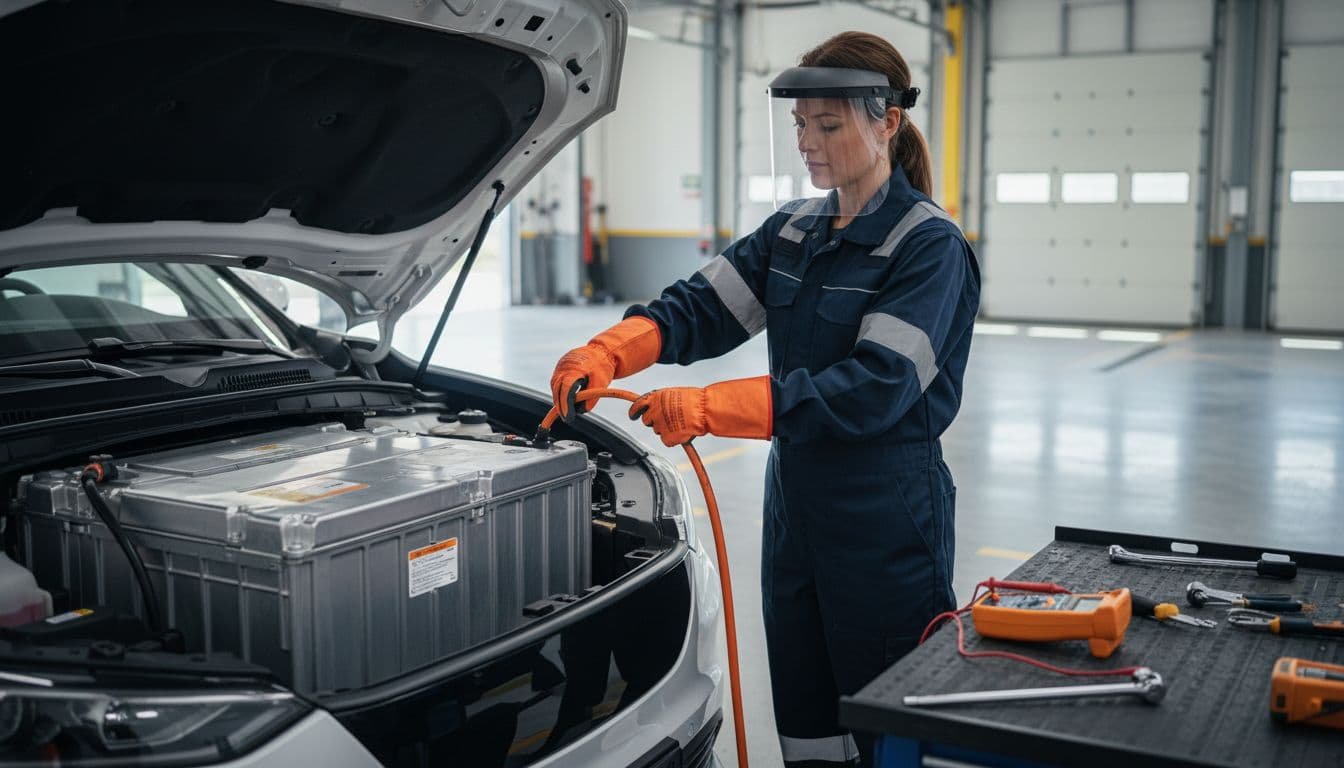
You don’t need a wall full of framed certificates like it’s a law office from 1997. You do need clear answers. Ask if the technicians have completed EV safety courses, brand training, or battery-system education through an automaker, a technical college, or a recognized training provider. If the answer is mushy, that’s information.
Look for proof they work on your EV brand or model
Smart check 2 is model experience. Not every EV platform behaves the same way. A charging fault on one model might trace back to the charge port lock. On another, it could be the onboard charger, a battery-management alert, or a software issue that needs a factory-level reset.
Ask a direct question: “Have you worked on this make, this battery type, or this platform before?” If they have, they should be able to describe common issues in plain English. Not trade secrets. Just normal, grounded answers.
This matters even more for battery-related warnings and communication faults. The shop doesn’t need to live and breathe one brand only. It does need some track record with your kind of vehicle.
Ask how they handle high-voltage safety
Smart check 3 is safety procedure. A trusted shop should explain its safety steps without acting insulted. If you ask how they disable high voltage, store damaged components, or protect technicians during diagnosis, that is not you being difficult. That is you being awake.
Listen for terms like lockout and tagout, voltage verification, insulated gloves, face shields, and restricted work areas. NHTSA guidance after EV crashes also makes one point clear: damaged battery systems need careful handling because thermal events can happen after impact.
If a shop can’t explain how it makes the car safe before repair, it hasn’t earned access to the car.
Make sure they can diagnose EV problems the right way
Smart check 4 is diagnostics. EV problems love to hide. The dash says one thing, the root cause is somewhere else, and now everybody’s staring at a warning light like it owes them money.
Good EV diagnosis is not guesswork. It usually involves scan tools, fault-code analysis, live data, service bulletins, battery and charging tests, and a step-by-step process that rules things out before parts come off the shelf. The U.S. Department of Energy’s Alternative Fuels Data Center notes that EVs use both high-voltage systems and a separate 12-volt battery, so the shop needs to understand how those systems interact.
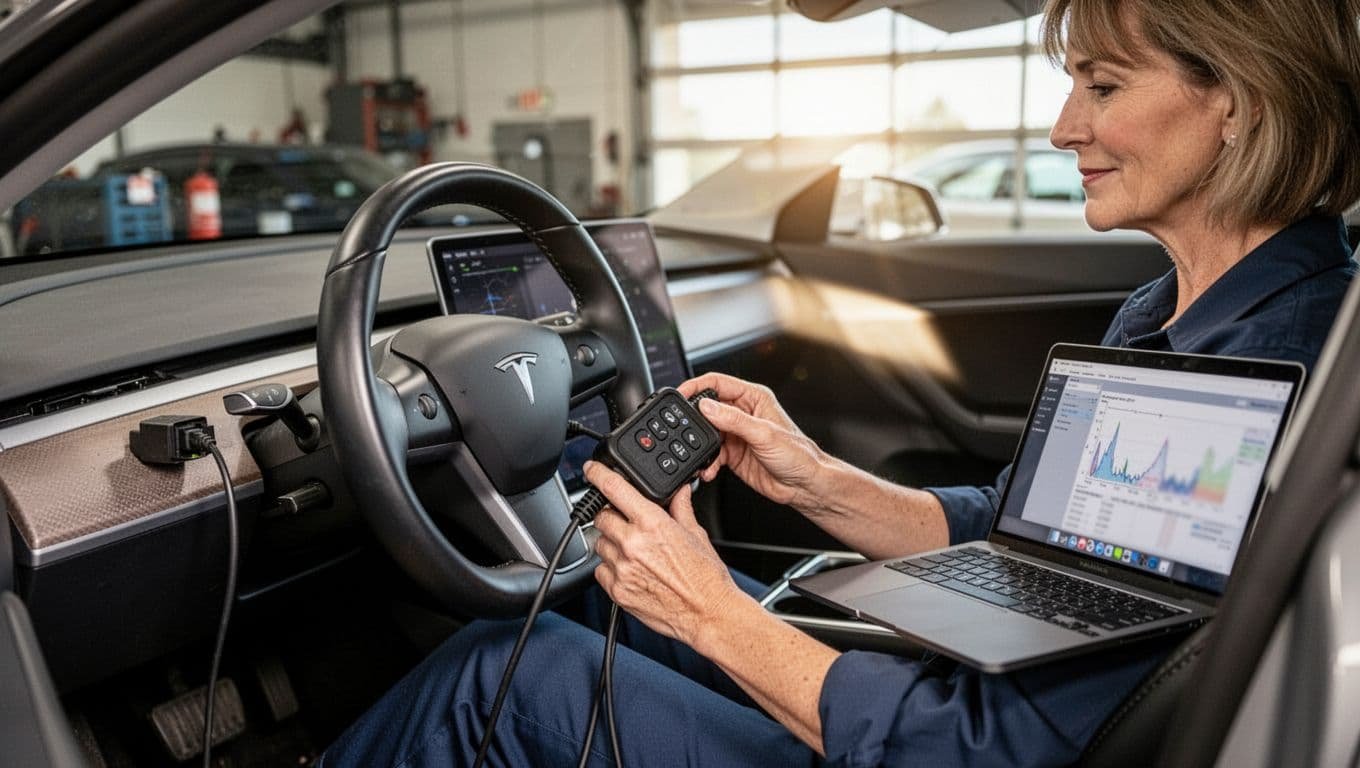
A good shop should be able to tell you what it thinks is happening, what tests will confirm it, and what it still doesn’t know yet. That last part matters. Honest shops don’t fake certainty.
Ask what tools and software they use for testing
Scan tools matter. So does access to manufacturer service information. Ask whether they can read EV-specific modules, check battery-management data, test charging performance, and confirm whether a software update or calibration is part of the fix.
You don’t need a lecture full of abbreviations. You want proof that the shop can see beyond a generic code reader. Battery-health testing, charging-system checks, thermal-management diagnosis, and communication-network scans are all part of modern EV work.
If the answer is, “We usually start by replacing the obvious part,” that’s not diagnostics. That’s darts.
Watch for shops that skip testing and go straight to repairs
Smart check 5 is avoiding the parts-cannon approach. Every car owner knows this movie. First they replace one part. Then another. Then the same warning comes back, now with extra billing.
EVs make this more expensive because major components are costly and some issues are software or wiring related, not failed hardware. A trustworthy shop shows its reasoning. It might say, “We found this code, confirmed this voltage reading, and this test failed.” Great. That’s a chain of logic.
Guessing is expensive. Testing is cheaper than replacing the wrong charger, module, or battery sensor.
Review the shop’s repair services, pricing, and warranty terms

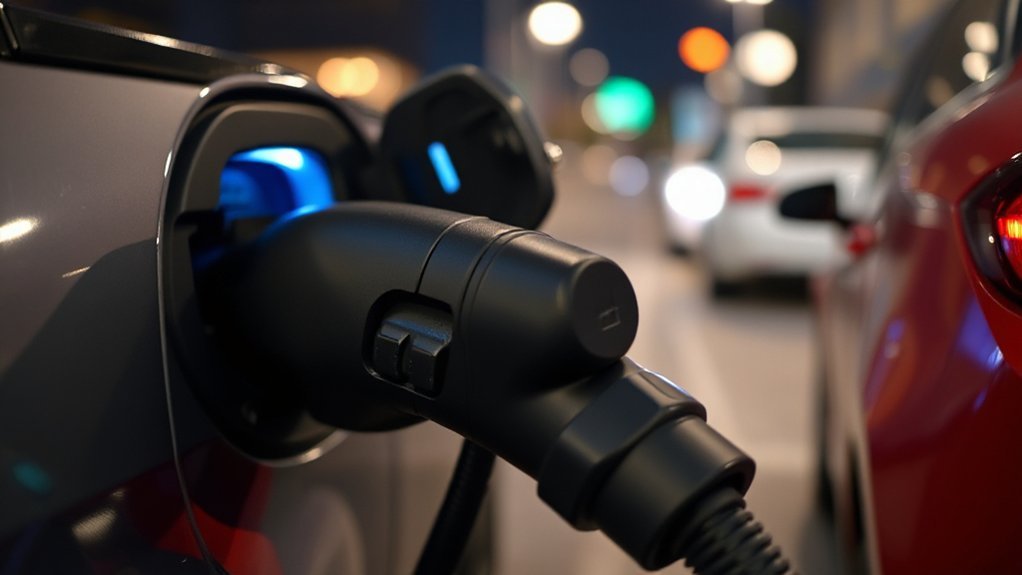

Now you want the business side to make sense. Not slick. Not magical. Just clear.
A solid EV repair shop should tell you what kinds of work it handles in-house. Common jobs include charge-port repair, 12-volt battery replacement, brake service, cooling-system work for battery and power electronics, suspension, tires, and some software-related fixes. Brakes still matter on EVs, by the way. Regenerative braking reduces wear, but corrosion, stuck calipers, and brake-fluid service don’t disappear because the car is futuristic.
Written estimates matter too. So does labor detail. If a shop can’t tell you what diagnostics cost, what parts are included, and what happens if the first repair plan changes, the bill can get weird fast.
Compare estimates, but do not choose only by price
A suspiciously cheap estimate can hide missing parts, weak testing, reused hardware, or no time for proper diagnosis. Compare what you’re getting, not only the total.
This quick table shows what to compare before you approve the work.
| What to compare | Good sign | Red flag |
|---|---|---|
| Diagnostic line item | Testing is listed clearly | No mention of testing |
| Parts detail | Part type and source are named | Vague “repair kit” wording |
| Labor notes | Time and repair scope are explained | Flat quote with no breakdown |
The cheapest number can become the most expensive visit if the shop is guessing.
Read the warranty details before saying yes
Warranty terms are where trust gets real. Ask what is covered on parts, labor, and any EV-specific repair work. If the shop replaces a charge-port assembly or cooling component, what happens if the same fault returns next month? Is re-inspection covered? Are diagnostic fees waived on a comeback tied to the same repair?
Read the wording. Some warranties cover parts only. Some cover labor too. Battery-pack work may have different limits, and that’s fair if the shop explains why. You want the terms in writing before the repair, not during the awkward phone call after.
Use online reviews, local reputation, and service transparency to narrow your list
Smart check 6 is reputation. Reviews aren’t perfect. Some people leave one star because the waiting room coffee was bad. Still, patterns matter.
Look for consistent praise about honesty, communication, and follow-through. A shop with thoughtful responses to complaints often tells you more than a wall of generic five-star reviews. You’re looking for signs of adult behavior. Did they explain the issue? Did they give updates? Did they own mistakes?
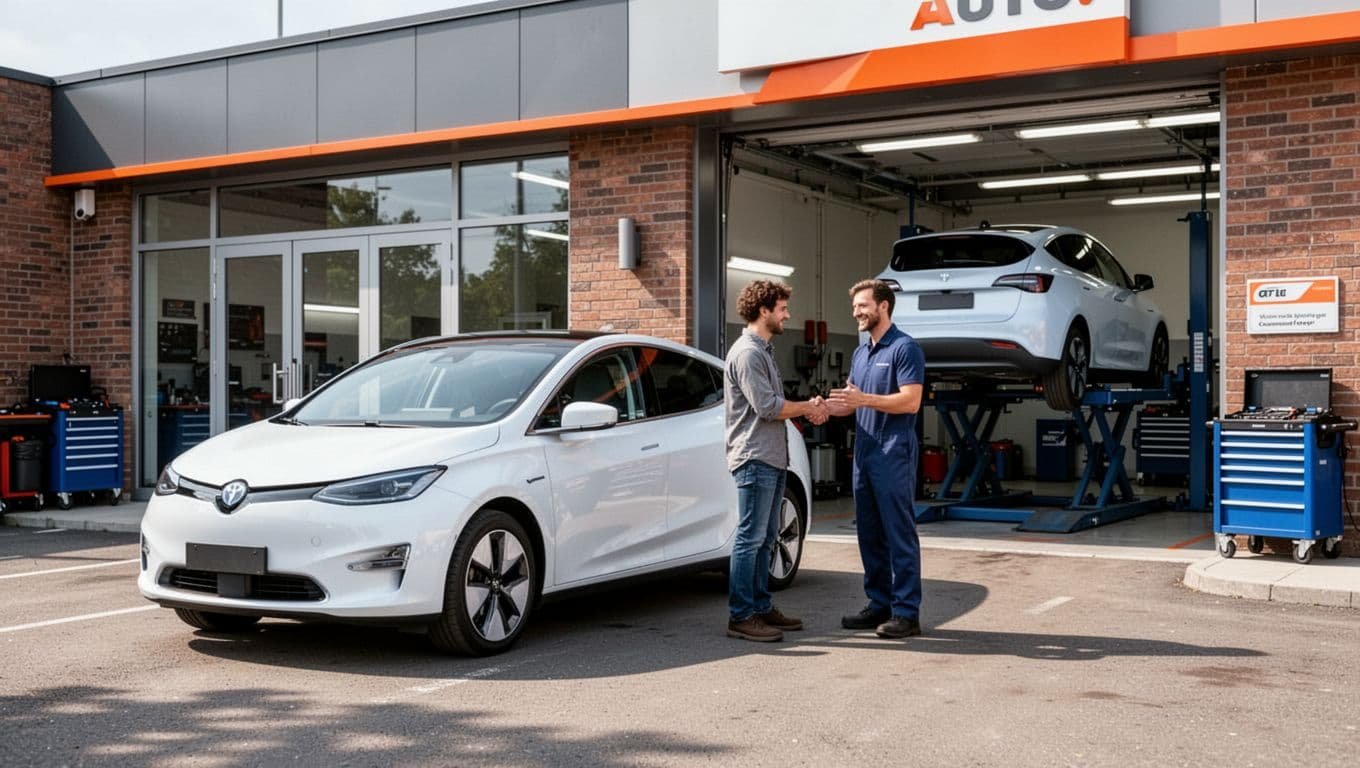
A credible shop also looks real online. Clear contact info, business hours, a physical address, service pages, and actual photos all help. Mystery is fun in movies. Not in auto repair.
Look for repeated praise about honesty and communication
Star ratings can fool you. Read the words. Do people mention fair estimates, plain-language explanations, and updates that arrived when promised? That’s the good stuff.
If multiple reviewers say the shop explained options instead of pushing the most expensive repair, pay attention. If several people mention surprise charges or radio silence, pay attention to that too. Repetition is the clue.
Check whether the shop shares EV repair details openly
Transparent shops tend to say what they repair, how they diagnose problems, and what they don’t handle. That’s a good sign. No shop can do everything, and pretending otherwise is how messy repairs start.
If the website mentions EV battery cooling, charge-port issues, software diagnostics, or high-voltage safety procedures, that’s helpful. If it says only “we fix all cars” and leaves it there, you still have homework to do.
Choose a shop that makes EV ownership easier after the repair
Smart check 7 is support after the wrenching stops. The best shop isn’t only nearby. It’s organized, responsive, and not chaotic for sport.
Ask how long the repair may take, whether towing support is available, and how updates are handled. EV parts can take longer to source than common gas-car items, especially for charging components or model-specific modules. That doesn’t mean the shop is bad. It means the shop should be honest about timing.
Ask how long the repair may take and what happens if parts are delayed
A solid answer sounds like a plan. “Diagnosis today, estimate tomorrow, updates every two days if we’re waiting on parts.” Perfect. Adult words. Useful words.
A bad answer sounds like fog. “We’ll see.” That is not a timeline. That’s a shrug wearing work boots.
See whether they offer help beyond the repair itself
The best experience includes a little follow-through. Maybe they check charging behavior after the repair. Maybe they explain whether your 12-volt battery tested weak. Maybe they remind you about brake service intervals, tire wear, or battery-cooling maintenance.
That kind of support matters because EV ownership isn’t only about fixing one fault. It’s about keeping the whole system healthy, safe, and predictable.
Final thoughts
A good EV repair shop should pass seven simple tests: training, model experience, safety procedure, real diagnostics, clear pricing, honest reputation, and practical support after the repair. If one of those pieces is missing, the whole experience gets shakier.
When you search for an electric car repair shop near you, don’t settle for “close enough.” Ask the smart questions. A few solid answers can save time, money, and stress, and they can protect the thing that matters most, your safety.
This post may contain affiliate links. If you make a purchase through these links, I may earn a small commission at no extra cost to you.