The annoying part about EV charging problems is that your electric vehicle usually isn’t the issue. It’s the charger, the price, the plug, the app, the building rules, or all four at once, because apparently one headache wasn’t enough.
EV charging has improved a lot, and U.S. Department of Energy data shows the charging infrastructure for public networks is getting more reliable, but drivers still run into the same real-world mess: broken stalls, slow charging speeds, high per-kWh prices, connector confusion between NACS, CCS, and J1772, and apartment setups that make home charging a bureaucratic hobby. J.D. Power’s recent charging studies keep pointing to the same thing too, people want public charging stations that work without a scavenger hunt.
Road trips make it worse, because a charger that looks fine on the app can still be out of service, occupied, or slower than promised. So if you’ve ever plugged in and thought, “This was supposed to be simple,” you’re in the right place, because the next section breaks down what’s actually going wrong and what you can do about it.
Key Takeaways
- Home charging wins on reliability and cost if your setup allows it—plug in overnight, wake up full, and skip the public chaos—but apartments, electrical panels, and weather can turn it into a project.
- Public charging is the real headache: uneven availability, broken stalls, slow speeds, compatibility confusion (NACS vs. CCS), high prices, and apps that demand your life story before a single kWh.
- Costs sting more in public due to demand charges and overhead ($0.45-$0.60/kWh vs. $0.12-$0.19 at home), plus session fees and idle penalties that make every stop feel like a gamble.
- Improvements are real but slow: networks boosting uptime, NACS standardizing plugs, govt funding like NEVI building corridors, and smarter grid tech—yet drivers still plan around the gaps.
What people really mean when they talk about the EV charging problem
When people complain about the EV charging problem, they are usually not talking about one single thing. They mean the whole circus, the charger type, the price, the location, the waiting, the app that wants your email, and the stall that somehow looks fine until it isn’t.
That matters, because charging is not one experience. Home charging and public charging are two very different animals, and the headache changes depending on where you live, how you drive, and whether your car sleeps in a driveway or a parking lot with a hostile landlord.
The difference between home charging and public charging
Addressing EV charging problems: Home vs. Public
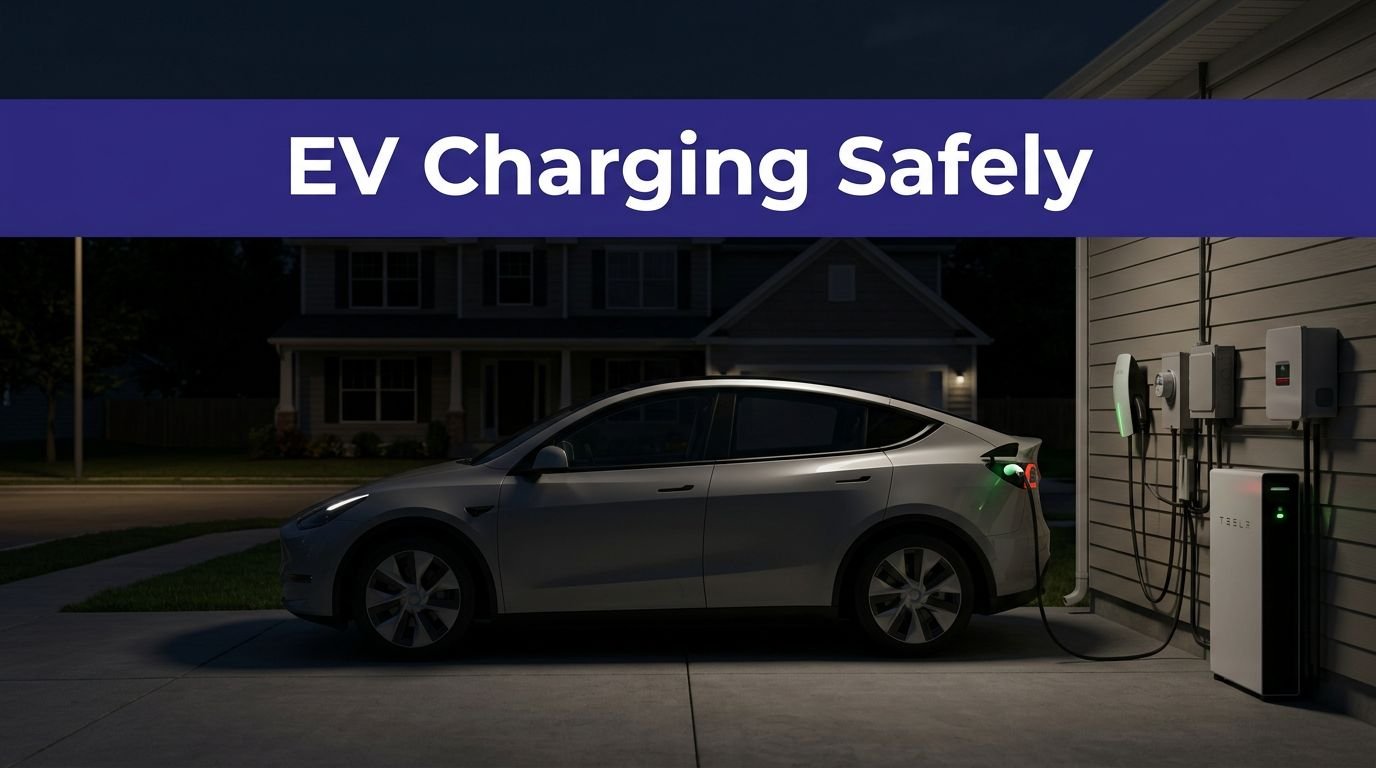
Home charging is usually the easy part. You plug your home charger in at night, the car charges while you sleep, and you wake up with a full battery and zero drama. That’s why a lot of EV owners treat home charging like indoor plumbing. You don’t think about it until it stops working.
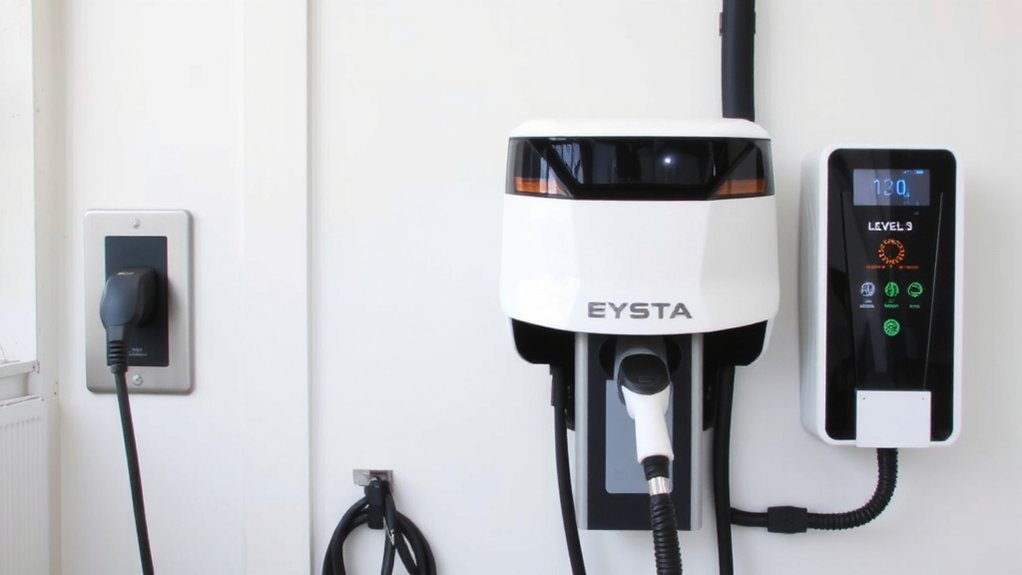
There are three common charging levels, and the names matter less than the speed:
- Level 1 charger uses a regular household outlet. It is the slowest option, but it works for people who drive short distances and don’t need to refill fast.
- Level 2 charger uses a 240-volt setup, like what many homes use for larger appliances. This is the sweet spot for most drivers, because it is faster and still predictable.
- DC fast charger is the road-trip option. It sends a lot more power to the battery in a short time, which is great when you’re trying to get back on the highway and stop living in a parking lot for 40 minutes.
At home, the variables are limited. The charger is yours. The cable is yours. The space is yours. Public charging adds a whole extra layer of nonsense, because now you’re dealing with public chargers, station uptime, payment systems, connector compatibility, peak-hour congestion, and whether the stall is blocked by a car, a cone, or pure bad luck. This is the core of common EV charging problems.
J.D. Power’s home vs. public charging breakdown makes this pretty clear, home charging tends to win on convenience because it is available when you need it. Public charging has improved, but it still asks the driver to do more work.
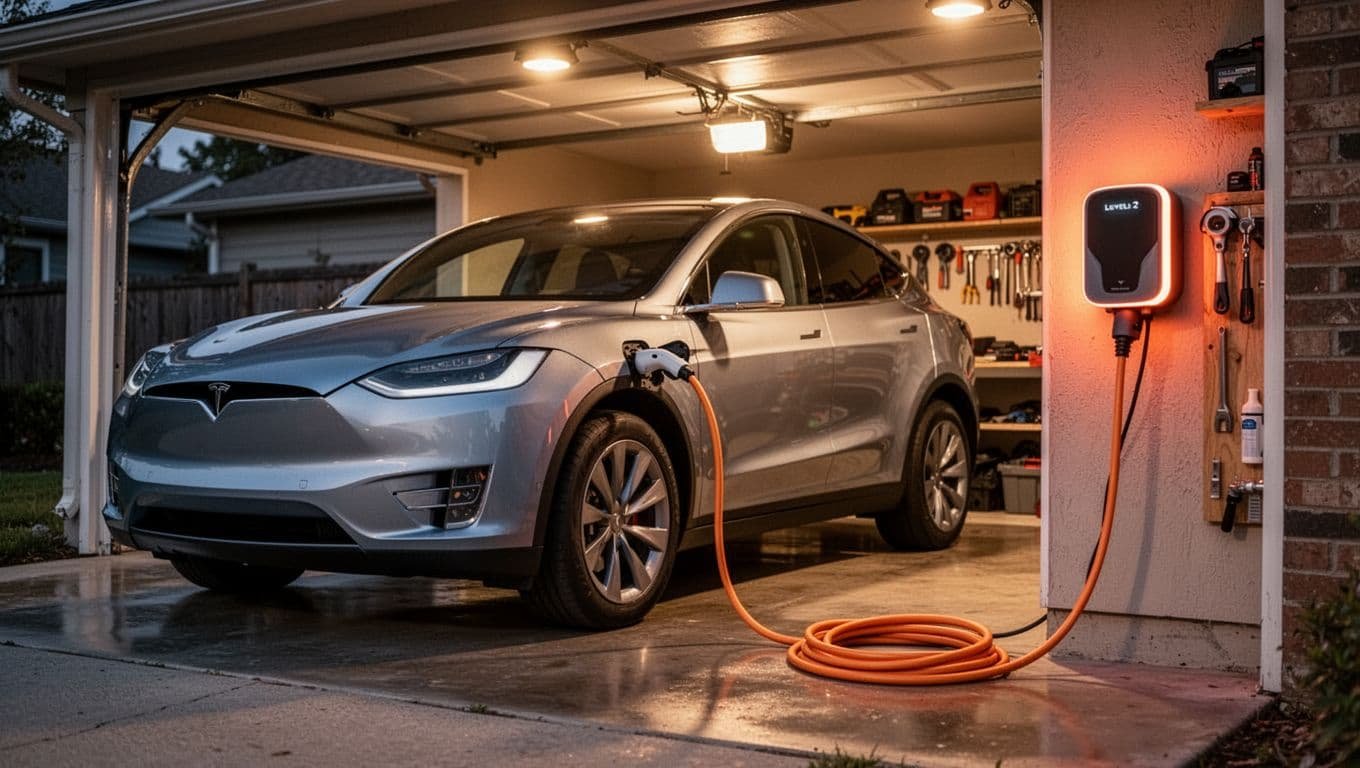
> Home charging is a habit. Public charging is a plan.
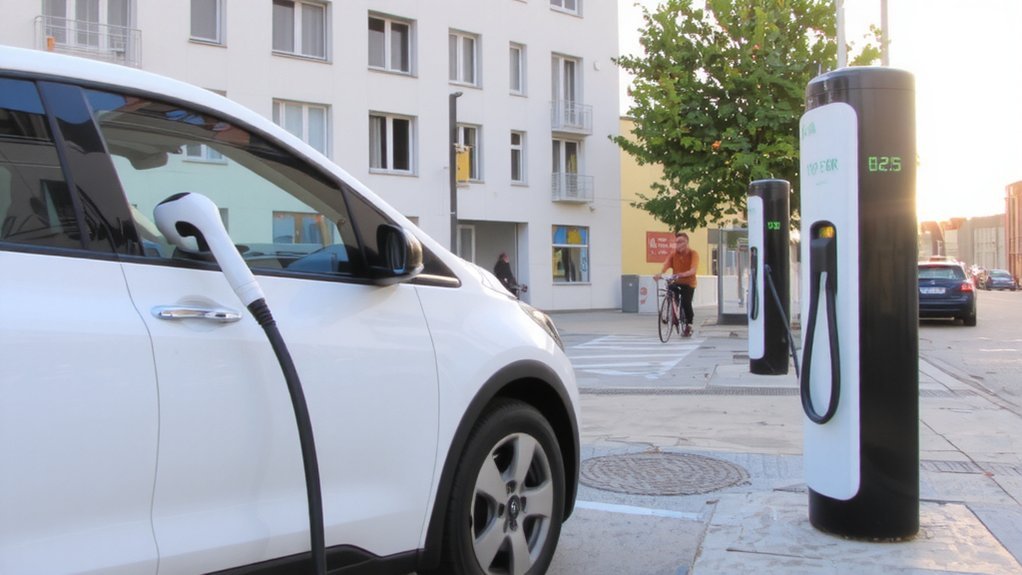
Where you live changes the whole story. If you have a garage or a driveway, home charging can be boring in the best possible way. If you live in an apartment, condo, or dense city neighborhood, public charging becomes part of electric vehicle ownership whether you like it or not. That is where the pain starts to feel less like a minor inconvenience and more like a tax on your time. For road trippers, public charging is not optional, it’s the whole strategy. And if you are relying on DC fast chargers, you need more than a plug. You need uptime, decent pricing, and enough stations along the route to make the trip feel real instead of theoretical. That is why driver trust gets dented so fast when one bad stop turns into a 30-minute detour caused by typical EV charging problems.
Why this issue affects more than just convenience
This is where the EV charging problem gets bigger than “I had to wait.” Charging pain affects the whole buying decision. If a shopper thinks charging is a mess, they may pass on an electric vehicle even if they like everything else about it. That’s not a tech problem. That’s a trust problem.
It also changes how people plan their lives. A road trip in a gas car is basically math and coffee. A road trip in an EV can turn into route planning, backup chargers, charging speeds, and checking whether a station is actually working before you leave the hotel. Nobody wants their vacation to feel like a logistics meeting.
The same thing hits apartment dwellers hard. If you can’t charge at home, EV ownership stops feeling simple and starts feeling conditional. You can make it work, sure, but now you’re building your day around charger access instead of just parking and plugging in.
Fleet operators feel it too. Delivery vans, service trucks, and company cars need predictable refueling. When charging is unreliable, it creates scheduling problems, extra labor, and downtime nobody budgeted for. That is why charging infrastructure is not just a consumer issue, it’s a business issue with wheels.
Public trust takes the biggest hit of all. One broken charger can do more damage than a hundred good trips, because people remember the stall that failed, the app that crashed, or the station that looked open and wasn’t. Repeated enough times, that kind of experience slows adoption even when the vehicles themselves are perfectly fine.
The U.S. charging network is improving, and public fast charging is more reliable than it used to be. But the user experience still varies by operator, location, and charger type, which is why the phrase “EV charging problem” keeps hanging around like an uninvited guest. For a wider view on the adoption side, J.D. Power’s public charging study shows how reliability and payment friction still shape driver satisfaction.
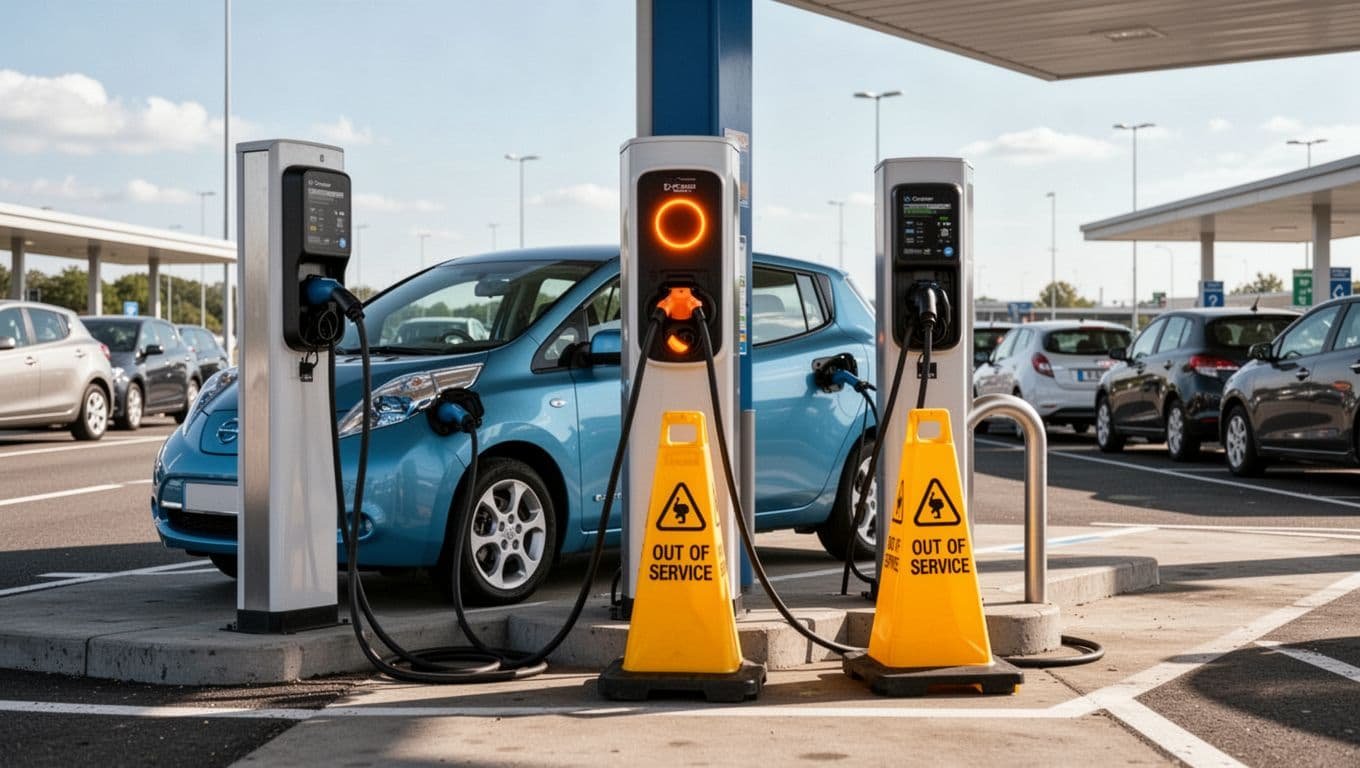
The short version is simple. When people talk about EV charging problems, they are usually talking about unpredictability. Home charging is calm, public charging is a gamble, and the gap between the two is where most of the frustration lives.
Why public charging is still the biggest pain point for many drivers
Public charging has improved, but it still feels like the part of EV ownership that asks for a little too much patience. You can have a good car, a good route, and a good plan, then one bad station turns the whole thing into a parking-lot sitcom.
That is why public charging stays at the center of so many complaints. It is not just about finding a plug. It is about finding the right plug, at the right time, with the right power, in a place that does not make you feel like you lost a bet.
Why charger availability is uneven across the country
The biggest issue is simple, some drivers have chargers everywhere, and some have to treat them like rare wildlife. In dense metro areas, public stations are easier to find because demand is higher and more people rely on them. In rural areas, the math is uglier, creating charging deserts. Fewer EVs mean less frequent use, which makes it harder for private operators to justify building more stations, so the gap stays open.
That divide matters because the national numbers can look healthy while the lived experience still feels scarce. The U.S. Department of Energy’s Alternative Fuels Data Center tracks charging growth, and the network keeps expanding, but the coverage is not spread evenly. A driver in a city might have multiple options within a few miles, while a driver in a small town may need to plan around one or two stops due to limited station availability, maybe with a backup, just in case the first one is out of order. DOE charging infrastructure data shows the growth, but it also shows how lopsided that growth still is.
Plenty on the map does not always mean plenty where you actually drive.
That is where the feeling of scarcity comes from. Not from one broken charger. From the fact that the next charger might be 40 miles away, and the one after that is a prayer and a coffee stop. These gaps fuel charge anxiety (the fear of broken equipment and unreliable stations), distinct from range anxiety over battery depletion. The OSTI study on national charging coverage gaps points to the same basic problem, highway coverage helps, but rural counties are still the hardest to cover.
How long waits and slow charging can ruin a trip
Nothing ruins the mood faster than pulling up to a charger and finding a line, a dead screen, or a unit that charges like it got its paycheck cut. On paper, DC fast charging sounds like the easy answer. In real life, the stop can still stretch out because the station is busy, the charger is shared, or the hardware delivers disappointing charging speed.
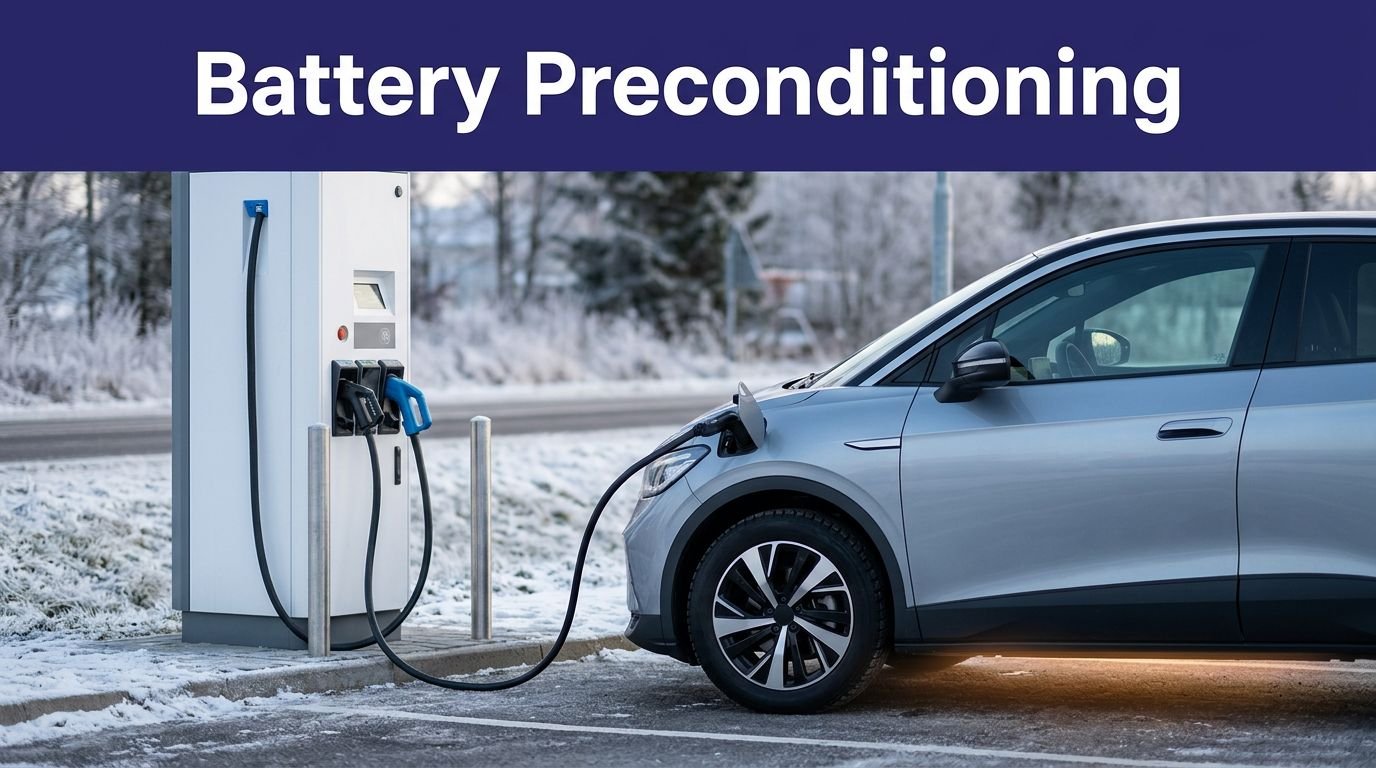
Actual charging speed depends on a bunch of things that do not care about your schedule. Battery level, charger power, the car’s own limits, and even the weather all affect how fast the session goes. A cold battery can charge slower. A nearly full battery charges slower. A lower-power stall charges slower. So that “up to 250 kW” promise on the screen can turn into a very different number once the session starts.
That gap between promised speed and actual speed is where frustration builds. Drivers plan around time, not theory. If the station is full, or one stall is broken, the whole stop becomes a wait-and-see event. J.D. Power’s 2025 public charging study also shows that reliability has improved, but satisfaction is still dragged down by payment issues, cost confusion, and sessions that do not go smoothly.
For road trips, that is the killer. A gas stop is usually a quick in-and-out. Public charging can feel like, “Cool, I’ll be here for a bit, hope the station likes me.” That is not exactly the kind of confidence-building experience people want on the way to a vacation.
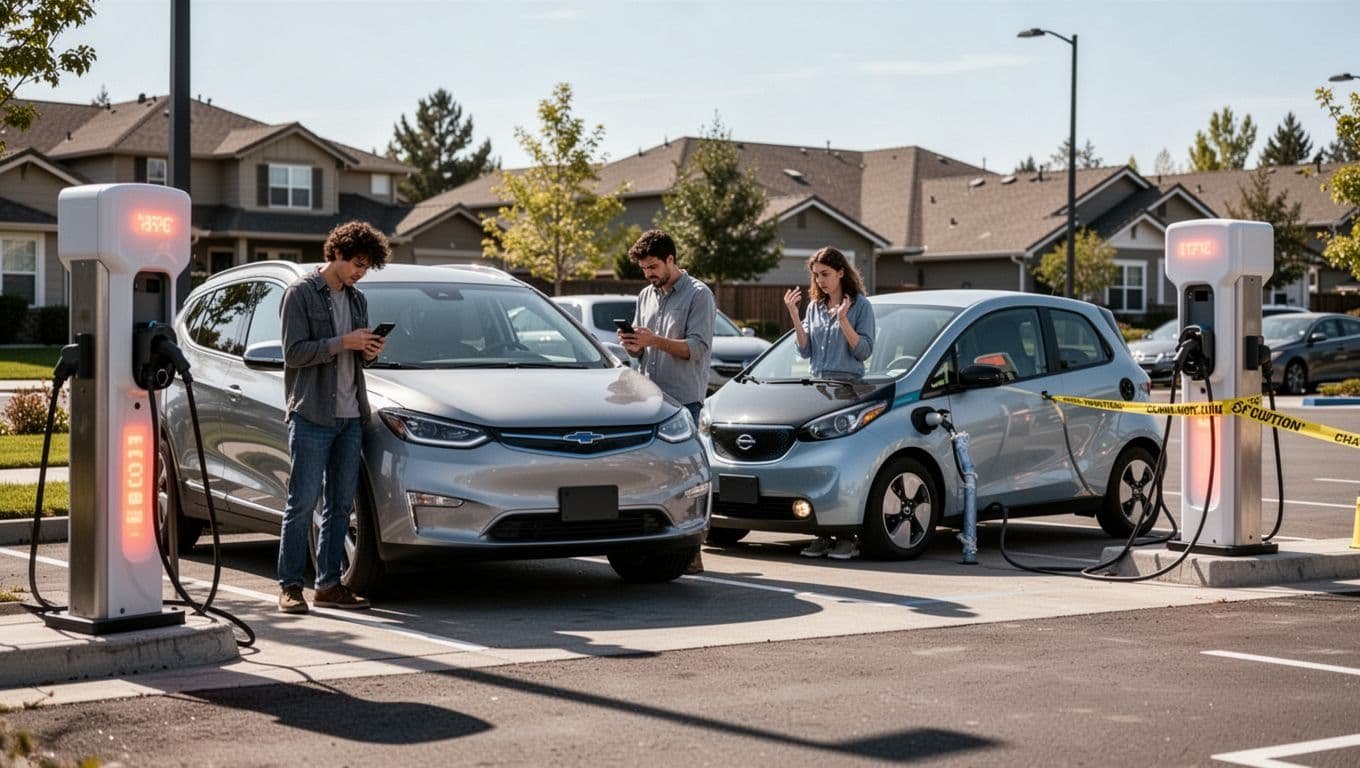
### The hidden frustrations drivers talk about most
The technical problems get the headlines, but the everyday annoyances are what people remember. A charger can work fine and still feel awful if the space around it is a mess. Poor lighting makes the whole stop feel sketchy. No canopy means rain, snow, or brutal heat while you wait. A weird parking layout can turn a simple plug-in into a three-point turn with extra embarrassment.
And then there is the cable situation. Long cables are helpful, short cables are annoying, and awkward stall placement makes both worse. If you’ve ever had to stretch across a curb, back into a narrow spot, or stand in a puddle while wrestling the handle, you already know the problem. The charger may be fine. The setup is doing the most, and not in a good way.
A lot of stations also come with weak amenities, which matters more than people admit. If you’re stuck for 25 minutes, you notice the broken vending machine, the missing restroom, the empty lot, and the fact that there is nowhere to sit except your own trunk. Some drivers can shrug that off once or twice. Nobody wants it to become part of every trip.
The most common complaints usually sound practical, because they are:
- Bad lighting at public charging stations makes night charging feel uncomfortable and sometimes unsafe.
- No shelter leaves drivers exposed to rain, heat, or snow.
- Confusing parking layouts waste time and make entry and exit harder than they should be.
- Awkward cable handling at public chargers turns a simple charge into a small wrestling match.
- Thin station amenities leave people waiting with nothing useful nearby.
That is the part people forget when they talk only about port counts and kilowatts. Drivers are not just plugging in a machine. They are standing in a place, at a time, with weather, traffic, and fatigue in the mix. If the station feels like an afterthought, the whole charging experience feels like one too.
For EV owners, that is the real pain point. Public charging is not usually one dramatic failure. It is a stack of small annoyances that keep showing up, and then show up again, until the whole thing feels harder than it should.
What makes EV charging expensive in the real world
A lot of EV charging sticker shock comes from the same place as every other bill you hate, the real world is messy. The electricity itself is only part of the cost. The rest is infrastructure, time, demand, payment systems, and a business model that has to keep the lights on whether one driver shows up or fifty do.
That is why charging can feel cheap at home and weirdly pricey in public. The numbers change fast once you leave the garage and start paying for convenience, speed, and someone else’s equipment.
Why home charging usually saves the most money
Home charging is usually the cheapest option because it uses residential electricity rates, which are lower than public charging prices in most places. If your utility offers off-peak or time-of-use pricing, overnight charging can get even cheaper, since the car is sipping power while everybody else is asleep and the grid is less crowded. That is the whole trick, charge when demand is low, pay less, wake up with a full battery.
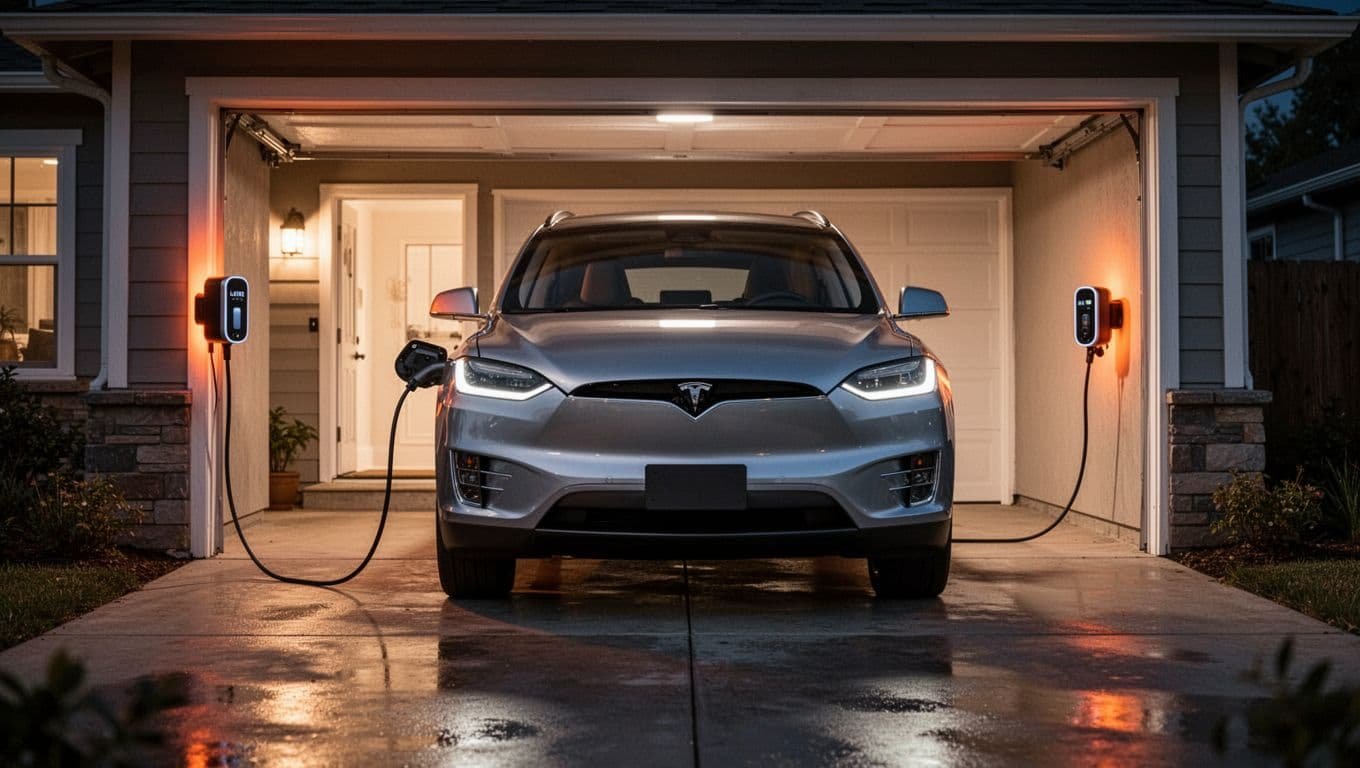
The comfort part matters too. Home charging means you start each day with a full battery, no detours, no app refreshes, no wondering if stall 3B is alive or just pretending. That kind of predictability saves money in the same way a good pair of work boots saves money, fewer surprises, fewer mistakes, fewer emergency fixes.
There is an upfront cost if you install a Level 2 charger or upgrade electrical service. Depending on your home setup, that can mean equipment, labor, permits, or panel work. But for many drivers, the investment pays off over time because the charging cost per mile stays low and the routine becomes almost invisible. J.D. Power has also pointed out that home charging remains the most convenient option for EV owners, which is exactly why so many people stick with it: J.D. Power on home vs. public charging.
Home charging is boring in the best way. That is what makes it cheap.
Why fast charging costs more than most drivers expect
Fast charging costs more because the station operator is paying for a lot more than electricity. These sites need expensive charging equipment, high-capacity grid connections, ongoing software and network support, and regular maintenance. They also have to cover real estate, because a charger sitting in a high-traffic retail lot is not free just because it looks like a parking space with a cable.
Demand charges are a big reason the price jumps. Utilities often bill commercial customers based on peak power draw, not just total energy used, so fast charging that pulls a huge burst of electricity can create a heavy monthly bill even if it is not used all day. The U.S. Department of Energy notes that DC fast charging is more likely to trigger demand charges than Level 1 or Level 2 equipment, which is one reason public fast charging often costs much more per kWh than home charging. See the DOE’s Operation and Maintenance for EV Charging Equipment.
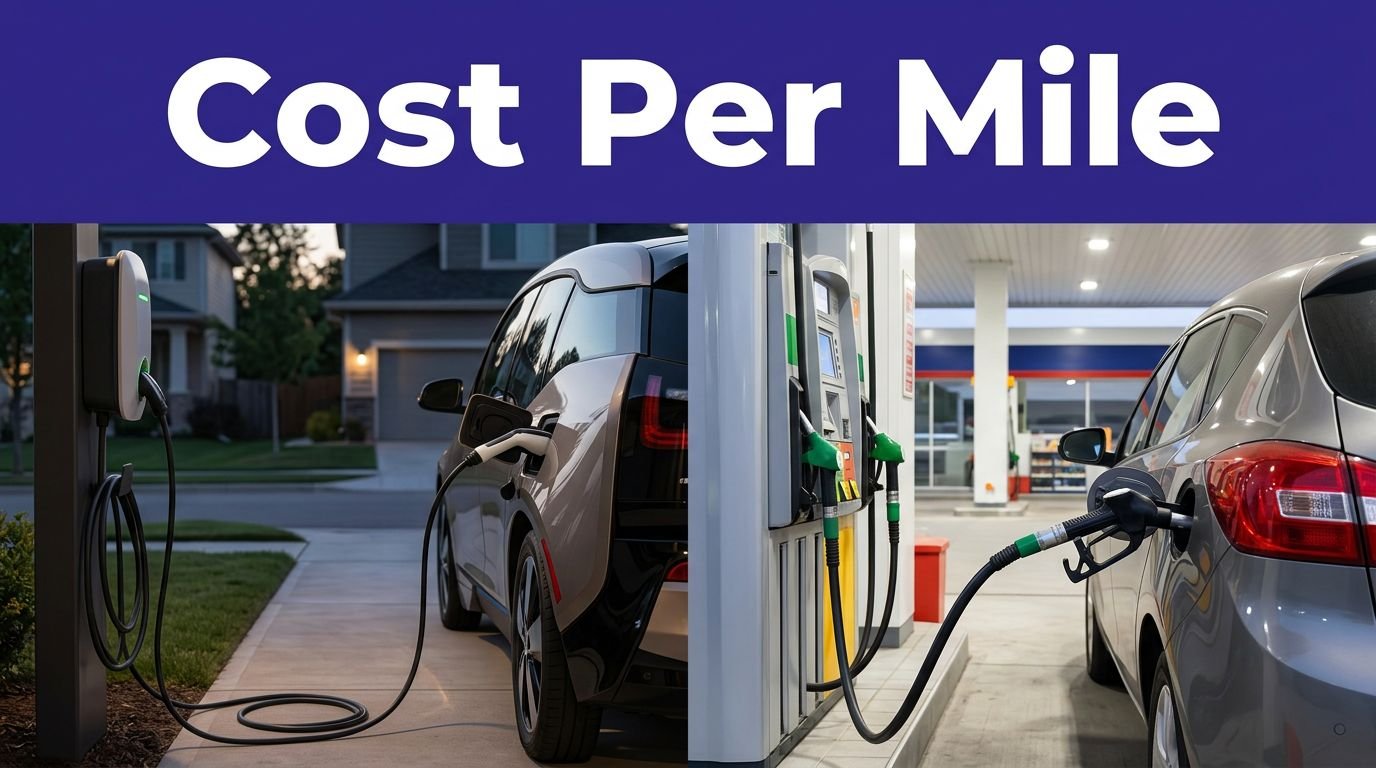
That overhead gets baked into the price you see at the station. A driver paying $0.45 to $0.60 per kWh is not just paying for electricity. They are helping cover the cost of keeping that charger upright, connected, updated, and available when they need it. In 2026, public fast charging averages around $0.45 to $0.50 per kWh nationally, while home charging is often around $0.12 to $0.19 per kWh, which explains why the bill feels so different in real life.
How pricing confusion adds to the problem
Even when the price is fair, erratic pricing can make drivers feel like they are getting played. Some stations charge per kWh, others add session fees, some use idle fees, and memberships can change the math again. Add app-based payments, pre-authorization holds, and station-specific discounts, and now you need a small spreadsheet just to plug in.
Here is the part that trips people up most:
- Per-kWh pricing tells you the energy rate, but not always the full cost.
- Session fees can add a flat charge before or during charging.
- Idle fees kick in when you stay parked after charging ends.
- Membership discounts can lower the rate, but only if you pay for the plan.
- App-based payments can hide the real total until after you connect.
That is a lot to ask from someone standing in a parking lot with 12 percent battery and a toddler asking for a snack. Electrify America, for example, says pricing can vary by location, plan, and power level, and that idle fees may apply after charging ends. ChargePoint also explains that prices and fees can differ by station and payment method, which is exactly why drivers keep asking the same question before plugging in at public charging stations, “What am I actually about to pay?”
When the price is unclear, the whole experience feels shaky. Drivers do not just want cheaper charging, they want a number they can trust before the session starts. Without that, every charge feels like a little gambling problem with a cable attached.
Why charging compatibility still confuses drivers
Charger compatibility should be simple. Plug in, power up, move on with your day. Instead, drivers are staring at connector names like they’re trying to solve a middle school chemistry test at a gas station.
The annoying part is that the system is improving. But the U.S. is still in the awkward transition phase, where old standards, new standards, adapters, and half-updated stations are all sharing the same road. That means one driver pulls up and charges fine, while the next one needs a different plug, a different app, or a different plan entirely.
### How plug types and standards create friction
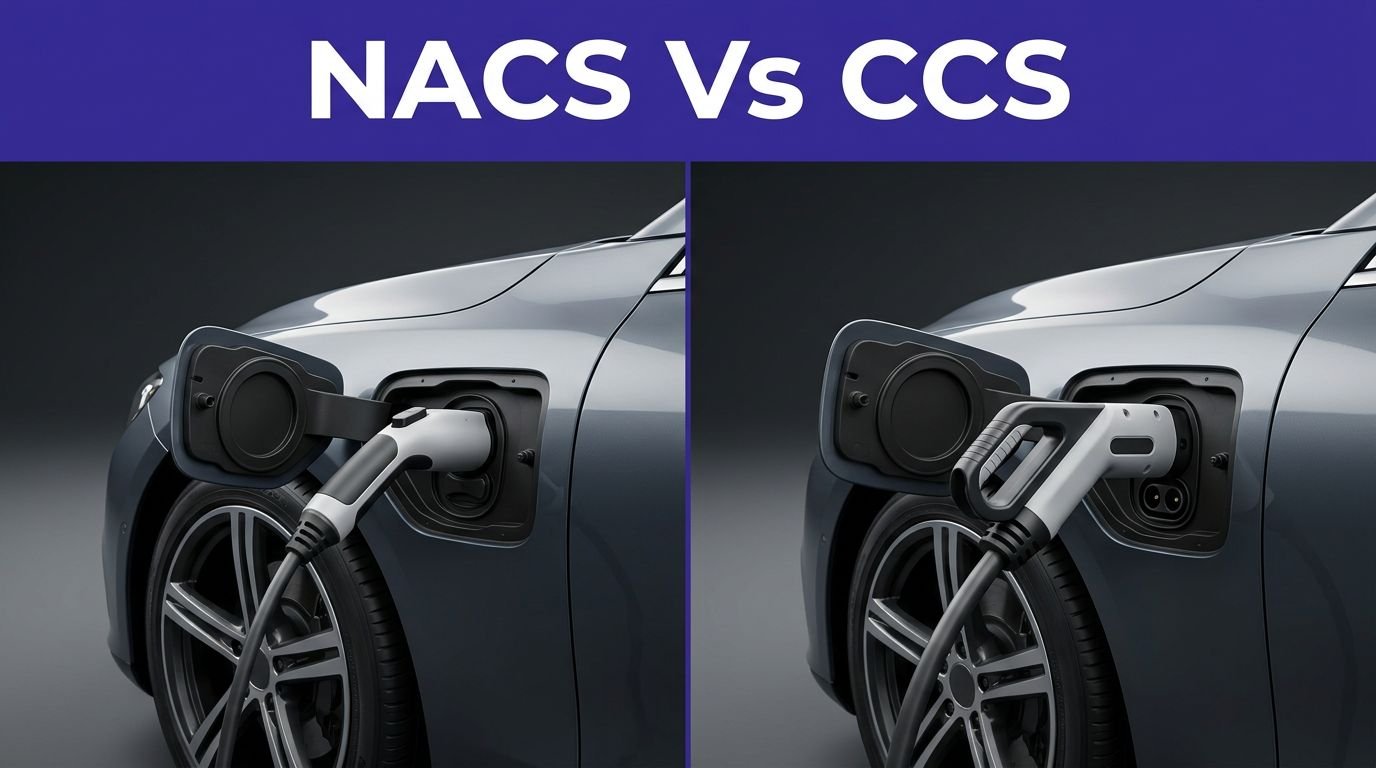
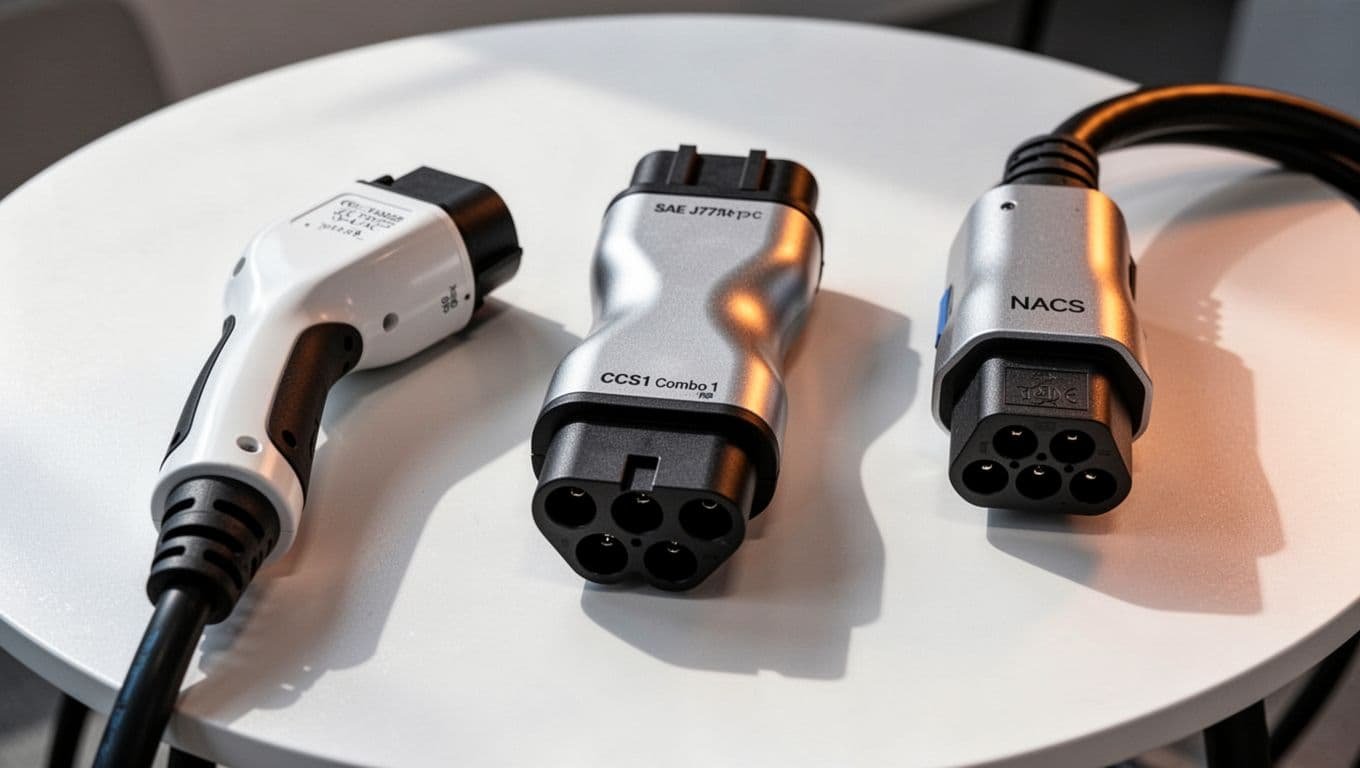
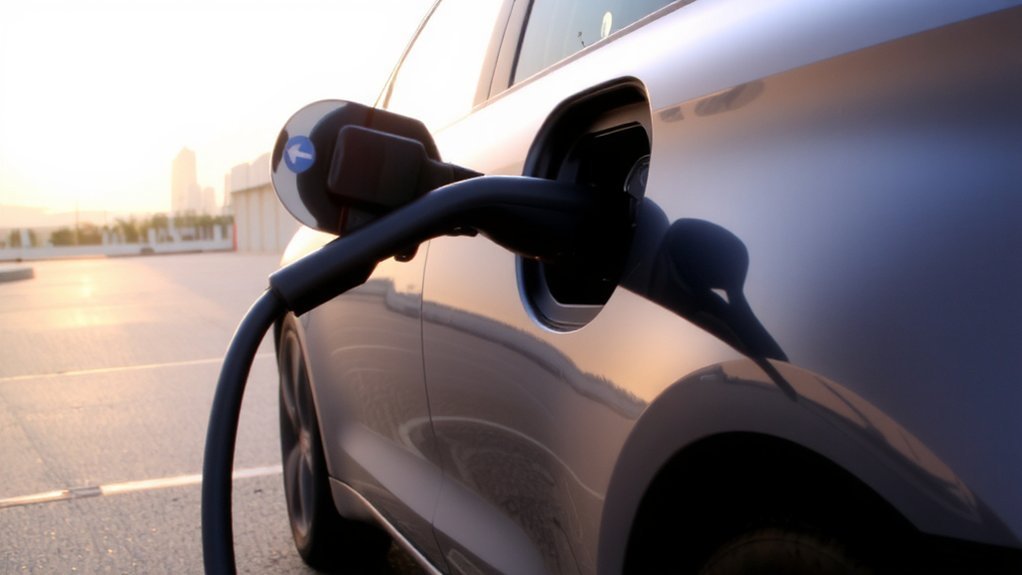
The basic confusion starts with the connectors themselves. In North America, J1772 is the common AC plug for Level 1 and Level 2 charging, the CCS plug is the familiar DC fast-charging plug on many non-Tesla EVs, and NACS is the slimmer connector Tesla used first and now a lot of other brands are adopting. If that already sounds like alphabet soup, welcome to the club.
The problem is not just that there are multiple plugs. It is that the plugs do different jobs, and not every car can use every station without help. A driver with a CCS port may need an adapter to use a Tesla Supercharger. A newer NACS-equipped car may still need an adapter to use some older public fast chargers. And some stations are built with one standard today, then get retrofits later, which means the same location can feel compatible one month and weird the next.
According to ChargePoint’s connector guide, North America is moving toward wider NACS support, but the mixed transition is still real. That is the part that confuses people. The market is heading toward one lane, but the highway still has cones up.
Compatibility is better than it was, but it’s still a moving target.
That is why drivers keep asking the same question before they plug in, “Will this actually work with my car?” Fair question. Very normal. Slightly ridiculous that it still needs to be asked so often.
For everyday use, the friction usually shows up in a few ways:
- Adapter dependence means some cars can charge, but only if you packed the right dongle.
- Station-specific support means one charger at a site may work with your car, while the one next to it does not.
- Timing gaps mean automakers and networks roll out support on different schedules.
- Older hardware keeps older plug types in service long after newer standards start taking over.
The good news is that interoperability is improving. The bad news is that “improving” is not the same thing as “simple.” Not yet.
Why app logins and payment systems make charging feel harder
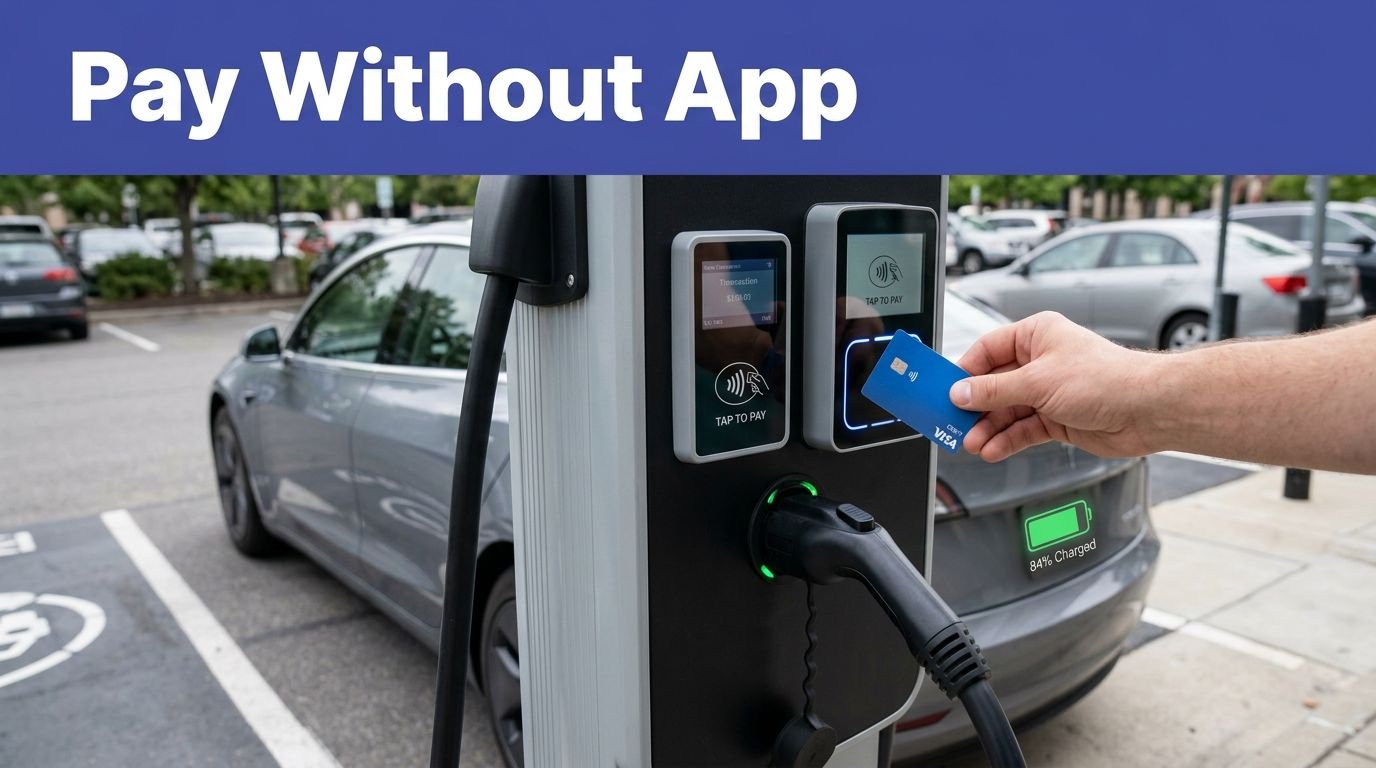
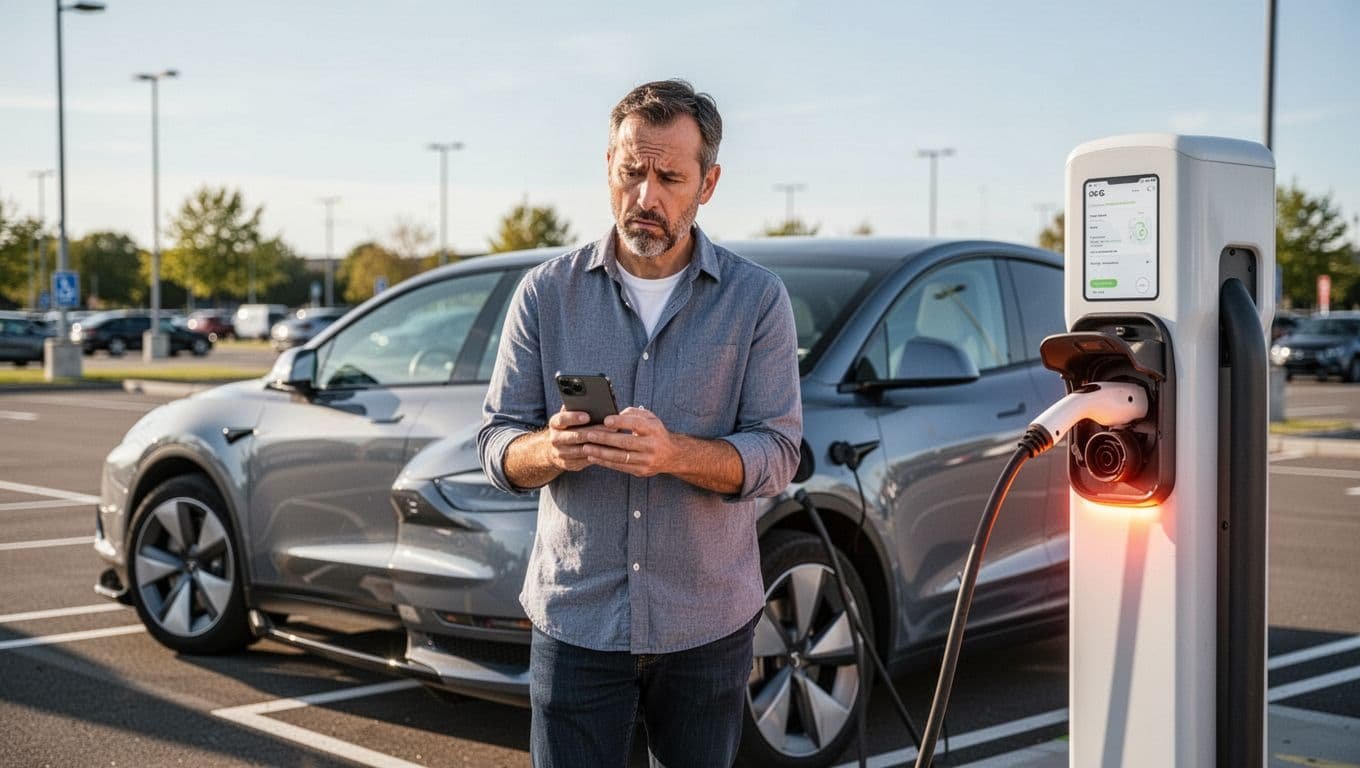
Even when the plug is right, the payment side can still make the whole thing feel like a minor administrative arrest. Many drivers have to create an account, add a credit card, confirm a phone number, accept a plan, and then scan a QR code that may or may not do anything useful. It’s like checking into a hotel where the front desk is a phone app and the key card is having a strong will.
A recent National Renewable Energy Laboratory report on charging payment challenges found that drivers run into problems with card readers, smartphone apps, RFID cards, Plug and Charge, and customer confusion around different interfaces. That’s the real issue. The hardware is only half the story. The payment stack is a second system sitting on top of the charging network, and it is not nearly as tidy as it should be.
The pain points sound small until you hit them in real life:
- You pull up and the station wants a network-specific charging app.
- The app wants a new account.
- The account wants a payment method.
- The QR code sends you in circles.
- The card reader is broken, taped over, or just vibing.
That is not convenience. That is a scavenger hunt with your battery level dropping in the background.
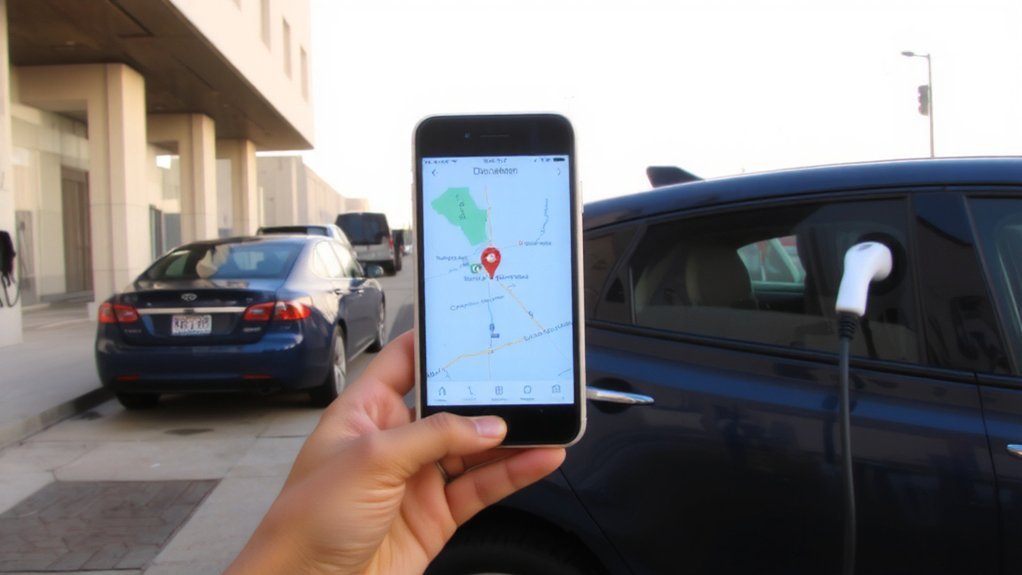
Fragmented charging networks make this worse. A driver may need one app for one network, another app for a backup station, and a third login because the station in the grocery store parking lot belongs to someone else entirely. EVgo’s own help materials show how payment methods and account setup can affect whether a charge even starts, which tells you everything you need to know about the current state of play.
The bigger problem is trust. Drivers do not want to wonder whether a station will accept their card, their app, or their vehicle. They want the same boring charging session every time. Tap, charge, leave. Anything else feels like extra homework.
What the NACS transition means for everyday drivers
The move toward NACS is real, and it should make charging easier over time. But right now, it also creates a lot of short-term confusion. Some new EVs already come with a native NACS charging port. Others still use CCS and need an adapter. Some charging sites support both. Some do not. Some Supercharger locations are open to non-Tesla EVs, but not every site is ready in the same way.
That mismatch matters. A driver can hear “NACS is becoming the standard” and assume the problem is solved. It isn’t. It means the direction is clear, not that the rollout is finished. The SAE J3400 shift is pushing the industry toward a more common connector, but for now the road between old and new is full of adapters, software updates, and compatibility checks.
The messy part is timing. Automakers are adopting NACS on different schedules, and charging networks are updating hardware in stages. So even if your next EV has the right charging port, the station you pull into may still be running older equipment or limited support. That’s why drivers are told to check apps first, keep an adapter handy if their vehicle needs one, and not assume every station label tells the full story.
For everyday drivers, the transition means three things:
- Short-term overlap between CCS and NACS will keep causing confusion.
- Adapters will stay common for older vehicles and mixed-network charging.
- Station support will vary until more hardware is fully updated.
So yes, the direction is better. The destination is better. But the middle part still feels like packing for a trip while the airline changes gate assignments every 10 minutes. That’s where the confusion lives, and that’s why compatibility is still such a headache for drivers who just want to plug in and get back on the road.
The home charging problems that many guides leave out
Home charging gets sold like it’s automatic. Buy the car, mount the charger, plug in at night, done. Nice little fantasy. In real life, a lot of homes need extra work before charging even starts, and some setups are just awkward no matter how much you want them to be easy.
The part guides skip is simple, your house has to be ready for the car. That means enough electrical capacity, the right parking setup, and a routine that actually fits your life. If any of those are off, home charging turns into a project instead of a convenience.
### Why some homes need electrical upgrades before charging starts
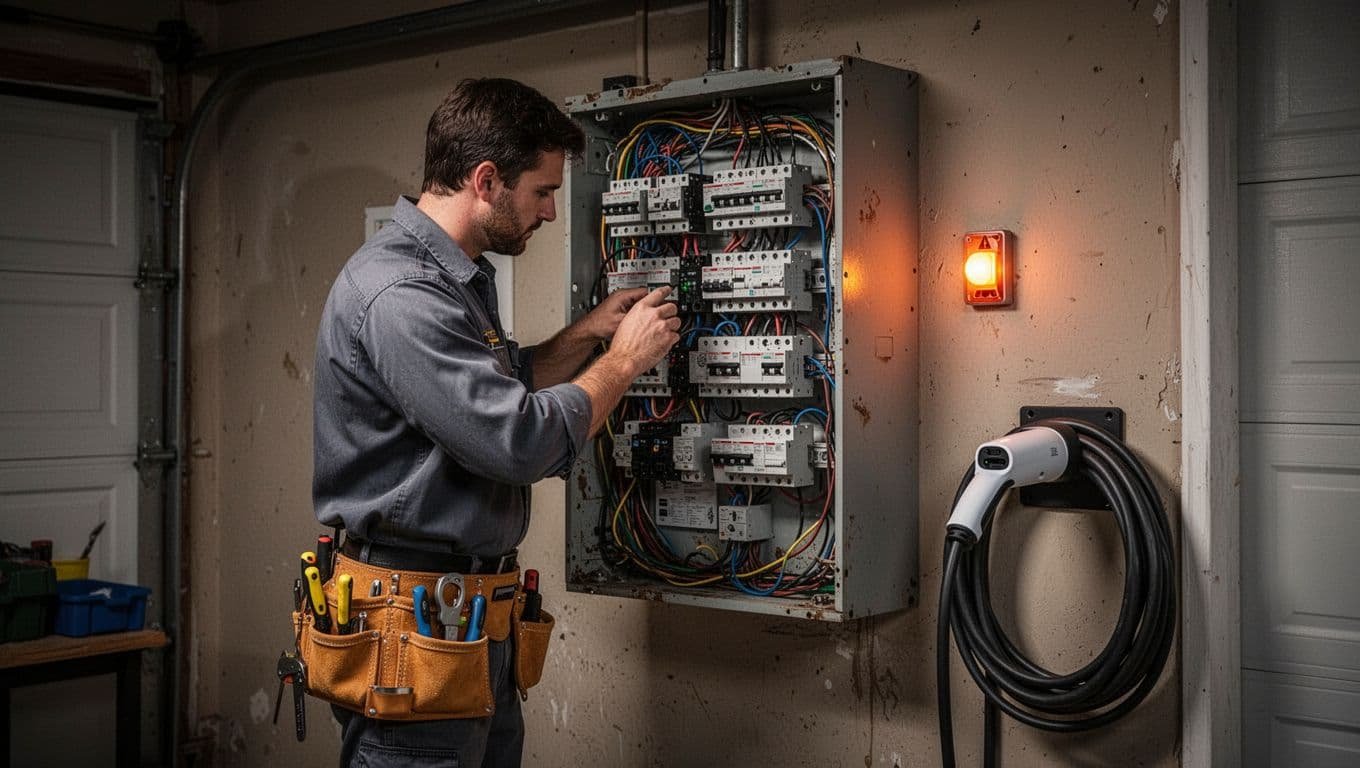
A Level 2 charger usually needs a dedicated 240-volt circuit, and not every home has the electrical room for that. Older panels, full breaker boxes, or limited service capacity can force a panel upgrade before installation even begins. If the panel is already close to maxed out, an electrician may need to add a new circuit, install load management, or recommend a full service upgrade.
That is where new EV owners get blindsided. They expect to buy a charger and call it a day, then the estimate comes back with permits, labor, and panel work attached like an unwanted backpack.
The timing can surprise people too. A simple install might be quick, but a panel upgrade can stretch the job and push the cost up fast. The U.S. Department of Energy and installation guides from EV charger specialists both point to the same reality, the hardware is only part of the expense. The home has to support it safely.
A few common reasons the upgrade conversation happens:
- Insufficient panel capacity means the home cannot safely support a new high-draw circuit to charge the EV’s battery capacity.
- No open breaker space means there is nowhere to place the charger circuit without rework.
- Older electrical service may need more than a breaker swap, especially in homes with aging 100-amp panels.
- Professional installation is usually required because EV charging is a continuous load, not a casual plug-in.
The tricky part is that the cost and timeline are not always small or predictable. Homeowners often hear “just install a charger” and then discover the electrician has to inspect the panel, check wire runs, and possibly coordinate permits or utility work. That is not a minor errand, that is a home-improvement subplot.
If the panel is full, the charger does not care about your optimism.
For a lot of people, the smartest move is a professional assessment before buying equipment. That keeps you from ordering charging equipment that looks perfect online and then sits in a box while the panel says, “Absolutely not.”
Why apartment and condo charging is so hard to solve
This is where the home charging story gets messy for renters. If you do not control the parking space, the wiring, or the building rules, home charging can turn into a negotiation with three different adults and a committee. Shared parking is the first problem. Landlord approval is the second. HOA rules are the third, and then wiring access shows up like the final boss.
In a lot of apartments and condos, the electrical system was never designed for every space to have a charger. Running new conduit can be expensive, common areas may need approval, and the parking spot you want may not be close to the panel at all. That means even when the building is open to the idea, the physical setup can still make it a pain.
The legal side helps in some places, but it does not erase the logistics. The U.S. Department of Energy’s HOA policy summary explains that associations may not flat-out ban chargers in some cases, yet they can still set conditions around placement, insurance, and installation. So yes, the door might be open. It is just heavier than you expected.
For renters, that often means home charging is not really home charging at all. It becomes a mix of workplace charging, public stations, and planning your week around where the car can sit long enough to refuel. That works, but it is not the neat overnight routine most first-time buyers imagine.
Common barriers include:
- Shared parking that makes a personal charger hard to assign or protect.
- Landlord or board approval that adds paperwork and delays.
- Limited wiring access that raises installation costs.
- No guaranteed parking spot near electricity, which kills the easy plug-in plan.
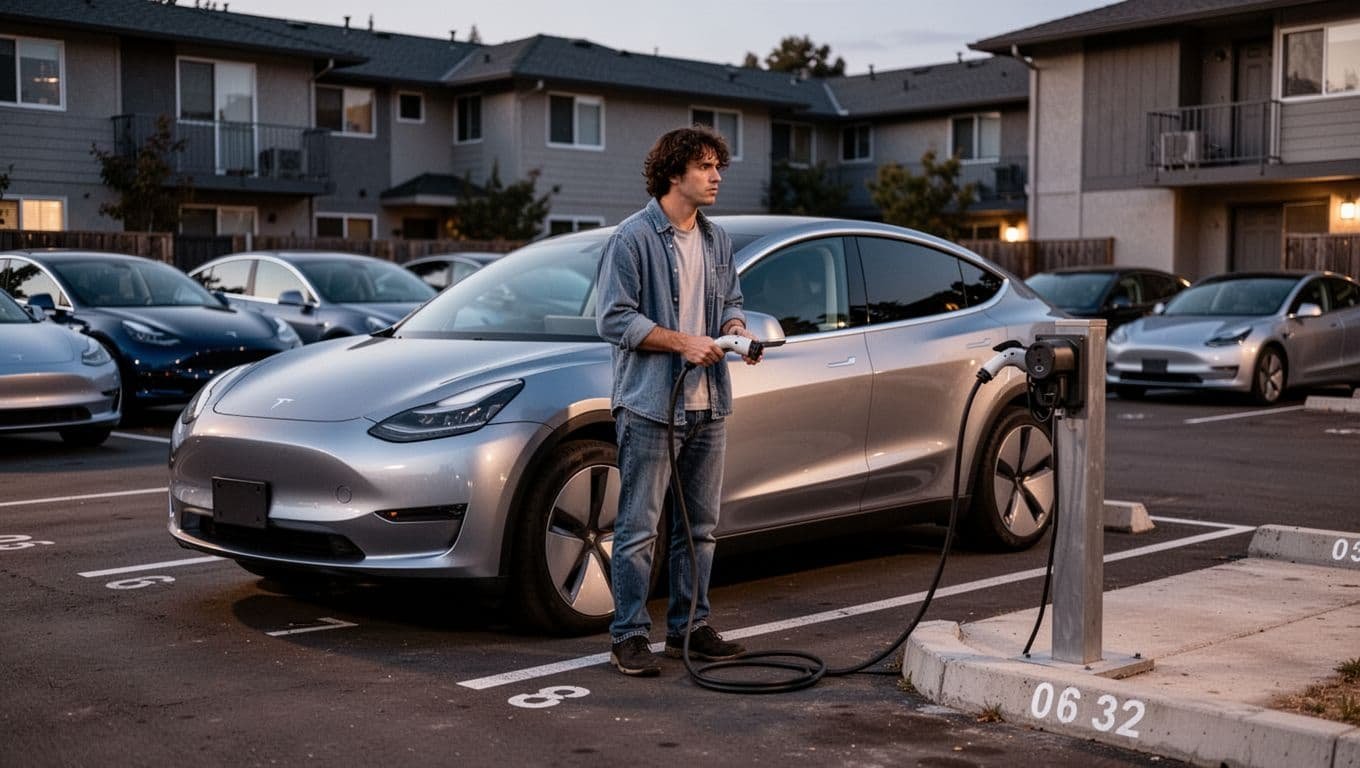
That is why so many apartment dwellers lean on workplace charging or public stations instead. It is not a preference, it is a workaround. And when the workaround becomes the routine, home charging stops being a home feature and starts acting like a side quest with a monthly bill.
How weather, garage space, and daily habits affect home charging
Even when the wiring is fine, the day-to-day setup can still make home charging annoying. Cold weather slows charging, impacts battery health, and can reduce battery efficiency, which is why winter charging often feels less convenient than the brochure promised. The U.S. Department of Energy’s winter charging tips make the point plainly, temperature matters, and it affects both range and charging behavior.
Outdoor parking makes that worse. If your car lives on a driveway, you may be stretching cables through snow, rain, or ice. If the charger is on the wrong side of the house, the cord becomes a small but determined obstacle course. Nobody wants to wrestle a frozen cable at 7 a.m. before coffee.
Garage space is its own little drama. Some garages are packed with storage, bikes, bins, tools, and the old treadmill everybody swore they’d use. Add a car, add a charger, and suddenly the nice clean EV plan gets squeezed into a narrow lane. If the car does not fit well, the charger setup will not feel effortless either.
Daily habits matter too. If you drive a lot, leave early, or run multiple errands, charging windows get tighter. A home setup works best when the car sits long enough to refill overnight. If your routine is more chaotic than that, you may still charge at home, but it will not feel as invisible as people claim.
A few practical issues trip people up again and again:
- Cold weather can slow charging and reduce effective range.
- Power outages interrupt home charging reliability.
- Outdoor parking exposes the cable, connector, and car to the elements.
- Long driveways make cable length and placement more important.
- Busy daily schedules shorten the time the car has to charge.
- Garage clutter can make a simple wall charger awkward to reach.
The takeaway is pretty plain. Home charging is great when the house, the parking, and the schedule all line up. When they do not, the setup still works, but it asks for more planning than most guides admit.
What is being done to fix the charging problem now
The charging problem is not being ignored anymore. Governments are pouring money into new stations, charging networks are trying to make broken plugs less embarrassing, and utilities are getting smarter about when and where EVs draw power.
That sounds good, because it is. But the fix is still messy. Drivers are waiting on better access, better uptime, and fewer surprises, while the industry works through delays, policy changes, and the usual pile of paperwork that somehow always shows up right when progress gets interesting.
How governments are trying to speed up infrastructure buildout
Federal and state money is still the backbone of U.S. charging infrastructure expansion. The biggest federal piece is the NEVI program, which was designed to help build highway fast-charging corridors, plus the CFI grants that support charging in communities and other high-need areas. The intent is simple, put chargers where drivers actually need them, not just where building them is easy.
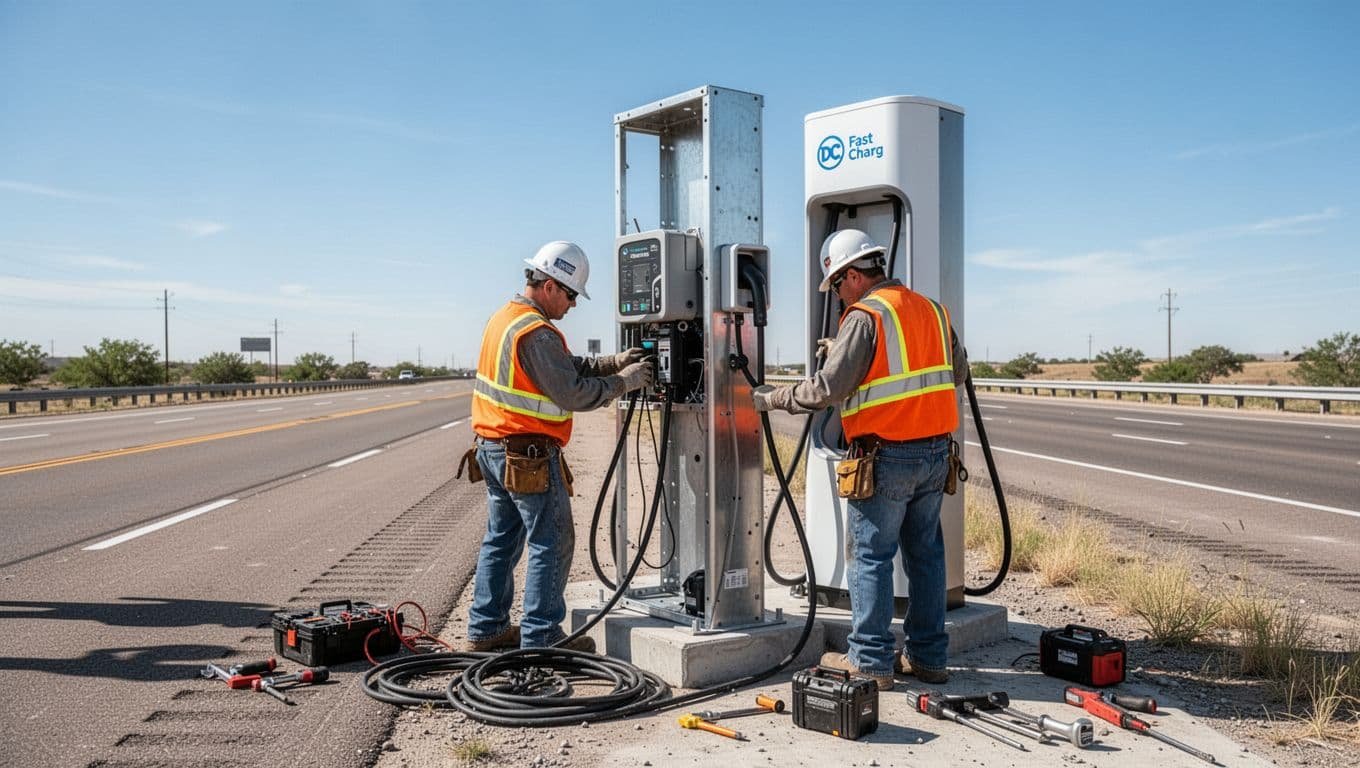
The problem is speed. A lot of projects move slowly because of permitting, utility hookups, procurement, and site prep. According to E&E News on NEVI spending delays, only a small slice of the original funding had been spent years into the program, which is not exactly the victory lap anyone wanted.
State programs are filling some of the gap, and some states are pushing ahead with their own money even when federal policy gets shaky. That matters for drivers because every delayed project is one more highway exit where the only “fast” option is a snack break and a prayer. More funding helps, but drivers do not feel funding, they feel the charger that finally gets built.
A few things are happening at once:
- Federal grants are still funding corridor buildouts and community charging.
- State money is keeping projects alive when federal timelines stall.
- Court rulings and policy changes have affected which funds move and when.
- Local delays still slow real-world access, even when the money is technically there.
The takeaway is plain. Public charging is getting built, but not on a driver-friendly schedule. For someone planning a trip today, that means more future coverage, not instant relief.
How charging companies are working on reliability
Charging networks know reliability is the trust issue. Not pricing. Not branding. Reliability. If a driver plugs in and the stall fails, that memory sticks like gum on a shoe.
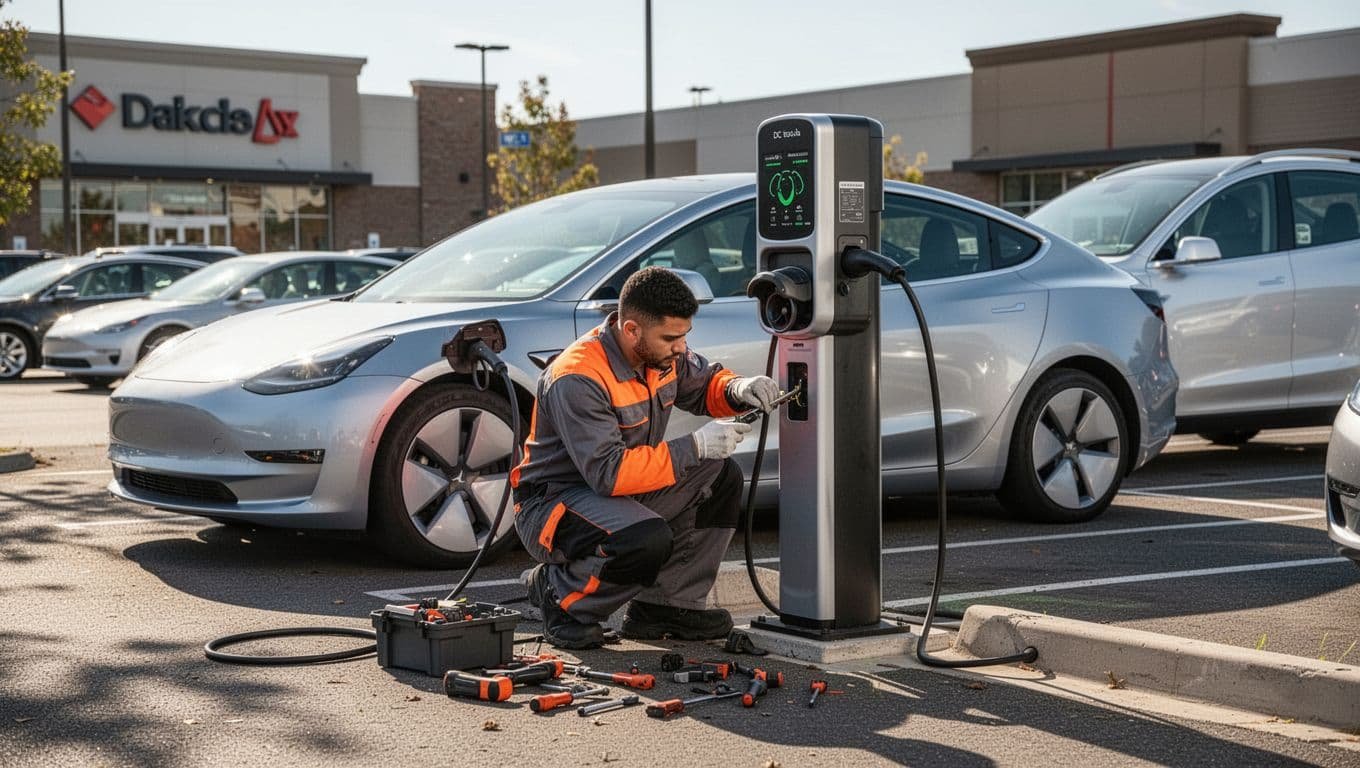
The good news is that companies are fixing the boring stuff that actually matters. Electrify America, ChargePoint, EVgo, and others have been pushing harder on maintenance, remote diagnostics, and hardware upgrades. That includes better uptime, cleaner software, preconditioning for improved winter charging performance, and faster repairs when something goes sideways. A recent Electrek report on fast-charging stability points to stronger uptime across much of the U.S. network, which is exactly the kind of progress drivers notice.
They are also making payment less annoying. More stations now support card readers, app-based payments, roaming features, and Plug and Charge, which cuts down the old ritual of downloading three apps just to buy electricity in a parking lot. That does not sound glamorous, because it is not. It is just useful.
Site design is getting attention too. Newer stations tend to have more plugs, better spacing, better lighting, and layouts that make sense for actual cars instead of whoever drew the site on a napkin. That matters more than people think. A charger can be technically reliable and still feel awful if the lot is cramped, dark, or impossible to enter without a three-point turn and regret.
What the industry is trying to fix, in plain English:
- Downtime through preventive maintenance and remote monitoring.
- Payment friction through simpler checkouts and more universal access.
- Software failures through better app integration and diagnostics.
- Poor site design through larger, cleaner, easier-to-use charging hubs.
That is the right direction. Drivers do not need a perfect story. They need a charger that works when they get there, and a second one nearby if it doesn’t. That is how trust gets rebuilt, one boring successful charging session at a time.
Why better planning and smarter charging can help
Not every fix means building more hardware. Some of the best solutions are about using the grid better, not harder. That is where managed charging, time-of-use rates, and smarter station placement come in.
Managed charging shifts charging to times when the grid is less stressed. For drivers, that can mean lower prices or more stable service. For utilities, it means fewer spikes and fewer expensive upgrades. The National Renewable Energy Laboratory says smart charging can help balance demand while still meeting electric vehicle driver needs, and that is the sweet spot here, make the grid work smarter without making charging harder for people.
Time-of-use rates do a lot of the heavy lifting. If electricity is cheaper at night or during low-demand hours, drivers have a reason to charge then. The catch is that prices alone do not always change behavior fast enough, so active managed charging helps by automating the schedule instead of asking people to remember one more thing before bed. Because sure, the average driver definitely wants another homework assignment.
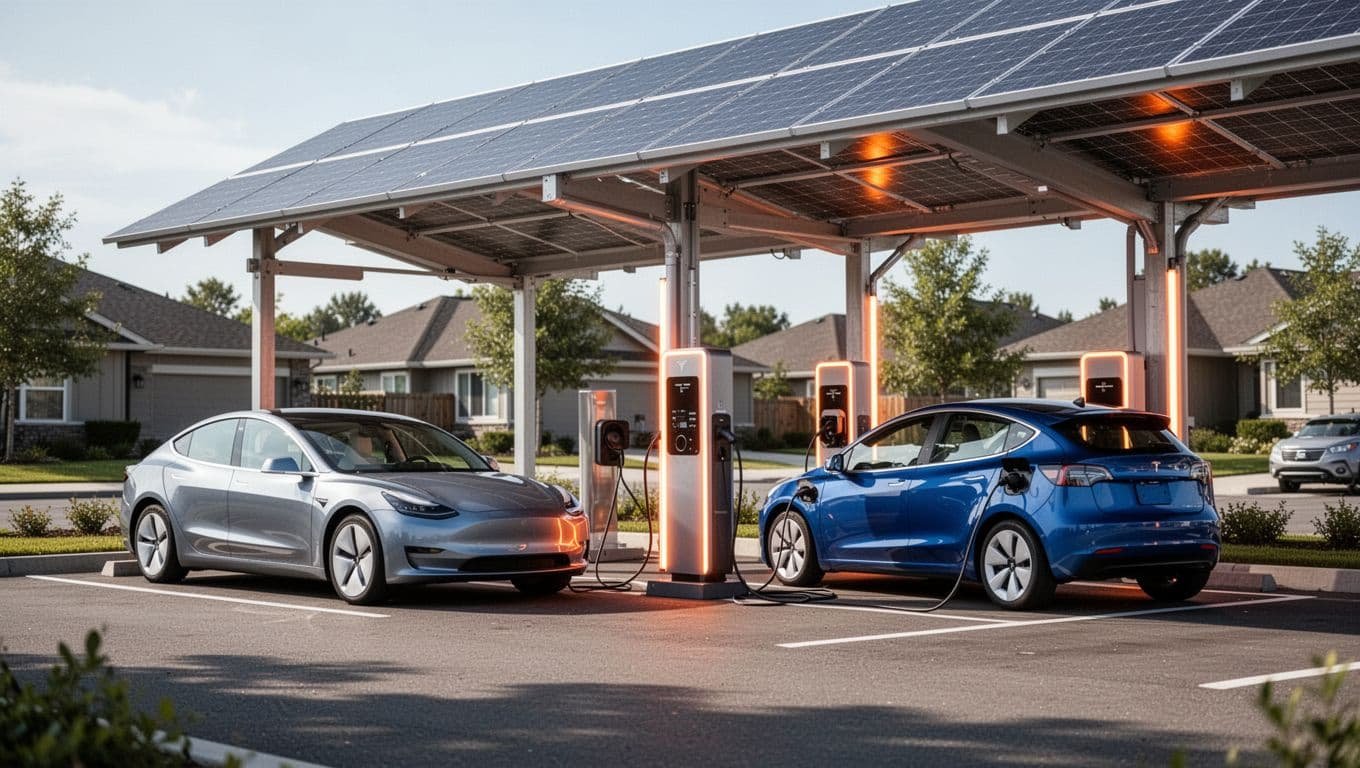
Renewable integration also matters. Chargers paired with solar and batteries can reduce peak strain and use cleaner power when it is available. That does not mean every station becomes a solar farm. It means planners can place charging where the grid can handle it and where renewable energy can help smooth the load.
Better planning also means better station placement. Instead of throwing chargers everywhere and hoping for the best, operators are focusing on high-use corridors, multifamily housing, workplaces, and fleet depots. That is the practical move. Drivers get better access, and utilities avoid building a bunch of infrastructure they do not need yet.
The real win is simple. Smarter charging can make EV ownership easier without asking drivers to babysit the system. More of the charge happens off-peak, more stations show up where people already park, and the grid gets a little less dramatic. That’s the kind of fix people actually feel.
Frequently Asked Questions
Why is public EV charging still so frustrating for drivers?
Public charging feels like a parking-lot lottery with broken stalls, lines, slow speeds, poor lighting, no shelter, and apps that crash mid-session. Reliability has improved per J.D. Power studies, but uneven coverage, especially rural, keeps charge anxiety alive. Road trips amplify it—one bad stop turns vacation math into detours and doubt.
How much does EV charging really cost at home vs. public stations?
Home charging is cheapest at $0.12-$0.19/kWh using residential rates, especially off-peak, making it predictable and drama-free. Public fast charging hits $0.45-$0.60/kWh to cover equipment, demand charges, and maintenance, plus extras like session or idle fees. The gap explains the sticker shock—convenience ain’t free.
What’s the confusion with EV charger plugs like NACS, CCS, and J1772?
J1772 handles basic AC, CCS is common DC fast for non-Tesla, and NACS (Tesla’s slim plug) is the new standard gaining traction, but the transition means adapters, mixed stations, and ‘will it fit?’ checks everywhere. Compatibility is improving with SAE adoption, but right now it’s alphabet soup and dongles. Check apps first or pack backups.
Can apartment dwellers easily charge EVs at home?
Not usually—shared parking, landlord/HOA approvals, wiring hurdles, and no dedicated spots turn it into a negotiation or workaround. Some states limit bans, but logistics like conduit runs kill simplicity. Most lean on public or workplace chargers, making EV life more planning than plugging.
What’s being done to fix EV charging problems?
Govt programs like NEVI fund highway corridors, networks like Electrify America push maintenance and Plug & Charge for uptime, and NACS rollout smooths compatibility. Smarter grids with time-of-use and managed charging cut costs and strain. Progress is real, but delays mean drivers still hunt reliable plugs today.
Conclusion
The EV charging problems are better than they were, but they still trip people up in the same places, access, cost, reliability, and plain old convenience. Public charging has improved, and J.D. Power’s 2026 EVX studies show big gains in driver satisfaction, yet home charging still wins when the setup is right, especially with a permanent Level 2 charger. That is the boring answer, which usually means it is the useful one.
The bigger fix is already visible. NACS adoption is smoothing out compatibility, networks are improving uptime, and federal programs like NEVI are finally putting more stations into the ground. That does not make every charger work today, because apparently the universe still enjoys a little chaos, but it does mean the system is moving in the right direction.
If you want less frustration, the move is simple: plan ahead, know your connector, know your pricing, and build your charging routine around how you actually live. A good electric vehicle setup is not one perfect charger, it’s the right mix for your home, your routes, and your patience.
This post may contain affiliate links. If you make a purchase through these links, I may earn a small commission at no extra cost to you.