The car is plugged in, the charging light comes on, and then the circuit breaker snaps off like it has had enough of your lifestyle. If you find your EV charger GFCI breaker tripping repeatedly, the problem may involve the charger, the vehicle, the wiring, moisture, or simple circuit overload.
A GFCI trip is not something to defeat with a larger breaker or a determined thumbs up. It means the protection system detected current where it should not be, or that the breaker overheated under load. Because the system is specifically designed to prevent an electric shock hazard, it is important to understand why this is happening. Here is how to tell the difference and what you should do next.
Key Takeaways
- A GFCI trips when current leaks away from its intended path, triggering ground fault protection, while an overloaded breaker reacts to excessive heat and amperage.
- Moisture, damaged cords, loose connections, miswiring, and EVSE faults can all interrupt charging.
- A 240-volt EV charger still needs the correct circuit size, conductor size, grounding, and protection.
- Lowering the charging current can help identify an overload, but it will not repair a ground fault.
- Choosing a hardwired installation for your Level 2 EV charger is often a more reliable alternative to using a plug-in connection, as it helps avoid external breaker issues.
- Repeated trips, heat, burning smells, or shocks require a licensed electrician.
What an EV Charger GFCI Breaker Is Detecting
A ground fault circuit interrupter, or GFCI, monitors the current flowing out of a circuit and the current returning to it. These values must remain balanced. If current escapes through a grounding conductor, a wet surface, damaged insulation, or even a person, the ground fault circuit interrupter will open the circuit immediately.
This can occur even when the charger is not pulling enough power to overload the circuit. The breaker is not being dramatic; it does not know you are trying to add 40 miles of range before work. It simply detects an electrical imbalance and triggers a shutdown.
Each circuit breaker also contains standard overcurrent protection. This means a single device can trip for two different reasons:
- A ground fault or leakage current.
- Excessive current or heat from an overloaded circuit.
The timing often provides a useful clue. A trip that happens the instant you plug in may point to leakage, a failed self-test, miswiring, or a fault within the EVSE. A trip after 20 minutes or several hours may suggest a sustained load, a loose connection, heat buildup, or a component that fails once it warms up.
The EVSE, which is your wall unit or portable charging equipment, usually has its own CCID protection. Furthermore, the vehicle itself contains power electronics, filters, and an onboard charger. Because the EVSE and the circuit breaker both monitor the same charging event, you may face a double protection conflict. These internal safety features are excellent for protection, but poorly matched equipment or genuine leakage issues can cause persistent, repeated trips.
A GFCI trip is a safety message, not an invitation to install a bigger circuit breaker.
The National Electrical Code includes personnel protection requirements for EV charging equipment. The specific code edition adopted in your city or state, combined with the EVSE listing and installation instructions, dictates the requirements for your setup.
Why EV Charger GFCI Breakers Keep Tripping
The first suspect is often moisture. A NEMA 14-50 outlet in a damp garage, rainwater inside a charging connector, condensation around the EV inlet, or a wet portable EVSE can create enough leakage to trip protection. Snow and road salt can also collect around the vehicle’s charge port. Electricity is not impressed by your carefully planned charging schedule.
Inspect the plug, receptacle, cable, and vehicle inlet when everything is disconnected. Look for water, corrosion, dirt, cracked plastic, bent contacts, or burn marks. Don’t use a wet connector, and don’t spray cleaner into the vehicle inlet. Let components dry naturally and follow the vehicle and charger manufacturer’s instructions.
A damaged cable can cause the same response. Portable chargers used in a plug-in installation often get dragged across driveways, pinched in garage doors, run over by tires, and stored in places that would make a toolbox file a complaint. A small cut or crushed section can damage insulation without looking catastrophic from across the garage.
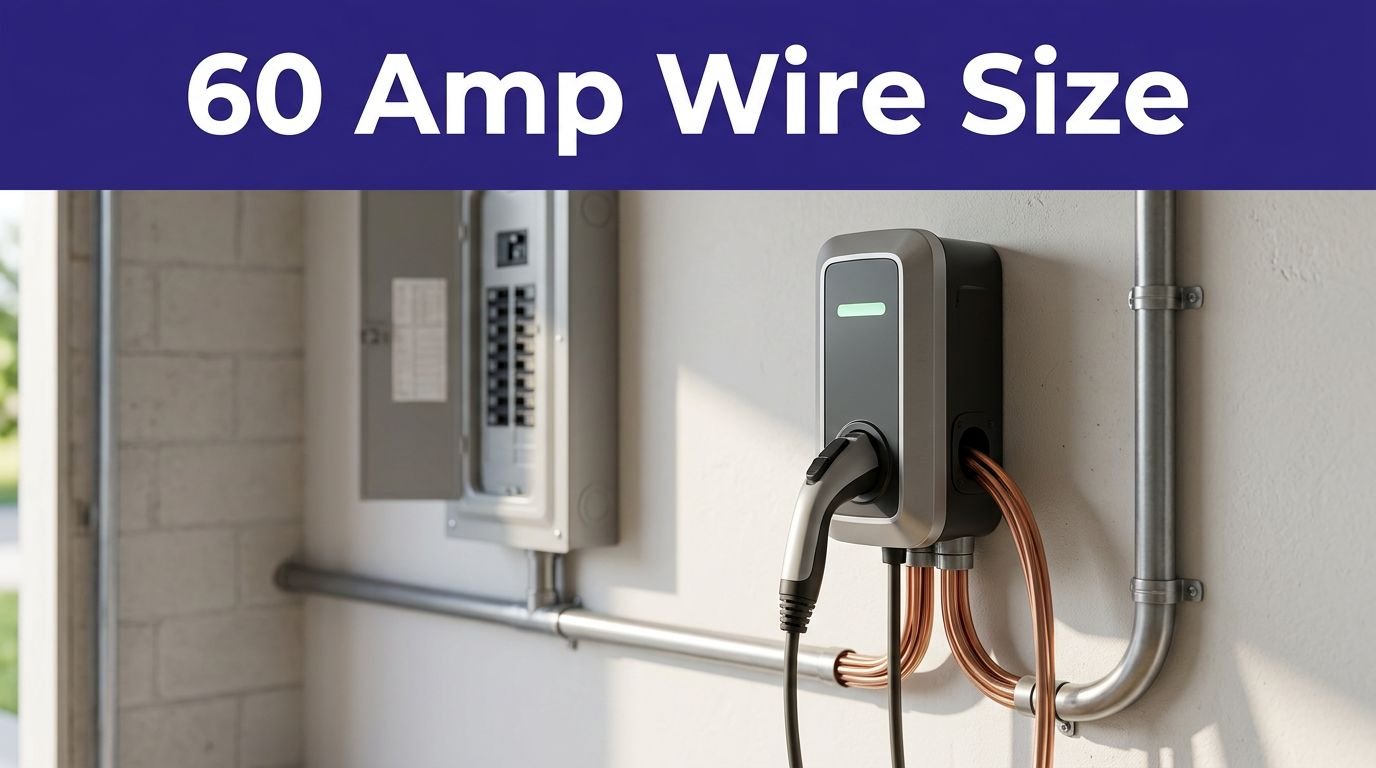
The circuit itself may be the problem. EV charging is a continuous load, not a quick appliance cycle. Because of the 80 percent rule, a charger set to 40 amps requires a 50-amp branch circuit, while a 48-amp charger generally needs a 60-amp circuit on a dedicated circuit. In accordance with NEC 625.54, ground-fault protection is required for all single-phase receptacles used for EV charging. The electrician must confirm the equipment rating, wire size, breaker amperage rating, installation method, and local code.
A circuit can also be technically large enough but still run hot because of loose connections, a poor splice, a damaged receptacle, or an undersized conductor. Heat raises resistance, resistance creates more heat, and the connection becomes the electrical version of a bad argument that keeps escalating. A thermal breaker may trip after the system has been charging for a while.
Miswiring creates another category of trouble. Incorrect line connections, an improperly bonded neutral, a neutral-ground connection downstream of the service disconnect, or an absent equipment grounding conductor can interfere with GFCI operation. These aren’t problems to diagnose by moving wires around until the breaker feels better.
Some EVSE units are known to interact poorly with certain GFCI devices, especially when both the charger and the branch circuit provide ground-fault protection. That doesn’t mean the GFCI should be removed. It means the equipment combination, breaker type, receptacle type, and installation instructions need review. If your plug-in installation is frequently tripping, verify that you aren’t using incompatible hardware.
Owner reports can help identify a pattern, but they aren’t a safety diagnosis. For example, a Kia EV6 owner discussion about a Level 1 charger and GFCI trips describes a real charging experience, not a substitute for testing your circuit.
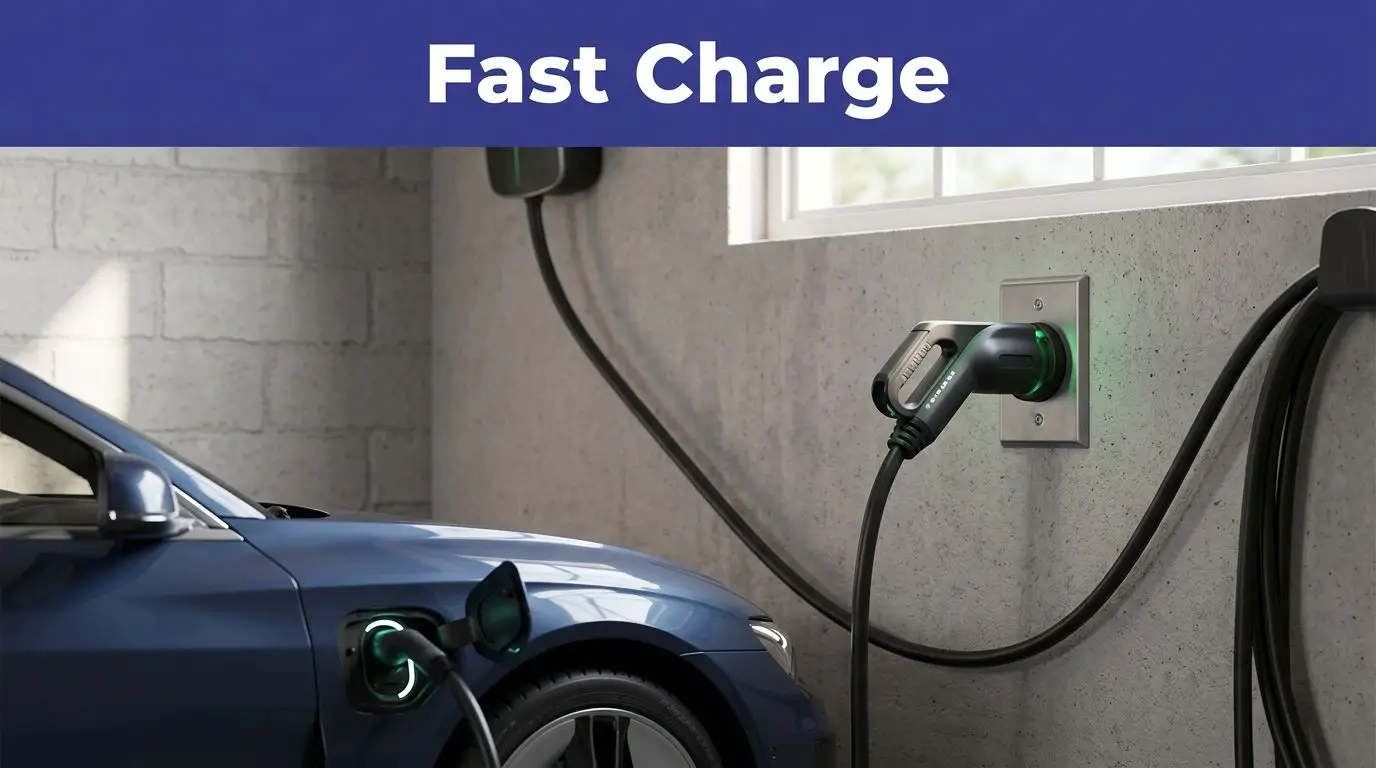
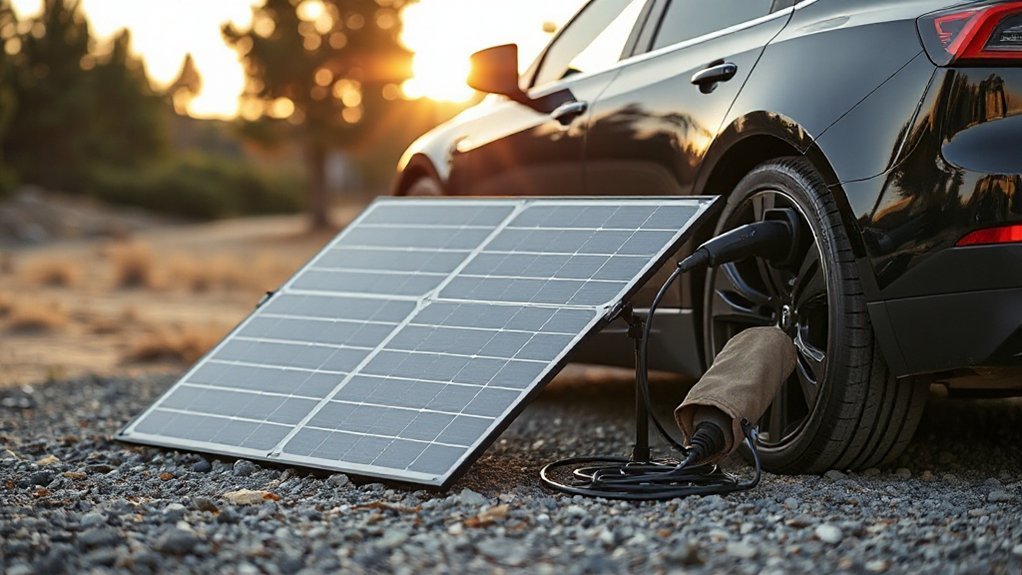
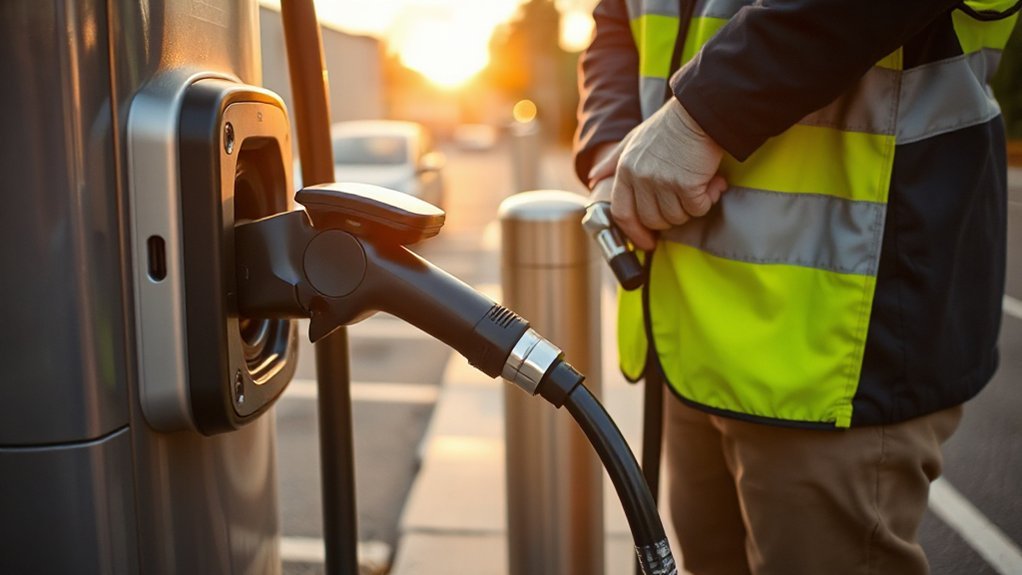
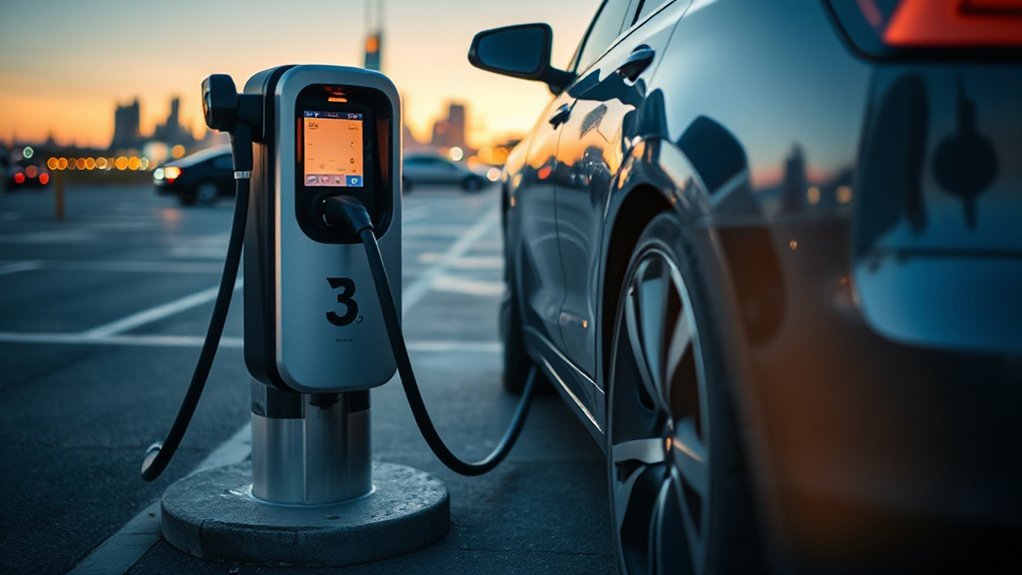
Finally, the fault may be inside the EVSE or vehicle. A failed relay, insulation fault, damaged internal filter, onboard charger issue, or DC leakage can trip protection. If the same vehicle trips multiple known-good charging setups, the vehicle needs service. If multiple vehicles trip the same EVSE, suspect the EVSE or its circuit.
How to Troubleshoot the Problem Without Guessing
Start by writing down when the trip happens. Does the circuit breaker trip as soon as charging begins, after the car reaches a certain state of charge, when the charger gets warm, or only during wet weather? That timing can save an electrician a long stretch of expensive detective work.
Check the breaker handle and any indicator window. Some GFCI breakers provide a trip indication, but the exact meaning differs by manufacturer. Don’t assume every trip is a ground fault just because the breaker has a GFCI label; sometimes you are dealing with nuisance tripping that requires a closer inspection of the connections.
Next, disconnect the EVSE from the vehicle and inspect the charging equipment. Check the plug blades, receptacle face, cable, control box, and vehicle inlet. Stop if you find melted plastic, discoloration, a burning odor, water, or a cable that feels unusually hot.
If the EVSE trips while plugged into the receptacle but not connected to the vehicle, the circuit or EVSE is more likely involved. If it trips only when the vehicle begins charging, the vehicle, the charging handshake, or leakage current under load becomes more suspicious. This isn’t proof, but it helps narrow the field. Keep in mind that a hardwired installation of a Level 2 EV charger often eliminates the need for an external GFCI breaker, which can significantly reduce the risk of nuisance tripping.
Remove extension cords, plug adapters, splitters, and power strips. Most portable EVSE manufacturers prohibit them, and they add connection points that can heat or loosen. Use the intended receptacle or a hardwired installation exactly as the equipment instructions specify.
If your vehicle or EVSE allows you to select a lower current, reducing the setting can help identify an overload. For example, a circuit that trips at 40 amps but remains stable at 24 amps may have a capacity or heat problem. That test doesn’t make a damaged receptacle safe, and it doesn’t cure a ground fault.
A qualified electrician should test the installation rather than rely on a reset and hope routine. Useful checks include:
- Confirming line to line and line to ground voltage under load.
- Inspecting terminations, wire size, conduit, receptacles, and grounding.
- Checking for heat at the circuit breaker and receptacle with appropriate test equipment.
- Testing GFCI operation and identifying whether the trip is ground fault or overcurrent related.
- Reviewing the EVSE settings against the branch circuit rating.
- Checking the installation against the current locally adopted code.
A trade discussion on EV charger GFCI breaker trips at Mike Holt’s electrical forum shows why these cases can be confusing. Built in EVSE protection, self tests, circuit protection, and installation details can all affect the result. Forum advice is useful for vocabulary and possibilities, but measurements at your property matter more.
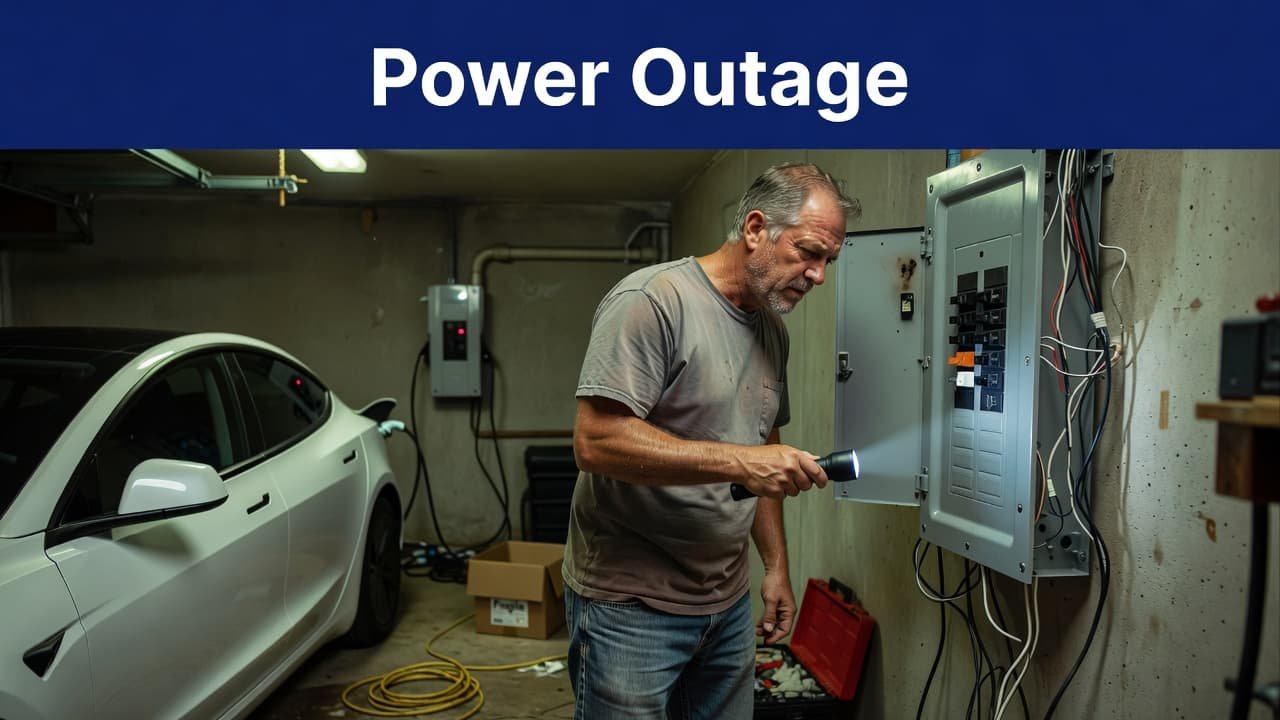
Don’t open the breaker panel unless you’re qualified and authorized to work inside it. Turning off the main breaker doesn’t remove every electrical hazard, and a panel isn’t a place for internet confidence.
When You Should Stop Resetting the Breaker
One trip may occur due to a temporary wet connector or an accidental overload. However, repeated trips are different. A GFCI circuit breaker that trips every time charging starts is a warning to stop using that setup until a professional identifies the underlying cause.
Stop using the charger immediately if you notice:
- Burning smells, buzzing, crackling, or melted plastic
- A hot circuit breaker, plug, receptacle, or charging connector
- Tingling sensations or an electrical shock from the vehicle or charger
- Water inside the receptacle, plug, EVSE, or charge port
- Visible damage to insulation or terminals
- Trips that continue even after the vehicle and EVSE are disconnected
Do not replace the circuit breaker with a higher-rated model. Do not bypass the GFCI protection. Furthermore, do not tape the circuit breaker in the on position, which sounds ridiculous until you remember how many household repairs begin with the phrase, “It was only supposed to be temporary.”
A licensed electrician should be brought in to assess your panel capacity and determine whether the circuit needs repair or if you need to replace a damaged component. If you prefer a plug-in installation over a hardwired installation, they may recommend upgrading to an industrial grade receptacle to better handle the heat generated during extended charging sessions. If the issue persists, the vehicle or EVSE manufacturer should handle suspected equipment failures through their formal service process.
Frequently Asked Questions
Why does my EV charger trip the breaker only when it rains?
Moisture is a common culprit because it can create a path for electricity to leak outside of its intended circuit. When water enters your charging port, plug, or the EVSE itself, it triggers the GFCI to shut down for your safety to prevent an electric shock. Always ensure your charging equipment and vehicle port are dry before initiating a charge.
Is it safe to just reset the GFCI breaker and try again?
While a single, one-time trip might be caused by a minor environmental factor, frequent or repeated tripping is a serious warning sign. Continuing to reset the breaker can lead to thermal damage or fire hazards if there is a loose connection or a ground fault. If the breaker trips more than once, you should stop charging and have a licensed electrician inspect your system.
Can I replace my GFCI breaker with a standard one to stop the trips?
Absolutely not, as replacing a GFCI breaker with a standard one removes a critical safety feature mandated by the National Electrical Code. These devices are designed to protect you from life-threatening electrical faults that a standard breaker cannot detect. Bypassing this protection creates a severe safety hazard and violates local building codes.
Why does the breaker trip after charging for an hour instead of immediately?
This often indicates that the issue is related to heat rather than an immediate ground fault. A loose connection or an undersized wire can build up excessive heat as current flows through the circuit over time, eventually causing the breaker to trip due to thermal overload. This behavior typically points to a mechanical or wiring installation problem that requires professional attention.
Conclusion
An EV charger GFCI breaker tripping occurs because the system detects leakage, overheating, excess current, or a fault in the charging equipment. While moisture and damaged cables are common suspects, other factors like loose connections, incorrect circuit sizing, miswiring, and vehicle faults are often to blame.
If you find that your equipment suffers from frequent nuisance tripping, you might consider switching to a hardwired installation. By removing the plug and receptacle requirement, you can often bypass the sensitivity issues associated with external ground fault protection requirements. Ultimately, treat every breaker trip as useful information rather than an inconvenience to silence. Safe EV charging starts with identifying the fault, then correcting the specific circuit or equipment that caused the issue.
This post may contain affiliate links. If you make a purchase through these links, I may earn a small commission at no extra cost to you.