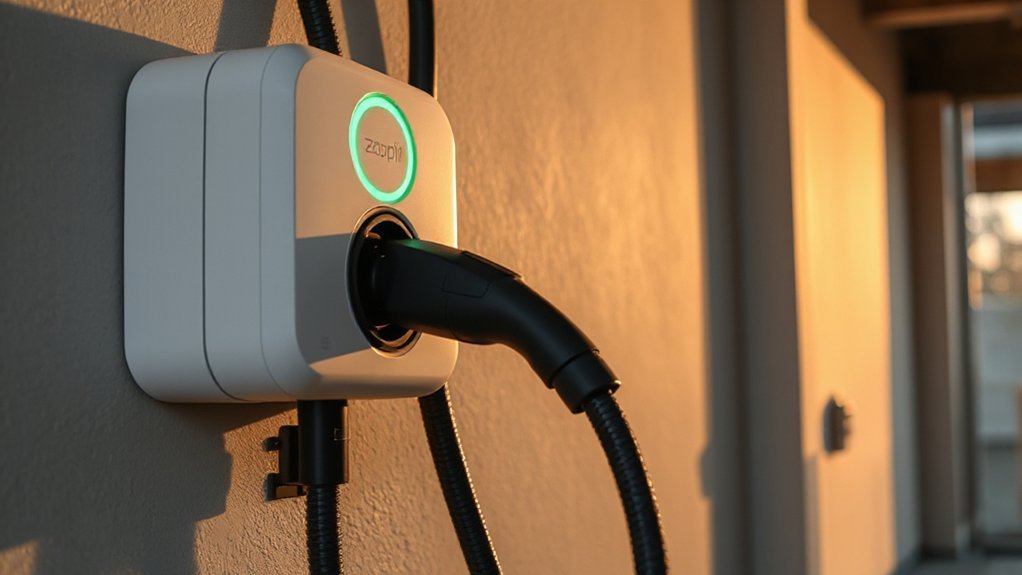
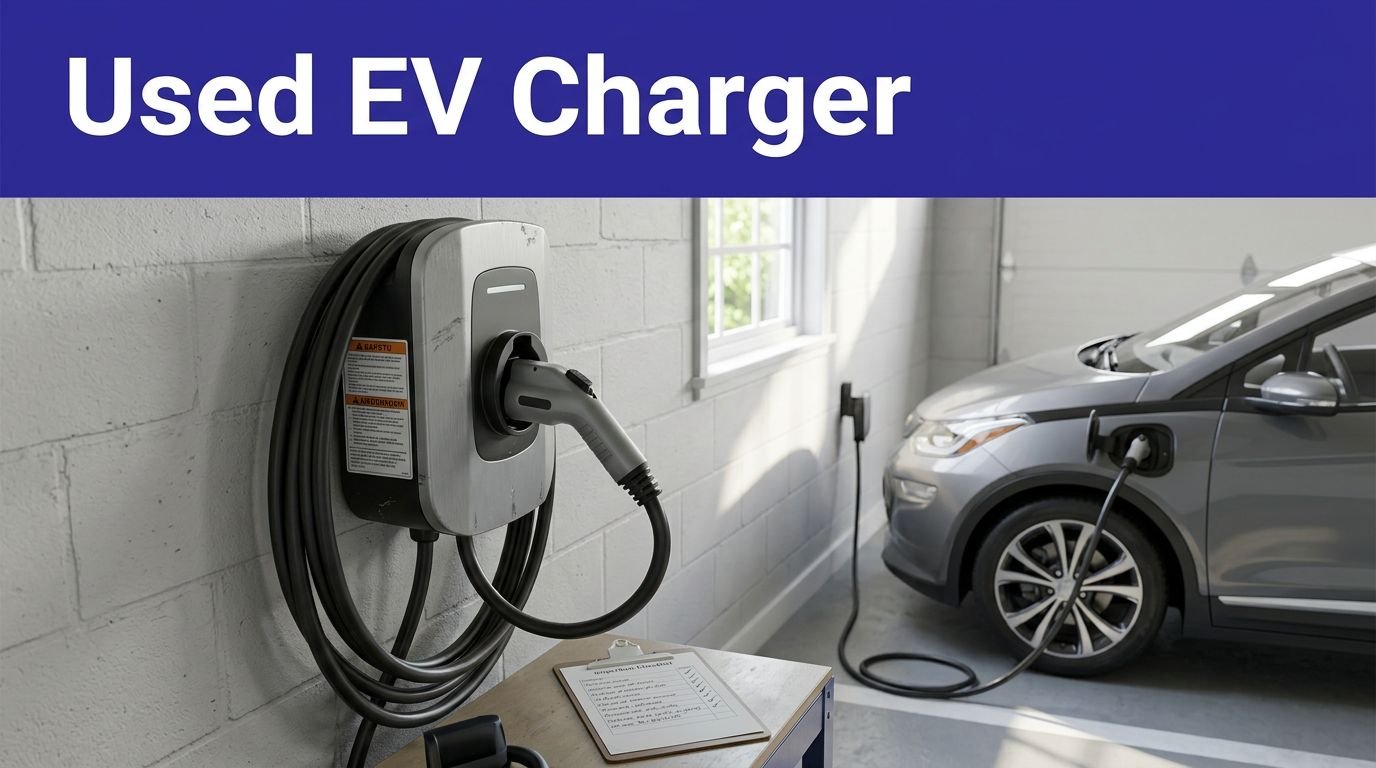
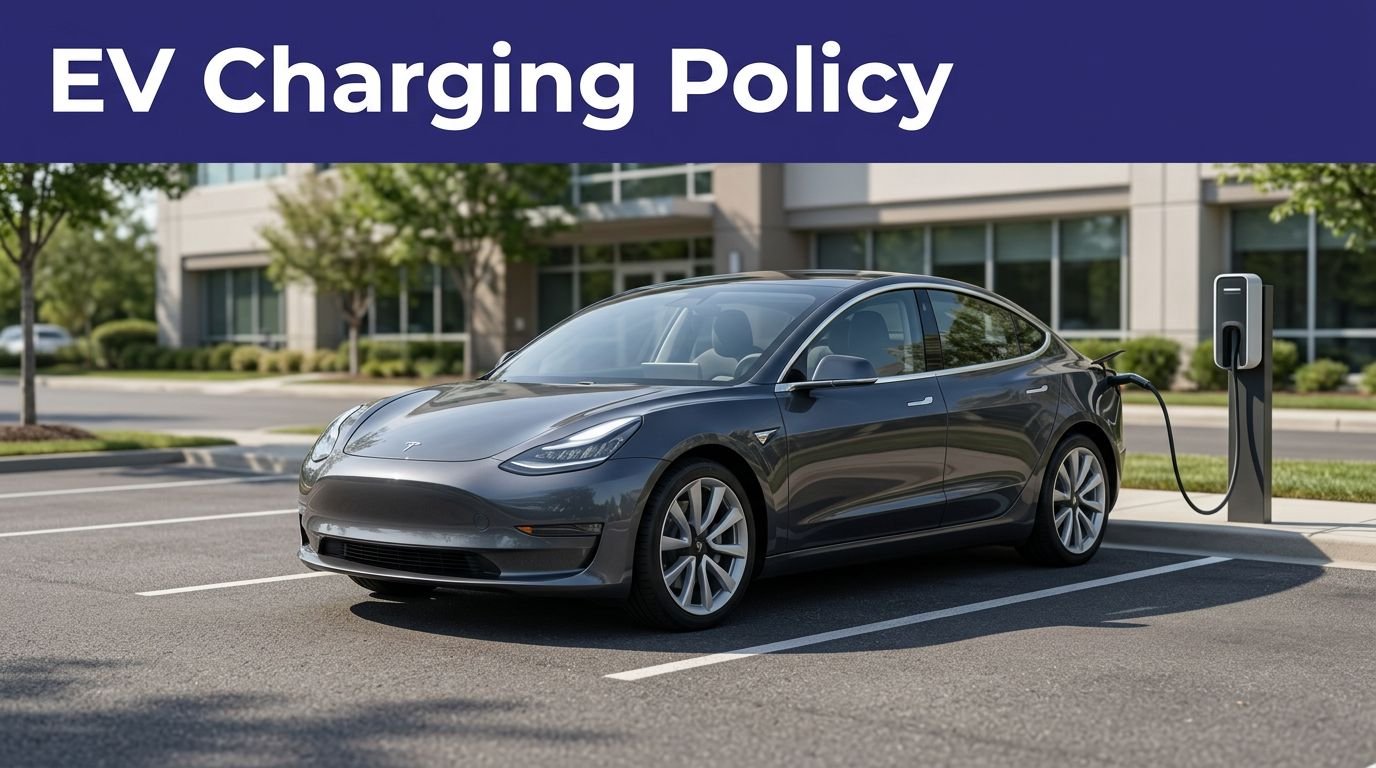
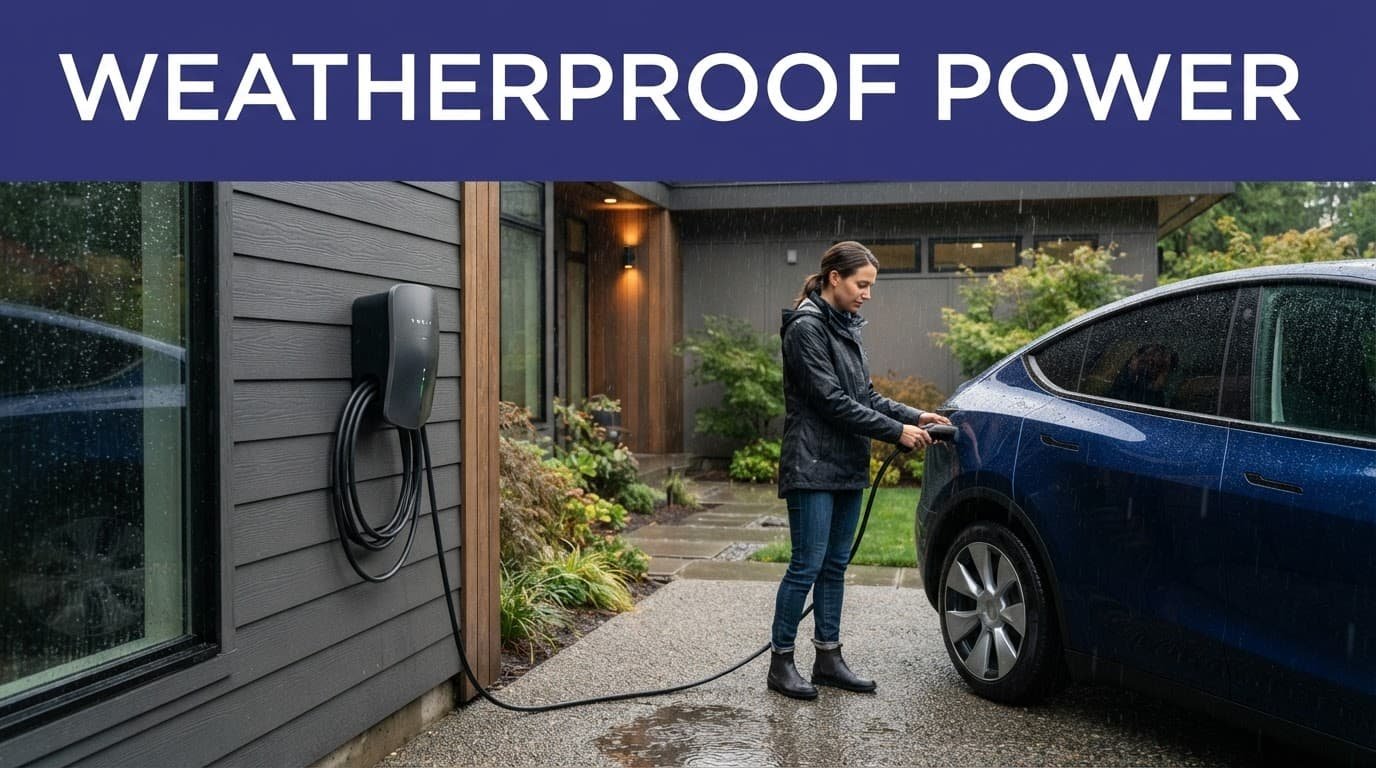
Rain doesn’t ruin a properly installed electric vehicle charger. A bad receptacle, exposed cable, or overloaded electrical panel can ruin your Saturday, your wall, and possibly the mood of everyone standing in a driveway with a dead car.
For home EV charging, a Level 2 charger usually delivers roughly 9.6 to 12 kW. A properly selected EV charging station should have a weather-resistant enclosure, connector compatibility, and a charging cable long enough to reach your vehicle. Climate and available panel capacity matter too.
Most driveways need this setup instead of DC fast charging. A smart EV charger can add scheduling and controls, while a basic unit still handles the essential job.
The shortlist includes the ChargePoint Home Flex and Tesla Wall Connector, plus other models worth considering. We’ll also cover the installation details that keep the setup safe when winter arrives and the driveway turns into a small hostile nation.
This post may contain affiliate links. If you make a purchase through these links, I may earn a small commission at no extra cost to you.
Key Takeaways
- Most driveways are best served by a Level 2 EV charger, which can provide roughly 7.7 to 11.5 kW for practical overnight charging.
- Choose an outdoor-rated charger based on the climate and exposure: NEMA 4 is a strong general choice, while NEMA 4X adds corrosion resistance for coastal areas.
- The Emporia Classic is the value pick, the Emporia Pro suits homes with limited panel capacity, ChargePoint Home Flex offers flexible app control, and Tesla Wall Connector fits Tesla-first households.
- Hardwiring is generally preferable for a permanent exposed installation because it removes the outdoor receptacle connection. Plug-in setups can still work when the receptacle, protection, and installation are correct.
- Confirm the connector, vehicle charging limit, electrical-panel capacity, cable route, permits, and local code before installation. A charger can be smart, powerful, and weather-resistant, but it still cannot negotiate with an undersized electrical service.
Best outdoor EV chargers for driveway use
The shortlist compares each electric vehicle charger by weather protection, connector fit, amperage output, and smart controls. These are residential AC units, not DC fast charging equipment, and app-connected models offer smart EV charger features. Emporia brings strong energy controls, while ChargePoint Home Flex offers flexible amperage for expected charging speed. Tesla suits Tesla-heavy households, and a dual-port unit helps when two EVs share one circuit.
| Charger | Best fit | Outdoor and connector details | Output and approximate 2026 price |
|---|---|---|---|
| Emporia Classic | Value-focused buyers | NEMA 4, available with J1772 or NACS | Up to 48 amps, $429 J1772 or $479 NACS |
| Emporia Pro | Homes with limited panel capacity | NEMA 4, J1772 or NACS, PowerSmart load management | 48 amps hardwired, 40 amps plug-in, about $599 |
| ChargePoint Home Flex | Mixed-EV households | NEMA 3R, verify the connector on the current SKU | Up to 50 amps hardwired, 40 amps plug-in, about $549 to $639 |
| Tesla Wall Connector | Tesla-first households | NACS, Wi-Fi, outdoor-capable design | Up to 48 amps, around $450 |
| Grizzl-E Duo | Two-EV households | Dual-vehicle setup, verify current enclosure and connector details | Shared output depends on the installation and current model |
Prices change by retailer, connector, promotions, and product revision. Treat them as useful shopping references, not engraved commandments handed down by the breaker panel.
Mixed-EV households may want a universal wall connector for future flexibility. Verify the actual connector and vehicle compatibility before ordering.
For most exposed driveways, the Emporia Classic is the value pick. Favor a weather-resistant unit when the charger has little shelter.
The Emporia Pro is the panel-friendly option, and its load-management hardware can matter more than a few extra amps when panel capacity is limited.
Can an EV charger stay outside in rain and snow?
Yes. A properly listed and installed EV charging station can operate outdoors in rain, snow, sleet, and normal temperature swings. The important word is properly.
Home Level 2 equipment is built for outdoor use when its enclosure rating, wiring method, mounting location, and installation instructions support that placement. A weather-resistant enclosure and outdoor-rated components are only part of the complete electric vehicle charger setup. The cable and vehicle connector are also designed for outdoor charging, but that doesn’t mean you should leave the connector face-down in a puddle like a garden hose with a career change.
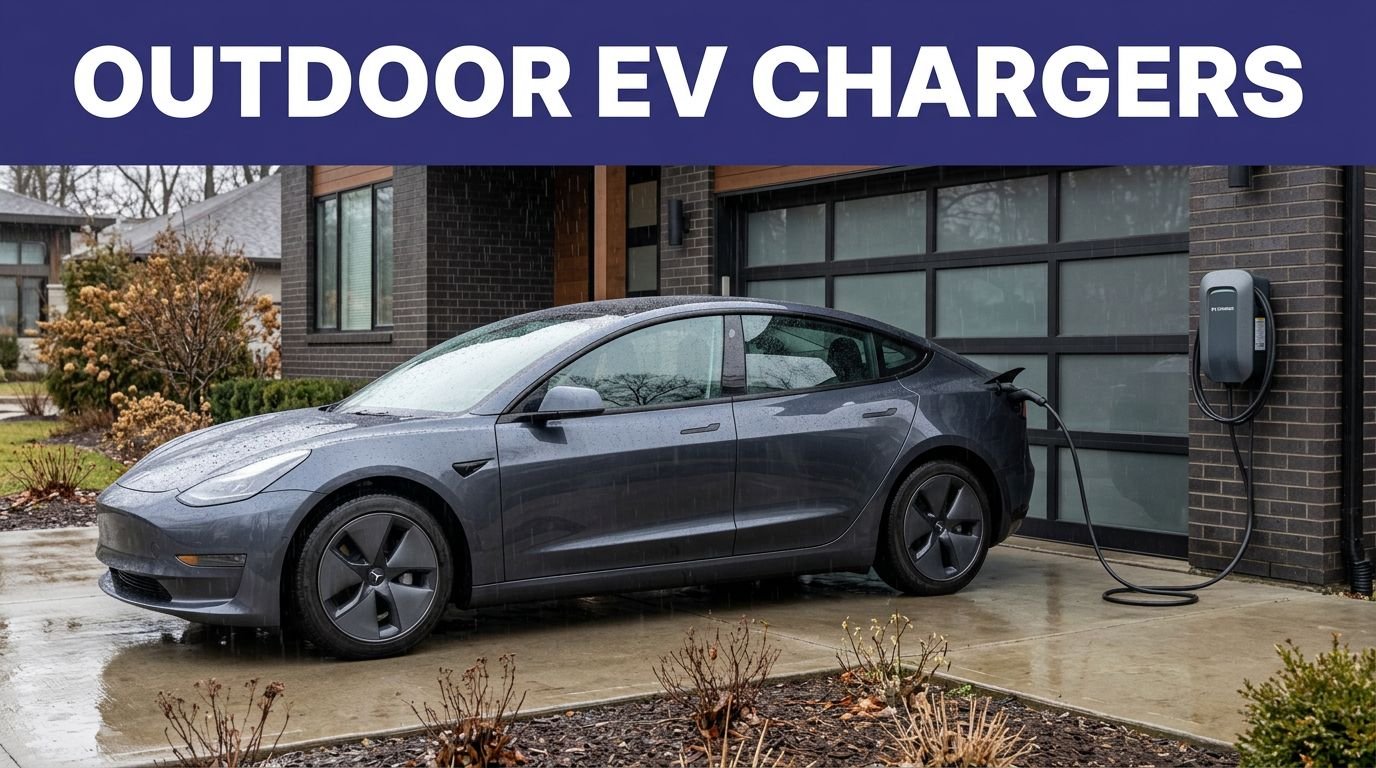
NEMA ratings describe how well the enclosure protects its internal components. They don’t certify the entire installation. A NEMA 4 charger connected to a loose, overheated receptacle is still a bad installation wearing a nice jacket.
Battery Tender’s outdoor installation guide identifies NEMA 3R as a common minimum for outdoor exposure. For a fully exposed driveway, a stronger rating provides more protection against wind-driven water, dust, and rough weather.
NEMA 3R, NEMA 4, and NEMA 4X
A NEMA 3R enclosure protects against falling rain, sleet, and snow. It works well under a deep eave or on a sheltered exterior wall, provided water isn’t driven sideways into the unit.
A NEMA 4 enclosure provides a tighter seal. It adds protection against windblown dust and hose-directed water. That makes it a better choice when the charger sits in the open, near sprinklers, or beside a driveway that gets blasted with slush by passing traffic.
NEMA 4X adds corrosion resistance. That extra “X” matters near the coast, where salt air can be hard on fasteners, conduit fittings, and exposed metal. FLO’s enclosure-rating guide explains the difference between NEMA 3R, 3, 4, and 4X enclosures.
A weather rating protects the charging unit, not a damaged cable, flooded junction box, or badly terminated circuit.
For coastal homes, look for NEMA 4X or clear manufacturer language about corrosion resistance. Use corrosion-resistant hardware and sealed conduit fittings. In cold regions, keep the connector holster above the usual snow line and away from roof runoff. Freeze-thaw cycles are rough on anything mounted where meltwater can repeatedly enter and refreeze.
The top outdoor EV chargers for 2026
The four main choices below cover most residential driveways. Each is a residential EV charging station, but they aren’t interchangeable, even when the boxes all promise a similar charging number.
Emporia Classic: the value choice
The Emporia Classic is a strong, weather-resistant electric vehicle charger when you want high-output Level 2 charging without paying for a large management system.
It supports up to 48 amps and carries a NEMA 4 outdoor rating. Current versions are available with either an SAE J1772 connector or a NACS connector, so check the exact product version before ordering. The included charging cable is listed at 25 feet, which is useful when the vehicle doesn’t park perfectly beside the wall.
The J1772 version is commonly listed around $429, while the NACS version is around $479. Both carry a three-year warranty in current product comparisons.
That 25-foot cable sounds like a luxury until your teenager parks at an angle, your spouse parks even more creatively, and you discover the vehicle inlet is on the opposite side from the charger. Then it becomes the only adult in the driveway.
Choose the Classic when:
- You want up to 48-amp charging.
- You need a more robust outdoor enclosure.
- You don’t need whole-home energy monitoring.
- You already know which connector your vehicle requires.
The Classic doesn’t solve a crowded panel by itself. If your service is already busy with a heat pump, induction range, dryer, and electric water heater, look at the Emporia Pro instead.
Emporia Pro: the panel-friendly choice
The Emporia Pro is the most interesting option when a panel upgrade is possible but painful.
Its PowerSmart load-management system works with the bundled Vue 3 energy monitor. The monitor tracks household electricity use, allowing the system to reduce EV charging current when other large loads push the home toward its limit.
Picture the oven, dryer, and heat pump all deciding to work at once. The Pro doesn’t panic. It tells the car to take less power for a while. Dinner continues. The lights stay on. Nobody has to explain to the electrician why the service entrance now smells like regret.
Hardwired installation supports up to 48 amps, or about 11.5 kW at 240 volts. The plug-in version is limited to 40 amps, or about 9.6 kW. The unit is listed with a NEMA 4 enclosure and comes in J1772 and NACS versions. Current 2026 pricing is about $599, with a three-year warranty.
Dynamic load management is not a magic exemption from electrical code. An electrician still needs to perform the required service-load calculation and confirm that the electrical panel, wiring, and monitoring setup are suitable. The system can manage charging demand. It cannot turn a small electrical service into a larger one.
ChargePoint Home Flex: the flexible app choice
The ChargePoint Home Flex is a practical electric vehicle charger for households that want app-adjustable current. As a smart EV charger, it adds scheduling and control through a mobile app.
The unit’s amperage output is adjustable, with current versions reaching 50 amps when hardwired and 40 amps in plug-in configurations. At 240 volts, 50 amps is about 12 kW. The charger is listed with a NEMA 3R outdoor rating and a cable around 23 feet long.
ChargePoint Home Flex pricing varies more than the other models in this group. Current 2026 comparisons place it between about $549 and $639. Check the exact retailer listing before treating any number as final.
Connector details need the same attention. Some versions and listings describe J1772, while newer product versions may be offered with NACS. Don’t order based on a photograph that looks vaguely familiar. Confirm the connector in the SKU, then confirm that it fits your vehicle without relying on a last-minute adapter.
Home Flex makes sense when you value charging schedules, app control, adjustable amperage, and a familiar brand. For a completely exposed driveway in a salty coastal climate, its NEMA 3R rating may make the Emporia models more attractive because of their weather-resistant housing.
Tesla Wall Connector: the Tesla-first choice
The Tesla Wall Connector is the cleanest fit for a Tesla-heavy home. It uses the NACS connector, includes Wi-Fi connectivity, and is commonly listed at up to 48 amps. Recent 2026 pricing is around $450.
Its strongest advantage is a native Tesla setup. The vehicle, connector, and charging controls fit together without the visual and psychological clutter of adapters, conversion cables, and one more app asking you to reset your password.
The Tesla Wall Connector can also be configured for power sharing in installations with multiple compatible units. That is different from whole-home dynamic load management. Power sharing divides the available charging capacity between connected Wall Connectors, while dynamic load management watches broader household demand.
A Tesla-only home may have no reason to buy a J1772 unit. A household that expects to add a non-Tesla EV may prefer a more future-flexible universal wall connector. The connector is the part you touch every day, so future compatibility matters.
Hardwired or plug-in for an outdoor driveway charger?
For a permanent outdoor installation, hardwired installation is generally preferable for an exposed electric vehicle charger.
A plug-in charger can work safely with a properly installed outdoor receptacle, required protection, and a charger approved for that setup. Some versions of the ChargePoint Home Flex may be offered in a plug-in configuration, so verify the current SKU. This setup is useful for renters, temporary installations, or homes with an existing, correctly wired 14-50 outlet.
The problem is that outdoor plug-in setups add another connection point. The receptacle sits in heat, cold, rain, dust, and repeated charging cycles. A loose termination can create heat, and a worn weather-resistant cover can admit water. The plug itself can become a small weather experiment nobody asked to participate in.
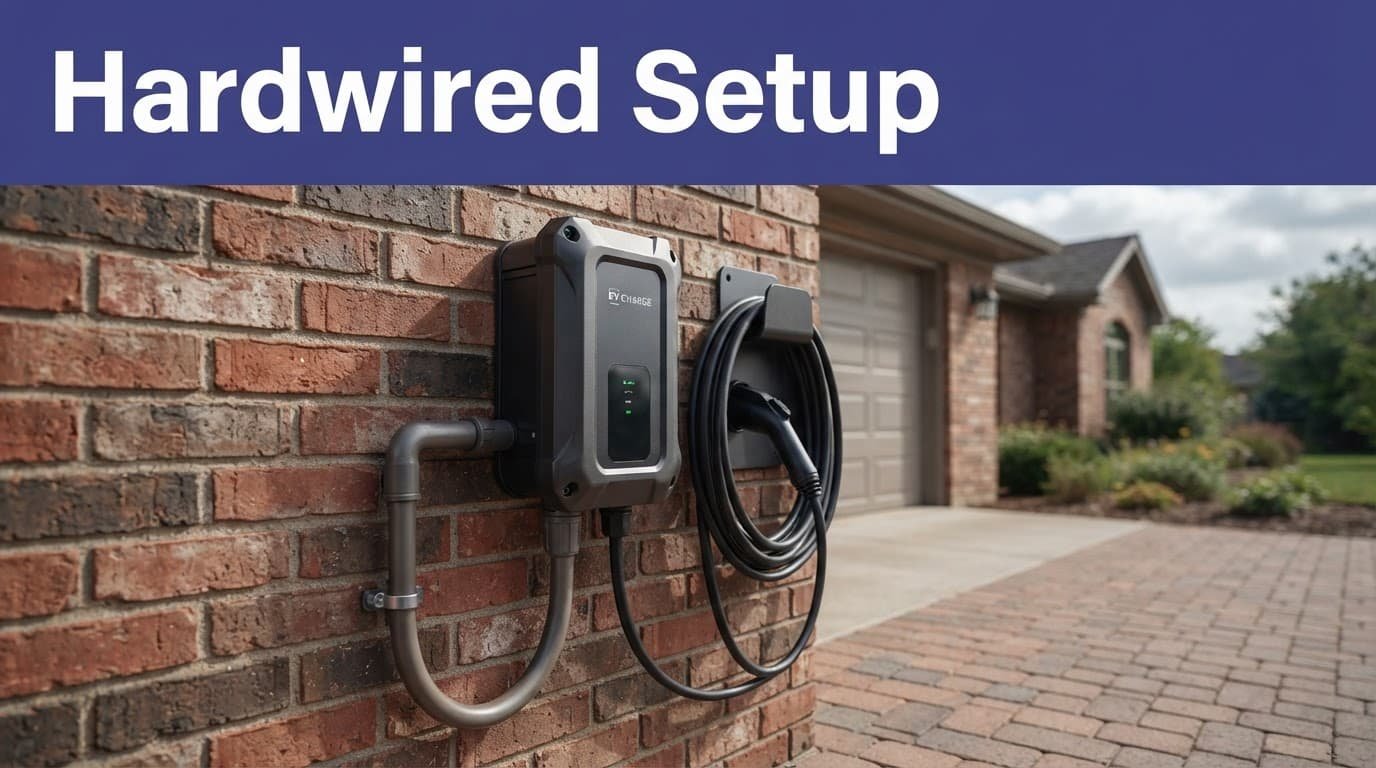
The equipment price is often similar either way. Installation cost changes with the route, panel, trenching, permits, and service work. Hardwiring removes an outdoor receptacle connection, but it doesn’t automatically reduce labor or permit requirements.
| Setup | Main cost items | Best use |
|---|---|---|
| Plug-in | Charger, outdoor receptacle, weatherproof box, GFCI protection, circuit installation | Existing suitable outlet or temporary use |
| Hardwired | Charger, dedicated circuit, conduit, disconnects where required, electrician labor | Permanent exposed driveway installation |
| Detached garage | Charger, subpanel or circuit, conduit, trenching, long wire run, possible load upgrade | Parking away from the main house |
Hardwiring also lets the electrician select the conduit, fittings, breaker, and disconnect arrangement for the actual location.
Solus’ explanation of NEMA 4 ratings makes the same practical point about enclosure protection, but remember that the wiring still needs its own weatherproof treatment.
If the charger will live outside for years, hardwire it. If you need a plug-in unit, have the receptacle installed and tested by a qualified electrician. Skip household extension cords completely.
Installing a charger beside a driveway or detached garage
The shortest route from the panel to the parking space is usually the cheapest route. It isn’t always the best route.
Before buying an electric vehicle charger, walk the cable path and measure for the charging cable. Mark the panel, wall, trench, driveway edge, vehicle inlet, and cable holster. A 25-foot lead can help, but it isn’t a substitute for planning. Cables across a walkway become trip hazards. Cables across a driveway can meet tires, snow shovels, and the occasional person who has decided to reverse without looking.
A detached garage may need a new feeder, subpanel, or electrical upgrade, especially on a long run. The electrician should check the home’s service capacity, calculate voltage drop, choose the approved wiring method, and confirm local trench depth requirements. A driveway crossing may require different burial protection than a shallow run along a wall.
Use weather-resistant conduit and fittings, along with suitable cable-management hardware. Where conduit rises above ground, physical protection may be required. Seal wall penetrations, provide proper drainage where needed, and avoid low points that collect water. This home installation guide gives a useful example of common mounting-height guidance, but local code and the charger’s instructions control.
A charger near the coast needs corrosion-resistant hardware. A charger in Minnesota needs cable management that keeps the connector out of packed snow. The box can be identical. The installation shouldn’t be.
MetroEV’s NEMA enclosure discussion covers why sealed housings are often preferred in places with heavy snow, freezing rain, and slush.
Level 1, Level 2, or Level 3 for a driveway?
Most driveway owners want a Level 2 charger. Level 1 is easy but slow. Level 3 is powerful, but a commercial EV charger is usually needed for DC fast charging. That equipment generally belongs at commercial sites and highway charging locations.
| Charging level | Typical power | What it means at home |
|---|---|---|
| Level 1 | About 1.4 to 1.9 kW | Uses a 120-volt outlet and adds miles slowly |
| Level 2 | About 7.7 to 11.5 kW at common settings | Uses a 208- or 240-volt circuit and suits overnight charging |
| Level 3 DC fast charging | Much higher, site-dependent | Requires expensive commercial equipment and special electrical service |
For most homes, an EV charging station with Level 2 output is the practical choice for overnight charging.
A 48-amp Level 2 charger produces about 11.5 kW at 240 volts. A 50-amp unit produces about 12 kW. Some residential products advertise 80 amps and 19.2 kW, but that number only helps if the vehicle accepts that rate and the electrical service can support the circuit.
The vehicle sets another limit. If its onboard AC charger accepts 7.2 kW, a 12-kW electric vehicle charger won’t force it to accept 12 kW. The car takes what it can use, like a polite guest who still refuses the third slice of cake.
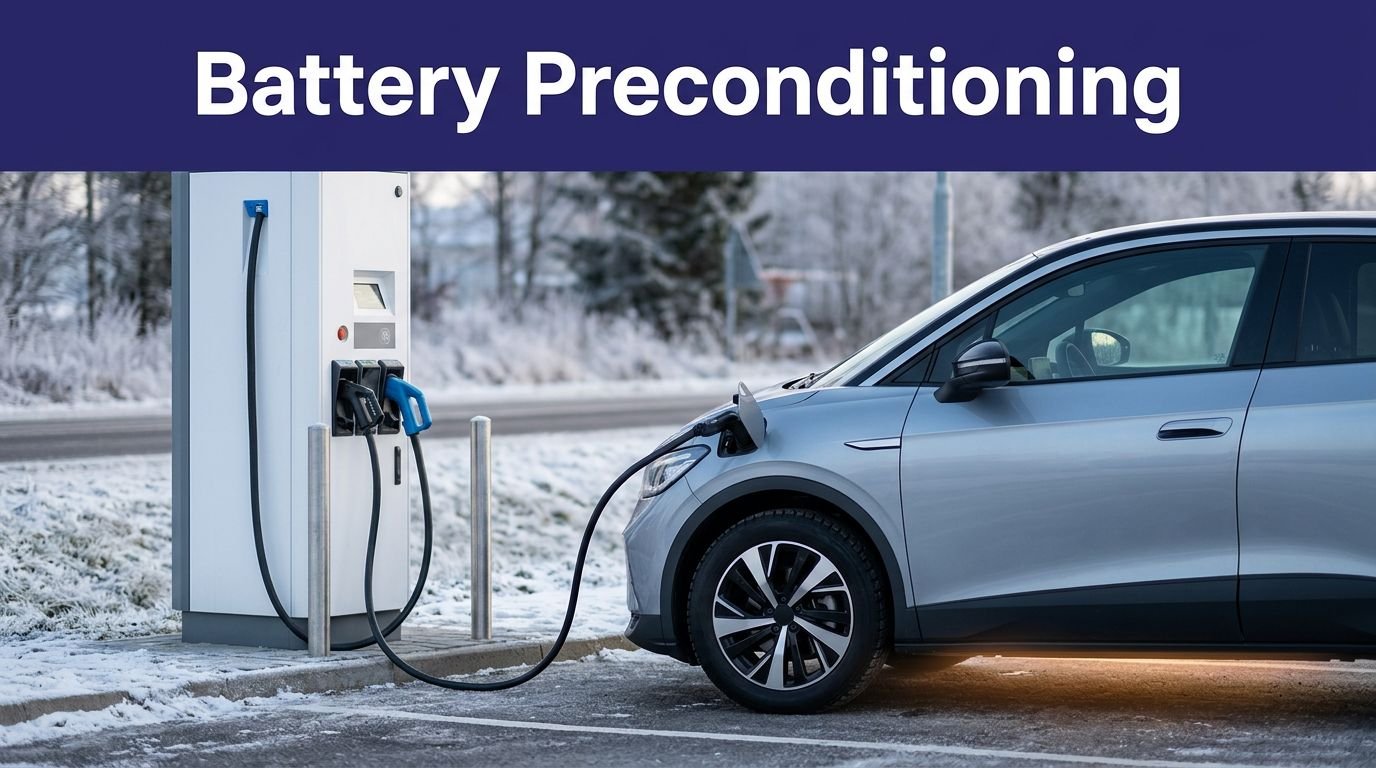
Charging speed depends on the lowest limit among the charger setting, circuit, voltage, vehicle onboard charger, and battery conditions. Cold batteries and high states of charge can reduce the rate during part of a session. Preconditioning while connected can help in winter because the vehicle can use grid power instead of pulling as much energy from the battery.
Wi-Fi, apps, and dynamic load management
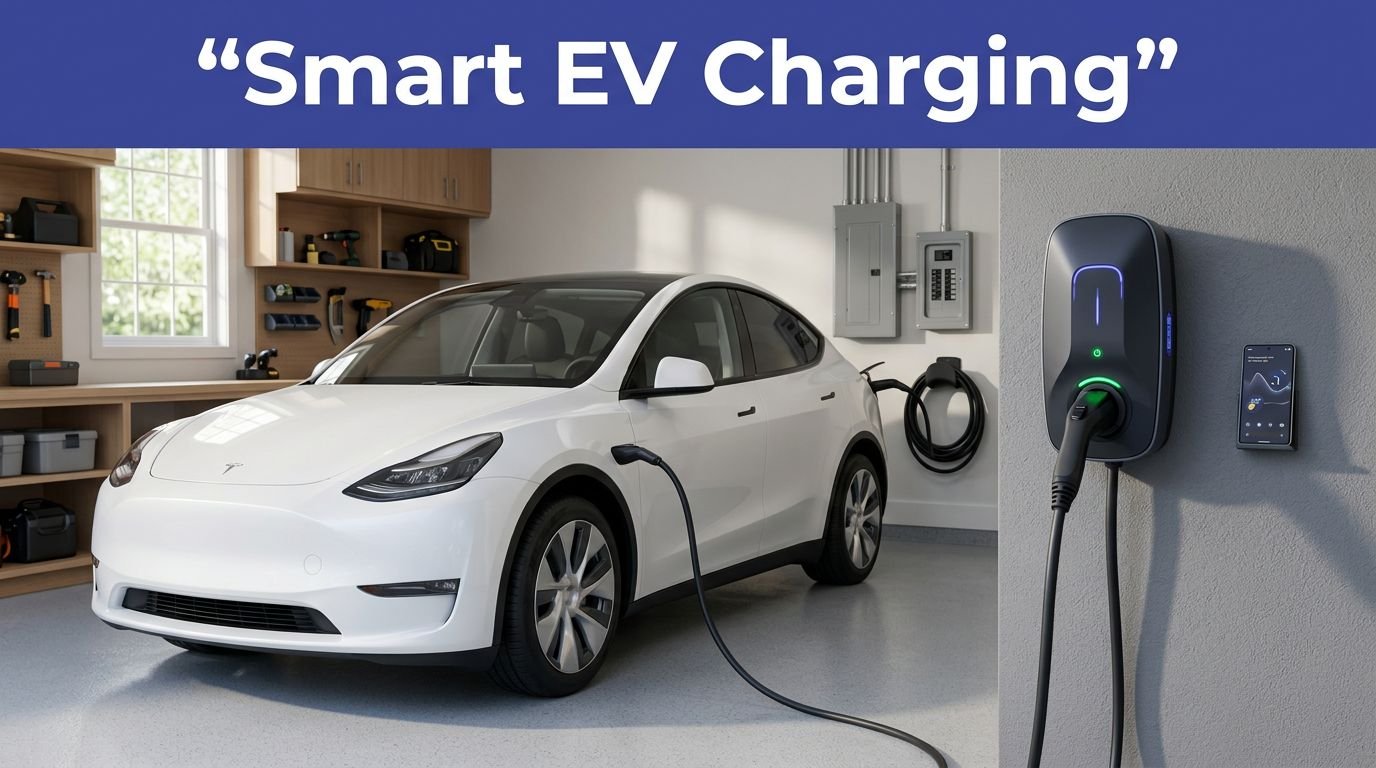
Smart features matter more when electricity prices change by time of day or your panel is already busy. An electric vehicle charger is more useful as a smart EV charger when it schedules cheaper overnight sessions for home EV charging.
A mobile app can schedule a ChargePoint Home Flex overnight, pause a session, show energy use, or adjust current. Your vehicle may offer similar controls, so choose one system as the main scheduler. Two apps giving two different start times is how a full battery becomes a philosophical concept.
Energy monitoring shows home-charging costs, while remote monitoring lets you check charger or household electricity use away from home. It can also help when you’re deciding whether a service upgrade is necessary. The Emporia Pro pairs its Vue 3 monitor with PowerSmart dynamic load management, which adjusts charging when household demand rises.
That adjustment can prevent the EV from becoming the last major load added to an already crowded panel. An outdoor smart EV charger still needs a weather-resistant enclosure. It doesn’t replace correct wiring or permit approval; it simply makes the car a more flexible load than a water heater or oven.
Separate Tesla Wall Connector units use power sharing; Emporia responds to household demand, while the Grizzl-E Duo serves two vehicles. In both cases, check simultaneous output. Two plugs do not automatically mean two cars receive maximum output at the same time.
Outdoor installation safety checklist
A safe installation involves more than mounting an electric vehicle charger and plugging in its cable. Before the electrician arrives, confirm these details:
- Choose a weather-resistant EV charging station with a documented outdoor rating. Check the manufacturer’s weather rating, too. NEMA 4 is a strong general choice, while NEMA 4X deserves attention in coastal areas.
- Confirm the connector type. Choose NACS or an SAE J1772 connector based on the vehicle and the household’s future plans.
- Have a qualified electrician complete a service-load calculation. A 48-amp charger is a continuous load and may require a larger breaker and conductors than the charger’s label suggests. Even systems using dynamic load management require proper calculation, wiring, and approval.
- Keep the unit clear of roof runoff, sprinkler spray, flood-prone ground, snowdrifts, and direct impact from vehicles.
- Use a dedicated circuit, approved conduit, weatherproof fittings, and the required ground-fault protection.
- Mount the cable holster where the connector stays off the ground and away from tires.
- Get the required permit and inspection, especially for trenching, a new subpanel, or a service change.
Do not charge with a cracked housing, damaged cable, bent connector, loose receptacle, connector full of ice, or overheated equipment. Don’t pressure-wash the equipment. If water has entered a box or receptacle, stop using it and call an electrician.
Frequently Asked Questions
Can an EV charger stay outside in rain and snow?
Yes. A properly listed and installed Level 2 EV charger can operate outdoors in rain, snow, sleet, and normal temperature swings. Choose an enclosure suited to the exposure, keep the connector off the ground, and avoid roof runoff, standing water, and packed snow.
Is hardwired or plug-in better for an outdoor driveway charger?
Hardwiring is generally the better choice for a permanent exposed installation because it removes one outdoor receptacle connection. A plug-in charger can be safe when used with a properly installed, weather-protected receptacle and the required electrical protection.
What connector should an outdoor EV charger use?
Choose NACS or SAE J1772 based on the vehicle you own and the vehicles you may add later. Check the exact product SKU and vehicle compatibility before ordering, since connector options can vary between current versions.
Do I need a panel upgrade for a 48-amp EV charger?
Not necessarily, but a qualified electrician should complete a service-load calculation before installation. Dynamic load management, such as the system used by the Emporia Pro, can reduce charging current when household demand rises, but it does not replace proper wiring, permits, or adequate service capacity.
Is Level 2 charging enough for driveway use?
For most homes, yes. Level 2 charging provides useful overnight charging, while Level 1 is slower and Level 3 DC fast charging usually requires expensive commercial equipment that does not belong in a typical residential driveway.
Conclusion
The right electric vehicle charger needs the correct connector, enough Level 2 output, suitable NEMA protection, and a setup suited to the driveway. The Emporia Classic is the value choice, the Emporia Pro is the panel-friendly choice, ChargePoint Home Flex offers flexible app control, and Tesla Wall Connector fits Tesla-first homes.
For a permanent exposed setup, hardwiring usually beats an outdoor plug-in arrangement. Match the unit to your home EV charging needs, electrical service, parking layout, climate, and future vehicles. Don’t choose charging speed alone; check the vehicle and circuit first. A universal wall connector still requires connector compatibility checks, and a driveway setup doesn’t need commercial-style DC fast charging hardware. Rain is normal. A bad installation is not.