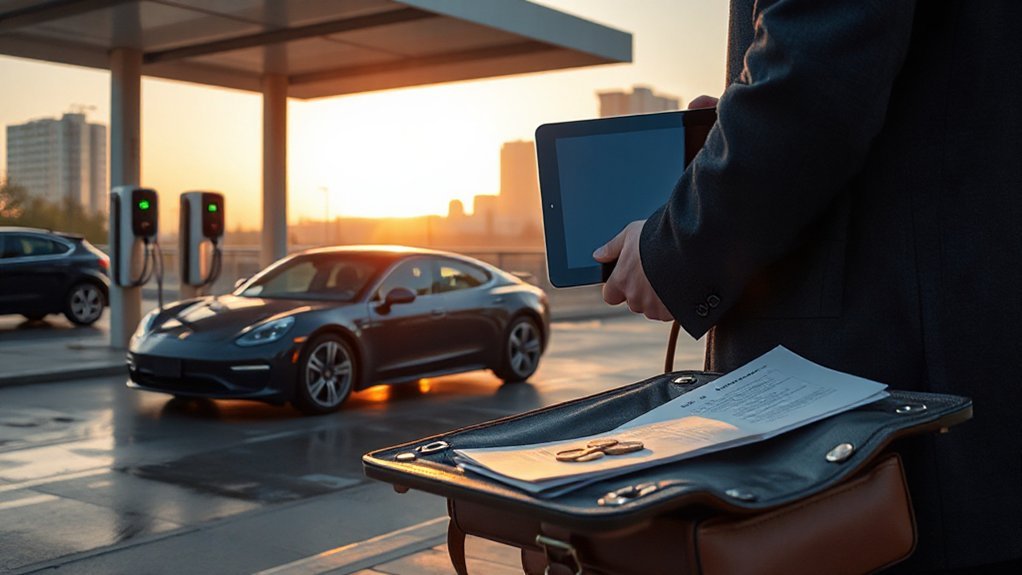
You weigh costs, you model ROI, you choose brands. Level 2 ports run $6–30k installed; DC fast chargers often cost $90–370k with site prep and gr...
Your Complete Guide to Electric Vehicle Charging
You weigh costs, you model ROI, you choose brands. Level 2 ports run $6–30k installed; DC fast chargers often cost $90–370k with site prep and gr...
Like opening a modern fueling stop, you’re not just buying pumps—you’re buying power, permits, and proof of compliance. Expect roughly $90k–$160k...
You could spend $100k or $800k—and both can be smart, depending on fees ($25k–$75k), charger mix, utility make‑ready, and site prep. You’ll model...
By coincidence, your timing aligns with falling equipment prices, but EV charging franchises still demand rigor. You’ll budget $25k–$75k for fran...
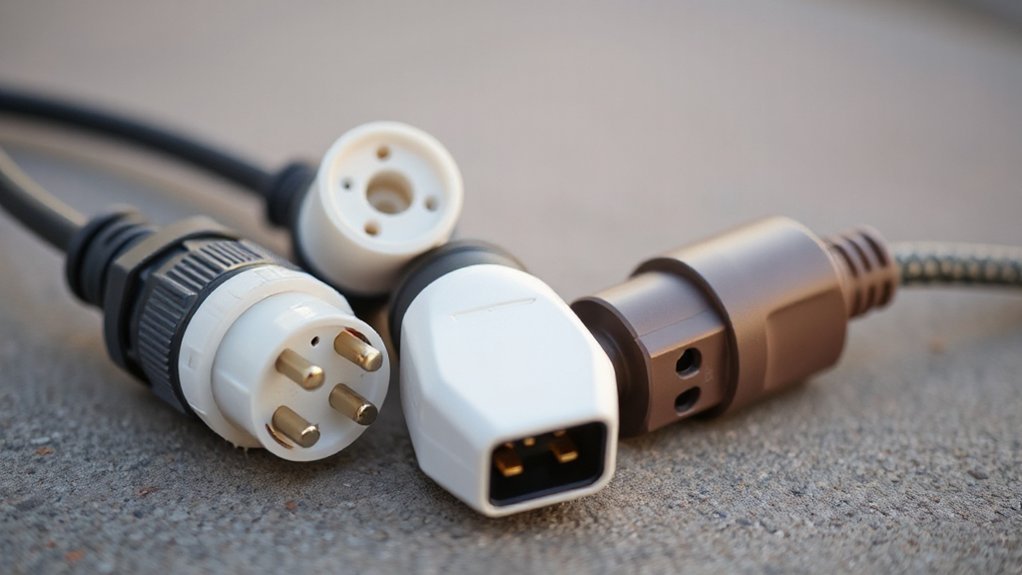
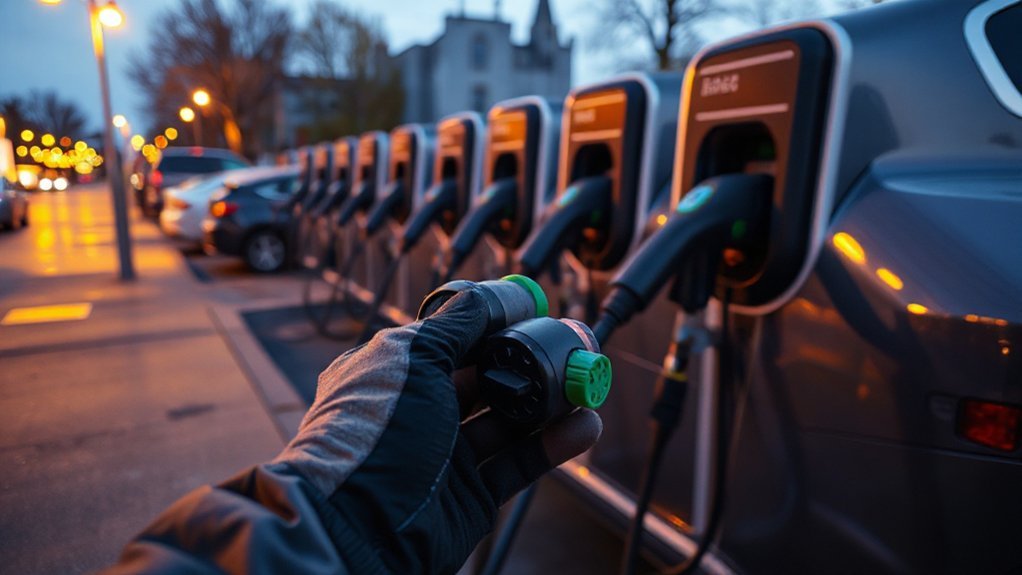
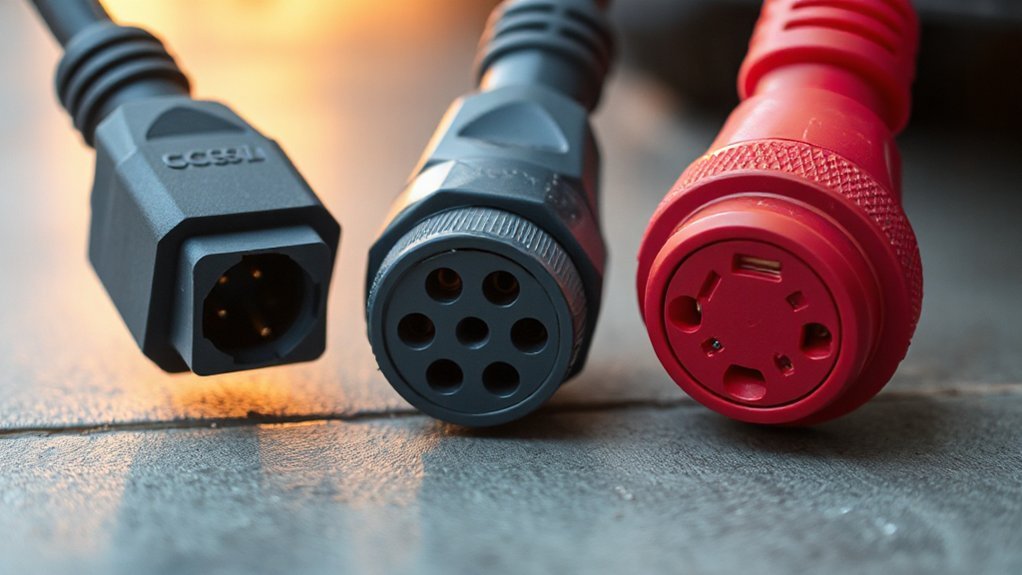
You navigate a maze of plugs, voltages, and protocols to charge reliably. AC (Type 1/J1772, Type 2, NACS) feeds onboard chargers; DC fast uses CC...
By coincidence, your car’s inlet and the charger you find tonight might not speak the same language. You must match plug standards (SAE J1772/Typ...
Every charger fits every EV—until it doesn’t. In 2025, compatibility still hinges on connector types (NACS, CCS1/2, Type 2, legacy CHAdeMO), AC v...
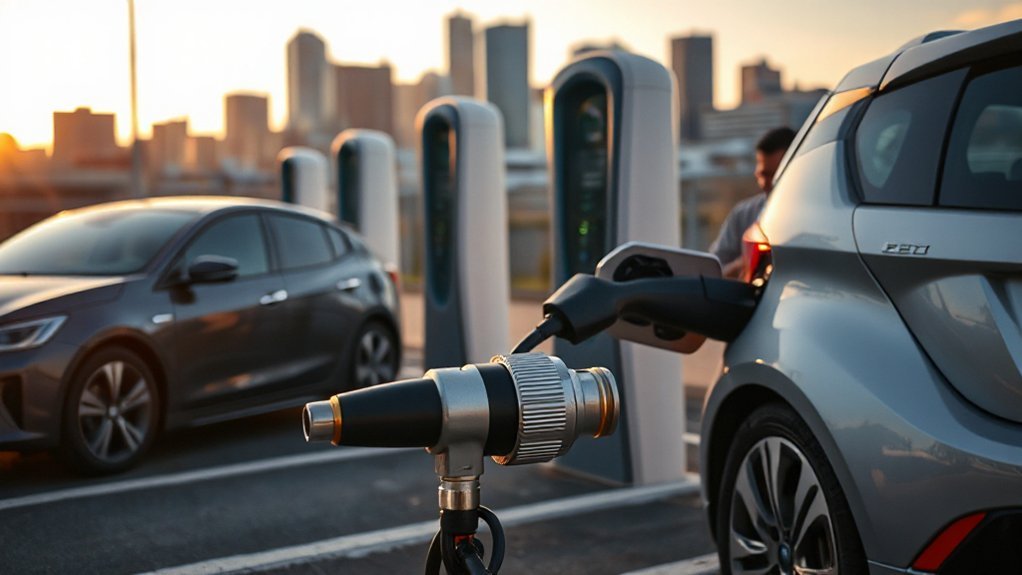
You arrive in an Ioniq 5 at a Tesla Supercharger: can you plug in, negotiate ISO 15118, and pull 230 kW on an 800 V pack? Universality hinges on ...
North America’s CCS1 meets Europe’s CCS2 while Japan’s CHAdeMO stands apart. You face different plugs, protocols, and limits. CCS1/2 use IEC 6219...
You can install a 240V Tesla circuit yourself—but only if you pull a permit, follow NEC continuous-load sizing at 125%, verify panel capacity wit...