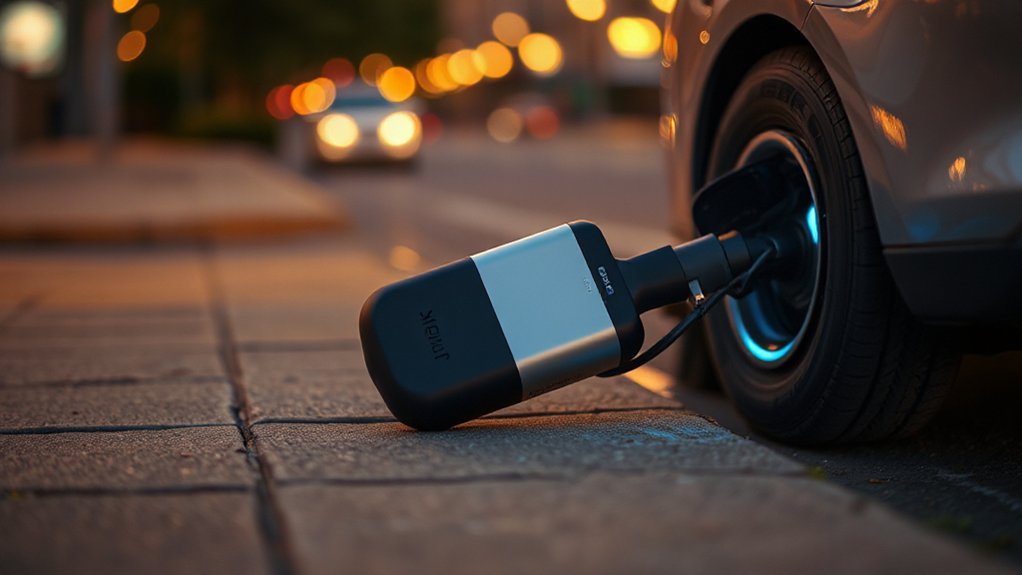
Nothing makes a road trip feel less futuristic than standing beside your electric vehicle, whispering at a stuck EV charging cable like it has made a personal choice. Check the charge port first, because this lock-state issue usually needs a cable lock reset, not a wrestling match.
The connector can stay locked because charging is still active, the car is locked, or a mechanical locking pin is under pressure. Start with the simple sequence below, then use the vehicle’s documented backup procedure only when normal controls fail.
This post may contain affiliate links. If you make a purchase through these links, I may earn a small commission at no extra cost.
What to do when the connector won’t release
Before pulling anything, determine whether the plug connector is locked in the vehicle port, at the charging station, or both. That detail determines your next move.
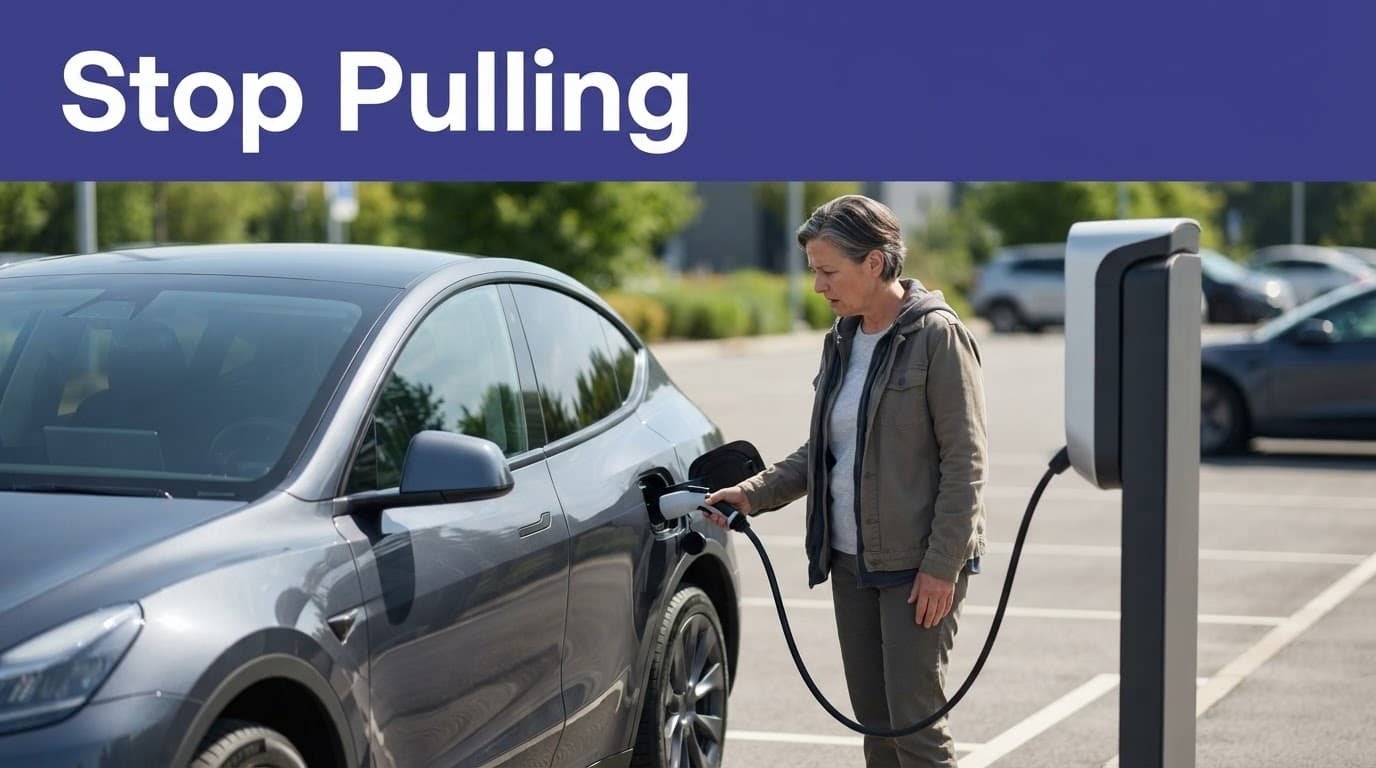
End the charging session and unlock the car
Stop charging from the vehicle’s touchscreen, charging app, or the charger’s display. If you’re using a public charge point, wait for it to show as complete. The connector may remain locked while the station still thinks electricity is flowing.
Next, unlock the vehicle with the key fob or door handle. Some EVs keep the charge port locked while the doors are locked, even after charging stops. Some models tie this behavior to what might be described as an “unlock lock” state. Follow the normal unlock sequence for your model, then press the release button on the charge handle.
For network-specific steps, EVgo’s stuck connector guide also recommends ending the process and unlocking the vehicle before escalating.
Relieve pressure before pressing the release
A heavy cable can pull sideways on the locking arm. That pressure can keep the lock wedged in place. The fix is slightly ridiculous but effective: push the connector gently farther into the port, support the cable, and press the handle’s release button.
Keep the plug straight and pull it out smoothly. Don’t twist it, jerk it, or use your whole body like you’re opening a stubborn pickle jar. If it doesn’t release with light pressure, stop. The lock or actuator may have failed.
Why an EV charging cable gets stuck
The locking mechanism is there for a reason. During a charging session, the vehicle and charger communicate before power flows, and the car can lock the connector as an anti-theft safeguard or to prevent accidental disconnection.
What drivers call a cable lock is usually the connector-locking hardware or pin, not a separate cable-security device.
The mechanical latch may not retract
Inside the charge port is a locking pin or arm controlled by a small actuator. When the session ends and the car is unlocked, that mechanism should retract. If the actuator loses power, software freezes, or the pin becomes misaligned, the connector’s release mechanism stays engaged.
A locked vehicle can also make a perfectly healthy cable look broken. The car is not being dramatic. It is following its lock state with the confidence of a hotel bathroom door that says “occupied.”
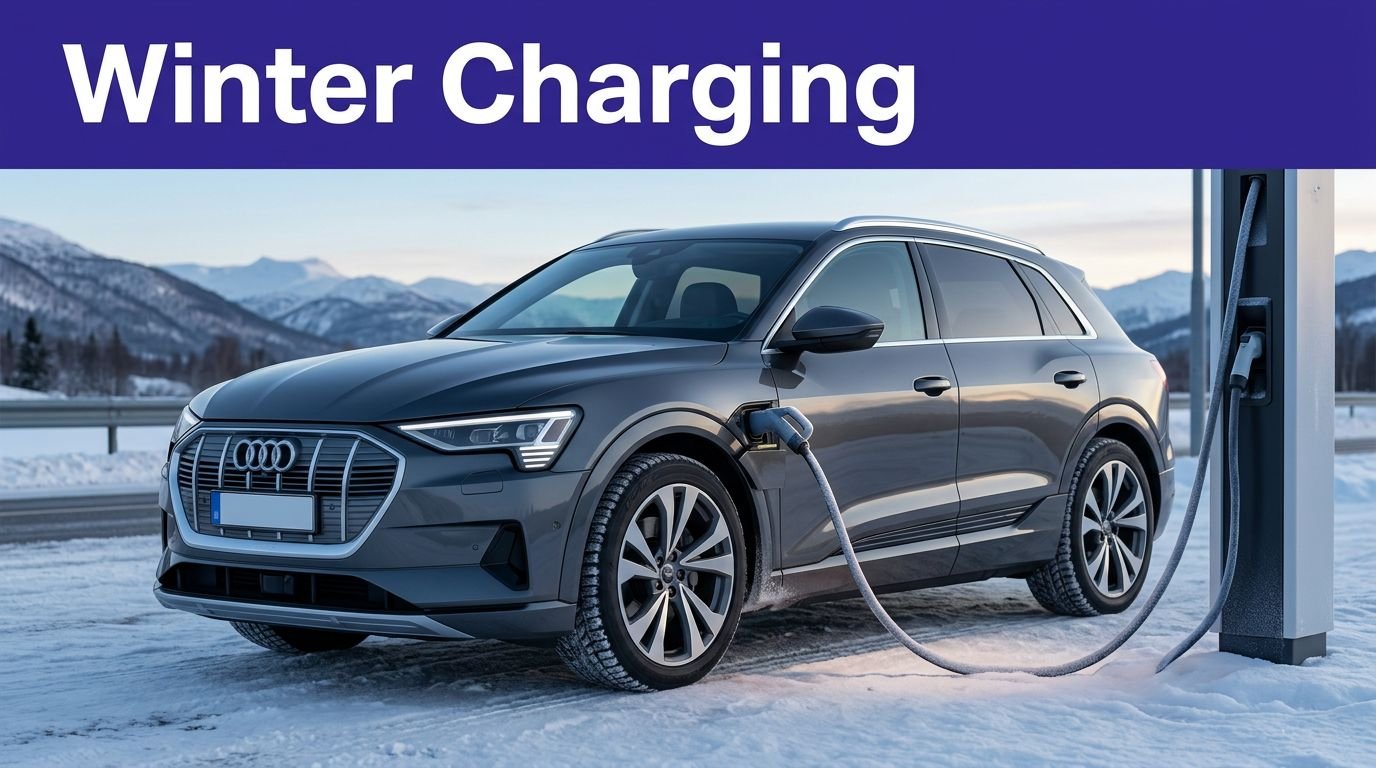
Dirt, ice, and a tight fit can add friction
Grit, ice, damaged plastic, or a bent connector can interfere with the release mechanism. A connector tolerance issue can also make the plug fit unusually tightly, especially if the handle or vehicle inlet has worn over time.
Inspect the charge port and plug with a flashlight. Don’t insert a screwdriver, wire, or other object into the socket. The pin is small, and the repair bill is not.
Manufacturer emergency release methods
Documented backup procedures vary by model. Use them only after normal charging has stopped.
They free the mechanical latch but don’t replace the normal process for ending a charge. Always stop charging first.
Tesla manual release
Tesla’s official Model S manual release instructions say to try the touchscreen, app, or charge-handle button first. If those controls fail, hold the rear trunk button on the key fob for 1 to 2 seconds, if equipped, and open the trunk.
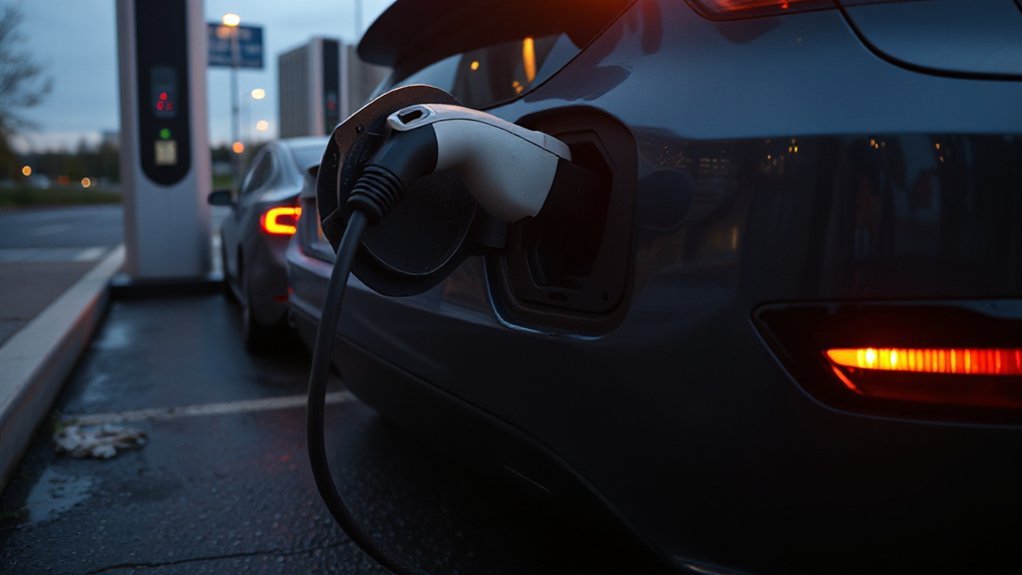
The manual release cable is located near the charge port area. Pull it downward to unlatch the connector, then remove the plug without twisting. Model X instructions are similar, but locations vary by model year.
Some supported Tesla vehicles with software version 2026.2.3 also offer a software release by holding the rear left door handle for three seconds. The vehicle must be unlocked or detect a recognized key nearby. Check your car’s current instructions before relying on that feature.
Kia and Hyundai release steps
Kia’s owner guidance says to unlock the doors before disconnecting the connector. Press the release button on the handle, and never force the cable out without using that button.
If it still won’t release, some Kia EVs have an emergency release cable in the motor room. Pulling it can release the lock, after which you press the connector button again. The cable’s location varies, so use the owner’s manual rather than pulling random cables under the hood.
Hyundai EVs also commonly use automatic connector locking. Unlock the doors, try the normal release, and check the vehicle’s charge settings if the cable keeps locking after the car is locked. Backup cable locations differ by model.
If the owner’s manual doesn’t clearly identify the release location, contact tech support before pulling any cable.
Audi and Volkswagen manual releases
Several Audi and Volkswagen models use a manual release loop under the trunk load floor. Current brand instructions commonly identify this loop as yellow. After ending the charging session, open the luggage-area cover and pull the loop gently to release the plug.
That location isn’t universal across every model. Don’t assume a yellow cable in an unfamiliar vehicle is the charge-port release. Confirm it in the manual first.
When the cable is stuck in the charging station
If the plug is locked into the station, not the vehicle’s charge port, end the session in the network app. Use the public charge point screen or the station’s stop control. Then press the release button while supporting the handle.
Record the station number before contacting the operator. The operator may be able to reset or de-energize the charging unit remotely. Keep the cable supported while you wait, especially if its weight is pulling against the socket.
Know when to stop troubleshooting
Don’t open the charging cabinet, remove the handle screws, cut the cable, or access an unfamiliar public circuit breaker. Public charging equipment contains electrical components that aren’t yours to service.
Contact the network’s customer service or roadside assistance if the connector is hot, cracked, wet, smoking, sparking, or physically damaged. Move away from the equipment if you see smoke or fire, and contact emergency services.
Is it safe to force a stuck connector?
No. Force can damage the vehicle’s charge port, bend the connector, break an internal latch, or pull wiring loose. It can also leave a damaged handle attached to electrical equipment, which is a terrible souvenir from a charging stop.
Avoid coat hanger picks and screwdriver disassembly hacks. Opening the connector housing can damage its weather seal and control-pilot or proximity wiring. If the normal release and the vehicle’s documented emergency release both fail, a qualified technician should isolate and remove it.
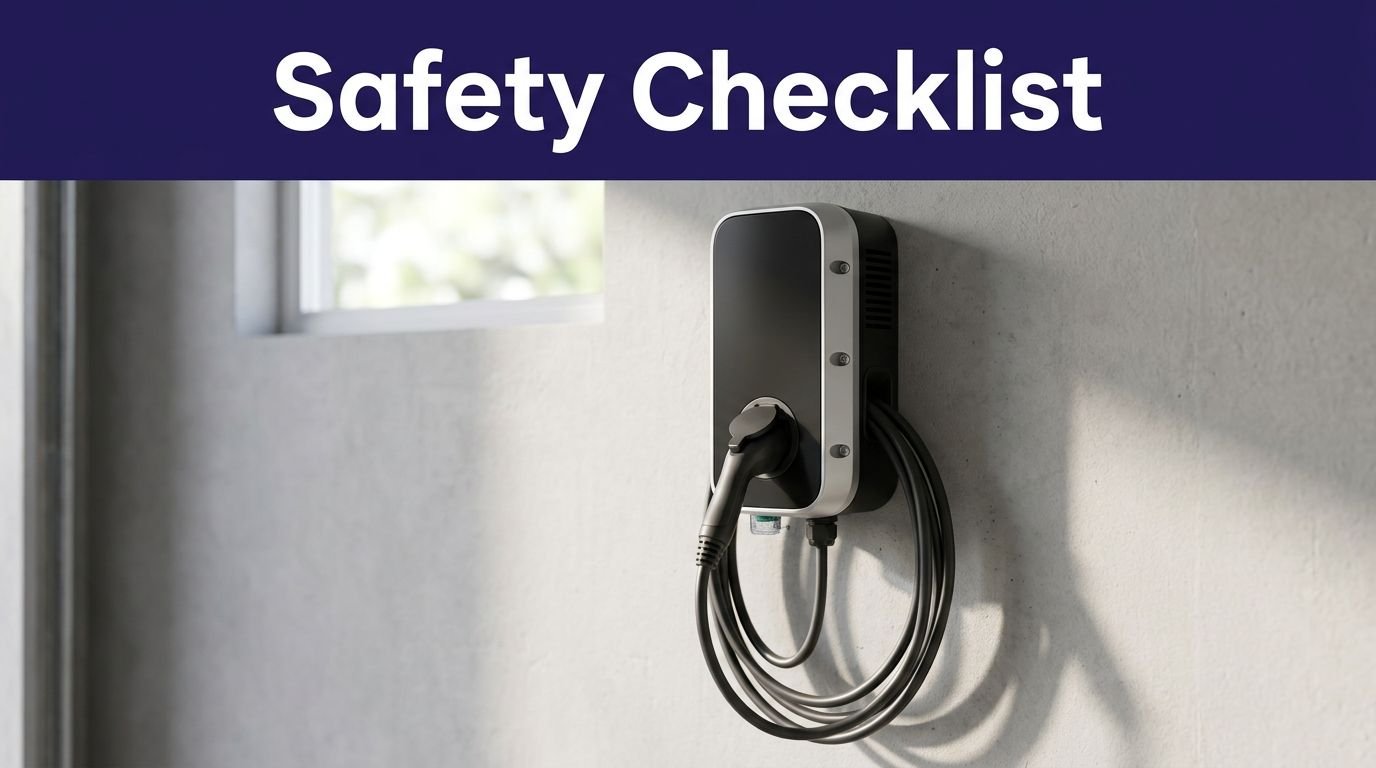
At home, shut down the charging unit using its normal control or the procedure in the manufacturer’s manual. Don’t cycle an unfamiliar public station’s breaker. That is a job for the charging operator or an electrician.
Frequently Asked Questions
Why is my EV charging cable stuck?
The connector may still be locked because charging is active, the vehicle is locked, or pressure is holding the mechanical pin in place. Dirt, ice, misalignment, or an actuator problem can also prevent the latch from retracting.
What should I do first when the cable won’t release?
End the charging session, unlock the vehicle, and press the release button while gently supporting the cable. If needed, push the connector slightly farther into the port first, but stop if it does not release with light pressure.
Can I use the emergency release cable?
Use it only after charging has stopped and only when your vehicle’s manual identifies the correct release procedure. Emergency-release locations vary by model, so never pull an unfamiliar cable under the hood or in the trunk.
What if the cable is stuck in the charging station?
End the session through the network app or the station’s stop control, then try the release button while supporting the handle. If it remains locked, record the station number and contact the charging network rather than opening the equipment or cycling its breaker.
Conclusion
A stuck EV charging cable is usually caused by a lock-state, alignment, or actuator problem. End the session, unlock the vehicle, support the handle, and relieve pressure before trying the release button again.
Use the emergency cable only when your vehicle’s manual identifies it. If light pressure doesn’t work, stop pulling and call the manufacturer, charging network, or roadside service. The plug is annoying, but a damaged charge port is much more committed to ruining your afternoon.
This post may contain affiliate links. If you make a purchase through these links, I may earn a small commission at no extra cost to you.