Choosing a home charging station gets complicated quickly. You think you are buying a Level 2 EV charger, but suddenly you are in a garage argument about outlets, breakers, and whether your wall needs a permanent electrical connection. When researching the debate over a hardwired vs plug-in EV charger, it helps to understand the technical trade-offs.
The short version is this: a hardwired charger connects directly into your electrical system, and a plug-in charger uses a 240V outlet, typically a NEMA 14-50. One provides more consistent power and fewer potential points of failure. The other offers flexibility and an easier removal process if your needs change. Let’s explore what actually matters, rather than the online discourse suggesting that only one setup is appropriate for every homeowner.
Key Takeaways
- A hardwired Level 2 EV charger typically delivers up to 48 amps of power, whereas plug-in units connected to a NEMA 14-50 outlet generally cap out at 40 amps.
- Plug-in units offer more flexibility because they are easy to replace or take with you, which makes them a practical choice for renters and those who do not plan on staying in their home long term.
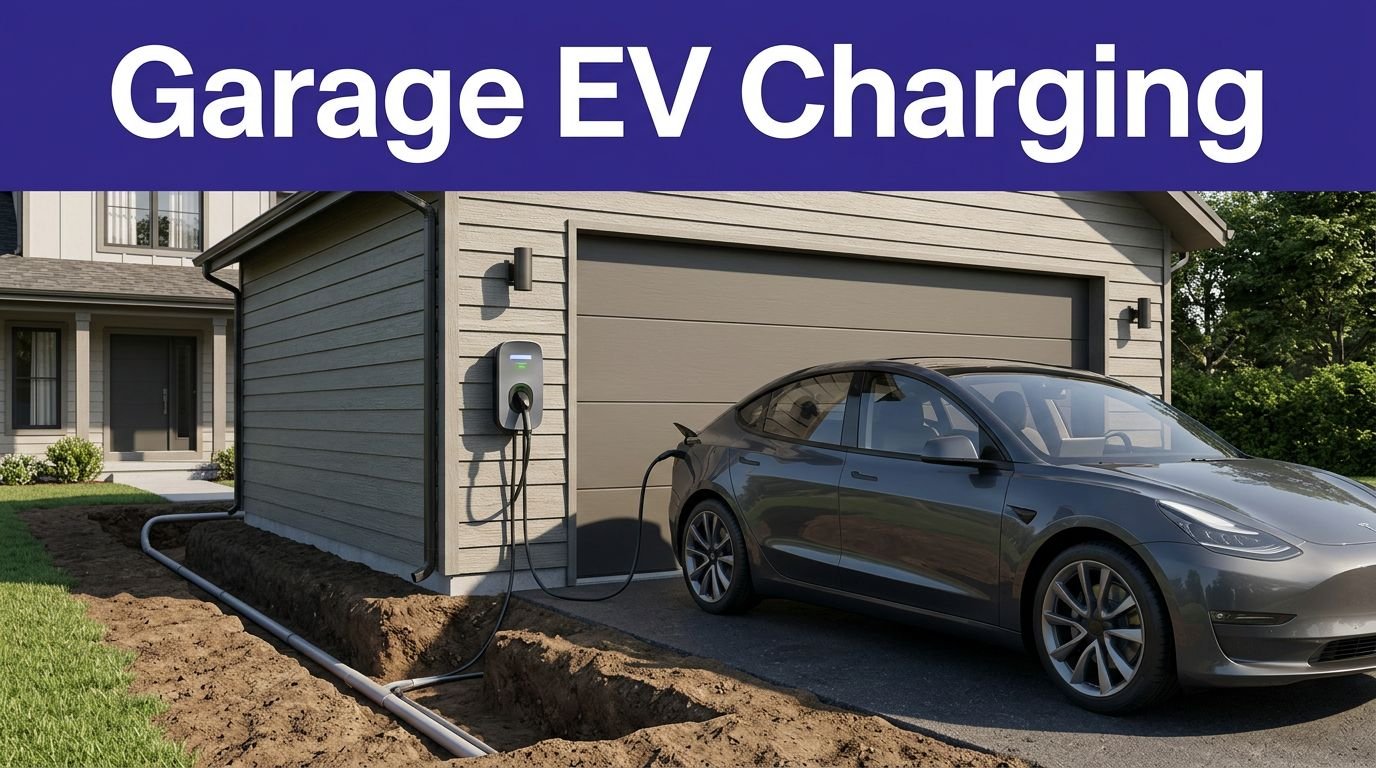
- Hardwired setups feature fewer connection points, which often makes them more reliable for outdoor installations and provides a cleaner, more streamlined appearance on your wall.
- Total installation costs depend more on the condition of your electrical panel, the length of the wire run, local permit requirements, and the quality of the outlet than on the specific charger model you select.
- Always consider your EV’s onboard AC charging limit, because if your vehicle cannot accept more than 40 amps, hardwiring your station will not provide a faster charging speed.
What hardwired and plug-in really mean
When deciding between a hardwired vs plug-in EV charger, the physical unit, technically known as the EVSE, is often identical regardless of the connection method. The primary difference lies in how the equipment connects to your home. A hardwired installation involves connecting the unit directly to a dedicated circuit. A plug-in setup ends in a cord that connects to a receptacle, most commonly a NEMA 14-50 outlet.
That sounds like a minor detail, but it is actually quite significant. One setup functions like a permanent light fixture, while the other acts more like a portable appliance. Think of it as the difference between a built-in bookshelf and a rolling cart. Both hold your books, but one is designed to stay put indefinitely.
Here is a quick side-by-side view to help you compare.
| Feature | Hardwired | Plug-in |
|---|---|---|
| Common max output | 48 amps on a 60A circuit | 40 amps on a 50A circuit |
| Connection | Direct to branch circuit | Plugs into NEMA 14-50 outlet |
| Mobility | Fixed in place | Easy to remove and move |
| Outdoor durability | Better | More exposed at the outlet |
| Upfront install | Usually higher | Can be lower if outlet exists |
The takeaway is simple. Hardwired options favor performance and permanence, while plug-in options favor flexibility.
EnergySage’s hardwire vs. plug-in guide lands in the same place, and that is useful because this topic gets noisy fast. People love to argue about the best charger type as if it were a personality test. It is not. It is simply a matter of house wiring.
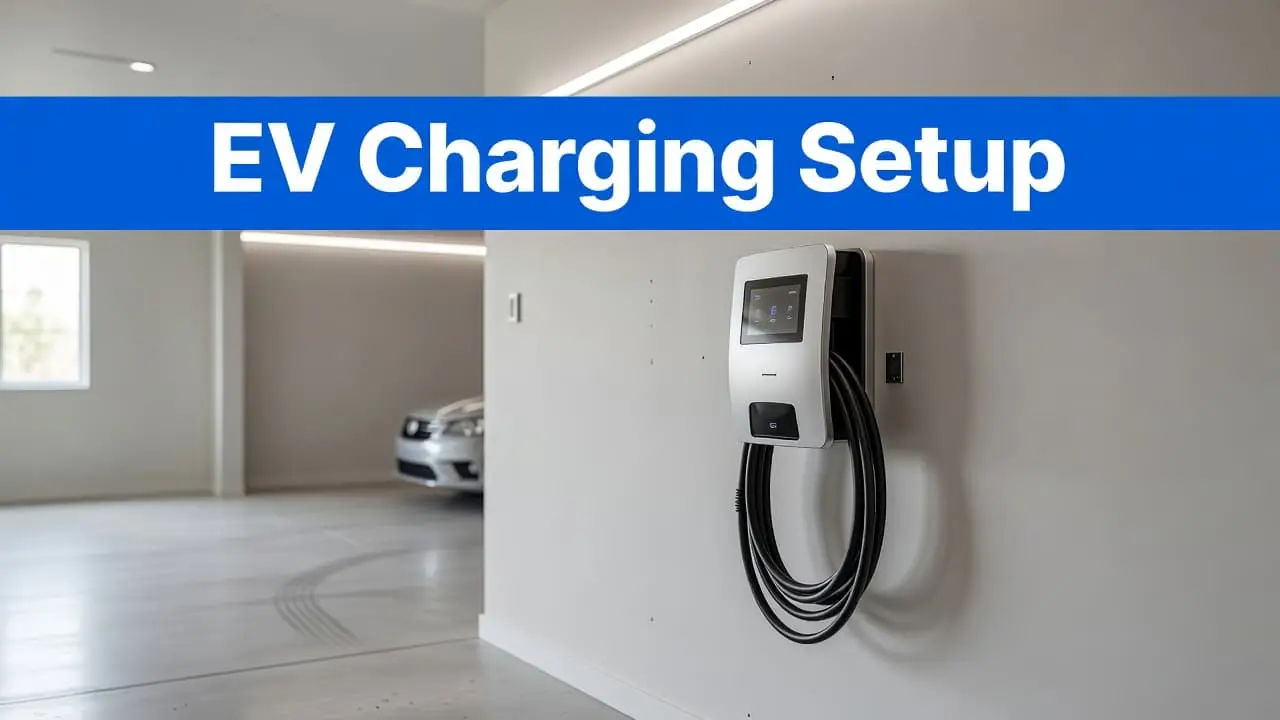
One more thing people often miss: a plug-in setup does not always mean it will be cheap. If you do not already have the correct outlet in the right location, you are still paying for a new dedicated 240-volt circuit, local permits, and professional installation. Sometimes the supposedly easy option still requires significant electrical labor. Before you decide, check with your provider for local utility rebates, as these can significantly impact the total cost math of your home charging installation.
Charging speed, and when those extra amps matter
When comparing your options, charging speed is the most practical metric to consider. A typical hardwired installation runs at 48 amps on a 60-amp circuit, providing roughly 11.5 kW of power. In contrast, a standard plug-in installation using a NEMA 14-50 outlet on a 50-amp circuit is usually limited to 40 amps, or about 9.6 kW.
The reason for this limitation is that EV charging is categorized as a continuous load by the National Electrical Code. Consequently, the usable current is restricted to 80 percent of the circuit rating to prevent overheating.
A 50-amp outlet does not mean 50 amps of charging all night. In normal home EV use, it usually means 40 amps.
That makes hardwired charging about 25 percent stronger on paper. In real-world applications, the difference is noticeable, though not always dramatic. A Tesla Model Y, for example, can add roughly 44 miles of range per hour at 48 amps and about 37 miles per hour at 40 amps. For a typical 30 to 80 percent refill after a workday, expect around 3.5 hours for a hardwired setup and about 4 hours for a plug-in version.
So yes, hardwired is faster. No, it does not turn your nightly routine into a race car montage.
Your car also gets a vote in this process. Every EV features an onboard AC charger that limits how much Level 2 power it can accept. If your vehicle is limited to 32 amps or 40 amps, a hardwired unit will not make it charge any faster than a plug-in model. A Nissan Leaf is a common example of this limitation. On the other hand, many newer EVs can utilize about 11 kW on AC, meaning they take full advantage of the extra headroom provided by a 48-amp hardwired setup.
Emporia’s installation comparison clarifies this issue with less drama than most online forums. The short version is clean: if your EV and your electrical circuit can support the higher output, hardwired wins on speed. If your vehicle cannot accept that much power, the charging speed argument shrinks significantly.
Installation, safety, and the stuff that gets expensive fast
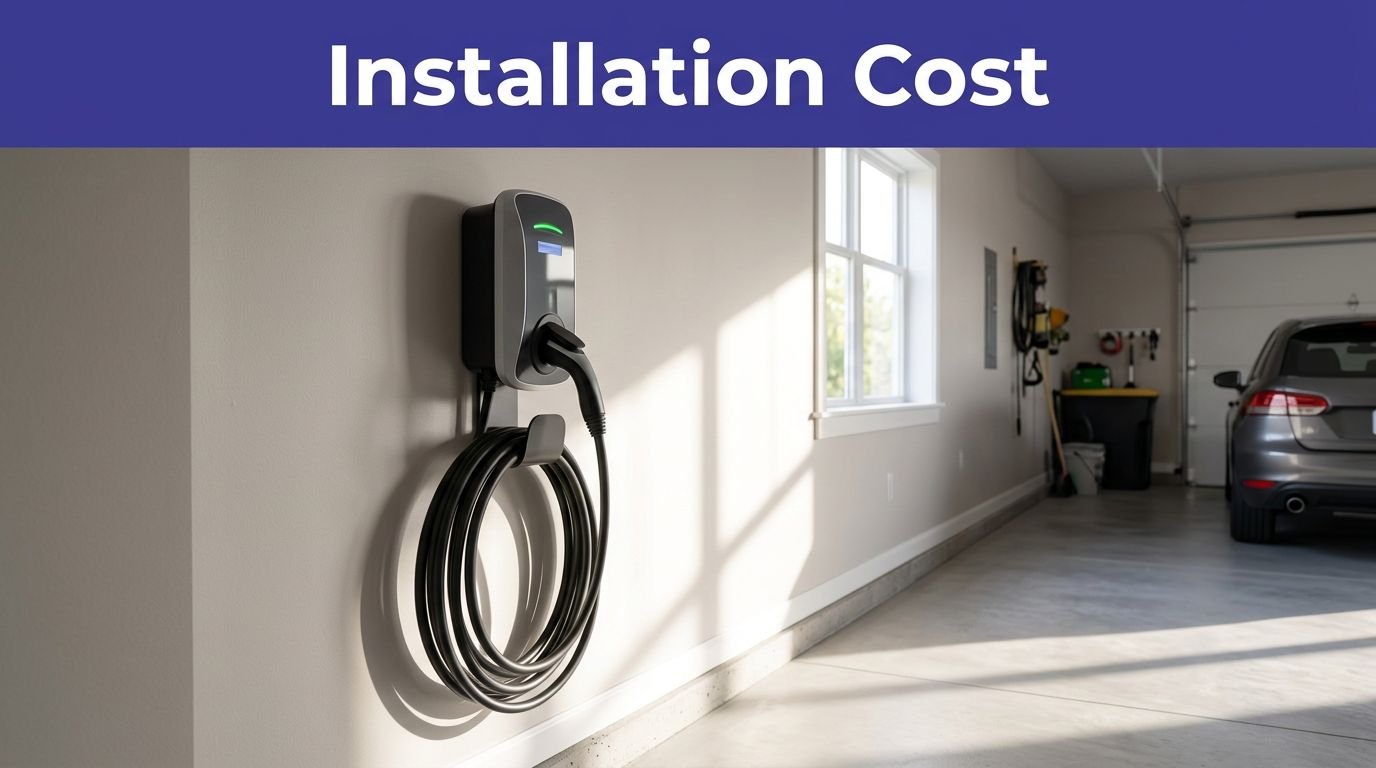
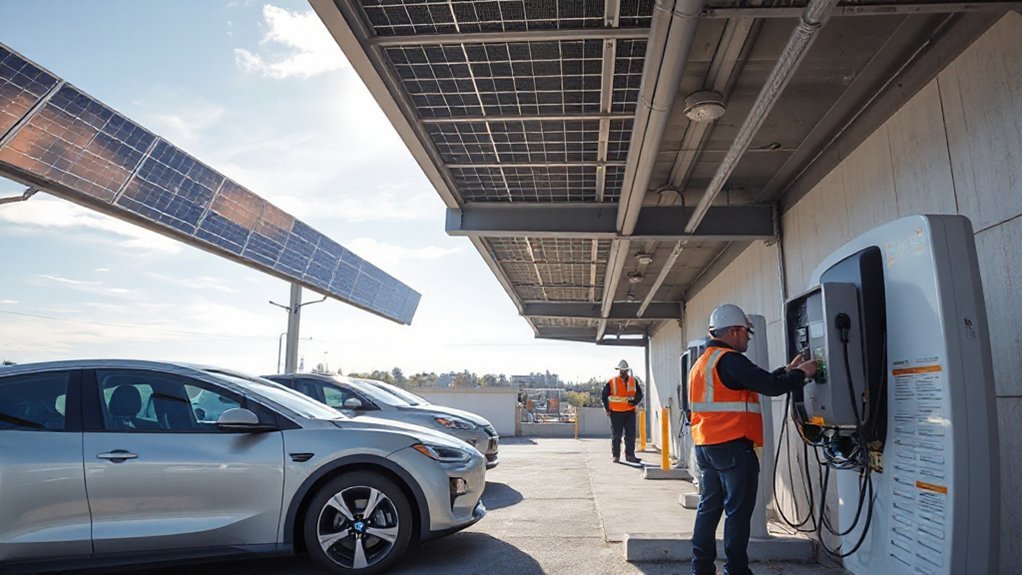
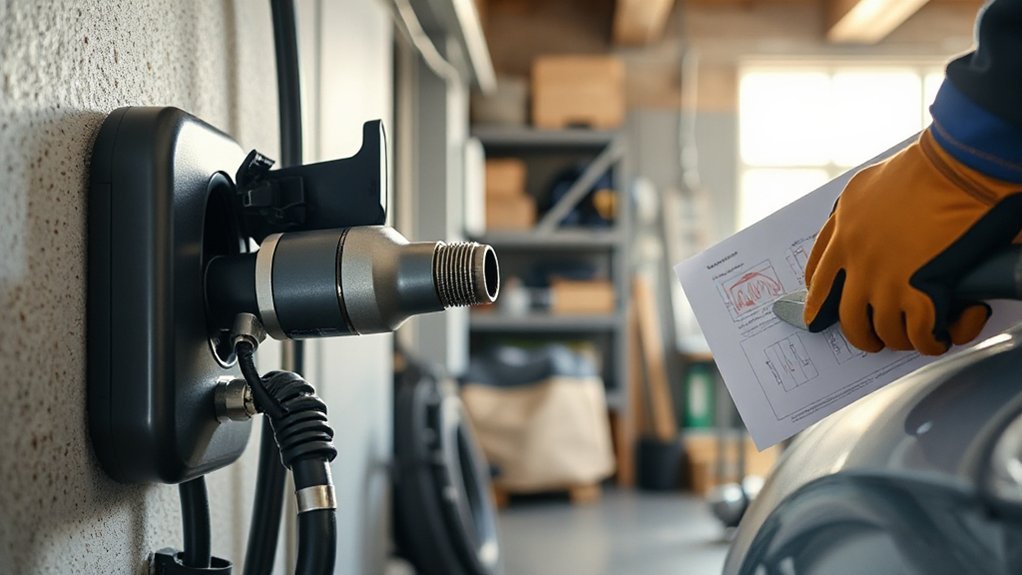
This is the section people skip right before they buy the wrong equipment. Bad move.
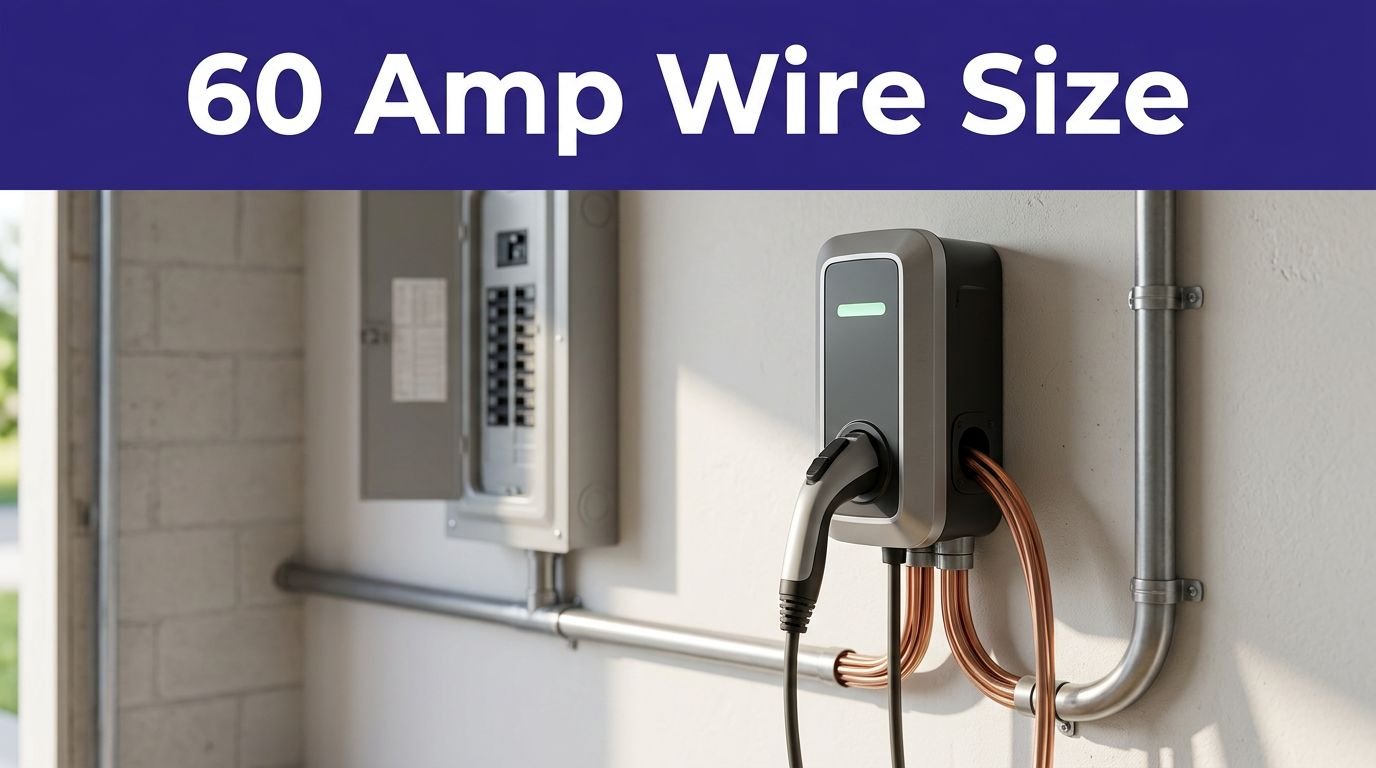
A proper hardwired installation usually requires a dedicated circuit, heavy-gauge copper wire, and a breaker matched to the charger output, often 60 amps for a 48-amp unit. By contrast, a plug-in installation also necessitates a dedicated circuit, usually 50 amps, but the quality of the receptacle matters more than most homeowners realize. An EV charger pulls high current for several hours at a time, which is a much more demanding task than a dryer running for a 45-minute cycle. Because of these requirements, always rely on a licensed electrician to handle the work to ensure your home is up to code.
Cheap or lightly built outlets are where safety issues begin. For a plug-in charger, experts recommend an industrial-grade NEMA 14-50 outlet with the proper temperature rating, rather than a bargain-bin version that may degrade when it gets warm.

Photo by Ed Harvey
Plug-in setups often require a GFCI breaker under current National Electrical Code (NEC) rules in many jurisdictions. While these breakers are a safety necessity, they can add significant cost and sometimes lead to nuisance tripping if the EV charger has its own internal ground fault protection. A hardwired unit connects directly to the system inside a junction box, which eliminates the need for an outlet entirely. This removes potential points of failure, such as loose connections or corrosion, that are common with high-usage receptacles.
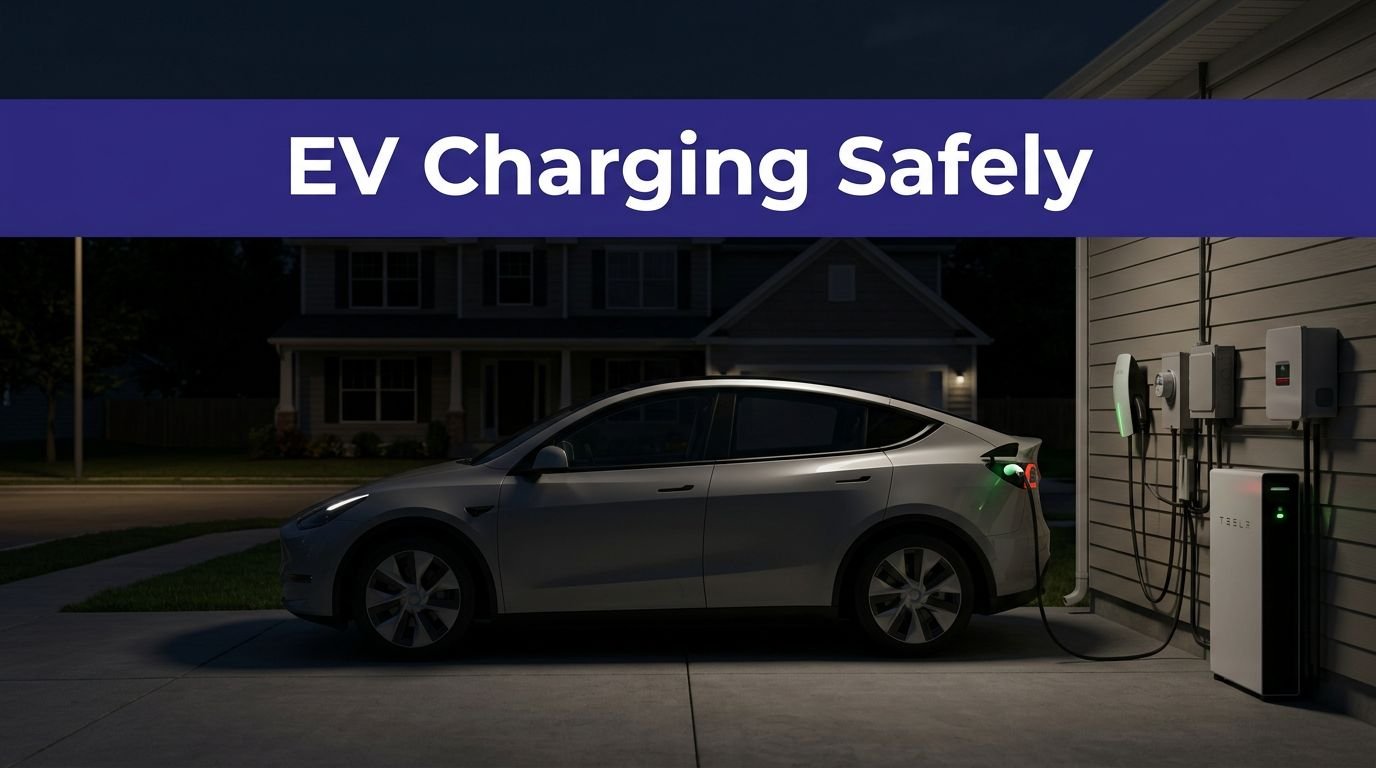
An outdoor installation makes the choice even more critical. Hardwired systems are generally preferred outdoors because the wiring is protected within a secure enclosure and the system has fewer exposed parts. A plug-in charger can work outside, but the outlet remains a weak link. Rain, dust, freeze-thaw cycles, and the physical wear of plugging and unplugging a cord can quickly degrade the hardware.
If you already have a NEMA 14-50 outlet from an RV or an old appliance project, do not assume it is ready to go. A professional installation requires an electrician to verify the wire size, the breaker, the condition of the receptacle, and whether the circuit is truly dedicated. That point comes up frequently in this r/evcharging owner discussion, and for once the internet is right. A reused outlet might be perfectly fine, but it could also be a major safety hazard if it was not designed to handle the continuous load of an EV charger.
Which setup makes sense for your home
So which one should you choose? It is a nuanced decision that depends on your house, your vehicle, and your long-term living plans.
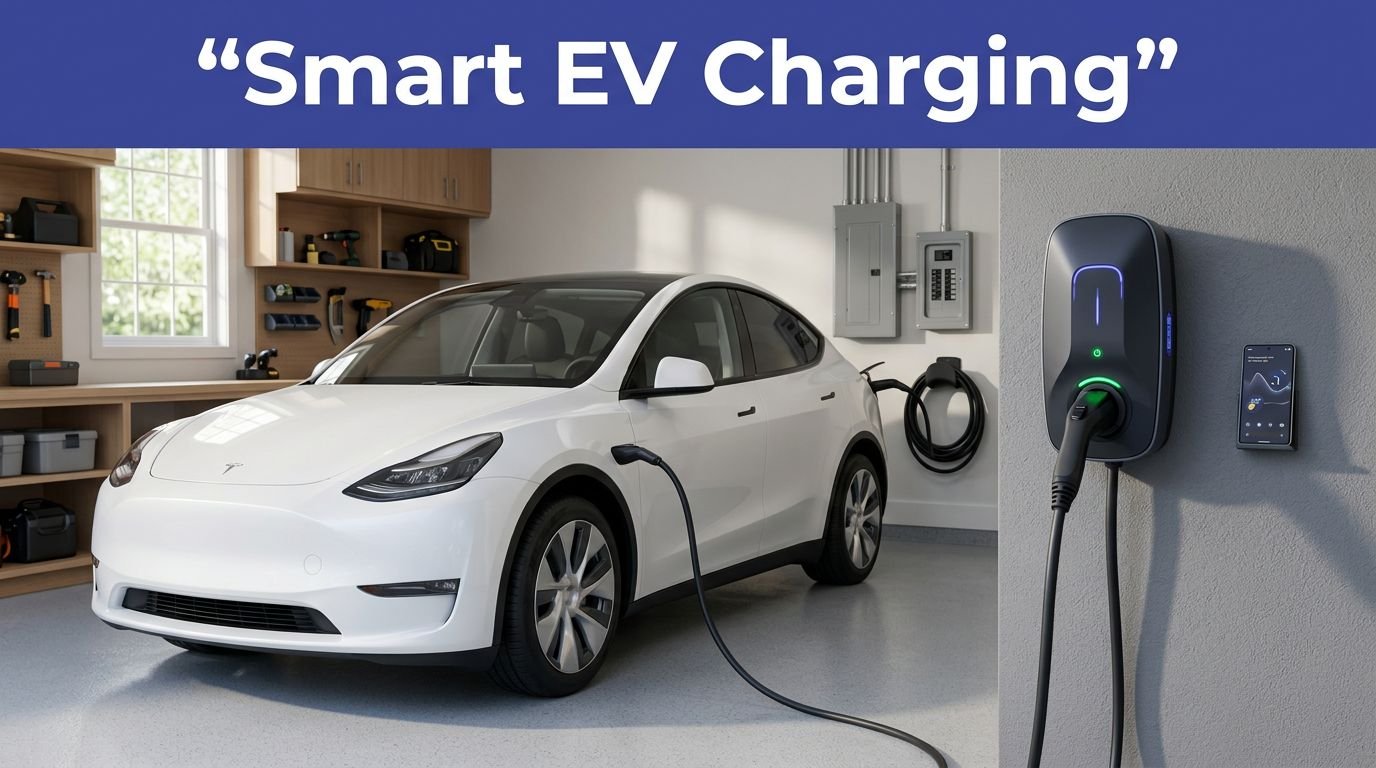
If you own your home, charge your vehicle frequently, and want the cleanest installation, a hardwired Level 2 EV charger is usually the better bet. You get the highest common output, fewer failure points, and a home charging station setup that handles outdoor exposure much better than a plug-in model. If your next EV supports faster AC charging, hardwiring also provides more room to grow, and many modern units include smart app control to monitor your energy usage over time.
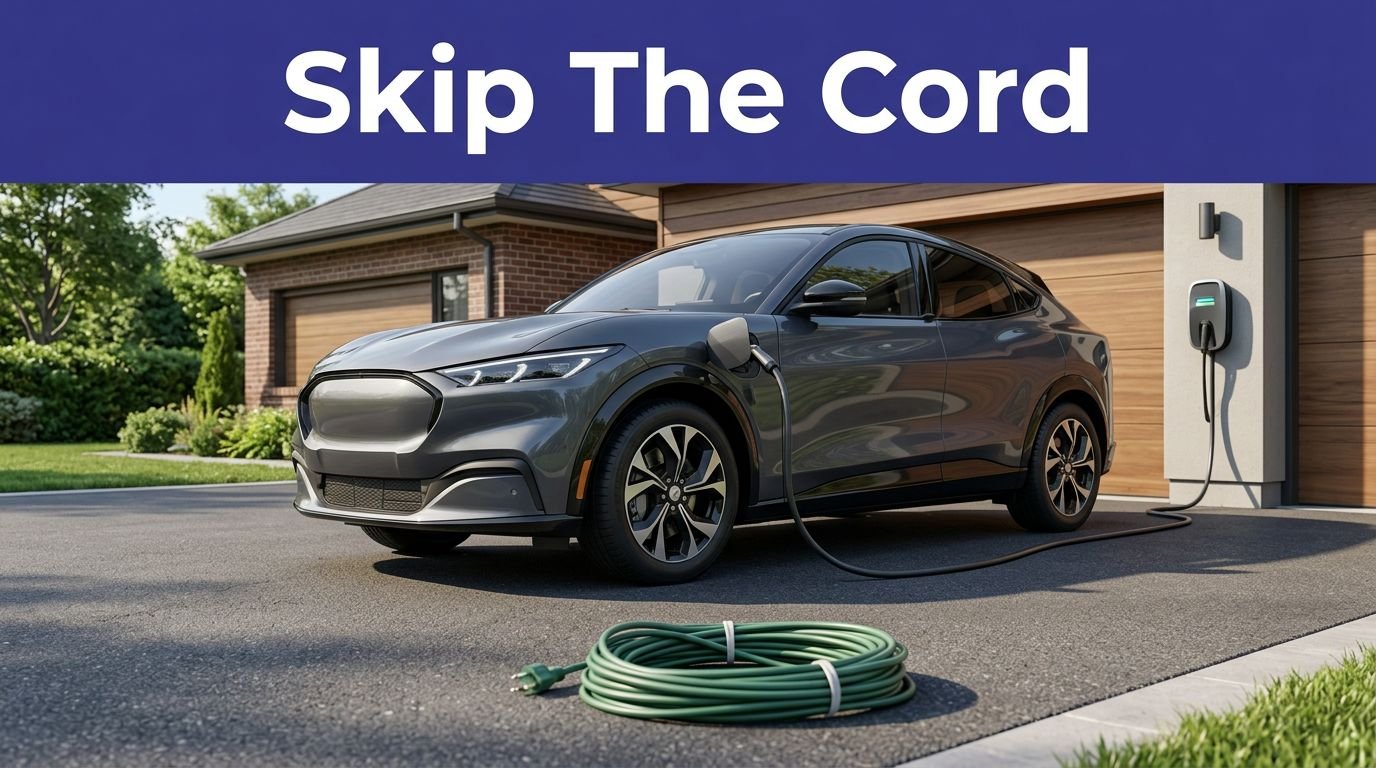
If you rent, expect to move within a few years, or already have a high-quality 14-50 outlet in the right spot, a plug-in setup makes a lot of sense. You can swap chargers without rewiring, take the unit with you when you move, and avoid turning a temporary living situation into a major construction project. In these cases, a portable EV charger is often the most flexible choice for your lifestyle.
Your budget also changes the math significantly. A plug-in charger can be the lower-cost route when the outlet is already there and in good shape. However, if you need a new circuit, a premium outlet, a GFCI breaker, and a permit anyway, the gap in installation costs can shrink significantly. While hardwired options can cost more upfront, they may help you avoid outlet-related maintenance and future headaches.
Before you buy, check four things: your electrical panel capacity, the install location, whether the charger will live indoors or outside, and your EV maximum AC charging rate. That is the practical version of this conversation. Everything else is just garage theater.
Frequently Asked Questions
Can I install a hardwired charger myself?
It is strongly recommended that you hire a licensed electrician for a hardwired installation. Because this process involves connecting directly to your electrical panel and working with high-voltage circuits, professional expertise is required to ensure the work is safe and compliant with local building codes.
Does a plug-in charger charge slower than a hardwired one?
Often, yes. Most plug-in chargers are capped at 40 amps due to the limitations of the NEMA 14-50 outlet, whereas a hardwired setup can deliver up to 48 amps. However, if your vehicle’s onboard AC charger is limited to 40 amps or less, you will not see any speed benefit from hardwiring.
Are plug-in chargers safe for outdoor use?
A plug-in charger can work outdoors, but it introduces more potential failure points than a hardwired unit. The outlet itself is vulnerable to dust, moisture, and corrosion over time, which is why a hardwired installation is generally considered more durable and reliable for exterior environments.
Is it always cheaper to install a plug-in charger?
Not necessarily. While a plug-in unit avoids some labor if a high-quality outlet already exists, you will still pay for a dedicated circuit and potentially a GFCI breaker to meet current safety codes. If you have to install a new outlet from scratch, the total cost difference between hardwired and plug-in setups is often quite small.
Conclusion
The funny part about the hardwired vs plug-in EV charger debate is how often people argue past the real issue. While the wall connection method is important, your vehicle, your electrical panel, and your specific living situation matter far more.
Hardwired units are the stronger choice for maximum charging speed, outdoor use, and long-term ownership. Plug-in models are the smarter choice when flexibility matters and a reliable 14-50 outlet is already available.
Ultimately, you should choose the setup that fits your real life, rather than following advice from online forums. Regardless of the connection type you select, prioritizing a professional installation will do more for your safety and peace of mind than winning an argument in the comments. By focusing on your specific needs, you can ensure your home charging station delivers reliable power for years to come.
This post may contain affiliate links. If you make a purchase through these links, I may earn a small commission at no extra cost to you.