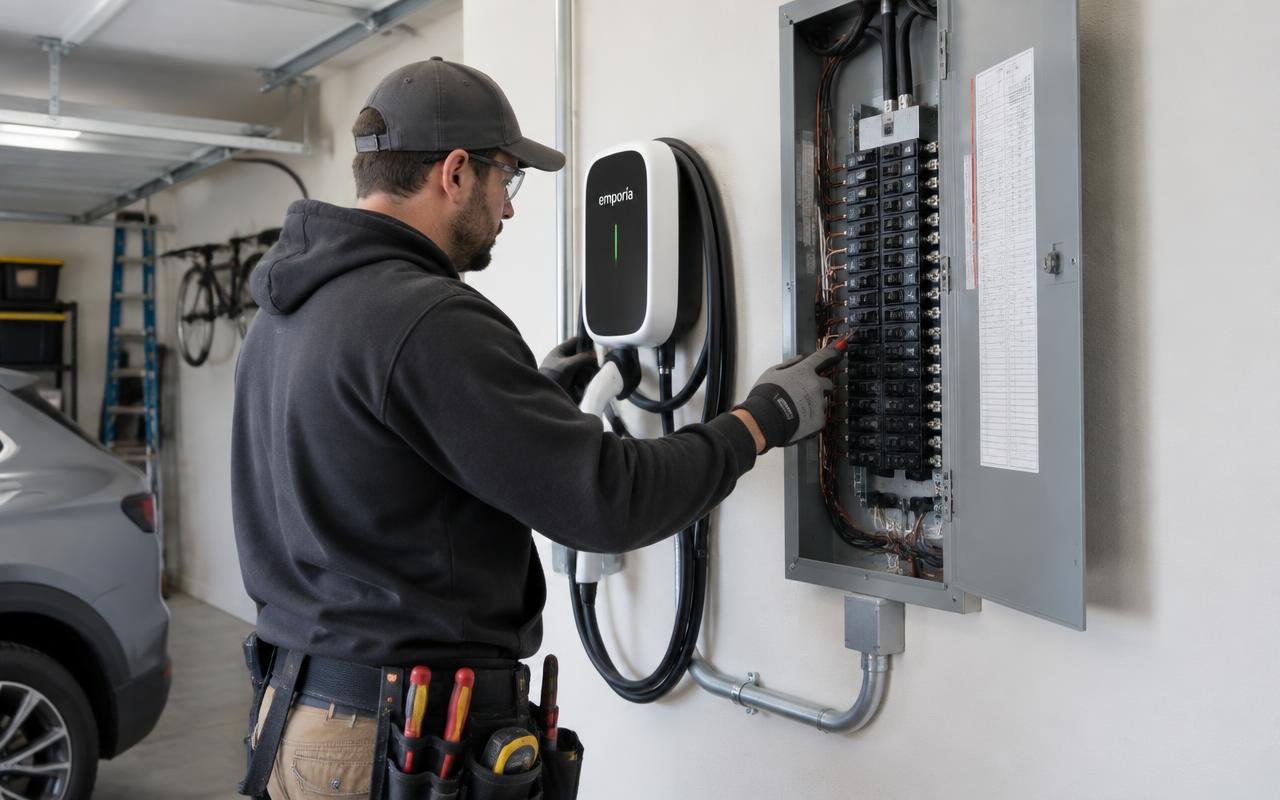
Installing an EV Charger in a Detached Garage: What to Know
A detached garage is a great place to charge, but getting power there takes more planning. Here's what's involved and what to ask an electrician.
As an Amazon Associate, EV Charging may earn from qualifying purchases. This helps support our independent guides at no extra cost to you. Learn more.
Key takeaways
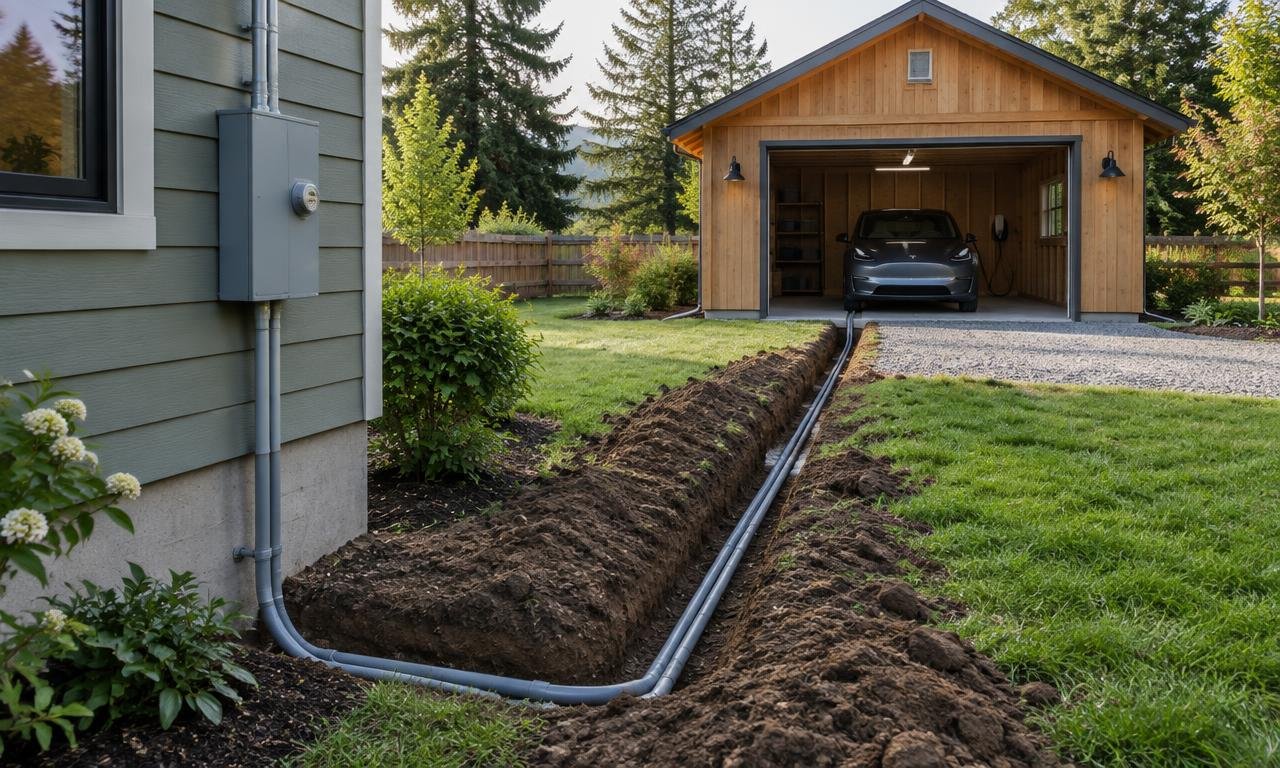
- Power usually reaches the garage through a buried conduit or an existing subpanel.
- Trenching distance and existing wiring are the biggest cost factors.
- Permits and a licensed electrician are a must for this kind of job.
Getting power there
If the garage already has a subpanel with enough capacity, the charger may be a short run from it. If not, an electrician may run a new feeder underground in conduit, following code requirements for burial depth.
Shop this guide
Compare current options and prices
Costs to expect
Trenching, conduit and long wire runs make detached-garage installs pricier than attached ones. A lower-amp charger can reduce wire size and cost if it covers your daily driving.
Pick the right charger
If the garage isn't insulated, choose a charger and cable rated for cold, and consider Wi-Fi range if you want app scheduling.
Safety note: This article is general information, not professional electrical advice. Working with 240V circuits can cause serious injury or fire. Hire a licensed electrician and follow local codes and permit requirements.
Sources & further reading

Written by
LarryLeoLarryLeo started EV Charging while researching his own next car purchase. He digs into the pros, cons and real cost savings of going electric — using government, standards-body and manufacturer sources — and shares what he finds so other buyers can decide with confidence.
Why trust EV Charging Guide
Our guides are researched from government, standards-body and manufacturer sources, reviewed for accuracy, and updated when rules or products change. Brands cannot pay for placement. Read our editorial policy.
Related Posts
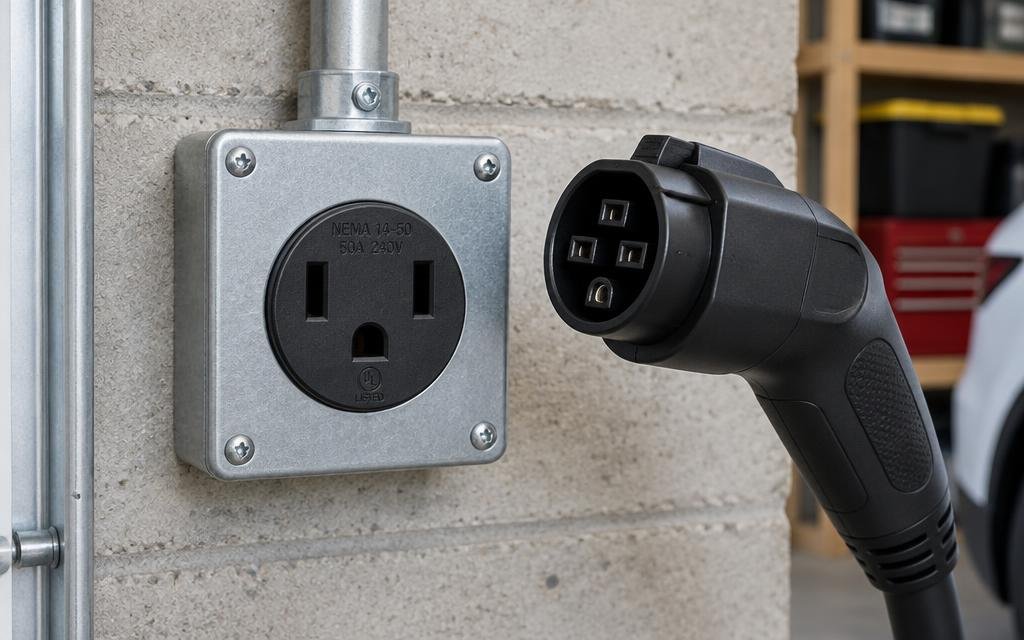
NEMA 14-50 vs Hardwired EV Charger: Which Installation Is Better?
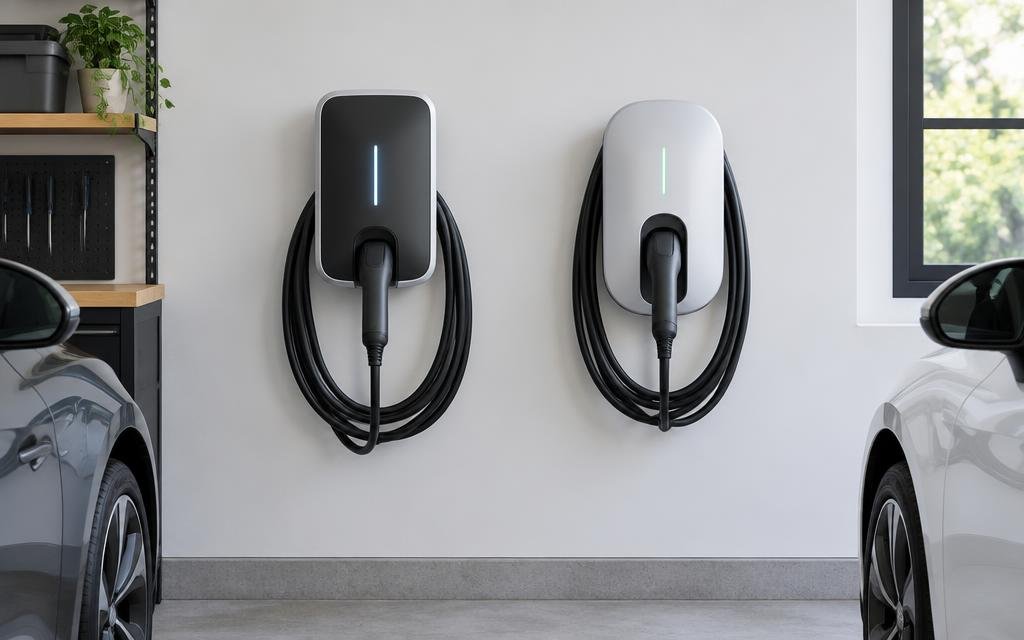
40 Amp vs 48 Amp EV Charger: Is the Faster Charger Worth It?