40 Amp vs 48 Amp EV Charger: Is the Faster Charger Worth It?
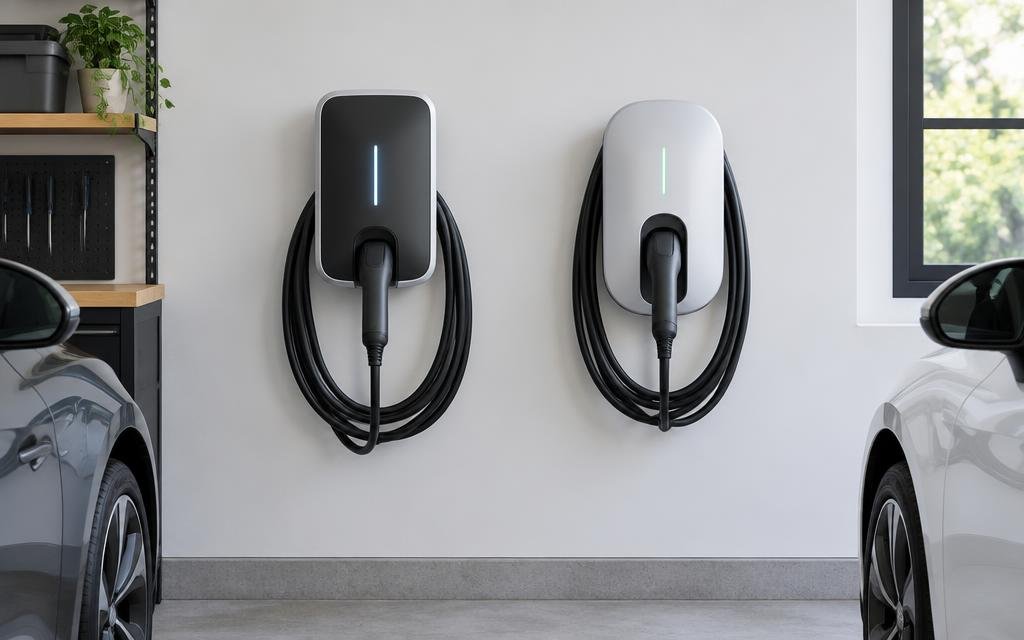
The difference is about 1.9 kW of power — but whether you'll notice depends on your car, your commute and your panel.
As an Amazon Associate, EV Charging may earn from qualifying purchases. This helps support our independent guides at no extra cost to you. Learn more.
Key takeaways
- 40A ≈ 9.6 kW; 48A ≈ 11.5 kW at 240V.
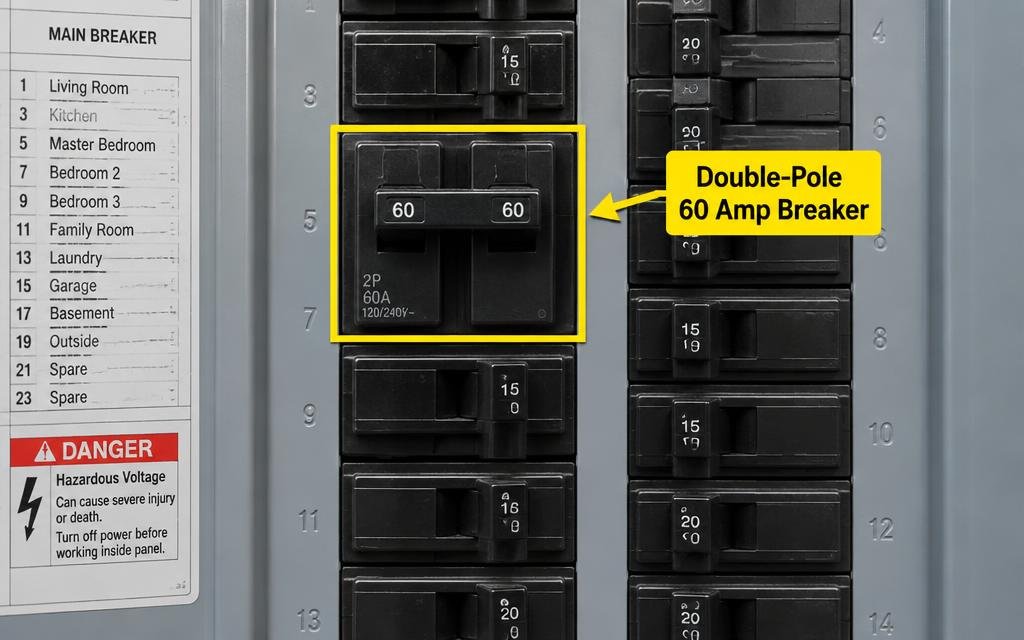
- 48A requires a 60A breaker and usually hardwiring.
- Most drivers fully recharge overnight on 40A.
The math
Power = volts × amps. At 240V, a 40A charger supplies about 9.6 kW and a 48A charger about 11.5 kW. Real-world range added per hour depends on your car's efficiency, but the 48A unit is roughly 20% faster — only if your car's onboard charger accepts 11.5 kW.
Shop this guide
Compare current options and prices
Circuit requirements
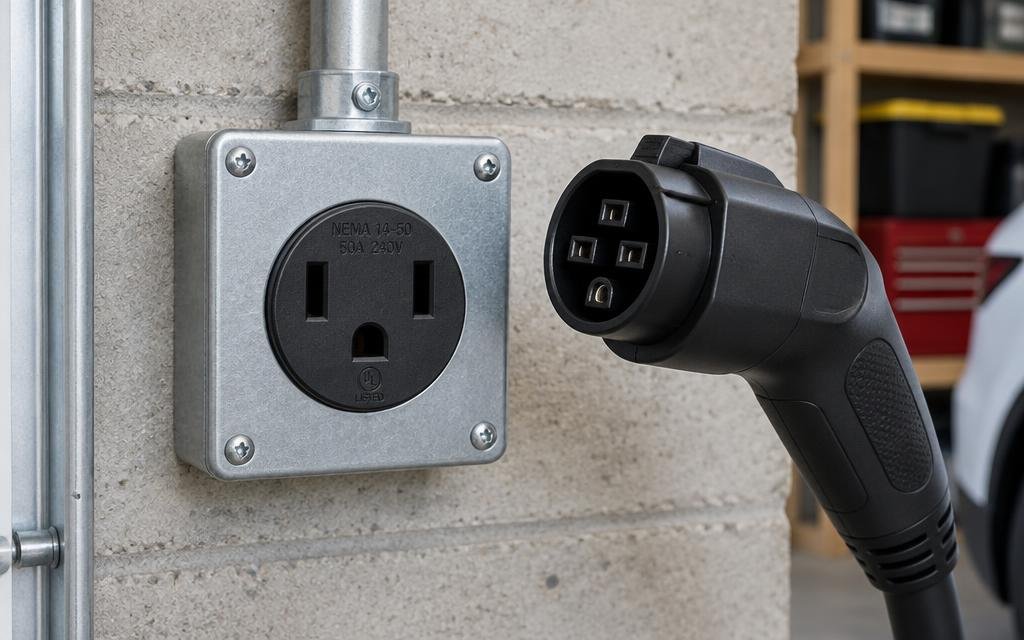
EV charging is a continuous load, so the circuit must be rated at 125% of the charger's current: 50A for a 40A charger and 60A for a 48A charger. A 48A charger must be hardwired because standard plug-in receptacles top out at 50A.
Who should buy 48A?
Drivers with large-battery trucks or SUVs, long daily commutes, or two EVs sharing one charger benefit most. Everyone else will likely never notice the difference overnight.
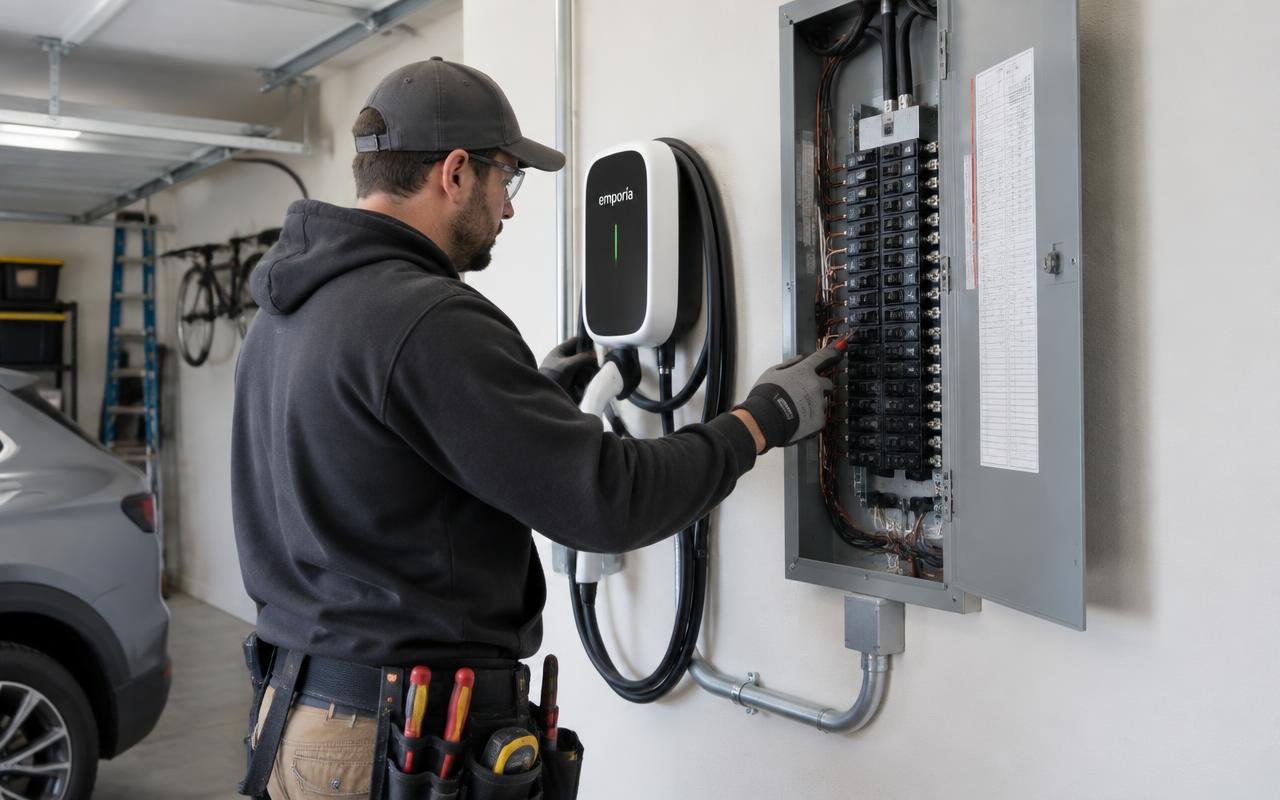
Safety note: This article is general information, not professional electrical advice. Working with 240V circuits can cause serious injury or fire. Hire a licensed electrician and follow local codes and permit requirements.
Sources & further reading

Written by
LarryLeoLarryLeo started EV Charging while researching his own next car purchase. He digs into the pros, cons and real cost savings of going electric — using government, standards-body and manufacturer sources — and shares what he finds so other buyers can decide with confidence.
Why trust EV Charging Guide
Our guides are researched from government, standards-body and manufacturer sources, reviewed for accuracy, and updated when rules or products change. Brands cannot pay for placement. Read our editorial policy.
Related Posts
NEMA 14-50 vs Hardwired EV Charger: Which Installation Is Better?
How Much Does It Cost to Install a Level 2 Charger at Home?