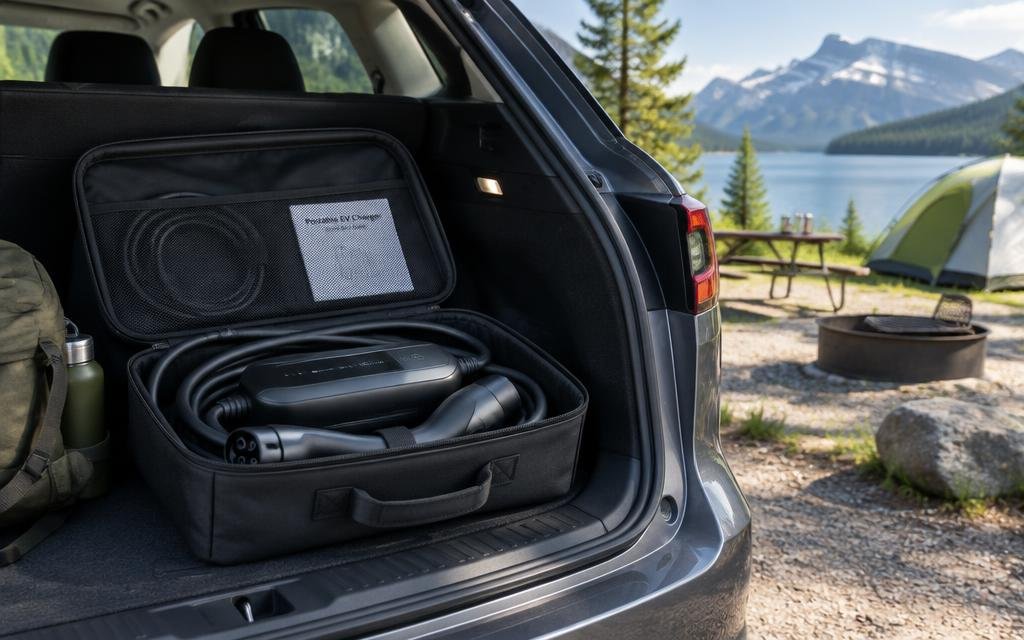
Best Outdoor EV Charger for Rain and Snow: What NEMA 4 Really Means
Mounting a charger outside? Enclosure ratings, cold-weather cables and hardwiring make the difference between years of service and an early replacement.
As an Amazon Associate, EV Charging may earn from qualifying purchases. This helps support our independent guides at no extra cost to you. Learn more.
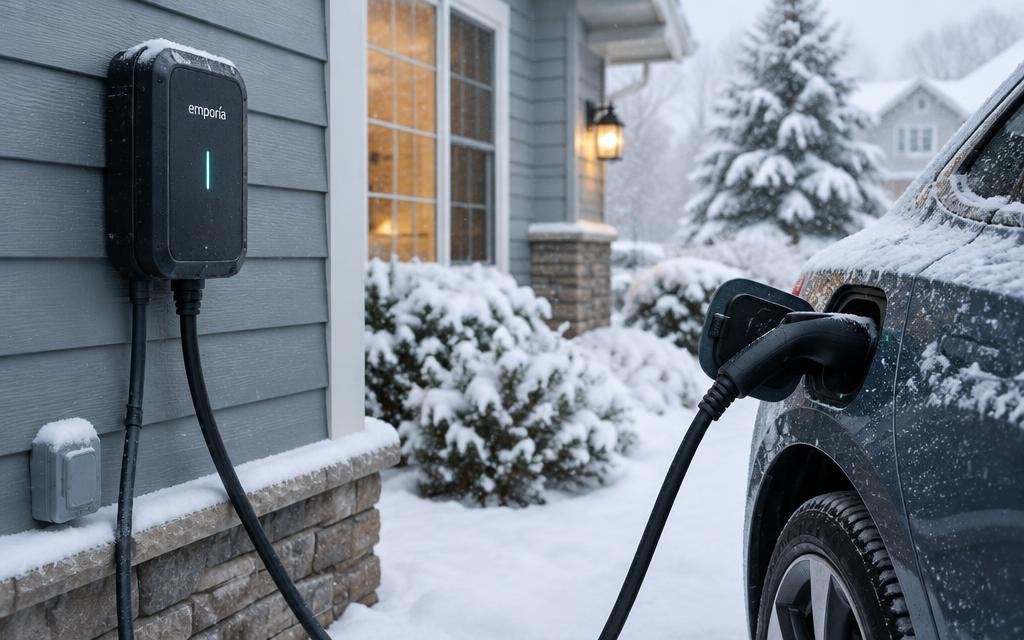
Key takeaways
- NEMA 3R resists rain; NEMA 4 adds protection against hose-directed water.
- Look for a flexible cable rated for sub-freezing temperatures.
- Outdoor installs are often best hardwired by a licensed electrician.
Decoding enclosure ratings
NEMA and IP ratings describe how well an enclosure keeps out water and dust. NEMA 3R is suitable for rain and snow; NEMA 4 also withstands hose-directed water. An IP65 or higher rating is roughly comparable for most homeowners.
Shop this guide
Compare current options and prices
Cold-weather details
Cheap cables stiffen in winter and become hard to coil. Manufacturers that list a low operating temperature (for example, -22°F / -30°C) generally use more flexible jacketing. A cable holster and connector cap keep ice out of the plug.
Installation tips
Outdoor receptacles must be in a weatherproof 'in-use' cover, and some local codes require GFCI protection. Many electricians recommend hardwiring outdoor chargers to eliminate an exposed outlet entirely.
Sources & further reading

Written by
LarryLeoLarryLeo started EV Charging while researching his own next car purchase. He digs into the pros, cons and real cost savings of going electric — using government, standards-body and manufacturer sources — and shares what he finds so other buyers can decide with confidence.
Why trust EV Charging Guide
Our guides are researched from government, standards-body and manufacturer sources, reviewed for accuracy, and updated when rules or products change. Brands cannot pay for placement. Read our editorial policy.
Related Posts
Best Level 2 EV Charger for Home in 2026: How to Choose the Right One
Best EV Charger for Tesla Model Y at Home: NACS vs J1772 Explained