
Best Smart EV Charger With App Scheduling to Cut Your Electric Bill
Smart chargers let you charge during cheaper off-peak hours, track energy use and qualify for some utility programs. Here's how to decide if the upgrade pays off.
As an Amazon Associate, EV Charging may earn from qualifying purchases. This helps support our independent guides at no extra cost to you. Learn more.
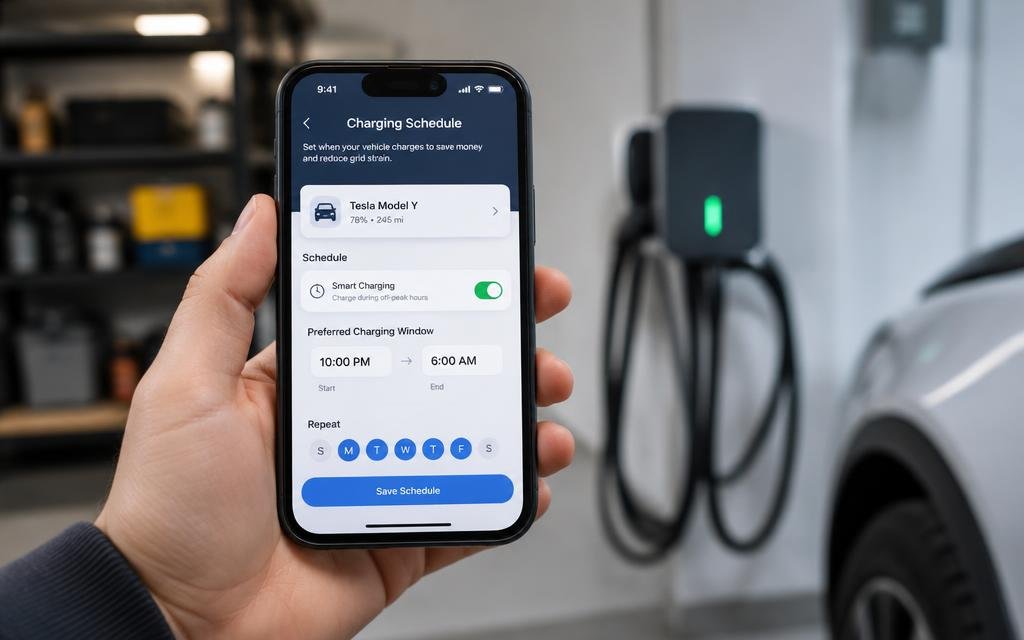
Key takeaways
- Scheduling matters most if your utility offers time-of-use rates.
- Some utilities require a networked charger for their rebates.
- Many EVs can schedule charging on their own — check before paying extra.
What 'smart' gets you
Wi-Fi chargers add app scheduling, session history, energy reports and remote start/stop. Some support load management, solar-surplus charging, or voice assistants.
Several utility rebate and managed-charging programs require a qualifying networked charger, which can offset the price difference.
Shop this guide
Compare current options and prices
Do you really need it?
Most modern EVs can schedule charging from the car's own app. If you only need off-peak timing and have no utility program requirement, a reliable non-smart charger may be enough.
Questions to ask before buying
Is the app free, or is there a subscription? Does the charger work offline if Wi-Fi drops? Is it on your utility's approved list? These answers matter more than the feature list on the box.
Sources & further reading

Written by
LarryLeoLarryLeo started EV Charging while researching his own next car purchase. He digs into the pros, cons and real cost savings of going electric — using government, standards-body and manufacturer sources — and shares what he finds so other buyers can decide with confidence.
Why trust EV Charging Guide
Our guides are researched from government, standards-body and manufacturer sources, reviewed for accuracy, and updated when rules or products change. Brands cannot pay for placement. Read our editorial policy.
Related Posts
Best Level 2 EV Charger for Home in 2026: How to Choose the Right One
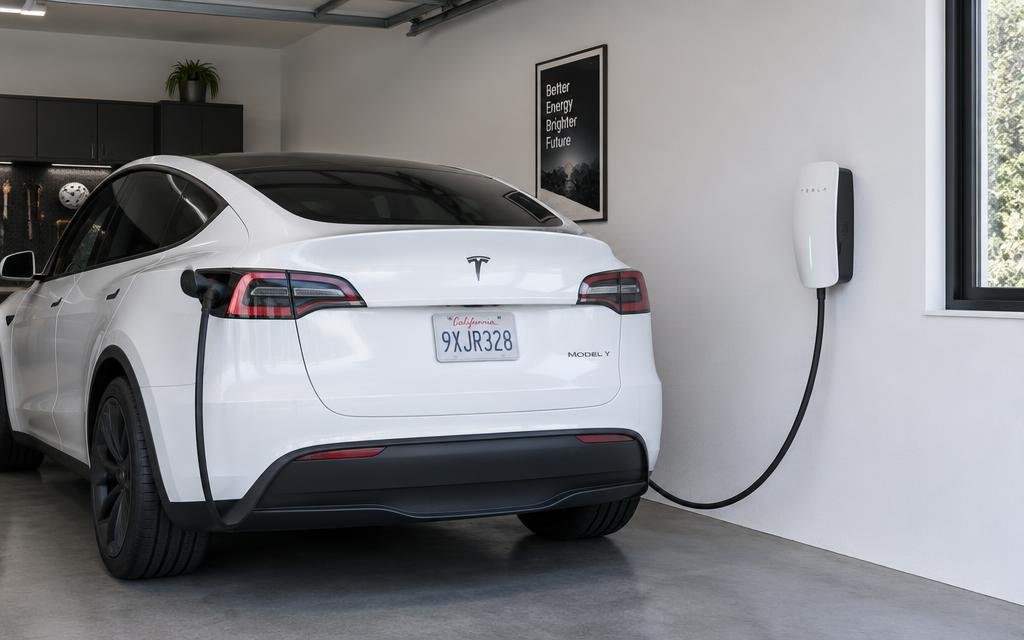
Best EV Charger for Tesla Model Y at Home: NACS vs J1772 Explained