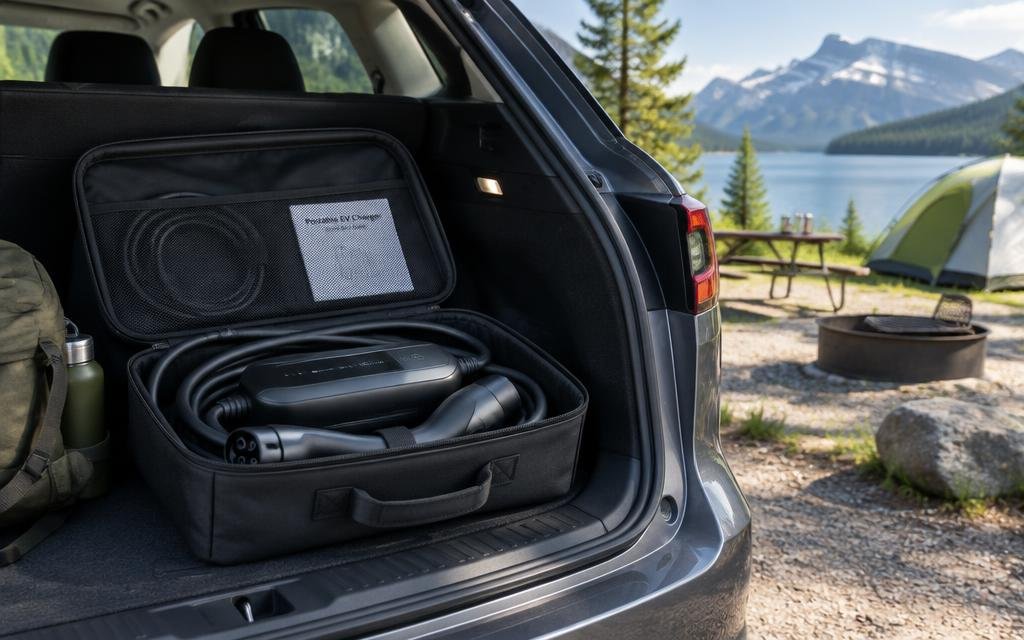
Best Budget Level 2 EV Charger Under $400: Where to Save and Where Not To
You don't have to overspend for fast home charging. Here's how to find an affordable charger without cutting corners on safety.
As an Amazon Associate, EV Charging may earn from qualifying purchases. This helps support our independent guides at no extra cost to you. Learn more.
Key takeaways
- Never compromise on UL or ETL safety listing.
- Skipping Wi-Fi is the easiest way to save money.
- A 32–40A unit covers most drivers' daily needs.
Where you can save
Smart features, premium styling and maximum 48A output all add cost. If your car or panel can't use 48A, a 32–40A charger delivers the same real-world speed for less.
Shop this guide
Compare current options and prices
Where you shouldn't
Very cheap chargers without a recognized safety listing are a real fire risk. Look for UL or ETL marks on the unit itself — not just in the listing description — and a warranty of at least two to three years.
Budget installation tips
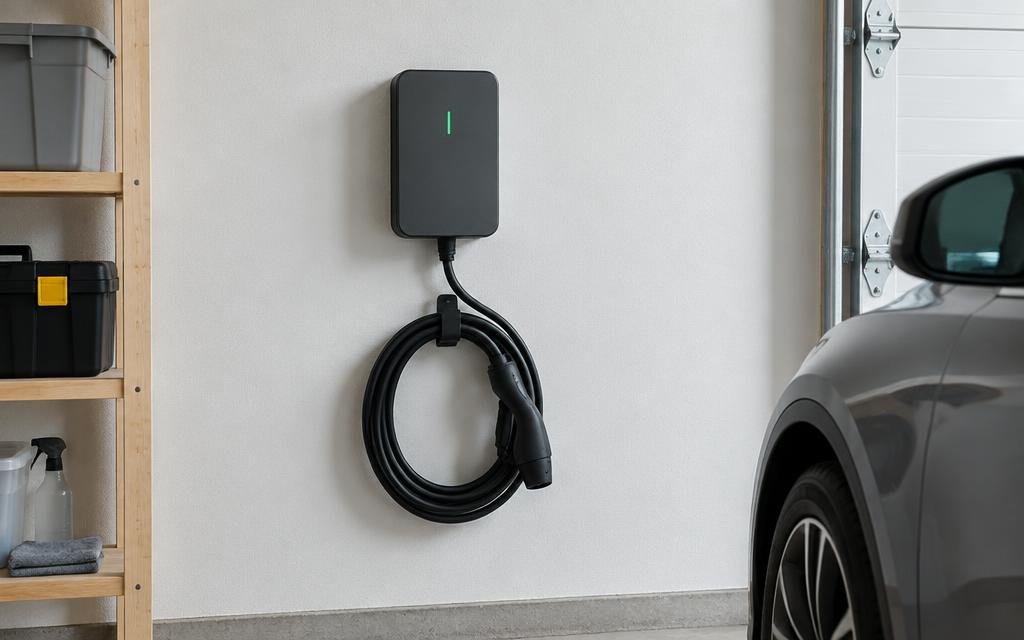
If you already have a NEMA 14-50 outlet (common for dryers or RVs), a plug-in charger can avoid new wiring costs. Have an electrician inspect older outlets; industrial-grade receptacles hold up better to daily EV use.
Sources & further reading

Written by
LarryLeoLarryLeo started EV Charging while researching his own next car purchase. He digs into the pros, cons and real cost savings of going electric — using government, standards-body and manufacturer sources — and shares what he finds so other buyers can decide with confidence.
Why trust EV Charging Guide
Our guides are researched from government, standards-body and manufacturer sources, reviewed for accuracy, and updated when rules or products change. Brands cannot pay for placement. Read our editorial policy.
Related Posts
Best Level 2 EV Charger for Home in 2026: How to Choose the Right One
Best EV Charger for Tesla Model Y at Home: NACS vs J1772 Explained