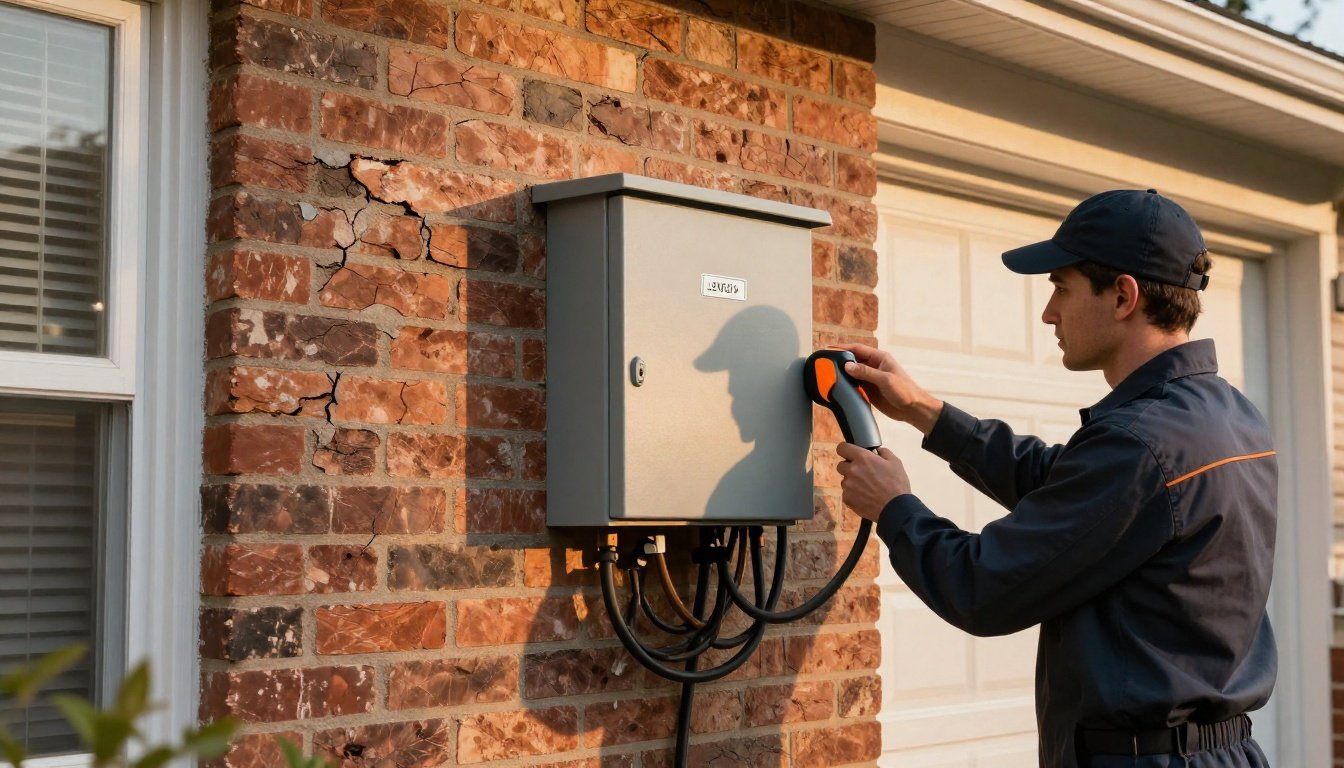
A home EV charger for old wiring can feel like a simple buy for your older home, but then the panel door opens and the whole mood changes. Outdat...
Your Complete Guide to Electric Vehicle Charging
A home EV charger for old wiring can feel like a simple buy for your older home, but then the panel door opens and the whole mood changes. Outdat...
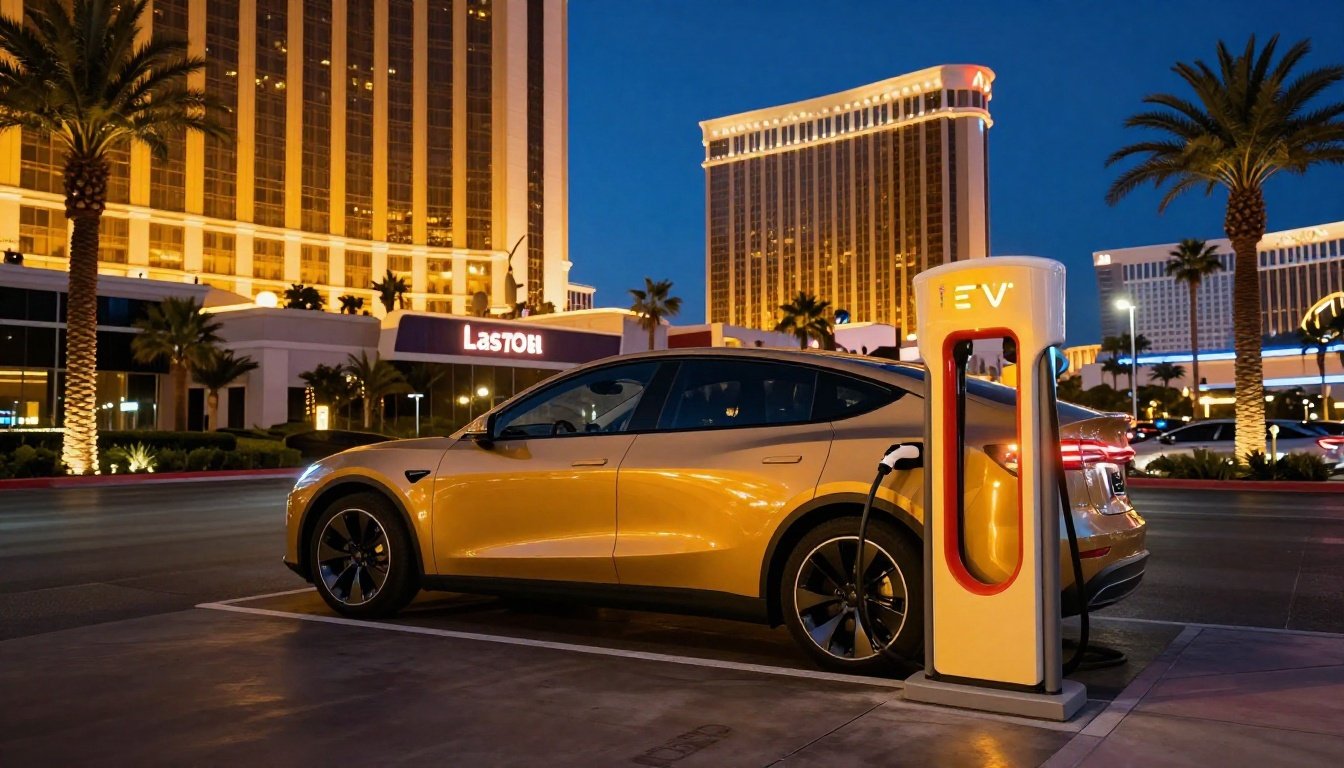
Las Vegas Hotels with EV Charging: Best Stays and What to Check When choosing a place to stay, finding a property that lists electric vehicle equ...
You want the cheapest, fastest charge in [City]? Use 150–350 kW DC fast hubs (Electrify America, EVgo, Tesla) near interstates for quick top-ups ...
You probably don’t know how per‑stall max kW and cable ampacity at [Location] shift by connector standard and firmware revision. You’ll compare N...
You’ve got three distinct EV charging options to plan around: Kbli’s 350 kW liquid‑cooled DC fast with ISO 15118 Plug & Charge, KBP’s 150 kW dual...
Think of charging as a race against resistance—what sets your pace? You manage pack size (kWh), voltage (400/800 V), and chemistry C‑rate limits,...
You can cut charging time dramatically by aligning with your car’s charging curve: arrive at 10–30% SoC, precondition to ~25–40°C, and target a h...
Your EV can add 200 miles in 20 minutes—or crawl for an hour—on the same trip, and the difference isn’t just kW on the sign. Charge speed hinges ...
Think it's all about the charger's posted kW? You actually set charging speed by matching station power with your car's acceptance curve, negotia...
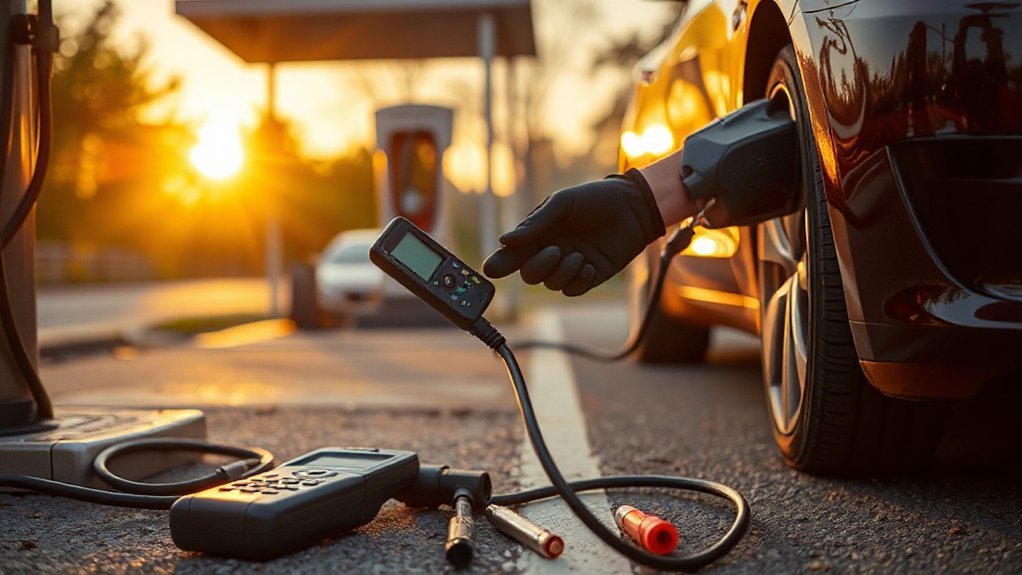
Your Tesla can halt charging when the connector’s temperature delta crosses a hidden threshold, even if the plug looks fine. You’ll troubleshoot ...