The first time you see a DC fast charging station promise 350 kW, you may assume your electric vehicle will be full before you finish buying a sandwich. Fast chargers can make that seem reasonable. Maybe. The car gets a vote, and it can be a very conservative little bureaucrat.
DC fast charging is quick because the station sends power straight to the battery instead of routing it through the vehicle’s own charging equipment. Once you understand the basics, long distance driving and public charging become much less mysterious.
This post may contain affiliate links. If you make a purchase through these links, I may earn a small commission at no extra cost to you.
Key Takeaways
- DC fast charging sends converted DC power directly to the battery, bypassing the vehicle’s onboard AC charger.
- A charger’s advertised power is a maximum rating, not a promise. Your vehicle, battery temperature, state of charge, charging curve, and station conditions decide the actual speed.
- Road-trip charging is usually quickest from about 10% to 80%, because power tapers as the battery gets fuller.
- CCS, NACS, and CHAdeMO connectors are not universally interchangeable, so confirm compatibility and adapter rules before leaving.
- Public DC fast charging costs more than home charging, and checking the live price, station status, and connector before plugging in can prevent unpleasant surprises.
What DC fast charging actually does
The electric grid supplies alternating current, or AC. Your EV battery stores direct current, or DC. That mismatch has to be sorted out before the battery can accept energy.
With Level 1 and Level 2 AC charging, the equipment sends AC to the vehicle. The car’s onboard charger converts it to DC, then feeds the battery. That onboard charger has a power limit, usually around 1.4 to 19.2 kW, depending on the vehicle and electrical setup.
With DC charging, power conversion happens inside charging stations. This bypasses the vehicle’s onboard charger and sends DC through the cable directly to the battery pack. During the session, the vehicle reports its charge acceptance rate to the charging station, and they negotiate the power delivered.
Here is the quick comparison:
| Charging type | Current delivered | Typical use | Usual charging time |
|---|---|---|---|
| Level 1 | AC, about 1 to 1.8 kW | Overnight home charging | 20 to 22 hours for a useful daily increase |
| Level 2 | AC, about 7 to 19.2 kW | Home, work, hotels | Several hours |
| DC fast charging | DC, roughly 15 to 350 kW | Road trips and quick stops | About 20 minutes to 1 hour to reach 80% |
The broad range reflects the vehicle’s charging curve as battery conditions change. The U.S. Department of Transportation gives that 20-minute-to-one-hour range in its DOT charging speed guide. The exact result depends on vehicle limits, battery temperature, battery capacity, and station output.
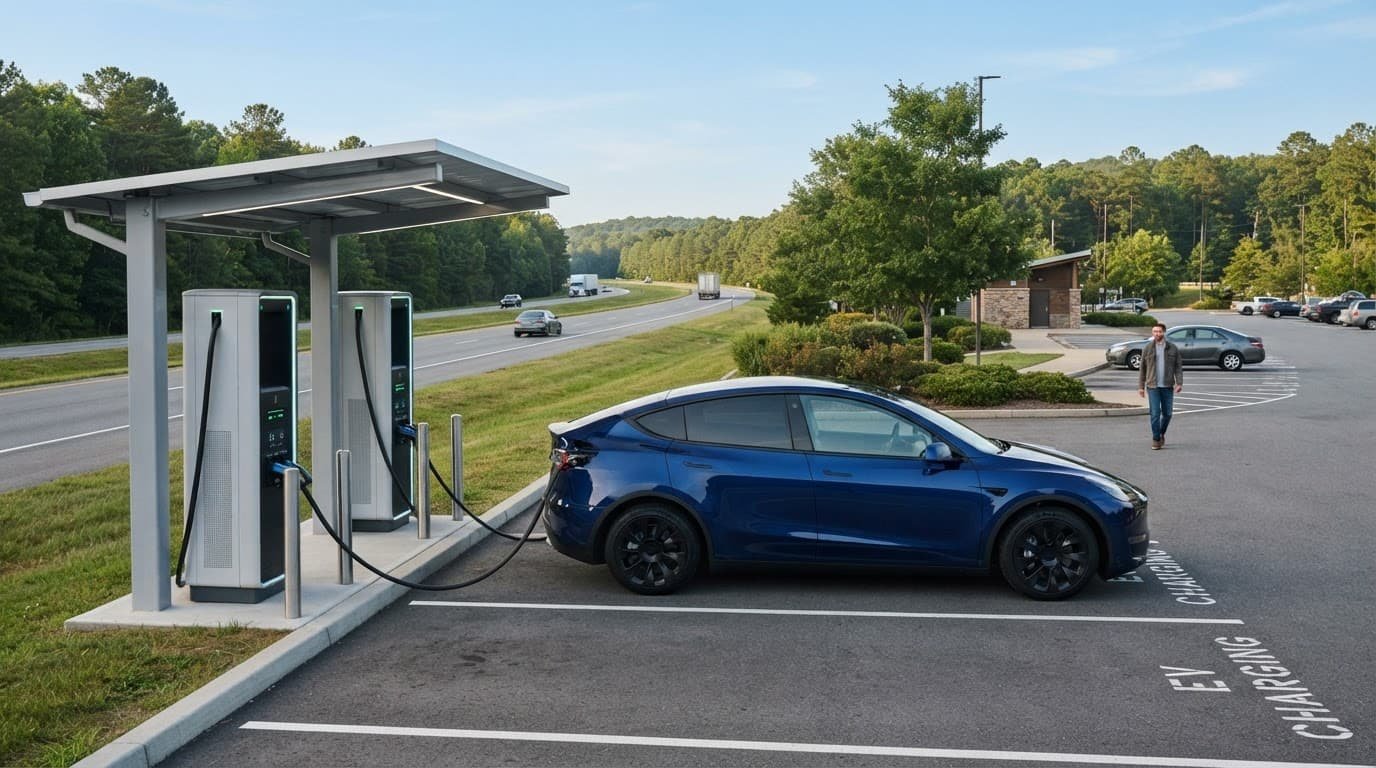
A 350 kW charger’s maximum power output isn’t a fire hose that forces 350 kW into every car. Your car decides how much it accepts. It may take 120 kW from a station offering 350 kW, then get back on its paperwork.
Why your charging speed keeps changing
The number on the charger is usually its maximum rating, not the rate you’ll receive throughout the session. Your vehicle’s charge acceptance rate controls incoming power. EV charging follows a charging curve shaped by battery chemistry and software.
When the battery is low, it can often accept high power. As the state of charge rises, the battery management system (BMS) reduces current. The drop may start around 50% or 60% in some vehicles, then become much more noticeable near 80%.
That final 20% takes longer because the battery cells need extra protection. Near a high charge level, the charging curve can taper sharply, adding to total charging time. The BMS protects cells by reducing power when temperature or charge level requires it, limiting excess heat and damage.
The fastest road-trip stop is often 10% to 80%, not 0% to 100%. The last 20% can take as long as the first 70%.
Several details affect your real charging speed:
- A cold battery may charge slowly until the pack reaches its preferred temperature.
- A hot battery may also receive less power while the cooling system works.
- Your vehicle’s maximum charge acceptance rate can be lower than the station’s rating.
- Battery capacity and chemistry can shape the session profile.
- A high state of charge leaves less room for rapid energy intake.
- Some charging sites split available power between two connected vehicles.
- Cable limits, station faults, and local electrical conditions can reduce output.
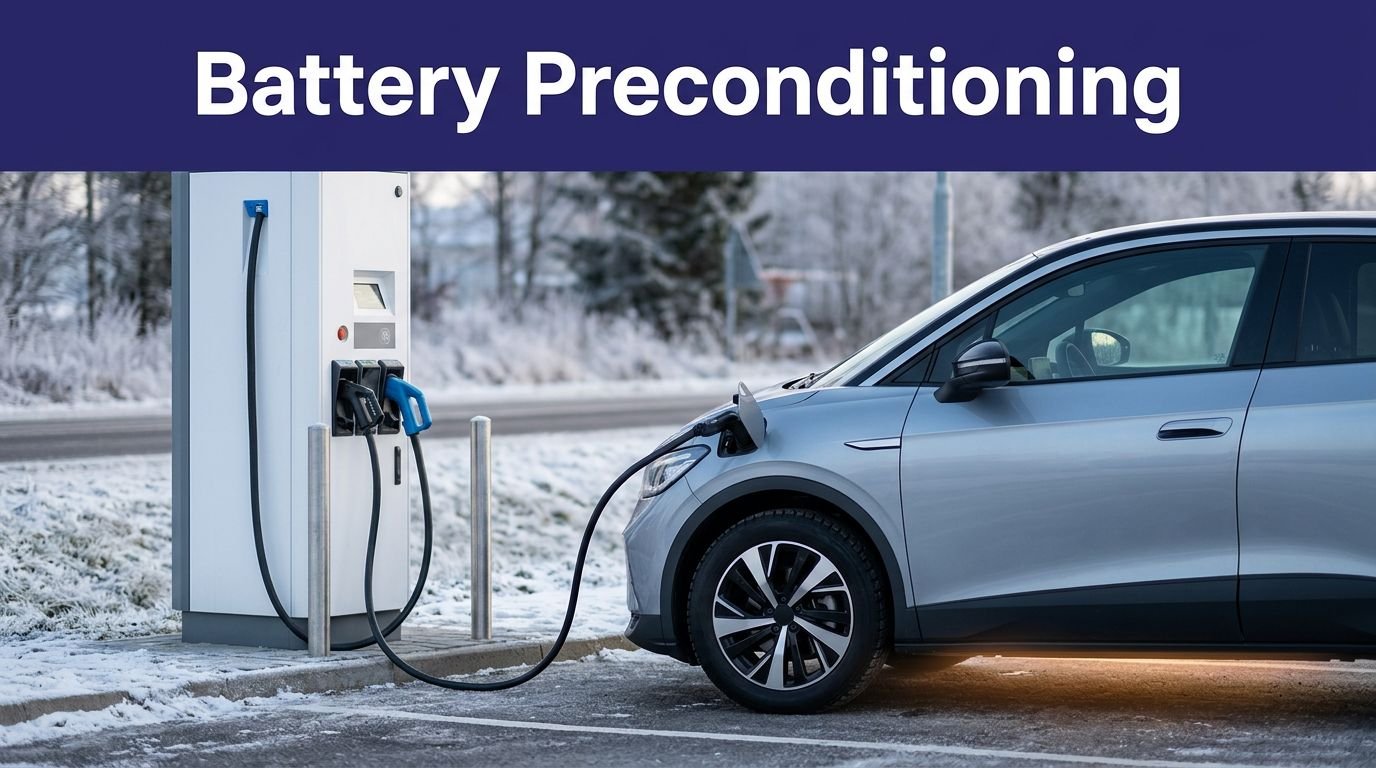
Battery preconditioning helps with the temperature problem. When you select fast chargers as destinations in some vehicles’ built-in navigation systems, the car warms or cools the battery before arrival. If you arrive with 12% charge and a battery ready to work, the session may begin at a much higher rate than it would on a freezing morning without preparation.
The car’s average charging speed matters more than its peak figure. For trip planning, range per hour is a practical measure, not a universal specification. A vehicle that holds 150 kW for 20 minutes may finish sooner than one that briefly touches 250 kW and then drops sharply.
DC fast charging connectors: CCS, NACS, and CHAdeMO
Electric vehicles require a matching connector, or an approved adapter. Plug shape matters for compatibility, but it doesn’t decide charging speed by itself. A NACS-equipped vehicle and a CCS-equipped vehicle can both use 350 kW-class equipment when the vehicle and station support it, but each vehicle’s limits still determine the usable result.
North American drivers will encounter three main connector families:
| Connector | Where you will see it | What to know |
|---|---|---|
| CCS1 | Many non-Tesla EVs and existing U.S. charging stations | Uses the J1772 AC shape with two additional DC pins |
| NACS, or SAE J3400 | Tesla vehicles and many newer North American EVs | Smaller connector with a growing number of compatible networks |
| CHAdeMO | Older Nissan, Mitsubishi, and other Japanese EVs | A legacy standard with fewer new installations |
In Europe, CCS2 is common. It combines the Type 2 AC connector with two larger DC pins. The EV charging standards overview from TEK provides a useful technical reference for the connector families used by charging equipment.
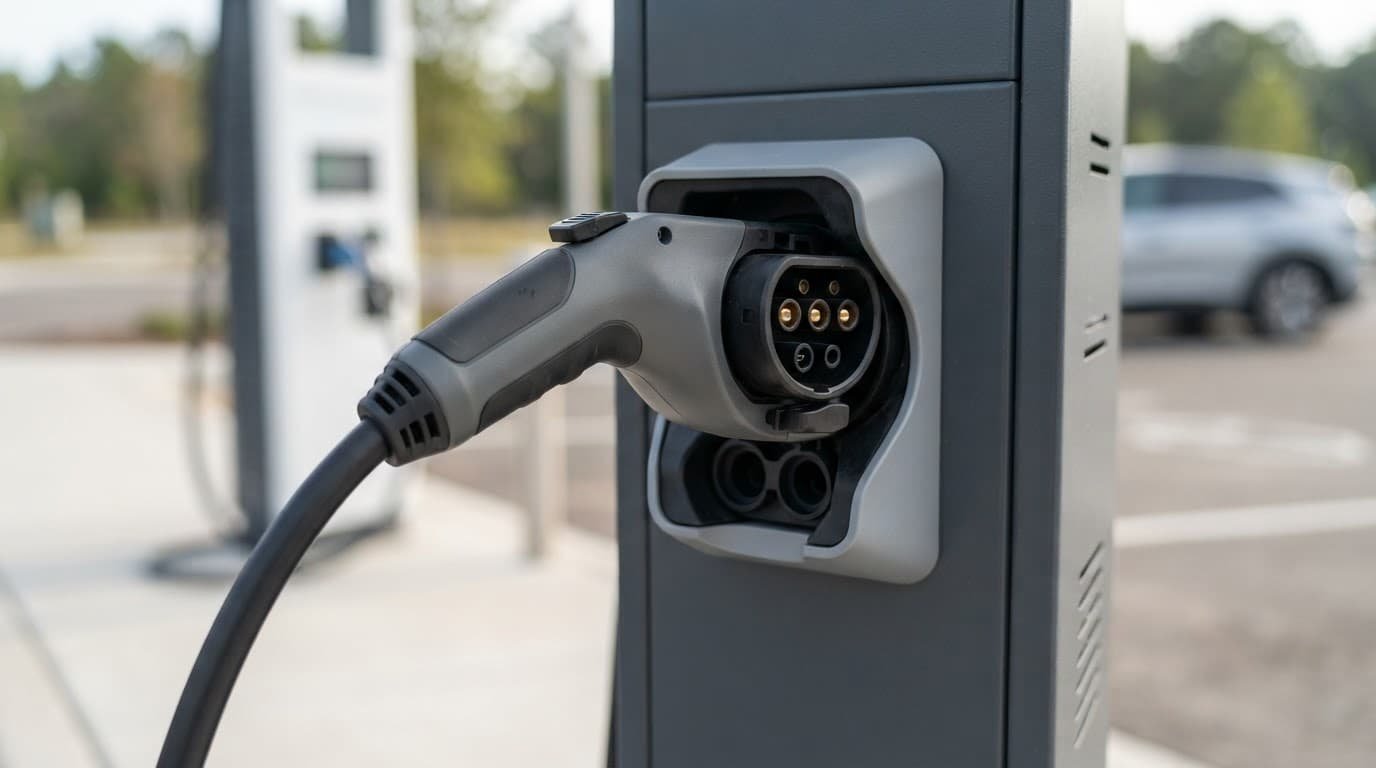
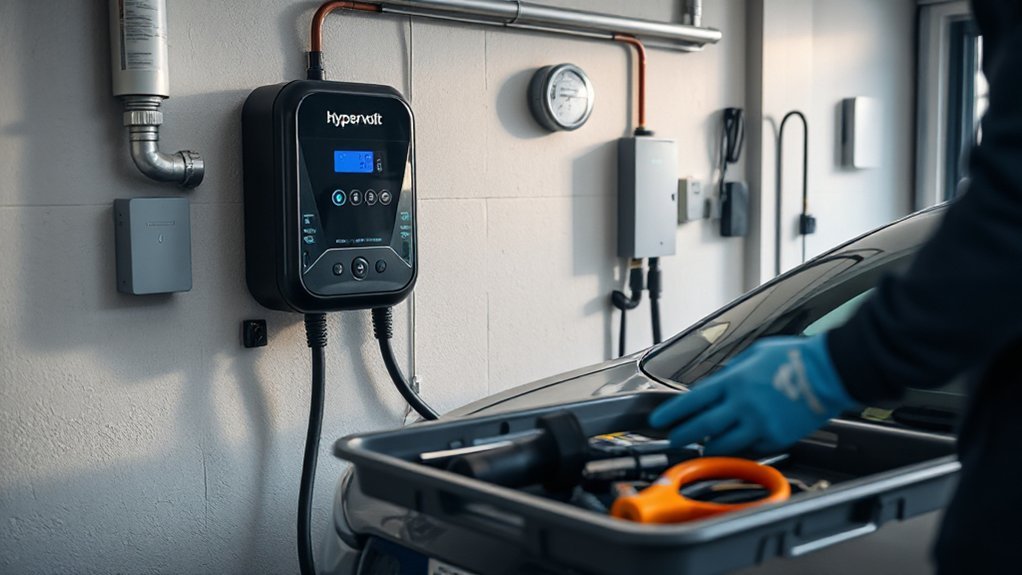
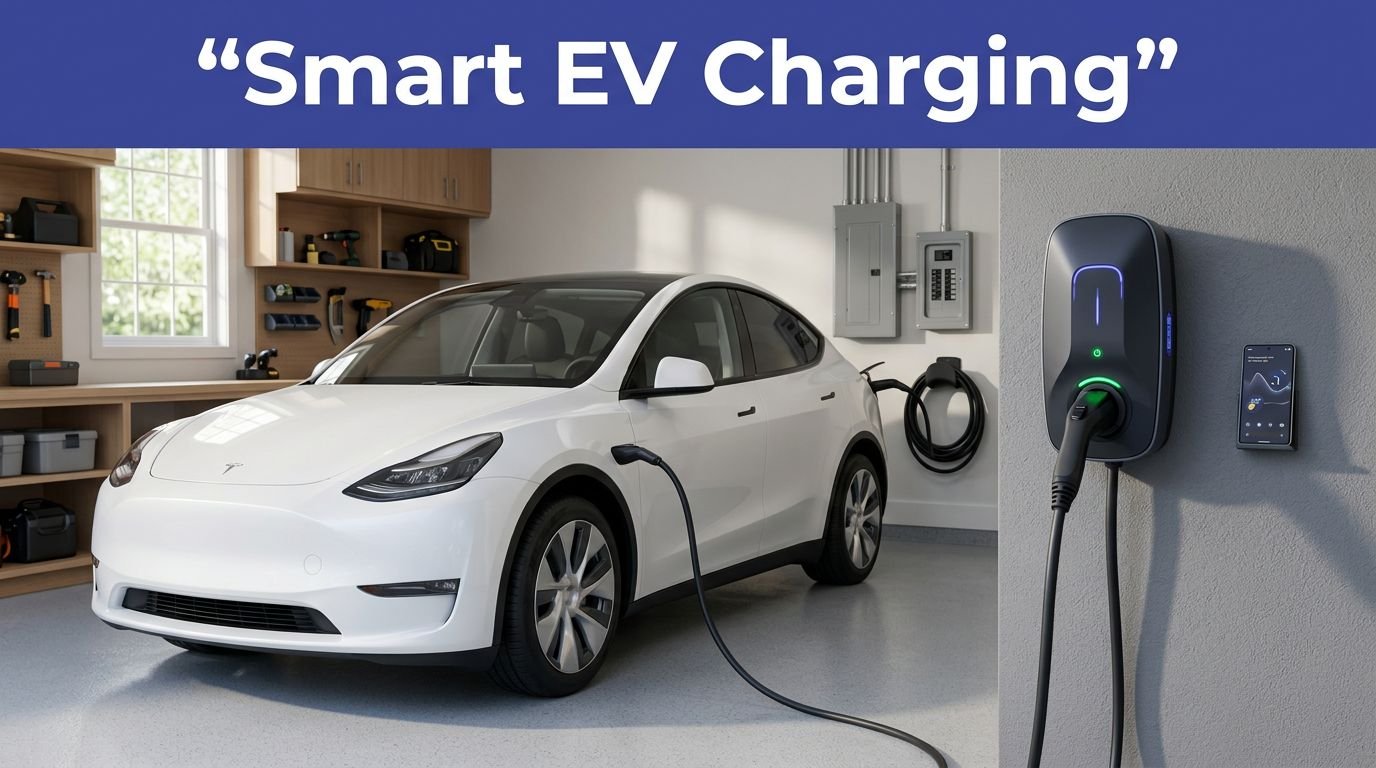
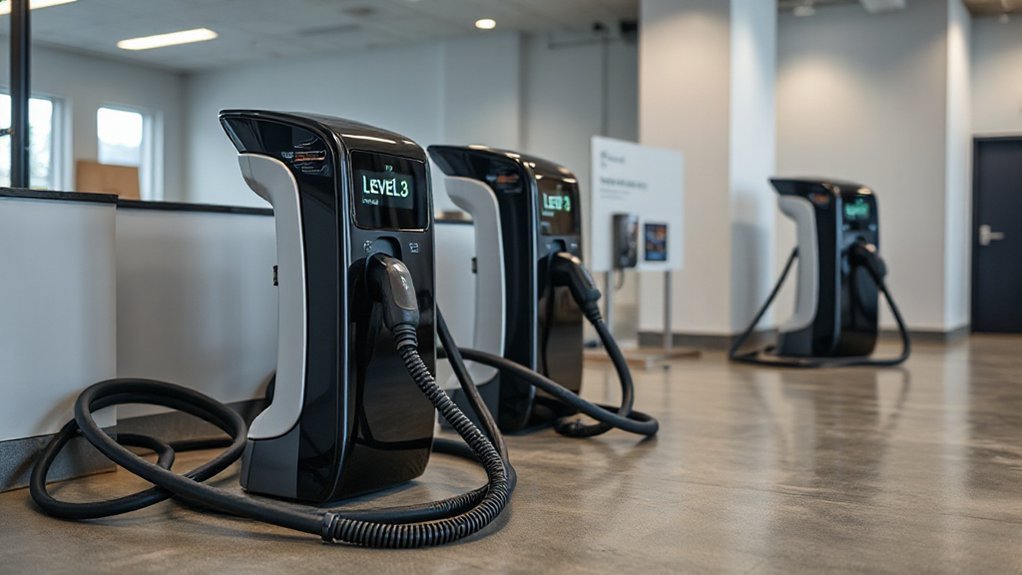
Tesla Supercharger hardware uses NACS in North America. Existing CCS1 stations remain widespread, while networks such as Electrify America and EVgo are adding NACS plugs alongside CCS1. Ford, General Motors, Rivian, Honda, Nissan, Volvo, Polestar, and Mercedes-Benz are among the automakers that have adopted or announced NACS plans for North American vehicles.
That transition can feel like finding changed locks halfway through a trip, as North American charging infrastructure shifts. It isn’t universal, so check the connector listed in your vehicle’s specifications and charging app before leaving. Each charging network may list different connector availability or adapter rules, so confirm Tesla Supercharger access before relying on it. A CCS to NACS adapter may open station access, but it won’t increase the vehicle’s charge acceptance rate, raise its voltage limits, or alter its charging curve.
You can compare the physical differences in this NACS and CCS comparison, then confirm compatibility with your vehicle manufacturer. The owner’s manual wins every argument here.
How much does public DC fast charging cost?
Public charging infrastructure for fast chargers typically costs more to operate than home charging. Station owners pay for equipment, maintenance, software, property, utility service, and sometimes demand charges at commercial locations. You’re paying for speed and access, not only for the electricity.
For U.S. drivers, a practical planning figure as of August 2026 is about $0.54 per kWh. Confirm current rates before a trip, since prices vary by state, network, time, and membership. Tesla Supercharger pricing can also vary by location, time, or membership.
Common published ranges look roughly like this:
- Tesla Supercharger sessions often fall around $0.30 to $0.45 per kWh.
- Electrify America commonly lands around $0.43 to $0.60 or more per kWh.
- EVgo often charges about $0.45 to $0.65 per kWh.
Some locations charge by the minute, especially where local rules limit per-kWh billing. Idle fees can also start after your session ends and the vehicle remains parked in the stall. The app should show the rate before you begin, so check it. The charger won’t be offended.
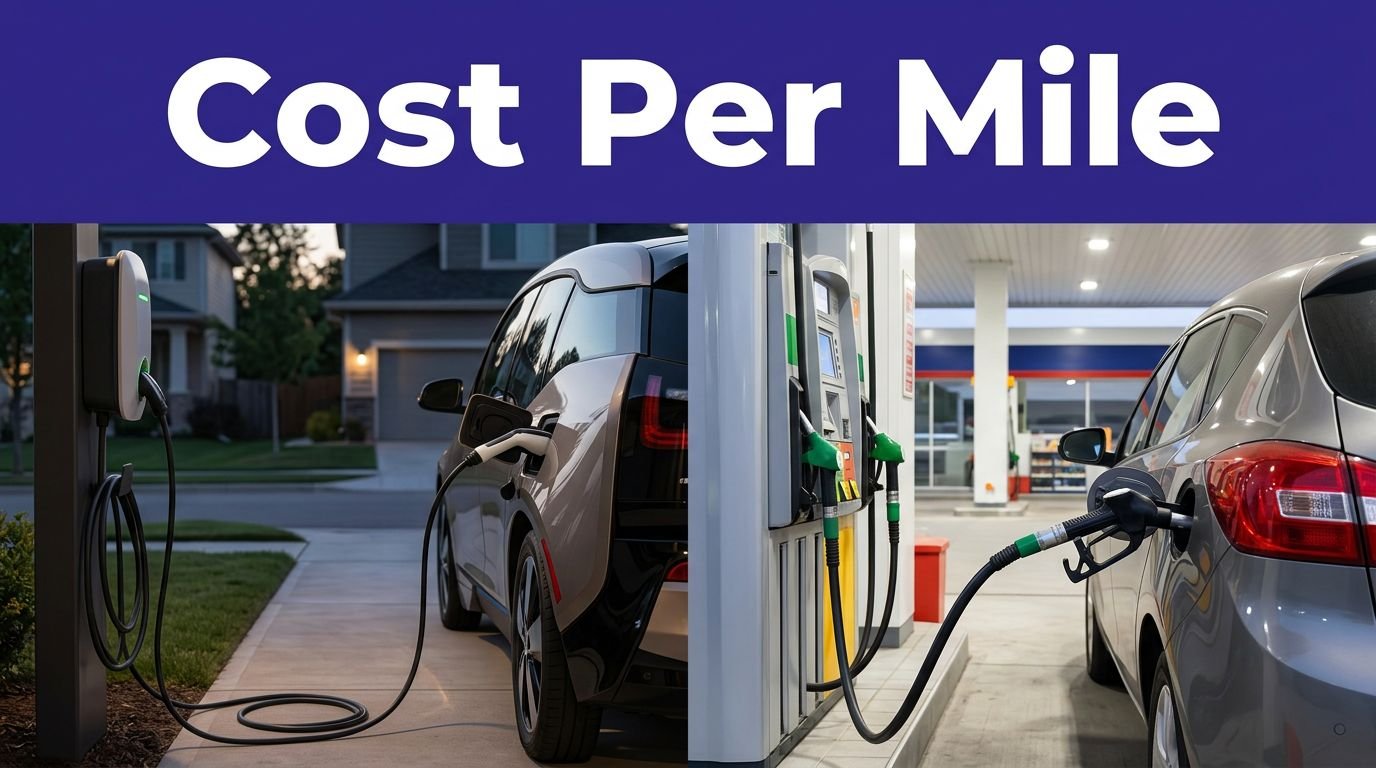
At $0.54 per kWh, receiving 60 kWh costs about $32.40. The bill reflects energy delivered, while battery capacity affects how much energy a vehicle may need on a trip. A 16-cent home electricity rate would put the same 60 kWh at $9.60 before charging losses. Home Level 2 charging also requires equipment and possible electrical work, but future sessions usually cost the local utility rate.
A station’s advertised power can hide business-side constraints, as multiple 350 kW stalls may require transformers, switchgear, and utility work. Sites may use dynamic power sharing, so two cars can split available capacity and see a lower instantaneous rate. Pricing models still vary by site.
Battery health, safety, and older vehicles
The battery management system (BMS) is the battery pack’s traffic cop. It monitors cell voltage, temperature, current, and how full the pack is. It also communicates with the charger and lowers the permitted power when the battery needs less stress.
Thermal management matters just as much. Liquid cooling, air cooling, sensors, and charging software work together to control heat. The BMS may slow charging when the pack is too hot, too cold, nearly full, or showing unusual cell behavior.
Frequent high-power charging can produce somewhat more wear than mostly using Level 2 charging, and may affect battery life, especially when the battery stays hot or repeatedly charges to 100%. Modern electric vehicles are built to manage this use, so occasional road-trip fast charging isn’t a reason to panic about your battery. For everyday charging, follow the manufacturer’s recommended charge limit and use Level 2 when it fits your routine to help preserve battery life.
An older electric vehicle can use DC fast charging if it was designed for it and the connector matches. Expect slower speeds, shorter range, or a battery that tapers earlier. Degradation or temperature can lower the vehicle’s charge acceptance rate, while reduced battery capacity can make a 30-minute stop less practical.
Plug-in hybrids are a different story. The U.S. Department of Transportation notes that most plug-in hybrids on the market can’t use DC fast chargers. Conventional hybrids don’t have a charging port at all. Never force a connector or use an adapter that the vehicle manufacturer hasn’t approved.
A first-time driver’s fast-charging routine
A smooth DC fast charging session starts before you pull into the stall, especially on a day of long distance driving.
- Before departure, use the vehicle’s route planner, PlugShare, Google Maps, or a network app to find nearby charging stations. Check each one’s connector, operating status, price, power rating, and recent user reports.
- Arrive at a reasonable state of charge, with enough reserve for a delay. Lower battery levels usually allow a higher rate, while zero percent turns every delay into a personal thriller.
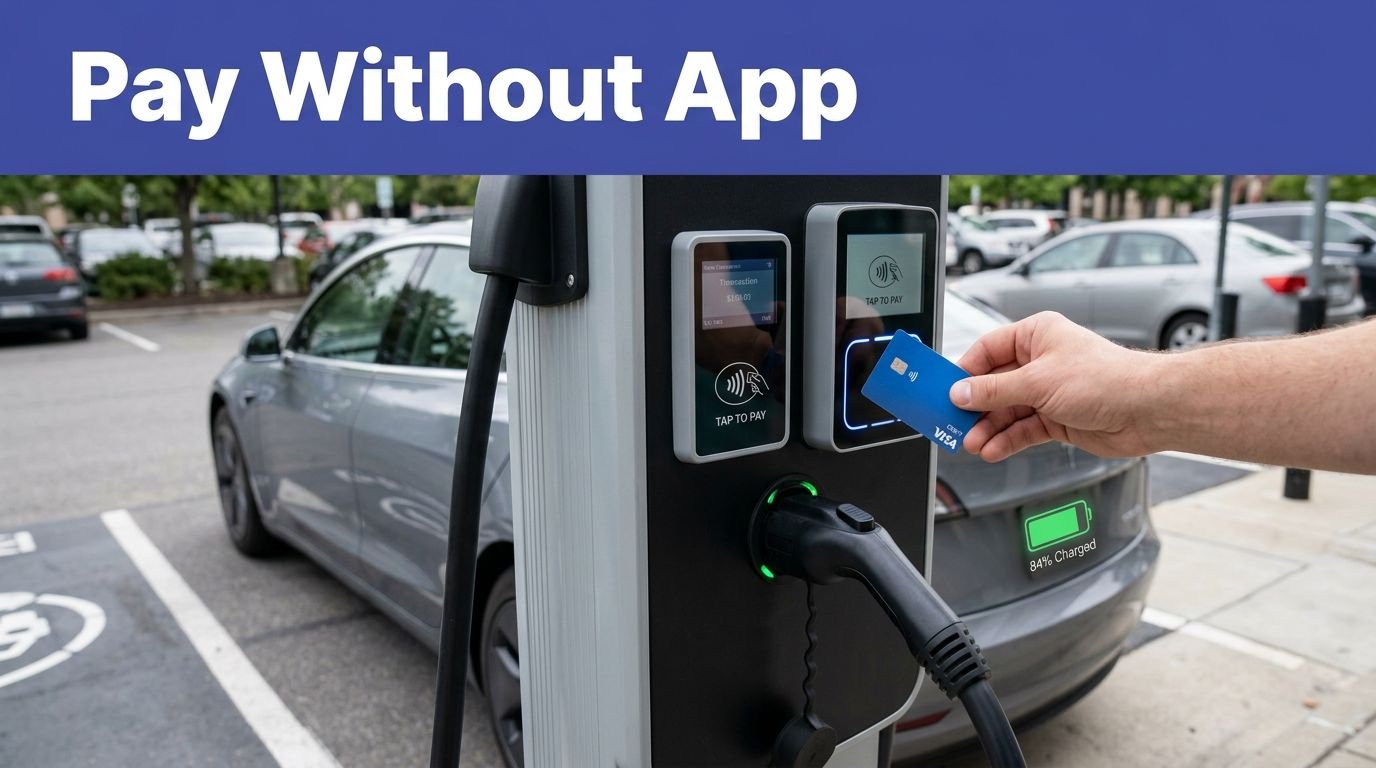
- Confirm the price and payment method before plugging in. Network apps, contactless cards, plug and charge, and vehicle-based payments may all work differently, so check the displayed price.
- Stop when you have enough energy for the next leg. On a road trip, 70% to 80% is often a good balance between useful range and charging time.
- Move the vehicle when charging finishes. Another driver may be watching the stall with the silent intensity of someone waiting for the last washing machine.
Built-in navigation can route you to fast chargers and trigger battery preconditioning, but it may not show every network. PlugShare can add recent reliability reports, while Tesla, Electrify America, EVgo, and ChargePoint apps provide network-specific status and pricing. Each charging network may show different status and pricing in its app. Check Tesla Supercharger status separately if it’s relevant to your route. Treat live availability as helpful, not sacred. A station can go offline between the app refresh and your arrival.
Frequently Asked Questions
How fast is DC fast charging?
DC fast charging can add substantial range in about 20 minutes to an hour, depending on the vehicle and battery conditions. The station’s power rating is only its maximum output; your vehicle controls how much power it accepts.
Why does charging slow down after 80%?
The battery management system reduces power as the battery gets fuller to control heat and protect the cells. That is why the final 20% can take as long as the first 70% and why road-trip stops often end around 70% to 80%.
Can every EV use a DC fast charger?
No. The vehicle must support DC fast charging, and the connector or an approved adapter must match the station. Most plug-in hybrids cannot use DC fast chargers, while conventional hybrids do not have a charging port.
Does DC fast charging damage the battery?
Modern EVs are designed to manage occasional high-power charging with battery monitoring and thermal controls. Frequent fast charging, especially at high temperatures or to 100%, may cause somewhat more wear than mostly using Level 2 charging, so follow the manufacturer’s recommended charge limit for everyday use.
How can I get the fastest charging session?
Arrive with a relatively low state of charge and, when supported, use the vehicle’s navigation system to precondition the battery before arrival. Check the connector, station status, price, and recent reliability reports, then move the vehicle when charging finishes.
Conclusion
DC fast charging is a conversation between the station and the vehicle. The station supplies high-power DC, while the car’s battery, thermal system, battery management system, and charging software decide how much it can accept.
Check the connector, understand the charging curve, account for the car’s limits, and verify the live price before starting. With these habits, a first fast-charging session becomes a routine stop, not a roadside mystery, while supporting sensible battery use and battery life.