You want quick, low‑cost charging; SJC enforces time limits and idle fees. You’ll find Level 2 and DC fast stalls in Terminal A and B garages wit...
Your Complete Guide to Electric Vehicle Charging
You want quick, low‑cost charging; SJC enforces time limits and idle fees. You’ll find Level 2 and DC fast stalls in Terminal A and B garages wit...
You probably don’t know that several states give you a statutory “right to charge” that landlords or HOAs can’t unreasonably deny (e.g., CA Civ. ...
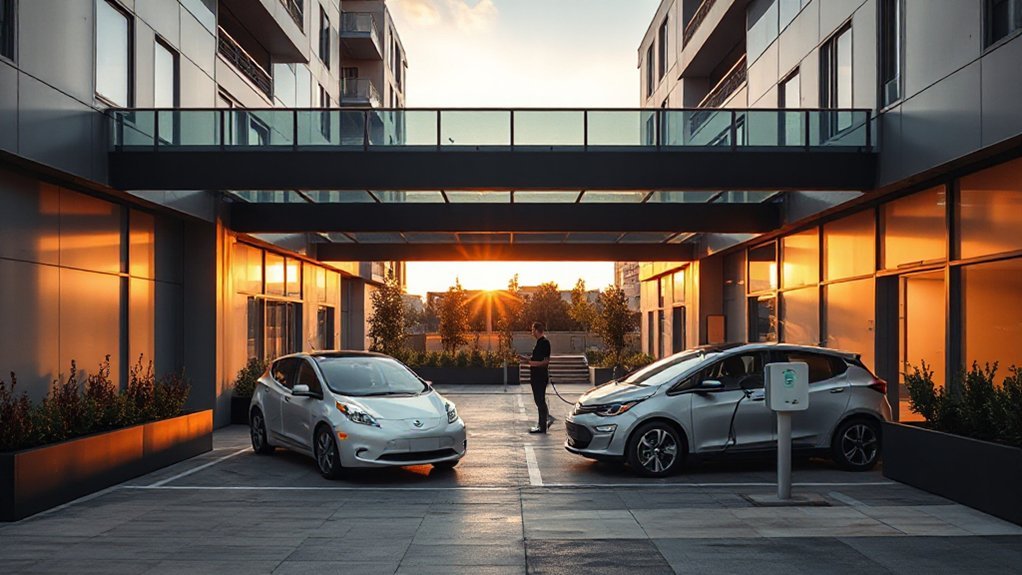
The best EV-friendly apartments often don’t mention chargers in the headline. You’ll need smart filters, map checks, and a quick audit of charger...
You want EV-friendly apartments that cut total cost of ownership, not add range anxiety. Start by filtering for on-site Level 2 chargers, transpa...
When range gets tight, you need a plan grounded in standards and safety. You carry a UL‑listed portable Level‑1 EVSE, a certified NACS–CCS adapte...
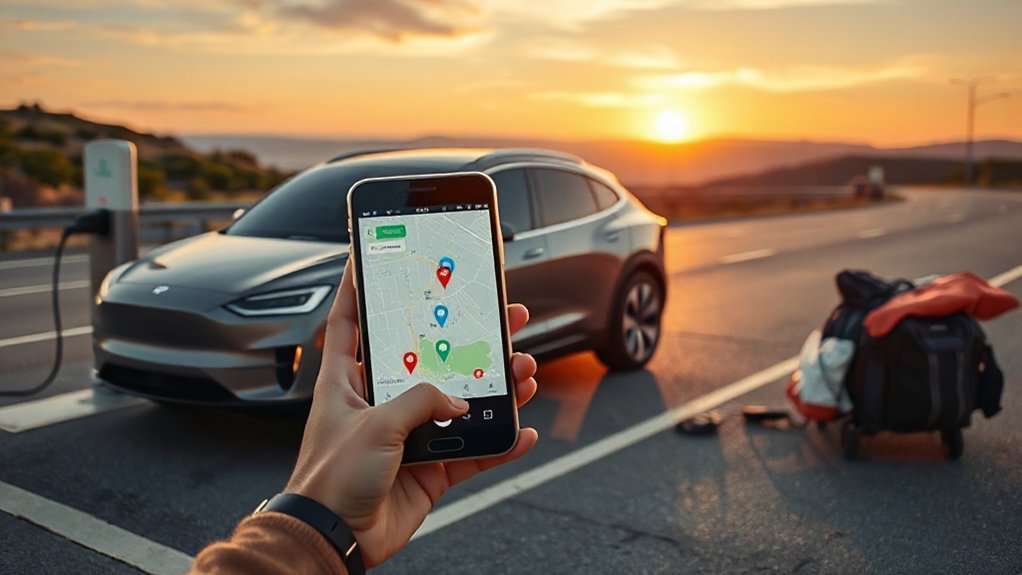
When your battery gets a little light, you need tools that make the next stop predictable. Use nationwide charging apps that show real‑time uptim...
You plan EV road trips by mapping corridors with reliable DC fast networks spaced ≤50 miles, preferring sites with ≥4 stalls, mixed CCS/NACS, and...
On a 400‑mile winter trip in a CCS EV, you target 10–60% SOC and 150 kW chargers, preconditioning en route. You verify NACS/CCS compatibility and...
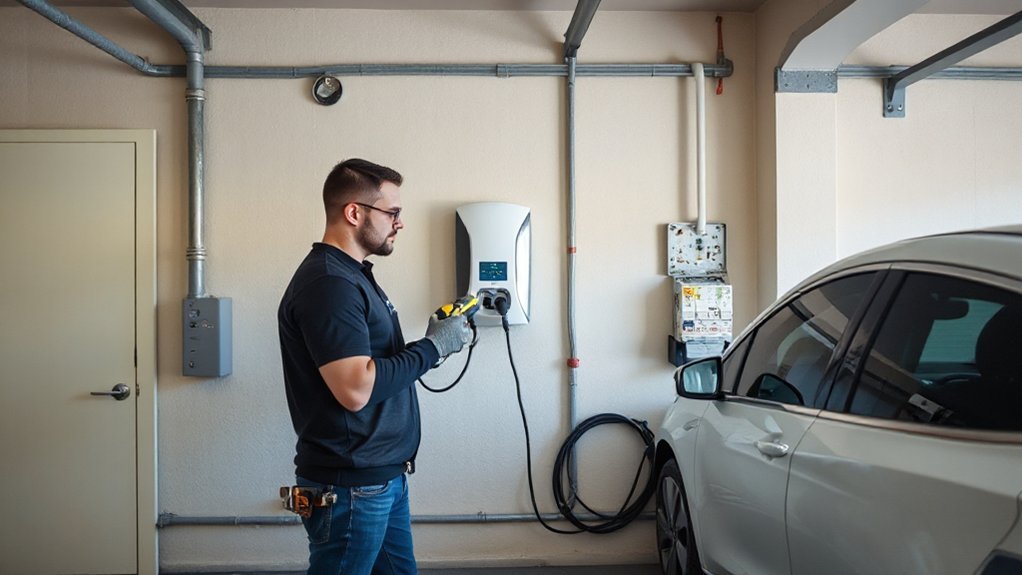
Installing an EV charger in your garage starts with safety and code compliance: assess your driving needs, choose Level 1 or Level 2, confirm ser...
You need a listed EVSE on a dedicated circuit sized at 125% of the continuous load, with proper grounding/bonding, GFCI where required, and worki...