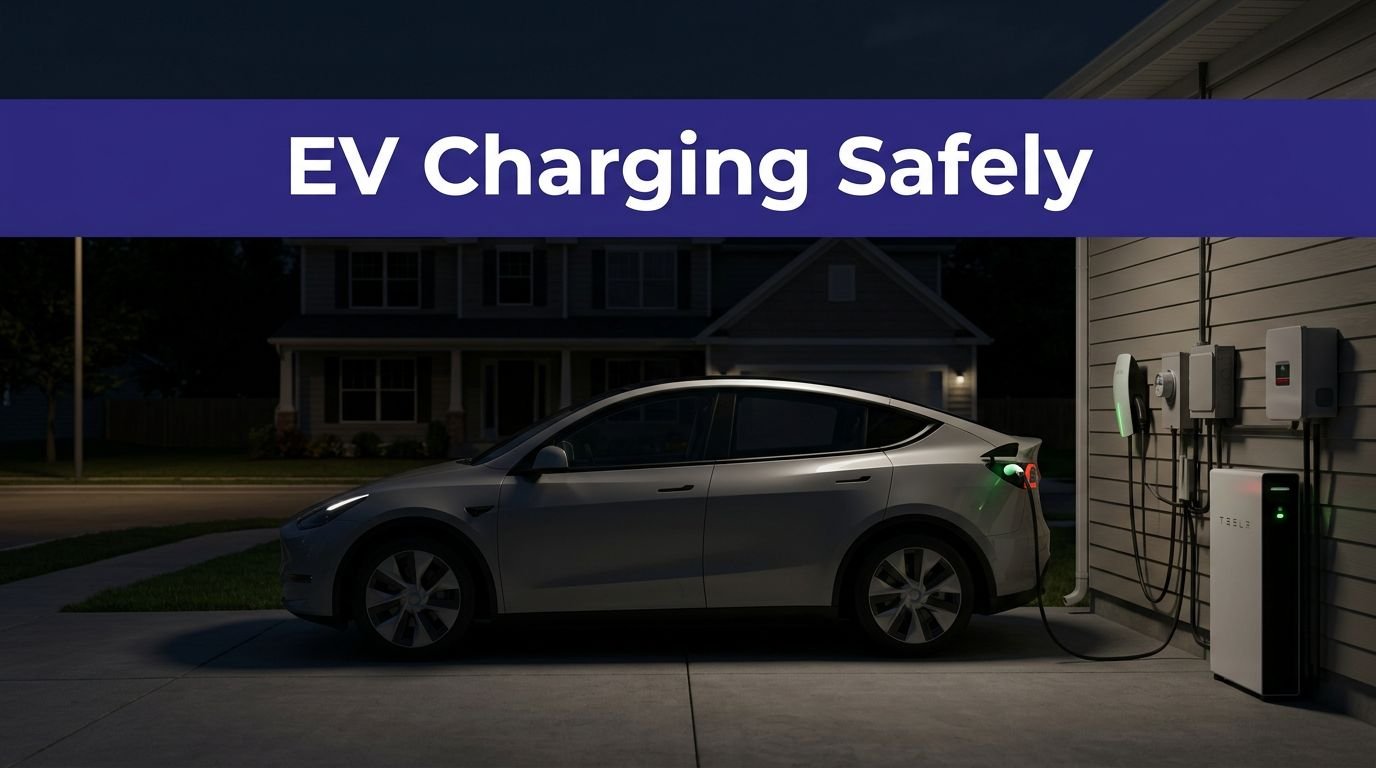
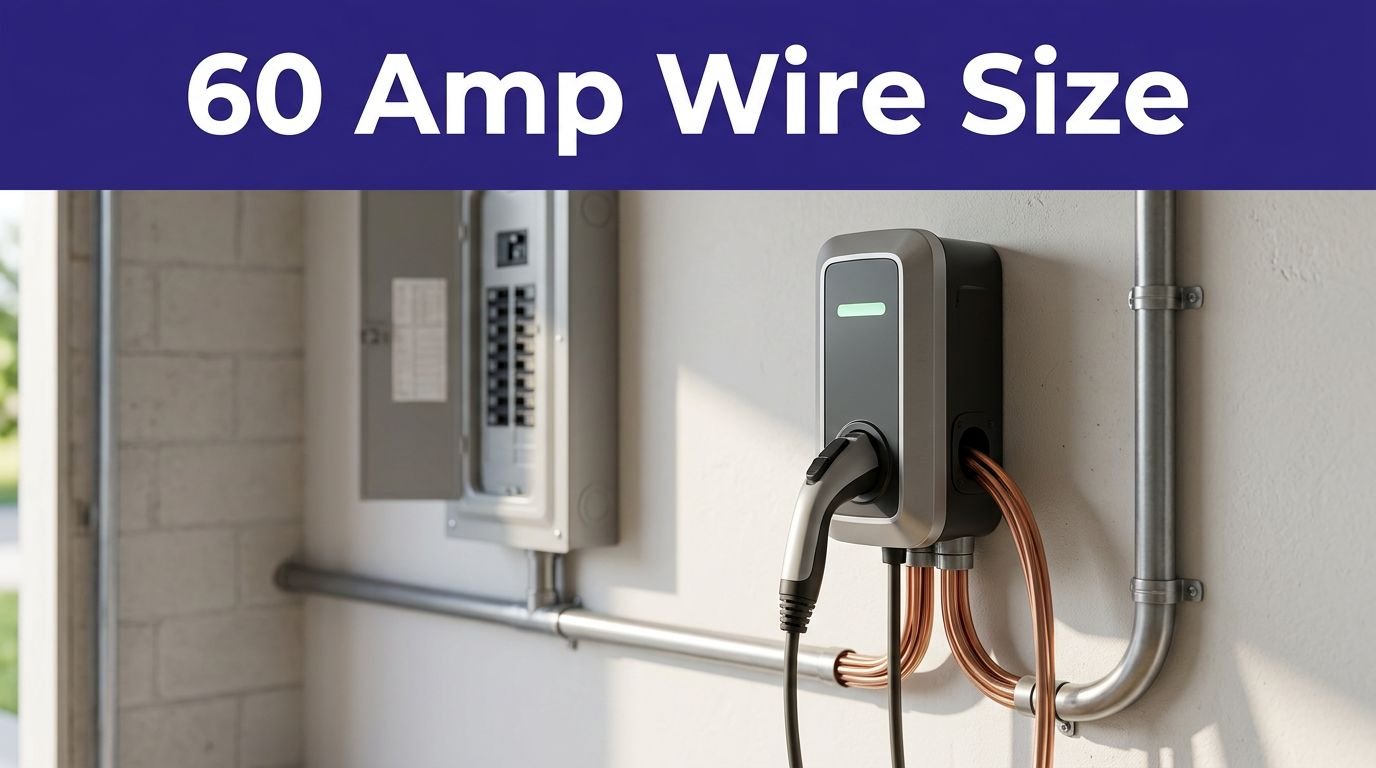
The hardest part of owning an EV without a garage isn’t the actual act of plugging in. It is figuring out where the car stays while the battery charges.
If you live in multi-unit dwellings, park on the street, or have a landlord who treats electrical outlets like priceless museum artifacts, home charging can feel out of reach. However, it is entirely possible. You need a charging plan built around your parking situation, daily driving miles, your workplace, and nearby public charging stations.
For EV charging renters, the winning strategy usually combines two or more approaches instead of relying on one magical charger that does not exist. By mapping out your options, you can enjoy the benefits of electric vehicle ownership without needing a private garage.
Key Takeaways
- Relying on Level 1 charging is a practical solution if you cover fewer than 30 miles on most days.
- Installing a dedicated Level 2 charging unit is the most efficient option when you have an assigned parking space.
- You can fill the gap in your routine by utilizing workplace, destination, on-street, and public fast charging infrastructure.
- When approaching your landlord, present a professional installation plan for an electric vehicle charging station that includes a quote from a licensed electrician.
- Before committing to an EV, always verify connector compatibility, charging costs, station reliability, and available backup locations in your area.
Start With Your Parking and Driving Habits
Before shopping for charging equipment, answer one unglamorous question: Where does the car sit for six or eight hours?
That parked time is your charging opportunity. A car sitting overnight beside a 120-volt outlet has a useful option. A car sitting on a public street has a different problem entirely. Same EV, completely different routine.
Level 1 charging uses a standard 120-volt outlet and the portable charging cable that comes with many vehicles. A typical 120-volt household outlet, specifically on a 15-amp circuit, delivers about 1.4 kilowatts. That can add roughly 4 to 5 miles of range per hour, or around 30 to 40 miles during an eight-hour overnight charging session.
That sounds slow until you look at your actual commute. If you drive 20 miles on Tuesday, park at home overnight, and repeat the process Wednesday, Level 1 charging may keep up without drama. If you drive 70 miles daily, Level 1 will be asked to perform a small miracle every evening. It will not enjoy that assignment.
Never assume an outlet is safe for continuous EV charging. Ask the property manager whether it belongs to a dedicated circuit, check for heat or discoloration, and stop using it if the plug or receptacle becomes hot. A licensed electrician should inspect older wiring or any outlet that has not handled a long, steady load before.
Your first calculation should be weekly, not nightly. Add your commute, errands, and regular trips. Then compare those miles with what you can add at home, work, or a public electric vehicle charging station. That number tells you whether you need a little top-up, a scheduled Level 2 session, or regular DC fast charging.
Your Main Charging Options Without a Garage
Renters usually build their charging routine from several places. The best mix depends on whether you have assigned parking and how close your regular destinations are.
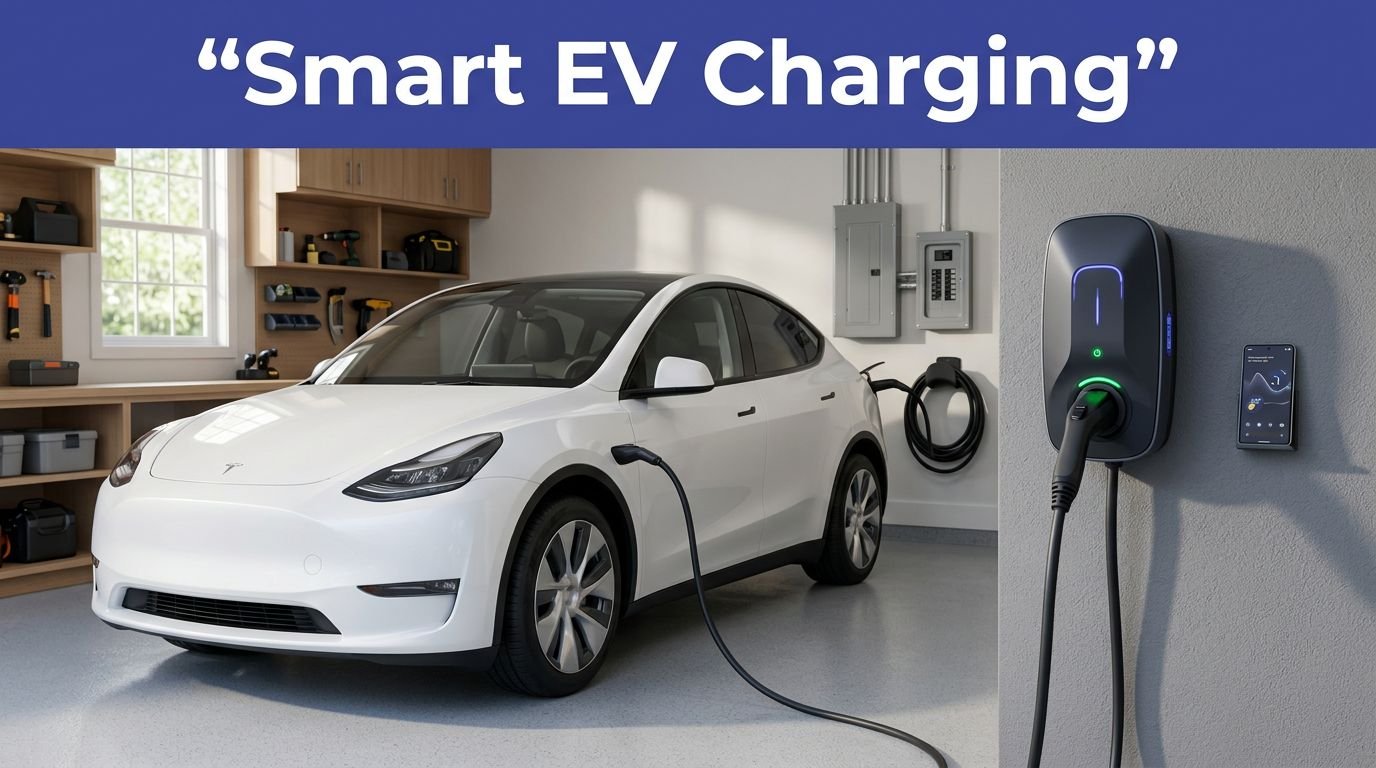
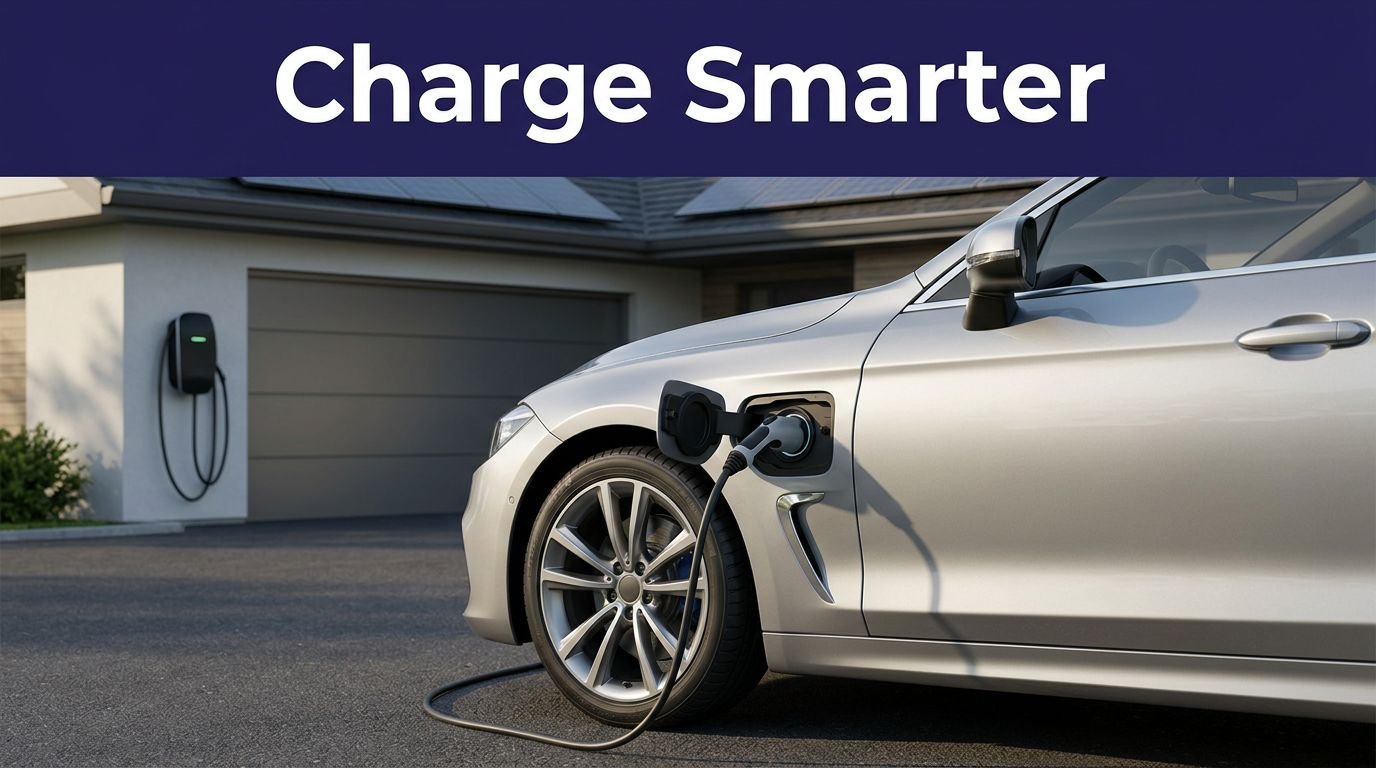
An assigned parking space gives you the strongest case for a dedicated home charging station. A landlord or property manager in multifamily housing may allow a wall-mounted unit or a new 240-volt circuit to support Level 2 charging. This type of equipment uses more power and can add much more range during the same parking window than a standard household outlet.
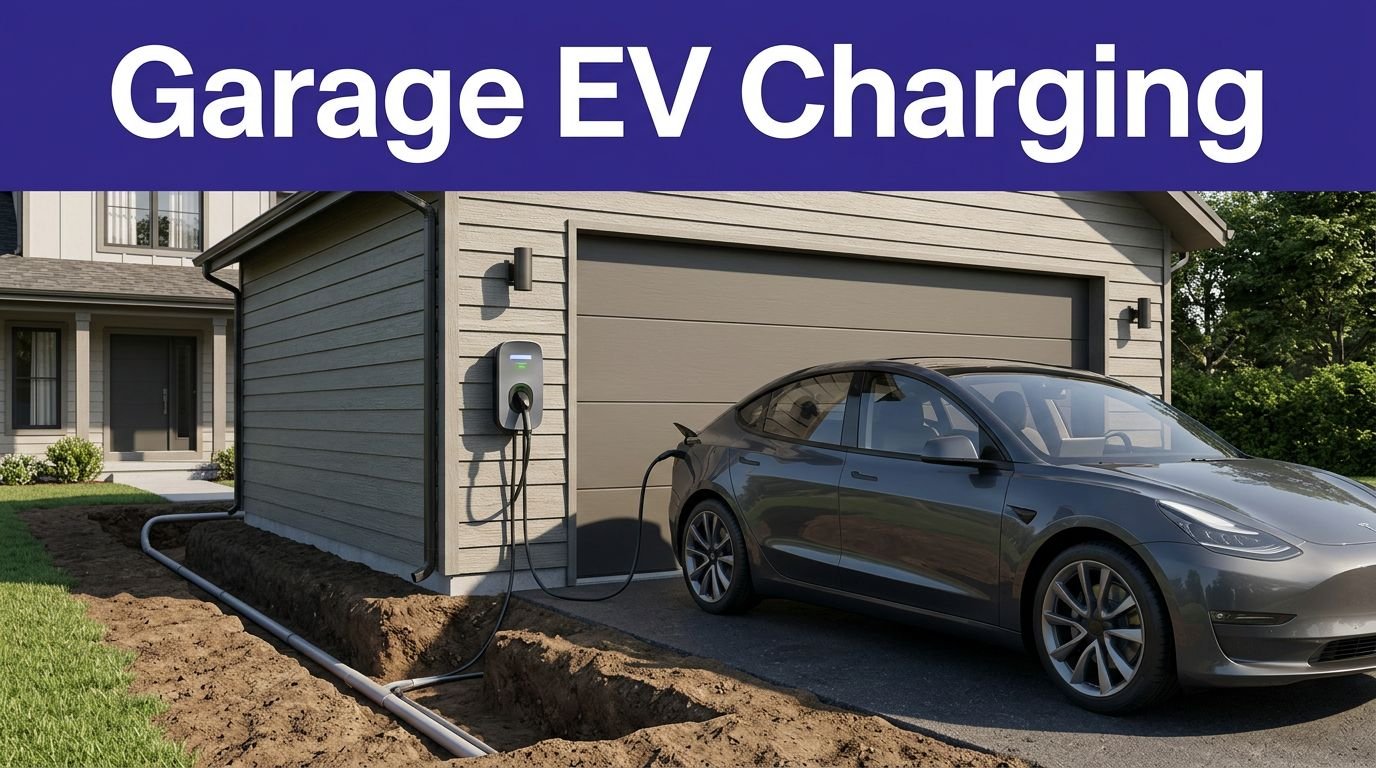
If the electrical panel is far from your space, installation costs rise significantly. Long conduit runs, trenching, panel upgrades, and concrete work can turn a simple request into a complex construction project. Get an electrician to assess the site before promising to pay for the work.
Workplace charging can become your primary weekday solution. Many offices offer free or subsidized Level 2 charging, while others charge by the hour. Ask your employer whether they have an electric vehicle charging station available, whether employees can use them, and whether the company has considered installing more.
Destination charging works when the car is already parked for another reason. Grocery stores, shopping centers, libraries, gyms, and coffee shops may offer stations for public use. You do not need to sit beside the vehicle staring at the battery percentage like it is a hospital monitor. Simply plug in while you shop or exercise.
Public DC fast charging is useful for larger top-ups and high-mileage weeks. Various networks operate public charging stations across the United States. Charging speed depends on the specific equipment, your vehicle, battery temperature, and the car’s maximum charging rate.
On-street charging exists in some cities, but availability varies sharply by neighborhood. Some municipalities install curbside units or convert parking-lamp infrastructure to support an electric vehicle charging station. Others have plenty of decorative streetscape improvements and nowhere to power up, which is a familiar urban tradition.
Public charging can cost two or three times as much as home charging, according to Plug In America’s right-to-charge information. That does not make public charging useless. It simply means you should use slower, cheaper options when practical and reserve faster public charging stations for times when speed matters.
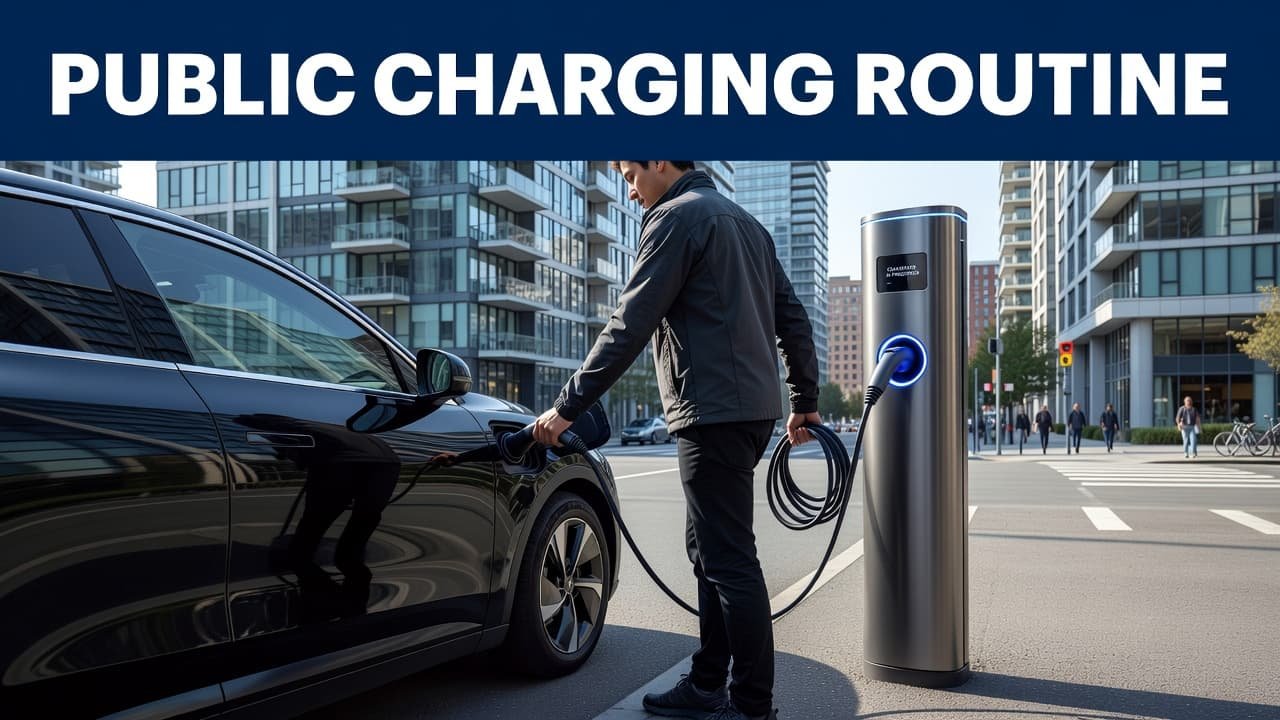
Build a Routine That Doesn’t Eat Your Weekend
A public charger becomes manageable when it has a place in your calendar. Without a routine, charging turns into a scavenger hunt conducted at 10:45 p.m. with 8% battery remaining. Nobody wants that side quest.
Start by opening PlugShare, ABRP (A Better Routeplanner), your vehicle’s app, and the apps for nearby charging networks to identify accessible public charging stations. Search within a 10 to 15-minute drive of home and work to see which locations fit your daily driving range. Mark three groups:
- Level 2 electric vehicle charging station options near home.
- Chargers at your workplace or regular destinations.
- DC fast chargers you can reach without crossing the entire county.
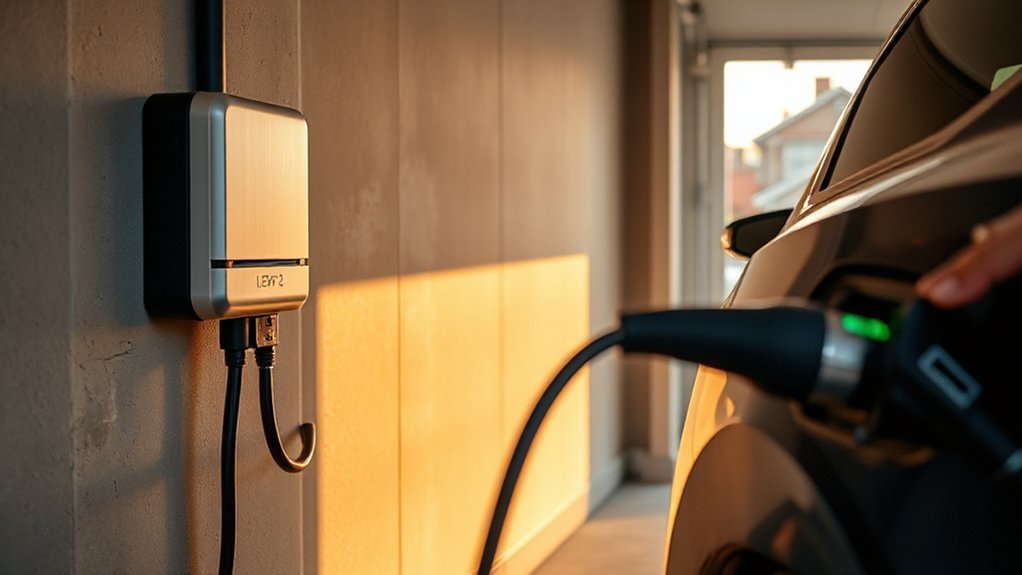

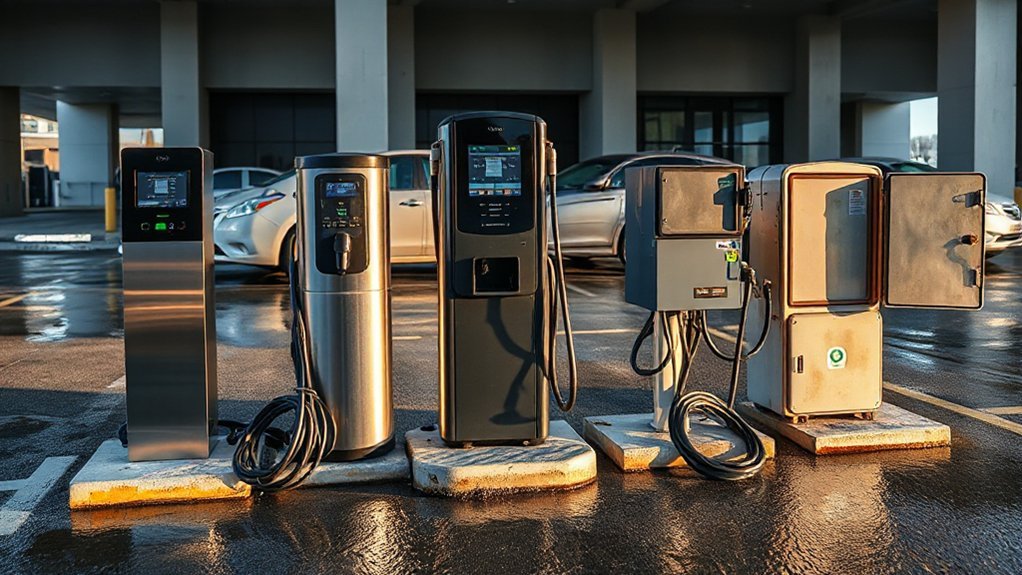

Check recent PlugShare comments, station access hours, payment rules, connector types, and whether the charger is inside a gated garage. A station that looks close on a map may require a parking fee, a building pass, or a heroic relationship with the security guard.
Download at least two network apps before you need them. Some stations accept contactless payment, but an app can show live status, pricing, session history, and member rates. Treat live availability as useful information, not a blood oath. A charger marked available can still be blocked, broken, or occupied by a vehicle whose owner has apparently moved in.
A simple routine might include one or two Level 2 sessions during the week and a DC fast-charge visit when your driving demands it. Unlike the convenience of overnight charging, you must charge during work, groceries, or errands whenever possible. The goal is to make your chosen electric vehicle charging station visits overlap with something you already do.
Keep one backup location for every regular charger. Public equipment fails. Cables get damaged. A station goes offline precisely when your battery decides to become dramatic. A backup ten minutes away can save the evening.
Talk to Your Landlord Like a Project Manager
A property manager is more likely to grant landlord approval for an electric vehicle charging station when the request proactively answers the questions they already have.
Who pays? Where will the electricity come from? Who handles the electricity billing? Who hires the electrician? What happens when you move? Will the installation damage concrete, wiring, or parking access? If your written request answers these questions before the landlord asks, you look prepared instead of just enthusiastic with a cable.
Give the management team a proposal that includes:
- Your name, unit number, and assigned parking space.
- The charger brand, model, voltage, amperage, and mounting location.
- A basic wiring route and installation plan for the charging infrastructure.
- An electrician’s license and insurance information.
- Your agreement regarding installation, electricity usage, maintenance, upgrades, and removal costs.
- Confirmation that the work will follow local electrical requirements and NEC Article 625, which covers electric vehicle power transfer systems.
Do not buy a charger first and ask for landlord approval later. That approach often leads to an expensive box in your closet and a management team with a fresh reason to say no.
If a private charger is not practical, propose a shared arrangement for the building. Two to four Level 2 stations in a common lot can serve multiple residents in multifamily housing. Networked systems from companies such as ChargePoint, Blink, and Enel X can handle user access and maintenance, though the property owner still needs to compare installation costs.
Make the financial case without pretending the station will turn the building into a luxury resort. An installed electric vehicle charging station can help a property appeal to prospective tenants, and you can offer to leave the equipment behind when you move. Ask the owner to check for utility rebates and any available federal tax credit. Eligibility often depends on location, property type, and public access.
Some states have right-to-charge laws, such as California, where California Civil Code Section 1947.6 clarifies tenant rights regarding the installation of charging equipment. Note that these laws do not create a universal right to install any system anywhere; they often require an assigned space, insurance, permits, and payment by the tenant. Review current state and local rules through Plug In America’s policy directory before making specific legal claims in your proposal.
Control the Cost and Check Compatibility
Charging costs depend on electricity rates, station pricing, session fees, membership plans, and your vehicle’s efficiency. Public Level 2 charging is often more affordable than DC fast charging, but the location of the electric vehicle charging station matters significantly. A free workplace session is hard to beat, while a paid garage charger with an hourly parking fee presents a different financial scenario.
For a quick estimate, divide your driving miles by your vehicle’s miles per kilowatt-hour. If your EV averages 3 miles per kilowatt-hour and you drive 180 miles in a week, you need about 60 kilowatt-hours before accounting for charging losses. That energy could come from several overnight sessions using a standard 120-volt outlet, workplace charging, public Level 2, or one fast-charge visit.
When analyzing your electricity billing, remember that charging infrastructure in multi-unit dwellings may have different pricing structures compared to single-family homes. Check the car’s connector before choosing a network. J1772 is common for AC Level 1 and Level 2 charging. CCS has been widely used for DC fast charging, while NACS is the Tesla connector standard now appearing across more North American vehicles.
An adapter can solve compatibility, but not every adapter supports every charging type. A device that works for AC charging may not be approved for DC fast charging. Use the adapter recommended by your vehicle manufacturer or the charging network.
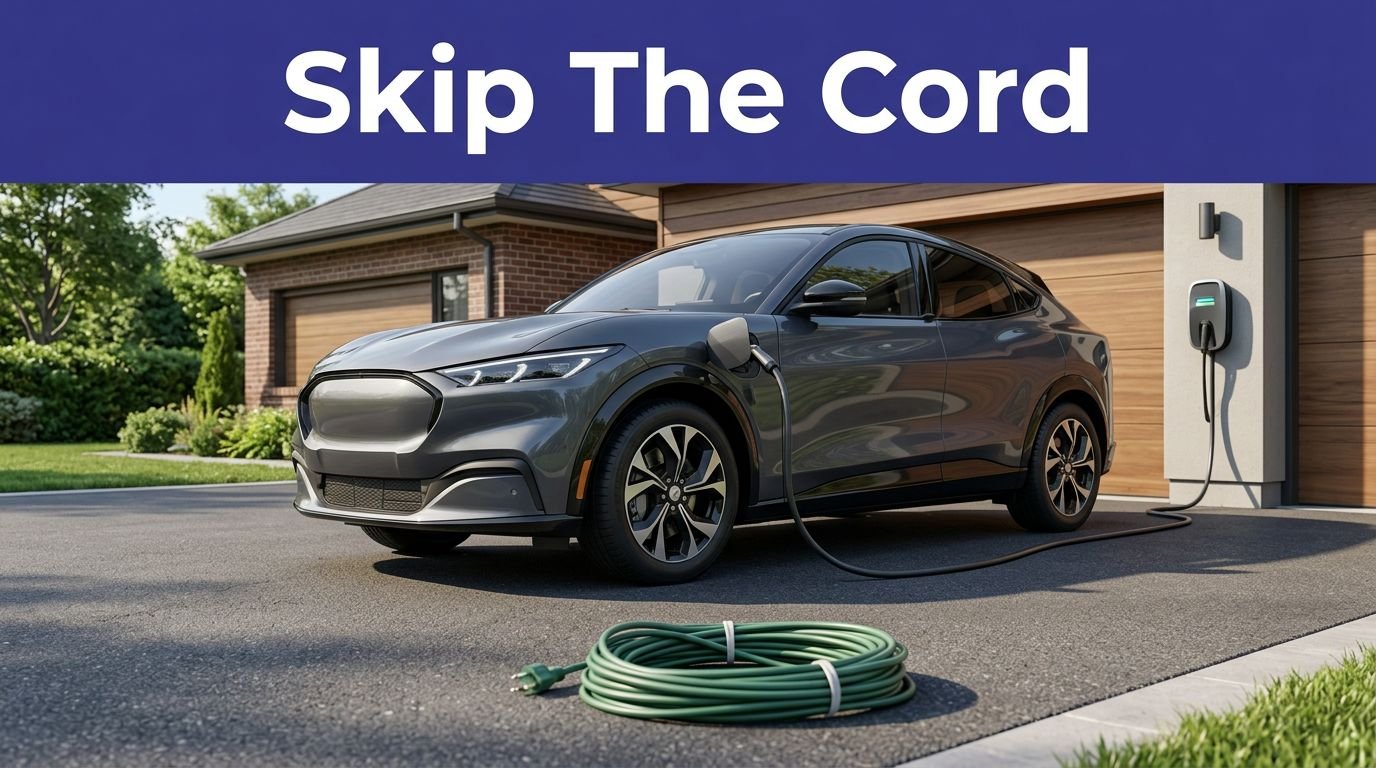
Safety matters even more when you rent. Do not run a cable across a sidewalk, use a household extension cord for routine charging, or connect to a shared outlet without written permission. If you are exploring the possibility of an electric vehicle charging station at your residence, do not plug a charger into a dryer receptacle unless the property owner and a licensed electrician approve the setup. The outlet, 240-volt circuit, grounding, and load capacity all must match the equipment. You should also consider potential installation costs and long-term charging infrastructure requirements for multifamily housing.
Peer-to-peer charger sharing may help in areas with few public stations. A 2025 study on residential charger sharing and public charging access found that liability concerns were a major barrier for both charger owners and users. That means insurance, payment, access times, and damage responsibility need clear answers before anyone swaps keys and hopes for the best.
Frequently Asked Questions
Can I charge my EV using a regular wall outlet?
Yes, Level 1 charging uses a standard 120-volt outlet to add about 4 to 5 miles of range per hour. This is a practical solution if you drive fewer than 30 miles daily and have a safe, dedicated circuit where the car can sit overnight.
What should I do if my building management refuses my request for a charger?
Focus on building a reliable charging routine using public infrastructure, such as destination chargers at grocery stores or nearby DC fast-charging stations. You can also explore whether your employer offers workplace charging to supplement your needs during the day.
Are there laws that support my right to install a charger as a renter?
Some states, such as California, have “right-to-charge” laws that clarify tenant rights regarding the installation of charging equipment in assigned parking spaces. However, these laws usually require you to follow specific procedures regarding insurance, permits, and professional installation, so check your local regulations before starting the process.
How do I find out which public chargers are compatible with my vehicle?
Most public charging apps provide information on connector types, such as J1772, CCS, or NACS. Always verify your vehicle’s specific port requirements in your owner’s manual and confirm that any third-party adapters you use are officially recommended by your manufacturer.
Conclusion
Living without a private garage does not rule out EV ownership. It simply changes the rhythm of your daily routine. Level 1 charging may cover a light-driving schedule, while workplace charging, destination stations, public Level 2, and occasional DC fast charging handle the rest.
If you have an assigned space, you should present your landlord with a professional, safety-focused proposal for a home charging station. When navigating these conversations, familiarize yourself with local right-to-charge laws and tenant rights to ensure you understand your options. If you park on the street, map reliable chargers before buying your vehicle and always keep a backup location ready. The best EV charging renters strategy is one that fits into your existing schedule, as the most effective plan is the one that aligns with where your vehicle already spends its time.
This post may contain affiliate links. If you make a purchase through these links, I may earn a small commission at no extra cost to you.