Your EV can charge overnight without any special equipment, but that doesn’t mean every home charging setup feels the same. The Level 1 vs Level 2 charging decision comes down to one practical question: how much driving do you need to recover while the car is parked?
Level 1 may be perfectly adequate for a short commute and a car that sits all night. Level 2 makes more sense when you drive farther, own a larger-battery EV, or don’t enjoy planning your life around a charging cable. Both can work. One is simply less patient.
This post may contain affiliate links. If you make a purchase through these links, I may earn a small commission at no extra cost to you.
What Level 1 and Level 2 charging actually mean
Level 1 and Level 2 are both AC charging methods. The electricity reaches the vehicle as alternating current, then the car’s onboard charger converts it to DC for the battery.
The difference is the voltage and the amount of power the circuit can provide.
Level 1 uses a standard household outlet in North America, usually 120 volts. The portable charging cable often comes with the vehicle. It typically adds around 3 to 5 miles of range per hour, depending on the vehicle, outlet, battery temperature, and charging losses.
Level 2 uses a 208 or 240-volt circuit. It requires a compatible wall-mounted charger or portable EVSE, plus the right circuit and installation. A common home unit supplies 7.2 or 9.6 kilowatts, adding roughly 20 to 35 miles of range per hour for many EVs.
Some Level 2 equipment can provide more power, but the car sets the final limit. Installing an 11.5-kilowatt charger won’t make a vehicle accept 11.5 kilowatts if its onboard charger tops out at 7.2.
| Feature | Level 1 | Level 2 |
|---|---|---|
| Typical voltage | 120 volts | 208 or 240 volts |
| Typical home power | 1.2 to 1.4 kW | 3.3 to 11.5 kW |
| Approximate range added | 3 to 5 miles per hour | 20 to 35 miles per hour |
| Installation | Usually no new circuit | Often requires a dedicated circuit |
| Best fit | Short daily driving | Regular, higher-mileage driving |
The Level 1 and Level 2 charging comparison also points to the big ownership difference: Level 1 uses an existing outlet, while Level 2 brings higher equipment and installation costs.
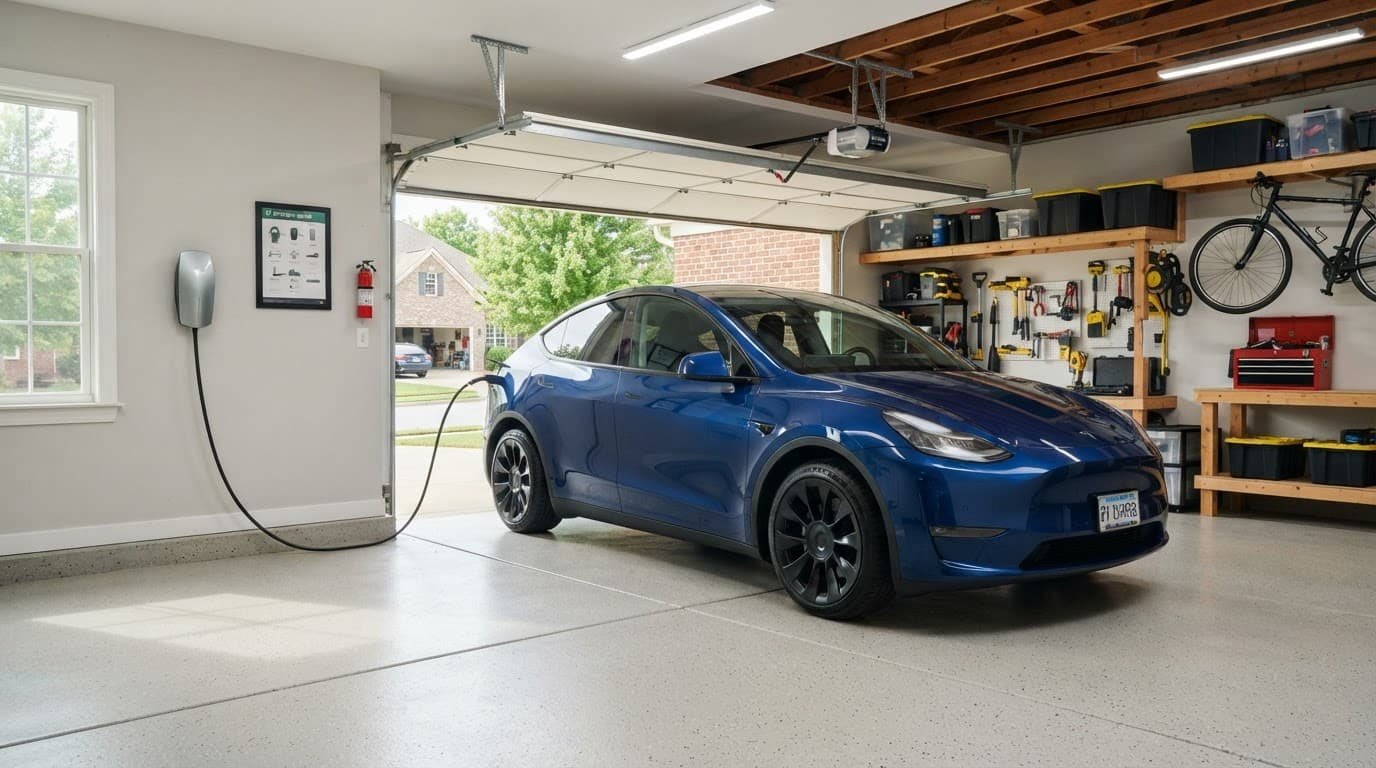
Level 1 vs Level 2 charging for daily driving
The right option depends more on your daily miles than on the size of your battery.
Suppose your EV uses about 3.5 miles per kilowatt-hour and you drive 35 miles each weekday. You need roughly 10 kilowatt-hours to replace that trip, before accounting for charging losses.
A Level 1 connection delivering about 1.3 kilowatts could need eight hours or more to replace that energy. If you get home at 6 p.m. and leave at 7 a.m., you have enough time. The car can sip electricity while you sleep, like a very expensive phone that refuses to fit in your pocket.
Level 2 could replace the same driving energy in around two hours. That extra speed matters when you arrive home late, leave early, make an unplanned trip, or drive more on weekends.
For daily driving, Level 1 often works well when:
- Your round-trip commute is under about 30 miles.
- The vehicle remains parked for 10 to 14 hours overnight.
- You have access to a reliable, dedicated outlet.
- You don’t regularly need to recover a large amount of range quickly.
- You can use public charging for occasional longer trips.
Level 2 becomes more attractive when you drive 50 miles or more most days, share one charger between multiple EVs, or return home with a low battery. It also helps drivers who cannot charge every night. A few hours in the driveway can restore useful range before the next morning.
Here is the part people sometimes miss: daily charging speed and road-trip charging speed are different decisions. Neither Level 1 nor Level 2 is designed to compete with DC fast charging on a highway. Home AC charging is about recovering energy while the vehicle is parked.
How charging speed affects your routine
The advertised miles per hour are estimates, not a promise printed in permanent ink.
Your actual result depends on energy consumption, outside temperature, battery conditioning, charging efficiency, and the vehicle’s onboard AC charger. A large electric SUV may add fewer miles per hour than a smaller, efficient sedan using the same Level 2 station.
A 7.2-kilowatt Level 2 charger may add around 25 miles of driving range per hour in one EV and closer to 20 in another. The charger supplies electricity. The vehicle decides how much it can accept.
The same rule applies to Level 1. A 120-volt outlet may technically provide 1.4 kilowatts, but the car may draw less. Older wiring, voltage drop, or a shared circuit can reduce available power. If the outlet feels hot, smells burnt, or shows discoloration, stop using it and call a qualified electrician.
A charger rated for more power cannot override the vehicle’s onboard charging limit. Check the car’s specifications before buying hardware.
Charging speed also changes with the battery’s state of charge. Near full, the vehicle may reduce power to protect the battery. That is normal. It doesn’t mean your charger suddenly forgot how electricity works.
For overnight charging, this difference is easy to calculate. Ten hours at 1.3 kilowatts provides about 13 kilowatt-hours before losses. Ten hours at 7.2 kilowatts provides far more energy than most cars need overnight, so the vehicle will stop or taper once it reaches the selected charge limit.
That extra capacity is useful when your schedule is messy. And human schedules are famously messy.
Installation, electrical requirements, and cost
Level 1 is the cheap option because the electrical work may already be finished. You plug the EVSE into a properly grounded 120-volt outlet and set the vehicle to charge.
That doesn’t mean every outlet is suitable. Avoid extension cords and power strips. Don’t share the circuit with a space heater, freezer, or other high-draw appliance. A dedicated outlet inspected by an electrician is safer than guessing which breaker controls a mystery garage receptacle.
Level 2 usually needs a dedicated 240-volt circuit. The electrician may install a hardwired charger or a suitable receptacle, depending on local code, the equipment instructions, and the home’s electrical panel.
Older homes can create extra complications. The panel may not have enough capacity, the garage may be far from the panel, or the service may need an upgrade. Permit and inspection rules vary by location.
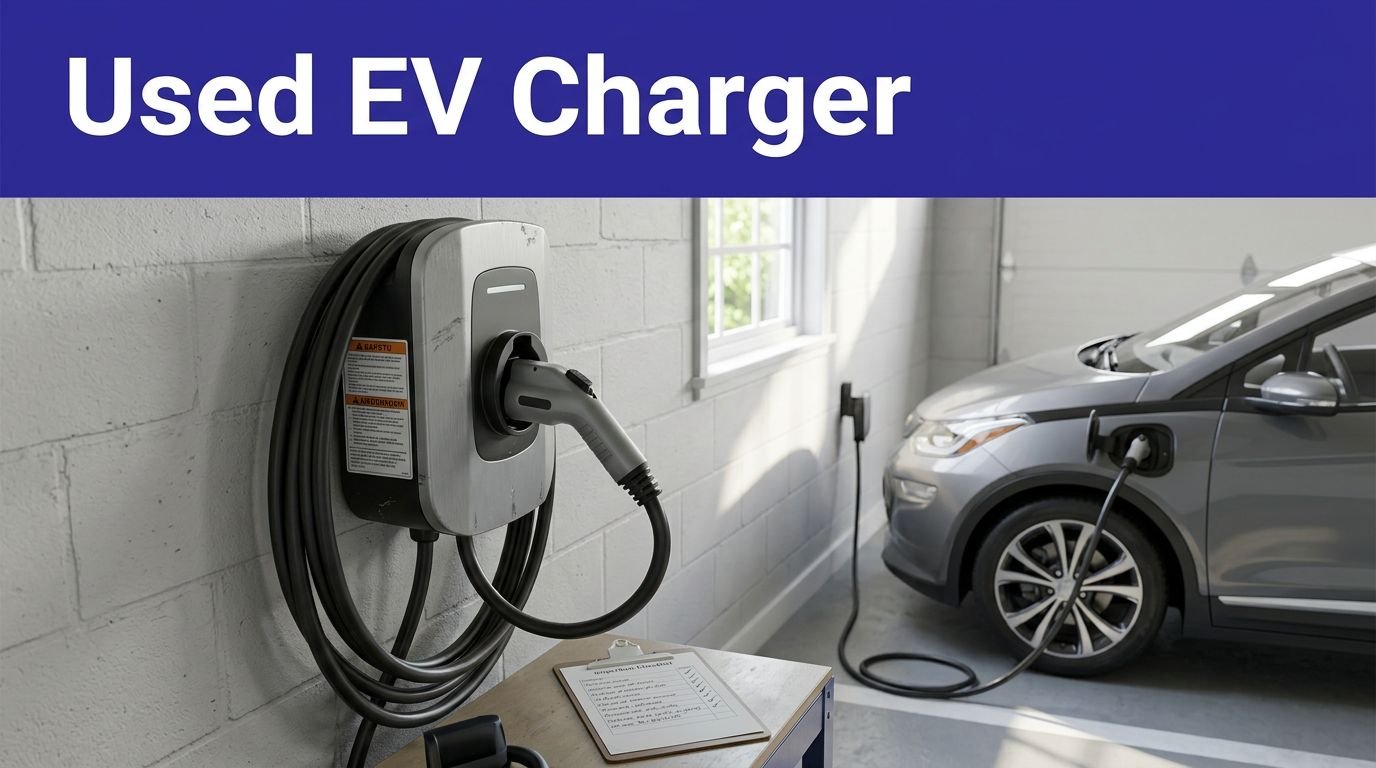
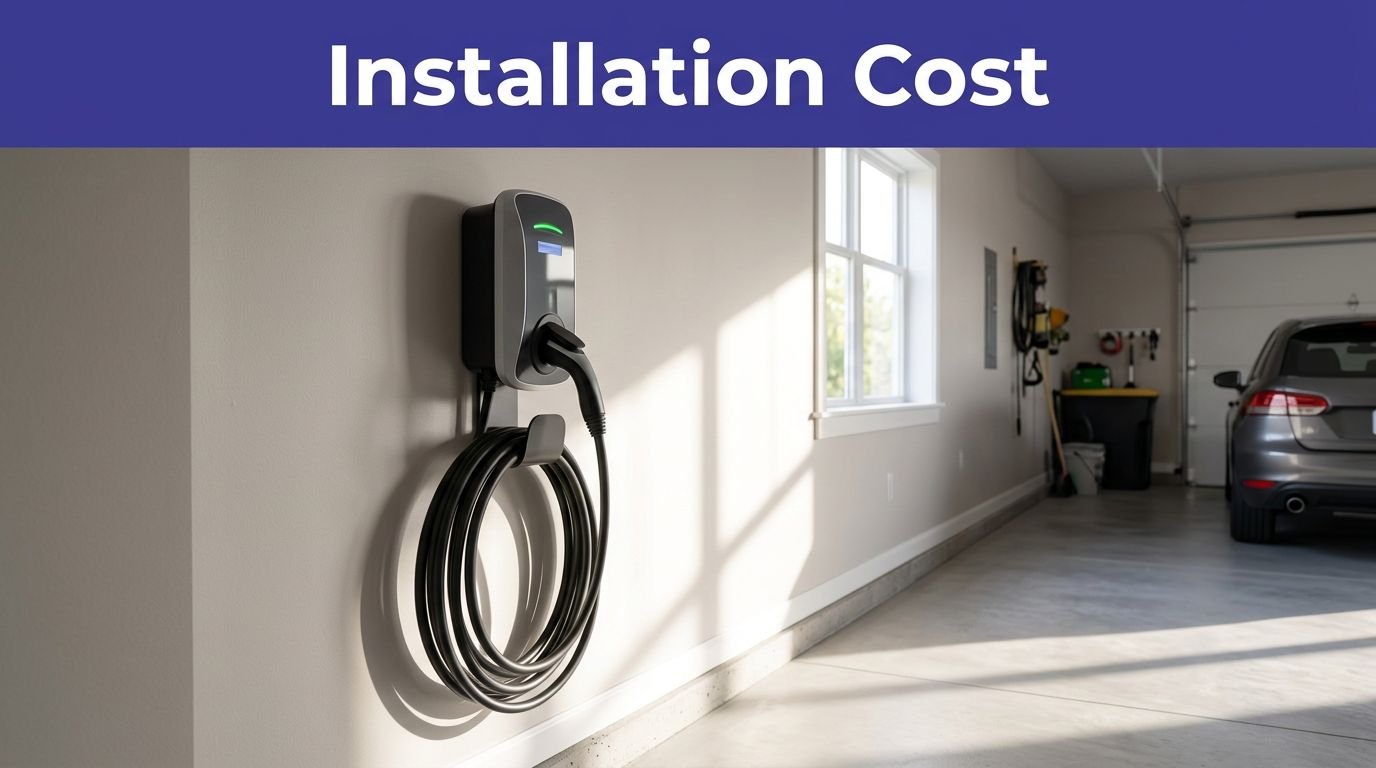
Hardware prices also vary widely. Some portable or plug-in Level 2 units cost a few hundred dollars. Hardwired smart chargers with longer cables and load-management features cost more. Qmerit’s home Level 2 installation guide places many complete installations between $749 and $2,500, with a typical cost around $1,700.
That range is not a quote for your house. A short garage run with an available panel slot is one job. A service upgrade, trench, long conduit run, and permit package is another job wearing the same “charger installation” hat.
Before choosing, ask an electrician to confirm:
- The panel’s service size and available capacity.
- The required breaker and wire size.
- Whether the outlet or charger location is protected from weather.
- Whether permits or inspection are required.
- Whether hardwiring is better than using a receptacle.
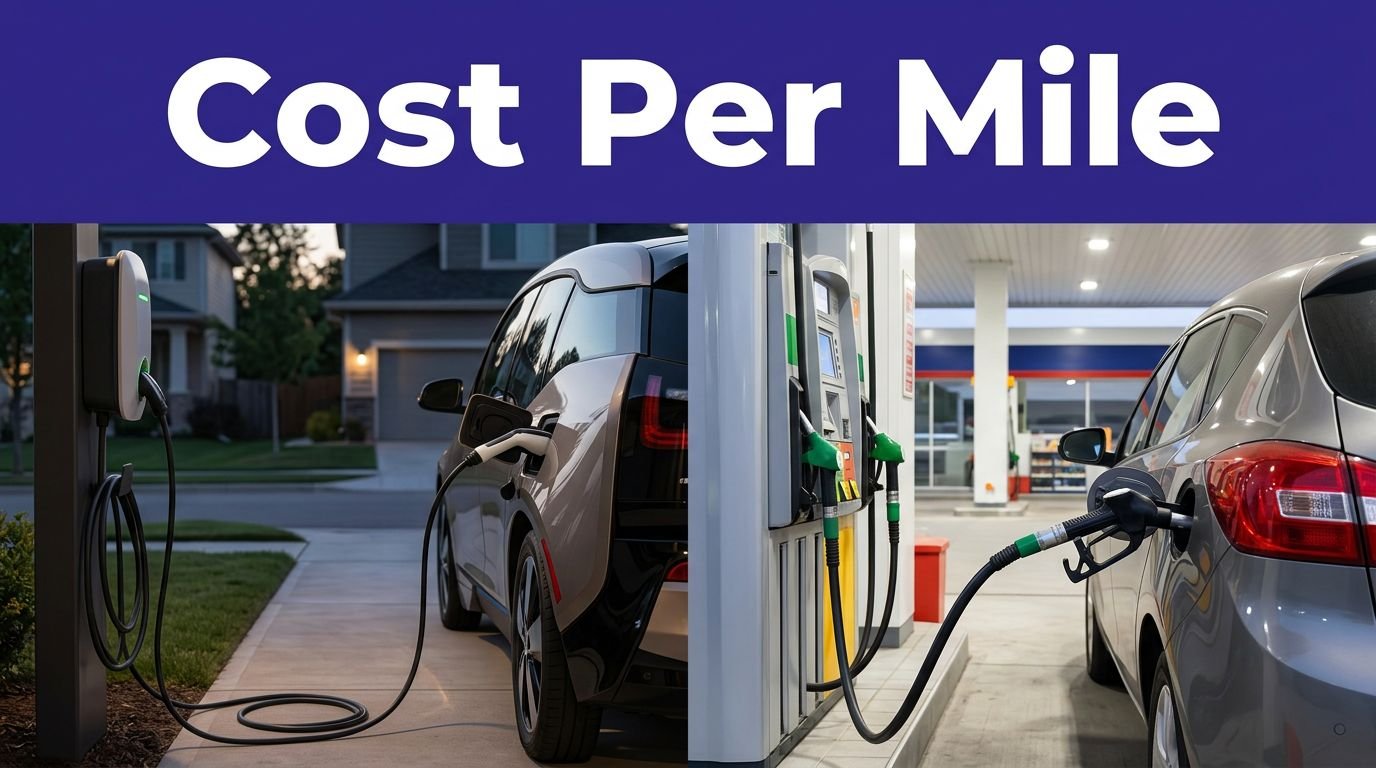
Electricity cost usually depends on your utility rate, not the charging level. Level 2 finishes sooner, but it doesn’t automatically cost more per kilowatt-hour. Charging during a utility’s off-peak hours can reduce the bill if your rate plan offers that option.
Which option fits your EV and home?
Start with your actual week, not the most dramatic charging story you saw online.
Look at the car’s energy use, your daily miles, and the hours it spends parked. If Level 1 can replace your typical driving overnight, buying Level 2 may be an expensive solution to a problem you don’t have.
The calculation is simple:
Daily energy needed = daily miles divided by miles per kilowatt-hour.
Then compare that number with the energy your outlet can deliver during your parking window. Leave room for charging losses and cold-weather changes. If the math barely works on a perfect night, Level 1 may feel frustrating in winter.
Level 2 is usually the better home setup for drivers who:
- Drive long distances several days each week.
- Have a battery-electric SUV, truck, or other high-consumption vehicle.
- Need to charge two EVs.
- Have limited overnight parking time.
- Want more flexibility before an early departure.
- Plan to keep the home and EV for several years.
Renters and apartment residents may not control the electrical work. In that case, Level 1 can be a practical stopgap, while workplace or public Level 2 charging fills the gap. A portable Level 2 charger is not automatically a good answer if the available outlet is not rated for continuous EV charging.
The best setup is the one that matches your parking pattern. A 240-volt charger is not a personality upgrade. It won’t make a short commute longer. It will make recovery time shorter.
Is Level 2 worth it for daily driving?
For many EV owners, yes, especially when the installation is straightforward and the vehicle stays for the long haul. The convenience is not about charging from empty to full every night. It is about returning home with a low battery and having useful range ready after dinner.
Level 1 remains a sensible choice for light driving. It has low equipment cost, minimal installation work, and enough overnight time for many commuters. It becomes less comfortable when your daily miles rise or your schedule stops cooperating.
The Level 1 vs Level 2 charging choice should follow three numbers: miles driven, hours parked, and charging power available at home. Get those right, then choose the equipment. Otherwise, you may spend thousands of dollars to solve a problem your EV already solved while you were asleep.
Conclusion
Level 1 charging can cover short daily driving when the EV has a long overnight parking window. Level 2 is faster, more flexible, and usually worth considering for longer commutes, larger vehicles, shared charging, or unpredictable schedules.
The practical answer isn’t the charger with the biggest number. It’s the setup that restores your usual driving energy before you need the car again. For some owners, that’s a household outlet. For others, Level 2 charging is what keeps the morning routine boring, which is exactly what you want.