Buying a Used EV: How to Check Battery Health and Charging Equipment
A used EV can be a great deal, but the battery is the most expensive part. Here's the checklist I'm using when I look at used electric cars.
As an Amazon Associate, EV Charging may earn from qualifying purchases. This helps support our independent guides at no extra cost to you. Learn more.
Key takeaways
- Ask for a battery health report or check the car's estimated full-charge range.
- Check warranty coverage on the battery; many EV batteries carry long federal-minimum warranties.
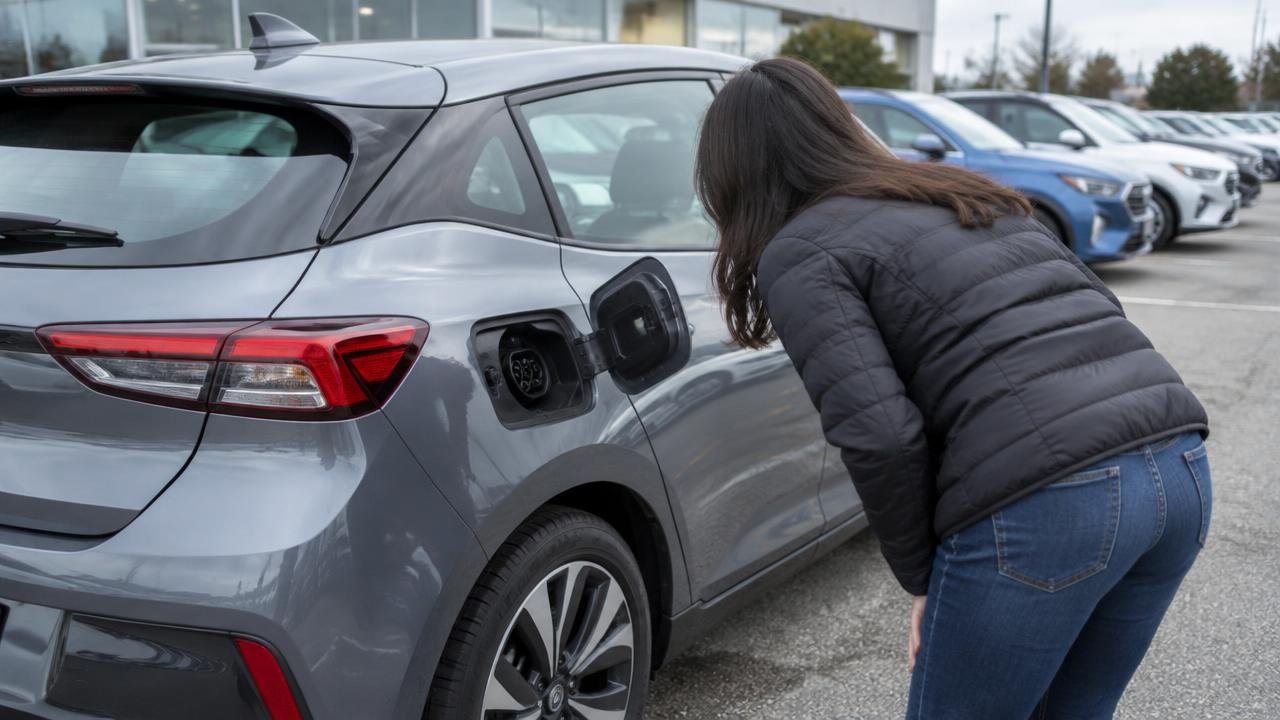
- Confirm the charge port type and whether the original charging cable is included.
Look at the battery first
Many EVs show an estimated range at 100% charge. Compare it with the original EPA range on FuelEconomy.gov for that year and trim. Some dealers can also print a battery health report.
Shop this guide
Compare current options and prices
Check the warranty
Federal rules require EV battery warranties of at least 8 years or 100,000 miles on certain components, and some states require longer. Confirm what's left on the specific car you're buying.
Don't forget the charging gear
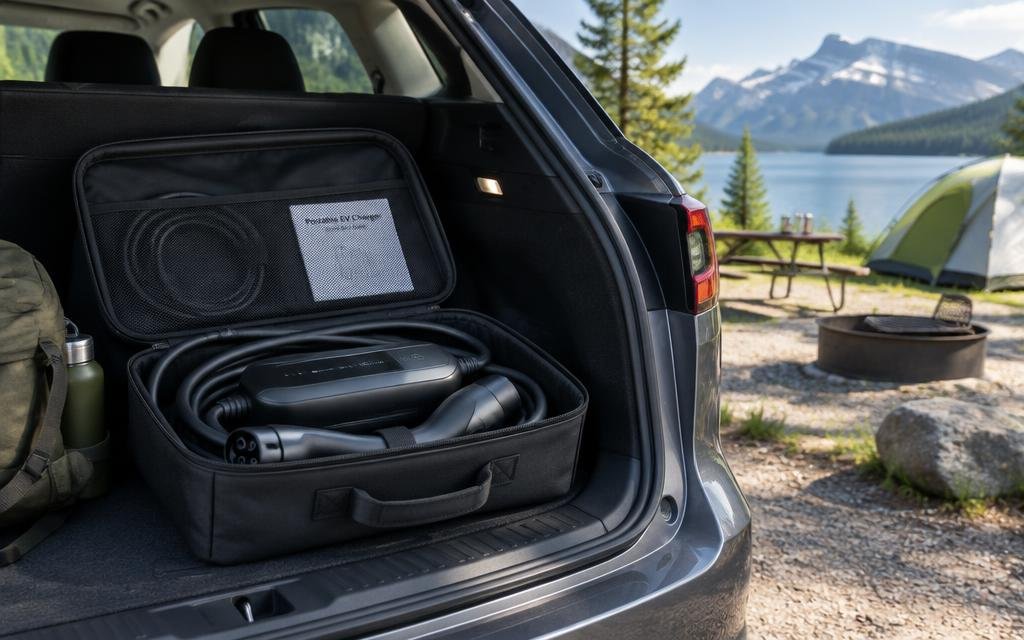
Find out whether the mobile charging cable comes with the car and what plug the car uses (J1772 or NACS). Factor a home charger into your budget if one isn't included.
Sources & further reading

Written by
LarryLeoLarryLeo started EV Charging while researching his own next car purchase. He digs into the pros, cons and real cost savings of going electric — using government, standards-body and manufacturer sources — and shares what he finds so other buyers can decide with confidence.
Why trust EV Charging Guide
Our guides are researched from government, standards-body and manufacturer sources, reviewed for accuracy, and updated when rules or products change. Brands cannot pay for placement. Read our editorial policy.
Related Posts
Best Level 2 EV Charger for Home in 2026: How to Choose the Right One
Best EV Charger for Tesla Model Y at Home: NACS vs J1772 Explained